
2MonthOld Baby Activities: Boosting Visual Tracking and Focus


Welcome to BabyCareHub, your ultimate guide to navigating the exciting yet challenging journey of parenthood. Are you curious about your little one's rapidly developing world? We delve into the fascinating intricacies of 2-month-old baby visual development, exploring how their vision sharpens and how you can actively support this crucial milestone. Discover engaging activities to boost your baby's visual tracking and focus – because every moment of connection contributes to their healthy growth. Let's embark on this enriching exploration together!
- Understanding Your 2-Month-Old's Visual Development
- Engaging Activities to Stimulate Visual Tracking
- Creating a Stimulating Visual Environment for Your 2-Month-Old
- Practical Tips for Supporting Your Baby's Visual Development
- Beyond Visual Tracking: Cognitive Development at 2 Months
-
Frequently Asked Questions
- What is the typical visual development of a 2-month-old baby?
- What activities can I do to stimulate my 2-month-old's visual development?
- Should I be concerned if my 2-month-old doesn't seem to track objects well?
- How long should I spend on visual stimulation activities with my 2-month-old?
- Are there any toys specifically designed to improve a 2-month-old's visual skills?
- Final Reflection: Nurturing the Seeds of Perception
- Unlock Your Baby's Potential: Nurture Visual Development Now!
Understanding Your 2-Month-Old's Visual Development
At two months old, your little one is experiencing a world of vibrant sights and sounds for the very first time. This period marks a significant leap in their visual development, a journey that lays the foundation for future learning and interaction. This article focuses on the remarkable visual progress your 2-month-old is making and offers engaging activities to stimulate and support their burgeoning abilities.
We'll explore what's typical for visual development at this age, how to assess your baby's vision, and address some common concerns parents may have. Understanding your baby's visual capabilities at this stage is crucial for nurturing their cognitive growth and building a strong parent-child bond through interactive play.
By engaging in the activities suggested, you'll not only be helping your baby develop their visual skills, but also strengthening your connection and fostering crucial early development. This guide will provide you with the knowledge and tools to help your little one thrive.
Milestones in 2-Month-Old Visual Development: What to Expect
At two months, your baby's visual world is expanding rapidly. While their vision isn't yet fully developed (that happens gradually over the first few years), they're making incredible strides. Here are some key milestones to watch for in your 2-month-old's visual development, keeping in mind that every baby develops at their own pace:
- Improved Focus: Your baby can now focus on objects for longer periods, typically up to 10-15 seconds. They'll start to follow moving objects more smoothly, even if it's just your face as you move across the room.
- Enhanced Tracking: They're getting better at tracking objects with their eyes, following their movement from side to side and up and down. This is a crucial skill for future hand-eye coordination.
- Color Perception: While not fully developed, their color vision is improving. They can now distinguish between brighter colors, particularly reds and yellows.
- Depth Perception: The beginnings of depth perception are emerging. They may start showing interest in three-dimensional objects and begin to understand distance.
- Preference for Faces: Babies at this age show a strong preference for faces. They'll happily gaze at your face for extended periods, recognizing familiar features.
This development is crucial for building social-emotional connections and fostering a sense of security. The enhanced focus and tracking skills are essential for future learning and development, paving the way for more complex visual tasks later on. Remember to celebrate every small victory and enjoy these precious moments of connection.
Assessing Your Baby's Visual Acuity at 2 Months
While a comprehensive eye exam isn't typically recommended until later, you can observe several indicators to assess your baby's visual acuity at home. These observations should not replace professional advice; if you have any concerns, consult your pediatrician or an ophthalmologist.
Here are some simple ways to assess your baby’s visual development:
- Following Objects: Hold a brightly colored toy or object a few inches from your baby's face and slowly move it. Does your baby follow it with their eyes? If so, this indicates good tracking abilities.
- Response to Light: Note your baby's response to changes in light. Do they blink or turn away from bright lights? This shows their eyes are functioning correctly.
- Eye Alignment: Observe if both eyes are aligned. If you notice any strabismus (crossed eyes) or other abnormalities, consult your pediatrician immediately.
- Interest in Faces: Does your baby show a clear preference for faces over other objects? This is a positive sign of developing visual preference and social engagement.
Remember, every baby develops at their own pace. Don't compare your baby's development to others. Focus on celebrating their individual milestones. Regular checkups with your pediatrician will help ensure your baby’s visual development is on track.
Common Visual Development Concerns at 2 Months
While most babies develop normally, some may experience minor delays or challenges. It’s crucial to be aware of potential concerns and consult your pediatrician if you notice anything unusual. Remember, early intervention is key.
Some common concerns include:
- Lazy Eye (Amblyopia): One eye may appear to wander or not focus properly. This requires early intervention to prevent vision problems later in life.
- Crossed Eyes (Strabismus): Both eyes may appear crossed or misaligned. This can also affect depth perception and should be addressed by an ophthalmologist.
- Excessive Blinking or Rubbing Eyes: This could indicate dryness, irritation, or an underlying condition.
- Light Sensitivity: Extreme sensitivity to light might signal a problem.
If you notice any of these concerns, don't hesitate to seek professional advice. Early detection and treatment are vital for ensuring your baby's optimal visual development. Regular check-ups with your pediatrician are essential for monitoring your baby's overall health and development, including their vision. Early intervention can often prevent long-term vision problems. 👶
Engaging Activities to Stimulate Visual Tracking
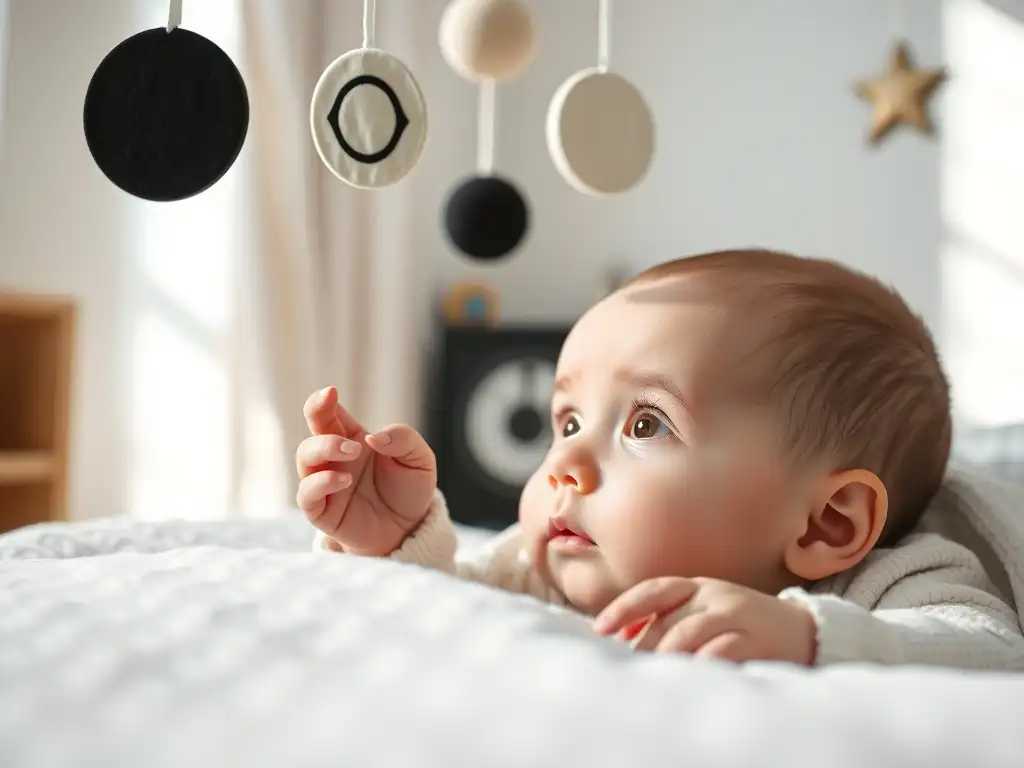
This section focuses on practical activities to boost your 2-month-old's visual tracking and focus, crucial aspects of their visual development. At this age, babies are rapidly developing their ability to follow moving objects and focus their gaze, laying the foundation for future visual skills. Remember, consistency is key; regular engagement with these activities will yield the best results. We'll explore several methods proven effective in stimulating this important developmental milestone, addressing the specific needs of a 2-month-old's visual capabilities. Remember to always supervise your baby during these activities.
High-Contrast Toys for Enhanced Visual Stimulation
Two-month-old babies are particularly drawn to high-contrast patterns. Their visual acuity is still developing, and bold patterns, like black and white stripes or checkerboards, are easier for them to perceive and track. This preference stems from the limited visual capabilities at this age; high contrast aids in stimulating the visual cortex.
Consider these options for high-contrast toys:
- Black and white patterned books: Simple books with large, contrasting images are ideal.
- Crinkle toys: These offer both visual and tactile stimulation. Choose ones with bold patterns.
- High-contrast mobiles: These can be hung above the crib, providing a stimulating visual experience.
- Homemade toys: You can easily create your own high-contrast toys using felt, fabric scraps, and contrasting colors. For example, a simple black and white spiral toy can be incredibly effective.
The key here is to present these toys slowly and deliberately, moving them gently across your baby's field of vision. Observe their responses; do they follow the toy with their eyes? Do they seem engaged? This observation helps you gauge their progress and adjust the activity accordingly. Remember to vary the toys and patterns to keep them engaged and prevent boredom.
Mobile Toys: Engaging Visual Tracking Exercises
Mobile toys, hung above the crib or play mat, are excellent tools for stimulating visual tracking in 2-month-olds. The movement of the mobile captures their attention, encouraging them to follow the objects with their eyes. This strengthens their eye muscles and improves coordination between their eyes and brain.
Here's what to consider when selecting a mobile:
- Movement: The mobile should move slowly and predictably, allowing your baby time to follow the objects. Avoid overly fast or erratic movements.
- Contrast: Similar to other toys, high-contrast colors and patterns are best.
- Safety: Ensure the mobile is securely attached and out of your baby's reach to prevent accidents.
- Variety: Rotate mobiles regularly to prevent boredom.
When using mobile toys, observe your baby's reactions. Some babies may become fixated on one particular object, while others may track the entire mobile. The duration of engagement will also vary. These differences are normal; each baby develops at their own pace. The goal is to provide consistent, engaging visual stimulation. You could even narrate what your baby is seeing, adding an auditory element to the visual stimulation.
Face-to-Face Interaction: The Power of Eye Contact
Face-to-face interaction is arguably the most important activity for visual development in 2-month-olds. Direct eye contact with a caregiver is incredibly stimulating, fostering a strong bond and significantly impacting visual tracking skills. The human face, with its complex features and expressions, provides rich visual information that enhances their visual processing.
Here's how to maximize the benefits:
- Close proximity: Get close enough for your baby to clearly see your face.
- Vary expressions: Make different faces, smile, and talk to them. This provides dynamic visual stimuli.
- Slow movements: Slowly move your head or a toy in front of your face to encourage tracking.
- Sing songs: Singing lullabies or simple songs adds an auditory element, further enhancing engagement.
This simple yet powerful interaction strengthens the bond between parent and child while providing crucial visual stimulation. The responsiveness of your baby during this interaction provides valuable insights into their visual development. Note any preference for looking at specific features, like your eyes or mouth; this can be a fascinating observation. Remember that consistent face-to-face time is invaluable for your baby's overall development, extending far beyond just visual tracking.
Following Moving Objects: Simple Games to Boost Focus
At two months old, your baby's visual system is rapidly developing, and engaging them with moving objects is a fantastic way to enhance their focus and tracking skills. This is crucial for their overall visual development and lays the foundation for future cognitive abilities. Remember, consistency is key; short, frequent sessions are more effective than long, infrequent ones. Always supervise your baby closely during these activities.
One simple and effective game involves slowly moving a brightly colored toy, such as a rattle or a soft toy with contrasting patterns, across your baby's field of vision. Start with slow, deliberate movements, allowing your baby ample time to follow the object with their eyes. Gradually increase the speed and complexity of the movement as your baby's tracking improves. Notice how their eyes follow the toy; this is a clear indicator of their developing visual tracking skills. You might even see them attempt to reach for the object, showcasing their developing hand-eye coordination.
Another engaging activity involves using a mobile hanging above the crib. Opt for mobiles with high-contrast patterns and slow-moving elements. The gentle movement will naturally capture your baby's attention, stimulating their visual tracking and promoting relaxation. Ensure the mobile is securely attached and placed at a safe distance to prevent any accidents. Different mobiles offer varying levels of stimulation; you can experiment to find what your baby responds to best. Some babies are particularly drawn to black and white patterns, while others prefer brighter, more vibrant colors.
Remember to vary the types of objects you use. Try using different textures and shapes to keep your baby engaged and prevent boredom. This variety also helps stimulate their developing visual processing skills. For instance, you could use a textured ball, a soft plush toy, or even your own hands, making funny faces or slowly moving your fingers across their visual field.
These simple interactions are powerful tools in fostering healthy visual development in your 2-month-old. The key is to make it fun and interactive, turning these exercises into enjoyable bonding moments. Observe your baby's reactions and adjust the game accordingly; some days they might be more interested than others.
Creating a Stimulating Visual Environment for Your 2-Month-Old
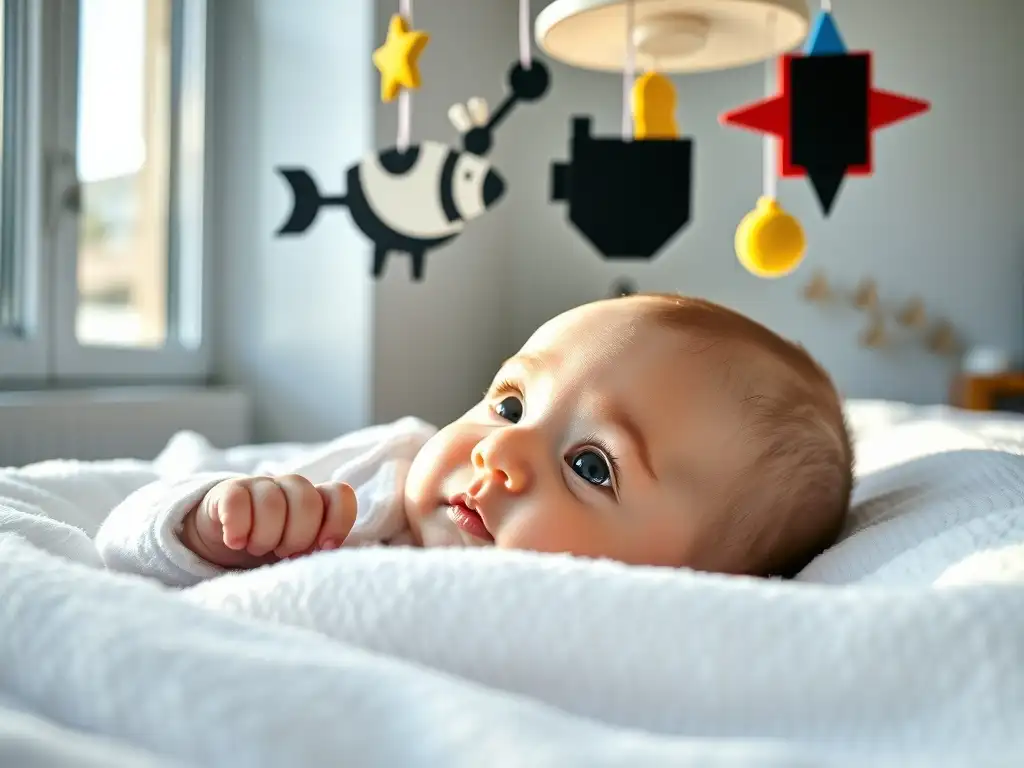
This section focuses on crafting a visually rich environment to support your 2-month-old's burgeoning visual development. At this age, babies are rapidly improving their visual acuity, depth perception, and ability to track moving objects. Providing a stimulating environment is crucial for their healthy development and lays the groundwork for future cognitive skills. Remember, consistent engagement is key; even short, frequent sessions are beneficial for your little one's 2monthold baby visual development.
Optimizing Lighting for Visual Comfort and Stimulation
Proper lighting is paramount for visual comfort and stimulation in your 2-month-old. Harsh, direct sunlight can be overwhelming, while dim lighting makes it difficult for them to see clearly. Aim for soft, diffused natural light whenever possible. Consider sheer curtains or blinds to filter sunlight. For nighttime or darker days, use a soft, warm-toned lamp. Avoid bright, flickering lights, as these can be irritating and even harmful to developing eyes.
Optimal lighting conditions will help your baby distinguish between light and dark, enhancing their contrast sensitivity. This, in turn, contributes significantly to their 2monthold baby visual development journey. Remember to regularly check the lighting levels in your baby's play areas and adjust accordingly throughout the day. A well-lit environment allows for better visual exploration and engagement.
Choosing Appropriate Colors and Patterns for Visual Engagement
Two-month-olds respond best to high-contrast colors and simple patterns. Think black and white, red and white, or yellow and black. These bold contrasts are easier for their developing eyes to perceive and track. Avoid overly complex or busy patterns, as these can be overwhelming and difficult to focus on.
Consider using:
- Black and white mobiles with simple shapes.
- Books with high-contrast images.
- Colorful toys with distinct patterns.
Remember, the goal is to stimulate visual processing without causing visual fatigue. Introducing a variety of colors and patterns gradually will help your baby's visual system adapt and improve. This targeted approach to color and pattern selection directly supports 2monthold baby visual development. Observe your baby’s reactions—if they seem overwhelmed, simplify the visual stimuli.
Safe and Engaging Play Areas for Visual Exploration
Creating a safe and engaging play area is crucial for stimulating your 2-month-old's visual development. This space should be free from hazards and filled with visually appealing objects.
Here's a checklist for creating a safe and stimulating play area:
| Feature | Description | Importance |
|---|---|---|
| Soft surface | A padded playmat or blanket on the floor | Prevents injury from falls. |
| Visual Stimulation | High-contrast toys, mobiles, or books within easy reach but out of reach to grab. | Provides engaging visual targets for tracking and focusing. |
| Safe distance | Ensure all objects are a safe distance away to prevent accidental ingestion. | Prevents choking hazards. |
| Adequate lighting | Soft, diffused lighting, avoiding harsh glare or shadows. | Optimizes visual comfort and clarity. |
| Supervision | Always supervise your baby during playtime. | Ensures safety and prevents accidents. This is crucial for the development of 2monthold baby visual development. |
Remember to rotate toys and objects regularly to maintain your baby's interest and prevent visual boredom. This variety keeps them engaged and supports their ongoing 2monthold baby visual development. A stimulating environment will help your little one reach their full visual potential. 🎉
Practical Tips for Supporting Your Baby's Visual Development
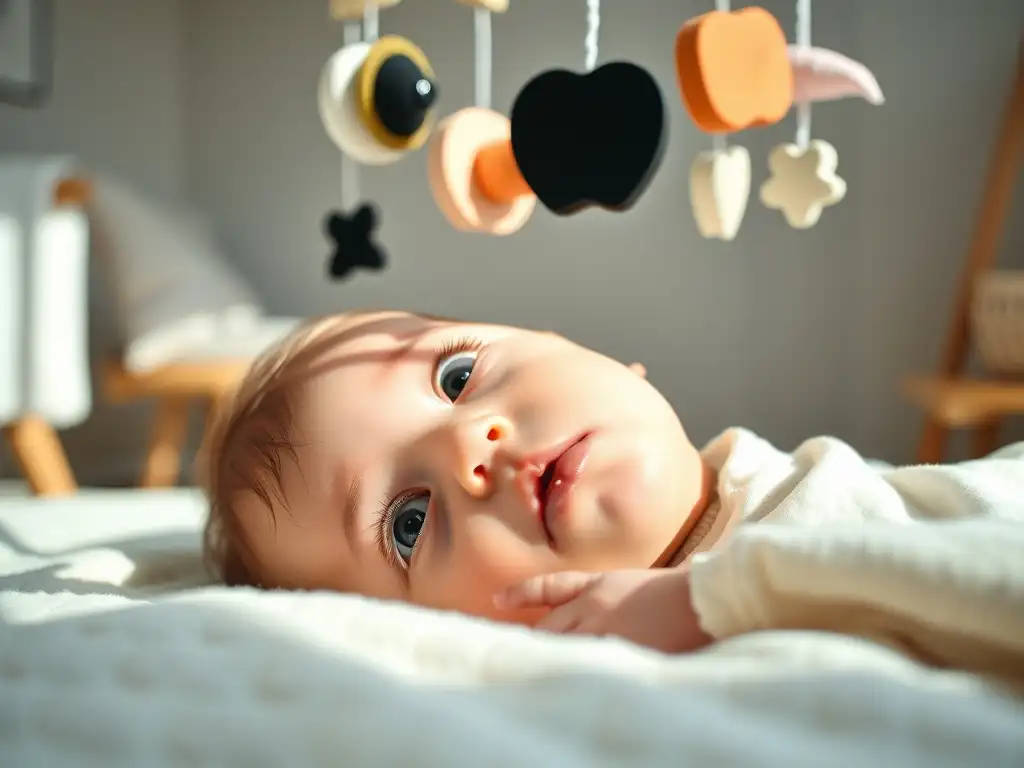
This section focuses on practical, everyday strategies to nurture your 2-month-old's burgeoning visual skills. Remember, consistency is key when it comes to supporting your baby's 2monthold baby visual development. Even small, regular interactions can make a significant difference.
Creating a Routine for Visual Stimulation Activities
Establishing a daily routine incorporating visual stimulation activities is crucial. This doesn't require elaborate plans; simple, consistent engagement is more effective. Aim for several short sessions throughout the day, rather than one long session. A good starting point might be three 10-15 minute sessions.
Here's a sample schedule you can adapt to your baby's cues:
- Morning: After feeding and diaper change, spend 10 minutes holding your baby close and slowly moving a brightly colored toy (a rattle, a soft toy with contrasting patterns) in front of their face. Observe their eye tracking.
- Afternoon: During tummy time (always supervised! ), place a colorful mobile above them or use high-contrast flashcards. This helps strengthen neck muscles and encourages visual focus.
- Evening: Before bedtime, engage in a calming visual activity like looking at simple picture books with large, clear images. This promotes relaxation and positive visual associations.
Remember to always supervise your baby during these activities. Vary the toys and activities to prevent boredom and maintain engagement. Observe your baby's reactions; if they seem tired or overwhelmed, take a break. The goal is positive reinforcement, not stress.
Recognizing Signs of Visual Problems in Infants
While most babies develop normal vision, it's important to be aware of potential warning signs. Early detection is crucial for timely intervention. Some indicators of potential visual problems in a 2-month-old include:
- Excessive eye crossing (strabismus): While occasional crossing is normal, persistent or frequent crossing warrants attention.
- Eye turning inward or outward: Consistent turning of one or both eyes in a particular direction may indicate a problem.
- Lack of eye contact: A consistent failure to make eye contact, especially when engaging in interaction, could signal a developmental delay.
- Sensitivity to bright light: Unusual sensitivity or aversion to bright lights might indicate an underlying issue.
- Poor tracking of moving objects: Inability to follow moving objects with their eyes, or only doing so poorly.
- Blinking excessively or infrequently: Unusual blinking patterns should be monitored.
It's important to remember that these are just potential indicators. Some babies develop more slowly than others. However, if you observe any of these consistently, it's crucial to seek professional advice.
When to Consult a Pediatrician Regarding Visual Development
Regular check-ups with your pediatrician are essential for monitoring your baby's overall development, including visual acuity. However, you should consult your pediatrician immediately if you notice any of the following:
- Persistent eye crossing or turning: If the signs mentioned above are consistent and not resolving.
- Absence of visual response to light or movement: If your baby doesn't react to light or moving objects at all.
- Unusual eye discharge or redness: Any signs of infection or irritation in the eyes.
- Family history of eye problems: If there's a family history of visual impairments, proactive monitoring is particularly important.
Early intervention is key for managing potential visual impairments. Don't hesitate to contact your pediatrician if you have any concerns about your baby's visual development. They can perform a comprehensive eye exam and provide appropriate guidance. Early diagnosis and treatment can significantly improve your baby's visual outcome and overall development. Remember, your pediatrician is your best resource for addressing any developmental concerns. 👶
Beyond Visual Tracking: Cognitive Development at 2 Months
At two months old, your baby's visual development is rapidly progressing, going far beyond simply tracking objects. This period marks a significant leap in cognitive development, intricately linked to their improving visual skills. While tracking moving objects is a key milestone, the ability to focus and interpret what they see is equally crucial for their overall brain development.
Think of it this way: tracking is the hardware, while understanding and reacting to what's tracked is the software. Both are essential for a healthy and thriving infant. This section will explore how visual stimulation at this age lays the foundation for future cognitive abilities.
We'll delve into how your baby begins to associate visual input with other sensory experiences, paving the way for complex learning and understanding. Remember, consistent engagement with your little one is key to supporting their developmental journey. The more you interact and stimulate their senses, the faster their brain will develop.
Linking Visual Stimulation with Other Sensory Experiences
At two months, babies are starting to integrate different senses. They're not just seeing things; they're connecting what they see with what they hear, feel, smell, and even taste. This multi-sensory integration is crucial for cognitive development. For example, when you rattle a brightly colored toy above your baby's head (visual stimulation), the sound (auditory stimulation) further enhances their engagement. The texture of the toy, if you allow them to touch it safely (tactile stimulation), adds another layer to the experience. This integrated approach strengthens neural pathways, making learning more efficient and effective. Consider these examples:
- Sound and Sight: Sing songs while showing them brightly colored picture books. The combination of melody and visuals stimulates both auditory and visual processing.
- Touch and Sight: Offer them soft, textured toys with varying colors and patterns. The tactile experience enhances their visual exploration.
- Movement and Sight: Gently move a brightly colored mobile above their crib. The combination of movement and visual stimulation helps track movement and improve focus.
Remember to introduce new stimuli gradually, observing your baby's reactions and adjusting accordingly. Over-stimulation can be counterproductive, leading to fatigue and frustration. Short, frequent sessions are more effective than long, intense ones.
The Importance of Tummy Time for Visual and Motor Development
Tummy time isn't just about strengthening neck and back muscles; it's also a vital component of visual development at 2 months old. While lying on their stomach, your baby is forced to lift their head, strengthening their neck muscles and improving their ability to focus on objects at different angles and distances. This improved head control directly impacts their visual tracking abilities. Furthermore, tummy time encourages exploration.
As your baby lifts their head, they'll naturally scan their surroundings, taking in more visual information. This active engagement is far more effective than passive observation. The improved head control also allows them to explore the world around them through their other senses. For example, they can reach for objects, exploring their tactile properties.
Data suggests that consistent tummy time is correlated with better head control, improved visual tracking, and accelerated motor development in infants. However, always supervise your baby during tummy time and never leave them unattended. Start with short sessions (a few minutes at a time) and gradually increase the duration as your baby gets stronger. Make it fun by placing interesting toys within their reach to encourage them to lift their head and reach.
Encouraging Interaction and Response During Visual Activities
At this age, your baby is starting to understand cause and effect. They're beginning to realize that their actions have consequences. You can leverage this developing understanding to enhance their visual engagement. For instance, when you make a funny face, they might smile or giggle in response. This interaction strengthens the connection between visual input and their emotional response. Similarly, when you show them a toy and then hide it, their search for the toy demonstrates their developing object permanence (understanding that objects continue to exist even when out of sight).
Here are some practical ways to encourage interaction during visual activities:
- Interactive games: Play peek-a-boo, which is a classic game that combines visual stimulation with social interaction.
- Responsive play: React enthusiastically to your baby's attempts to track objects or reach for toys. This positive reinforcement encourages them to repeat these actions.
- Varied stimuli: Introduce a range of visual stimuli, including different colors, patterns, shapes, and textures. This keeps them engaged and prevents boredom.
Remember, the key is to make it fun and engaging. Your baby's reaction is your best guide. If they seem tired or overwhelmed, take a break and try again later. Consistent, positive interaction is crucial for fostering their visual and cognitive development. Observe your baby's cues and adapt your approach accordingly. Each baby develops at their own pace, and celebrating their unique milestones is key.
Frequently Asked Questions
What is the typical visual development of a 2-month-old baby?
At 2 months, babies can usually focus on objects about 8-12 inches away. They're starting to track moving objects more smoothly and show increasing interest in faces. Their vision is still developing, but rapidly improving.
What activities can I do to stimulate my 2-month-old's visual development?
Simple activities like hanging mobiles with contrasting colors and patterns, showing them high-contrast images (black and white or very bold colors), and gently moving toys across their field of vision are excellent. Face-to-face interaction is also crucial.
Should I be concerned if my 2-month-old doesn't seem to track objects well?
While most babies develop at a similar pace, some variations are normal. If you have concerns about your baby's visual development, consult your pediatrician. They can assess your baby's progress and provide guidance.
How long should I spend on visual stimulation activities with my 2-month-old?
Keep sessions short and sweet, around 5-10 minutes at a time. Over-stimulation can be counterproductive. Observe your baby's cues – if they seem tired or disinterested, take a break.
Are there any toys specifically designed to improve a 2-month-old's visual skills?
Yes! Look for toys with high-contrast colors and patterns, simple shapes, and moving parts that encourage tracking. Remember that baby-safe materials are essential.
Final Reflection: Nurturing the Seeds of Perception
The world unfolds through a two-month-old's eyes, a vibrant tapestry of blurry shapes and shifting lights, yet within this seemingly chaotic scene lies the incredible potential for rapid visual development. Understanding and actively supporting this crucial stage is not just about ticking developmental boxes; it's about fostering a lifelong love of learning and enriching the very foundation of their cognitive growth.
Witnessing my own child's visual progress during these early weeks has been profoundly moving. The gradual sharpening of focus, the delighted tracking of a moving object, these small milestones are monumental steps in their journey of understanding the world. The greatest discovery of all time is that a person can change his future by merely changing his attitude.
– Oprah Winfrey. This quote resonates deeply because the proactive engagement described in this article directly impacts a child's future capacity for learning and interaction. It's a testament to the power of nurturing those initial sparks of perception.
Now, consider the simple yet powerful activities discussed within this article. Think about how you can integrate these playful interactions into your daily routine, transforming mundane moments into opportunities for enriching your baby's visual development. Don't just passively observe your child's growth; actively participate in shaping their visual journey. Engage with them, stimulate their senses, and watch as their world blossoms into sharper focus, a testament to the incredible power of early intervention and the enduring bond between parent and child.
Unlock Your Baby's Potential: Nurture Visual Development Now!
Thank you for learning about enhancing your baby's visual development! You've gained valuable insights into fostering their early growth – now let's put that knowledge into practice.
Here's how you can continue nurturing your little one's amazing potential:
- Prioritize High-Contrast Playtime: Dedicate 15 minutes each day to engaging activities using high-contrast toys or patterns. This simple step can make a significant difference in your baby's visual development.
- Connect with Other Parents: Share your experiences and connect with other parents in our online community forum, BabyCareHub. The support and shared experiences are invaluable.
- Create a Sensory Exploration Box: Make a simple box filled with safe, textured items for your baby to explore. This is a fun and effective way to stimulate both tactile and visual development.
Ready to watch your baby's world expand? What exciting new visual experiences will you introduce today?