
10MonthOld Development: Activities for Enhanced Problem Solving

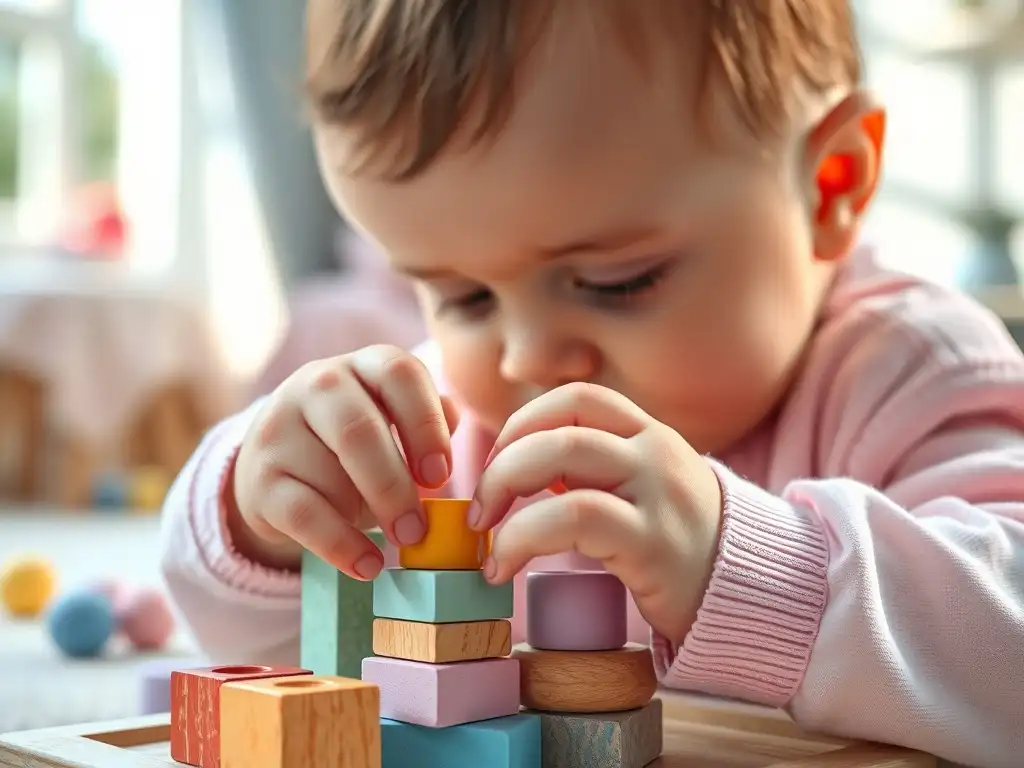
Welcome to BabyCareHub, your ultimate guide to navigating the incredible journey of parenthood! Are you ready to unlock your little one's potential? We understand the challenges and triumphs of raising a baby, and we're here to support you every step of the way. Discover practical, evidence-based advice on everything from feeding schedules to developmental milestones. Intrigued by how to nurture your baby's growing mind? Dive into our insightful article on 10monthold problemsolving activities and uncover engaging ways to foster your 10-month-old's cognitive development. Let's embark on this enriching experience together!
- Understanding Your 10-Month-Old's Problem-Solving Skills
-
Engaging Activities to Boost Problem-Solving at 10 Months
- Simple Puzzles and Shape Sorters: Developing Spatial Reasoning
- Stacking and Nesting Toys: Enhancing Fine Motor Skills and Problem-Solving
- Toy-Based Challenges: Hiding and Retrieving Objects
- Cause and Effect Toys: Understanding Actions and Consequences
- Interactive Books and Sensory Play: Stimulating Curiosity and Exploration
- Creating a Stimulating Environment for Problem Solving
- Assessing Progress and Adapting Activities
- The Importance of Play in Cognitive Development at 10 Months
- Next Steps: Preparing for Future Developmental Milestones
-
Frequently Asked Questions
- What kind of problem-solving activities are suitable for a 10-month-old?
- How can I encourage problem-solving skills in my 10-month-old?
- Are there any problem-solving activities that can help with fine motor skills development?
- How much time should I spend on problem-solving activities with my 10-month-old each day?
- My 10-month-old gets frustrated easily during problem-solving activities. What should I do?
- Final Reflection: Cultivating Curiosity: The Seeds of Problem-Solving at 10 Months
- Unlock Your Little One's Potential: Boost Problem-Solving Skills Now!
Understanding Your 10-Month-Old's Problem-Solving Skills
Ten months old! Your little one is blossoming, becoming increasingly independent and curious about the world around them. This stage marks a significant leap in cognitive development, with your baby starting to demonstrate impressive problem-solving skills.
This article will explore the cognitive milestones typical for a 10-month-old and provide practical, engaging activities to nurture and enhance their burgeoning problem-solving abilities. We'll delve into what you can expect to see in your baby's cognitive development at this age and offer strategies to help them develop crucial skills that will support their learning and growth throughout their life. We will focus on activities specifically designed to stimulate their problem-solving capabilities, helping them navigate challenges and develop a sense of accomplishment.
This guide aims to equip parents with the tools and understanding needed to foster their child’s intellectual growth, transforming everyday moments into valuable learning experiences. Remember, every baby develops at their own pace, so celebrate your little one's unique progress! 🎉
Cognitive Development at 10 Months: What to Expect
At 10 months, babies are rapidly expanding their understanding of cause and effect. They are beginning to understand that their actions have consequences. For example, they might shake a rattle to make a noise, repeatedly dropping a toy to see you pick it up. This is a crucial step in problem-solving, as it demonstrates an understanding of how to achieve a desired outcome (noise, attention) through a specific action.
This age also sees a surge in object permanence – the understanding that objects continue to exist even when out of sight. This is a foundational element for more complex problem-solving scenarios. You'll likely notice your baby actively searching for hidden toys, demonstrating a growing ability to mentally represent objects and their locations.
Their memory is also improving, allowing them to remember and replicate actions they've seen previously. Expect to see increased experimentation with objects, exploring different ways to manipulate them and discovering new functions. This experimentation is a key indicator of their developing problem-solving skills.
Recognizing Early Signs of Problem-Solving Abilities in 10-Month-Olds
Recognizing the early signs of problem-solving in your 10-month-old is key to fostering their development. Look for these indicators:
- Trial and error: Does your baby try different approaches to achieve a goal, such as repeatedly trying to reach a toy from different angles? This indicates they are actively testing solutions.
- Persistence: Do they persevere in their attempts, even if they encounter initial setbacks? This shows determination and a developing understanding of the problem-solving process.
- Imitation and replication: Are they imitating your actions and trying to replicate them, demonstrating an ability to learn from observation?
- Goal-directed behavior: Do they show clear intentions behind their actions, working towards a specific outcome (e.g., reaching for a desired toy)?
- Object manipulation: Are they exploring objects in various ways, experimenting with different actions to discover their properties and functions?
Observing these behaviors provides valuable insight into your baby's developing problem-solving skills, allowing you to tailor activities that will further enhance their abilities. Remember to celebrate their successes, no matter how small! Positive reinforcement is crucial in encouraging their continued exploration and development.
Engaging Activities to Boost Problem-Solving at 10 Months
Ten-month-olds are blossoming with curiosity and rapidly developing cognitive skills. This is a crucial time to nurture their problem-solving abilities, laying a strong foundation for future learning. Engaging them in activities that challenge their little minds in a playful way can significantly enhance their development. This section will explore several activities specifically designed to boost problem-solving skills in your 10-month-old, focusing on activities that are both fun and educational. Remember to always supervise your child during playtime and adapt activities to their individual abilities and interests. The key is to make learning an enjoyable experience!
Simple Puzzles and Shape Sorters: Developing Spatial Reasoning
Simple puzzles and shape sorters are excellent tools for enhancing spatial reasoning and problem-solving skills in 10-month-olds. These toys require babies to understand the relationship between shapes and spaces, encouraging them to experiment and find solutions. The act of fitting shapes into their corresponding holes improves hand-eye coordination and fine motor skills while simultaneously challenging their cognitive abilities. Look for puzzles with large, chunky pieces that are easy for little hands to grasp.
Consider puzzles with simple designs, such as those with only a few pieces or those featuring familiar objects like animals or vehicles. The satisfaction of successfully completing a puzzle is incredibly rewarding for a baby, motivating them to try again and again. This repetitive engagement strengthens their problem-solving strategies and builds confidence. For example, a simple wooden puzzle with three or four large, brightly colored pieces can be incredibly engaging for a 10-month-old.
As they master easier puzzles, gradually introduce more complex ones to maintain the challenge and keep them stimulated. Remember to praise their efforts and celebrate their successes, even the small ones! 🎉
Stacking and Nesting Toys: Enhancing Fine Motor Skills and Problem-Solving
Stacking and nesting toys offer a multifaceted approach to development, simultaneously improving fine motor skills and problem-solving abilities. These toys require babies to manipulate objects, coordinating their hand movements with their visual perception. The act of stacking rings or nesting cups requires planning and spatial reasoning, as babies must consider the size and shape of each piece before placing it. This process strengthens their understanding of cause and effect, as they learn that certain actions (like placing a smaller cup inside a larger one) lead to specific outcomes (a successfully nested set).
The progressive difficulty of stacking and nesting toys allows for gradual skill development. Starting with just a few large pieces, you can gradually increase the number of pieces and decrease their size as your baby's skills improve. This gradual increase in complexity keeps the activity engaging and prevents frustration. For instance, a set of stacking cups with varying sizes and colors can provide hours of entertainment and learning. Observe your child's progress; if they struggle with a particular task, offer gentle guidance and encouragement. The focus should be on the process of learning and problem-solving, rather than achieving perfection.
Toy-Based Challenges: Hiding and Retrieving Objects
Hiding and retrieving objects is a fantastic way to engage a 10-month-old's problem-solving skills. This simple game involves hiding a familiar toy under a blanket, in a box, or behind a pillow, and then encouraging the baby to find it. This activity helps them understand object permanence – the understanding that objects continue to exist even when they are out of sight. It also challenges their spatial reasoning skills, as they must search for the hidden object within their environment.
The excitement of discovering the hidden toy is a powerful motivator, encouraging repeated engagement with the game. You can increase the complexity by hiding the object in different locations, using more challenging containers, or introducing multiple hiding places. For example, you could hide a favorite rattle under a blanket, then under a pillow, and finally inside a basket. Observe how your baby approaches the challenge; do they systematically search each location, or do they rely on visual cues?
This provides valuable insight into their developing problem-solving strategies. Remember to keep the game fun and engaging, celebrating each successful retrieval with enthusiasm! 🥳
Cause and Effect Toys: Understanding Actions and Consequences
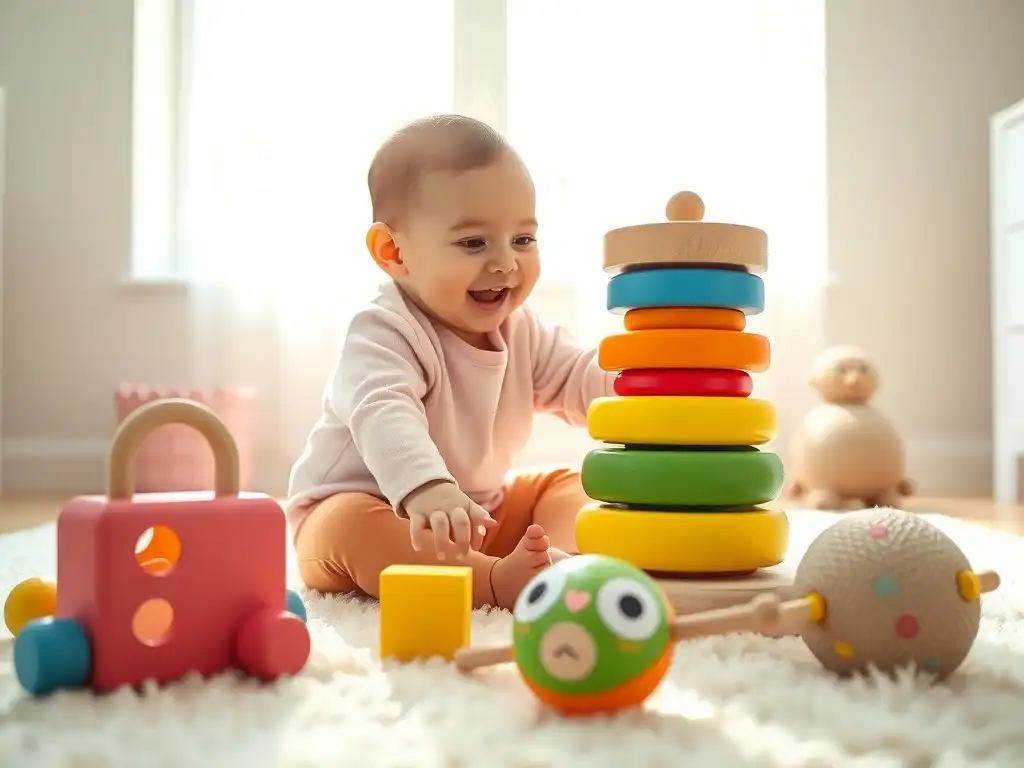
Ten-month-olds are rapidly developing their understanding of cause and effect. This is a crucial stage in their cognitive development, laying the foundation for future problem-solving skills. Cause and effect toys are specifically designed to nurture this understanding. These toys allow babies to explore the relationship between their actions and the resulting consequences. For example, a toy that plays music when a button is pressed directly demonstrates this relationship. The child learns that pressing the button causes the music to play. This simple interaction is a powerful learning experience.
Beyond simple button-pressing toys, there are many other options that offer increasingly complex cause-and-effect relationships. Stacking cups, for instance, teach babies about spatial reasoning and the concept of gravity. As they stack the cups, they learn that placing a larger cup on top of a smaller one will lead to a collapse – a direct consequence of their action. Similarly, shape sorters require babies to identify shapes and understand which shape fits into which corresponding hole. Success reinforces their understanding of cause and effect, while unsuccessful attempts provide valuable learning opportunities and encourage persistence.
Choosing age-appropriate cause-and-effect toys is vital. Look for toys with bright colors, engaging sounds, and simple mechanics. Avoid toys with small parts that could pose a choking hazard. Remember that the goal is to foster learning and exploration, not frustration. Observe your baby's interactions with the toys and adjust the level of complexity as needed. Celebrate their successes and offer gentle guidance when they encounter challenges. This positive reinforcement will encourage further exploration and solidify their understanding of cause and effect. This understanding is the bedrock upon which more complex problem-solving skills will be built.
Interactive Books and Sensory Play: Stimulating Curiosity and Exploration
Interactive books and sensory play are invaluable tools for stimulating a 10-month-old's curiosity and developing their problem-solving abilities. Interactive books go beyond simple picture books; they often include textures, flaps to lift, and hidden elements that encourage exploration and discovery. The act of lifting a flap to reveal a hidden picture teaches a baby to anticipate and solve a simple problem: "What's hidden under the flap?" This anticipation and the subsequent reward of discovering the hidden image strengthens their problem-solving skills. Books with textures, such as crinkly pages or fuzzy patches, engage multiple senses, further enhancing the learning experience.
Sensory play expands on this concept, offering a multi-sensory exploration that encourages problem-solving in a more open-ended way. Think about activities like playing with a container of dried beans or rice, where the baby can explore different textures, sounds, and even the act of pouring and scooping. This seemingly simple activity actually involves several problem-solving steps: scooping the beans, transferring them to another container, and perhaps even sorting them by color or size (if you introduce different colored beans). These seemingly simple actions are complex cognitive exercises for a 10-month-old.
Other examples of sensory play include finger painting (using non-toxic paints), playing with playdough, or exploring different textured fabrics. Each activity presents unique challenges and opportunities for problem-solving. The act of manipulating the materials, discovering their properties, and experimenting with different actions strengthens their fine motor skills and cognitive abilities simultaneously. Remember to supervise your child closely during sensory play to ensure their safety and to guide their exploration.
The key is to create a safe and stimulating environment where they can freely explore, experiment, and learn through play. These experiences will foster creativity, curiosity, and ultimately, strong problem-solving skills. The more varied and engaging the sensory experiences, the more robust their cognitive development will be.
Creating a Stimulating Environment for Problem Solving
This section focuses on setting up your home to encourage your 10-month-old's burgeoning problem-solving skills. A thoughtfully designed environment provides ample opportunities for exploration, experimentation, and the development of crucial cognitive abilities. Remember, the goal isn't just to entertain, but to actively challenge your little one in a safe and supportive way. This fosters independence and builds confidence in tackling new challenges – key components in developing robust problem-solving skills. We'll delve into specific strategies to achieve this.
Baby-Proofing for Safe Exploration and Discovery
Baby-proofing isn't just about preventing accidents; it's about creating a space where your 10-month-old can explore freely and safely. This freedom is essential for developing problem-solving skills. Think of it as providing a contained "laboratory" for your child's experiments. Instead of restricting access entirely, consider using child-safe locks on cabinets containing potentially hazardous materials, but leave lower cabinets accessible, filled with safe, interesting items. This allows your child to open and close drawers, explore textures and shapes without risk. The act of figuring out how to open a drawer or manipulate a toy is a problem-solving exercise in itself.
Remember to regularly assess your baby-proofing efforts as your child's mobility and curiosity increase. What was safe a month ago might pose a new challenge now. Consider using outlet covers, corner protectors, and safety gates strategically to balance safety with exploration opportunities. This proactive approach allows for a dynamic and evolving play environment that caters to your child's growing abilities. Prioritize open spaces where your child can crawl, stand, and pull themselves up without constant supervision – always within your sight, of course!
Organizing Play Areas for Focused Activities
Creating dedicated play areas significantly enhances your child's problem-solving abilities. These spaces should be organized to encourage focused engagement. Avoid overwhelming your child with too many toys at once. Instead, rotate toys regularly to maintain novelty and interest. This controlled environment helps them concentrate on specific tasks, like stacking blocks or fitting shapes into a sorter. The process of trial and error, inherent in these activities, is crucial for cognitive development.
Consider using baskets, bins, and shelves to organize toys. This encourages your child to actively participate in selecting and putting away their toys – another problem-solving activity! For example, you can use labelled boxes for different types of toys, like "blocks," "balls," or "stuffed animals." This teaches them categorization and organization skills, which are valuable life skills that contribute to better problem-solving capabilities in the future. Furthermore, ensure that the play area is well-lit and free from distractions. A calm and orderly space promotes focused attention and improves concentration, which are critical aspects of effective problem-solving.
Utilizing Everyday Objects for Problem-Solving Games
Don't underestimate the power of everyday household items in stimulating your child's problem-solving skills! Empty containers, pots, pans, and wooden spoons can become exciting tools for play. These objects offer a multitude of possibilities for exploration and experimentation. For instance, stacking various sized containers, nesting them, or transferring small objects from one container to another are simple yet effective activities. The act of figuring out how to fit one object inside another requires spatial reasoning and problem-solving.
Think creatively! A simple task like placing laundry into a hamper encourages fine motor skills and problem-solving. The act of sorting laundry by color or type is another learning opportunity. The seemingly mundane tasks of everyday life become rich learning experiences when viewed through the lens of developmental activities.
Remember to always supervise your child during these activities, ensuring their safety and preventing accidental ingestion or injury. By incorporating these simple, everyday objects into play, you are providing a cost-effective and enriching way to nurture your child’s problem-solving capabilities. The key is to observe your child's interests and adapt the activities accordingly, fostering a sense of accomplishment and confidence in their abilities.
Assessing Progress and Adapting Activities
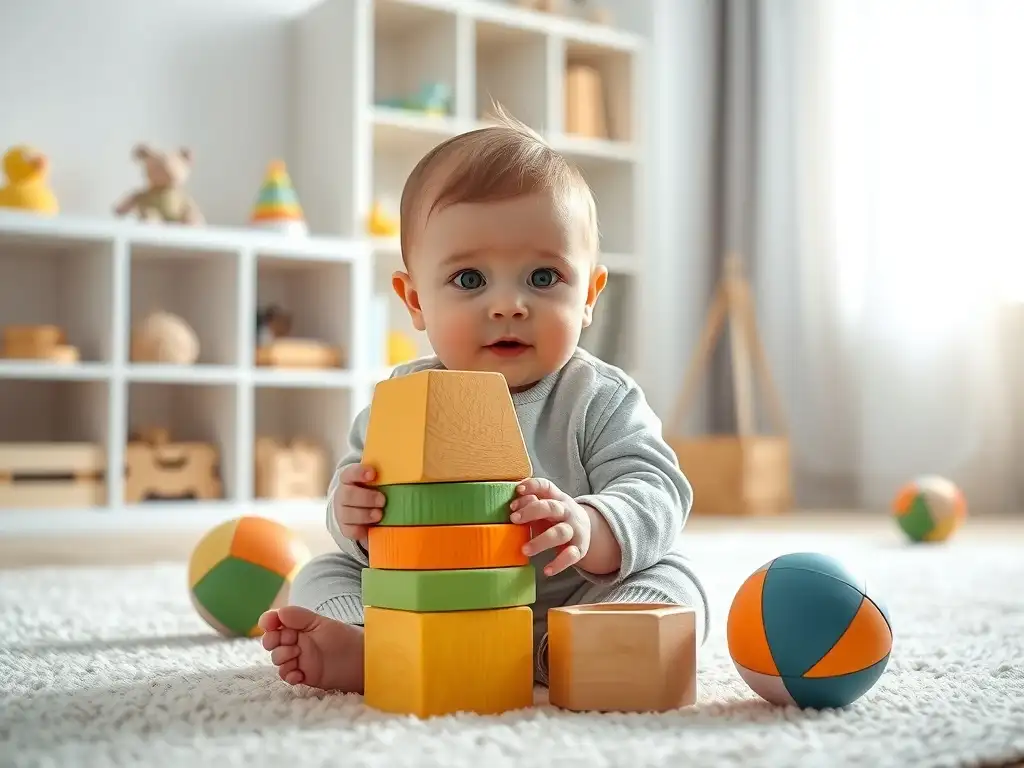
This section focuses on evaluating your 10-month-old's progress in problem-solving activities and making necessary adjustments to the activities to ensure continued engagement and learning. Remember, every baby develops at their own pace, and what works for one might not work for another. The key is to observe, adapt, and celebrate your little one's achievements. This iterative approach to 10-month-old problem-solving activities is crucial for fostering a positive learning experience.
Observing Your Baby's Engagement and Interest Levels
Observing your baby's reactions during problem-solving activities is paramount. Are they actively participating, showing signs of frustration, or quickly losing interest? Their engagement level provides valuable insights into the activity's appropriateness. For example, if your baby consistently abandons a puzzle after a few attempts, it might be too complex for their current developmental stage. Conversely, if they breeze through a task without any challenge, it's time to increase the difficulty.
Pay close attention to non-verbal cues. A furrowed brow, strained facial expressions, or turning away might indicate frustration. On the other hand, happy babbling, focused attention, and repeated attempts demonstrate engagement and enjoyment. Keeping a small notebook to record your observations after each session can be incredibly helpful in tracking your baby's progress and tailoring future activities. Consider noting the specific activity, the duration of engagement, and any noticeable reactions. This detailed record will allow you to identify patterns and adjust your approach accordingly. Remember, even seemingly small changes in the activity can significantly impact your baby's engagement.
Adjusting Difficulty Based on Your Baby's Performance
Adjusting the difficulty of problem-solving activities is vital for maintaining your baby's interest and encouraging continued learning. If your 10-month-old is easily mastering a task, introduce a new challenge. For instance, if they're adept at stacking two blocks, try three or even four. If they are struggling with a particular activity, simplify it. For example, if they're having trouble with a shape sorter, try using fewer shapes or larger openings.
Consider these examples:
| Activity | Too Easy | Just Right | Too Difficult |
|---|---|---|---|
| Stacking Blocks | Stacking 2-3 blocks easily | Stacking 4-5 blocks with some effort | Stacking 6+ blocks consistently failing |
| Shape Sorter | Completing it quickly with minimal effort | Completing it with some effort | Unable to fit any shapes correctly |
| Simple Puzzles (2-3 pieces) | Completing it quickly and repeatedly | Completing it with some guidance | Unable to fit any pieces correctly |
The goal is to find the "Goldilocks zone" – activities that are challenging enough to stimulate their cognitive development but not so difficult as to cause frustration. Remember, the focus is on the process of problem-solving, not just the outcome.
Encouraging Persistence and Celebrating Successes
Even if your baby doesn't immediately succeed at a problem-solving activity, it's important to encourage persistence. Offer gentle guidance, but avoid taking over. Celebrate their efforts and small victories, even if they don't complete the task perfectly. Positive reinforcement is crucial for building confidence and fostering a love of learning.
Consider using positive language like:
- "You're working so hard on that puzzle!"
- "Look how close you are to fitting that block!"
- "That's amazing! You almost got it!"
- "You tried your best, and that's wonderful!" 🎉
Remember to maintain a playful and encouraging tone. Avoid pressure or criticism. Your positive attitude and support will significantly impact your baby's motivation and willingness to tackle new challenges. The joy of learning should always be the primary focus of these 10-month-old problem-solving activities. By focusing on effort and celebrating progress, you're cultivating a positive learning environment that will benefit your child for years to come.
The Importance of Play in Cognitive Development at 10 Months
At 10 months old, your baby is experiencing a period of rapid cognitive growth. Their brains are developing at an incredible rate, forming new neural connections with every interaction and experience. Play, therefore, isn't just fun; it's crucial for their intellectual development and lays the groundwork for future problem-solving skills.
Engaging in age-appropriate activities directly impacts their ability to understand cause and effect, develop memory, and enhance their overall cognitive abilities. This period marks a significant leap in their understanding of object permanence – the knowledge that objects continue to exist even when they can't be seen – a fundamental building block for problem-solving. By providing stimulating play experiences, you're actively contributing to this crucial developmental stage.
The more diverse and engaging the activities, the richer the learning environment for your little one. Think of it as investing in their future success – one playful interaction at a time! This is especially pertinent when considering 10monthold problemsolving activities.
Building Confidence and Independence Through Play
Building confidence and independence in a 10-month-old is significantly enhanced through carefully chosen play activities. At this age, babies are exploring their physical capabilities and testing boundaries. Play that encourages self-directed exploration is key. For example, providing a variety of safe, textured toys allows them to practice grasping, manipulating, and exploring different shapes and sizes. This fosters a sense of accomplishment and control.
Consider these examples:
- Stacking cups: This classic toy teaches hand-eye coordination, problem-solving (how to fit the cups together), and spatial reasoning. The sense of achievement when they successfully stack several cups is immense.
- Simple puzzles: Choose large, chunky puzzles with only a few pieces. The act of matching shapes and fitting pieces together is a fantastic problem-solving exercise that builds confidence with each successful completion. This also strengthens their fine motor skills.
- Ball pits: A safe ball pit provides a fantastic opportunity for gross motor skill development, but also encourages problem-solving. Reaching for balls, scooping them up, and throwing them back builds spatial awareness and hand-eye coordination. The sheer joy of playing independently boosts their confidence.
- Independent Playtime: Designate a specific time each day for independent play. Provide a variety of toys and let your baby explore at their own pace. This promotes self-reliance and builds their confidence in their abilities. Observe their play and gently guide them if needed, but primarily let them lead the way.
Promoting Creativity and Imagination Through Play-Based Learning
At 10 months, creativity and imagination are beginning to blossom. While not yet fully developed, you can nurture these skills through play. Play that involves pretend play, even at a basic level, is crucial. This is where you can start seeing the fruits of your 10monthold problemsolving activities.
Here are some ideas to foster creativity and imagination:
- Sensory bins: Fill a container with different textured materials like rice, beans, or pasta. Add scoops, cups, and other tools for exploration. This encourages sensory exploration and imaginative play. They might pretend to cook, pour, or simply enjoy the different textures and sounds.
- Pretend play with dolls or stuffed animals: Simple actions like feeding a doll or putting a stuffed animal to bed are valuable learning experiences. It fosters empathy and encourages imaginative scenarios.
- Musical instruments: Introduce simple musical instruments like shakers, rattles, or drums. This not only develops their musicality but also encourages self-expression and creative exploration. Experimenting with sounds and rhythms is a form of problem-solving – figuring out how to make different sounds.
- Storytelling with puppets or books: Reading books and using puppets to tell stories sparks their imagination and expands their vocabulary. The pictures in books often provide the basis for imaginative play afterward. This also enhances their language development.
Remember, consistency is key. Regular engagement in these activities will significantly contribute to your baby's cognitive development, building a strong foundation for future learning and problem-solving skills. These 10monthold problemsolving activities are vital for their overall growth and well-being.
Next Steps: Preparing for Future Developmental Milestones
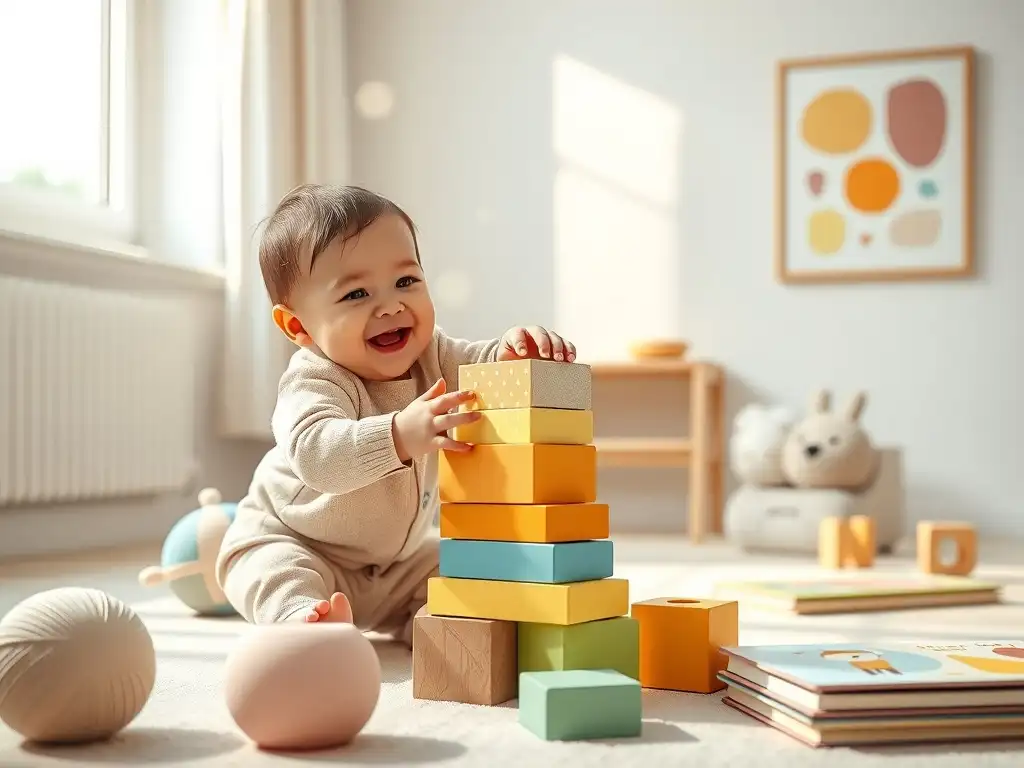
This section focuses on preparing for your baby's continued development beyond the 10-month mark, specifically highlighting the anticipated leaps in development at 11 months old. Understanding what to expect can help you tailor activities and support your little one's growth effectively. Remember, every child develops at their own pace, so these are general guidelines, not strict benchmarks.
Anticipating 11-Month-Old Developmental Leaps
At 11 months old, your baby is likely to demonstrate significant advancements in several key areas. Expect to see increased independence, more refined motor skills, and a blossoming understanding of cause and effect. These changes can be exciting, but also present new challenges.
One major leap is often seen in mobility. Many 11-month-olds are crawling confidently, pulling themselves up to stand, and perhaps even taking their first tentative steps. This increased mobility opens up a whole new world of exploration, but also necessitates increased vigilance regarding safety. Childproofing your home should be a top priority at this stage. Think about securing cabinets, covering electrical outlets, and removing any potential hazards from your baby's reach.
Another significant development is the improvement in fine motor skills. Your baby might be able to pick up smaller objects with a pincer grasp (using thumb and forefinger), showing a marked improvement in dexterity. This is a great time to introduce more complex toys that encourage fine motor development, like stacking cups or shape sorters. These activities not only enhance their fine motor skills but also contribute to their problem-solving abilities.
Finally, cognitive development takes a significant step forward. Eleven-month-olds often demonstrate a better understanding of object permanence – the understanding that objects continue to exist even when out of sight. This is a crucial milestone for problem-solving, as it allows them to mentally track objects and anticipate their location. Games like peek-a-boo, which were previously just fun, now become valuable learning experiences.
Hiding toys under blankets or in containers becomes a stimulating challenge that strengthens their cognitive skills and problem-solving abilities. You might even start seeing them actively search for hidden objects, demonstrating their growing understanding of object permanence. This understanding lays the foundation for future complex problem-solving skills.
Remember to celebrate every milestone, no matter how small. Consistent encouragement and a stimulating environment will help your baby reach their full potential. The focus should always be on nurturing their development in a safe and loving manner. The 11-month stage offers exciting opportunities to foster your baby’s ever-growing problem-solving skills through play and interaction. Enjoy this incredible journey of growth!
Frequently Asked Questions
What kind of problem-solving activities are suitable for a 10-month-old?
At 10 months, simple puzzles with large pieces, stacking toys, and shape sorters are ideal. Activities involving cause and effect, like dropping toys and watching them bounce, are also beneficial. Focus on hands-on experiences.
How can I encourage problem-solving skills in my 10-month-old?
Offer challenges that are slightly beyond their current abilities, but still achievable. Provide support and guidance as needed, but allow them to discover solutions independently. Celebrate their successes!
Are there any problem-solving activities that can help with fine motor skills development?
Yes! Activities like picking up small objects, using tongs to transfer items, and playing with textured materials all improve fine motor skills which are crucial for problem-solving.
How much time should I spend on problem-solving activities with my 10-month-old each day?
Short, frequent sessions are more effective than one long session. Aim for several 10-15 minute play periods throughout the day, focusing on engaging and interactive activities.
My 10-month-old gets frustrated easily during problem-solving activities. What should I do?
Patience is key. If your baby becomes frustrated, take a break and try again later. Adjust the difficulty of the activity and offer positive reinforcement and encouragement throughout. Focus on the fun aspect of play!
Final Reflection: Cultivating Curiosity: The Seeds of Problem-Solving at 10 Months
The ability to solve problems is not an innate skill, but a cultivated one, and the seeds of this crucial life skill are sown surprisingly early. Understanding how a 10-month-old's brain develops and providing the right stimulation can significantly impact their future cognitive abilities. This is not just about academic success; it's about fostering resilience, adaptability, and a lifelong love of learning.
Witnessing the sheer joy on a baby's face as they successfully navigate a simple challenge – fitting a shape into a hole, pulling a toy from a container – is profoundly moving. It underscores the inherent human drive to understand and overcome obstacles. This developmental stage is a critical window of opportunity, a time when the brain is incredibly plastic and receptive to new experiences. Play is the highest form of research.
- Albert Einstein. This quote perfectly encapsulates the importance of playful exploration in a child's cognitive development, especially during this crucial period. The activities outlined in this article aim to provide a framework for parents and caregivers to nurture this natural curiosity.
Now, consider your own approach to problem-solving. Do you approach challenges with a sense of curiosity and a willingness to experiment, or do you shy away from the unknown? The lessons learned from fostering problem-solving skills in a 10-month-old can be applied to our own lives.
Embrace the spirit of playful exploration, allow yourself to experiment, and don't be afraid to fail – for it is through failure that we truly learn and grow. Observe your child's innate problem-solving abilities, and use the strategies discussed in this article to nurture and expand upon them. Remember, you are not just teaching your child; you are also learning and growing alongside them.
Unlock Your Little One's Potential: Boost Problem-Solving Skills Now!
Nurturing your baby's developing mind is a rewarding journey, and you've already taken valuable steps by exploring ways to stimulate their cognitive growth. Now, let's put that knowledge into practice with some fun and engaging activities.
- Prioritize playful learning: Dedicate 15 minutes each day to focused playtime. Activities like building blocks, hiding toys, or simple puzzles will significantly boost their problem-solving abilities. This focused time will make a real difference.
- Share your experiences: Join our BabyCareHub community forum and connect with other parents! Share your successes and challenges – what activities worked best? What surprising solutions did your little one discover? Learning from each other's experiences is invaluable.
- Create a memory keepsake: Document your baby's progress with a visual journal. Use photos or drawings to capture their milestones – it's a wonderful way to cherish their development.
Ready to see your baby's problem-solving skills flourish? What exciting new challenge will you introduce today?