
Baby Gates: The Unsung Heroes of Childproofing

Welcome to BabyCareHub, your ultimate guide to navigating the exciting yet challenging world of parenthood. We understand that those first few months are filled with countless questions, and ensuring your little one's safety is paramount. That's why we've created this comprehensive resource, packed with expert advice and practical tips. Discover the secrets to a safer home environment, starting with our in-depth article on Best baby gate safety tips – because peace of mind is priceless. Explore BabyCareHub and unlock the confidence you need to thrive in this incredible journey.
- Understanding the Importance of Baby Gates for Child Safety
- Best Baby Gate Safety Tips: Installation and Usage Guide
- Baby Gates for Different Areas of Your Home: A Room-by-Room Guide
- Beyond the Basics: Advanced Baby Gate Safety Strategies
- Frequently Asked Questions (FAQs) about Baby Gates
- Frequently Asked Questions
- Final Reflection: Beyond the Bars: Securing Childhood's Adventures
- Unlock Your Peace of Mind: Secure Your Child's World
Understanding the Importance of Baby Gates for Child Safety
Navigating the exciting yet often overwhelming world of parenthood often leaves new parents scrambling to ensure their little one's safety. While focusing on nutrition, sleep schedules, and developmental milestones is crucial, a frequently overlooked yet vital aspect of baby care is childproofing your home. This is where baby gates emerge as unsung heroes, playing a critical role in preventing accidents and ensuring your baby's well-being.
This article will delve into the best baby gate safety tips, guiding you through choosing and installing the right gate to create a secure environment for your precious child. We'll explore different types of gates, highlight essential safety features, and offer practical advice to maximize their effectiveness in preventing injuries.
Learning how to properly use baby gates is an essential part of proactive parenting, contributing to a safer and more peaceful home environment for both you and your baby. Mastering baby gate safety is key to minimizing the risks associated with curious little ones exploring their surroundings.
Preventing Accidents: Why Baby Gates are Essential for Childproofing Your Home
Babies are naturally curious explorers. Their rapid development leads to increased mobility, often before they possess the judgment to understand danger. This is where baby gates become indispensable. They create safe zones, preventing access to hazardous areas like staircases, kitchens (with their sharp objects and hot surfaces), bathrooms (with potential dangers from toiletries and water), and areas containing cleaning supplies.
A well-placed baby gate can significantly reduce the risk of falls, burns, poisoning, and other serious accidents. Think of it as creating a protective bubble around your baby, offering peace of mind while they explore and develop. 👶 The statistics on childhood injuries are stark; proactive measures like using baby gates are demonstrably effective in reducing these numbers. Prioritizing baby gate safety is not just about avoiding accidents, it's about fostering a secure and nurturing environment where your baby can thrive.
Choosing the Right Baby Gate: Types, Features, and Considerations
Selecting the right baby gate involves careful consideration of several factors. The type of gate, its installation method, and its safety features all play a crucial role in ensuring its effectiveness. You need to choose a gate that fits your specific needs and the layout of your home. Consider the width of the opening, the type of wall or doorway, and your budget.
Furthermore, look for gates that meet safety standards and feature easy-to-use latches that are difficult for little ones to open. Always prioritize safety over convenience when making your selection. Remember, a properly installed and functioning baby gate is your first line of defense against potential hazards.
Pressure-Mounted Baby Gates: Quick Installation and Easy Removal
Pressure-mounted baby gates are a popular choice due to their ease of installation. They require no tools and can be quickly set up and removed, making them ideal for renters or those who frequently rearrange furniture. However, they are generally less secure than hardware-mounted gates and may not be suitable for all openings.
Always ensure that the gate is firmly secured and that it extends beyond the frame on both sides to prevent it from being easily dislodged. Regularly check the pressure to ensure it remains tightly in place. While convenient, it's crucial to understand their limitations and choose appropriate locations for their use.
Hardware-Mounted Baby Gates: Superior Security for High-Traffic Areas
For superior security, especially in high-traffic areas or near staircases, hardware-mounted baby gates are the preferred option. These gates require drilling into the door frame or wall for installation, providing a much more secure fit than pressure-mounted gates. While requiring more effort to install, the added security they offer is well worth it, particularly for active toddlers. They provide a robust barrier that can withstand more force than pressure-mounted alternatives. Always follow the manufacturer's instructions carefully for proper installation to ensure optimal safety.
Retractable Baby Gates: Space-Saving Solutions for Wide Openings
Retractable baby gates are a space-saving solution for wide openings, such as hallways or doorways leading to larger rooms. They retract neatly when not in use, making them a practical choice for homes with limited space. However, it’s crucial to ensure that the retractable mechanism is robust and reliable, and that the gate is installed correctly to prevent accidental retraction. Regularly check the mechanism for wear and tear and replace it if necessary. While convenient, they often require more precise installation and maintenance compared to other types.
Best Baby Gate Safety Tips: Installation and Usage Guide
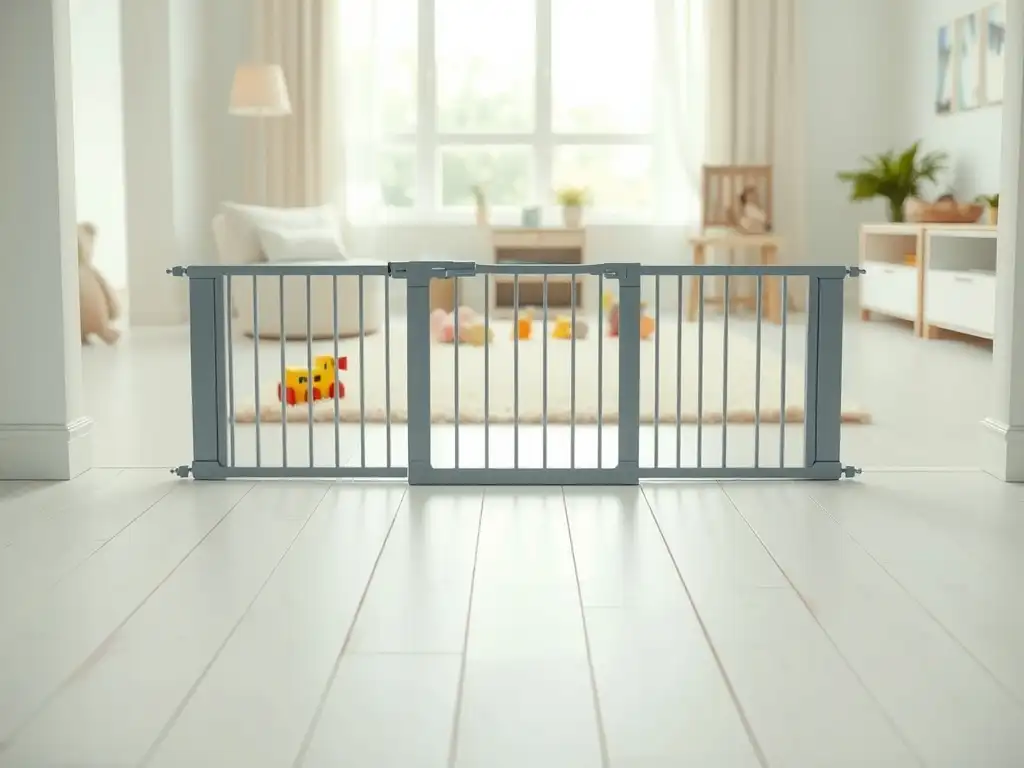
This section provides a comprehensive guide to installing and using baby gates safely, ensuring your little one's protection. Remember, a properly installed and used baby gate is a crucial component of childproofing your home. Following these best baby gate safety tips will significantly reduce the risk of accidents.
Step-by-Step Guide to Installing Different Types of Baby Gates
Choosing the right baby gate is only half the battle. Proper installation is critical for ensuring its effectiveness. Different gate types require different installation methods. Let's explore the most common types: pressure-mounted and hardware-mounted.
Installing Pressure-Mounted Baby Gates: A Detailed Walkthrough with Images
Pressure-mounted gates are convenient for renters or those who prefer a tool-free installation. However, they require perfectly fitting walls or doorways. Before installation:
- Measure carefully: Ensure the gate fits snugly against the wall or doorway. Too much space can compromise safety.
- Clean the surfaces: Remove dust and debris from the mounting surfaces for optimal grip.
The installation typically involves expanding the gate's frame until it's firmly pressed against the opening. Always check the manufacturer's instructions, as some gates may have additional securing mechanisms. A strong, secure fit is paramount. Remember, a loose-fitting pressure-mounted gate is ineffective and dangerous.
Installing Hardware-Mounted Baby Gates: Tools Needed and Installation Process
Hardware-mounted gates provide the most secure option, offering superior protection. However, they require drilling and the use of screws. Tools needed usually include:
- Drill
- Screwdriver (appropriate for the screws provided)
- Measuring tape
- Pencil
- Level
Installation involves marking the mounting points, drilling pilot holes (if necessary), and securely screwing the mounting brackets into place. Again, always refer to the manufacturer's instructions for precise placement and screwing techniques. This ensures the gate is firmly anchored and won't easily become dislodged. Pay close attention to the alignment of the brackets to ensure a smooth gate operation. A poorly installed hardware-mounted gate can be just as dangerous as one that is not installed at all.
Troubleshooting Common Baby Gate Installation Problems
Even with careful installation, problems can arise. Here are some common issues and solutions:
| Problem | Solution |
|---|---|
| Gate won't close securely | Check for obstructions, ensure proper latch engagement, and tighten mounting. |
| Gate is too loose | Tighten the pressure mechanism (pressure-mounted) or screws (hardware-mounted). |
| Gate is difficult to open/close | Check for obstructions, lubricate hinges if necessary. |
| Gate doesn't fit properly | Try a different gate or adjust the mounting points (hardware-mounted). |
Remember, if you encounter persistent problems, consult the manufacturer's instructions or seek professional assistance. Your child's safety is paramount.
Essential Baby Gate Safety Tips for Preventing Accidents
Beyond installation, ongoing vigilance is key. These tips will help maintain a safe environment for your child:
Checking Gate Functionality Regularly: Ensuring Secure Closure
Regularly check the gate's latch mechanism to ensure it closes securely and remains locked. Test it frequently, particularly after moving or adjusting the gate. A malfunctioning latch can easily allow a child to pass through, defeating the purpose of the gate entirely. Make this a part of your daily routine, especially in high-traffic areas. A quick check can prevent a serious accident.
Supervising Children Near Baby Gates: Never Rely Solely on Gates
Baby gates are a safety tool, not a substitute for adult supervision. Never leave your child unattended near a baby gate, regardless of how securely it's installed. Children are incredibly resourceful and may find ways to climb over or bypass the gate. Constant supervision minimizes risks.
Proper Gate Placement: Strategically Positioning Gates in Your Home
Strategically position gates to block access to hazardous areas such as stairs, kitchens, bathrooms, and pools. Consider your child's developmental stage when choosing gate locations, anticipating their climbing and mobility abilities. Plan your gate placement thoughtfully to maximize safety and minimize inconvenience.
Addressing Common Baby Gate Hazards: Pinch Points and Gaps
Inspect the gate regularly for pinch points and gaps where a child's fingers or limbs could get trapped. Address any potential hazards immediately. Small children can get injured by seemingly insignificant gaps. Regular inspections and maintenance are crucial for preventing these types of accidents. Remember, even the best baby gate needs regular attention to maintain its effectiveness. Prioritize safety above all else.
Baby Gates for Different Areas of Your Home: A Room-by-Room Guide
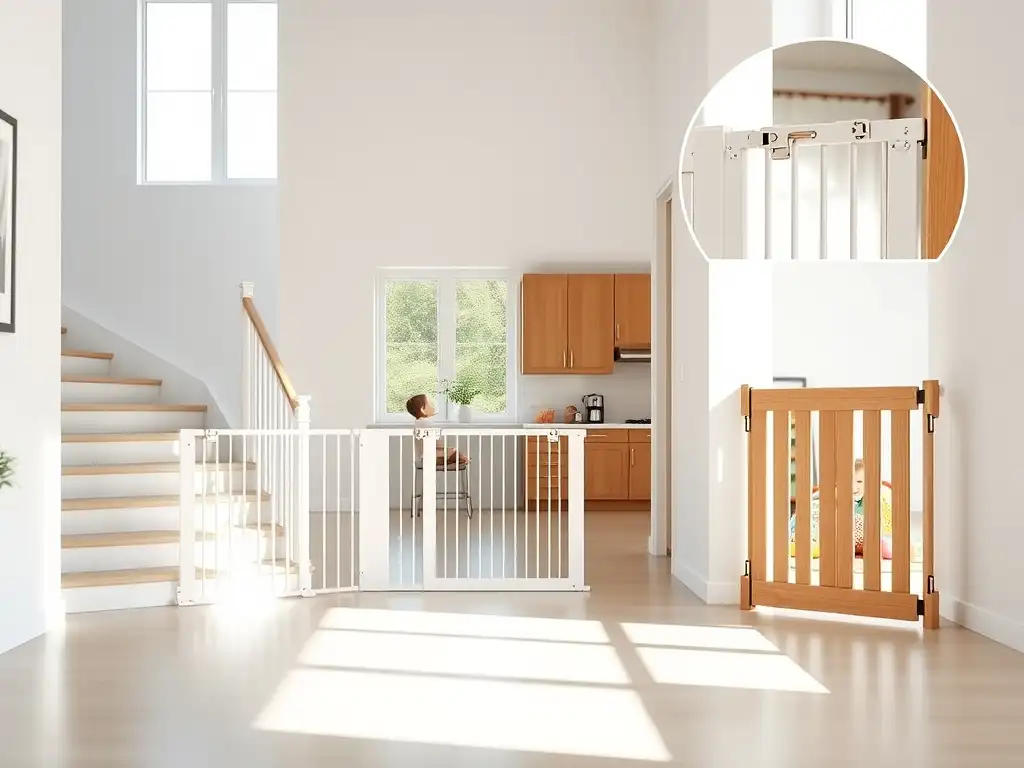
This section delves into the strategic placement of baby gates, focusing on the unique challenges and solutions presented by different areas of your home. Effective childproofing requires a tailored approach, understanding that a one-size-fits-all strategy simply won't cut it when it comes to maximizing baby's safety. We'll explore optimal gate placement and selection for various rooms, offering practical advice to ensure your little one's well-being. Remember, selecting the best baby gate depends heavily on the specific location and the type of hazard you're trying to prevent.
Securing the Stairs: Choosing the Right Baby Gate for Stairwells
Stairwells represent a significant hazard for babies and toddlers. A fall down the stairs can lead to serious injuries. Therefore, installing a robust and reliable baby gate at the top and bottom of the stairs is crucial. But not all baby gates are created equal. The best baby gate safety tips for stairways emphasize choosing a gate designed specifically for this purpose.
Top Baby Gate Recommendations for Stairways
Choosing the right gate involves considering several factors:
- Pressure-mounted vs. Hardware-mounted: Pressure-mounted gates are convenient for renters or those who prefer a less permanent installation. However, hardware-mounted gates offer superior security, especially for stairways, as they are more resistant to forceful attempts by a determined toddler. For stairways, a hardware-mounted gate is strongly recommended. Always follow the manufacturer's instructions carefully for secure installation.
- Gate Height and Width: Ensure the gate is tall enough to prevent climbing and wide enough to comfortably cover the entire stairwell opening. Measure carefully before purchasing!
- Gate Material and Construction: Look for sturdy construction using high-quality materials like wood or metal. Avoid gates with flimsy latches or weak components.
- Latch Mechanism: A secure latch is paramount. Opt for a gate with a child-resistant latch that is difficult for little hands to open. Test the latch mechanism thoroughly after installation.
Consider these additional best baby gate safety tips:
- Regular Inspections: Regularly inspect the gate for any damage or looseness. Tighten screws or replace worn parts as needed. Proactive maintenance is crucial for continued safety.
- Supervision: While baby gates provide a vital layer of protection, never leave your child unattended near the stairs, regardless of the gate's presence. Constant supervision is the ultimate safety measure.
Baby-Proofing the Kitchen: Keeping Little Ones Away from Hazards
The kitchen is arguably the most hazardous room in the house for young children. From hot stoves and sharp knives to cleaning supplies and breakable items, potential dangers abound. Strategic placement of baby gates can significantly reduce the risk of accidents. Choosing the right gate for your kitchen involves considering the specific hazards present and selecting a gate that effectively blocks access to these areas.
Best Kitchen Baby Gates for Preventing Access to Dangerous Areas
The kitchen presents unique challenges when it comes to baby gate placement. You might need multiple gates to effectively block access to different hazardous areas:
- Stove and Oven Area: A sturdy gate placed strategically to block access to the stove and oven is essential. Consider a retractable gate if space is limited.
- Countertop Area: If your countertops contain potentially dangerous items, a gate can prevent access to them. You might need a wider gate than for a doorway.
- Sink and Dishwasher Area: Hot water and sharp utensils near the sink pose another risk. A gate here can add an additional layer of protection.
Remember, when selecting best baby gates for the kitchen, consider:
- Easy Opening and Closing: You will likely need to access the kitchen frequently. Choose a gate that is easy to open and close, even with one hand.
- Gate Material: Consider a gate with easy-to-clean materials, as kitchens can be messy.
- Placement: Carefully plan where to place the gates to maximize protection while minimizing disruption to your kitchen workflow. Think about the flow of traffic in your kitchen and try to minimize the inconvenience of having to open and close gates frequently.
Remember, even with the best baby gate safety tips and the most secure gates, constant supervision is key to ensuring your baby's safety. Baby gates are a valuable tool, but they are not a replacement for attentive parenting.
Protecting the Living Room: Creating a Safe Play Area for Your Baby
The living room, often the heart of the home, presents unique challenges when babyproofing. It's a space filled with potential hazards – from coffee tables with sharp edges to fragile décor that could easily topple. A well-placed baby gate can transform this potentially dangerous area into a safe haven for your little one to explore and play. Consider the layout of your living room carefully.
Are there multiple entry points? Do you need one gate, or would a two-gate system be more effective to create a completely enclosed play area? For example, if your living room is open-plan and connects to the dining area or kitchen, you may want to consider using two gates to create a secure zone. This ensures your baby can't crawl or toddle into areas that are not yet childproofed.
Remember to choose a gate that fits the width of your doorway or hallway perfectly, avoiding any gaps where a determined little one might squeeze through. Regularly inspect the gate's locking mechanism to ensure it's functioning correctly and securely preventing access to restricted areas. Remember, the best baby gate safety tips involve constant vigilance and proactive measures.
Baby Gates for Living Rooms: Maintaining a Safe and Playful Environment
Selecting the right baby gate for your living room is crucial for maintaining a safe and playful environment. Consider factors like the gate's height, material, and installation method. Taller gates offer better protection as your baby grows and becomes more mobile. Metal gates are generally robust and durable, while pressure-mounted gates offer easy installation without the need for drilling. However, pressure-mounted gates might not be suitable for all doorways.
Always check the manufacturer's instructions carefully and ensure the gate is securely fitted. Avoid placing furniture directly in front of the gate, as this could obstruct its functionality or create a climbing hazard for your adventurous baby. In addition to a gate, consider other safety measures such as securing any loose wires or cords and covering sharp corners on furniture. Regularly check the gate's condition, paying close attention to any signs of wear and tear.
Remember, proactive safety measures are key to preventing accidents. The best baby gate safety tips involve a multi-faceted approach that incorporates both physical barriers and mindful parenting. This ensures your baby's safety while still allowing them the freedom to explore their environment. Think of it as building a safe and stimulating play area within your living room.
Baby Gate Placement in Bedrooms and Bathrooms: Additional Safety Measures
Bedrooms and bathrooms require specific considerations when it comes to baby gate placement. In bedrooms, a baby gate can prevent your little one from accessing potentially dangerous items such as medications, cleaning supplies, or electrical cords. Choose a gate that is securely mounted and easy to open and close, but difficult for a child to operate. In bathrooms, the presence of water and slippery surfaces adds another layer of complexity. A secure baby gate is essential to prevent your baby from accessing the bathtub or toilet.
Consider using a gate that is specifically designed for narrow doorways and can withstand the higher humidity levels typically found in bathrooms. Always supervise your baby closely when they are near water. Remember that even with a baby gate in place, constant supervision is paramount. In both bedrooms and bathrooms, you should also consider childproofing beyond gates.
Secure any potentially hazardous items, such as sharp objects or medication, out of reach. Use non-slip mats to reduce the risk of falls, and ensure that all electrical outlets are covered with safety plugs. The best baby gate safety tips aren't just about the gate itself, but about creating a comprehensive and safe environment for your child. This multifaceted approach to childproofing will significantly reduce the risk of accidents in these critical areas of your home.
Beyond the Basics: Advanced Baby Gate Safety Strategies
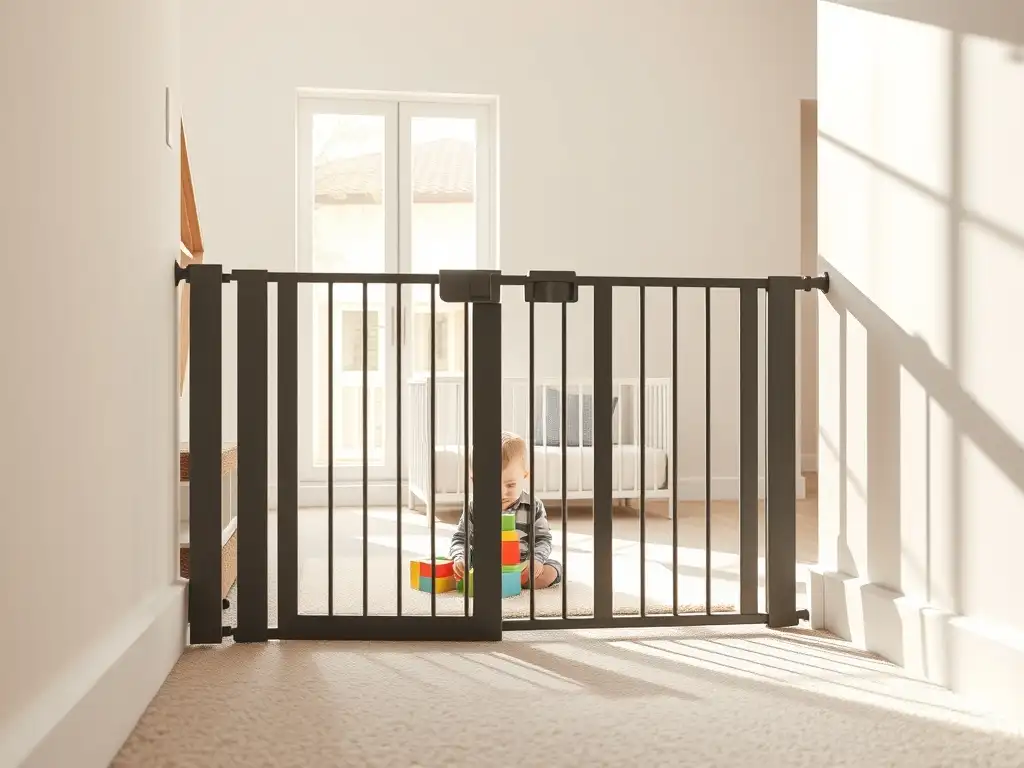
This section delves into sophisticated strategies to maximize the safety provided by baby gates, going beyond the simple installation instructions. We'll explore how to integrate gates into a comprehensive childproofing plan and adapt your gate choices to your baby's developmental milestones. Remember, the best baby gate safety tips aren't just about the gate itself; they're about creating a holistic safety net for your little one.
Combining Baby Gates with Other Childproofing Measures
Baby gates are a crucial part of childproofing, but they are most effective when used in conjunction with other safety measures. Think of them as one layer of protection within a multi-layered system. A baby gate might keep a toddler out of the kitchen, but what about the dangers within the kitchen? That's where additional childproofing comes into play.
For example, a baby gate at the bottom of the stairs is essential, but it's not sufficient. You should also install stair guards to prevent falls even if a child manages to bypass the gate. Similarly, a gate at the entrance to a room containing cleaning supplies doesn't negate the need for childproof cabinet locks on those supplies. These measures work synergistically; one reinforces the other.
Consider this scenario: a baby gate prevents access to the living room, but a curious toddler might still reach dangerous items left on low shelves. Combining the gate with childproof latches on drawers and cabinets provides a far more comprehensive level of safety. This layered approach minimizes the risk of accidents regardless of how your child attempts to navigate their environment. Remember, proactive childproofing is key to preventing accidents before they happen.
Utilizing Child Locks and Cabinet Safety Devices in Conjunction with Baby Gates
Child locks and cabinet safety devices are critical additions to a baby-gated home. They address the dangers within the areas a gate protects. Imagine a baby gate securing the kitchen – fantastic! But what about the cleaning supplies, sharp knives, and potentially toxic substances stored within the cabinets? Childproof latches are essential here.
These latches come in various forms: magnetic latches, strap latches, and even push-button locks. Choosing the right type depends on the specific cabinet and your child's developmental stage. For example, a more challenging latch might be suitable for a more determined toddler.
A well-equipped kitchen should have childproof latches on all lower cabinets, drawers containing utensils, and even the refrigerator. Similar strategies should be applied to bathrooms, where medicine cabinets and cleaning supplies pose significant risks. Don't forget about electrical outlets; safety covers are an inexpensive and essential addition to your childproofing arsenal. A comprehensive approach ensures that even if a child circumvents a baby gate, additional layers of protection remain.
Addressing Specific Developmental Stages and Baby Gate Needs
Choosing the right baby gate is crucial, and this choice should reflect your child's developmental stage. A gate suitable for a crawling infant won't necessarily suffice for a walking or climbing toddler. Understanding these developmental leaps is key to selecting and using baby gates effectively. The best baby gate safety tips emphasize adaptability.
Choosing Baby Gates Appropriate for Crawling, Walking, and Climbing Babies
- Crawling Babies (6-10 months): At this stage, a simple pressure-mounted gate might suffice, particularly if you're primarily using it to block off small areas. Focus on securing the gate firmly to prevent it from easily being dislodged. However, remember that crawling babies are surprisingly strong and quick, so always prioritize secure installation.
- Walking Babies (9-15 months): As your baby starts walking, you'll need a more robust gate. Consider a hardware-mounted gate for enhanced security, as these are significantly harder for a determined toddler to overcome. Pay close attention to the gate's height and ensure it's tall enough to prevent a determined walker from climbing over it.
- Climbing Toddlers (15+ months): Toddlers are masters of escape! At this age, you'll want a top-of-the-line hardware-mounted gate with a secure latch that’s difficult for little hands to manipulate. Consider gates with extra features like self-closing mechanisms and double-locking systems. Regularly inspect the gate for any signs of wear and tear, and replace it if necessary. Remember, a weakened gate is no gate at all. This stage demands the most robust and secure gate options available.
Remember, regular inspections and adjustments are vital components of maintaining the effectiveness of your baby gates. Staying vigilant and proactive is the best way to ensure your little one’s safety.
Maintaining Your Baby Gates: Cleaning and Regular Inspections
Regular cleaning and inspection of your baby gates are crucial for maintaining their effectiveness and ensuring your baby's safety. Dust, grime, and sticky fingerprints can accumulate quickly, potentially compromising the gate's functionality. A dirty gate might not close properly, creating a gap that your adventurous little one could exploit. Moreover, regular inspections allow you to identify any signs of wear and tear before they become serious safety hazards.
For cleaning, avoid harsh chemicals that could damage the gate's materials or leave harmful residues. A simple solution of warm water and mild soap is usually sufficient. Use a soft cloth or sponge to gently wipe down the gate, paying close attention to hinges, latches, and any other moving parts. Thoroughly rinse the gate to remove all traces of soap, and then dry it completely to prevent rust or mildew formation. Remember to always disconnect the gate from its mounting points before cleaning to avoid accidental injury or damage.
Regular inspections should be carried out at least once a month, or more frequently if you notice any unusual wear. Check all the components for any signs of damage, such as cracks, loose screws, or broken parts. Pay particular attention to the latching mechanism, ensuring it engages securely and releases smoothly. Test the gate's pressure and stability; it should remain firmly in place even when your child is leaning or pulling on it. If you discover any problems, address them immediately.
Minor repairs might be manageable, but severely damaged gates should be replaced. Remember, a compromised gate offers significantly reduced protection and could lead to serious accidents. Prioritizing regular maintenance is a critical aspect of ensuring your baby's safety. The peace of mind this provides far outweighs the small amount of time it takes. Think of it as a small investment in your child's wellbeing.
Frequently Asked Questions (FAQs) about Baby Gates
This section addresses common queries regarding baby gates, providing practical advice to ensure your little one's safety. We'll explore the duration of gate usage, suitability for pets, and installation on uneven surfaces – crucial aspects for maximizing the effectiveness of your baby gates. Remember, prioritizing your baby's safety is paramount, and choosing the right gate and using it correctly are key components of childproofing your home effectively. These tips are designed to help you navigate the world of baby gates and find the best solutions for your family's needs.
How long should I keep baby gates up?
The duration you keep baby gates installed depends largely on your child's developmental stage and mobility. While there's no single definitive answer, a good rule of thumb is to keep them up until your child can reliably and safely navigate stairs and open gates independently. This typically occurs between the ages of 2 and 3. However, some children may need gates for longer, while others might outgrow the need earlier.
Consider these factors:
- Child's Climbing Ability: Can your child climb over, under, or around the gate? If so, it's time to re-evaluate the gate's placement or consider a taller, more secure model.
- Understanding of Danger: Does your child understand the dangers of stairs and other hazardous areas? A child's comprehension of risk significantly impacts the need for gates.
- Independent Mobility: Can your child safely and consistently navigate stairs and hazardous areas without assistance? This is a key indicator that gates might no longer be necessary.
It's crucial to regularly assess your child's development and adjust your safety measures accordingly. Err on the side of caution; keeping gates up longer than strictly necessary is better than removing them prematurely and risking an accident. Remember, a safe home is a happy home! 👶
What are the best baby gates for pets?
Choosing a baby gate that also accommodates pets requires careful consideration. You need a gate that's both secure enough to keep your baby safe and easy enough for your pet to navigate (or for you to open quickly for them). Here are some factors to consider when selecting a gate for both babies and pets:
- Gate Type: Retractable gates are often a good option, as they can be easily opened and closed without a lot of effort, making them convenient for pets. However, ensure the mechanism is sturdy and difficult for toddlers to operate. Pressure-mounted gates are also good choices, particularly if you need flexibility in placement.
- Pet Size and Breed: Larger, stronger breeds might need a more robust gate than smaller animals. Consider the gate's height and the strength of its materials.
- Easy Opening/Closing Mechanism: A simple, user-friendly latch is essential for both humans and pets. Avoid gates with complex mechanisms that could frustrate you or your pet.
Here's a table summarizing some gate options and their suitability for pets:
| Gate Type | Pet Suitability | Pros | Cons |
|---|---|---|---|
| Retractable Gate | Good | Easy to open and close, space-saving | Can be more expensive, may require specific door frames |
| Pressure-Mounted Gate | Good | Easy to install, no drilling required | Can be less secure than hardware-mounted gates |
| Hardware-Mounted Gate | Fair | Most secure option | Requires drilling, less convenient for frequent use |
Remember to always supervise your pets around baby gates, even if they seem to understand how to use them.
Can I use a baby gate on uneven surfaces?
Using baby gates on uneven surfaces presents challenges. While some pressure-mounted gates might work on slightly uneven surfaces, it's crucial to ensure a secure fit. A poorly fitted gate on an uneven surface is significantly less safe and could easily become dislodged. The gate needs to maintain consistent pressure across its entire length to function effectively.
- Pressure-Mounted Gates: These are generally not recommended for significantly uneven surfaces. The unevenness can create gaps or weak points, compromising the gate's stability.
- Hardware-Mounted Gates: These might be a better option for uneven surfaces, but only if the mounting points are stable and you can ensure a secure and consistent fit. You may need to use shims or other methods to compensate for the unevenness.
Before installing any gate on an uneven surface, carefully assess the situation. If you are unsure about the stability, consult a professional for advice, or consider alternative safety measures for that particular area. Prioritize your baby's safety; if you have any doubts, it is best to avoid using a baby gate on an uneven surface. Remember, a secure installation is paramount for effective childproofing.
What are the different types of baby gates available?
Choosing the right baby gate is crucial for ensuring your little one's safety. Several types cater to different needs and home setups. Understanding these variations will help you select the best fit for your home.
One common type is the pressure-mounted gate. These are easy to install, requiring no drilling or screws. They utilize pressure to secure themselves between door frames or hallways. However, it’s crucial to ensure they're firmly mounted, as improper installation can compromise safety. Regular checks are essential to prevent accidental dislodging. They are generally suitable for standard doorways and openings, but may not be ideal for wider spaces or unusual architectural features.
Then there are hardware-mounted gates. These gates offer superior security, as they are screwed directly into the door frame or wall. This makes them significantly more difficult for a determined toddler to dislodge. While requiring more effort to install (often involving drilling), the added security is well worth it for many parents. Hardware-mounted gates are a great option for high-traffic areas or locations where a more robust solution is needed. They are typically more durable and can withstand more pressure.
A third category is retractable gates. These are particularly handy for wider openings or areas where a traditional gate might be visually intrusive. They retract neatly into a casing when not in use, offering a space-saving solution. However, it's essential to ensure the retracting mechanism is functioning correctly and that the gate is securely locked when in use. Retractable gates may not be as sturdy as pressure or hardware-mounted options.
Finally, we have stair gates. These are specifically designed for staircases and are usually taller than standard gates, providing extra protection. Stair gates often incorporate additional safety features, such as self-closing mechanisms and extra-wide openings to fit various staircase widths. Choosing the right stair gate is critical, as staircases present a significant fall risk for babies and toddlers.
Consider factors like the staircase's width and the gate's height when making your selection. Remember to always check for compliance with safety standards. The right baby gate, regardless of type, ensures peace of mind and a safer environment for your child. Choosing the best option depends on your specific needs and home environment.
Frequently Asked Questions
What are the most important safety features to look for in a baby gate?
A good baby gate should have secure mounting hardware, ideally with pressure mounting and wall mounting options. It should also have a self-closing mechanism and a secure latch that's difficult for little ones to open.
How do I choose the right type of baby gate for my home?
Consider the width of the opening you need to cover. Retractible gates are great for wide openings, while hardware-mounted gates offer the most security. Pressure-mounted gates are convenient but less secure.
Where should I install baby gates in my home?
Install gates at the top and bottom of staircases, at the entrance to kitchens, and any other areas containing potential hazards like cleaning supplies or sharp objects. Consider your child's mobility and developmental stage.
How can I ensure my baby gate is properly installed?
Always follow the manufacturer's instructions carefully. Regularly check the gate's stability and tighten any loose screws or components. Never rely solely on pressure-mounted gates for high-traffic areas or stairs.
What should I do if my child starts climbing over the baby gate?
This indicates your child is developing their climbing skills, and you may need to consider a taller gate or additional safety measures. You should also supervise your child closely near the gate and in potentially hazardous areas.
Final Reflection: Beyond the Bars: Securing Childhood's Adventures
The seemingly simple act of installing a baby gate is far more than just a safety precaution; it's a powerful symbol of proactive parenting and a testament to our unwavering commitment to protecting the most vulnerable members of our society. The statistics on childhood accidents are stark, highlighting the critical role these often-overlooked devices play in preventing serious injuries. Every click, every secure latch, represents a potential tragedy averted.
The impact of baby gates extends beyond the immediate physical safety they provide. They represent a shift in societal awareness, a conscious effort to create safer environments for our children. This focus on prevention, on anticipating potential hazards, is a crucial step in fostering a culture of child safety. The best way to find yourself is to lose yourself in the service of others.
- Mahatma Gandhi. This quote, while not directly about baby gates, speaks to the selfless act of prioritizing a child's well-being, an act that the simple installation of a gate embodies. The quiet dedication to safety reflected in these seemingly mundane objects speaks volumes about our collective responsibility for the next generation.
Consider the gates you've installed, or those you've seen in homes and public spaces. Reflect on the peace of mind they offer, the silent guardian they represent. You are not merely securing a space; you are securing a future. Take a moment to reassess your home's safety features, ensuring that every potential hazard is addressed with the same diligence and care. Let the humble baby gate serve as a reminder that proactive safety measures are not just about preventing accidents; they are about building a safer, more secure world for our children to explore and thrive in.
Unlock Your Peace of Mind: Secure Your Child's World
Thank you for learning about the importance of baby gates in creating a safe home environment for your child! We hope you found our information helpful. Now, let's put that knowledge into practice:
- Prioritize your child's safety: Install baby gates in all the necessary areas of your home immediately. Don't delay—even a short delay could have serious consequences.
- Share your best tips and experiences with other parents! What's your favorite baby gate, and what features do you find most essential?
- Explore our other childproofing resources: We offer guides on various aspects of home safety for children.
What creative solutions have you implemented to keep your child safe while still encouraging exploration and independence?