
The Art of Active Listening: Understanding Your Baby's Language

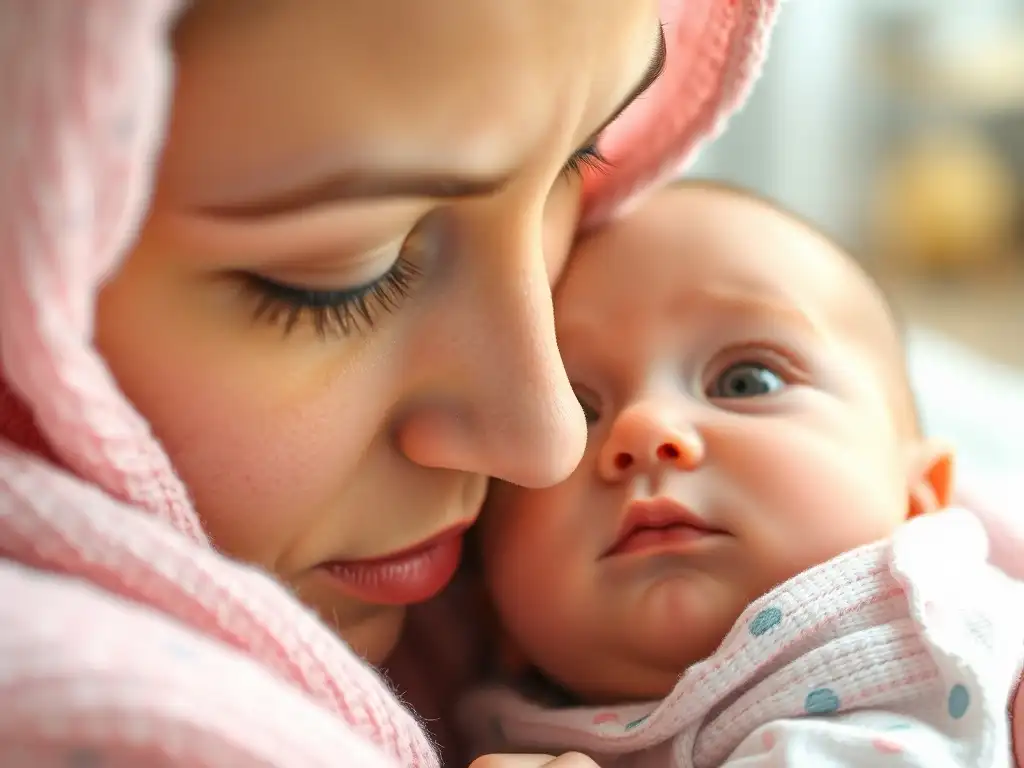
Welcome to BabyCareHub, your ultimate guide to navigating the incredible journey of parenthood! Are you ready to unlock the secrets of your little one's world? We know those first few months can feel overwhelming, but understanding your baby's communication is key. Dive into our Developmental Milestones section and discover how to Understand Baby Communication Cues, learning to decipher those subtle signals and build a stronger bond with your precious child. Let's embark on this exciting adventure together!
- Deciphering Your Baby's Communication: Early Cues and Signals
- Active Listening Techniques for Better Baby Communication
-
Understanding Baby's Communication Through Different Developmental Stages
- Newborn Communication: Recognizing Hunger, Discomfort, and Sleepiness Cues
- 2-Month-Old Communication: Increased Interaction and Social Smiling
- 4-Month-Old Communication: Babbling and Vocal Play
- 6-Month-Old Communication: Understanding Simple Gestures and Sounds
- 9-Month-Old Communication: Responding to Simple Words and Instructions
- 12-Month-Old Communication: First Words and Basic Understanding
- Boosting Your Baby's Language Development Through Active Listening
- When to Seek Professional Advice Regarding Your Baby's Communication
- Frequently Asked Questions
- Final Reflection: The Enduring Power of Understanding Baby Talk
- Unlock Your Baby's World: Start Listening Today!
Deciphering Your Baby's Communication: Early Cues and Signals
Becoming a parent is a transformative journey filled with immense joy and, let's be honest, a fair share of uncertainty. One of the biggest challenges for first-time parents is learning to understand their baby's communication. Before your little one can utter their first words, they're already communicating with you in a myriad of ways – through subtle cues, body language, cries, and early vocalizations.
This article serves as your guide to mastering the art of active listening, helping you decipher your baby's language and build a stronger, more responsive parent-child bond. We'll explore the various ways babies communicate, from nonverbal signals to early vocalizations, equipping you with the knowledge to better understand and respond to your baby's needs.
Learning to interpret these cues is crucial for fostering healthy development and building a secure attachment, laying the foundation for a positive parent-child relationship. Understanding baby communication cues is key to successful parenting, and this guide will empower you to become a more attuned and responsive caregiver.
Recognizing Nonverbal Communication in Infants: Body Language and Facial Expressions
Babies are masters of nonverbal communication. Long before they can speak, their body language and facial expressions speak volumes. Learning to interpret these subtle cues is essential for understanding your baby's needs and feelings. For example, a contented baby might have a relaxed posture, soft eyes, and a gentle smile. Conversely, a distressed baby might arch their back, clench their fists, and furrow their brows.
Here's a quick guide to some common nonverbal cues:
| Cue | Possible Meaning |
|---|---|
| Relaxed posture, soft eyes | Contentment, satisfaction |
| Arching back, clenched fists | Discomfort, pain, distress |
| Fussiness, turning away | Tiredness, overstimulation, hunger |
| Intense gaze, reaching out | Interest, desire to interact |
| Leaning in, smiling | Happiness, engagement |
| Yawning, rubbing eyes | Tiredness, sleepiness |
Observing these subtle shifts in your baby's demeanor will help you anticipate their needs and respond accordingly. Remember, consistency in responding to your baby’s cues builds trust and security. Pay close attention to their overall body language and facial expressions, and you'll quickly learn to understand what they're trying to communicate. It's a process of learning and attunement, and each day will bring you closer to understanding your baby's unique communication style.
Understanding Baby's Cries: Different Cries for Different Needs
A baby's cry is often the first and most prominent form of communication. However, not all cries are created equal. Experienced parents often learn to differentiate between various cries, recognizing subtle nuances that indicate hunger, discomfort, or simply a need for comfort.
While there isn't a universally accepted "cry dictionary," observing patterns and associating cries with specific situations will help you learn your baby's unique cry language. For example, a hungry cry is often characterized by a rhythmic, insistent quality, while a cry of pain might be more abrupt and high-pitched. A tired baby might exhibit a whimper or a low-pitched moan.
Keep a detailed record of your baby's cries, noting the time, duration, and any accompanying behaviors. This will help you identify patterns and develop a better understanding of what each cry signifies. Remember, patience and observation are key to deciphering your baby's cries and responding effectively to their needs. With time and practice, you’ll become adept at understanding the subtle differences in your baby's cries.
Interpreting Early Vocalizations: Coos, Gurgles, and Babbling
As your baby develops, their vocalizations will evolve from simple cries to more complex sounds, including coos, gurgles, and babbling. These early vocalizations are not just random noises; they represent important milestones in language development. These sounds are your baby's way of experimenting with their vocal cords, exploring the sounds they can make, and beginning to understand the power of communication.
Coos and gurgles usually emerge during the first few months, often accompanied by smiles and other expressions of contentment. These happy sounds are your baby's way of interacting with you and expressing positive emotions. Later, around 6-8 months, babbling begins – a stage where babies experiment with different consonant and vowel sounds, often repeating syllables like "baba" or "dada." This babbling is a crucial step toward the development of spoken language.
Encourage your baby's vocalizations by responding to their sounds, making faces, and engaging in playful interactions. This positive reinforcement helps stimulate language development and strengthens the parent-child bond. Remember, every coo, gurgle, and babble is a step towards your baby's first words.
Active Listening Techniques for Better Baby Communication
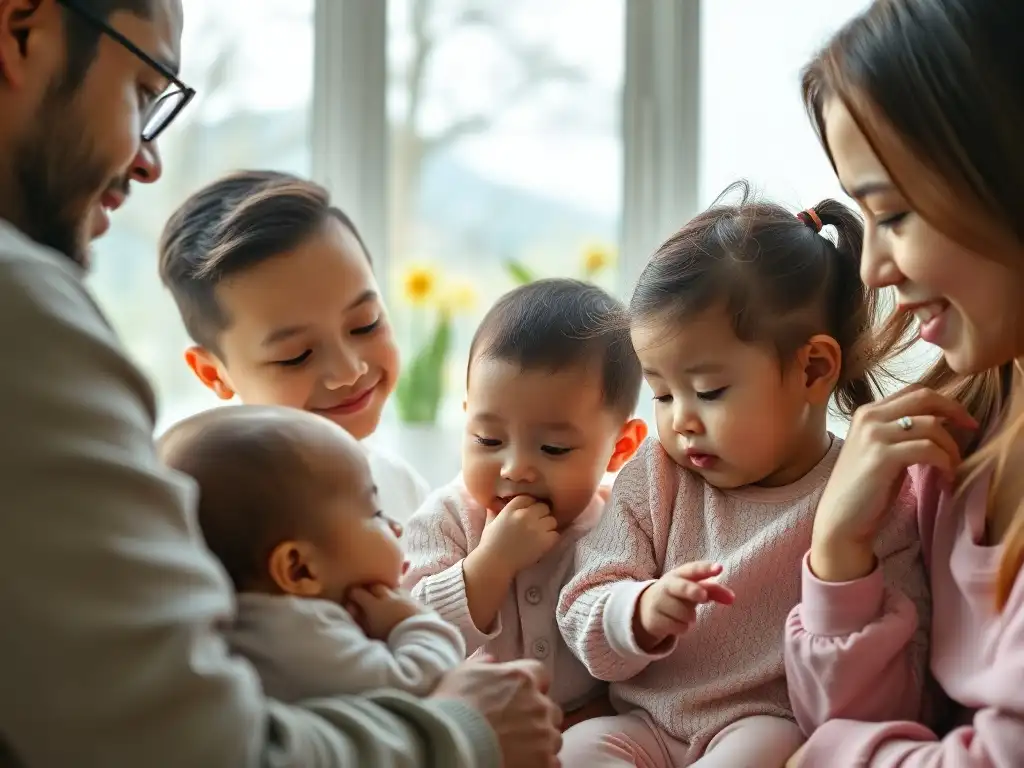
Understanding your baby's communication cues is crucial for building a strong bond and meeting their needs effectively. While babies can't speak, they communicate through a variety of subtle cues, often missed by inexperienced parents. Mastering active listening techniques allows you to decipher these cues, fostering a more responsive and loving relationship. This section delves into practical strategies for improving your ability to understand baby communication cues, helping you become more attuned to your little one's needs.
Tuning into Your Baby's Rhythms and Patterns
Babies operate on distinct rhythms and patterns, particularly in their early months. Recognizing these patterns is key to understanding their communication. For example, a fussy baby might exhibit predictable patterns before a feeding, such as increased rooting, hand-to-mouth movements, and restlessness. Similarly, a tired baby might show signs like rubbing their eyes, yawning excessively, and becoming less interactive.
Observing these patterns over several days helps establish a baseline for your baby's behavior. Keep a simple baby journal or use a baby tracking app to note down feeding times, sleep cycles, diaper changes, and any noticeable behavioral changes. This detailed record helps you identify potential triggers for fussiness and anticipate their needs before they become overwhelming. For instance, if you notice your baby consistently becomes fussy around the same time each afternoon, you might anticipate that they're tired and need a nap.
This proactive approach allows you to soothe your baby more effectively before they become inconsolable. This practice of predictive care is a cornerstone of understanding baby communication cues. It moves you beyond simply reacting to cries and into anticipating needs, building a more secure and positive relationship.
Note that every baby is unique. What works for one might not work for another. Consistency in observation and careful record-keeping are crucial for understanding your baby's unique communication style.
Creating a Calming and Responsive Environment for Communication
A calming and responsive environment is crucial for facilitating clear communication with your baby. A noisy, chaotic atmosphere can overwhelm a baby's sensory system, making it difficult for them to express their needs effectively.
Creating a calm environment involves minimizing distractions, providing soft lighting, and using soothing sounds like white noise or lullabies. This creates a space where your baby feels safe and secure, encouraging them to communicate more openly. This doesn't mean complete silence! Gentle conversation and singing can be calming and stimulating at the same time. The key is to be mindful of the volume and intensity of sounds around your baby.
Furthermore, a responsive environment means actively engaging with your baby when they attempt to communicate. Even seemingly insignificant gestures, like a slight movement of their hand or a change in facial expression, should be acknowledged and responded to. This consistent responsiveness teaches your baby that their communication is valued and heard, encouraging further interaction. For example, if your baby is gurgling, try mimicking the sound or gently talking back to them. This simple act strengthens the bond and encourages further communication. Remember, your responsiveness lays the groundwork for a strong parent-child communication system.
Responding to Your Baby's Cues: Prompt and Appropriate Reactions
Prompt and appropriate responses to your baby's cues are essential for building trust and secure attachment. Delaying responses can lead to increased frustration and anxiety in your baby, hindering their ability to communicate effectively. This doesn't mean instantly reacting to every whimper; instead, it means being attentive and responding in a way that's appropriate to the situation.
Consider the context of your baby's cues. A cry might signify hunger, discomfort, tiredness, or simply a need for comfort. Observing accompanying cues, such as facial expressions, body language, and the intensity of the cry, helps you determine the most appropriate response. A high-pitched, piercing cry may indicate pain or intense distress, requiring immediate attention. A low-pitched, rhythmic whimper might suggest tiredness or a need for comfort.
Learning to differentiate between various types of cries takes time and practice. However, with consistent observation and attentive listening, you will gradually become adept at interpreting your baby's communication. Remember, responding promptly and appropriately teaches your baby that their needs are important and that you are a reliable source of comfort and security – key elements in understanding baby communication cues. This consistent responsiveness builds trust and facilitates healthy communication throughout their development.
Understanding Baby's Communication Through Different Developmental Stages
Understanding your baby's communication cues is crucial for building a strong parent-child bond and ensuring your baby's healthy development. Babies, even newborns, communicate their needs and feelings in various ways, long before they can speak. Learning to interpret these subtle cues is a skill that develops over time, but understanding the typical communication patterns at different developmental stages provides a solid foundation. This section focuses on deciphering your baby's messages during key developmental periods, helping you become more attuned to their needs and fostering better communication. This will help you effectively understand baby communication cues.
Newborn Communication: Recognizing Hunger, Discomfort, and Sleepiness Cues
Newborn babies primarily communicate through crying, but even within crying, there are subtle nuances. Learning to differentiate between various cries is a crucial skill for first-time parents. For example, a hungry cry is often characterized by a rhythmic pattern, starting softly and gradually increasing in intensity. A cry stemming from discomfort, such as a soiled diaper or gas, might be higher-pitched and more insistent. A sleepy baby might exhibit subtle cues like rubbing their eyes, yawning excessively, or becoming less active.
Understanding these subtle differences takes practice and patience. However, paying close attention to your baby's body language alongside their cries can provide valuable clues. For instance, rooting (turning their head and opening their mouth when their cheek is stroked) is a clear sign of hunger. Fussiness and arching of the back might indicate discomfort. Observe your baby's overall demeanor: are they tense and restless, or relaxed and drowsy?
Here's a simple table to help you distinguish between common newborn communication cues:
| Cue | Description | Possible Meaning(s) |
|---|---|---|
| Rhythmic crying | Starts softly, gradually intensifies. | Hunger |
| High-pitched, insistent cry | Sharp, piercing cry, often accompanied by restlessness. | Discomfort (gas, diaper rash, pain) |
| Whimpering/soft fussing | Low-volume, almost inaudible cry. | Mild discomfort, tiredness, or seeking closeness |
| Rubbing eyes, yawning | Physical signs of tiredness. | Sleepiness |
| Rooting | Turning head and opening mouth when cheek is stroked. | Hunger |
| Arching back, pulling legs | Body language indicative of discomfort or pain. | Gas, discomfort, colic |
Remember, every baby is unique, and their communication styles may vary. Consistent observation and responsiveness are key to understanding your own baby's unique communication patterns. Trust your instincts and don't hesitate to seek professional advice if you have concerns.
By two months, babies begin to show more sophisticated communication skills. While crying remains a primary form of communication, they're starting to engage more actively with their environment and caregivers. A significant milestone is the emergence of social smiles – genuine smiles in response to interaction, rather than reflexive smiles. These smiles are a powerful indicator of contentment and positive connection. Moreover, babies at this age might start cooing and gurgling, experimenting with sounds and vocalizations. These sounds aren't words yet, but they represent early attempts at communication and interaction.
Observe your baby's responses to your voice and facial expressions. Do they seem to prefer certain sounds or tones? Do they track your face as you speak? These are important indicators of their developing communication abilities. Active engagement, such as responding to your smiles and vocalizations with their own sounds and movements, is a positive sign of healthy development. Continue to respond consistently and enthusiastically to your baby's cues, strengthening your bond and encouraging further communication. Active engagement in this way directly helps you understand baby communication cues.
This period is all about nurturing that early interaction. Talking, singing, and reading to your baby, even if they don't understand the words, lays the foundation for language development and strengthens your connection.
4-Month-Old Communication: Babbling and Vocal Play
At four months, babies enter a new phase of vocal development marked by increased babbling and vocal play. They're experimenting with a wider range of sounds, including consonants and vowels, often stringing them together in playful sequences. This babbling is not just random noise; it's a crucial step in language acquisition. They're practicing the sounds and rhythms of speech, laying the groundwork for future word formation. Furthermore, their non-verbal communication becomes more refined. They might use gestures, such as reaching for objects or pointing, to express their desires.
This stage is characterized by playful interaction. Respond to your baby's babbling with your own vocalizations, mirroring their sounds and expressions. This back-and-forth exchange is essential for stimulating language development. Engage in turn-taking games, such as peek-a-boo, which help your baby understand the rhythm and timing of conversation. Continue to respond to their gestures and attempts at communication, reinforcing their efforts and encouraging further interaction. Remember, consistent and responsive interaction significantly aids in understanding baby communication cues at this crucial stage of development. This period lays the groundwork for more complex communication in the months to come.
6-Month-Old Communication: Understanding Simple Gestures and Sounds
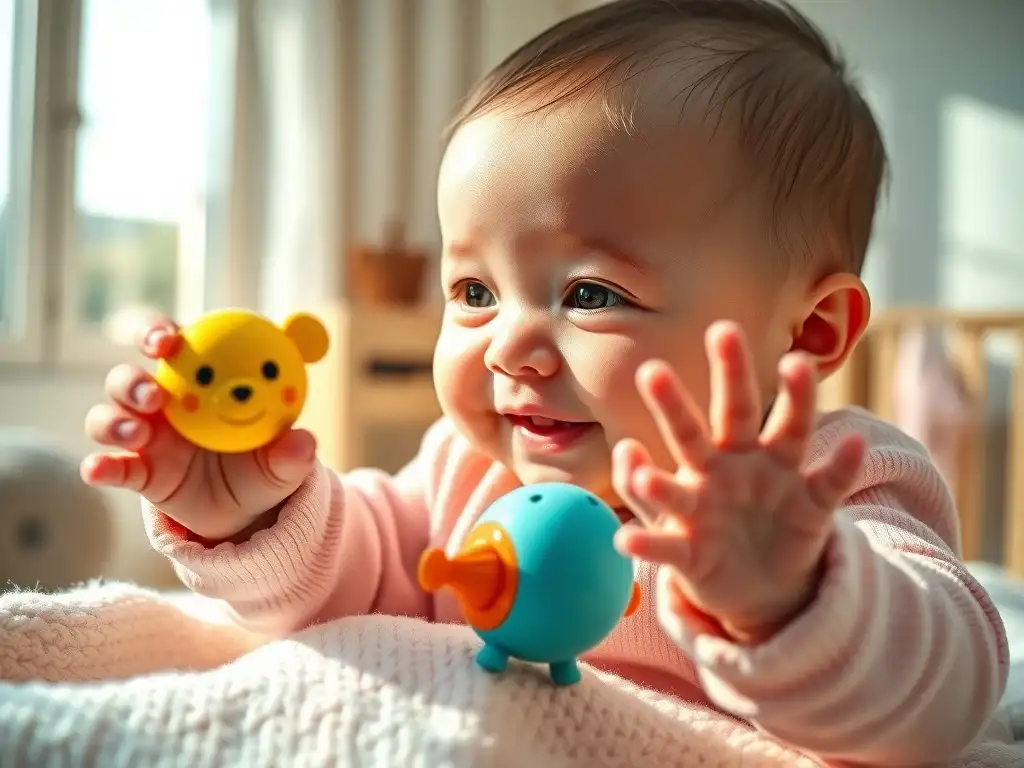
Six-month-old babies are masters of nonverbal communication. While they aren't yet forming words, they're incredibly expressive through gestures and sounds. At this stage, understanding your baby's communication cues focuses on recognizing subtle shifts in their body language and vocalizations. For example, a happy baby might coo contentedly and kick their legs, while a frustrated baby might arch their back and make fussy sounds.
Learning to differentiate these expressions is crucial. Pay close attention to the context—is your baby hungry, tired, or simply needing attention? This stage lays the groundwork for future language development; responding consistently to your baby's cues helps them understand that their communication is effective and encourages further interaction. This consistent response builds trust and security, vital elements in a baby's emotional development.
For instance, if your baby reaches for a toy, handing it to them reinforces the connection between their gesture and the desired outcome. Similarly, if they make a distressed sound, offering comfort immediately teaches them that their needs will be met. Remember, patience and observation are key at this stage. Each coo, gurgle, and gesture is a step towards more complex communication.
9-Month-Old Communication: Responding to Simple Words and Instructions
By nine months, babies are starting to understand simple words and instructions. While they may not be speaking themselves, they're actively listening and processing language. This is a critical period for understanding baby communication cues as they begin to associate words with actions and objects. For example, saying "wave bye-bye" while waving yourself encourages imitation and understanding. Similarly, pointing to an object and naming it helps them connect the word with the visual image.
Responding to simple instructions like "give me the toy" or "come here" becomes increasingly possible. The key is to keep instructions short, simple, and paired with visual cues. Using a playful and encouraging tone further enhances comprehension. For instance, saying "Let's clap hands!" while clapping yourself makes the instruction clear and engaging.
At this stage, you'll likely notice your baby pointing at objects they want, looking at you expectantly, or using gestures to communicate their desires. These are important communication cues that show their growing understanding of language and their intention to interact. This active participation shows a significant leap in their cognitive and linguistic development. Remember to celebrate these milestones and continue using simple, repetitive language.
12-Month-Old Communication: First Words and Basic Understanding
Twelve months marks a significant milestone in a baby's communication journey: the emergence of their first words! While these words might be simple—like "mama," "dada," or "ball"—they represent a huge leap in language development. Understanding baby communication cues at this age involves recognizing both their spoken words and their continued use of gestures and sounds. Babies will often combine words and gestures to express more complex needs or desires.
For example, a baby might point to a cup and say "milk," clearly communicating their thirst. It's important to respond enthusiastically to their attempts at verbal communication, even if their pronunciation isn't perfect. Repeating the words back to them, correctly pronouncing them, and expanding on what they're trying to say helps solidify their language acquisition. This is a period of rapid learning, and consistent interaction is key.
Reading books together, singing songs, and engaging in playful conversations all contribute to their language growth. This interactive approach encourages their participation and helps them understand the nuances of communication, laying the foundation for more advanced language skills in the coming months and years. Remember, every attempt at communication, however small, is a victory in their journey to understand and be understood.
Boosting Your Baby's Language Development Through Active Listening

Active listening isn't just about hearing your baby's cries; it's about understanding the nuances of their communication, even before they can speak. By actively engaging with your baby's cues, you significantly boost their language development and build a stronger parent-child bond. This involves observing their non-verbal communication, responding appropriately, and creating a rich language environment. This approach helps your baby learn to associate sounds with meaning, understand cause and effect, and develop crucial pre-linguistic skills. Early intervention in understanding baby communication cues is key to fostering healthy language growth.
Engaging in Interactive Play: Promoting Language Acquisition
Interactive play is a fantastic way to understand baby communication cues and stimulate language development. Instead of passively watching your baby play, actively participate! Describe what they're doing, using simple, clear language. For example, if they're stacking blocks, you might say, "You're building a tall tower! That's a big, red block." Naming objects and actions repeatedly helps them associate words with their meanings.
Furthermore, incorporating different textures, sounds, and colors into playtime can make it even more stimulating and enriching. Think about using musical instruments, soft toys with varied textures, or even simple household items like wooden spoons. Remember, the goal is to create a fun, engaging environment where language acquisition happens naturally. The more you interact and narrate their actions, the more they'll learn to understand and use language. Consider the following playful activities:
- Imitation Games: Mimic your baby's sounds and actions, encouraging them to repeat and expand upon them. This is a great way to build communication skills.
- Cause-and-Effect Games: Show your baby how actions create reactions, such as shaking a rattle to make a noise or dropping a toy to see it fall. Verbalize these actions clearly.
- Sensory Play: Engage your baby's senses with different textures, sounds, and smells. Describe these sensations as you play.
Reading to Your Baby: Enriching Their Language Environment
Reading to your baby, even from a very young age, significantly contributes to language development and helps you better understand baby communication cues. The rhythm, intonation, and repetition of words in books create a stimulating auditory experience. Point to pictures, name objects, and describe scenes in the story. Even if your baby doesn't understand the words yet, they're absorbing the sounds and rhythms of language. Choose books with bright colors, simple words, and engaging illustrations. Board books are ideal for little hands.
Remember to make it interactive! Ask questions, make funny sounds, and encourage your baby to participate in the storytelling. Regular reading sessions establish a routine that fosters a love of books and language. Data shows that children exposed to regular reading sessions demonstrate significantly improved vocabulary and comprehension skills later in life. Here's how to maximize the benefits:
- Use expressive voices: Vary your tone and pitch to keep your baby engaged.
- Point and name objects: Help your baby connect words with images.
- Repetition is key: Read the same books multiple times to reinforce learning.
- Make it a snuggle time: Create a positive association with reading through physical comfort.
Singing Songs and Rhymes: Developing Language Skills Through Music
Singing songs and rhymes is another powerful tool in understanding baby communication cues and fostering early language skills. The melodic nature of songs helps babies learn rhythm, intonation, and pronunciation. Nursery rhymes often use repetitive phrases and simple vocabulary, making them ideal for language acquisition. Singing also provides a wonderful opportunity for physical interaction, such as clapping, dancing, or rocking. This multi-sensory approach enhances engagement and memory retention.
Consider adding actions to songs and rhymes to make them even more interactive and engaging. The repetitive nature of these songs helps imprint words and sounds in your baby's mind. For instance, "Twinkle Twinkle Little Star" is fantastic for this reason. Furthermore, singing helps develop your baby's sense of rhythm and timing, skills that are essential for language development. Here are some ideas:
- Choose songs with clear pronunciation: Avoid songs with complex lyrics or fast tempos initially.
- Use actions to enhance engagement: Clap, dance, and point to reinforce the words.
- Sing regularly: Make singing a part of your daily routine.
- Experiment with different genres: Expose your baby to a variety of musical styles. 🎶
Remember, consistent effort in understanding baby communication cues through active listening, interactive play, reading, and singing will significantly contribute to your baby's language development journey. It's a rewarding experience that strengthens your bond and lays a strong foundation for future learning.
Talking to Your Baby: Constant Verbal Interaction is Key
Engaging in constant verbal interaction with your baby is a cornerstone of fostering their language development. From the moment they're born, babies are absorbing sounds and rhythms, even if they don't yet understand the meaning of the words. This early exposure lays the foundation for future language comprehension and expression. Think of it as building a strong linguistic scaffolding upon which more complex communication skills will be constructed.
The benefits of consistent talking extend far beyond simply teaching vocabulary. The melodic quality of your voice, the varied intonations, and even the pauses and stresses you use all contribute to your baby's auditory development. They learn to distinguish sounds, recognize patterns, and anticipate the flow of conversation, all crucial aspects of language acquisition. Studies have shown that babies exposed to more frequent and varied verbal interactions demonstrate faster language development milestones.
Remember, it's not just about formal conversations. Narrate your daily activities. Describe what you're doing while changing their diaper, preparing a meal, or going for a walk. Use descriptive language, pointing out colors, shapes, and textures.
Sing songs, recite rhymes, and read aloud, even to a very young infant. The more you talk, the richer and more varied the linguistic environment you create for your little one. This consistent verbal interaction, even in seemingly mundane situations, is invaluable for building their linguistic skills and fostering a strong parent-child bond. The positive emotional connection created through this consistent communication significantly contributes to the overall development process.
This is not just about teaching words; it's about creating a nurturing environment where language acquisition thrives. The constant stream of verbal input helps establish a secure attachment, facilitating better communication and emotional development. Essentially, you are planting the seeds for a lifetime of strong communication skills.
When to Seek Professional Advice Regarding Your Baby's Communication
Understanding your baby's communication cues is crucial for their healthy development. While every baby develops at their own pace, there are certain signs that might indicate a need for professional intervention. Knowing when to seek help is vital for ensuring your little one receives the support they need to thrive. This section focuses on identifying potential delays and understanding the resources available to you. Early intervention is key to maximizing your baby's communication potential. Remember, seeking professional advice doesn't mean there's something wrong; it's a proactive step towards ensuring optimal language growth.
Recognizing Potential Delays in Language Development
Identifying potential delays in language development can be challenging, as each baby is unique. However, certain milestones serve as helpful indicators. For example, while babbling typically begins around 6 months, a lack of babbling or significantly limited vocalizations beyond 9 months could warrant a check-up. Similarly, a child who isn't pointing to objects or responding to their name by 12 months might benefit from professional assessment.
The following table provides a simplified guideline, but remember that these are just averages and variations exist:
| Age Range | Expected Communication Milestone | Potential Delay Indicator |
|---|---|---|
| 4-6 Months | Babbling, cooing, responding to sounds | Little to no vocalization, lack of response to sounds |
| 7-12 Months | Pointing, responding to name, simple gestures | Absence of pointing, no response to name, limited gestures |
| 12-18 Months | First words, understanding simple instructions | Very few words, difficulty understanding simple instructions |
| 18-24 Months | Simple phrases, increasing vocabulary | Limited vocabulary, struggles forming phrases |
Furthermore, consider factors beyond just the number of words. Does your baby seem frustrated when trying to communicate? Do they struggle to follow simple directions, even with visual cues? These behavioral observations can be equally important as milestones in understanding potential delays. Remember, early identification is crucial for successful intervention.
Seeking Help from Pediatricians and Speech Therapists
Your pediatrician is your first point of contact when you have concerns about your baby's communication development. They can conduct a preliminary assessment and refer you to specialists if necessary. A speech-language pathologist (SLP) or speech therapist is a healthcare professional specializing in communication disorders. They can perform comprehensive evaluations, diagnose any potential delays, and create individualized therapy plans.
Seeking help shouldn't be viewed as a sign of failure but rather as a proactive step towards ensuring your child's healthy development. Early intervention programs are designed to provide support and guidance, helping your child reach their full communication potential. Don't hesitate to reach out for assistance if you have any doubts or concerns; the sooner you seek help, the better the outcome. Many resources are available to support families navigating these challenges.
Early Intervention for Optimal Language Growth
Early intervention programs offer a range of services designed to address communication delays in young children. These programs often involve a multidisciplinary team, including SLPs, occupational therapists, and educators. The goal is to provide targeted support, tailored to your child's individual needs. The earlier intervention begins, the more effective it tends to be.
The benefits of early intervention are numerous: it can significantly improve communication skills, boost self-esteem, and enhance overall development. Early intervention also helps parents learn strategies to support their child's communication at home, fostering a positive and supportive environment for language growth. Remember, your active participation in these programs is crucial for their success. Your dedication and involvement will play a significant role in your baby's journey towards healthy communication. 🎉 Early intervention is an investment in your child's future.
Frequently Asked Questions
How can I tell if my baby is hungry?
Babies often exhibit several hunger cues. These include rooting (turning their head and opening their mouth), sucking on their hands, and fussiness. Early recognition of these cues is vital for successful feeding.
What are some common signs my baby is tired?
Tired babies might show signs of rubbing their eyes, yawning frequently, becoming fussy or irritable, and pulling their ears. Responding to these early cues will promote better sleep patterns.
My baby is crying, but I don't know why. What should I do?
Try the ABCs of soothing: attending to their needs (hunger, diaper change), burping, and bonding through cuddling. If crying persists, consult your pediatrician to rule out any underlying medical issues. Eliminate the obvious.
How can I understand my baby's different cries?
While it takes practice, different cries often signify different needs. A high-pitched cry might indicate pain, while a whiny cry might signal hunger. Pay close attention to the accompanying body language. Observe and learn.
What if I'm struggling to interpret my baby's cues?
Don't hesitate to seek help! Your pediatrician or a lactation consultant can offer valuable guidance and support. Remember that every baby is unique, and learning their cues takes time and patience.
Final Reflection: The Enduring Power of Understanding Baby Talk
The ability to truly understand your baby's communication cues is not just a parenting skill; it's the foundation for a strong and loving parent-child bond. This understanding, built on the art of active listening, profoundly impacts a child's development and shapes their future relationships. Ignoring these subtle cues can have lasting consequences, while actively engaging with them fosters a secure and thriving environment.
The impact of truly listening to our babies extends far beyond their infancy. It shapes their sense of self-worth, their ability to communicate effectively later in life, and their overall emotional well-being. The quiet moments of shared understanding, the subtle shifts in expression we learn to decipher – these are the building blocks of trust and connection. The most important thing a father can do for his children is to love their mother.
– Theodore Hesburgh. While this quote speaks to parental relationships, the principle of nurturing connection through understanding applies equally to the parent-child bond, beginning in infancy.
Now, consider your own interactions with your baby or a child in your life. Are you truly listening? Are you paying attention not just to their words, but to the nuances of their cries, their gestures, their facial expressions?
Take a moment to reflect on this. Make a conscious effort to observe and respond to your little one's attempts at communication, no matter how small they may seem. By embracing the art of active listening, you're not just understanding your baby; you're investing in a future filled with love, understanding, and a profoundly strong connection that will last a lifetime.
Unlock Your Baby's World: Start Listening Today!
Thank you for exploring the fascinating world of baby communication! You've gained valuable insights into understanding your little one's cues. Ready to put this knowledge into practice? Let's begin:
- Focus intently on your baby's sounds and facial expressions during their next feeding or playtime. Notice the subtle changes and respond accordingly. This is the first step toward a deeper connection. For example, a furrowed brow might indicate discomfort, while a relaxed expression and soft cooing might suggest contentment.
- Share your experiences! Tell us in the comments below about a time when attentive listening helped you understand your baby better. Let's build a supportive community of parents learning together.
- Consider exploring additional resources on baby development to further enhance your understanding of your baby's growth journey. Many reputable websites and books offer valuable information.
What small adjustment to your communication style will you make today to better understand your baby's unique needs and expressions?