
The Role of Occupational Therapy in Addressing Fine Motor Challenges

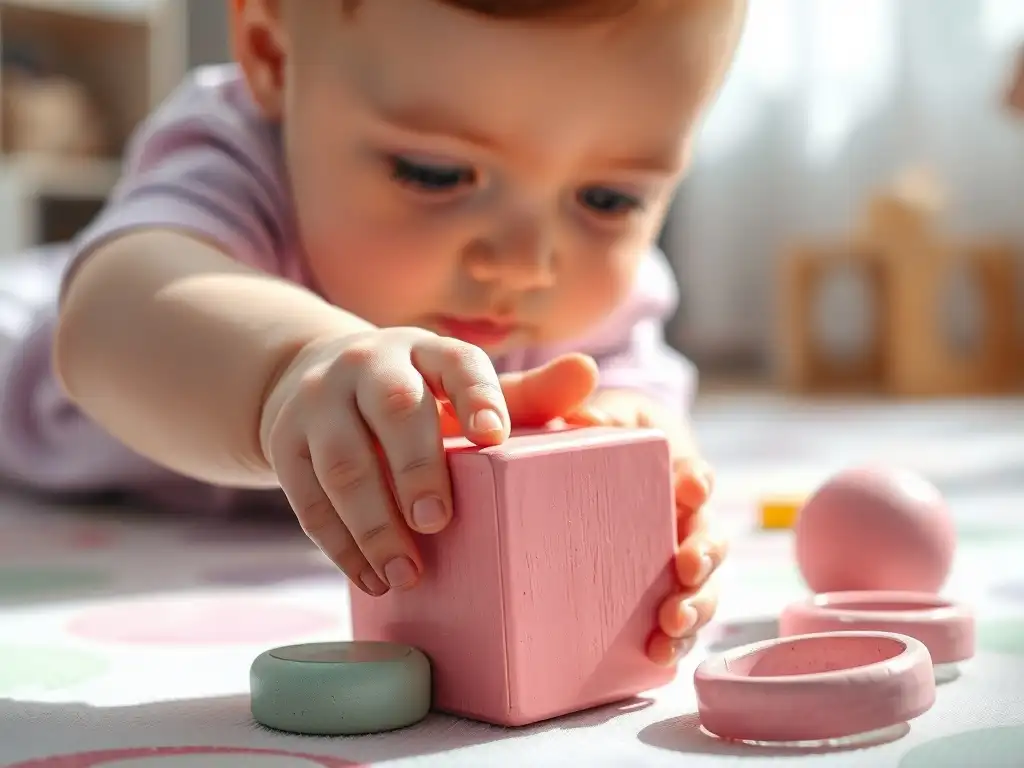
Welcome to BabyCareHub, your ultimate guide to navigating the incredible journey of parenthood! Are you curious about unlocking your little one's full potential? Then discover the power of early intervention with our in-depth exploration of baby fine motor skill therapy. We'll delve into the crucial role occupational therapy plays in addressing developmental challenges and empowering your baby to reach their milestones. Prepare to be amazed by the impact this specialized therapy can have – let's embark on this enriching journey together!
- Understanding Baby Fine Motor Skill Therapy: What It Is and When It's Needed
- How Occupational Therapy Helps Improve Baby Fine Motor Skills
- The Occupational Therapist's Role in Baby Fine Motor Skill Development
- Home-Based Activities to Support Baby Fine Motor Skill Therapy
- Long-Term Benefits of Early Intervention in Baby Fine Motor Skill Therapy
- Finding a Qualified Occupational Therapist for Your Baby
- Frequently Asked Questions
- Final Reflection: Nurturing Tiny Hands, Shaping Brighter Futures
- Unlock Your Child's Potential: Practical Steps to Support Fine Motor Skills
Understanding Baby Fine Motor Skill Therapy: What It Is and When It's Needed
Navigating the world of newborn and baby care can feel overwhelming for first-time parents. From mastering feeding schedules to deciphering those early cries, the journey is filled with learning and adjustments. A crucial yet often overlooked aspect of this journey is the development of your baby's fine motor skills.
These skills, encompassing the precise movements of small muscles in the hands and fingers, are fundamental to a child's overall development, impacting everything from grasping toys to self-feeding and eventually writing. This article provides a comprehensive guide to understanding baby fine motor skill therapy, exploring when intervention might be necessary and highlighting the importance of early detection and support. We will delve into the signs of potential delays, the benefits of early intervention, and when to seek professional help for your little one.
Understanding these key aspects will empower you to advocate for your baby's optimal development and equip you with the knowledge to navigate this important phase of their growth. Remember, seeking support is a sign of strength, not weakness, and early intervention can make a significant difference.
Identifying Early Signs of Fine Motor Skill Delays in Infants (0-12 Months)
Recognizing potential delays in your baby's fine motor skill development is the first step towards providing appropriate support. While every baby develops at their own pace, certain milestones typically emerge within specific age ranges. Missing these milestones, or exhibiting significant delays in achieving them, could indicate a need for further assessment.
Here's a helpful checklist to consider, remembering that this is for guidance and individual variations are normal:
| Age Range (Months) | Expected Fine Motor Skill Milestones | Potential Signs of Delay |
|---|---|---|
| 0-3 | Reaching for objects, bringing hands to mouth | Limited or absent reaching, difficulty bringing hands to mouth |
| 3-6 | Grasping objects, transferring objects from hand to hand, raking grasp | Difficulty grasping objects, inability to transfer objects, weak grasp |
| 6-9 | Sitting independently, using pincer grasp (thumb and forefinger) | Difficulty sitting, inability to use pincer grasp, relying solely on raking grasp |
| 9-12 | Pointing with index finger, picking up small objects, banging objects together | Difficulty pointing, inability to pick up small objects, limited object manipulation |
It's crucial to remember that this table provides a general guideline. Some babies may reach milestones earlier or later than indicated. However, consistent delays or significant deviations from these expected milestones should prompt you to seek professional advice. For example, a 9-month-old who cannot pick up small objects or a 6-month-old who shows no interest in grasping toys might benefit from an assessment by an occupational therapist. 🤔
The Importance of Early Intervention in Baby Fine Motor Skill Development
Early intervention is paramount in addressing any concerns regarding fine motor skill development. The brain's plasticity during infancy is remarkable, meaning that early intervention can significantly impact a child's ability to catch up and develop age-appropriate skills. The earlier intervention begins, the greater the potential for positive outcomes. Early intervention programs often focus on:
- Play-based therapy: Engaging activities that stimulate fine motor skills through playful interaction.
- Sensory integration: Activities designed to improve the processing and coordination of sensory information.
- Adaptive techniques: Strategies to modify tasks and environments to promote success.
- Parent education and support: Equipping parents with the knowledge and skills to continue supporting their child's development at home.
Delaying intervention can lead to compounding difficulties, potentially impacting other developmental areas like self-care, academic performance, and social interaction later in life. Early intervention not only addresses immediate concerns but also helps prevent future challenges, laying a strong foundation for your child's overall well-being.
When to Seek Professional Help for Your Baby's Fine Motor Skills
If you have any concerns about your baby's fine motor skill development, don't hesitate to seek professional guidance. This isn't about being overly cautious; it's about proactively ensuring your child receives the support they need to thrive. Here are some key indicators that warrant a consultation with a pediatrician or occupational therapist specializing in infant development:
- Consistent delays in reaching major milestones as outlined above.
- A noticeable asymmetry in hand use (one hand is significantly favored over the other).
- Persistent difficulties with grasping, manipulating, or releasing objects.
- Your own parental intuition – trust your gut feeling if something seems amiss.
Early intervention is key, and seeking professional help is a proactive step towards ensuring your baby's optimal development and future success. Remember, a supportive and informed approach can make a world of difference in their journey. 👶
How Occupational Therapy Helps Improve Baby Fine Motor Skills
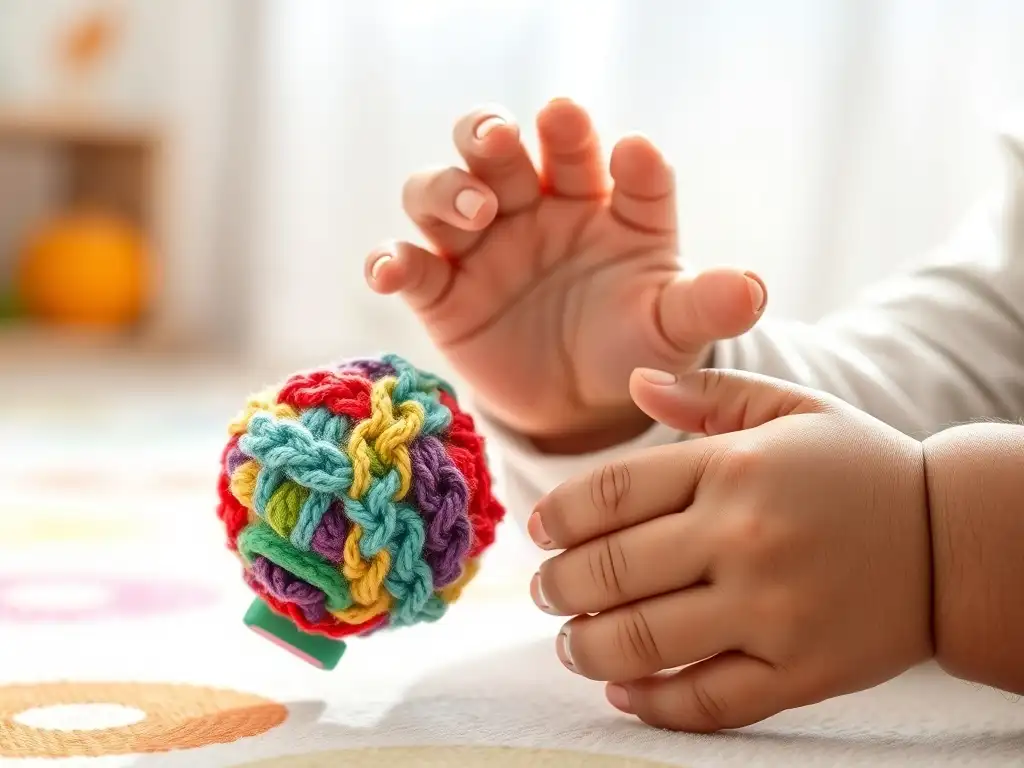
Occupational therapy plays a crucial role in addressing fine motor skill delays in infants. A skilled occupational therapist (OT) assesses a baby's development, identifies specific challenges, and creates a personalized intervention plan. This plan focuses on improving the baby's ability to perform everyday tasks requiring precise hand and finger movements. The ultimate goal is to enhance their independence and participation in age-appropriate activities.
Early intervention is key; addressing fine motor skill delays early can significantly improve a child's long-term development and reduce the risk of future difficulties. This is particularly important for babies showing signs of developmental delays, such as a persistent inability to reach for objects or a weak grasp. The therapist considers the baby's individual needs, preferences, and developmental stage when designing the intervention plan, ensuring a holistic and effective approach to therapy.
The frequency and duration of therapy sessions vary depending on the child's needs and progress. Regular monitoring and reassessment are essential to track progress and adjust the plan as needed. Parents are actively involved in the therapy process, learning techniques and activities to support their baby's development at home.
Occupational Therapy Techniques for Enhancing Grasping and Reaching Skills
Occupational therapists employ various techniques to improve a baby's grasping and reaching abilities. These techniques often involve playful, engaging activities designed to stimulate the baby's natural desire to explore. For example, therapists might use brightly colored toys with different textures to encourage reaching and grasping. They might also incorporate techniques like:
- Adaptive positioning: Positioning the baby in ways that optimize their reach and hand-eye coordination. This could include using supportive seating or positioning aids.
- Sensory integration: Utilizing different textures, weights, and temperatures of objects to stimulate the baby's sensory system and improve their grasp. This could involve playing with textured balls, soft toys, or even cool, smooth objects.
- Constraint-induced movement therapy (CIMT): In some cases, therapists may use CIMT, which involves temporarily restricting the use of the baby's stronger hand to encourage the use of the weaker hand. This approach is typically used only in specific cases and under the guidance of a qualified professional.
- Weight bearing: Encouraging weight-bearing activities such as tummy time to strengthen the baby's upper body and improve their ability to reach and grasp.
The therapist meticulously observes the baby's response to different techniques, adjusting their approach based on the baby's progress and preferences. Regular feedback to parents is crucial, enabling them to consistently reinforce therapeutic techniques at home. The aim is to build a strong foundation for future fine motor skill development, fostering independence and confidence in the baby. Data collected during therapy sessions helps to track progress and ensures the most effective therapeutic approach is being utilized.
Activities to Improve Hand-Eye Coordination and Object Manipulation
Improving hand-eye coordination is a cornerstone of baby fine motor skill therapy. Therapists incorporate a range of activities to enhance this crucial skill. These activities often focus on tracking objects with the eyes, reaching for them, and manipulating them once grasped. Here are some examples:
- Visual tracking exercises: Following a moving object with the eyes, such as a slowly moving toy or a light.
- Reaching and grasping activities: Reaching for and grasping objects of varying sizes, shapes, and textures. This could involve toys, rattles, or even simple household items.
- Object manipulation: Activities that involve manipulating objects, such as stacking blocks, shaking rattles, or turning pages in a book.
- Playing with textured balls: Different textures stimulate the baby's sensory system and improve their grasp.
These activities are tailored to the baby's developmental stage and abilities. For instance, a younger baby might focus on simple reaching and grasping, while an older baby might engage in more complex activities like stacking blocks or using pincer grasp to pick up small objects. The therapist gradually increases the complexity of the activities as the baby progresses. Home practice is emphasized, with parents actively participating in play sessions that reinforce the skills learned during therapy. The use of age-appropriate toys and everyday objects helps to make the therapy process fun and engaging for the baby.
Strategies for Developing Pincer Grasp and Fine Motor Control
The development of the pincer grasp—the ability to pick up small objects using the thumb and index finger—is a significant milestone in fine motor skill development. Occupational therapists utilize several strategies to foster this crucial skill:
- Providing opportunities for practice: Offering a variety of small objects for the baby to pick up, such as small blocks, cheerios, or small toys.
- Using textured objects: Objects with different textures can stimulate the baby's sensory system and improve their grasp.
- Modeling the pincer grasp: Demonstrating the pincer grasp to the baby and encouraging imitation.
- Encouraging self-feeding: Opportunities to self-feed (with appropriate foods) help improve the pincer grasp and hand-eye coordination.
The development of the pincer grasp is essential for a wide range of activities, including self-feeding, drawing, and writing. Therapists guide parents in creating a stimulating environment that encourages the baby to practice the pincer grasp. This might involve providing age-appropriate toys and adapting the environment to make it easier for the baby to reach and grasp objects.
Consistent practice and positive reinforcement are key to success. The therapist regularly assesses the baby's progress, adjusting the strategies as needed to ensure optimal development. This comprehensive approach to baby fine motor skill therapy ensures the baby develops the necessary skills for future independence and success.
Adaptive Equipment and Tools Used in Baby Fine Motor Skill Therapy
Occupational therapists utilize a range of adaptive equipment and tools tailored to a baby's developmental stage and specific needs to improve fine motor skills. These aren't just toys; they're carefully selected instruments designed to facilitate specific movements and strengthen muscles. The selection process considers factors like the baby's age, grasping ability, and the type of fine motor challenge they face.
For instance, a baby struggling with grasping might benefit from differently textured toys, encouraging them to use different grips and strengthen their fingers. Therapists may introduce toys with varying weights and sizes to help the baby develop hand-eye coordination and improve their precision.
One common tool is the use of adapted feeding utensils. Babies with difficulties coordinating their mouth and hand movements during feeding might be introduced to specialized spoons or sippy cups with ergonomic handles that are easier to grip and manipulate. These adaptations make mealtimes less frustrating and encourage self-feeding, a crucial step in fine motor development. The therapist will often consider the size and weight of the utensil, ensuring it is appropriate for the baby's strength and dexterity. They might also introduce textured surfaces on the handles to improve grip.
Beyond feeding, therapists often use textured balls, grasping toys, and stacking cups. These seemingly simple tools are meticulously chosen for their size, weight, and texture. The varying textures stimulate the baby's tactile senses, enhancing their exploration and improving their hand strength. Stacking cups, for example, help develop hand-eye coordination and precision. The act of picking up, stacking, and manipulating the cups strengthens finger muscles, improves hand-eye coordination, and encourages problem-solving skills. The therapist carefully monitors the baby's progress, adjusting the difficulty level as their skills improve. This might involve introducing smaller cups, requiring more precise movements.
Another important aspect is the use of visual aids and sensory integration techniques. Some babies might benefit from brightly colored toys or toys with contrasting patterns that help them focus their attention and improve hand-eye coordination. These aids are not just visually stimulating; they're carefully integrated into the therapy sessions to improve the baby's overall sensory processing and improve their fine motor skills. For example, a therapist might use a combination of visual cues and tactile stimulation to guide a baby during a grasping exercise.
This holistic approach addresses the interconnectedness of sensory input and motor output, ensuring a more comprehensive and effective therapy experience. The specific techniques used will depend heavily on the individual baby's needs and sensory profile. This is why individualized assessment and treatment planning are crucial in baby fine motor skill therapy.
The Occupational Therapist's Role in Baby Fine Motor Skill Development
Occupational therapists (OTs) play a crucial role in supporting the development of fine motor skills in infants and young children. Their expertise lies in helping babies achieve age-appropriate milestones and overcome any challenges that may hinder their progress. This involves a multifaceted approach, encompassing assessment, individualized therapy planning, and close collaboration with parents and caregivers.
Early intervention is key, as addressing fine motor skill delays early on can significantly improve a child's long-term development and overall well-being. This section delves into the specific ways OTs contribute to a baby's fine motor skill journey, focusing on the key aspects of assessment, personalized therapy, and home-based support. Understanding the OT's role is crucial for parents seeking effective baby fine motor skill therapy.
Assessment and Evaluation of Fine Motor Skills in Infants
The initial step in addressing any fine motor skill delay is a thorough assessment. Occupational therapists utilize a variety of methods to evaluate an infant's fine motor abilities. This assessment isn't just about observing if a baby can grasp a rattle; it's about understanding the underlying reasons for any delays. The assessment process often includes:
- Observation of spontaneous movements: The OT observes the baby's natural movements, noting hand-to-mouth coordination, reaching, grasping, and the use of both hands.
- Standardized assessments: These are formal tests that compare the baby's performance to age-related norms. Examples include the Bayley Scales of Infant and Toddler Development and the Peabody Developmental Motor Scales.
- Parent interview: Gathering information from parents about the baby's developmental history, feeding habits, and any concerns they have is vital. The parent's perspective provides valuable context.
- Analysis of muscle tone and strength: The OT assesses the baby's muscle tone and strength, looking for any signs of hypotonia (low muscle tone) or hypertonia (high muscle tone) which can significantly impact fine motor skills.
The results of this comprehensive evaluation help the OT pinpoint specific areas of weakness and inform the development of a targeted intervention plan. For instance, a baby struggling with reaching might receive therapy focused on strengthening shoulder and arm muscles, while a baby with poor grasp might benefit from activities promoting hand strength and dexterity. This detailed assessment is the cornerstone of effective baby fine motor skill therapy.
Developing Personalized Therapy Plans for Babies with Fine Motor Challenges
Following the assessment, the occupational therapist designs a personalized therapy plan tailored to the individual needs of the baby. These plans are not one-size-fits-all; they are carefully crafted to address specific challenges identified during the evaluation. A therapy plan might include:
- Sensory integration activities: These activities aim to improve the baby's ability to process and respond to sensory information, which is crucial for fine motor development. Examples include activities involving different textures, weights, and temperatures.
- Adaptive equipment: In some cases, the OT may recommend adaptive equipment, such as specialized spoons or utensils, to facilitate feeding or other activities.
- Play-based therapy: Play is a powerful tool for fine motor skill development. The OT uses engaging and age-appropriate play activities to promote hand-eye coordination, grasping, and manipulation skills. This might include stacking blocks, playing with textured balls, or engaging in simple finger games.
- Strengthening exercises: Targeted exercises may be recommended to improve muscle strength and endurance, essential for precise movements. These exercises can be incorporated into daily routines.
- Specific techniques: Depending on the diagnosis, techniques like constraint-induced movement therapy (CIMT) may be utilized to encourage the use of the weaker hand.
The therapy plan is dynamic and regularly reviewed and adjusted based on the baby's progress. Regular monitoring ensures that the interventions remain effective and relevant. The ultimate goal is to improve the baby's fine motor skills to the point where they can perform age-appropriate tasks independently.
Collaboration with Parents and Caregivers for Consistent Therapy at Home
Successful baby fine motor skill therapy relies heavily on the consistent involvement of parents and caregivers. The OT doesn't just work with the baby during therapy sessions; they also provide guidance and support to parents on how to continue the therapy at home. This collaboration is essential for maximizing the effectiveness of the therapy. The OT will:
- Educate parents about fine motor skill development: Parents receive education on typical developmental milestones and strategies to foster fine motor skills in everyday interactions.
- Teach parents specific therapeutic techniques: The OT demonstrates and teaches parents how to incorporate specific therapeutic techniques and activities into their daily routines. This might include simple exercises during diaper changes or playtime activities that promote fine motor skill development.
- Provide home program materials: Parents might receive resources like printable worksheets or suggestions for creating simple toys from household items to support home-based therapy.
- Offer ongoing support and guidance: The OT provides ongoing support and guidance to answer parents' questions and address any challenges they encounter. Regular check-ins ensure that the home program remains effective and that any adjustments are made as needed.
This collaborative approach ensures that the therapy is not limited to the clinic setting but is seamlessly integrated into the baby's daily life, leading to more significant and lasting improvements in fine motor skills. This consistent support is crucial for successful outcomes in baby fine motor skill therapy.
Tracking Progress and Modifying Therapy Plans as Needed
Tracking a baby's progress in fine motor skill development is crucial for effective occupational therapy. Regular assessments are vital, not just at the beginning of therapy but throughout the intervention period. These assessments aren't just about ticking boxes; they're about gaining a nuanced understanding of the baby's strengths, weaknesses, and overall developmental trajectory.
This might involve observing the baby during playtime, carefully noting their hand-eye coordination, grasp strength, and ability to manipulate objects of varying sizes and textures. Formal standardized assessments, tailored to the baby's age and developmental stage, might also be used. These tools provide objective data points that can be tracked over time, allowing the therapist to visualize the effectiveness of the intervention and identify areas needing further attention.
For instance, if a baby initially struggles with the pincer grasp (using thumb and forefinger to pick up small objects), the therapist might initially focus on activities promoting hand strength and dexterity. Progress might be tracked by recording the number of small objects the baby can successfully pick up within a given time frame. If progress is slow, the therapist might adjust the approach. This could involve modifying the size and texture of the objects, introducing different grasping techniques, or incorporating more playful and engaging activities to increase motivation and participation.
The beauty of a dynamic therapy plan lies in its adaptability. It’s not a rigid roadmap; it’s a flexible guide that evolves with the baby's progress. Regular reassessments allow the therapist to identify plateaus or regressions and adjust the treatment accordingly. Perhaps a certain activity, initially effective, becomes less stimulating. Or maybe the baby demonstrates surprising strength in an unexpected area.
The therapist's role is to constantly observe, analyze, and adapt the therapy to optimize the baby's learning and development. This iterative process ensures that the therapy remains relevant, effective, and enjoyable for the baby, maximizing the chances of achieving positive outcomes in fine motor skill development. The goal is not simply to meet a pre-determined milestone but to foster a love of exploration and learning that will continue to benefit the child long after formal therapy concludes. This holistic approach is what distinguishes effective occupational therapy for babies.
Home-Based Activities to Support Baby Fine Motor Skill Therapy
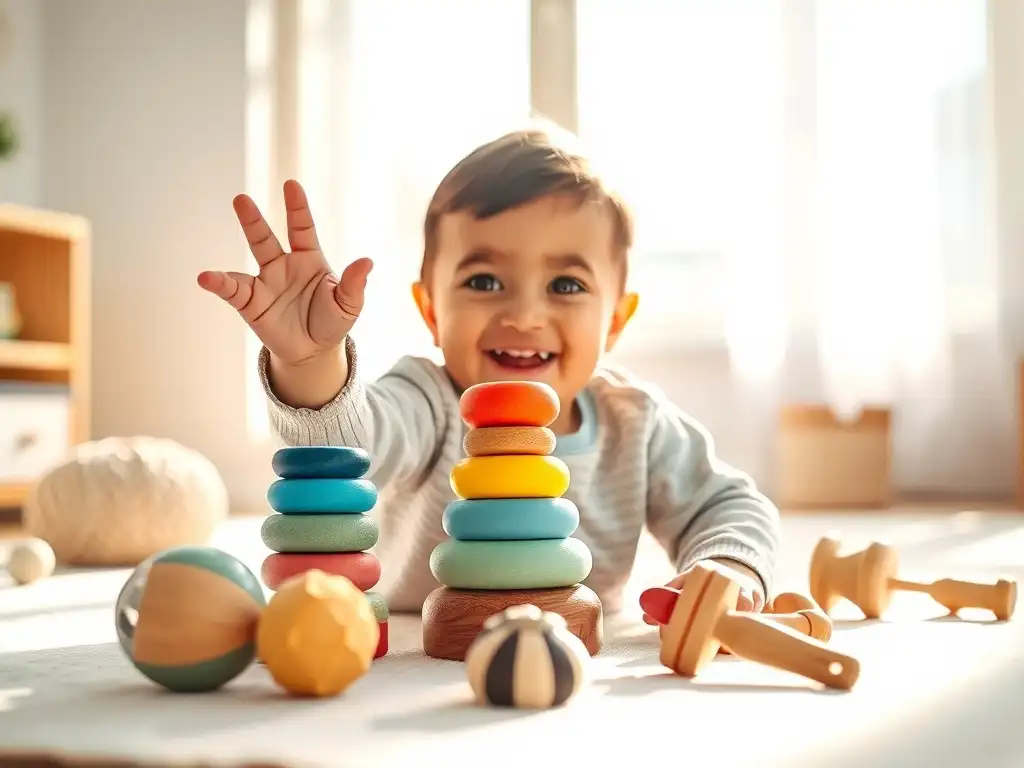
This section focuses on practical, home-based activities that parents can implement to bolster their baby's fine motor skills development. Early intervention in baby fine motor skill therapy can significantly impact a child's future dexterity and hand-eye coordination. Remember, consistency is key; even short, regular sessions are more beneficial than infrequent, lengthy ones.
Simple and Engaging Activities to Promote Fine Motor Skill Development at Home
Many everyday activities can be adapted to become engaging fine motor skill exercises. For example, tummy time isn't just about strengthening neck and back muscles; it also encourages reaching and grasping. Place brightly colored toys just out of reach to motivate your baby to stretch and extend. As they grow, introduce textured objects like soft balls, crinkly paper, or fabric scraps. These varied textures stimulate tactile exploration, crucial for developing hand-eye coordination. Furthermore, consider:
- Shaking rattles: This simple action strengthens wrist muscles and helps babies understand cause and effect. Vary the size and weight of rattles to challenge their grip strength.
- Stacking soft blocks: Start with large, lightweight blocks. As your baby gets older, progressively introduce smaller and more challenging shapes.
- Playing with nesting cups or toys: This activity enhances hand-eye coordination and problem-solving skills. The act of fitting smaller cups inside larger ones helps refine their pincer grasp.
- Finger painting (with non-toxic paints): This messy but rewarding activity encourages exploration of different textures and strengthens finger muscles. Always supervise your baby closely during this activity.
Remember to always supervise your baby during these activities and choose age-appropriate toys that are safe and free of small parts. The goal is to make learning fun and engaging! Even 15-20 minutes of focused play each day can make a significant difference in your baby's development.
Creating a Stimulating Environment to Encourage Fine Motor Exploration
A baby's environment plays a significant role in their development. Creating a stimulating space rich in opportunities for fine motor exploration is crucial for baby fine motor skill therapy. Consider these points:
- Safe and accessible toys: Keep toys within your baby's reach, rotating them regularly to maintain their interest. Include a variety of textures, shapes, and sizes.
- High-contrast visuals: Babies are drawn to high-contrast patterns. Use black and white, or brightly colored toys and mobiles to capture their attention.
- Tummy time variations: Don't limit tummy time to a flat surface. Try placing your baby on a soft blanket with toys scattered around, encouraging them to reach and roll.
- Opportunities for grasping: Provide hanging toys, textured teethers, and soft books that your baby can grasp and manipulate. This helps develop their hand strength and coordination.
Creating a stimulating environment is not about expensive toys; it's about thoughtful arrangement and selection of everyday objects. Think about how you can adapt your existing space to become a playful learning environment. This approach to baby fine motor skill therapy is both cost-effective and highly beneficial.
Tips for Parents to Support their Baby's Fine Motor Skill Development Daily
Daily interactions are paramount. Even seemingly mundane activities offer opportunities for fine motor skill development. Here are some practical tips for parents:
- Mealtime: Encourage self-feeding, even if it's messy. Let your baby try to hold their bottle or grasp soft foods.
- Bath time: Let your baby play with cups and water, exploring different textures and pouring motions.
- Story time: Use interactive books with textures and flaps. This combines language development with fine motor skills.
- Playtime: Engage in interactive play, such as peek-a-boo or rolling a ball back and forth. These activities encourage eye-hand coordination.
Remember to celebrate your baby's progress, no matter how small. Positive reinforcement and encouragement are crucial components of successful baby fine motor skill therapy. Patience and consistency are key; every little step forward contributes to their overall development. Remember that every baby develops at their own pace, so focus on celebrating their individual milestones. If you have any concerns about your baby's development, it is always best to consult with a healthcare professional.
Long-Term Benefits of Early Intervention in Baby Fine Motor Skill Therapy

Early intervention in addressing fine motor skill delays can significantly impact a child's long-term development and well-being. The benefits extend far beyond the immediate ability to grasp objects or use utensils. Addressing challenges early creates a foundation for success in various aspects of life, impacting academic performance, independence, and overall cognitive development.
This proactive approach is crucial, as early intervention often yields the most significant and lasting positive effects. The earlier a child receives appropriate therapy for "baby fine motor skill therapy" issues, the more likely they are to catch up to their peers and achieve their full potential. This section will explore the profound and lasting advantages of early intervention.
Improving Handwriting Skills and Academic Performance in Later Childhood
Children with strong fine motor skills tend to perform better academically. This is particularly evident in tasks requiring fine motor control, such as handwriting. Early intervention in fine motor skill development can significantly improve a child's handwriting legibility, speed, and comfort. This, in turn, can positively influence their academic performance across various subjects.
Studies have shown a correlation between poor handwriting and lower grades, particularly in subjects requiring extensive writing. For example, a child struggling to write quickly and legibly might spend excessive time and energy on note-taking, potentially hindering their ability to fully participate in class discussions and absorb information. Early intervention, through targeted "baby fine motor skill therapy," addresses these challenges proactively, setting the stage for improved academic outcomes. The focus on hand-eye coordination, grip strength, and dexterity translates directly into better handwriting and ultimately, better academic performance.
Enhancing Independence and Self-Care Skills in Daily Life
Fine motor skills are essential for everyday tasks. From buttoning clothes and tying shoelaces to using cutlery and writing, these skills contribute significantly to a child's independence and self-sufficiency. Early intervention in fine motor skill development empowers children to perform these activities with greater ease and confidence. Imagine a child who struggles to dress themselves; this can lead to frustration, dependence on others, and potential social difficulties.
Conversely, a child who develops strong fine motor skills through early intervention can perform self-care tasks independently, fostering a sense of accomplishment and self-reliance. This enhanced independence positively impacts their self-esteem and overall well-being, contributing to a more positive and confident self-image. The ability to perform daily tasks without assistance is a significant milestone in a child's development and a testament to the long-term benefits of early intervention in "baby fine motor skill therapy."
The Impact of Early Intervention on Overall Child Development
The effects of early intervention in addressing fine motor skill challenges extend beyond specific tasks. Improvements in fine motor skills often correlate with advancements in other developmental areas. For instance, improved hand-eye coordination can contribute to better cognitive skills, enhanced problem-solving abilities, and improved spatial reasoning. The act of manipulating objects and engaging in fine motor activities stimulates brain development and strengthens neural pathways.
This holistic approach to development, where addressing one area positively impacts others, highlights the far-reaching benefits of early intervention. Furthermore, early intervention can help prevent potential developmental delays in other areas, ensuring a more balanced and well-rounded development trajectory for the child. Addressing fine motor skill challenges early on through "baby fine motor skill therapy" fosters a domino effect, leading to improved cognitive function, self-esteem, and overall developmental progress. This is why early intervention is so crucial and often yields the best results.
Finding a Qualified Occupational Therapist for Your Baby
Finding the right occupational therapist (OT) for your baby is crucial for effective intervention and positive outcomes. A qualified pediatric OT possesses specialized knowledge and experience in addressing the unique developmental needs of infants and young children. This expertise extends beyond simply diagnosing delays; it encompasses creating tailored intervention plans that integrate seamlessly into your daily routines. Remember, the goal isn't just to improve fine motor skills, but to enhance your baby's overall development and independence. The right therapist will understand this holistic approach.
Resources for Finding Pediatric Occupational Therapists in Your Area
Locating a qualified pediatric occupational therapist can feel overwhelming, but several resources can simplify your search. Start with your pediatrician; they often have established relationships with local OTs and can provide recommendations based on your baby's specific needs. Additionally, online directories specializing in healthcare providers, such as those maintained by professional organizations like the American Occupational Therapy Association (AOTA), can be invaluable. These directories often allow you to filter by specialty (pediatrics), location, and insurance acceptance, making the process more efficient.
Finally, don't underestimate the power of word-of-mouth; talking to other parents in your community or support groups can yield valuable referrals and insights into the quality of different practitioners. Remember to check online reviews and testimonials before making a decision. Finding the right fit for your family is paramount.
Questions to Ask When Choosing an Occupational Therapist for Your Baby
Choosing the right therapist requires careful consideration. Before committing, ask potential therapists several key questions to ensure a good fit. Inquire about their experience working with infants exhibiting similar challenges to your baby's. Ask about their approach to therapy—do they prioritize play-based interventions? What is their philosophy regarding parental involvement in the therapy process?
Understanding their approach to baby fine motor skill therapy will help you gauge their suitability. Also, inquire about their communication style; effective communication is key to building a strong therapeutic alliance and ensuring you fully understand the treatment plan. Finally, don't hesitate to ask about their credentials and certifications to verify their expertise and experience in pediatric occupational therapy. A good therapist will welcome these questions and provide thorough answers.
Insurance Coverage and Financing Options for Occupational Therapy Services
The cost of occupational therapy services can vary significantly depending on location, the therapist's experience, and the intensity of the intervention required. Before commencing therapy, it's essential to understand your insurance coverage. Contact your insurance provider directly to determine your benefits, including the number of sessions covered, the reimbursement rate, and any required pre-authorization procedures. Many insurance plans cover occupational therapy services for children with diagnosed developmental delays. If your insurance doesn't fully cover the costs, explore alternative financing options.
Some therapists offer payment plans, while others may accept financial assistance programs or work with charitable organizations that provide funding for pediatric therapy. Understanding the financial implications upfront prevents unexpected costs and allows you to plan accordingly. Remember, investing in your baby's development is an investment in their future. Don't hesitate to explore all available options to ensure access to the necessary care.
Frequently Asked Questions
What are fine motor skills in babies?
Fine motor skills involve the small muscles of the hands and fingers. These skills are crucial for tasks like grasping, reaching, and manipulating objects. Developing these skills is essential for a baby's overall development.
When should I be concerned about my baby's fine motor skills?
If your baby consistently shows delays in reaching milestones like grasping objects or using a pincer grasp (thumb and forefinger) by a certain age, it's important to consult your pediatrician. Early intervention is key.
What does occupational therapy for fine motor skills involve?
Occupational therapists work with babies to improve their hand-eye coordination, dexterity, and strength. Therapy may involve play-based activities, specialized exercises, and adaptive equipment.
How can I support my baby's fine motor skill development at home?
Provide plenty of opportunities for play and exploration. Offer age-appropriate toys, encourage tummy time, and engage in activities like stacking blocks or playing with textured objects.
Is occupational therapy for fine motor skills always necessary?
Not all babies require occupational therapy. Many babies develop fine motor skills naturally. However, if your pediatrician identifies significant delays or concerns, occupational therapy can provide valuable support and guidance.
Final Reflection: Nurturing Tiny Hands, Shaping Brighter Futures
The development of fine motor skills in babies is not merely a developmental milestone; it's the foundation upon which a child's independence, creativity, and future success are built. Early intervention through occupational therapy can significantly impact a child's trajectory, offering invaluable support and shaping their potential from the earliest stages of life. This is particularly crucial in today's world, where early childhood development is increasingly recognized as a key determinant of long-term well-being.
The impact of occupational therapy on a child's life extends far beyond the simple act of grasping a toy or using utensils. It's about fostering a sense of competence and self-efficacy, empowering children to engage with the world around them with confidence. This journey of growth and discovery is deeply rewarding, both for the therapist and the child. As Maria Montessori wisely observed, Play is the work of the child.
Occupational therapy provides the tools and support to ensure that this "work" is not only enjoyable but also contributes to the child's holistic development, paving the way for a fulfilling and successful life.
Consider the small moments – the first time your child grasps your finger, the joy of scribbling with a crayon, the pride in building a tower of blocks. These seemingly insignificant actions are monumental steps in a child's development. You, as a parent or caregiver, have the power to nurture these skills and seek support when needed.
Don't hesitate to reach out to an occupational therapist if you have any concerns about your baby's fine motor development. Embrace the opportunity to empower your child, fostering their growth and celebrating their unique journey towards independence and self-expression. The rewards are immeasurable.
Unlock Your Child's Potential: Practical Steps to Support Fine Motor Skills
Thank you for learning about the vital role occupational therapy plays in addressing fine motor challenges. You've gained valuable insights into supporting your child's development! Now let's put that knowledge into action.
- Focus on one specific area: Identify your child's biggest fine motor challenge—perhaps it's grasping small objects, writing legibly, or using scissors—and focus on one activity that directly addresses it this week. Even small, consistent efforts make a big difference.
- Share your journey: Connect with other parents facing similar challenges! Share your experiences and encourage others by posting a short story (even anonymously) on our forum or social media about your progress and what you've learned.
- Get creative: Think outside the box! Look for fun, everyday ways to incorporate fine motor skill practice into your child's play. Experiment with different textures, materials, and toys.
What achievable goal will you set for your child's fine motor development this week?