
Baby Talk Decoded: Understanding the Sounds and Meanings

Welcome to BabyCareHub, your ultimate guide to navigating the incredible journey of parenthood! Are you ready to unlock the secrets behind those adorable, yet sometimes perplexing, baby sounds? Our comprehensive resource is designed to empower first-time parents like you. Dive into our Developmental Milestones section and discover the fascinating world of baby communication – starting with our insightful article, "Understanding baby communication sounds", which will help you decipher your little one's cues and build a stronger bond. Let's embark on this exciting adventure together!
- Decoding Early Infant Communication: Sounds and Gestures
- Baby's First Words: Milestones and Development
- How to Encourage Baby's Language Development
- Common Challenges and Concerns: Addressing Communication Difficulties
- Understanding Baby's Communication: A Holistic Approach
- Frequently Asked Questions
- Final Reflection: The Unspoken Language of Love
- Unlock Your Baby's Secret Language!
Decoding Early Infant Communication: Sounds and Gestures
Understanding your baby's communication is a crucial aspect of early parenting. This journey begins long before your little one utters their first word. From subtle shifts in facial expressions to the adorable gurgles and coos, infants communicate their needs, feelings, and developing understanding of the world in a myriad of ways.
This article serves as your guide to deciphering these early communications, helping you build a stronger bond with your baby and respond effectively to their needs. We'll explore the sounds your baby makes, their body language, and how these signals evolve over the first few months, providing you with the tools to understand and respond appropriately to your baby's attempts at communication.
Learning to interpret these early signals will not only enrich your relationship but also lay the groundwork for healthy language development. Mastering this skill will help you to become a more confident and attuned caregiver, ensuring your baby feels loved, understood, and secure.
Understanding Baby Communication Sounds: The First 3 Months
During the first three months, your baby's communication is primarily non-verbal. While they may not be saying words yet, they are actively communicating through a range of sounds. These sounds often evolve from reflexive noises to more intentional vocalizations.
- Reflexive Sounds: Newborns often produce sounds like cries, sighs, and grunts which are largely reflexive responses to hunger, discomfort, or simply the process of breathing. These sounds are essential for survival and help you identify your baby’s needs.
- Cooing and Gurgling: As your baby develops, you’ll start to hear more melodic sounds – cooing and gurgling. These sounds often occur during moments of contentment and are a precursor to babbling. This stage indicates your baby is experimenting with their vocal cords and exploring the sounds they can produce.
- Early Vocal Play: Around 2-3 months, your baby might start experimenting with different sounds, altering their pitch and volume. This is a crucial step in their language development. This vocal play is a sign that they are actively engaging with their environment and are developing their communication skills.
These early sounds, while seemingly simple, are incredibly important milestones in your baby's communication journey. They provide valuable insights into their emotional state and developmental progress. Consistent and responsive interaction during this stage helps stimulate language development and strengthen your bond. Remember to respond to all your baby's sounds, even the seemingly insignificant ones. This positive reinforcement encourages further communication.
Interpreting Non-Verbal Cues: Body Language and Facial Expressions
While sounds are important, your baby's body language and facial expressions provide even more valuable clues about their emotional state and needs. Learning to read these cues is essential for effective communication and responsive parenting.
- Facial Expressions: A furrowed brow might indicate discomfort or frustration, while a wide smile usually signals happiness and contentment. Observe your baby's eyes – wide eyes might indicate surprise or fear, while narrowed eyes could suggest concentration or displeasure.
- Body Language: A clenched fist might mean they are in pain or upset, while relaxed limbs often indicate contentment. Arching their back could be a sign of discomfort, while kicking their legs often signals happiness and energy.
- Changes in State: A sudden shift from calmness to fussiness or from alertness to drowsiness can be significant cues. Paying attention to these transitions can help you anticipate your baby's needs before they become overly distressed.
Understanding these non-verbal cues requires patience and observation. Spend time watching your baby, noting their typical behaviors and how those behaviors change in response to different situations. The more you learn to recognize these subtle signals, the more effectively you can respond to your baby's needs and build a stronger parent-child bond. This intuitive understanding will greatly enhance your ability to provide the care and support your baby needs.
Recognizing Early Vocalizations: Cooing, Gurgling, and Babbling
As your baby enters the 4-6 month range, you'll notice a significant shift in their vocalizations. Cooing and gurgling become more frequent and complex, evolving into babbling – a crucial step in language development.
- Cooing: Cooing involves softer, more melodic sounds, often associated with contentment and positive emotions. It's a way for your baby to practice making different vowel sounds.
- Gurgling: Gurgling sounds are often produced in the back of the throat and are frequently accompanied by smiles or other expressions of happiness.
- Babbling: Babbling marks a significant advancement. Your baby will now combine consonants and vowels, experimenting with different sounds and rhythms. This stage is crucial for developing pronunciation and language skills. You might hear repetitive sounds like "ba-ba-ba" or "ma-ma-ma," which are often precursors to their first words.
This period is characterized by an explosion of vocal experimentation. Your baby is actively learning about the sounds of language and how they can be used to communicate. Responding to their babbling with encouragement and imitation helps reinforce their efforts and fosters language growth. Talking to your baby frequently, reading aloud, and singing songs all contribute to this crucial developmental stage. Remember to be patient and encouraging—this is a vital phase in your baby's journey toward mastering communication.
Baby's First Words: Milestones and Development
Understanding baby communication sounds is a crucial aspect of parenting. While the journey from coos to coherent sentences is unique to each child, there are common milestones and developmental stages parents can expect. This section will explore these key developmental steps in a baby's early language acquisition, focusing on the transition from simple sounds to meaningful words. We’ll delve into the fascinating process of how babies begin to understand and use language, paving the way for future communication and cognitive development. Early intervention and understanding these stages can significantly impact a child's language skills and overall development.
The Emergence of Babbling: From Sounds to Meaningful Words
Babbling, often starting around 6 months of age, marks a significant leap in a baby's communication journey. It's not just random noise; it's a crucial practice period where babies experiment with sounds, mimicking the intonations and rhythms of their caregivers’ speech. This stage is characterized by repetitive consonant-vowel combinations like "ba-ba-ba" or "ma-ma-ma."
Interestingly, babies around the world babble similarly, regardless of the language spoken around them. However, by 8-12 months, babbling begins to reflect the sounds prevalent in the baby's native language. This is a critical period for brain development, as babies actively refine their vocalizations, paving the way for the production of meaningful words.
Think of it as their vocal cords undergoing intensive training for the big show – their first words! The emergence of babbling is a joyful milestone, signifying the baby's growing ability to understand and interact with their environment through vocalization. Careful observation of this stage can help parents gauge their baby's language development progress.
This process isn't solely about vocalization; it's deeply intertwined with their cognitive development. As babies babble, they are actively learning to control their vocal muscles and experiment with different sounds. They're also making connections between sounds and the reactions they elicit from their caregivers.
This reciprocal interaction is vital for language acquisition. For example, a baby saying "ma-ma" and receiving a delighted response from their mother reinforces the association between the sound and the person, laying the groundwork for associating words with their meanings. The frequency and complexity of babbling can vary significantly among babies, but consistent exposure to language-rich environments significantly boosts this development.
Understanding the Stages of Language Development: From Sounds to Sentences
The progression from babbling to forming sentences is a gradual process, often marked by distinct stages. While the timeline varies, understanding these stages can help parents gauge their baby's progress and identify potential areas needing attention. These stages can be broadly categorized as follows:
- Stage 1 (8-12 months): Babies begin to understand simple words and commands, such as "no" or "bye-bye," and may start to produce their first few words, often related to familiar people or objects (e.g., "mama," "dada," "baba").
- Stage 2 (12-18 months): Vocabulary expands rapidly. Babies may start to string together two-word phrases, like "more milk" or "want ball." Their understanding of language also improves significantly.
- Stage 3 (18-24 months): Sentences become longer and more complex, with three or more words. Grammar starts to emerge, although it may be imperfect. Babies begin to ask simple questions like "What's that?"
- Stage 4 (24-36 months): Language skills continue to develop rapidly. Sentences become more grammatically correct, and vocabulary expands dramatically. Babies can engage in more complex conversations and understand more abstract concepts.
It's important to note that this is a general guideline. Some babies may reach these milestones earlier or later than others. Consistent engagement in language-rich activities, such as reading, singing, and talking to your baby, can significantly influence their language development trajectory. Remember, patience and encouragement are key. Every baby progresses at their own pace. Early identification of any potential delays should prompt a consultation with a pediatrician or speech-language pathologist.
Common Early Words and Their Meanings: A Parent's Guide
Understanding common early words and their meanings can significantly improve parent-child communication and bonding. While the specific words vary, certain themes consistently emerge:
| Word | Meaning | Example Usage |
|---|---|---|
| Mama/Dada | Mother/Father | "Mama, milk!" "Dada, up!" |
| Baba | Bottle/Food (often used interchangeably) | "Baba, hungry!" |
| More | Desire for additional quantity | "More juice!" |
| Up | Request to be lifted or placed in a higher position | "Up, please!" |
| No | Refusal or negation | "No, thank you." |
| Bye-bye | Goodbye | "Bye-bye, Mommy!" |
| Dog/Cat | Common household pets | "Dog, bark!" "Cat, meow!" |
| Ball | Spherical object | "Ball, throw!" |
Remember, context is crucial. A baby's gestures and facial expressions often provide valuable clues to the meaning behind their words. Pay close attention to these nonverbal cues to gain a deeper understanding of your baby's communication. Early language development is a dynamic and fascinating process, and active participation from parents plays a vital role in fostering a child’s linguistic abilities. Enjoy this journey of discovery and communication with your little one! 🎉
How to Encourage Baby's Language Development
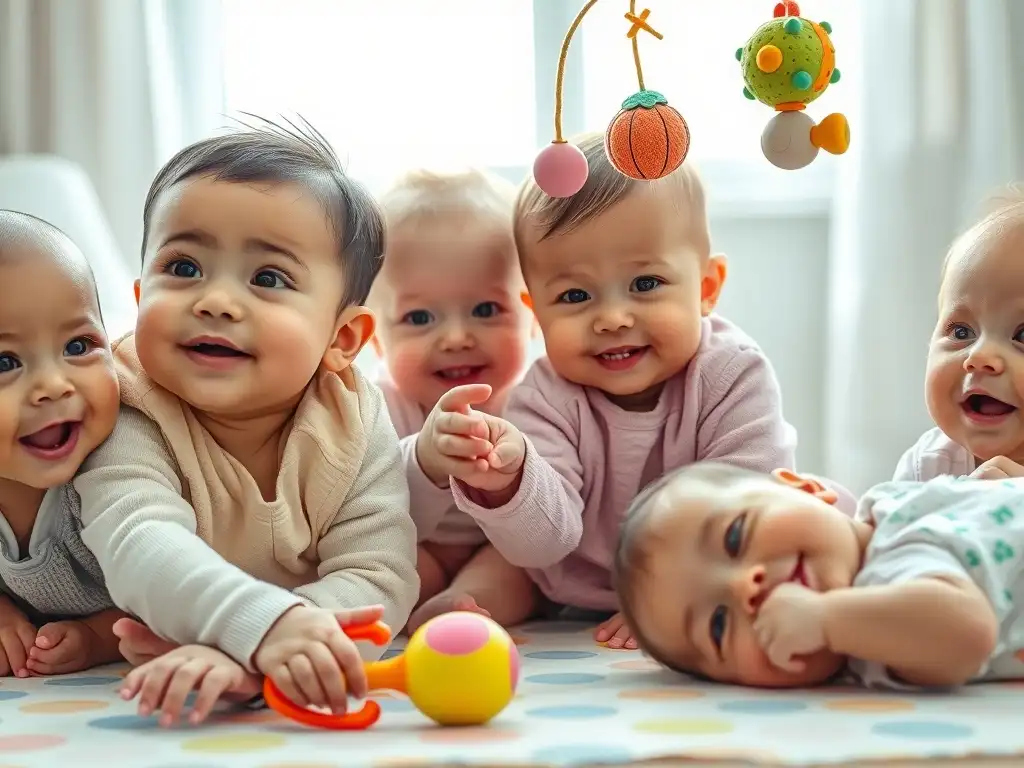
Understanding baby communication sounds is crucial for fostering healthy language development. While deciphering every gurgle and coo might seem daunting, consistent engagement and targeted activities can significantly accelerate your little one's linguistic journey. This section explores practical strategies to nurture your baby's communication skills, laying a strong foundation for future language acquisition. Remember, every interaction, no matter how small, contributes to this vital process.
Interactive Play: Games and Activities to Stimulate Language Growth
Interactive play is a powerful tool for stimulating language growth. Beyond the simple act of playing, these activities should actively engage your baby, encouraging vocalizations and responses. Think of it as a conversation, even if your baby's contribution is mostly gurgles and coos!
Here are some examples:
- Peek-a-boo: This classic game teaches object permanence and encourages vocalizations as your baby anticipates your reappearance. Narrate the game, using simple phrases like "Where's baby? There you are!"
- Singing songs and rhymes: Nursery rhymes and simple songs provide repetitive sounds and rhythms that are soothing and stimulating for language development. The melodic nature helps with pronunciation and rhythm recognition. Consider songs like "Twinkle Twinkle Little Star" or "Itsy Bitsy Spider."
- Sound games: Make animal sounds and encourage your baby to mimic them. Start with easy sounds like "moo" for a cow or "woof" for a dog. Gradually increase the complexity. This exercise improves listening skills and pronunciation.
- Sensory play: Engage multiple senses during playtime. Use textured toys, colorful blocks, and musical instruments. Describe what you're doing and encourage your baby to explore and vocalize their reactions. For instance, "Feel the soft bunny! It's so fluffy!"
- Object labeling: As you play, consistently label objects. Point to a toy and say its name clearly. Repeat the name several times. For example, "This is a ball. A big red ball." Consistency is key here.
Remember to tailor the complexity of the games to your baby's developmental stage. Start with simpler activities and gradually introduce more challenging ones as your baby progresses. The key is consistent interaction and positive reinforcement.
Reading Aloud: The Power of Books in Early Language Development
Reading aloud to your baby, even before they understand the words, is incredibly beneficial for their language development. The rhythmic patterns of language, the intonation of your voice, and the visual stimulation of the pictures all contribute to their learning.
Studies show that children exposed to regular reading from an early age develop larger vocabularies and stronger language skills. Reading aloud doesn't just build vocabulary, it also fosters a love of reading, a skill that benefits them throughout their lives.
Here's how to maximize the benefits:
- Choose age-appropriate books: Opt for books with colorful pictures, simple text, and repetitive phrases. Board books are durable and ideal for little hands.
- Use expressive voices: Vary your tone and pitch to keep your baby engaged. Use different voices for different characters in the story.
- Point to the pictures: As you read, point to the pictures and name the objects. This helps link the spoken words to the visual representations.
- Engage your baby: Ask questions, even if you don't expect an answer. "What color is the ball?" or "Where's the doggy?" This encourages interaction and anticipation.
- Make it a routine: Establish a regular reading time, perhaps before bedtime. This creates a positive association with books and reading.
Reading aloud is more than just reciting words; it's a bonding experience that strengthens the parent-child relationship and lays the foundation for a lifelong love of learning.
Talking to Your Baby: The Importance of Consistent Communication
Consistent communication is paramount in fostering your baby's language development. Even seemingly simple interactions like narrating your daily activities can have a profound impact. Think of it as "baby talk" on steroids – a rich tapestry of sounds, tones, and descriptions.
Here's how to incorporate consistent communication into your daily routine:
- Narrate your actions: Describe what you're doing as you go about your day. "Mommy is making a bottle for baby. The milk is warm and yummy."
- Label objects: Point to objects and name them. "This is a spoon. We use the spoon to eat."
- Use simple sentences: Keep your sentences short and clear. Avoid complex grammar or jargon.
- Respond to your baby's vocalizations: Even if it's just a gurgle or a coo, acknowledge your baby's attempts at communication. This shows them that you're listening and encourages them to communicate further.
- Engage in back-and-forth communication: Try to create a dialogue, even if it's one-sided. Ask questions and respond to your baby's cues, even if they are non-verbal. This helps them learn the rhythm and flow of conversation.
Remember, consistent communication is not just about speaking to your baby; it's about speaking with your baby, creating a reciprocal exchange that fosters language growth and strengthens your bond. This consistent interaction builds a strong foundation for future communication and lays the groundwork for a rich and vibrant linguistic journey for your child.
Responding to Baby's Vocalizations: Fostering a Two-Way Conversation
Responding to your baby's vocalizations is crucial for fostering language development and building a strong parent-child bond. It's not just about acknowledging their sounds; it's about engaging in a genuine, interactive conversation, even if your baby isn't using words yet. Think of it as a dance of communication, where you respond to their cues and encourage them to communicate further.
One effective technique is imitation. When your baby coos or gurgles, try to mimic the sounds they make. This shows them that you're listening and understanding, encouraging them to repeat and experiment with new sounds. For example, if your baby makes a "goo-goo" sound, respond with a playful "goo-goo-ga-ga!" This simple interaction strengthens their understanding of cause and effect in communication.
Beyond imitation, labeling is another powerful tool. As your baby explores their world, name the objects they interact with. If they're grasping a rattle, say, "That's a rattle! It's red and makes a noise!" This connects sounds with objects, building their vocabulary and comprehension. The more descriptive you are, the richer the learning experience. Don't worry about using "baby talk"—it's perfectly acceptable and even beneficial in the early stages of language development.
Remember to maintain eye contact. This nonverbal cue shows your baby that you're fully engaged and attentive to their communication. Even a simple smile or a gentle touch can enhance the interaction and make your baby feel heard and understood. This consistent engagement strengthens the emotional connection and motivates them to communicate more.
Finally, be patient and persistent. Language development is a gradual process, and not every interaction will be a resounding success. Some days your baby might be more vocal than others, and that's perfectly normal. The key is to consistently respond to their attempts at communication, no matter how small or seemingly insignificant they may seem. This consistent effort will pay dividends as your baby's language skills blossom. Remember, every coo, gurgle, and babble is a step towards meaningful communication and a testament to their developing brain.
Common Challenges and Concerns: Addressing Communication Difficulties
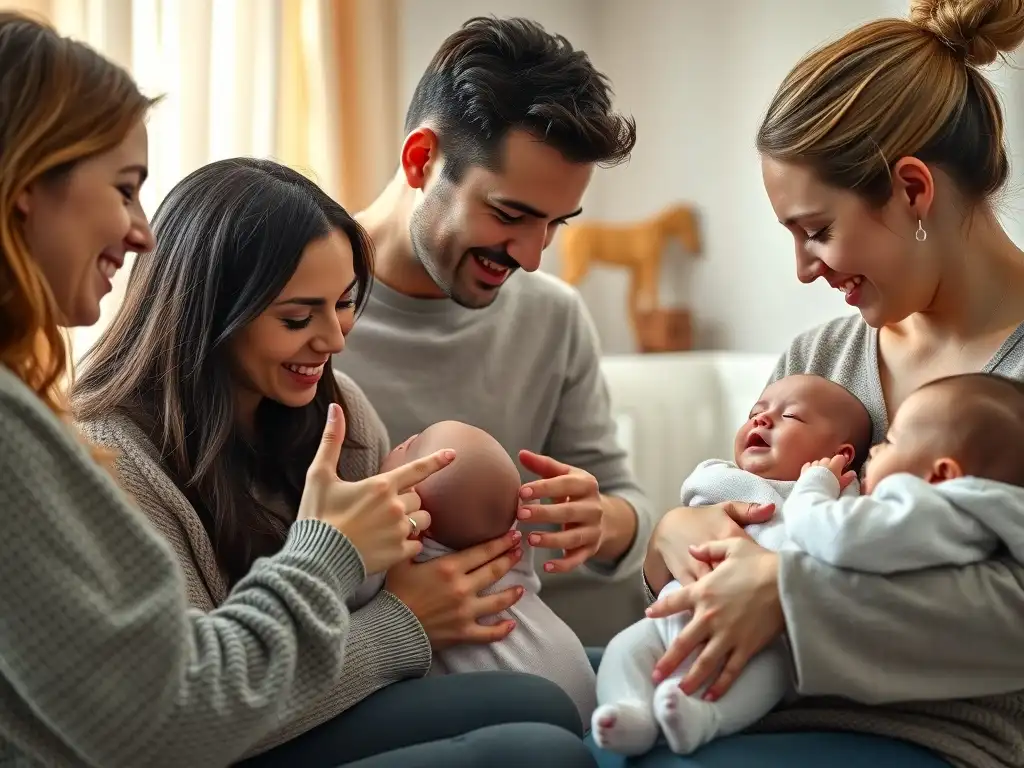
Understanding baby communication sounds is crucial for building a strong parent-child bond. However, the journey isn't always smooth sailing. Many parents encounter challenges in deciphering their baby's cues, leading to frustration and uncertainty. This section addresses common concerns and offers practical solutions to navigate these communication hurdles. Early intervention is key to addressing potential developmental delays, and understanding the signs is the first step.
Delayed Language Development: Recognizing Potential Issues
Delayed language development can manifest in various ways, making it crucial for parents to be vigilant. While every baby develops at their own pace, certain red flags warrant attention. For instance, a baby who isn't babbling by 12 months, or who isn't using gestures like pointing by 18 months, might be experiencing a delay. Similarly, a lack of response to their name or limited vocabulary at age 2 could indicate a need for further evaluation.
It's important to remember that these are potential indicators and not definitive diagnoses. Many factors influence language acquisition, including genetics, environment, and overall health. However, noticing these signs early allows for timely intervention, maximizing the chances of positive outcomes. Careful observation of your child's progress in comparison to established developmental milestones is vital. Consider keeping a developmental log to track key milestones, noting any areas of concern. This detailed record can be invaluable during consultations with healthcare professionals.
A helpful tool can be using a checklist of developmental milestones. This allows for a systematic review of progress and easily highlights any potential areas requiring further assessment. For example:
| Age (months) | Milestone | Potential Concern |
|---|---|---|
| 6 | Babbling; responds to own name | Little to no babbling; no response to name |
| 12 | Says "mama" or "dada"; points to objects | No babbling; no pointing; limited vocalization |
| 18 | Uses simple gestures; understands simple words | Limited gestures; doesn't understand simple instructions |
| 24 | Uses several single words; follows simple instructions | Very limited vocabulary; difficulty following instructions |
Remember, consistency in observation is key. Don't hesitate to document even seemingly small details. This information is crucial in understanding the nuances of your baby's communication development.
Seeking Professional Help: When to Consult a Pediatrician or Speech Therapist
If you have concerns about your baby's communication development, seeking professional help is crucial. Don't hesitate to schedule an appointment with your pediatrician. They can assess your baby's overall development and determine if further evaluation is necessary. Early intervention is essential, as it can significantly improve outcomes.
A pediatrician might recommend a referral to a speech-language pathologist (SLP) or speech therapist. These specialists are trained to diagnose and treat communication disorders in children. They can conduct comprehensive assessments, identify the underlying causes of any delays, and develop individualized intervention plans. These plans might include therapeutic exercises, strategies for parents to use at home, and ongoing monitoring of progress. Early intervention from a speech therapist can significantly improve a child's communication skills and overall development.
Remember, seeking help doesn't mean there's something wrong. It's a proactive step to ensure your baby receives the support they need to thrive. It's about empowering yourself with knowledge and ensuring your child has the best possible start in life. Early intervention is often more effective than waiting for problems to become more severe.
Supporting Babies with Communication Delays: Strategies and Resources
Even if your baby isn't experiencing a significant delay, there are many ways to proactively support their communication development. Creating a stimulating and responsive environment is key. Engage your baby frequently in interactive play, using simple words and gestures. Reading aloud, singing songs, and engaging in back-and-forth vocalizations can all stimulate language growth.
Several strategies can be particularly helpful. For example, using repetitive phrases and songs helps babies learn language patterns. Modeling correct pronunciation and expanding on their babbles ("You said 'ba'? That's a ball!") encourages language acquisition. Providing opportunities for social interaction with other babies and adults also helps them learn and practice communication skills.
Furthermore, there are numerous resources available to parents. Books, websites, and online communities offer valuable information and support. Local libraries often have programs designed to support early childhood development, and many communities offer early intervention services. Remember that seeking support is a strength, not a weakness.
It’s a testament to your dedication to your child's well-being and a proactive approach to ensuring their healthy development. Many parents find comfort and valuable guidance in connecting with other parents facing similar challenges. The journey of raising a child is a continuous learning process, and seeking help is a sign of responsible and caring parenting.
Understanding Baby's Communication: A Holistic Approach
Understanding baby communication sounds is crucial for building a strong parent-child bond and fostering healthy language development. This section focuses on the holistic approach to deciphering your baby's attempts at communication, moving beyond simply identifying cries and focusing on the broader context of their nonverbal cues. We'll explore the importance of consistent responses, creating a rich learning environment, and celebrating your baby's communicative achievements. Remember, every gurgle, coo, and cry is a step towards meaningful communication.
The Importance of Patience and Consistency in Language Development
Patience is paramount when it comes to understanding baby communication sounds. Learning to speak is a complex process, and your baby's progress will be gradual. There will be days filled with frustrating cries that seem impossible to decipher, and others where progress feels slow. However, consistent responses are key to encouraging your baby's efforts. This means responding to their sounds, even if you're unsure of their meaning. A simple "Are you hungry? Let's see..." can be incredibly reassuring.
Think of it like this: imagine trying to learn a completely new language. You wouldn't expect fluency overnight, right? The same principle applies to your baby. They're learning to communicate in a whole new way, and they need time and consistent support.
Consider this example: A baby consistently makes a "neh" sound when they want to be picked up. If you consistently respond by picking them up when they make this sound, they'll learn to associate the sound with the desired outcome. This reinforces the behavior and encourages them to continue communicating in that way. Conversely, inconsistent responses can lead to confusion and hinder language development.
Remember, positive reinforcement is key. Even if you don't always understand what your baby is trying to communicate, acknowledging their attempt with a smile, a gentle touch, or a verbal response helps them feel heard and understood. This builds trust and encourages further communication. This consistent engagement significantly contributes to their understanding of cause and effect and solidifies the importance of communication.
Creating a Stimulating Environment for Language Learning
Creating a stimulating environment for your baby is crucial in fostering language acquisition. This goes beyond simply talking at your baby; it's about engaging them in interactive communication. Think of it as creating a "language-rich" environment. This involves several key strategies:
- Talking frequently: Describe your actions as you perform them. "Mommy is changing your diaper now," or "We're going to the park, it's a sunny day!"
- Reading aloud: Reading books, even board books with simple pictures, exposes your baby to the rhythm and sounds of language.
- Singing songs and rhymes: Nursery rhymes are excellent for language development, introducing new vocabulary and sounds in a fun and engaging way.
- Using baby sign language: Introducing simple signs, like "milk" or "more," can help your baby communicate their needs before they can speak.
- Playing interactive games: Games like peek-a-boo or making silly faces encourage back-and-forth communication.
The key here is interaction. It's not just about the quantity of language your baby hears, but the quality of the interaction. Responding to their vocalizations, even if they're just gurgles, shows them that their communication is valued and encourages them to communicate more. This engagement boosts confidence and makes the whole learning process more enjoyable. Remember, even seemingly simple interactions such as mimicking your baby’s sounds helps them build an understanding of communication.
Celebrating Milestones: Acknowledging Your Baby's Progress
Celebrating your baby's communicative milestones is essential for boosting their confidence and reinforcing positive communication habits. Each coo, babble, and first word represents a significant achievement in their language development journey. Don't underestimate the power of acknowledgment.
Here are some ways to celebrate your baby's progress:
- Verbal praise: Simple phrases like, "Wow, you said 'mama'! That's amazing!" can boost their confidence.
- Physical affection: A cuddle, a kiss, or a playful tickle can show your love and appreciation for their efforts.
- Special activities: When your baby reaches a new milestone, celebrate with a special activity they enjoy, such as a trip to the park or a fun playtime session.
- Keeping a communication journal: Documenting your baby's progress can be a rewarding experience, allowing you to track their development and appreciate how far they've come. This journal becomes a cherished keepsake, filled with memories of their first words and sounds.
Remember, every baby develops at their own pace. There's no need to compare your baby's progress to others. Focus on celebrating their unique journey and achievements. This positive reinforcement strengthens the bond between you and your baby, creating a supportive and encouraging environment for continued language growth. The joy you show in their progress will be infectious, motivating them to further explore the world of communication. 🎉
Frequently Asked Questions
What are the main types of baby communication sounds?
Babies communicate through a variety of sounds, including cries, coos, gurgles, and babbling. Each sound type typically indicates a different need or emotional state. Learning to distinguish these sounds is crucial for understanding your baby.
How can I tell the difference between a hungry cry and a tired cry?
A hungry cry is often more rhythmic and intense, while a tired cry may be more whiny or drawn-out. However, babies are individuals, so pay attention to the context and your baby's overall behavior to better understand their needs.
When should I worry about my baby's sounds?
Consult your pediatrician if your baby's cries are excessively high-pitched, prolonged, or accompanied by other concerning symptoms like fever or lethargy. Early intervention is key to addressing any potential issues.
My baby is babbling, what does that mean?
Babbling is a significant developmental milestone showing your baby is experimenting with sounds and developing language skills. It's a positive sign of healthy speech development. Encourage their babbling with interactive play.
How can I improve my ability to understand my baby's communication?
Spend quality time with your baby, observing their body language and responding to their cues. Reading books about infant development and attending parenting classes can also enhance your understanding of baby communication.
Final Reflection: The Unspoken Language of Love
Understanding baby communication sounds is not merely an academic pursuit; it's a key to unlocking a deeper connection with our youngest members of society. The seemingly random coos, gurgles, and cries of infants are, in fact, a rich tapestry of communication, a language waiting to be deciphered. This understanding profoundly impacts the parent-child bond and lays the foundation for healthy language development.
The journey of learning to interpret these early vocalizations has been a deeply personal one for me, transforming my understanding of infancy and the power of nonverbal communication. A baby's smile is nature's own masterpiece.
This simple quote encapsulates the profound joy and connection that comes from understanding the nuances of a baby's communication. It's not just about identifying hunger or discomfort; it's about recognizing the unique personality and emotional landscape emerging in those tiny humans. The impact of this understanding extends beyond the individual family, shaping societal approaches to childcare and early childhood education.
Now, consider your own interactions with babies. Do you pause to listen, truly listen, beyond the immediate needs? I urge you to approach the sounds of infants with curiosity and empathy, to see beyond the surface and recognize the complex communication unfolding. By actively engaging with these early forms of expression, we nurture not only the child's development but also our own capacity for understanding, compassion, and connection. Let the unspoken language of love guide you, and you will discover a world of wonder and meaning in the seemingly simple sounds of a baby's world.
Unlock Your Baby's Secret Language!
This guide will help you understand your baby's communication. We hope you've already gained valuable insights into interpreting your little one's sounds. Now, let's put this knowledge into practice.
- Keep a Communication Journal: Record your baby's vocalizations, noting the context and your baby's reactions. This will help you understand their unique communication style.
- Connect with Other Parents: Share your experiences, tips, and questions in our online forum. Connecting with other parents provides invaluable support and shared learning.
- Engage Responsively: Experiment with mirroring your baby's sounds or responding with varied tones to see how they react. This playful interaction strengthens your bond.
Ready to embark on this exciting journey of understanding your baby better? What fascinating sounds or communication patterns have you already noticed?