
How to Support Your Baby's Language Growth (012 Months)


Welcome to BabyCareHub, your ultimate guide to navigating the incredible journey of parenthood! Are you ready to unlock the secrets to your little one's blossoming world? We've created this comprehensive resource to support you every step of the way, and we're thrilled to start with essential information on baby language development. Discover how to nurture your baby's communication skills from 0 to 12 months – it's more fascinating than you might think! Dive into our insightful article on " Baby language development 0-12 months" and begin fostering a rich and responsive communication environment for your precious child.
- Understanding Baby Language Development 0-12 Months: Key Milestones
- Creating a Stimulating Language Environment for Your Baby
-
Practical Tips for Supporting Baby Language Development 0-12 Months
- Responding to Your Baby's Vocalizations and Gestures
- Creating Opportunities for Language Learning Through Daily Routines
- Choosing Age-Appropriate Books and Toys to Stimulate Language
- Limiting Screen Time and Encouraging Real-Life Interactions
- Seeking Professional Support When Needed: Early Intervention Programs
- Common Concerns and Misconceptions Regarding Infant Language Development
-
Frequently Asked Questions
- What are the key milestones in baby language development during the first year?
- How can I encourage my baby's language development at home?
- What if my baby isn't meeting the typical language milestones?
- What are some good resources for learning more about baby language development?
- How much screen time is appropriate for a baby to support language development?
- Final Reflection: Nurturing the Seeds of Communication
- Unlock Your Baby's Communication Potential
Understanding Baby Language Development 0-12 Months: Key Milestones
The first year of your baby's life is a period of incredible growth and development, and language acquisition is a crucial part of this journey. This guide will walk you through the key milestones in baby language development from birth to twelve months, providing valuable insights into how you can support your little one's communication skills. Understanding these developmental stages empowers you to engage effectively with your baby, fostering a strong foundation for future language learning and overall cognitive development.
We'll explore the progression from early vocalizations to the exciting emergence of first words and the understanding of simple instructions. Remember, every baby develops at their own pace, but understanding the typical milestones can help you identify potential areas for support and celebrate your baby's unique progress.
This guide focuses on the crucial period between 0 and 12 months, providing you with practical tips and strategies to nurture your baby's language abilities. Let's dive into the exciting world of infant communication!
Early Vocalizations: Cooing, Babbling, and Gurgling (0-6 Months)
During the first six months, your baby's language development focuses on pre-linguistic communication. This involves a fascinating progression of sounds, starting with reflexive cries and gradually moving towards more intentional vocalizations.
- 0-3 Months: Expect to hear mostly reflexive sounds like crying, fussing, and contented sighs. These are essential for communication and expressing needs. You'll also notice your baby starting to make some vowel-like sounds.
- 3-6 Months: This is the age of cooing and gurgling! Your baby will experiment with different vowel sounds and begin to combine them. They might also start babbling, producing consonant-vowel combinations like "ba-ba" or "ga-ga." These sounds are not yet words, but they are crucial practice for speech development.
Remember to respond enthusiastically to all your baby's vocalizations. Talk to them frequently, using a high-pitched, sing-song voice. This helps them associate sounds with meaning and encourages further vocal experimentation. Reading aloud, even if they don't understand the words, exposes them to the rhythm and intonation of language.
First Words and Understanding Simple Instructions (6-12 Months)
Between six and twelve months, you'll witness some truly exciting milestones in your baby's language development. This is the period when many babies begin to understand and produce their first words.
- 6-9 Months: Your baby will likely start understanding simple words like "mama," "dada," and their own name, even if they aren't yet saying them themselves. They might also start pointing to objects or people when they hear their names.
- 9-12 Months: Many babies start saying their first true words, often those related to people or objects they interact with frequently. They might also begin to understand and follow simple instructions, such as "wave bye-bye" or "give me the ball." This period is characterized by rapid vocabulary growth, though the pace varies considerably between children.
During this stage, continue engaging your baby in interactive play. Label objects as you point to them, sing songs, and read books together. Use simple, repetitive language, and respond positively to their attempts at communication, even if they are just babbling. Positive reinforcement is key! 🎉
Recognizing and Responding to Nonverbal Cues (0-12 Months)
Nonverbal communication is just as important as verbal communication, especially during the first year. Babies use a variety of nonverbal cues to express their needs and emotions. Learning to recognize and respond to these cues is crucial for building a strong parent-child bond and fostering healthy communication.
- 0-6 Months: Focus on recognizing your baby's different cries. Learn to distinguish between cries indicating hunger, discomfort, or tiredness. Respond promptly and consistently to build trust and security.
- 6-12 Months: Your baby will start using gestures like pointing, reaching, and waving to communicate their desires. They might also express emotions through facial expressions and body language. Pay close attention to these cues and respond accordingly. For example, if they point to a toy, give it to them. If they look upset, try to comfort them.
By paying close attention to your baby's developmental progress and actively engaging in interactive communication, you'll be providing them with the best possible foundation for future language learning and overall development. Remember, patience and consistency are key! 👶
Creating a Stimulating Language Environment for Your Baby
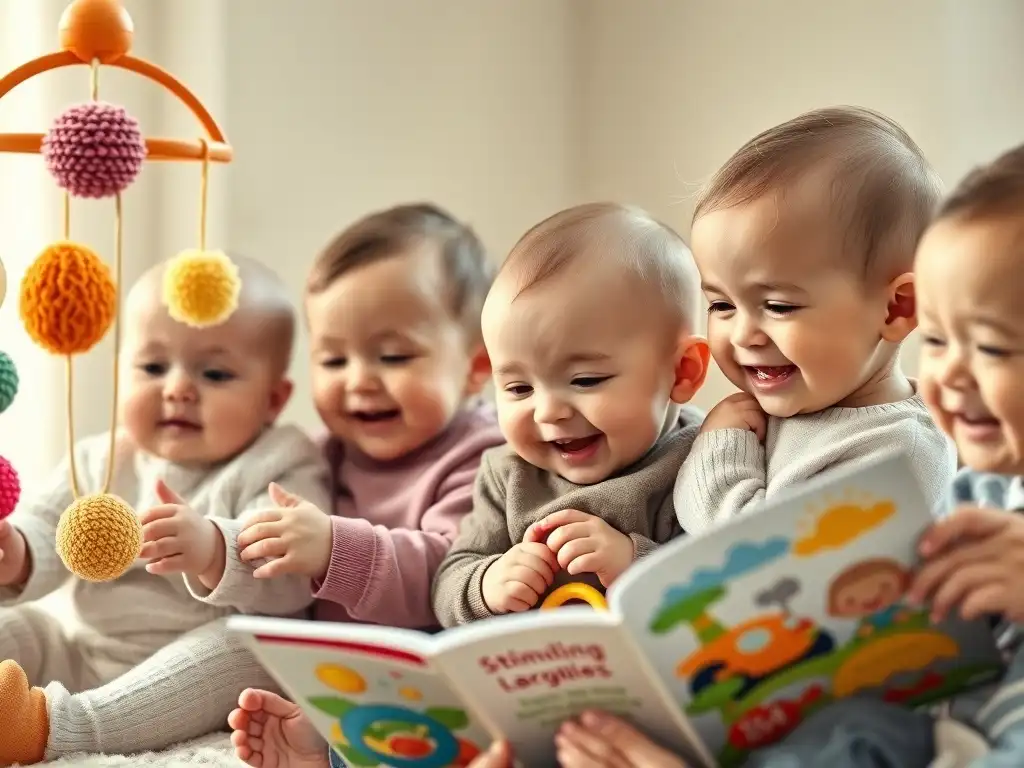
This section focuses on establishing an environment rich in language stimulation for your baby during their crucial first year. Remember, consistent exposure to language is key for optimal baby language development 0-12 months. We'll explore practical strategies to maximize your baby's linguistic absorption and pave the way for strong communication skills. Early intervention and consistent effort significantly impact a child's language acquisition journey.
Talking, Singing, and Reading Aloud: The Power of Verbal Interaction
From the moment your baby enters the world, they begin absorbing language. Even though they may not understand the words initially, the sound of your voice, the rhythm of your speech, and the intonation of your sentences are all crucial components of language development. Think of it as laying a foundation – a strong foundation leads to a strong linguistic structure later on.
Regular verbal interaction should be a cornerstone of your daily routine. This doesn't require elaborate activities; simple, consistent engagement is far more effective. Here's how to incorporate verbal interaction effectively:
- Talk throughout the day: Describe what you're doing, what you see, and what your baby is doing. "We're changing your diaper now," "Look at the pretty bird outside," "You're kicking your legs so happily!" Even seemingly mundane tasks become opportunities for language learning.
- Sing songs and nursery rhymes: The repetitive nature of songs and rhymes helps babies learn rhythm, patterns, and sounds. Classic nursery rhymes are excellent tools, but don't be afraid to make up your own!
- Read aloud regularly: Choose board books with colorful pictures and simple words. Point to the images as you read and use expressive tones to keep your baby engaged. Even if your baby doesn't understand the words, they're learning about the connection between words and images. Remember, reading is a fantastic way to bond and stimulate baby language development 0-12 months.
Studies show that babies exposed to a high volume of verbal interaction exhibit faster vocabulary growth and improved language comprehension. This early exposure creates a solid base for future language acquisition. The more you talk, sing, and read, the richer and more stimulating the linguistic environment becomes for your little one.
Engaging with Your Baby Through Play: Interactive Language Games
Play is not just fun; it's a powerful tool for language development. Through interactive games, you can actively engage your baby's attention and stimulate their language processing abilities. Here are a few examples of playful language activities:
- Peek-a-boo: This classic game teaches object permanence and reinforces the connection between words and actions. Say "Peek-a-boo!" with enthusiasm as you cover and uncover your face.
- Name games: Point to different body parts and name them clearly. "This is your nose," "This is your hand," "This is your foot." Use simple words and repeat them often.
- Sound games: Make animal sounds ("Moo! Meow! Oink!") and encourage your baby to imitate them. This helps develop their phonetic awareness and ability to associate sounds with objects or actions.
- Object-based games: Use everyday objects to create simple games, such as stacking blocks and describing the actions ("We're stacking the red block on top of the blue block").
Remember to keep the games simple, engaging, and age-appropriate. Your baby’s attention span is short, so keep sessions brief and fun. The goal is consistent, positive interaction, creating a joyful learning experience that fosters baby language development 0-12 months. Observe your baby's cues; if they seem tired or disinterested, end the game and try again later.
Using Baby Sign Language to Enhance Communication
Baby sign language (BSL) offers a wonderful way to bridge the communication gap before your baby can speak. While it doesn't replace spoken language, it provides a valuable tool for early communication, fostering a sense of connection and understanding. It can also significantly accelerate language development.
Here's how to effectively incorporate BSL:
- Start early: You can begin introducing signs as early as 6 months old, even before your baby shows signs of understanding.
- Keep it simple: Begin with a few basic signs, such as "milk," "more," "all done," and "please." Gradually introduce more signs as your baby progresses.
- Be consistent: Use the same sign consistently for each word to avoid confusion.
- Combine signs with spoken words: Say the word while you're signing, helping your baby make the connection between the sign and the spoken word.
- Make it fun: Incorporate signs into your daily routine and make it a fun, playful experience.
By incorporating BSL into your daily interactions, you're providing your baby with an alternative way to express their needs and desires, fostering a stronger bond and significantly enhancing baby language development 0-12 months. The added benefit is the early development of communication skills, leading to a smoother transition into verbal communication. Remember, patience and consistency are key to success with BSL, just like with any language learning endeavor.
Practical Tips for Supporting Baby Language Development 0-12 Months
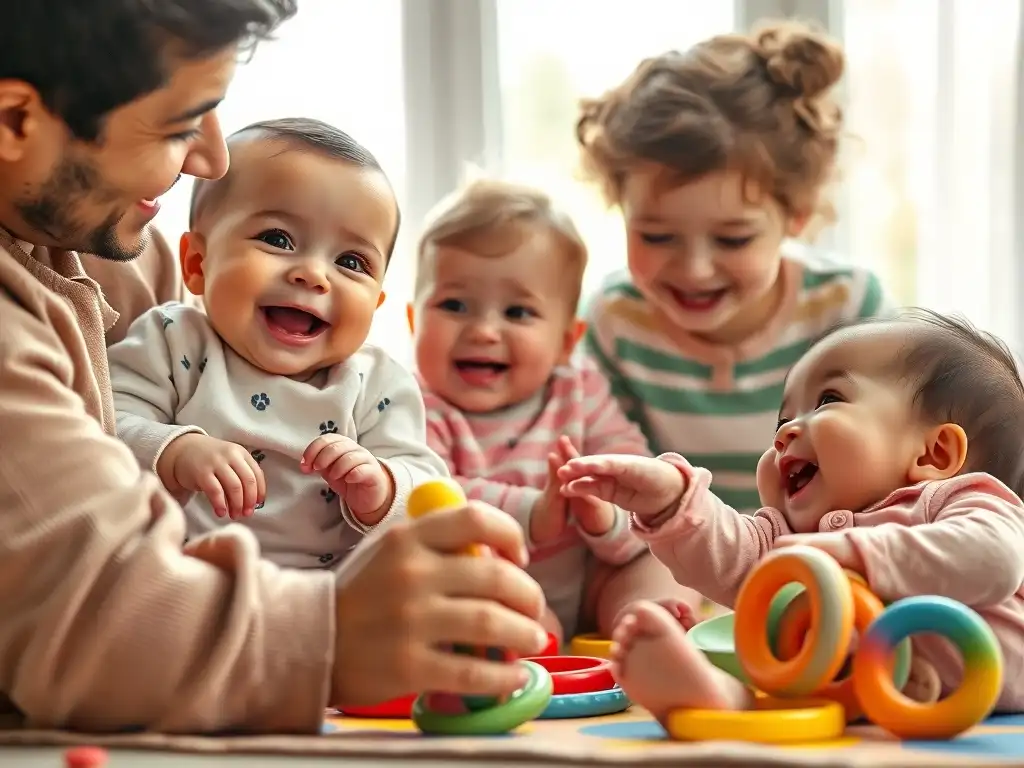
This section offers practical, actionable advice for parents eager to nurture their baby's language development during the crucial first year of life. We'll explore effective strategies to foster communication and build a strong foundation for future linguistic skills. Remember, consistent interaction and a stimulating environment are key to maximizing your baby's language potential. This period, encompassing baby language development 0-12 months, is a critical window for language acquisition.
Responding to Your Baby's Vocalizations and Gestures
Even the smallest sounds and movements from your baby are significant steps in their language journey. Responding promptly and enthusiastically to their vocalizations and gestures is crucial. This shows your baby that communication is valued and encourages further attempts.
Consider these points:
- Mirroring: When your baby makes a sound (e.g., "goo goo"), repeat it back to them with exaggerated intonation. This helps them connect their sounds with meaning and encourages imitation. Try mirroring their facial expressions too! 😊
- Labeling: As your baby explores their world, name the objects they interact with. For example, if they're reaching for a toy car, say, "That's a car! A red car!" Use clear, simple language.
- Expanding: Your baby might say a single word like "dada." Expand on this by saying, "Yes, that's your dada! Dada is holding you." This expands their vocabulary and sentence structure passively.
- Responding to Gestures: Babies use gestures long before they can speak. If your baby points to something, follow their lead, naming the object and engaging with it. This reinforces the connection between gesture and language.
- Turn-Taking: Even in early interactions, establish a back-and-forth rhythm. You make a sound or gesture, your baby responds, and you respond again. This simple exchange lays the groundwork for conversational skills.
Remember, consistency is key. Even brief, frequent interactions throughout the day are more effective than infrequent, longer sessions.
Creating Opportunities for Language Learning Through Daily Routines
Daily routines offer rich opportunities for language learning. Transforming everyday activities into interactive language experiences can significantly boost your baby's development.
Here's how to leverage daily routines:
- Bath time: Describe what you're doing: "Now we're going to get you all soapy," "Let's wash your hair," "Time to rinse."
- Mealtimes: Name the foods: "Here's your yummy peas," "This is some delicious yogurt."
- Diaper changes: Use simple words: "Clean diaper," "Fresh diaper," "All dry."
- Bedtime: Sing lullabies, read simple books, and narrate what you're doing: "Now we're putting on your pajamas," "Time for bed, sweet dreams."
By narrating your actions and engaging your baby in conversation during these routines, you provide a natural and repetitive context for language learning. This consistent exposure to language is invaluable for vocabulary acquisition and comprehension. The more you talk to your baby, the better!
Choosing Age-Appropriate Books and Toys to Stimulate Language
Selecting the right books and toys can significantly enhance your baby's language development. Focus on items that are engaging, visually stimulating, and promote interaction.
Here are some suggestions:
| Age Range (Months) | Book Type | Toy Type | Key Features |
|---|---|---|---|
| 0-3 | Board books with simple images | Soft, textured toys | Bright colors, simple shapes, crinkling sounds |
| 3-6 | Lift-the-flap books | Push-and-pull toys | Interactive elements, cause-and-effect relationships |
| 6-9 | Cloth books with textures | Stacking rings, shape sorters | Tactile stimulation, problem-solving |
| 9-12 | Simple storybooks with repetition | Musical toys, talking toys | Rhymes, songs, familiar characters |
Remember to choose toys and books that are safe and age-appropriate. Always supervise your baby during playtime. Interactive play, where you engage with your baby while using the toys and books, is far more effective than passive exposure. This active participation strengthens the connection between objects, actions, and words, fostering language development.
Limiting Screen Time and Encouraging Real-Life Interactions
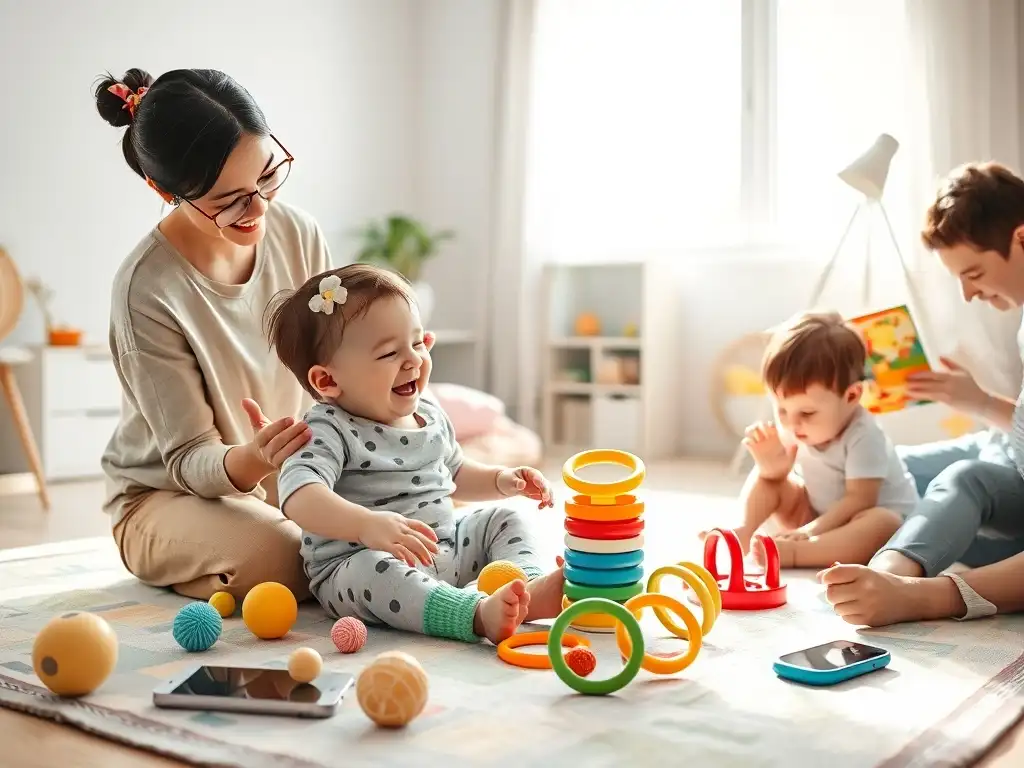
Excessive screen time can hinder a baby's language development. Studies consistently show a correlation between increased screen time and delayed language acquisition in infants. The passive nature of screen-based entertainment doesn't provide the interactive, responsive communication crucial for language learning. Babies learn language through social interaction, mimicking sounds, and responding to verbal cues – experiences largely absent in screen time. Instead of relying on screens for entertainment, prioritize real-life interactions.
This means engaging in face-to-face playtime, talking, singing, and reading to your baby. Even simple actions like pointing at objects and naming them ("Look, it's a ball!") significantly contribute to vocabulary development. Remember, quality time spent engaging with your baby directly impacts their language development far more effectively than any screen-based activity.
Aim for minimal screen time during the critical first year, focusing on enriching, interactive experiences that stimulate language growth. For example, instead of letting your baby watch a cartoon, try playing peek-a-boo or singing nursery rhymes. These activities are far more beneficial for their cognitive and linguistic development. This is particularly important in the 0-12 month period, where the foundations of language are being laid.
Seeking Professional Support When Needed: Early Intervention Programs
While most babies develop language skills naturally, some might experience delays. Early identification and intervention are key to addressing any potential issues. Signs of potential language delays in babies aged 0-12 months can include a lack of babbling, limited responsiveness to sounds, or difficulty understanding simple instructions. If you have concerns about your baby's language development, don't hesitate to seek professional support.
Early intervention programs offer specialized services designed to help babies catch up and reach their full potential. These programs typically involve assessments by speech-language pathologists, who can identify the specific areas needing attention. They then provide tailored interventions, which might include strategies for parents to implement at home, or direct therapy sessions with the baby. Early intervention is particularly effective because it addresses developmental challenges at a crucial stage, enhancing the chances of significant progress.
Remember, seeking help early is not a sign of failure but a proactive step towards ensuring your baby's optimal development. Many resources are available, including local health departments, pediatricians, and early childhood education centers, which can guide you toward appropriate intervention services tailored to your baby's specific needs. Early intervention is crucial for maximizing your baby's language development and setting them up for success in their future communication skills. Don't delay – proactive intervention can make a substantial difference.
Common Concerns and Misconceptions Regarding Infant Language Development
Becoming a parent is a joyous journey filled with wonder and, inevitably, anxieties. One common source of worry for new parents centers around their baby's language development. Many parents grapple with questions about when their little one should be babbling, saying their first words, and understanding simple commands.
This section aims to address some of the most prevalent concerns and dispel common misconceptions surrounding infant language acquisition during the crucial 0-12 month period. Understanding typical development is key to fostering a supportive and nurturing environment for your baby's linguistic growth. Remember, every child develops at their own pace, and variations within the normal range are perfectly acceptable.
Late Talkers: When to Seek Professional Advice
The term "late talker" is often used to describe infants who appear to be behind their peers in language development. However, the definition of "late" is subjective and varies significantly. While some babies may start babbling earlier than others, a significant delay warrants professional attention. Several factors can contribute to delayed language development, including hearing impairments, neurological conditions, and less frequent parent-child interaction.
It's crucial to remember that consistent monitoring is key. While some quiet babies may simply be observing and absorbing information before vocalizing, a persistent lack of vocalization or response to sounds beyond 6 months should prompt a consultation with a pediatrician or speech-language pathologist. Early intervention is vital, and these professionals can assess your child's development and recommend appropriate support if needed. Signs that may indicate a need for professional evaluation include:
- Lack of babbling or vocalizations by 8 months.
- Failure to respond to their name consistently by 12 months.
- Limited or absent pointing gestures by 12 months.
- Difficulty understanding simple instructions by 12 months.
Understanding Individual Differences in Language Acquisition
Baby language development 0-12 months is a highly individual process. Just as no two babies are alike, their linguistic journeys are equally unique. Factors such as temperament, birth order, and exposure to language significantly influence a child's progress. Some infants are naturally outgoing and vocal, readily engaging in babbling and experimenting with sounds. Others may be more reserved, preferring to observe and absorb information before actively participating in verbal communication.
This doesn't necessarily indicate a problem. A quiet baby isn't automatically a "late talker." Instead of focusing on comparing your child to others, concentrate on fostering a rich and stimulating language environment. Engage in frequent conversations, read aloud regularly, sing songs, and narrate your daily activities. This consistent interaction provides the foundation for language acquisition, regardless of your child's innate temperament. Remember, the goal is to create a supportive atmosphere where your baby feels safe to explore and express themselves linguistically. Developmental milestones serve as guidelines, not rigid rules.
Myths and Realities of Bilingual Baby Language Development
Many parents are concerned about raising bilingual children, wondering whether exposing their baby to two languages might hinder their language development. This is a common myth. Research consistently shows that bilingualism doesn't negatively impact language acquisition. In fact, it often confers significant cognitive benefits. However, successful bilingual language development requires a structured approach.
Myths:
- Mixing languages confuses babies: This is untrue. Babies are adept at distinguishing between languages even from a very young age. Consistent exposure to each language, even if mixed within a single conversation, is beneficial.
- Bilingual babies will be delayed: Studies demonstrate that bilingual children typically reach language milestones at a similar rate to monolingual children, albeit sometimes slightly later in each individual language.
- One parent, one language is essential: While this method is effective, it's not mandatory. The key is consistent exposure to both languages.
Realities:
- Consistency is key: Regular exposure to both languages is crucial for successful bilingual development.
- Patience is vital: It may take longer for bilingual children to reach certain milestones in each language individually.
- Embrace the process: Celebrate your child's progress in both languages and create a supportive environment where language learning is fun and engaging.
Remember, consistent interaction, a stimulating environment, and patience are the cornerstones of successful language development during the crucial 0-12 month period. If you have any concerns, consult with your pediatrician or a speech-language pathologist. They can provide personalized guidance and support to ensure your baby's optimal linguistic journey.
Frequently Asked Questions
What are the key milestones in baby language development during the first year?
During the first year, babies progress from reflexive sounds to babbling, understanding simple words, and eventually saying their first words. Around 6-12 months, they start to understand and respond to their name and simple commands. Interactive communication is crucial.
How can I encourage my baby's language development at home?
Talk, sing, and read to your baby frequently. Use simple words and phrases, point to objects, and respond to their babbling. Make eye contact and engage in playful interactions. Consistent exposure to language is key.
What if my baby isn't meeting the typical language milestones?
If you have concerns, consult your pediatrician. Early intervention is important. They can assess your baby's development and recommend appropriate support if needed. Don't hesitate to seek professional advice.
What are some good resources for learning more about baby language development?
BabyCareHub offers a wealth of information on this topic! You can also find reliable advice from your pediatrician, reputable books, and websites focused on child development. Look for resources that are evidence-based.
How much screen time is appropriate for a baby to support language development?
Minimal to no screen time is recommended for babies under 18 months. Direct interaction with caregivers is far more effective for language acquisition than passive screen time. Focus on real-life interactions.
Final Reflection: Nurturing the Seeds of Communication
The first year of a child's life is a whirlwind of development, and language acquisition forms the very bedrock of their future cognitive and social abilities. Understanding how to support this crucial process during those precious first twelve months is not just beneficial, it's essential for laying a strong foundation for lifelong learning and connection. The seemingly small interactions we have with our babies are, in reality, powerful catalysts shaping their linguistic landscapes.
The impact of early language intervention is profound and far-reaching, influencing not only a child's vocabulary and grammar but also their emotional intelligence and overall well-being. The simple act of talking, singing, and reading to a baby, as discussed throughout this article, creates a rich tapestry of auditory experiences that stimulate brain development and foster a love of language. As the renowned pediatrician Dr. Benjamin Spock once said, The most important thing a father can do for his children is to love their mother.
While this quote speaks to the importance of parental relationships, we can extend this sentiment to the nurturing environment we create for our children's language development, fostering a love of communication that will last a lifetime.
Now, consider your own interactions with your little one. Are you making time for those crucial moments of shared reading, playful conversation, and responsive communication? Take this opportunity to reflect on your parenting journey and consciously integrate the strategies discussed in this article into your daily routine. Embrace the joy of watching your baby's understanding blossom, and remember that every word, every song, every shared moment contributes to the beautiful symphony of their developing language. The investment you make today will resonate throughout their life, enriching their world in countless ways.
Unlock Your Baby's Communication Potential
Thank you for taking the time to learn how to nurture your child's language development! We hope you found this information helpful. Now, let's put this knowledge into practice.
- Dedicate time each day to interactive communication: Even 10-15 minutes of focused interaction, filled with playful sounds, simple words, and engaging stories, can significantly benefit your baby's development. Make it a special part of your daily routine!
- Share this article with other new parents: Help them support their babies' language skills, too. A supportive community can be incredibly beneficial.
- Explore various interactive games: Experiment with different activities – singing songs, reading books, or playing peek-a-boo – to discover what captures your baby's attention and sparks their interest.
What unique communication style has your baby already developed that delights you? Let's share and inspire one another!