
When to Seek Help: Addressing Concerns About Baby's Social Development (012 Months)


Welcome to BabyCareHub, your ultimate guide to navigating the incredible journey of parenthood! Are you a first-time parent facing questions about your little one's development? We understand the anxieties that come with raising a newborn, and that's why we've created this comprehensive resource. This section focuses on developmental milestones, and our current feature article, " When to Seek Help: Addressing Concerns About Baby's Social Development (0-12 Months)", delves into crucial questions surrounding your baby's social interactions. Discover the signs to watch for and learn when professional guidance might be beneficial. Let's explore the world of baby development together!
- Understanding Your Baby's Social Milestones (0-12 Months)
- Common Baby Social Development Concerns
- Signs Your Baby Might Need Professional Help
- When and Where to Seek Professional Support
- Supporting Your Baby's Social Development at Home
- Addressing Parental Anxiety and Concerns Related to Baby's Social Development
- Next Steps: Monitoring and Follow-Up
-
Frequently Asked Questions
- What are some signs of potential social development delays in babies aged 0-12 months?
- My baby doesn't seem to engage much with others. Should I be worried?
- At what age should my baby be showing signs of social interaction?
- My pediatrician mentioned "social referencing." What does that mean?
- Where can I find more information and support regarding my baby's social development?
- Final Reflection: Nurturing the Seeds of Connection: Your Baby's Social Journey
- Unleash Your Baby's Social Butterfly!
Navigating the world of parenthood, especially for first-time parents, can feel overwhelming. One area that often sparks questions and concerns is your baby's social development. This article serves as a guide to understanding typical social milestones for babies aged 0-12 months, helping you identify when your little one is thriving and when it might be beneficial to seek professional guidance.
We'll explore key developmental stages, offering insights into normal behaviors and highlighting potential red flags associated with "baby social development concerns." Remember, every baby develops at their own pace, but understanding these milestones can provide valuable reassurance and empower you to advocate for your child's well-being.
This comprehensive guide will equip you with the knowledge to confidently address any concerns you may have about your baby's social progress during their first year of life. We'll delve into the nuances of early interactions, recognizing social cues, and the blossoming of social engagement as your baby grows.
During the first three months of life, your baby's social world is primarily centered around you and their immediate caregivers. While they may not be engaging in complex social interactions, subtle cues indicate the beginnings of social development. Observe for these key signs:
- Responding to voices and faces: Does your baby calm down when you speak softly or turn their head towards your voice? Do they seem to focus on your face during feeding or cuddling? These are early signs of social responsiveness.
- Smiling: That first genuine smile, usually appearing around 6-8 weeks, is a major milestone! It signifies a developing ability to recognize and respond to loved ones.
- Eye contact: Babies gradually learn to make and maintain eye contact. While extended periods aren't expected at this age, brief moments of eye contact demonstrate social engagement.
- Cooing and gurgling: These vocalizations are precursors to language and represent early attempts at communication. They often occur in response to social interaction.
It's important to note that some babies may exhibit these behaviors earlier or later than others. If you have concerns about your baby's lack of responsiveness to social cues during this period, consult your pediatrician. Early intervention can be crucial in addressing any potential developmental delays.
Between 4 and 6 months, your baby's social skills become more apparent. They start to recognize familiar faces and show preferences for certain people. Look for these developments:
- Increased social smiling and laughter: Your baby's smiles become more frequent and directed, often accompanied by laughter in response to playful interactions.
- Responding to different tones of voice: They may begin to distinguish between happy, sad, and angry tones, reacting accordingly.
- Beginning to anticipate interactions: Your baby might start to anticipate being picked up or fed based on your actions or routines. This shows developing understanding of social cues.
- Reaching out and grasping: They may reach out to be held or touch your face, showing a desire for physical closeness and interaction.
This period is crucial for establishing secure attachment. If your baby seems unusually withdrawn, unresponsive to social stimuli, or displays excessive fussiness despite meeting their basic needs, it's advisable to seek professional advice. A developmental pediatrician or child psychologist can help assess the situation and provide appropriate support.
By 7-9 months, your baby's social world expands significantly. They become more interactive and engaging, demonstrating a growing understanding of social reciprocity. Key indicators include:
- Playing peek-a-boo and other social games: These games are not just fun; they help your baby understand object permanence and social interaction.
- Showing separation anxiety: This is a normal developmental stage showing your baby's growing attachment to you. While distressing, it signifies a healthy bond.
- Responding to their name: Your baby should begin to recognize and respond to their name consistently.
- Stranger anxiety: A healthy sign of developing social understanding, this involves increased wariness around unfamiliar people.
If your baby shows significant delays in these areas, or if their social engagement is excessively limited or overly intense, a consultation with a healthcare professional is recommended. They can help rule out any underlying issues and provide guidance tailored to your baby's unique needs. Remember, early intervention is key to supporting optimal social-emotional development.
By 10-12 months, your baby's social skills are blossoming! They're no longer just reacting to your presence; they're actively seeking interaction and building strong bonds. This is a crucial stage in their development, laying the groundwork for future relationships. You'll notice a significant increase in their social responsiveness and engagement. They are becoming more aware of others' emotions and are beginning to understand social cues. This is a time of great joy and connection for both parent and child.
One key indicator of healthy social development at this age is the emergence of stranger anxiety. While this might seem worrying, it's actually a positive sign that your baby is forming secure attachments and recognizing familiar faces as safe and comforting. They are developing a sense of self and understanding who they can trust. This anxiety usually peaks around 8-12 months and gradually subsides as your baby gains more experience interacting with different people. Remember to be patient and reassuring during this phase, offering plenty of cuddles and familiar comforts.
Another significant milestone is the development of wave bye-bye and other simple gestures. This demonstrates their growing understanding of social conventions and their ability to communicate non-verbally. They are learning to engage in reciprocal social interactions, understanding that their actions elicit responses from others. Encourage these interactions by responding enthusiastically to their gestures and engaging in simple games like peek-a-boo which further strengthens the bond and fosters their social-emotional growth.
At this age, babies also start showing a preference for certain people, often showing more comfort and affection towards their primary caregivers. This is a natural part of attachment development and reflects the strong bond they are forming. While they may enjoy interactions with other family members and familiar faces, they will often seek out their primary caregiver for comfort and security, especially during stressful or unfamiliar situations. This preference highlights the importance of consistent and responsive caregiving in building a secure attachment.
Finally, you might observe your baby actively engaging in social games like peek-a-boo or pat-a-cake. This is a clear indication of their growing understanding of turn-taking and shared interactions. These games are not just fun; they are crucial for developing social skills, emotional regulation, and cognitive abilities. Participate actively in these games, responding to your baby's cues and encouraging their engagement. This playful interaction provides valuable opportunities for learning and bonding.
Remember, every baby develops at their own pace, so don't compare your baby's progress to others. Focus on celebrating their unique milestones and fostering a loving and supportive environment. If you have any concerns about your baby's social development, consult your pediatrician or a child development specialist. They can offer personalized guidance and support.
This section addresses prevalent concerns regarding a baby's social development within the first year of life. Understanding these potential issues is crucial for early intervention and ensuring your baby's healthy development. Remember, every baby develops at their own pace, but recognizing deviations from typical milestones can be vital. This information should not replace professional advice; always consult your pediatrician with any specific concerns.
Limited Eye Contact and Interaction
Limited eye contact and minimal interaction are common concerns among new parents. While newborns may not consistently make eye contact, a gradual increase in engagement is expected as they mature. A baby who consistently avoids eye contact or shows little interest in interacting with caregivers may warrant further evaluation.
Several factors can influence a baby's eye contact and interaction. Premature birth, certain medical conditions, and visual impairments can all contribute. However, sometimes, it can simply be a matter of temperament. Some babies are naturally more reserved than others.
It's important to differentiate between fleeting moments of disinterest and a persistent lack of engagement. Consider these points:
- Frequency: Does your baby rarely make eye contact, or are there moments of connection interspersed with periods of disengagement?
- Context: Does the lack of eye contact occur in all situations, or only in specific contexts (e.g., loud environments, unfamiliar people)?
- Responsiveness: Does your baby respond to your voice and touch, even if eye contact is limited?
Keeping a detailed record of your baby's interactions can be beneficial when discussing your concerns with your pediatrician. Note the frequency and duration of eye contact, the types of stimuli that elicit a response, and any other relevant observations. This information will assist your doctor in assessing the situation accurately. Remember, early intervention is key.
A crucial aspect of baby social development is responsiveness to social cues. This includes reacting to sounds, faces, and physical touch. A lack of responsiveness can manifest in various ways, from a lack of response to your voice to an absence of a smile in response to playful interactions.
Here are some examples of what constitutes a lack of responsiveness to social stimuli:
- No response to sounds: Your baby doesn't react to your voice, or other familiar sounds, even when close.
- Minimal response to faces: Your baby doesn't seem to recognize or engage with familiar faces, including yours.
- Absence of smiles or other expressions: A lack of joyful expressions, such as smiles or giggles, in response to positive social interactions.
- Difficulty following objects or people with their eyes: This can indicate potential visual or neurological issues.
It's important to distinguish between a temporary lack of responsiveness due to tiredness or illness and a persistent pattern of unresponsiveness. Consistent monitoring is crucial. If your baby consistently shows minimal or no response to social stimuli, consulting your pediatrician is recommended. They can help determine if further evaluation is necessary. Early intervention can significantly improve outcomes.
Difficulty Engaging in Turn-Taking Games
Turn-taking games, such as peek-a-boo or simple back-and-forth interactions, are essential for developing social skills. These games help babies learn about social reciprocity and the concept of shared attention. Difficulty engaging in such games can be a sign of potential developmental delays.
While babies don't master turn-taking overnight, a gradual progression is expected. By around 6 months, most babies will begin to participate in simple turn-taking interactions. Difficulties might include:
- Inability to anticipate turns: The baby doesn't understand the back-and-forth nature of the game.
- Lack of engagement: The baby appears disinterested or doesn't actively participate in the interaction.
- Frustration or withdrawal: The baby becomes upset or withdraws when attempts at turn-taking are made.
The absence of engagement in these simple games doesn't necessarily indicate a severe problem. However, persistent difficulty can be a cause for concern. Again, maintaining a record of your observations and discussing them with your pediatrician is essential. They can provide personalized guidance and, if necessary, refer you to specialists for further assessment. Remember, early identification and intervention are key to supporting your baby's social and emotional development.
Absence of Smiling or Laughing

A baby's smile is a joyous milestone, often appearing around 2 months of age. However, the timing can vary, and some babies might take a little longer to reach this developmental stage. While a delayed smile isn't always cause for alarm, a consistent lack of smiling or laughing beyond 4 months of age warrants attention. This isn't simply about the absence of a broad grin; it encompasses the lack of any positive facial expressions in response to interaction. Factors such as temperament play a role; some babies are naturally more reserved.
However, it's crucial to differentiate between a quiet, observant baby and one who consistently shows no signs of positive emotional expression. A lack of smiling or laughing, coupled with other developmental delays, might indicate underlying issues. For instance, babies experiencing significant pain or discomfort might not exhibit these joyful expressions. Similarly, babies with certain medical conditions or neurological issues might have a delayed onset of smiling and laughing. It's important to consider the overall context—is the baby feeding well, sleeping soundly, and meeting other developmental milestones?
If there are other concerning factors present, consulting a pediatrician is crucial. They can assess the baby's overall health and development, ruling out any potential underlying medical conditions. Early intervention is key; addressing any issues promptly can positively impact the baby's social and emotional development. Remember, every baby develops at their own pace, but consistent absence of positive emotional expression beyond a certain age should be evaluated by a healthcare professional.
Delayed Development of Attachment Behaviors
Attachment is a fundamental aspect of a baby's social and emotional development, forming the basis of their future relationships. Attachment behaviors typically emerge gradually, starting with eye contact, followed by preference for specific caregivers, and eventually leading to separation anxiety. While the precise timing varies, delays in these behaviors can be a cause for concern. For example, a lack of seeking proximity to caregivers, minimal response to parental soothing, or an absence of separation anxiety (even at 8-12 months) could signal a potential problem.
These delays can be influenced by various factors, including the baby's temperament, the caregiver's responsiveness, and potential underlying medical conditions. For instance, babies who have experienced early trauma or inconsistent care might struggle to form secure attachments. Similarly, babies with certain neurological conditions or developmental delays might exhibit atypical attachment patterns. A baby who consistently avoids eye contact, shows little interest in interaction, or fails to respond to comforting attempts from caregivers should be evaluated by a pediatrician or developmental specialist.
These specialists can perform a thorough assessment, considering the baby's overall development and medical history. Early intervention is crucial in addressing attachment difficulties, as early support can significantly impact a child's long-term social and emotional well-being. Remember, seeking professional guidance is not an indication of failure as a parent; it's a proactive step towards ensuring your baby's healthy development. Early identification and intervention are key to helping your little one thrive.
Signs Your Baby Might Need Professional Help
This section focuses on identifying potential red flags regarding your baby's social development between 0 and 12 months. Remember, every baby develops at their own pace, but persistent deviations from typical milestones warrant professional assessment. Early intervention is key to addressing any concerns and supporting your baby's healthy growth. This information is for guidance only and does not replace professional medical advice. Always consult your pediatrician or a qualified child development specialist for personalized advice.
Persistent social withdrawal in babies can manifest in various ways and is a key indicator that warrants professional attention. It's crucial to differentiate between temporary phases and a concerning pattern. A healthy baby will show some interest in social interaction, even if shy. However, a baby exhibiting persistent social withdrawal might show little to no interest in engaging with caregivers or other people.
This could involve:
- Lack of eye contact: While newborns don't maintain prolonged eye contact, older babies (3+ months) usually engage in reciprocal eye contact with caregivers. A consistent avoidance of eye contact could be a sign.
- Limited responsiveness to social cues: Babies typically react to smiles, voices, and touch. A lack of response, or consistently negative responses (e.g., turning away, crying) to these cues, is a concern.
- Absence of smiles or other positive social expressions: Babies usually begin to smile socially around 2-3 months. The consistent absence of smiles, laughter, or other expressions of joy in social situations suggests a potential issue.
- Preference for solitary play over social interaction: While some alone time is normal, a strong preference for isolation over interaction with others, even familiar people, should be noted.
For instance, a 6-month-old baby who consistently ignores attempts at interaction, preferring to play alone even when offered engaging toys by a caregiver, may be exhibiting persistent social withdrawal. This warrants a professional evaluation to rule out underlying issues. Remember, documenting these observations helps professionals understand the pattern and severity.
Tracking your baby's social milestones is essential. While slight variations are normal, significant delays compared to established norms can signal a need for professional help. These milestones are broadly defined, and the exact timing can vary, but significant deviations should be addressed.
Here's a table summarizing key social milestones and potential indicators of delays:
| Age Range (Months) | Expected Social Milestone | Potential Indicator of Delay |
|---|---|---|
| 2-3 | Social smiling, responding to voices and faces | Absence of smiling, lack of response to familiar voices or faces |
| 4-7 | Babbling, playful interactions, showing preference for people | Little to no babbling, lack of interest in interactive games |
| 8-12 | Understanding simple words, imitating sounds, showing affection | Difficulty understanding simple instructions, limited imitation of sounds |
It's important to consider the context of these delays. For example, a baby with a hearing impairment might show delays in responding to voices. Identifying the underlying cause is crucial. A professional assessment can help pinpoint the cause and guide appropriate interventions.
Beyond delays, unusual or atypical reactions to social interactions can also be a cause for concern. These reactions might not always be readily apparent, but observing your baby's behavior carefully is important.
Some examples of unusual reactions include:
- Excessive fear or anxiety around strangers: While some apprehension is normal, excessive fear or distress that significantly impacts the baby's ability to engage in social situations is a concern.
- Aggressive or overly irritable behavior during social interactions: Consistent aggression or irritability, even with familiar caregivers, warrants attention.
- Unusual sensory sensitivities: Extreme reactions to touch, noise, or light during social interactions might indicate sensory processing challenges.
- Inconsistent responses: A baby who sometimes responds appropriately and sometimes completely ignores social cues demonstrates inconsistent behavior that needs further evaluation.
For example, a baby who screams uncontrollably every time a new person approaches, even a friendly family member, exhibits an unusual reaction that requires professional attention. Similarly, a baby who consistently bites or hits during playtime, even gently, should be assessed. These unusual reactions might indicate underlying developmental or emotional challenges. Early intervention can significantly improve outcomes.
Babies, even at a young age, exhibit social preferences. While some shyness is normal, excessive irritability or anxiety in social situations warrants attention. This isn't about a momentary fuss; we're talking about consistent, overwhelming distress when interacting with others. For instance, a baby who screams inconsolably whenever held by anyone other than their primary caregiver, or shows significant distress during even brief interactions with unfamiliar people, might be displaying signs of anxiety exceeding typical developmental variations.
This could manifest as clinging excessively to parents, refusing to engage with toys or activities when others are present, or showing persistent signs of discomfort like arching their back or stiffening their body during social interactions. The intensity and frequency of these reactions are key indicators. A single episode of crying during a visit from a relative is different from daily, prolonged periods of distress in social settings. Parents should note the specific triggers – is it the presence of strangers, specific individuals, or noisy environments?
Recording these observations can be invaluable when discussing concerns with a pediatrician or developmental specialist. Understanding the context and pattern of the anxiety is crucial for accurate assessment. Remember, a healthy level of wariness towards unfamiliar individuals is expected, but persistent, excessive distress is a cause for concern and should prompt a discussion with a healthcare professional to rule out underlying issues.
Concerns from Healthcare Providers or Family Members
Often, the first indication of potential developmental delays or social-emotional challenges comes not from the parents themselves, but from trusted external observers. Pediatricians, nurses, family members, or even daycare providers frequently notice subtle behavioral patterns that parents might overlook due to daily immersion in their child's routine. These professionals often have a broader perspective and may identify deviations from typical developmental trajectories. For example, a pediatrician might flag a baby's lack of response to social cues, such as failing to engage with caregivers' smiles or sounds, or exhibiting unusual levels of passivity during interactions.
Similarly, a family member might notice a significant difference in the baby's behavior compared to other children of the same age, such as an inability to engage in reciprocal play or an unusually low level of social interaction. These observations, while subjective, should be taken seriously. They provide valuable external validation and a different perspective on the baby's development. Open communication with these individuals is vital.
Discussing their specific observations and concerns—with dates and examples—can help build a clearer picture of the baby's social development and guide professionals towards the most appropriate interventions. Remember, trusting your instincts and those of experienced caregivers is crucial in ensuring your baby receives the necessary support. Don't hesitate to seek professional advice if you have any doubts or anxieties about your baby's social development, even if the concerns originate from others.
When and Where to Seek Professional Support
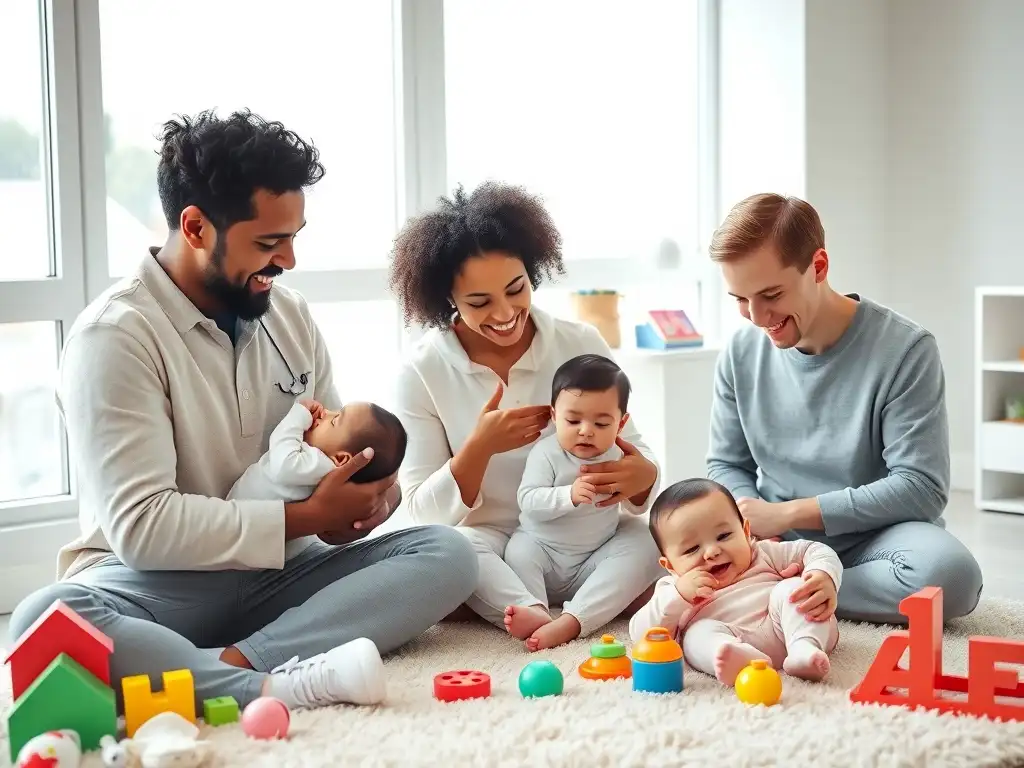
Navigating the world of infant development can be challenging for first-time parents. While every baby develops at their own pace, understanding when to seek professional help regarding your baby's social development is crucial. This section outlines the different avenues available to address your concerns about your baby's social and emotional growth within the crucial 0-12 month period.
Remember, early intervention is key when it comes to addressing potential developmental delays or concerns. Don't hesitate to reach out for support if you have any doubts – your peace of mind is just as important as your baby's well-being. Early detection and intervention can make a significant difference in a child's trajectory, positively impacting their future social and emotional development.
Contacting Your Pediatrician or Family Doctor
Your pediatrician or family doctor is often the first point of contact for any concerns regarding your baby's health and development, including social development milestones. They are familiar with your baby's medical history and can provide a comprehensive assessment. They can help distinguish between normal variations in development and potential issues requiring further attention.
Regular check-ups are vital, as they provide opportunities to discuss your observations and any anxieties you may have. For example, if your baby consistently avoids eye contact, shows little interest in social interaction, or displays unusual levels of fussiness or withdrawal, these are all important points to raise with your doctor. They might perform a basic developmental screening or refer you to a specialist if necessary. Don't underestimate the value of your doctor's expertise; they can offer reassurance, guidance, and a referral pathway if needed. Early detection of potential problems is key to effective intervention, minimizing any long-term impact.
Remember to keep a detailed record of your observations, including specific examples of behaviours you're concerned about, the frequency of these behaviours, and any other relevant information like changes in your baby's environment or routines. This detailed information will assist your doctor in providing the most accurate assessment and appropriate advice.
Consulting a Child Development Specialist
If your pediatrician identifies potential developmental delays or concerns, or if you have significant anxieties not fully addressed during check-ups, consulting a child development specialist is a valuable next step. These specialists, such as developmental pediatricians or child psychologists, possess in-depth knowledge of child development and can conduct thorough assessments to identify the root cause of any concerns.
These specialists use various assessment tools and techniques to evaluate your baby's social-emotional development, including observation, play-based assessments, and parent interviews. The assessment may focus on areas such as social interaction, emotional regulation, communication skills, and play skills. Following the assessment, they will provide a detailed report and recommendations tailored to your baby's specific needs. This might include specific strategies for parents to implement at home, therapy sessions, or referrals to other relevant specialists. Remember, seeking a second opinion is always an option if you feel unsure about the initial assessment or recommendations.
The goal is not to label your baby but to understand their developmental trajectory and provide support to optimize their development and well-being. Seeking expert advice early on can significantly improve the outcomes for children experiencing developmental challenges.
Seeking Support from Early Intervention Programs
Early intervention programs offer comprehensive support services for infants and toddlers with developmental delays or disabilities. These programs typically involve a multidisciplinary team of professionals, including therapists, educators, and social workers, who work collaboratively to develop individualized plans to address the child's specific needs. These programs are designed to provide support as early as possible, recognizing the importance of intervention in the first few years of life.
Eligibility criteria for early intervention programs vary depending on location and specific programs, but generally involve a diagnosis of a developmental delay or disability. Your pediatrician or child development specialist can help you determine your eligibility and guide you through the application process. These programs often provide a range of services, including physical therapy, occupational therapy, speech therapy, and developmental playgroups. They also offer valuable support and guidance for parents, helping them to understand their baby's needs and develop strategies to support their development at home.
Early intervention programs are invaluable resources, providing a supportive environment and evidence-based interventions to help your baby reach their full potential. They focus on maximizing a child's developmental progress, promoting their overall well-being, and empowering families with the knowledge and skills to support their child's growth and development. Engaging with these programs early on can positively influence your baby's social and emotional development, leading to better long-term outcomes.
Finding Local Resources and Support Groups
Navigating the world of baby social development can feel overwhelming, especially for first-time parents. Knowing when to seek professional help is crucial, but equally important is accessing the right support systems. Fortunately, numerous local resources and support groups exist to provide guidance and a sense of community. These resources offer invaluable opportunities to connect with other parents facing similar challenges, share experiences, and learn from experts.
One excellent starting point is your pediatrician's office. Many pediatricians maintain lists of local resources, including therapists specializing in early childhood development, support groups for parents of infants, and community centers offering parenting classes. Don't hesitate to ask your pediatrician for recommendations tailored to your specific needs and location. They can often provide personalized advice and referrals based on your child's unique developmental trajectory and your family's circumstances.
Beyond your pediatrician, consider exploring community centers, hospitals, and libraries. These institutions frequently host parenting workshops, support groups, and classes focused on various aspects of child development, including social and emotional milestones. Check their websites or contact them directly to inquire about upcoming events or ongoing programs. Many offer free or low-cost services, making them accessible to a wide range of families. Some community centers even offer specialized programs for parents of children with specific developmental needs, providing additional support and resources.
Online searches can also uncover a wealth of local resources. Searching for terms like "baby support groups [your city/region]," "early childhood development services [your city/region]," or "parenting classes [your city/region]" can yield numerous relevant results. Be sure to carefully vet any organization or group you find online, checking for credentials, reviews, and affiliations with reputable institutions. Remember, your child's well-being is paramount, so due diligence is essential.
Finally, consider reaching out to friends, family, and colleagues. Word-of-mouth referrals can be incredibly valuable. Other parents in your network may have already used local resources and can share their experiences and recommendations, potentially saving you time and effort in your search for support. Building a strong support network is crucial during this time, and leveraging your personal connections can significantly contribute to a smoother journey. Remember, seeking help is a sign of strength, not weakness, and accessing available resources is a vital step in ensuring your baby's healthy social and emotional development.
This section focuses on practical strategies you can implement at home to nurture your baby's burgeoning social skills. Remember, consistent effort and a loving environment are key to fostering healthy social-emotional growth in your little one. Early intervention and addressing any baby social development concerns promptly can make a significant difference.
Creating a Stimulating and Nurturing Environment
A baby's environment significantly impacts their social development. Creating a stimulating yet safe space is crucial. This doesn't require expensive toys; rather, it's about thoughtful arrangement and interaction.
Think about incorporating these elements:
- Sensory Exploration: Provide opportunities for your baby to explore different textures (soft blankets, crinkly toys), sounds (singing, musical instruments), and sights (brightly colored mobiles, patterned books). This helps them understand and respond to their surroundings, a foundation for social interaction. For example, hanging a mobile with contrasting colors above the crib can stimulate visual development, while a textured play mat encourages tactile exploration.
- Safe Space for Play: Designate a safe area specifically for playtime. This could be a playmat on the floor, a baby-safe corner in a room, or even a dedicated playpen. Ensuring this space is free from hazards allows your baby to explore freely and confidently, crucial for developing independence and social confidence.
- Calm and Predictable Routine: Babies thrive on routine. A consistent daily schedule helps them feel secure and reduces anxiety, allowing them to focus on social engagement. This predictability fosters trust, a vital component of healthy social development. A typical daily routine might include feeding, playtime, naptime, and interaction with caregivers.
- Positive and Responsive Caregiving: Your responses to your baby's cues are essential. Responding promptly to their cries, smiles, and other expressions of need builds trust and attachment, which are the cornerstones of healthy social relationships. This responsiveness teaches your baby that their actions have consequences and that they can rely on you for support.
Engaging your baby in age-appropriate activities is vital for their social development. Remember, these activities should be short, fun, and tailored to their developmental stage. Over-stimulation can be counterproductive.
Here are some ideas:
- Face-to-Face Interactions: Spend dedicated time engaging in face-to-face interactions with your baby. Make silly faces, sing songs, and talk to them about your day. This direct interaction helps them learn social cues, such as facial expressions and vocalizations. Simple games like peek-a-boo are excellent for developing social skills and understanding object permanence.
- Reading Books Together: Reading aloud to your baby, even from a very young age, is beneficial. The rhythm of language, the colorful illustrations, and the shared experience build a connection and stimulate language development, a key aspect of social interaction. Choosing books with interactive elements can further enhance engagement.
- Simple Social Games: Games like patty-cake and peek-a-boo are not just fun; they're crucial for developing turn-taking skills and understanding social reciprocity. These games teach babies about cause and effect and the importance of shared experiences. The anticipation and excitement build a positive association with social interaction.
- Introducing Other Babies (Safely): Once your baby is a little older (around 6 months), you can start introducing them to other babies in a controlled environment. Supervised playdates allow your baby to observe and interact with their peers, fostering social skills and understanding of social dynamics. Always prioritize safety and ensure appropriate supervision.
Fostering Positive Interactions and Communication
Positive and consistent communication is paramount in supporting your baby's social development. This involves not just talking to your baby, but also actively listening and responding to their cues.
Consider these strategies:
- Responding to Cues: Pay close attention to your baby's nonverbal cues, such as their facial expressions, body language, and vocalizations. Respond promptly and appropriately to their needs, building trust and enhancing their communication skills. For instance, if your baby is crying, try to determine the cause (hunger, discomfort, tiredness) and address it accordingly.
- Using Encouraging Language: Use positive reinforcement and encouraging language. Praise their efforts, even small ones, and celebrate their milestones. This positive feedback strengthens their self-esteem and encourages further social engagement. Phrases like "Good job!" or "You did it!" can be incredibly effective.
- Modeling Positive Interactions: Babies learn by observing. Model positive social interactions for your baby. Show them how to share, take turns, and express emotions appropriately. Your behavior significantly influences their understanding of social dynamics and expected behaviors.
- Seeking Professional Guidance: Don't hesitate to seek professional guidance if you have any baby social development concerns. Early intervention is key to addressing any potential delays or challenges. A pediatrician or child development specialist can provide valuable support and advice. Remember, seeking help is a sign of strength, not weakness.
Remember, every baby develops at their own pace. While these guidelines offer valuable support, it's crucial to celebrate your baby's unique journey and seek professional advice if you have any concerns. Early detection and intervention are crucial when addressing baby social development concerns.
Building Strong Parent-Child Bonds
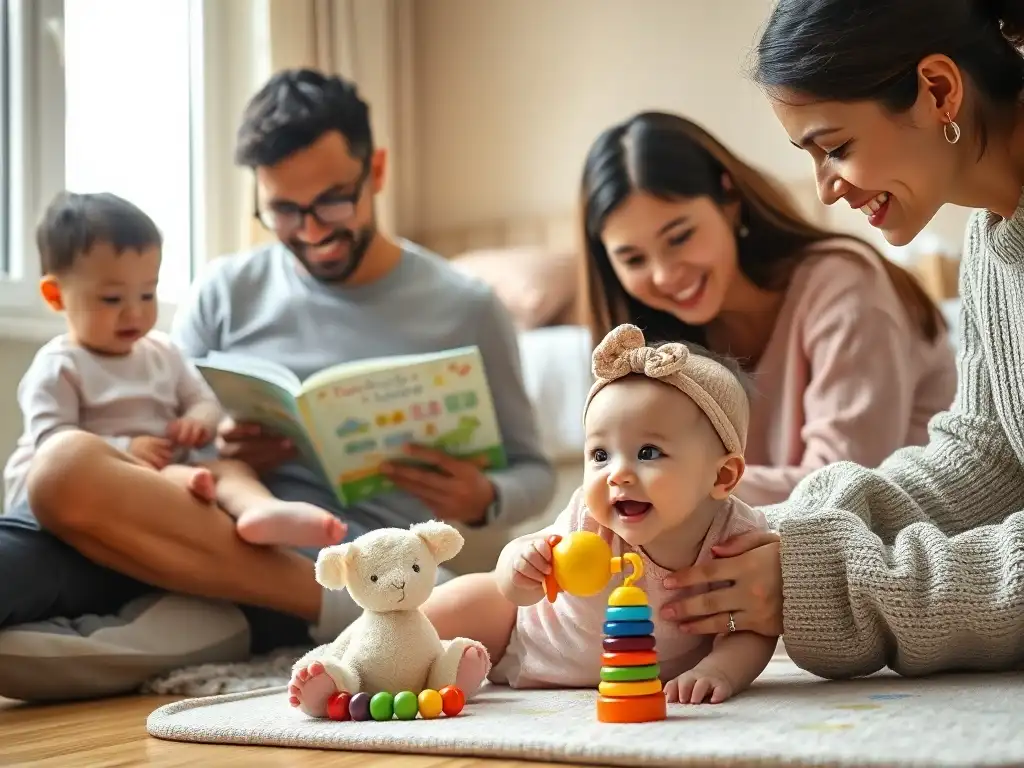
Building a strong bond with your baby is crucial for their social and emotional development. This connection forms the foundation for their future relationships and ability to connect with others. From the moment your baby is born, you begin building this bond through consistent, loving interactions. Skin-to-skin contact, for example, releases oxytocin, a hormone that strengthens the parent-child bond and promotes feelings of calmness and well-being in both parent and child. This isn't just a "nice to have," it's a vital component of healthy development.
Beyond skin-to-skin contact, responsive parenting plays a significant role. This means paying close attention to your baby's cues – their cries, their smiles, their gurgles – and responding appropriately and promptly. If your baby is crying, try to determine the cause: are they hungry, tired, or needing a diaper change?
Responding consistently helps your baby learn that their needs are met and that they can rely on you for comfort and security. This predictability fosters trust, a cornerstone of a healthy parent-child relationship. Remember, even seemingly small interactions, like singing lullabies or making silly faces, contribute to this bond.
These moments create positive associations and build a foundation of love and security. The more consistent and responsive you are, the stronger this bond will become, positively influencing your baby's social development. Regular routines, such as bath time or bedtime stories, also contribute to a sense of security and predictability, further strengthening your bond.
Consistent and loving interactions create a sense of security and trust, which is essential for your baby's overall well-being and social development. This secure attachment allows your baby to explore their world with confidence, knowing they have a safe and reliable base to return to. Remember that every interaction, big or small, contributes to this crucial bond.
Practicing Patience and Understanding
Parenting a baby, especially for first-time parents, can be challenging. There will be moments of frustration, exhaustion, and uncertainty. However, maintaining patience and understanding is paramount for your baby's social and emotional development. Babies are still learning to communicate their needs; they don't have the language skills to express themselves clearly. Their primary way of communicating is through crying, fussing, and body language. Learning to interpret these cues requires patience and observation. Sometimes, it might take time to figure out what your baby needs, and that's okay.
Remember that your baby's behavior is not intentional misbehavior. They are not trying to manipulate you; they are simply expressing their needs in the only way they know how. Reacting with anger or frustration will only increase your baby's distress and potentially damage your relationship. Instead, try to approach situations with empathy and understanding. Take deep breaths, and try to see things from your baby's perspective. Are they overstimulated? Are they tired? Are they hungry?
A helpful strategy is to create a calm and predictable environment for your baby. This can reduce stress and make it easier for them to communicate their needs effectively. Establishing a consistent daily routine can also be beneficial. Predictable routines provide a sense of security and reduce anxiety, making it easier for both you and your baby to manage challenging situations.
Remember that your patience and understanding will not only benefit your baby's social development but also strengthen your bond and create a more positive parenting experience. Seeking support from family, friends, or professionals when needed is a sign of strength, not weakness. Prioritizing your own well-being allows you to be a more patient and understanding parent.
Becoming a parent is a joyous occasion, but it's also a period of significant adjustment and potential stress. Concerns about a baby's social development are common among first-time parents, often contributing to parental anxiety. Understanding these anxieties is crucial for providing effective support and guidance. Many parents worry about whether their baby is developing socially at the "right" pace, comparing their child to others or to idealized developmental charts.
This comparison can lead to feelings of inadequacy or failure, even if their baby is perfectly healthy and developing appropriately. The pressure to "get it right" can be immense, amplifying pre-existing anxieties and creating new ones. Furthermore, the lack of sleep, constant demands, and the sheer responsibility of caring for a newborn can exacerbate these feelings, leading to significant parental stress. It's vital to remember that every baby develops at their own pace, and variations within the normal range are expected.
Focusing on individual milestones and celebrating small achievements can help alleviate parental anxieties and foster a more positive parenting experience. Understanding typical social development stages for babies aged 0-12 months is essential in differentiating normal variations from actual developmental delays. This knowledge empowers parents to make informed decisions and seek appropriate support when needed.
Recognizing and Managing Parental Stress
Parental stress related to a baby's social development can manifest in various ways, including irritability, difficulty sleeping, feelings of overwhelm, anxiety, and even depression. Recognizing the signs of parental stress is the first step towards managing it effectively. For example, a parent consistently feeling frustrated or angry with their baby, experiencing significant sleep disturbances impacting their daily functioning, or withdrawing from social interactions could indicate a need for support. These symptoms can often be further complicated by hormonal changes postpartum, making it crucial for parents to seek help when needed.
Several strategies can help manage parental stress. Mindfulness techniques, such as deep breathing exercises and meditation, can help reduce anxiety and promote relaxation. Engaging in self-care activities, such as taking short breaks, pursuing hobbies, or getting regular exercise, is essential for maintaining mental wellbeing. Open communication with partners, family members, or friends can provide emotional support and reduce feelings of isolation.
Seeking professional help from a therapist or counselor specializing in perinatal mental health can provide additional support and guidance in managing stress and anxiety effectively. Remember, seeking help isn't a sign of weakness; it's a sign of strength and a commitment to the well-being of both parent and child. Prioritizing mental health is paramount for creating a nurturing and supportive environment for the baby's development.
Seeking Support for Parental Mental Health
Addressing parental mental health concerns is crucial for the overall well-being of the family. Postpartum depression and anxiety are common conditions that can significantly impact a parent's ability to care for their baby and contribute to difficulties in recognizing and responding to the baby's social and emotional needs. Many resources are available to support parents struggling with their mental health. These include online support groups, hotlines offering immediate assistance, and therapy sessions with mental health professionals specializing in perinatal mental health.
These professionals can offer evidence-based interventions, such as cognitive behavioral therapy (CBT) or interpersonal therapy (IPT), tailored to address specific challenges and concerns. Early intervention is key to preventing these conditions from escalating and negatively impacting the parent-child relationship. Parents should not hesitate to reach out for help if they are experiencing persistent feelings of sadness, hopelessness, anxiety, or difficulty coping with the demands of parenthood.
There is no shame in seeking professional support; it's a sign of responsibility and a commitment to creating a healthy family environment. Remember, a parent's mental well-being directly impacts their ability to nurture and support their child's development, making access to mental health services vital. The support available is diverse and tailored to individual needs, ensuring access for parents from all backgrounds and circumstances.
Building a Strong Support Network
A strong support network plays a vital role in mitigating parental stress and promoting the healthy social-emotional development of the baby. This network can include family members, friends, partners, support groups, or even online communities of parents sharing similar experiences. Having individuals who understand the challenges of parenthood and are willing to offer practical and emotional support can significantly reduce feelings of isolation and overwhelm. Practical support can include help with household chores, childcare, or errands, freeing up time for parents to focus on their baby and themselves.
Emotional support involves providing a listening ear, offering encouragement, and validating parents' feelings and experiences. Joining a support group can provide a sense of community and connection with other parents facing similar challenges. Sharing experiences and learning from others can be incredibly helpful in normalizing feelings and reducing feelings of isolation. Building this network proactively before the baby arrives can be beneficial, ensuring a supportive system is in place from the beginning.
Open communication with family and friends about needs and expectations is key to fostering a supportive environment. Remember, it's okay to ask for help; it takes a village to raise a child, and building a strong support network is an investment in the well-being of both parent and child. This network becomes particularly crucial during times of stress or uncertainty, offering a safety net and emotional reassurance.
Next Steps: Monitoring and Follow-Up
This section focuses on the crucial next steps after identifying potential concerns regarding your baby's social development. Early intervention is key, and consistent monitoring, coupled with professional guidance, can make a significant difference. Remember, every baby develops at their own pace, but understanding the typical milestones helps identify areas needing attention. This information should not replace advice from your pediatrician or healthcare provider. Always consult with them for personalized guidance.
Regular Check-ups with Healthcare Professionals
Regular check-ups with your pediatrician or family doctor are paramount in monitoring your baby's overall health and development, including their social-emotional progress. These appointments provide opportunities to discuss any concerns you may have and receive expert advice tailored to your baby's unique needs. During these visits, your healthcare provider will:
- Assess your baby's development: They will perform a comprehensive physical examination and assess your baby's developmental progress using standardized tools. This may involve observing your baby's interactions, responses to stimuli, and overall behavior.
- Address your concerns: Openly communicating any worries about your baby's social development is crucial. Your healthcare provider can offer reassurance, identify potential issues, and recommend appropriate interventions if necessary.
- Provide guidance and support: They can offer valuable advice on fostering your baby's social and emotional development, suggesting activities and strategies to promote healthy growth. This might include recommendations for play, interaction, and creating a nurturing environment.
- Refer to specialists: If your healthcare provider identifies any significant developmental delays or concerns, they may refer you to specialists, such as a developmental pediatrician or child psychologist, for further evaluation and support. Early intervention is often more effective, so prompt referral is essential.
Remember to keep detailed records of your baby's development, including any milestones achieved and any concerns you've noticed. This information will be invaluable during your check-ups and will help your healthcare provider track your baby's progress effectively. Consider using a baby development tracker app or a simple notebook to document key observations.
Continued Observation of Baby's Development
Even between regular check-ups, continued observation of your baby's development is crucial. Pay close attention to their interactions with you, other caregivers, and their environment. Look for improvements or persistent difficulties in areas such as:
- Responding to social cues: Does your baby respond appropriately to smiles, facial expressions, and vocalizations? Do they seem to understand and react to your emotions?
- Initiating interaction: Does your baby actively seek interaction, such as reaching out, babbling, or making eye contact? Do they show signs of enjoying social interaction?
- Emotional regulation: How well does your baby manage their emotions? Do they readily calm down when distressed, or do they exhibit prolonged periods of crying or fussiness?
- Attachment behaviors: Does your baby show signs of secure attachment, such as seeking comfort from you when upset? Do they seem comfortable being held and cuddled?
Documenting these observations will be helpful in discussing your baby's progress with your healthcare provider. Consider using a simple checklist or journal to track these key behaviors over time. The more information you can provide, the better equipped your healthcare provider will be to offer accurate and tailored advice. Remember, even subtle changes can be significant indicators.
Celebrating Milestones and Progress
While addressing concerns is important, it's equally crucial to celebrate your baby's achievements and progress. Positive reinforcement and encouragement can significantly boost your baby's confidence and contribute to their overall development. Acknowledge and appreciate even the smallest milestones, such as:
- A first smile 😊
- Responding to their name
- Showing interest in other babies or children
- Engaging in simple games or activities
Celebrating these milestones helps create a positive and supportive environment for your baby's growth. Positive interactions build a strong bond and contribute to healthy social-emotional development. Remember to praise and encourage your baby's efforts, fostering a sense of accomplishment and self-esteem. This positive reinforcement will not only make your baby happy but will also help them build confidence in exploring their social world. Positive interactions are foundational to healthy baby social development concerns.
Frequently Asked Questions
Some warning signs include a lack of eye contact, failure to respond to their name, absence of social smiles, or not showing interest in interactive games or other people. If you notice several of these, consult your pediatrician.
My baby doesn't seem to engage much with others. Should I be worried?
It's important to consider the overall context. Some babies are naturally more reserved. However, consistent lack of engagement, especially combined with other developmental delays, warrants a check-up with your pediatrician to rule out any concerns.
There's a range of "normal," but generally, you should see increasing social responsiveness around 6 months. This includes smiling, laughing, and engaging with caregivers and others through babbling and gestures. However, every baby develops at their own pace.
Social referencing is when your baby looks to you (or other trusted adults) for cues on how to react in unfamiliar or ambiguous situations. This is a crucial aspect of social and emotional development, usually appearing around 8-12 months.
BabyCareHub offers comprehensive resources on baby development, including detailed information on social milestones. You can also consult your pediatrician, child development specialist, or local support groups for personalized advice and assistance.
The early months of a baby's life are a whirlwind of growth, and understanding their social development is crucial for fostering healthy relationships and a thriving future. Recognizing the subtle signs of potential delays or challenges can make all the difference in providing timely support and intervention. This knowledge empowers parents to advocate for their child's well-being and build a strong foundation for their social-emotional development.
The journey of witnessing a baby's social development is profoundly personal and deeply rewarding. It's a privilege to watch those first smiles, the tentative reaches for connection, and the growing awareness of the world around them. The most important thing a father can do for his children is to love their mother.
This quote, often attributed to Theodore Hesburgh, highlights the interconnectedness of family well-being and its impact on a child's development. A supportive environment, built on understanding and proactive care, is the fertile ground where a child's social skills blossom.
Now, consider your own experiences and observations. Have you noticed any patterns in your baby's social interactions? Are there areas where you feel more confident, and others where you seek further guidance?
Remember, seeking help is not a sign of weakness, but a testament to your commitment to your child's flourishing. Take the time to reflect on the information presented, and don't hesitate to reach out to your pediatrician, a child development specialist, or other trusted resources if you have any concerns. Your proactive involvement will shape a brighter future for your little one, fostering a lifetime of meaningful connections.
Thank you for learning about your baby's social development. We hope this article provided valuable insights and reassurance. Now, let's put that knowledge into practice!
- Schedule dedicated playtime: Spend 15 minutes today engaging in focused playtime with your baby. Activities like peek-a-boo or singing songs are excellent ways to nurture those precious social bonds.
- Connect with other parents: Share your observations and experiences with other parents in our online community. Hearing from others can be incredibly helpful and supportive.
- Seek professional guidance: If you have any concerns, schedule a check-up with your pediatrician or a child development specialist. Early intervention is key to addressing any potential developmental delays.
What simple activity will you try today to encourage your baby's social skills?