
Recognizing Speech Delays: When to Seek Help for Your Baby


Welcome to BabyCareHub, your ultimate guide to navigating the incredible journey of parenthood! We understand that raising a little one can feel overwhelming, especially when it comes to recognizing key developmental milestones. Are you concerned about your baby's speech development? Discover crucial Baby speech delay red flags and learn when professional intervention might be beneficial. Dive in and explore our comprehensive resources designed to empower you with the knowledge and confidence to provide the best possible care for your precious baby.
- Understanding Typical Speech Development in Babies
-
Baby Speech Delay Red Flags: Signs to Watch For
- Limited Vocalizations: Fewer Sounds Than Expected
- Lack of Response to Speech: Not Turning to Sounds or Names
- Difficulty Understanding Simple Instructions
- Delayed Babbling: Absence of Babbling by Certain Ages
- Frustration When Communicating: Inability to Express Needs
- Unusual Mouth Movements or Tongue Thrusting
- What Causes Speech Delays in Babies?
- When to Seek Professional Help for Baby Speech Delays
- Strategies to Support Your Baby's Speech Development
- Addressing Concerns and Next Steps
-
Frequently Asked Questions
- What are some early warning signs of a speech delay in babies?
- My baby understands me but doesn't talk much. Is this a speech delay?
- At what age should I be worried about my baby's speech development?
- What kind of specialist should I see if I suspect a speech delay?
- Are there any home activities I can do to encourage speech development?
- Final Reflection: The Unspoken Urgency of Early Intervention
- Uncover Your Baby's Communication Potential
Understanding Typical Speech Development in Babies
Becoming a parent is a joyous journey filled with countless milestones, and one of the most exciting is witnessing your baby's first words. However, understanding typical speech development is crucial for recognizing potential delays and seeking timely intervention. This article serves as a guide for first-time parents navigating the exciting world of baby language acquisition, helping you identify potential "baby speech delay red flags" and understand when professional help might be necessary.
We'll explore typical milestones, differentiate between babbling and actual speech, and highlight key indicators that warrant a consultation with a pediatrician or speech-language pathologist. Early intervention is key to supporting your child's language development and maximizing their potential for successful communication. This comprehensive guide aims to empower you with the knowledge to confidently monitor your baby's progress and advocate for their needs.
Milestones: From Babbling to First Words
Every baby develops at their own pace, but there are general milestones to keep in mind. Understanding these stages helps you track your baby's progress and identify any potential concerns. The journey from babbling to first words is a fascinating process, marked by several key developmental stages:
- 0-3 Months: Babies primarily focus on reflexive sounds, like crying and gurgling. They begin to experiment with vocalizations and respond to your voice.
- 4-6 Months: Cooing and gurgling become more frequent and varied. They might start experimenting with different sounds and tones.
- 7-12 Months: Babbling emerges! This is a crucial stage where babies combine consonant and vowel sounds, often mimicking the sounds they hear around them. They may also point to objects and people while babbling.
- 12-18 Months: Many babies utter their first words, often simple words like "mama," "dada," or "ball." Their vocabulary expands gradually.
- 18-24 Months: Vocabulary grows rapidly, and babies may start combining words into simple phrases. They begin to understand simple instructions.
This timeline is a general guideline; variations are perfectly normal. However, significant deviations from these expected milestones might indicate a need for further evaluation. Remember to celebrate each tiny achievement! 🎉
Early Vocalizations: Cooing, Gurgling, and Babbling
The early stages of vocalization are essential building blocks for future speech. Let's delve deeper into these fascinating sounds:
- Cooing (2-4 months): These soft, vowel-like sounds are a baby's way of expressing contentment and communicating with caregivers. They are often accompanied by smiles and happy expressions. Think soft "oohs" and "aahs."
- Gurgling (2-4 months): These sounds are often produced in the back of the throat and involve a combination of vowels and consonant-like sounds. They are usually associated with comfort and play.
- Babbling (6-8 months): This is where things get exciting! Babbling involves combining consonants and vowels, creating strings of sounds like "bababa" or "dadada." This is crucial practice for developing speech muscles and experimenting with sounds. Observe if your baby’s babbling seems increasingly varied and complex.
It's important to note that the timing and duration of these stages may vary among babies. Some might start cooing earlier, while others might babble later. The crucial aspect is the progression and consistent development of these vocal skills.
Recognizing the Difference Between Babbling and True Speech
Differentiating between babbling and true speech can be tricky, but there are key differences to look for:
| Feature | Babbling | True Speech |
|---|---|---|
| Purpose | Primarily exploratory, practice sounds | Intentional communication, conveying meaning |
| Sound Variety | Repetitive patterns, limited vocabulary | Increasing variety of sounds and words |
| Context | Often spontaneous, not linked to objects | Often associated with specific objects or situations |
| Understanding | May not fully understand word meaning | Shows understanding of word meaning |
While babbling is a crucial precursor to speech, true speech involves intentional communication and understanding of word meaning. If your baby's vocalizations remain primarily babbling beyond 18 months, without showing signs of understanding or using words meaningfully, it's advisable to seek professional guidance. This doesn't necessarily indicate a problem, but early intervention can provide significant benefits. Remember, every baby is unique, and seeking professional advice is always a proactive step in ensuring your child's healthy development.
Baby Speech Delay Red Flags: Signs to Watch For
This section focuses on identifying potential baby speech delay red flags, crucial for early intervention and supporting your child's language development. Early recognition is key, as timely intervention can significantly impact a child's communication skills. Remember, every child develops at their own pace, but these signs warrant attention from a pediatrician or speech-language pathologist.
Limited Vocalizations: Fewer Sounds Than Expected
Many parents eagerly anticipate their baby's first words. However, the journey to verbal communication begins much earlier, with babbling and vocal experimentation. A significant delay in producing sounds or a limited range of sounds can be a red flag. While the timing of babbling varies, most babies start experimenting with sounds around 4-6 months old. By 12 months, they should be babbling consistently, using a variety of sounds and intonations, including consonant-vowel combinations like "ba," "ma," and "da."
Consider these developmental milestones for vocalizations:
- 4-6 months: Cooing, gurgling, experimenting with sounds.
- 7-12 months: Babbling, mimicking sounds, experimenting with different tones.
- 12-18 months: First words, understanding simple instructions.
A baby who shows significantly fewer vocalizations than expected at these ages, or who consistently uses only a few repetitive sounds, might be exhibiting a speech delay. For instance, a 12-month-old who only says "mama" and "dada" without any other sounds or attempts at babbling could warrant further investigation. Similarly, a child showing minimal vocalization even with attempts at encouragement may also be exhibiting a speech delay. Remember, this is just one indicator; other factors should also be considered.
Lack of Response to Speech: Not Turning to Sounds or Names
Another important baby speech delay red flag involves a lack of response to speech and sounds. Babies typically begin to respond to their names and familiar sounds around 6-8 months. They might turn their heads towards the source of the sound, or show other signs of recognition, such as increased alertness or a smile. A lack of this responsiveness can indicate a potential developmental delay.
This isn't simply about ignoring you; consider the context. Is your baby consistently unresponsive to sounds, even loud or interesting ones? Does your baby fail to turn their head when you call their name, even in quiet environments? Do they seem generally oblivious to the sounds around them?
These are critical questions to ask yourself. A child who consistently fails to respond to their name or other auditory stimuli, even with repeated attempts, may be exhibiting a speech delay. This could be linked to hearing difficulties, which also need immediate attention. Consult your pediatrician to rule out any underlying hearing problems.
Difficulty Understanding Simple Instructions
Understanding simple instructions is a crucial aspect of language development. By 12-18 months, most babies begin to understand and follow basic commands like "Give me the ball" or "Wave bye-bye". A consistent difficulty in understanding and following even simple instructions can be a significant baby speech delay red flag.
This is distinct from simply refusing to comply. The key is whether the child understands the instruction. A child who consistently fails to grasp simple commands, even when presented clearly and repeatedly, may be experiencing a delay. For example, a child who doesn't understand "no" or consistently fails to follow instructions like "give me the toy" or "come here" (even with demonstrations) after repeated attempts, may need further evaluation.
This difficulty may be accompanied by other developmental delays, highlighting the importance of a comprehensive assessment by a healthcare professional. Early intervention is crucial for optimal language development and overall well-being. 🧸
Delayed Babbling: Absence of Babbling by Certain Ages
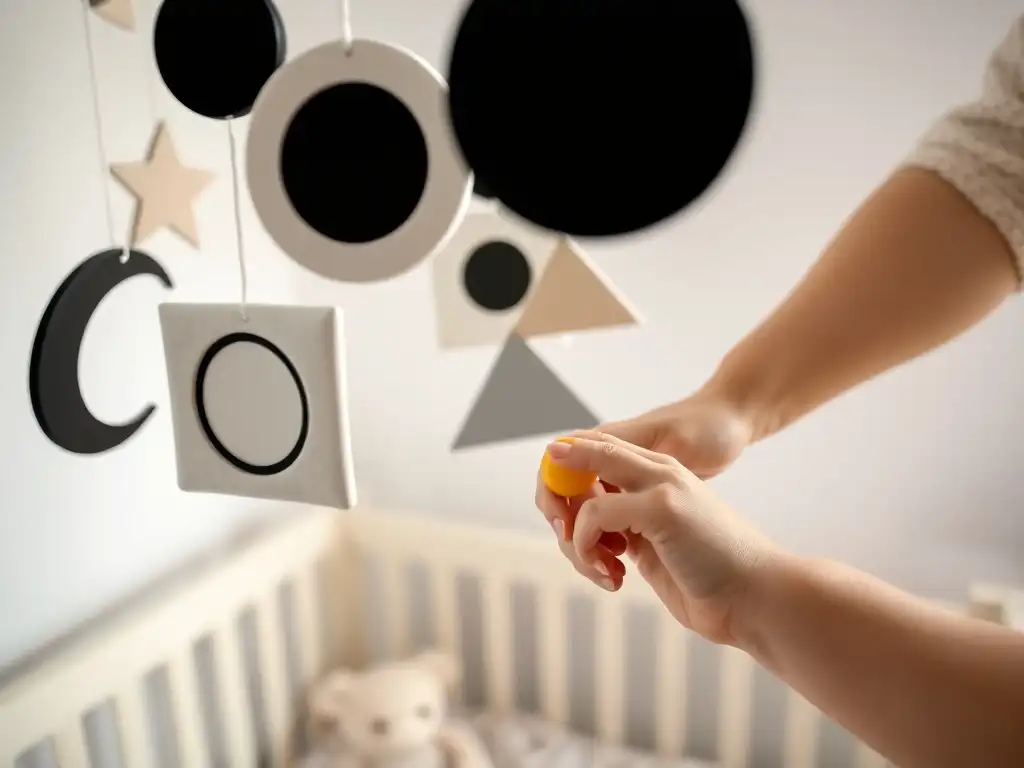
Babbling is a crucial developmental milestone in a baby's journey towards speech. It's not just random sounds; it's the baby's way of experimenting with sounds and practicing the mechanics of speech. Most babies begin babbling around 6 months of age, experimenting with consonant-vowel combinations like "ba-ba," "ma-ma," and "da-da." These sounds may initially be somewhat indistinct, but they gradually become more refined and varied. By 9 months, babbling should become more frequent and complex, often incorporating different intonations and rhythms that mimic the patterns of adult speech.
A significant baby speech delay red flag is the complete absence of babbling by 9 months. While some minor variations in timing are normal, a consistent lack of babbling at this age warrants professional evaluation. This could indicate underlying developmental delays that require intervention. Early identification is key, as early intervention programs can significantly improve a child's communication skills.
Remember, every child develops at their own pace, but a lack of babbling beyond the typical age range needs attention. For example, a child who consistently shows no signs of babbling by 12 months old should be checked by a pediatrician or speech-language pathologist. This delay could be linked to various factors, including hearing impairments, neurological conditions, or even less common genetic disorders. Early diagnosis allows for swift intervention, potentially mitigating long-term speech difficulties.
Frustration When Communicating: Inability to Express Needs
A baby's ability to communicate their needs is a critical aspect of their development. As babies grow, they develop sophisticated ways of expressing hunger, discomfort, or other needs. Initially, this may involve crying, but as they develop, they start using gestures, pointing, and eventually words. A clear baby speech delay red flag is persistent frustration when attempting to communicate. If your baby consistently displays signs of intense frustration, such as crying uncontrollably, hitting, or throwing objects when they can't express their needs, it could signal a communication difficulty.
For instance, a baby struggling to convey that they're hungry might become increasingly agitated and upset, exhibiting behaviors beyond typical fussiness. This goes beyond the usual frustration babies experience when they can't immediately get what they want; it's a more profound inability to effectively communicate their needs, leading to significant distress. This frustration can manifest in various ways, such as repetitive crying, tantrums, or even self-harm behaviors. Observing the context of the frustration is important.
Is it consistently tied to specific situations where communication is needed (like asking for a toy or expressing hunger)? Documenting these instances can be helpful when discussing concerns with your pediatrician. The inability to effectively communicate basic needs can lead to significant developmental delays if not addressed promptly. Therefore, observing these behavioral patterns is crucial in identifying potential speech delays.
Unusual Mouth Movements or Tongue Thrusting
The way a baby moves their mouth and tongue is closely related to their speech development. While some minor variations are normal, certain unusual movements can be a baby speech delay red flag. Persistent tongue thrusting, where the tongue protrudes excessively from the mouth, can interfere with the development of clear speech sounds. Similarly, unusual lip movements, such as excessive lip smacking or difficulty controlling lip closure, might also indicate a potential issue.
These motor skill challenges can hinder the ability to form sounds correctly. For example, a baby with persistent tongue thrusting might find it difficult to produce certain sounds like "t," "d," and "l," resulting in a lisp or other speech impediments. This can manifest in various ways, from difficulty in controlling the tongue's position within the mouth to an inability to coordinate lip and tongue movements needed for clear articulation. Parents should be observant of these subtle motor skills.
The presence of such unusual mouth movements often warrants a thorough evaluation by a pediatrician or a speech-language pathologist. They can assess the severity of the issue and determine the appropriate intervention strategy, which could include speech therapy or other specialized support. Early identification and intervention are essential to address these challenges and promote healthy speech development. A pediatrician can help assess whether these movements are simply developmental variations or indicative of a more significant issue.
What Causes Speech Delays in Babies?
Understanding the root causes of speech delays in babies is crucial for early intervention and support. While many babies develop language at their own pace, persistent delays warrant investigation. Several factors can contribute to a child's delayed speech development, and it's often a complex interplay of different influences. Identifying these potential causes allows healthcare professionals to tailor interventions and provide the best possible care. Recognizing these baby speech delay red flags is paramount for parents.
Genetic Factors and Family History
A family history of speech or language disorders significantly increases a baby's risk of experiencing similar challenges. Genetic predispositions can affect various aspects of language development, from articulation to comprehension. For example, a genetic condition like Down syndrome is often associated with speech delays. While not all children with a family history of speech delays will experience them, it highlights the importance of early monitoring and professional assessment.
Studies have shown a strong correlation between a positive family history of speech impediments and a child's own likelihood of experiencing similar difficulties. This isn't a deterministic factor, however; environmental and other factors play a significant role. Further research is needed to fully understand the specific genes and mechanisms involved, but recognizing a family history is a key baby speech delay red flag.
Hearing Impairments and Auditory Processing Issues
Untreated hearing loss is a major cause of speech delays. A baby's ability to hear sounds and speech is fundamental to their language acquisition. If a baby cannot hear clearly, they cannot effectively process and learn the sounds of language. This can lead to significant delays in vocabulary development, pronunciation, and overall language comprehension.
Auditory processing disorders, even in the presence of normal hearing, can also impact speech development. These disorders affect the brain's ability to process auditory information, making it difficult for the baby to understand and respond to spoken language. Early identification and intervention, such as hearing aids or speech therapy, are vital for mitigating the impact of these issues. Regular hearing screenings are recommended for all babies as a preventative measure against overlooking this crucial baby speech delay red flag.
Developmental Delays and Disorders (e.g., Autism)
Several developmental delays and disorders can manifest as speech delays. Autism Spectrum Disorder (ASD) is a prime example, often characterized by difficulties with communication and social interaction. Children with ASD may exhibit delayed language development, unusual speech patterns, or limited use of language. Other developmental disorders, such as intellectual disabilities or cerebral palsy, can also significantly impact speech development. These conditions may affect the child's ability to control their muscles for speech (articulation) or their cognitive abilities needed to understand and use language.
Early diagnosis and intervention are crucial for supporting these children's development. Identifying these developmental challenges early is another critical baby speech delay red flag, highlighting the importance of regular developmental checkups. Each case is unique, and a comprehensive assessment is needed to determine the best course of action. Prompt intervention can significantly improve outcomes and enhance the child's communication abilities.
Environmental Factors and Socioeconomic Influences
Several environmental factors and socioeconomic influences can significantly impact a baby's speech development. A lack of consistent verbal interaction with caregivers is a major contributor. Babies learn language through exposure; frequent conversations, singing, reading aloud, and even simply narrating daily activities help them absorb language patterns and vocabulary. Children from families with lower socioeconomic status may have less access to these enriching experiences.
This could be due to several factors, including limited parental education, fewer resources for stimulating activities (like books or educational toys), and potentially higher stress levels within the household which can impact parental engagement. Furthermore, exposure to multiple languages can sometimes, but not always, delay the acquisition of a single language, depending on the consistency and quality of exposure to each language. While bilingualism is a great asset, inconsistent exposure to either language can lead to slower language development overall. The home environment itself plays a crucial role; a chaotic or stressful home environment can negatively impact a child's ability to focus and learn, including language acquisition.
Conversely, a nurturing and stimulating environment rich in verbal interaction and opportunities for exploration significantly promotes language development. The quality of early childhood education also plays a significant role; access to high-quality early intervention programs can greatly support language development, particularly for children from disadvantaged backgrounds. Finally, exposure to lead or other toxins can have a detrimental effect on brain development and subsequently affect speech.
Medical Conditions Affecting Speech Development
Various medical conditions can directly impact a baby's speech development. Hearing loss is a primary factor; if a baby cannot hear sounds clearly, they will struggle to understand and reproduce speech. Early detection and intervention are crucial in such cases. Genetic disorders, such as Down syndrome or fragile X syndrome, often involve delays in speech development as part of a broader developmental profile. These conditions can affect brain structure and function, impacting the ability to process and produce language.
Neurological conditions, including cerebral palsy, autism spectrum disorder, and apraxia of speech, can also significantly affect speech production and comprehension. Cerebral palsy, for instance, can affect muscle control, making it difficult to articulate words clearly. Autism spectrum disorder can affect social communication and interaction, impacting a child's motivation to communicate verbally. Apraxia of speech is a neurological disorder specifically impacting the planning and coordination of speech movements. Other conditions such as cleft palate or other oral-motor issues can affect the physical ability to produce sounds correctly, leading to articulation problems.
Premature birth or low birth weight can also increase the risk of speech delays due to potential neurological complications. Finally, certain syndromes, like Angelman syndrome or Rett syndrome, are often associated with significant speech impairments. It's important to note that early diagnosis and appropriate interventions can often mitigate the impact of these conditions on speech development. A thorough medical evaluation is essential to identify the underlying cause of a speech delay and develop a tailored intervention plan.
When to Seek Professional Help for Baby Speech Delays
Identifying potential speech delays in your baby can be a source of worry for new parents. While every child develops at their own pace, understanding key developmental milestones and recognizing potential red flags is crucial for early intervention. This section focuses on when to seek professional help, empowering you to make informed decisions about your baby's communication development.
Remember, early intervention is key to maximizing your child's potential. This section will help you navigate the process of seeking professional help for your baby's speech development, focusing on the indicators that warrant a consultation and outlining the steps involved. Understanding the nuances of speech development and recognizing the subtle signs of potential delays is paramount in ensuring your baby receives the support they need.
Assessing the Severity of the Delay
Determining the severity of a potential speech delay requires a careful evaluation of several factors. It's not simply about the number of words your baby says, but also the quality of their communication. For example, a baby who consistently uses babbling to communicate their needs, even if their vocabulary is limited, might not be exhibiting a significant delay compared to a baby who is unusually quiet or unresponsive.
Several factors contribute to assessing the severity:
- Age: The expected milestones for language development vary significantly with age. A 12-month-old who isn't babbling might be more concerning than an 8-month-old who isn't yet speaking.
- Response to Communication: Does your baby respond appropriately to your speech and commands? Do they seem to understand simple instructions? A lack of response can indicate a more significant issue.
- Communication Attempts: How does your baby attempt to communicate their needs? Do they use gestures, facial expressions, or sounds effectively? A diverse range of communication methods suggests a more positive outlook, even with limited verbal speech.
- Family History: A family history of speech delays or language disorders should be considered. This might increase the likelihood of a potential delay in your child.
Consider this example: A 18-month-old who only says a few words, rarely makes eye contact, and doesn't seem to understand simple instructions would be more concerning than an 18-month-old who uses gestures effectively and understands some simple commands, even with a limited vocabulary. This highlights the importance of a holistic assessment, not solely relying on word count. Remember, each child is unique.
Consulting Your Pediatrician or Family Doctor
Your pediatrician or family doctor is the first point of contact when you have concerns about your baby's speech development. They can conduct a preliminary assessment and offer guidance based on your baby's developmental history and overall health. They'll likely ask detailed questions about your baby's communication attempts, their understanding of language, and their overall development.
The pediatrician will consider various factors during their assessment, including:
- Developmental History: Information about your baby's early development, including milestones like rolling over, sitting, and crawling, can help determine if there are broader developmental concerns.
- Medical History: Any medical conditions or illnesses your baby has experienced can impact their speech development.
- Family History: As mentioned before, a family history of speech delays or learning disabilities is relevant.
- Physical Examination: A physical exam can rule out any underlying medical conditions that might be contributing to speech delays.
During this consultation, your doctor might suggest strategies to stimulate language development at home or recommend further evaluation by a specialist. Don't hesitate to voice your concerns; even subtle changes can be significant. Your pediatrician is your ally in advocating for your baby's well-being.
Referral to Speech-Language Pathologist (SLP)
If your pediatrician identifies potential speech delays, they will likely refer you to a speech-language pathologist (SLP). SLPs are healthcare professionals specializing in communication disorders. They can conduct a comprehensive evaluation of your baby's communication skills and provide tailored interventions.
The SLP evaluation typically involves:
- Detailed Assessment: A thorough assessment of your baby's receptive and expressive language skills, including articulation, fluency, and voice.
- Play-Based Activities: SLPs often use play-based activities to evaluate your baby's communication skills in a relaxed and engaging environment.
- Parent Interview: A conversation with parents to gather information about the baby's development and communication history.
- Diagnosis and Treatment Plan: Based on the assessment, the SLP will provide a diagnosis and develop a personalized treatment plan. This plan might include therapy sessions, strategies for parents to implement at home, and recommendations for further support.
Early intervention by an SLP can significantly improve a child's communication skills and overall development. Don't delay seeking professional help if you have concerns; early intervention is crucial for positive outcomes. Remember, seeking help is a sign of proactive parenting, not a sign of failure.
Early Intervention: Importance of Timely Intervention
Early intervention is crucial for children exhibiting signs of speech delay. The younger a child receives support, the more effective the intervention tends to be. This is because the brain is most plastic and receptive to learning during the early years. Delaying intervention can mean missed opportunities for language development, potentially leading to more significant challenges later in life. Studies have shown that children who receive early intervention services often catch up to their typically developing peers. 1 These services can range from speech therapy sessions to play-based activities designed to stimulate language acquisition. The earlier these interventions begin, the greater the likelihood of positive outcomes, minimizing the long-term impact of any speech delay. It's important to remember that early intervention isn't just about "fixing" a problem; it's about providing the child with the tools and support they need to thrive and reach their full potential. The benefits extend beyond just language development; early intervention often improves social-emotional skills and overall well-being. For instance, a child who struggles with communication might also experience difficulties with social interaction. Addressing the speech delay early can help prevent these secondary challenges from developing. Early intervention programs are often tailored to the individual needs of the child and their family, ensuring a personalized and effective approach.
Support Groups and Resources for Parents
The journey of parenting a child with a speech delay can be emotionally challenging. Parents often feel overwhelmed, uncertain, and even isolated. Fortunately, a wealth of support is available. Connecting with other parents facing similar experiences can provide invaluable emotional support and practical advice. Many online and in-person support groups exist specifically for parents of children with speech delays.
These groups offer a safe space to share experiences, ask questions, and learn from others. The sense of community can significantly reduce feelings of isolation and provide a much-needed boost of encouragement. Furthermore, numerous organizations dedicated to supporting children with communication disorders offer resources for parents. These resources might include educational materials, workshops, and access to specialists. These organizations often provide updated information on the latest research and best practices in speech therapy and language development.
Accessing these resources can empower parents to become active participants in their child's therapy and development. Remember, you are not alone in this journey. Utilizing available support groups and resources can make a significant difference in navigating the challenges and celebrating the milestones along the way. Don't hesitate to seek out the support you and your family deserve. This proactive approach will undoubtedly contribute to a more positive and successful outcome for your child.
1 [Citation needed: Specific study demonstrating the effectiveness of early intervention for speech delays]
Strategies to Support Your Baby's Speech Development
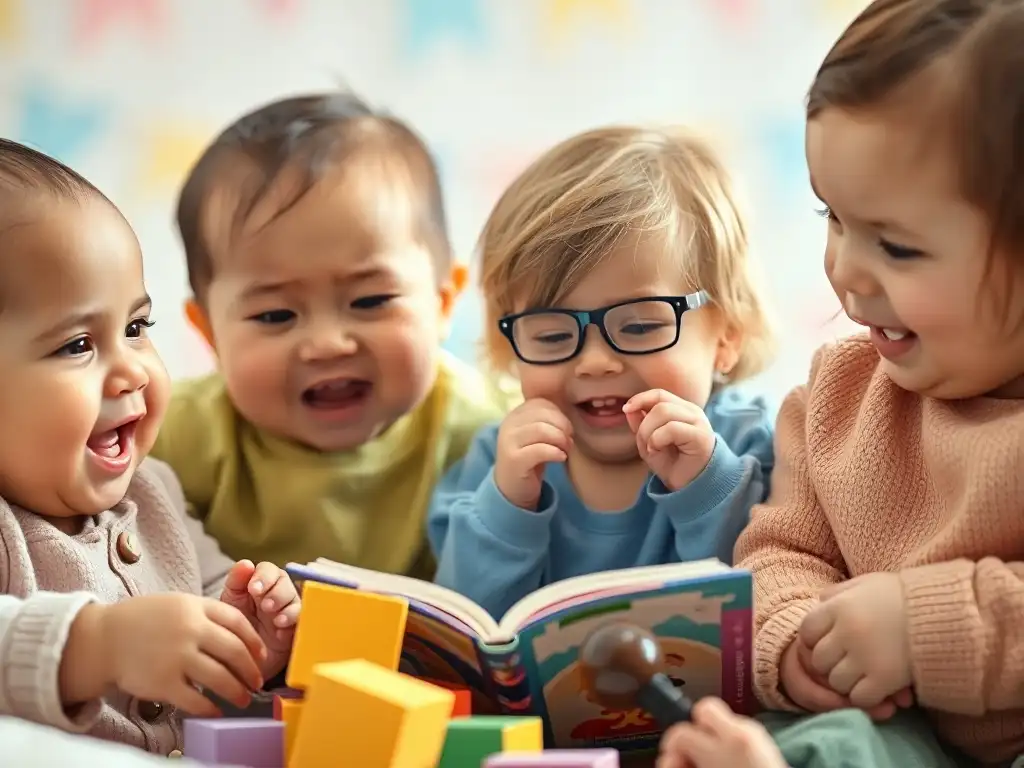
This section focuses on proactive steps parents can take to foster healthy speech development in their babies, even if no significant delays are currently observed. Early intervention is key, and these strategies can help build a strong foundation for communication skills. Remember, every baby develops at their own pace, but consistent effort in these areas significantly contributes to positive outcomes. This is crucial in preventing potential issues associated with baby speech delay red flags.
Creating a Stimulating Language Environment
A rich language environment is the cornerstone of healthy speech development. Babies learn language by hearing it, and the more exposure they have, the better. This isn't just about talking at your baby; it's about engaging them in a conversation, even if they can't respond verbally.
Consider these practical steps:
- Talk constantly: Narrate your daily activities. "Now I'm putting your socks on. These are blue socks! See?" Even seemingly mundane tasks become opportunities for language learning.
- Use simple, clear language: Avoid baby talk excessively. While it's natural to use affectionate tones, focus on clear pronunciation and grammatically correct sentences. This helps babies understand the structure of language.
- Respond to baby's cues: Even gurgles and coos are forms of communication. Respond to them with words and expressions, showing that you're listening and understanding.
- Label objects: Point to objects and name them clearly. "This is a ball. It's red and round." Repeat these labels frequently.
- Sing songs and rhymes: Nursery rhymes and songs are excellent for language development. They introduce rhythm, sounds, and repetition, all beneficial for speech acquisition. Consider incorporating songs with actions to enhance engagement.
Engaging in Interactive Play and Communication
Interactive play isn't just fun; it's a crucial component of language development. It provides opportunities for back-and-forth communication and encourages your baby to participate actively.
Here are some effective interactive play ideas:
- Turn-taking games: Simple games like peek-a-boo encourage turn-taking, a fundamental aspect of conversation.
- Cause-and-effect toys: Toys that respond to your baby's actions (e.g., stacking blocks, push-and-pull toys) help them understand the connection between their actions and the resulting sounds or movements. This fosters anticipation and communication.
- Imitation games: Imitate your baby's sounds and gestures, encouraging them to imitate you in return. This back-and-forth interaction strengthens communication skills.
- Storytelling with props: Use simple props to tell stories, enhancing engagement and vocabulary development. A stuffed animal and a toy car can be the characters in a short, imaginative adventure.
- Describing actions: As you play, narrate your actions and your baby's actions. "You're shaking the rattle! It makes a rattling sound!" This reinforces the connection between actions and words.
Reading Books and Singing Songs Together
Reading and singing are powerful tools for language development. They expose babies to a wide range of vocabulary, rhythm, and intonation. This is particularly important for identifying potential baby speech delay red flags early on.
Here's how to make the most of reading and singing time:
- Choose colorful, engaging books: Select books with bright pictures, simple text, and repetitive phrases.
- Use expressive voices: Vary your tone and pitch to make reading more exciting and engaging.
- Point to pictures and name them: Label the objects and characters in the book, reinforcing vocabulary.
- Ask questions: Engage your baby by asking simple questions about the story, encouraging interaction. Even if they can't answer verbally, their responses (pointing, babbling) are important.
- Sing songs frequently: Songs are memorable and help babies learn new words and sounds. Consider incorporating actions to make them even more engaging. Choose songs with clear pronunciation and repetitive phrases.
Remember, consistent effort in these areas is key to supporting your baby's speech development. Early intervention is crucial in addressing any potential concerns and ensuring your little one reaches their full communication potential. If you have any concerns about your baby's speech development, don't hesitate to seek professional guidance. Early detection of baby speech delay red flags is essential for timely intervention and positive outcomes.
Using Simple and Repetitive Language
Using simple and repetitive language is crucial in a baby's early language development. Babies thrive on predictability and repetition, which helps them learn to associate words with objects and actions. Instead of using complex sentences, focus on short, clear phrases. For instance, instead of saying "Let's go get your bottle of milk from the kitchen," try "Milk time!"
or "Get your bottle." Repeating these simple phrases consistently during daily routines, like bath time or diaper changes, helps your baby learn the association between the words and the actions. Think of it like building blocks – each repetition strengthens the connection in your baby's brain. Furthermore, using baby-directed speech (also known as "motherese" or "parentese"), which involves using a higher pitch, exaggerated intonation, and simple vocabulary, can be particularly effective.
This style of speech naturally captures a baby's attention and makes it easier for them to process the sounds and words. Remember to be patient and consistent; the goal is to create a positive and engaging language-learning environment. Consider incorporating songs and rhymes, as the repetitive nature of these further reinforces word learning. For example, repeatedly singing "Twinkle Twinkle Little Star" helps your baby familiarize themselves with the rhythm and sounds of the language, even before they understand the meaning of the words.
Encouraging Imitation and Turn-Taking
Imitation and turn-taking are fundamental steps in the development of communication skills. Babies learn language by observing and copying the speech of those around them. Actively encourage your baby to imitate sounds and words by making silly faces, repeating sounds they make, and modeling simple words. For example, if your baby babbles "ba," you could respond with "ba-ba-ba," encouraging them to continue the interaction.
This back-and-forth exchange is crucial for establishing turn-taking, a key element of conversation. Introduce simple games like peek-a-boo or pat-a-cake, which naturally incorporate turn-taking. These games provide opportunities for your baby to anticipate your actions and respond accordingly, further strengthening their understanding of communication as a reciprocal process. Reading books together is another excellent way to encourage imitation and turn-taking.
Point at pictures and name the objects, inviting your baby to repeat the words after you. You can even create simple narratives using gestures and sounds, paving the way for more complex communication in the future. The key is to make these interactions fun and engaging, transforming them into enjoyable play sessions rather than formal lessons. Remember to celebrate even the smallest attempts at imitation, fostering a positive and encouraging learning environment.
Positive Reinforcement and Encouragement
Positive reinforcement is incredibly powerful in supporting your baby's speech development. When your baby attempts to communicate, even if it's just a babble or a single word, respond enthusiastically and positively. Show your excitement by using encouraging phrases like "Good job! ", "That's right! ", or "I love hearing you talk!".
This positive feedback reinforces the behavior and encourages your baby to continue communicating. Avoid correcting your baby's pronunciation errors; instead, model the correct pronunciation naturally within the conversation. For example, if your baby says "nana" for "banana," you can respond with "Yes, that's a yummy banana!" Focusing on the meaning behind the communication is far more important than perfect pronunciation at this stage. Celebrate every milestone, no matter how small – the first word, the first sentence, even just the attempt to communicate.
This positive reinforcement creates a supportive and encouraging environment where your baby feels safe to experiment and develop their language skills. Remember that patience and consistency are key; your encouragement will pay off in the long run, boosting your baby's confidence and fostering a lifelong love of language. Consider using visual aids, like picture cards or flashcards, to link words with images, thereby strengthening comprehension and association. This multi-sensory approach can significantly enhance the learning process.
Addressing Concerns and Next Steps
This section focuses on what actions to take once you've identified potential baby speech delay red flags. Remember, early intervention is key. While patience is vital, proactive steps can significantly impact your child's language development. Don't hesitate to seek professional guidance; it's a sign of responsible parenting, not a reflection of your capabilities. Many resources are available to support you and your child on this journey.
The Importance of Patience and Persistence
Identifying potential speech delays can be emotionally challenging for parents. It's crucial to remember that every child develops at their own pace. While recognizing red flags is important, avoid comparing your child's progress to others. Focus on your child's individual journey. Consistent effort in engaging with your baby through interactive play, reading, and talking is paramount. Even small interactions contribute significantly to language development.
Remember, consistent efforts are key. This means dedicating time daily, even if it's just for short periods, to engage with your baby verbally. Simple activities like singing lullabies, reading picture books, and having conversations (even if your baby isn't responding verbally) are invaluable. These activities stimulate language acquisition and foster a positive association with communication. Think of it as a marathon, not a sprint; persistence will yield positive results. Celebrate small victories along the way – every babble, gesture, and attempt at communication deserves acknowledgment.
Long-Term Speech Therapy and Support
If a speech-language pathologist (SLP) diagnoses a speech delay, long-term support may be necessary. This isn't something to fear; it's a proactive step towards helping your child reach their full potential. Speech therapy can involve various techniques tailored to your child's specific needs. These may include articulation exercises, language stimulation activities, and strategies to improve communication skills.
The duration and intensity of therapy will vary depending on the severity of the delay and your child's response to treatment. Regular check-ups with the SLP are essential to monitor progress and adjust the therapy plan as needed. Remember, you are your child's strongest advocate. Don't hesitate to ask questions, express concerns, and actively participate in the therapy process. Many support groups and online communities exist for parents facing similar challenges, providing valuable peer support and resources. These networks can offer comfort, encouragement, and practical advice.
Monitoring Progress and Celebrating Milestones
Consistent monitoring is crucial to track your baby's language development, particularly if speech therapy is involved. This involves regular communication with the SLP and diligent observation at home. Keep a journal or log to document your child's progress, noting any new words, phrases, or communication skills acquired. This record will help you and the SLP to measure the effectiveness of the intervention strategies and make necessary adjustments.
Celebrating milestones, no matter how small, is vital. Acknowledge and praise your child's efforts, reinforcing positive communication behaviors. This positive reinforcement encourages continued progress and fosters a positive learning environment. Remember, every step forward, however tiny, is a victory worth celebrating. This positive reinforcement will create a supportive and encouraging atmosphere for your child, boosting their confidence and motivation. 🎉 The journey to language development is a marathon, not a sprint, and celebrating each milestone along the way is crucial for both you and your child.
Maintaining Open Communication with Healthcare Professionals
Maintaining open and honest communication with your pediatrician or other healthcare professionals is crucial when addressing potential speech delays. Don't hesitate to voice your concerns, even if they seem minor. Regular check-ups provide opportunities to discuss your baby's progress and ask questions. Remember, healthcare providers are there to support you and your child.
They can offer valuable insights and guidance based on their expertise and experience with child development. Documenting your observations, such as when your baby started babbling, the types of sounds they make, and any noticeable delays in language acquisition, can be incredibly helpful during these conversations. This detailed record allows for a more comprehensive assessment of your baby's development. Bring this record to each appointment to share with your healthcare provider.
It's also important to actively participate in the assessment process. Ask clarifying questions if you don't understand something, and don't be afraid to seek second opinions if you feel unsure about a diagnosis or treatment plan. Remember, you are your child's advocate, and your input is valuable. The more information you provide, the better equipped your healthcare provider will be to offer appropriate support and interventions.
This collaborative approach ensures that your baby receives the best possible care. Furthermore, consider keeping a journal to track your interactions with healthcare professionals. Note down the dates of appointments, the topics discussed, and any recommendations or next steps agreed upon. This will help you keep track of your baby's progress and ensure continuity of care.
Open communication extends beyond formal appointments. If you have any concerns between scheduled visits, don't hesitate to contact your pediatrician's office. Many offices offer phone consultations or email communication for non-urgent matters. Utilizing these resources can help alleviate anxieties and ensure prompt attention to any emerging issues.
Remember, early intervention is key when addressing potential speech delays, and proactive communication plays a vital role in achieving the best possible outcomes for your child. Early intervention services can provide valuable support and guidance, and open communication with your healthcare providers ensures that you can access these services promptly and efficiently. Don't underestimate the power of open communication in supporting your child's speech development journey.
Frequently Asked Questions
What are some early warning signs of a speech delay in babies?
A speech delay might be indicated if your baby isn't babbling by 8 months, isn't using single words by 12 months, or isn't using two-word phrases by 18 months. Consult your pediatrician if you have concerns.
My baby understands me but doesn't talk much. Is this a speech delay?
While comprehension is important, a delay is still possible even if your baby understands you. A significant gap between understanding and speaking could warrant a professional evaluation.
At what age should I be worried about my baby's speech development?
While development varies, consult your pediatrician if your baby shows no signs of babbling by 12 months or isn't using single words by 18 months. Early intervention is key.
What kind of specialist should I see if I suspect a speech delay?
A speech-language pathologist (SLP) is the best professional to assess your baby's speech development and recommend appropriate interventions. Your pediatrician can provide a referral.
Are there any home activities I can do to encourage speech development?
Yes! Reading regularly, singing songs, talking frequently, and engaging in interactive play can all help stimulate language development. Make it fun!
Final Reflection: The Unspoken Urgency of Early Intervention
Recognizing the subtle signs of a speech delay in your baby is not merely about ticking boxes on a checklist; it's about safeguarding their future potential. Early intervention is crucial, and the window of opportunity for significant progress is surprisingly short. The earlier you act, the greater the impact on your child's development and overall well-being.
The journey of understanding and addressing speech delays is deeply personal, a testament to the unwavering love and dedication parents have for their children. It's a journey filled with both anxieties and triumphs. The emotional toll can be significant, but the rewards of early intervention are immeasurable. The most important thing is to try and inspire people so that they can be great in whatever they do.
- Kobe Bryant. This quote, while seemingly unrelated at first glance, speaks to the power of early support in nurturing a child's potential, whatever that may be.
Now, consider your own child, or a child you know. Reflect on the sounds they make, the words they use, and the way they communicate. Don't hesitate to seek professional guidance if you have any concerns, no matter how small they may seem. Your vigilance and proactive approach could be the key to unlocking your child's full communicative potential and setting them on a path to a brighter future. Remember, early intervention is not just about fixing a problem; it's about empowering your child to thrive.
Uncover Your Baby's Communication Potential
Thank you for learning about recognizing speech delays in babies. We hope this article provided valuable insights into your child's development. Let's discuss the next steps.
- Schedule a check-up with your pediatrician: Early intervention is crucial for your baby's development. A pediatrician can provide a proper assessment and recommend support if needed. Don't hesitate to schedule an appointment.
- Keep a communication journal: Record your baby's milestones, sounds, and responses to help you and your doctor monitor progress. This journal will also become a treasured keepsake.
- Share this information with other parents: Help spread awareness about speech delays and encourage early intervention. Let's build a supportive community for families.
Ready to support your baby's communication journey? What steps will you take today?