
The Impact of Environment on Baby's Communication Skills

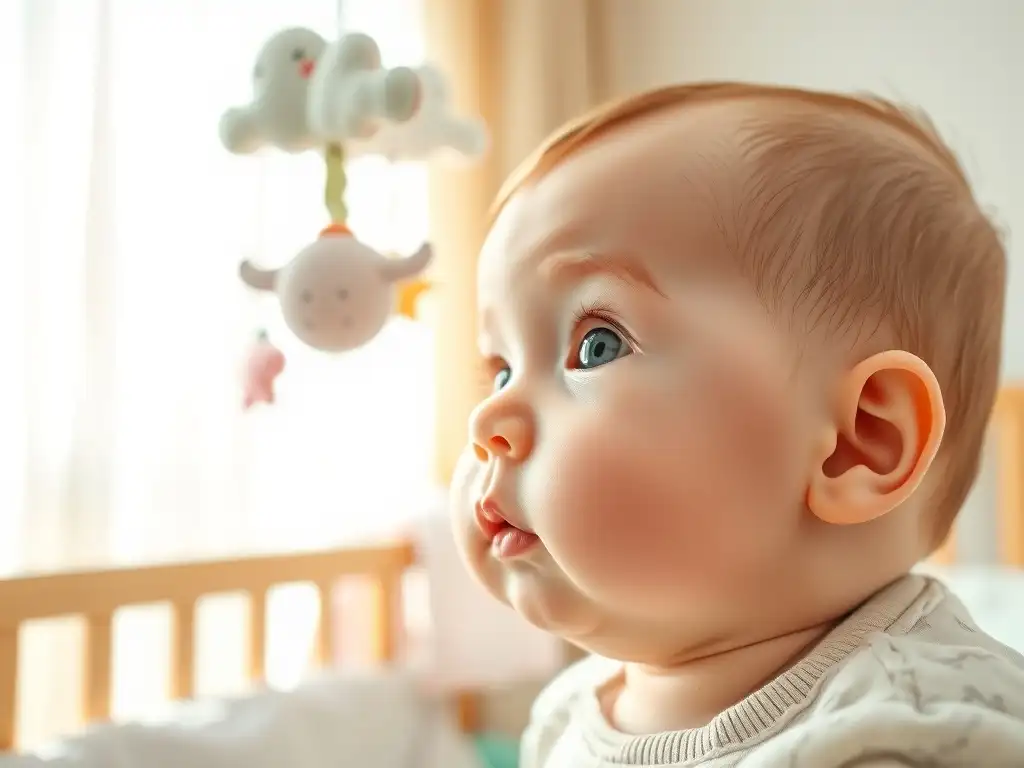
Welcome to BabyCareHub, your ultimate guide to navigating the incredible journey of parenthood! Are you ready to unlock the secrets to fostering your little one's potential? We delve into the fascinating world of baby environment communication development, exploring how the world around your newborn directly impacts their ability to communicate and thrive. Discover how creating a stimulating and supportive environment can significantly influence your baby's developmental milestones. Dive in and learn how to nurture your child's communication skills from the very beginning!
- Understanding the Early Stages of Baby Communication Development
- How a Stimulating Environment Fosters Baby's Communication
- Negative Environmental Impacts on Communication Skills
- Creating a Supportive Communication Environment at Home
- Recognizing Potential Communication Delays
-
Frequently Asked Questions
- How does the home environment affect my baby's communication development?
- What are some simple ways to create a communication-rich environment for my baby?
- At what age should I start focusing on communication development with my baby?
- My baby isn't talking yet, should I be concerned?
- What role does playtime play in my baby's communication development?
- Final Reflection: Nurturing Communication: A Seed Planted in Early Environments
- Unlock Your Baby's Communication Potential
Understanding the Early Stages of Baby Communication Development
The journey of raising a child is filled with incredible moments of growth and discovery, and understanding your baby's communication is a cornerstone of this journey. This article delves into the crucial impact of a baby's environment on their communication skills, a topic vital for first-time parents navigating the exciting world of early childhood development. We'll explore how the environment nurtures the development of pre-linguistic communication, the importance of recognizing nonverbal cues, and the profound role of sensory stimulation in shaping your baby's language acquisition.
This understanding will empower you to create a supportive and enriching environment that fosters healthy communication skills from the very beginning, supporting the key developmental milestone of language acquisition. Successfully navigating this stage lays a strong foundation for your child's future social, emotional, and cognitive development. This is a critical aspect of "Baby environment communication development," helping your little one thrive.
Pre-linguistic Communication: The Foundation for Language
Before your baby can utter their first words, they are actively communicating in various ways. This pre-linguistic stage is a crucial period where the groundwork for language is laid. Babies communicate through sounds, facial expressions, gestures, and body language. Think of the gurgles, coos, and babbles – these seemingly random noises are actually early attempts at communication, testing vocal cords and exploring the sounds of language.
These early vocalizations are not just random; they are crucial practice for future speech development. The environment plays a vital role in enriching this pre-linguistic phase. Responsive caregivers who engage with these early attempts at communication, by talking back, making eye contact, and imitating sounds, significantly boost a baby's communicative development.
For example, a parent responding to a baby's coo with a smile and a playful "Goo goo ga ga" is actively participating in this pre-linguistic dialogue, fostering a positive feedback loop that encourages further vocal exploration. Conversely, an environment lacking in verbal interaction can hinder this crucial development. The frequency and quality of interactions directly impact the speed and sophistication of pre-linguistic communication. This early interaction is the cornerstone of building a strong foundation for future language development and overall communication skills.
Nonverbal Cues: Recognizing Your Baby's Early Signals
Babies communicate long before they can speak, relying heavily on nonverbal cues to express their needs and emotions. Recognizing these signals is key to understanding your baby's world and responding appropriately. These cues can range from subtle shifts in facial expression (a furrowed brow indicating discomfort) to more overt actions like crying, reaching, or pointing. Understanding these cues is a crucial aspect of responsive parenting.
The environment can either enhance or hinder the parent's ability to interpret these cues. A calm and predictable environment can help parents better tune into their baby's subtle signals. Conversely, a chaotic or stressful environment can make it more difficult to recognize and respond to these important nonverbal cues.
Consider this: a baby crying might indicate hunger, discomfort, or simply a need for closeness. A parent in a quiet, calm space is more likely to accurately assess the cause of the cry, whereas a parent in a noisy, busy environment might misinterpret the cue, leading to delayed or inappropriate responses. Learning to interpret these nonverbal cues is a skill that develops with practice and experience, but a supportive environment plays a significant role in supporting this learning process. Moreover, understanding these cues promotes a stronger parent-child bond, built on mutual understanding and responsiveness.
The Role of Sensory Stimulation in Early Language Acquisition
Sensory stimulation plays a pivotal role in a baby's language development. The more sensory experiences a baby has, the richer their understanding of the world becomes, which directly translates into enhanced communication skills. Exposure to sights, sounds, smells, tastes, and textures all contribute to the development of their language comprehension and expression. A stimulating environment is designed to engage all five senses. Think of singing songs, reading books, playing with textured toys, and exploring different environments. These activities not only entertain but also actively contribute to brain development and language acquisition.
For instance, a baby exposed to a variety of sounds – music, speech, environmental noises – will develop a broader auditory vocabulary, leading to better speech comprehension. Similarly, visually stimulating experiences, like looking at colorful books or observing different faces, enhance visual processing and language comprehension. A lack of sensory stimulation, on the other hand, can lead to delays in language development. Therefore, creating a rich and stimulating environment is crucial for optimizing your baby's communication development, impacting their future interactions positively. This stimulation is critical for the healthy development of language abilities and overall cognitive growth. 👶
How a Stimulating Environment Fosters Baby's Communication
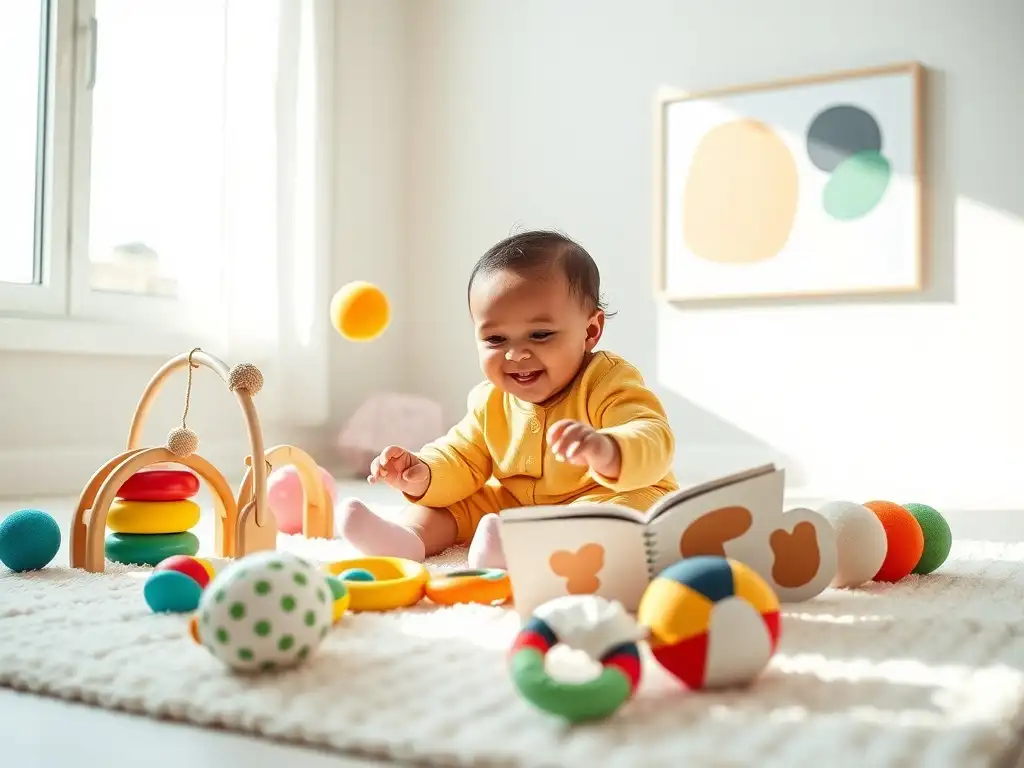
A baby's environment plays a crucial role in their communication development. From the moment they are born, babies are absorbing information from their surroundings, learning to interpret sounds, sights, and sensations. A rich and stimulating environment directly impacts their ability to understand and express themselves, significantly influencing their overall communication skills.
This isn't just about fancy toys; it's about creating a space that actively encourages interaction, exploration, and learning. The quality of this environment directly contributes to the speed and effectiveness of baby environment communication development. Studies consistently show a strong correlation between enriched environments and accelerated language acquisition.
For example, research published in the Journal of Child Psychology and Psychiatry demonstrated that children raised in homes with diverse sensory experiences showed significantly advanced vocabulary skills by age two compared to those in less stimulating environments. This positive influence extends far beyond just language development, encompassing social-emotional skills and cognitive growth. The earlier parents begin to focus on creating a stimulating environment, the more significant the long-term effects on their child's communicative abilities.
Creating a Rich Sensory Environment for Your Baby
Creating a stimulating environment for your baby doesn't require elaborate setups or expensive toys. The key is to focus on providing a variety of sensory experiences that engage your baby's senses: sight, sound, touch, taste, and smell. Think about incorporating the following:
- Visual Stimulation: Hanging mobiles with contrasting colors and patterns, colorful books with simple images, and brightly colored toys can capture your baby's attention and stimulate their visual development. Remember to rotate toys regularly to keep things fresh and exciting! This constant exposure to new visual stimuli helps them develop pattern recognition and object permanence, both crucial for later communication.
- Auditory Stimulation: Singing lullabies, reading aloud, playing soft music, and engaging in conversations all contribute to your baby's auditory development. The varied tones and rhythms help them differentiate sounds and understand the nuances of language. Even simple household sounds, like the ticking of a clock or the rustling of leaves, can be fascinating for a baby.
- Tactile Stimulation: Providing a variety of textures through soft blankets, textured toys, and different fabrics encourages tactile exploration. This helps them understand the world through touch and develop fine motor skills, which are essential for tasks like pointing and grasping objects – vital components of communication.
- Taste and Smell: Introducing a variety of safe and age-appropriate tastes and smells, such as different fruits and vegetables (pureed, of course! ), can broaden their sensory experiences. This exploration of different tastes and smells aids in the development of their sensory integration skills.
Remember, safety is paramount! Always supervise your baby during playtime and ensure all toys and materials are age-appropriate and non-toxic. The goal is to create a safe and engaging environment that nurtures your baby's natural curiosity.
Engaging with Your Baby Through Play and Interaction
Play is not merely entertainment; it's a crucial component of baby environment communication development. Interactive play provides opportunities for your baby to learn and communicate. Simple games like peek-a-boo, patty-cake, and making faces encourage turn-taking and social interaction, foundational skills for communication. Here are some examples:
- Responsive Play: Follow your baby's lead. If they are interested in a particular toy, engage with them using that toy. If they are babbling, respond with words and sounds, mirroring their vocalizations. This responsive interaction shows them that their actions and sounds have meaning and elicit a response.
- Turn-Taking Games: Games that involve back-and-forth interactions, such as rolling a ball back and forth or singing songs with repetitive phrases, teach your baby the importance of turn-taking in communication. This establishes the foundation for future conversations.
- Reading Together: Reading aloud, even to a very young baby, is a powerful way to stimulate language development. Point to pictures, name objects, and describe the story, making it an interactive experience. This early exposure to language is vital for vocabulary building and comprehension.
Remember to make playtime fun and engaging. Your enthusiasm and positive interaction will significantly influence your baby's enjoyment and learning.
The Importance of Responsive Caregiving in Language Development
Responsive caregiving is the cornerstone of effective baby environment communication development. It's about being attentive to your baby's cues, responding promptly and appropriately to their needs, and providing a secure and loving environment. This responsive interaction teaches your baby that their communication attempts are valued and understood.
Here’s how responsive caregiving impacts language development:
- Prompt Responses: Responding quickly to your baby's cries, coos, and gestures teaches them that their communication is effective. This establishes a sense of security and encourages further communication attempts.
- Positive Reinforcement: Praising and encouraging your baby's communication efforts, even if it’s just a gurgle or a simple sound, reinforces positive behavior and motivates them to communicate more.
- Meaningful Interactions: Engaging in meaningful conversations with your baby, even if they are not yet speaking, helps them understand the rhythm and flow of language. Narrate your actions, describe what you are doing, and use simple words and phrases.
- Emotional Connection: A strong emotional bond between parent and child creates a secure base for communication. When a baby feels safe and loved, they are more likely to explore their environment and communicate their needs and feelings.
Responsive caregiving is not just about meeting your baby's physical needs; it's about fostering a strong emotional connection and creating a supportive environment for their communication development. The consistent nurturing and interaction provide the foundation for their future language skills and overall communicative abilities. This consistent, loving interaction significantly impacts the trajectory of their baby environment communication development.
Reading to Your Baby: A Powerful Tool for Communication Development
Reading aloud to your baby, even from birth, is a profoundly impactful way to stimulate language development and foster communication skills. The rhythmic sounds of your voice, the varied tones and inflections, and the engaging stories all contribute to a rich auditory experience that lays the foundation for language acquisition. This isn't merely about passively listening; it's an active engagement that strengthens the parent-child bond and stimulates the baby's brain. Studies have shown a strong correlation between early exposure to reading and improved vocabulary, reading comprehension, and overall cognitive development later in life. 1
Beyond the linguistic benefits, reading to your baby introduces them to a world of imagination and creativity. The colorful pictures in board books capture their attention, sparking curiosity and encouraging them to point, babble, and interact with the story. This active participation is crucial for language development, as it helps them connect words with objects and actions.
Even newborns benefit from this interaction; the sound of your voice, the gentle touch as you hold the book, and the close physical contact create a secure and loving environment that fosters emotional development alongside cognitive growth. Remember to choose books with vibrant illustrations, simple vocabulary, and repetitive phrases – these are particularly engaging for babies.
The benefits extend beyond the immediate reading session. The stories you share become a part of your baby's daily routine, creating a sense of comfort and predictability. This consistency is vital for a baby's emotional well-being, and it further reinforces the bond between parent and child.
This strong bond is, in itself, a crucial element in the development of communication skills, as it provides a secure base from which the baby can explore their world and interact with others. The act of reading together also provides opportunities for interactive play, further enhancing communication skills. For example, after reading about animals, you can encourage your baby to make animal sounds, thus expanding their vocabulary and encouraging vocalization.
Consider incorporating different types of books into your reading routine. Board books are ideal for little hands, while cloth books are soft and safe for teething babies. Interactive books with textures or sounds can add another layer of engagement. Remember, it's not just about the words; it’s about the shared experience and the connection you build with your baby.
The more you read to your baby, the more you are investing in their future communication abilities and overall development. Making reading a fun, regular part of your daily routine will reap significant rewards in the long run. Even just 10-15 minutes a day can make a substantial difference.
1 [Specific study and citation needed]
Negative Environmental Impacts on Communication Skills
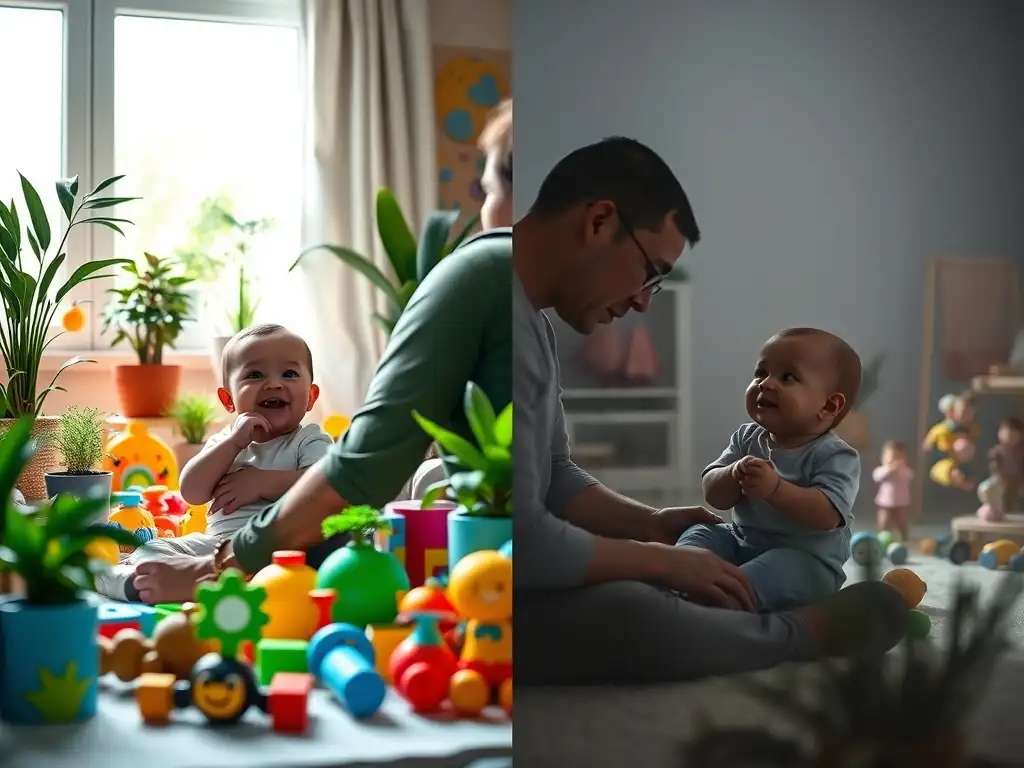
The development of a baby's communication skills is profoundly influenced by their environment. While nurturing and stimulating surroundings foster healthy language acquisition, negative environmental factors can significantly hinder this crucial developmental process. This section explores several key detrimental environmental impacts on a baby's ability to communicate effectively, focusing on the effects of noise pollution, stressful environments, and a lack of appropriate stimulation.
Understanding these factors is crucial for parents and caregivers to create an optimal environment for their baby's communication development. This knowledge empowers parents to proactively mitigate potential negative influences and promote healthy language acquisition, contributing to the overall well-being and development of their child. Optimizing a baby's environment for communication development is a key aspect of nurturing their overall development and future success.
The Effects of Noise Pollution on Infant Hearing and Speech
Prolonged exposure to excessive noise can negatively impact a baby's hearing and, consequently, their speech development. Noise pollution, whether from traffic, loud appliances, or even consistently loud household conversations, can lead to temporary or permanent hearing loss. This can manifest in various ways, from difficulty distinguishing subtle sounds to a complete inability to hear certain frequencies.
Studies have shown a correlation between noise exposure during infancy and delayed language acquisition. Babies rely on hearing to process the nuances of speech, and impaired hearing can disrupt this crucial process. For example, a baby exposed to constant loud noises might struggle to differentiate between similar-sounding words like "bat" and "cat," leading to slower vocabulary development and potentially speech impediments.
Furthermore, constant loud noise can lead to stress and sleep disturbances, both of which can negatively impact brain development and, consequently, language acquisition. A well-rested baby is better equipped to learn and process information, including language. Creating a calm and quiet environment, particularly during sleep and periods of learning, is essential for minimizing the negative impact of noise pollution on a baby's communication development. Parents should be mindful of the noise levels in their homes and actively work to reduce excessive noise exposure.
The Impact of Stressful Environments on Baby's Development
A stressful environment can significantly impede a baby's communication development. Stress, whether stemming from parental conflict, financial instability, or chaotic household dynamics, can disrupt the delicate balance of hormones responsible for brain development. High levels of cortisol, the stress hormone, can interfere with the formation of neural connections crucial for language acquisition. Babies in stressful environments may exhibit delays in language milestones, reduced vocabulary, and difficulties with expressive language. They may also display behavioral issues like increased irritability and difficulty focusing, further hindering their ability to learn and engage in communicative interactions.
The impact of a stressful environment is not just limited to direct exposure to conflict or chaos. Even subtle cues of parental stress, such as changes in tone or body language, can be perceived by the baby and contribute to their overall stress levels. This highlights the importance of parental well-being in creating a supportive environment for a baby's development.
Creating a calm and predictable routine, prioritizing self-care for parents, and seeking support when needed are crucial steps in mitigating the negative impact of stress on a baby's communication skills. A secure and loving environment is essential for optimal brain development and healthy language acquisition.
Lack of Stimulation and its Effect on Language Acquisition
A lack of appropriate stimulation is another crucial factor impacting communication development. Babies learn language through interaction and exposure to diverse auditory and visual stimuli. An environment devoid of stimulating activities, conversations, and exposure to language can lead to significant delays in language acquisition. This lack of stimulation can manifest in several ways: limited vocabulary, difficulties with comprehension, and reduced ability to engage in meaningful conversations.
Consider the following scenario: a baby spending most of their day in a crib or playpen with minimal interaction. Compared to a baby engaged in interactive play, singing, reading, and storytelling, this baby will likely have a significantly smaller vocabulary and slower language development. The absence of verbal and nonverbal communication leaves them with fewer opportunities to learn and practice essential communication skills.
Regular interaction with caregivers, engaging in activities that encourage language development like singing songs and reading books, and providing a stimulating environment are all crucial for healthy communication growth. This active engagement fosters the development of language skills, allowing the baby to acquire vocabulary, understand grammar, and express themselves effectively. A rich and stimulating environment is vital for optimizing a baby's potential for communication development.
Creating a Supportive Communication Environment at Home
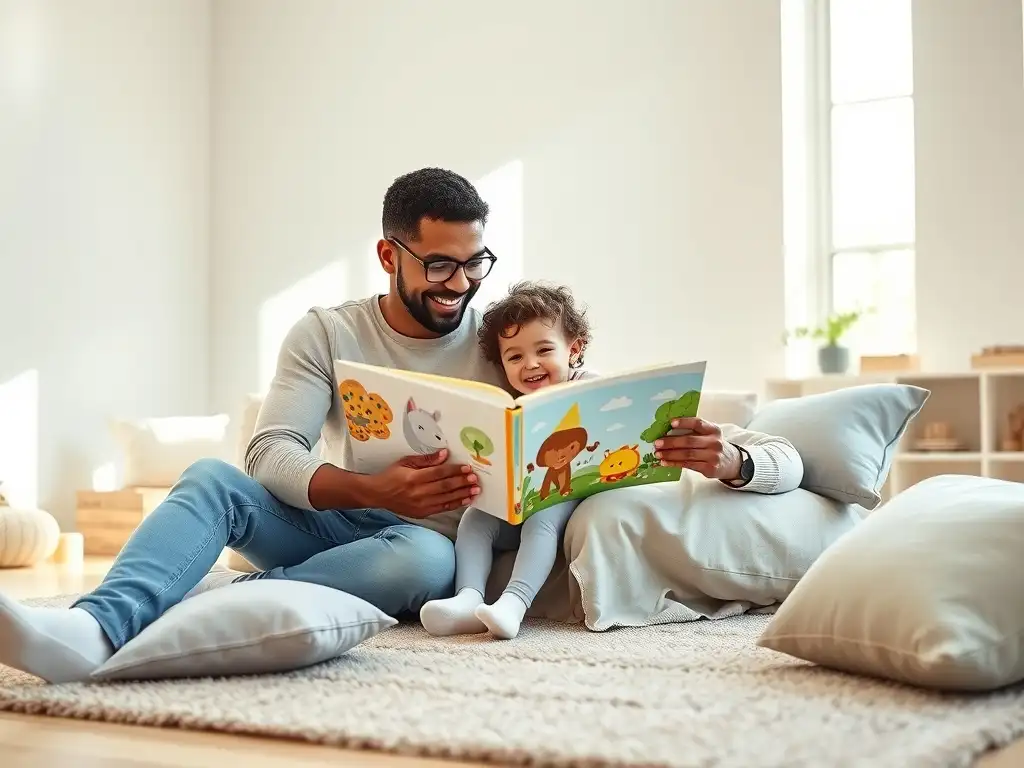
Creating a nurturing home environment significantly impacts a baby's communication development. This isn't just about having colorful toys; it's about building a space that stimulates all senses and encourages interaction. From the moment your baby is born, their environment plays a crucial role in shaping their ability to understand and express themselves. Think of it as laying the foundation for future language acquisition and social skills. The right environment fosters a sense of security and trust, allowing your little one to explore, experiment, and communicate freely, contributing to positive baby environment communication development.
Designing a Safe and Engaging Play Space
A baby's play area should be more than just a safe space; it should be a stimulating environment designed to encourage exploration and communication. Think about textures – soft blankets, crinkly toys, and smooth wooden blocks. Introduce a variety of sounds – rattles, musical toys, and even the gentle sounds of nature. Visual stimulation is also key; consider mobiles with contrasting colors and patterns, or brightly colored books with simple images.
Remember safety is paramount. Ensure all toys are age-appropriate and free from small parts that could pose a choking hazard. A safe and engaging play space isn't just about preventing accidents; it actively promotes baby environment communication development by providing opportunities for exploration and interaction. For instance, a play mat with different textures encourages tactile exploration, leading to increased vocalizations and nonverbal communication as your baby tries to communicate their sensory experiences.
Incorporating Daily Routines to Promote Communication
Establishing consistent daily routines provides a sense of predictability and security for your baby, which is essential for their overall development, including communication. Predictable routines, like bath time, feeding time, and bedtime, create a framework for communication. Your baby learns to anticipate these events and associate them with specific actions and sounds, helping them understand cause and effect. These routines also offer opportunities for interaction and communication.
During bath time, for example, you can talk to your baby about what you're doing, describing the temperature of the water or the feeling of the soap. This consistent exposure to language and interaction significantly contributes to their baby environment communication development. Furthermore, incorporating simple songs or rhymes into your daily routine can further enhance language development and provide a joyful, interactive experience.
The Importance of Positive Parental Interaction and Modeling
Perhaps the most impactful element in fostering a baby's communication skills is positive parental interaction and modeling. Babies learn by observing and imitating; your verbal and nonverbal communication sets the stage for their own development. Talking, singing, and reading to your baby from a young age exposes them to language patterns and vocabulary.
Narrating your daily actions, describing what you see, and responding to your baby's cues are all crucial aspects of this process. Even simple interactions, like making eye contact, smiling, and responding to their gurgles and coos, are vital for building a strong communication bond. This constant interaction and modeling not only improves their language skills but also strengthens your relationship, creating a secure and loving environment that is essential for their overall well-being and contributes greatly to positive baby environment communication development.
Remember, consistent, loving interaction is arguably the most effective tool in promoting healthy communication development in your baby. The more you talk, sing, and engage with your baby, the richer and more stimulating their environment becomes, leading to enhanced communication skills.
Recognizing Potential Communication Delays
Understanding a baby's communication development is crucial for early intervention. While every baby develops at their own pace, recognizing potential delays is key to ensuring they receive the support they need to thrive. This section focuses on identifying early warning signs and understanding when professional help might be necessary. The earlier communication challenges are addressed, the better the outcome for the child's future language and social skills. This is vital for fostering a positive and enriching baby environment communication development.
Early Warning Signs of Communication Difficulties in Infants
Several indicators can signal potential communication delays in infants. These aren't necessarily cause for immediate alarm, but warrant observation and potentially a discussion with your pediatrician. Some key signs include:
- Limited or absent babbling by 8 months: Most babies begin babbling around 6 months, experimenting with sounds and mimicking adult speech. A lack of babbling beyond 8 months might warrant attention.
- Lack of response to name by 12 months: A baby who doesn't turn their head or show recognition when their name is called by 12 months could indicate a potential delay.
- Absence of pointing or gesturing by 12 months: Pointing and gesturing are important pre-linguistic communication skills. Their absence might signal a need for further assessment.
- Difficulty understanding simple instructions by 18 months: A baby who doesn't seem to comprehend basic commands like "give me the ball" or "come here" by 18 months should be evaluated.
- Limited vocabulary at 2 years: While vocabulary development varies, a significantly limited vocabulary compared to peers at 2 years old could be a sign of a communication delay. This includes a lack of attempts at using words to communicate needs or wants.
It's important to remember that these are just potential warning signs. Many factors influence a baby's developmental timeline. However, consistent observation and early intervention are crucial for optimal baby environment communication development. A nurturing and stimulating environment plays a significant role in language acquisition.
Seeking Professional Help: When to Consult a Specialist
When should you seek professional help for your baby's communication development? While some variations are normal, persistent concerns warrant a consultation with a specialist, such as a speech-language pathologist or developmental pediatrician. Consider seeking professional help if:
- You notice several of the early warning signs outlined above.
- Your concerns about your baby's communication abilities persist despite providing a stimulating environment.
- Your pediatrician shares your concerns after a routine check-up.
- Your baby shows significant delays in other developmental areas, such as motor skills or social interaction.
Early intervention is key. The sooner potential challenges are identified and addressed, the better the chances of successful intervention and improved communication outcomes. Remember, seeking professional help is not a sign of failure as a parent, but rather a proactive step toward ensuring your child's best possible development. A comprehensive assessment by a specialist can provide a tailored plan to support your baby's baby environment communication development.
Intervention Strategies for Supporting Communication Development
Intervention strategies for supporting communication development vary depending on the individual needs of the child. However, several general approaches can be highly beneficial:
- Creating a Stimulating Environment: A rich environment filled with opportunities for language exposure is crucial. This includes talking to your baby frequently, reading aloud, singing songs, and engaging in interactive play.
- Using Sign Language: Teaching your baby sign language can significantly enhance communication before they can speak. Many babies learn signs before verbal language, and this can bridge the gap and reduce frustration.
- Speech Therapy: A speech-language pathologist can provide tailored therapy sessions to address specific communication challenges. These sessions often involve play-based activities designed to improve articulation, language comprehension, and expressive language skills.
- Parent Training and Education: Parents play a crucial role in their baby's communication development. Professionals can offer guidance and support on how to best interact with and stimulate your baby's language skills at home. This can include strategies for engaging your baby in conversation, expanding their vocabulary, and fostering a positive communication environment.
Remember that consistency and patience are key. Communication development is a gradual process, and progress may not always be linear. Celebrate small milestones and focus on creating a loving and supportive environment that fosters your baby's language growth. The ultimate goal is to facilitate optimal baby environment communication development and equip your baby with the communication skills they need to thrive.
Frequently Asked Questions
How does the home environment affect my baby's communication development?
A stimulating home environment rich in verbal interaction, visual stimulation, and opportunities for exploration significantly impacts your baby's communication skills. Talking, singing, and reading to your baby are crucial.
What are some simple ways to create a communication-rich environment for my baby?
Engage in interactive playtime, respond to your baby's cues, and use simple, clear language. Narrate your daily activities, and provide age-appropriate toys that encourage exploration and interaction.
At what age should I start focusing on communication development with my baby?
You can begin from birth! Even newborns respond to your voice and touch. Early interaction lays the foundation for future communication skills; consistent interaction is key.
My baby isn't talking yet, should I be concerned?
Every baby develops at their own pace. However, if you have concerns about your baby's communication development, consult your pediatrician. Early intervention is beneficial.
What role does playtime play in my baby's communication development?
Playtime is essential! It provides opportunities for social interaction, language development, and cognitive growth. Choose toys that encourage interaction and communication.
Final Reflection: Nurturing Communication: A Seed Planted in Early Environments
The environment a baby inhabits is not merely a backdrop to their development; it is the very soil in which their communication skills take root and flourish. The impact of this early environment is profound and far-reaching, shaping not only their linguistic abilities but also their social-emotional intelligence and overall cognitive development. Ignoring this crucial connection is akin to neglecting the foundation upon which a strong building must stand.
The subtle cues, the rich interactions, and the consistent stimulation provided by a nurturing environment are the building blocks of a child's communicative journey. These early experiences lay the groundwork for future success in all aspects of life, from academic achievement to interpersonal relationships. As the renowned child psychologist, Dr. Maria Montessori, wisely observed: The greatest sign of success for a teacher is to be able to say, 'The children are now working as if I did not exist.'
This speaks volumes about the power of creating an environment that fosters independent learning and communication, allowing the child to lead their own developmental path.
Consider the impact of your own environment on your communication skills. What elements contributed to your development? What could have been improved? Now, reflect on the environments you create for the young children in your life. Are you consciously cultivating a space that nurtures their communicative potential? Make a conscious effort to enrich their surroundings with stimulating activities, engaging interactions, and a consistent flow of loving communication. Remember, you are planting the seeds for a future filled with meaningful connections and successful expression; nurture them well.
Unlock Your Baby's Communication Potential
Thank you for learning about the significant impact of environment on your baby's communication development! You've gained valuable insights into fostering a supportive environment for their language learning. Now, let's put this knowledge into practice.
- Dedicate time to communication: Even 15 minutes a day of interactive play and conversation can significantly benefit your baby's development. Think silly songs, colorful books, and plenty of eye contact!
- Share this information: Help other parents understand the importance of environmental enrichment by sharing this article with friends and family on social media.
- Explore additional resources: Discover more articles and guides on baby development and communication in our comprehensive library. Find practical tips and activities to further enhance your baby's language skills.
What fun communication activities will you share with your little one today?