
Object Permanence and Fine Motor Skills: The Unexpected Connection

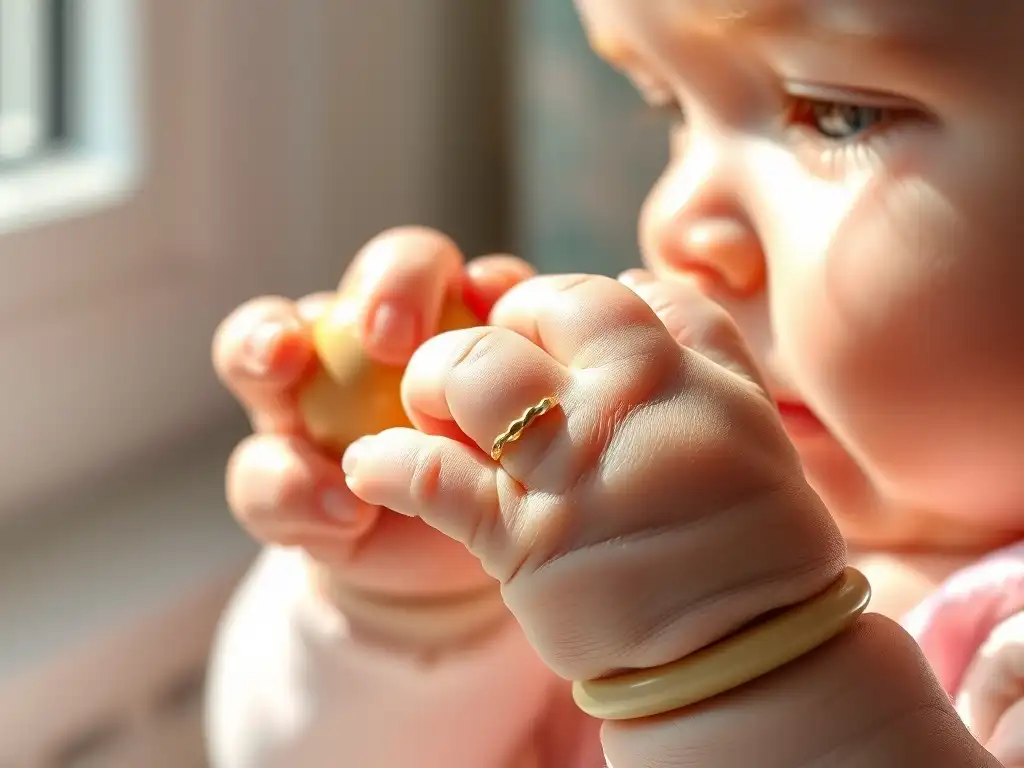
Welcome to BabyCareHub, your ultimate guide to navigating the incredible journey of parenthood! Are you ready to unlock the secrets to your little one's growth and development? We delve into the fascinating world of baby fine motor skill development, exploring the surprising link between object permanence and those precious milestones. Discover how understanding this connection can help you nurture your baby's abilities and unlock their full potential. Let's embark on this enriching adventure together!
- Understanding Object Permanence in Infants
- The Link Between Object Permanence and Fine Motor Skill Development
- Activities to Boost Object Permanence and Fine Motor Skills
- Enhancing Baby's Fine Motor Skill Development Through Play
- Recognizing Potential Delays in Fine Motor Skill Development
- Supporting Your Baby's Overall Development
-
Frequently Asked Questions
- What is object permanence, and why is it important for my baby's development?
- How do I encourage object permanence in my baby?
- What are some fine motor skills activities I can do with my baby?
- At what age should I expect my baby to start showing signs of developing fine motor skills?
- How can I tell if my baby's fine motor skill development is on track?
- Final Reflection: The Enduring Power of Little Hands
- Unlock Your Baby's Potential: Nurture Development Today!
Understanding Object Permanence in Infants
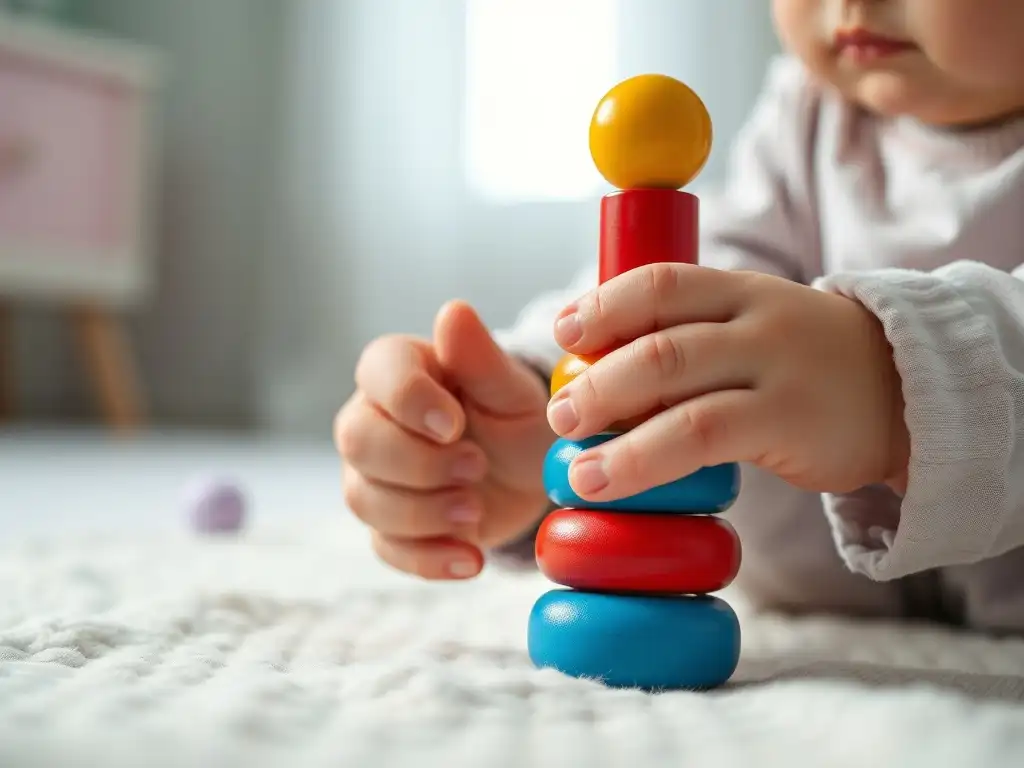
Understanding your baby's development is a journey filled with exciting milestones. This article delves into the fascinating connection between object permanence – a crucial cognitive leap – and the development of fine motor skills in your little one. We'll explore what object permanence is, the stages involved in its development, and how recognizing these stages can help you support your baby's burgeoning fine motor abilities. This is vital information for first-time parents navigating the exciting world of baby development, helping you understand and nurture your child's growth.
By understanding these interconnected developmental aspects, you can better support your baby's overall progress and create enriching experiences that foster their cognitive and physical development. This knowledge empowers you to engage meaningfully with your baby, providing activities that stimulate both their cognitive understanding and their dexterity. Learning about these milestones allows you to celebrate each step of your baby's amazing journey.
What is Object Permanence?
Object permanence is the understanding that objects continue to exist even when they cannot be seen, heard, or touched. It's a fundamental cognitive skill that develops gradually during infancy. Before developing object permanence, babies believe that an object ceases to exist the moment it disappears from their sight. Imagine playing peek-a-boo – initially, your baby is delighted by your reappearance because they genuinely believe you vanished!
As object permanence develops, they understand that you're still there, even when covered by a blanket. This seemingly simple understanding is a huge cognitive leap, paving the way for more complex thinking and learning. The development of object permanence isn't just about understanding that things exist when out of sight; it's a cornerstone for many other developmental achievements.
This understanding is crucial for a baby's overall cognitive development. It forms the basis for symbolic thought, allowing babies to begin to understand that words and symbols can represent things that aren't physically present. This is a critical step in language acquisition and problem-solving skills.
Developmental Stages of Object Permanence
The development of object permanence isn't a sudden switch; it happens gradually over several stages. Piaget's theory of cognitive development outlines these stages beautifully. While individual babies develop at their own pace, understanding these general stages can help you gauge your baby's progress.
- Stage 1 (Birth to 4 months): Babies show no interest in objects once they disappear from sight. They haven't grasped the concept of continued existence.
- Stage 2 (4 to 8 months): Babies begin to show some interest in finding partially hidden objects. If you partially cover a toy, they might try to uncover it, but they often lose interest if it's completely hidden.
- Stage 3 (8 to 12 months): This is a significant stage! Babies actively search for completely hidden objects, but they often make the A-not-B error. This means if an object is hidden in location A repeatedly, then moved to location B while the baby watches, they'll still search for it in location A.
- Stage 4 (12 months and beyond): Babies can successfully find hidden objects, even after multiple changes of location. The A-not-B error is overcome, demonstrating a more complete understanding of object permanence.
Signs Your Baby is Developing Object Permanence
Recognizing the signs of developing object permanence can be incredibly rewarding. Here are some key indicators to look out for:
- Reaching for hidden objects: Does your baby reach for a toy that's been tucked under a blanket? This is a strong sign!
- Looking for dropped objects: If your baby drops a toy, do they look for it? This indicates they're beginning to understand that the toy still exists.
- Playing peek-a-boo with enthusiasm: While initially a game of disappearance and reappearance, their continued engagement shows a growing understanding that you haven't actually vanished.
- Showing anticipatory behaviors: Do they anticipate the appearance of a familiar person or object, even before they're fully visible? This is a sophisticated sign of developing object permanence.
Remember, every baby develops at their own pace. If you have any concerns about your baby's development, consulting your pediatrician is always the best course of action. 👶 Early intervention can make a significant difference. The development of object permanence is intricately linked to the development of fine motor skills, as we will explore further in the next section.
The Link Between Object Permanence and Fine Motor Skill Development
Understanding the connection between object permanence and fine motor skill development is crucial for nurturing your baby's growth. Object permanence, the understanding that objects continue to exist even when out of sight, isn't just a cognitive milestone; it's a foundational element driving the development of fine motor skills. As babies develop object permanence, their motivation to interact with objects increases significantly, leading to more frequent attempts at reaching, grasping, and manipulating those objects – all key components of fine motor skill acquisition.
This section will delve into the intricate relationship between these two developmental leaps, providing practical insights for parents eager to support their baby's progress. We will explore how understanding object permanence can inform your approach to stimulating fine motor skill development in your little one. This is vital for "baby fine motor skill development," ensuring your child reaches their milestones.
How Object Permanence Impacts Reaching and Grasping
The development of object permanence directly influences a baby's ability to reach and grasp. Initially, babies might lose interest in a toy as soon as it's hidden. However, as object permanence develops (typically around 8-12 months), they begin to actively search for hidden objects. This searching behavior is a crucial step in refining their reaching and grasping skills.
For example, a baby who understands that a toy exists even under a blanket will be more motivated to reach for the blanket, lift it, and retrieve the toy. This repeated action strengthens the muscles in their arms, hands, and fingers, improving their precision and control. The increased effort involved in retrieving hidden objects directly contributes to the refinement of their motor skills.
This active searching, fueled by the understanding of object permanence, is far more effective than passive observation. The more they practice, the better they get at reaching, grasping, and manipulating objects. This process significantly contributes to baby fine motor skill development.
The Role of Object Manipulation in Fine Motor Skill Refinement
Once a baby has successfully reached and grasped an object, the next stage involves manipulation. This is where object permanence continues to play a pivotal role. A baby's understanding that an object remains consistent even when rotated, shaken, or otherwise manipulated encourages them to explore its properties more fully. Activities like shaking a rattle, turning pages in a board book, or stacking blocks all require a level of fine motor control that develops gradually through repeated interaction.
These actions aren't merely playful; they are essential exercises that refine hand-eye coordination, finger dexterity, and the ability to control small movements. The more a baby manipulates objects, the more refined their fine motor skills become. Consider the progression: from a clumsy grasp to a precise pincer grip, all thanks to the persistent engagement driven by object permanence. This engagement is key to healthy "baby fine motor skill development."
Developing Hand-Eye Coordination Through Object Play
Hand-eye coordination is inextricably linked to both object permanence and fine motor skills. As babies develop object permanence, they become increasingly adept at tracking moving objects with their eyes and coordinating their hand movements to reach and grasp them. This process improves with practice.
Simple games like rolling a ball back and forth, playing peek-a-boo (which reinforces object permanence), and stacking soft blocks are excellent ways to enhance hand-eye coordination. These activities encourage babies to visually track the object, plan their reach, and execute the grasp, all contributing to improved coordination. Furthermore, the successful completion of these tasks reinforces the understanding of object permanence, creating a positive feedback loop that encourages further exploration and refinement of fine motor skills.
Remember that consistent engagement with varied objects and playful activities contributes significantly to healthy "baby fine motor skill development." Providing a stimulating environment rich in varied textures, shapes, and sizes of objects will further enhance this crucial developmental process. 👶
Activities to Boost Object Permanence and Fine Motor Skills
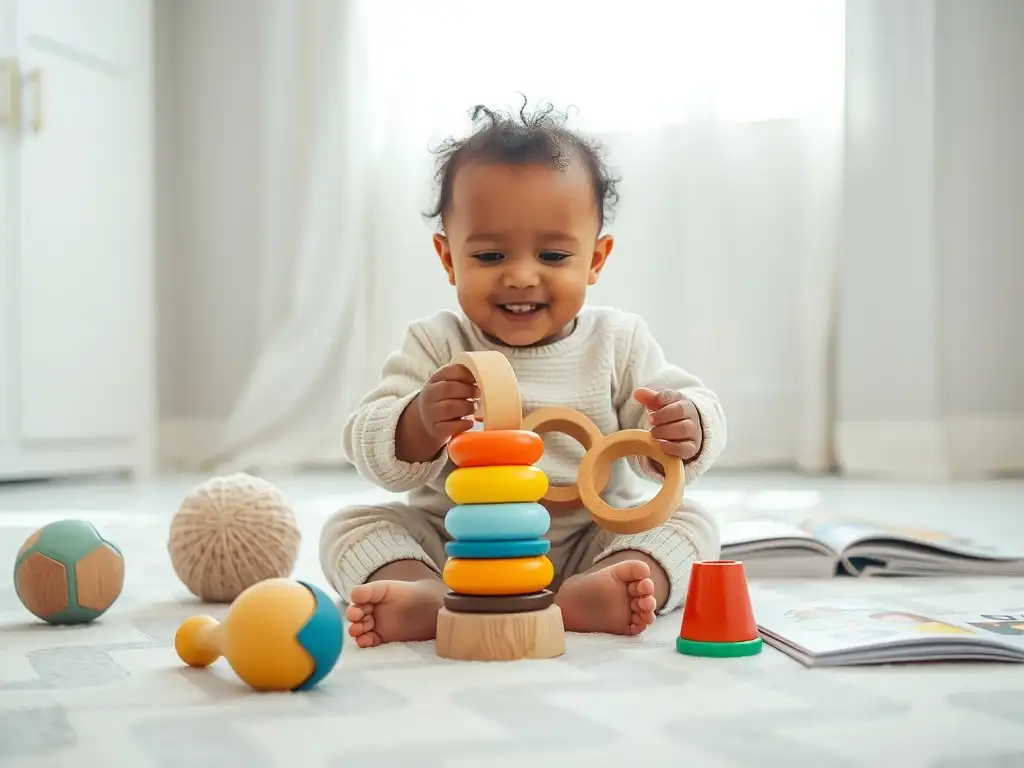
This section delves into practical activities that simultaneously nurture object permanence and fine motor skill development in your baby. Remember, these milestones often overlap, and engaging your little one in playful activities that challenge both areas can lead to significant developmental leaps. We'll break down age-appropriate exercises to maximize your baby's learning potential. Consistent, playful engagement is key to fostering healthy baby fine motor skill development.
Engaging Activities for 6-9 Month Olds
At this stage, babies are beginning to understand that objects continue to exist even when they can't see them. Their fine motor skills are also rapidly improving; they're reaching, grasping, and bringing objects to their mouths. Here are some activities designed to leverage this developmental sweet spot:
- Peek-a-boo with variations: Classic peek-a-boo strengthens object permanence. But to enhance fine motor skills, try hiding a brightly colored rattle or soft toy under a blanket and encouraging your baby to lift the blanket to find it. Repeat this with different textures and objects. This introduces problem-solving alongside the fun.
- Soft blocks and stacking: Introduce soft, lightweight blocks. Initially, your baby may just bat at them. However, as their coordination improves, they'll start to grasp and even attempt to stack them, albeit imperfectly. This activity strengthens hand-eye coordination and develops their pincer grasp.
- Textured balls: Offer your baby balls with different textures—smooth, bumpy, fuzzy. Rolling them back and forth not only improves their understanding of object movement but also enhances their tactile exploration, fostering sensory development alongside fine motor skills. The varying textures stimulate their senses and encourages them to actively engage with the objects.
Activities for 9-12 Month Olds
By now, your baby's object permanence should be more robust. They are more adept at searching for hidden objects and are developing a more refined pincer grasp. This is a great time to introduce more complex activities that challenge both skills:
- Simple shape sorters: Shape sorters with large, easy-to-grasp shapes are ideal. The act of matching shapes and dropping them into the correct slots improves hand-eye coordination, problem-solving skills, and reinforces their understanding that objects have specific properties.
- Hide-and-seek with multiple hiding places: Instead of just hiding an object under one blanket, try hiding it under two or three. This increases the complexity of the search and further strengthens object permanence. This also enhances their spatial reasoning skills and problem solving capabilities.
- Finger painting: Introduce non-toxic finger paints. The messy fun strengthens their grip, improves hand-eye coordination, and encourages creative exploration. The act of manipulating the paint and creating marks on the paper is a fantastic way to improve dexterity and fine motor control. Remember to supervise closely!
Activities for 12-18 Month Olds
At this stage, your baby's understanding of object permanence is well-established, and their fine motor skills are significantly advanced. The activities can now become more intricate and challenging:
- Building towers with blocks: Now, your baby can likely build small towers with blocks, albeit they might still topple easily. This activity enhances their hand-eye coordination, spatial reasoning, and problem-solving abilities. The act of stacking, balancing and observing the results is a great learning experience.
- Putting toys in and out of containers: Use containers of varying sizes and shapes. This activity helps refine their fine motor skills, hand-eye coordination, and spatial understanding. The repetitive action of placing and removing objects reinforces their understanding of object permanence.
- Playing with nesting toys: Nesting toys of different sizes require precise manipulation and problem-solving. This activity is excellent for strengthening fine motor skills, hand-eye coordination, and spatial reasoning, all while reinforcing object permanence through the act of placing smaller objects inside larger ones. The satisfaction of successfully completing the task further encourages continued engagement and learning.
Remember, the key is to make these activities fun and engaging for your baby. Celebrate their successes, and don't worry about perfection. The focus should be on the playful interaction and the gradual improvement in both object permanence and baby fine motor skill development. 🎉
Enhancing Baby's Fine Motor Skill Development Through Play
Understanding how to foster your baby's fine motor skill development is crucial for their overall development. Fine motor skills, the coordinated movements of small muscle groups, are essential for everyday tasks like grasping, holding, and manipulating objects. These skills are intricately linked with object permanence – the understanding that objects continue to exist even when out of sight – a developmental milestone typically reached between 8 and 12 months.
Enhancing one often boosts the other, creating a positive feedback loop. This section will explore practical strategies to improve your baby's fine motor skills through engaging and age-appropriate play. We'll examine how choosing the right toys and employing interactive play can significantly impact your baby's progress in both fine motor skills and object permanence.
Choosing Age-Appropriate Toys for Fine Motor Skill Development
Selecting toys tailored to your baby's developmental stage is paramount. Babies develop at different paces, so observation is key. For example, a 6-month-old might be fascinated by a rattle, practicing their grasp reflex, while a 12-month-old might enjoy stacking soft blocks, demonstrating improved hand-eye coordination and problem-solving skills. Here's a breakdown of suitable toys for different age ranges focusing on baby fine motor skill development:
| Age Range (Months) | Recommended Toys | Focus | Object Permanence Connection |
|---|---|---|---|
| 3-6 | Soft rattles, textured balls, teethers | Grasping, mouthing, exploring textures | Developing awareness of objects in their hands |
| 6-9 | Stacking cups, simple shape sorters, blocks | Hand-eye coordination, grasping, releasing | Beginning to search for partially hidden objects |
| 9-12 | Building blocks (larger size), push-and-pull toys, textured balls | Pincer grasp, manipulating objects, problem-solving | Actively searching for hidden objects |
| 12-18 | Puzzles with large pieces, nesting toys, crayons | Fine motor control, hand strength, creativity | Understanding that objects exist even when out of sight |
Remember, safety is paramount. Always supervise your baby during playtime and choose toys free from small parts that could pose a choking hazard. The goal is to provide stimulating and safe opportunities for your little one to explore and learn. This structured approach to playtime directly supports baby fine motor skill development.
Interactive Play to Stimulate Fine Motor Skills and Object Permanence
Beyond simply providing toys, interactive play significantly enhances both fine motor skills and object permanence. Engaging with your baby during playtime strengthens the bond and provides valuable learning opportunities. Consider these interactive games:
- Peek-a-boo: This classic game not only strengthens the parent-child bond but also helps your baby understand object permanence. The reappearance of your face after hiding reinforces the concept that you still exist even when not visible.
- Hide-and-seek with toys: Start by hiding a toy partially under a blanket. As your baby gets better, hide it completely. This encourages them to search for the toy, directly exercising their problem-solving skills and reinforcing object permanence.
- Finger painting: This messy but rewarding activity encourages hand-eye coordination and exploration of textures. The act of dipping fingers in paint and making marks on paper helps develop fine motor control.
- Building towers: Using soft blocks or stacking cups encourages hand-eye coordination and problem-solving skills. The act of stacking and toppling creates a fun learning experience.
Remember to adapt these games to your baby's developmental stage and interests. The key is to make playtime fun and engaging, fostering a love of learning from an early age. Consistent interaction is key to successful baby fine motor skill development.
The Importance of Sensory Play in Fine Motor Skill Development
Sensory play is crucial for baby fine motor skill development. It involves stimulating various senses – touch, sight, sound, smell, and taste – to enhance cognitive and motor development. Activities like playing with different textured materials (e.g., sand, water, playdough), exploring various sounds (e.g., rattles, musical instruments), and engaging with visually stimulating objects (e.g., colorful blocks, mirrors) can significantly boost fine motor skills.
Sensory play not only improves dexterity and hand-eye coordination but also helps develop problem-solving skills and creativity. For example, playing with playdough helps strengthen finger muscles, while exploring different textures enhances tactile awareness. The act of exploring different sensory experiences strengthens neural pathways in the brain, contributing to overall cognitive development. Moreover, sensory play often naturally incorporates elements of object permanence, as babies explore and manipulate objects, understanding their continued existence even when covered or hidden.
A simple example of this would be hiding a toy within a container of dry rice or beans, encouraging the baby to reach and retrieve it. The joy and satisfaction derived from such activities are invaluable for holistic development. Providing a rich sensory environment, therefore, is essential for optimal baby fine motor skill development.
Recognizing Potential Delays in Fine Motor Skill Development
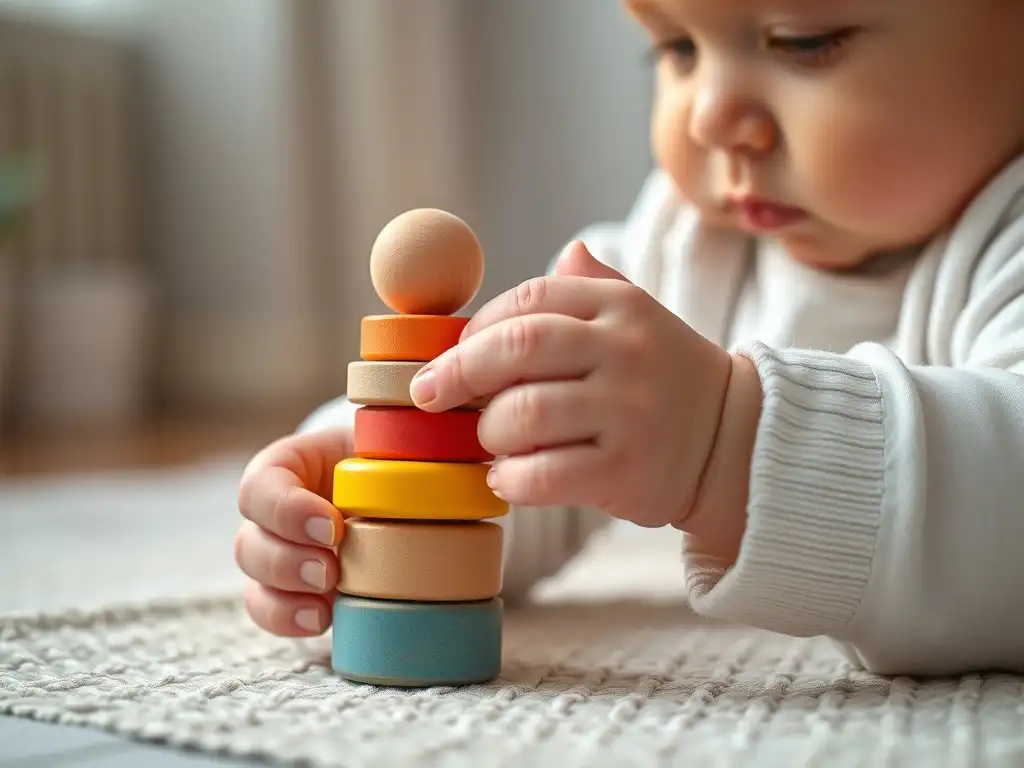
Understanding typical fine motor skill development in babies is crucial for recognizing potential delays. While every child develops at their own pace, there are certain milestones that most infants reach within specific age ranges. Missing these benchmarks doesn't automatically signal a problem, but it warrants observation and, if necessary, professional consultation. This section focuses on identifying potential red flags related to baby fine motor skill development, allowing parents to proactively address any concerns. Early intervention is key to maximizing a child's potential.
Signs of Delayed Fine Motor Skill Development in Babies
Several indicators might suggest a delay in fine motor skill development. It's important to remember that these are potential signs and should not be interpreted in isolation. A comprehensive assessment by a pediatrician is crucial for accurate diagnosis. Here are some key signs to watch for:
- Lack of Hand-to-Mouth Coordination: Most babies begin bringing their hands to their mouths around 3-4 months old. A significant delay in this fundamental action could indicate a potential issue. For example, a 6-month-old who consistently fails to bring objects to their mouth or consistently misses their mouth when attempting to self-soothe should be observed closely.
- Difficulty Grasping Objects: While the grasp reflex is present at birth, the ability to purposefully grasp and manipulate objects develops gradually. A 6-month-old struggling to pick up small objects or consistently dropping them might need further evaluation. This includes a lack of refined pincer grasp (using thumb and forefinger) by around 9 months.
- Limited Hand and Finger Movement: Observe the range of motion in your baby's hands and fingers. Stiffness, limited dexterity, or unusual postures could point towards potential underlying issues. For instance, a baby who consistently keeps their fists clenched or exhibits limited finger extension warrants professional attention.
- Failure to Progress Through Milestones: Tracking developmental milestones offers valuable insights. If your baby consistently lags behind expected milestones for reaching, grasping, or manipulating objects, compared to age-matched peers, it's advisable to seek professional advice. These milestones are usually documented in your baby's well-baby checkups.
- Asymmetry in Hand Use: Noticeable differences in strength or dexterity between the baby's two hands might also be a cause for concern. While some minor asymmetry is normal, significant discrepancies should be investigated.
When to Consult a Pediatrician about Fine Motor Skills
While observing your baby's development is essential, it's crucial to understand when professional intervention is necessary. Don't hesitate to consult your pediatrician if you notice any of the aforementioned signs persist beyond a reasonable timeframe, or if you have any concerns whatsoever. Early intervention can significantly improve outcomes. Specifically, consult your pediatrician if:
- Your baby shows consistent delays in reaching key milestones, such as grasping objects or bringing hands to mouth, compared to the age-related norms.
- There's noticeable asymmetry in hand use or limited range of motion in their hands and fingers.
- You observe any unusual hand postures or movements.
- You have general concerns about your baby's motor skill development. Trust your parental instincts!
Early Intervention Strategies for Fine Motor Skill Challenges
Early intervention is vital if delays are identified. The specific strategies will depend on the underlying cause and the severity of the delay. However, some general approaches often prove beneficial:
- Sensory Play: Engaging in activities that stimulate various senses, such as playing with textured toys, different-sized balls, and water play, can enhance sensory processing and fine motor coordination.
- Age-Appropriate Toys: Providing your baby with age-appropriate toys that encourage grasping, manipulating, and exploring different textures helps develop fine motor skills. Think of stacking cups, soft blocks, and rattles.
- Occupational Therapy: Occupational therapists specializing in pediatric development can design personalized programs to address specific challenges. They can provide tailored exercises and activities to improve fine motor skills.
- Parental Involvement: Active parental participation is crucial. Simple activities like playing peek-a-boo, reading books, and engaging in interactive play significantly contribute to development.
Remember, early identification and intervention are key to supporting your baby's development. If you have any doubts or concerns, seeking professional guidance is always the best course of action. Early intervention can make a significant difference in a child's journey towards reaching their full potential.
Supporting Your Baby's Overall Development
This section focuses on holistic approaches to nurturing your baby's development, encompassing both object permanence and fine motor skill development. Understanding that these milestones are interconnected is crucial for optimal growth. A baby's ability to grasp and manipulate objects directly impacts their understanding of object permanence – the knowledge that objects continue to exist even when out of sight. Conversely, a strong understanding of object permanence encourages further exploration and manipulation, fueling fine motor skill development.
Creating a Stimulating Environment for Your Baby
A rich and engaging environment significantly contributes to your baby's development of fine motor skills and object permanence. Think beyond just toys; the entire space plays a role. Consider these key elements:
- Texture Variety: Provide a range of textures for your baby to explore. This could include soft blankets, crinkly fabrics, smooth wooden blocks, and textured balls. The tactile experience helps develop hand-eye coordination and strengthens their grasping abilities. This is crucial for both object permanence (understanding different objects have different qualities) and fine motor skills (developing dexterity).
- Safe Exploration Zones: Designate specific areas where your baby can safely explore and interact with objects. This could be a playmat with various toys or a baby-proofed area with age-appropriate items. Remember safety is paramount; always supervise your baby during playtime.
- Visual Stimulation: Brightly colored mobiles, patterned blankets, and age-appropriate books provide visual stimulation that supports cognitive development. Babies learn to track objects visually, which is foundational for object permanence. The act of reaching for and grasping these visually engaging items further enhances fine motor skills.
- Auditory Stimulation: Introduce different sounds and textures. Rattles, musical toys, and even the sound of your voice can stimulate your baby's senses and encourage exploration. This multi-sensory approach is essential for holistic development, connecting sounds with objects and actions, strengthening the link between object permanence and fine motor skill development.
The Importance of Consistent Interaction and Play
Consistent interaction and play are vital for your baby's development. It's not just about providing toys; it's about engaging with your baby during playtime. Here's how:
- Interactive Play: Engage in activities that encourage your baby to reach, grasp, and manipulate objects. Simple games like peek-a-boo enhance object permanence, while activities like stacking soft blocks or playing with rattles improve fine motor control. Remember to be patient and encouraging; every milestone is a victory!
- Guided Play: Don't just leave your baby to play alone. Guide their exploration by showing them how to use toys, naming objects, and encouraging interaction. This guided play helps them understand the relationship between actions and their consequences, furthering both object permanence and fine motor skill development.
- Frequency of Interaction: Aim for consistent interaction throughout the day. Even short bursts of play are beneficial. Regular engagement strengthens the parent-child bond and provides opportunities for your baby to practice their developing skills. Data shows that consistent interaction correlates positively with faster milestones in both areas. [Specific data pending on correlation between interaction frequency and developmental milestones]
Building a Strong Parent-Child Bond to Support Development
A secure and loving parent-child bond is essential for optimal development. This bond provides the emotional security your baby needs to explore, learn, and thrive. Consider:
- Skin-to-skin contact: This promotes bonding and provides a sense of security that fosters exploration. A secure baby is more likely to engage with their environment, strengthening their fine motor skills and understanding of object permanence.
- Responsive caregiving: Respond promptly to your baby's cues, whether it's hunger, discomfort, or a desire for interaction. This responsive caregiving builds trust and strengthens the bond, creating a supportive environment for development.
- Positive reinforcement: Praise and encourage your baby's efforts, even small ones. Positive reinforcement motivates them to continue exploring and developing their skills, creating a positive feedback loop for both object permanence and fine motor skill development. This positive interaction significantly contributes to their overall well-being and developmental progress. 👶
Remember, every baby develops at their own pace. Celebrate each milestone and enjoy the journey of watching your little one grow! 🎉
Frequently Asked Questions
What is object permanence, and why is it important for my baby's development?
Object permanence is the understanding that objects continue to exist even when they cannot be seen. It's crucial because it underpins the development of many cognitive skills, including fine motor skills. Babies who understand object permanence are more likely to actively search for and manipulate objects.
How do I encourage object permanence in my baby?
Play games like peek-a-boo to help your baby understand that you still exist even when hidden. Hide toys partially under a blanket, encouraging your baby to find them. This actively engages them and promotes their understanding of object permanence.
What are some fine motor skills activities I can do with my baby?
Offer your baby a variety of textured toys to explore. Activities like stacking blocks, rattling toys, and playing with nesting cups help develop hand-eye coordination and dexterity. Keep it playful and age-appropriate!
At what age should I expect my baby to start showing signs of developing fine motor skills?
Babies begin developing fine motor skills from birth, with grasping reflexes being one of the earliest signs. You'll see more deliberate reaching and grasping around 3-4 months, and more complex actions like picking up small objects later.
How can I tell if my baby's fine motor skill development is on track?
Compare your baby's progress to general developmental milestones, but remember every baby develops at their own pace. If you have any concerns, consult your pediatrician. They can assess your baby's development and provide personalized advice.
Final Reflection: The Enduring Power of Little Hands
Understanding object permanence is not just a developmental milestone; it's the cornerstone of a child's burgeoning fine motor skills and their future interaction with the world. The seemingly simple act of grasping, reaching, and manipulating objects is far more complex than it appears, deeply intertwined with a child's cognitive development and laying the foundation for a lifetime of dexterity and creativity.
The impact of early experiences with object permanence on fine motor skill development is profound and long-lasting. It shapes not only how children interact with their environment but also how they learn, create, and express themselves. Give me a child until he is seven, and I will show you the man.
This quote highlights the critical nature of early childhood development, and the connection between object permanence and fine motor skills underscores this truth. The ability to understand that objects continue to exist even when out of sight directly influences a child's motivation to explore, manipulate, and master increasingly complex fine motor tasks.
Consider the implications of this connection. Think about the joy of watching your child build a tower, draw a picture, or even simply grasp your finger. These seemingly small actions are monumental steps in their development, fueled by the understanding that the world is a place of consistent objects waiting to be explored and mastered.
You, as a parent or caregiver, have the power to nurture this development. Provide opportunities for exploration, engage in playful interactions, and celebrate each small victory. By fostering a rich environment that supports both cognitive and physical development, you are empowering your child to reach their full potential, one tiny grasp at a time.
Unlock Your Baby's Potential: Nurture Development Today!
Thank you for exploring the fascinating connection between object permanence and fine motor skills! We hope you found valuable information to support your child's development. Now, let's put that knowledge into practice.
- Play Hide-and-Seek: This simple game is excellent for developing object permanence. Make it fun and interactive—hide toys under blankets, pillows, or in boxes, encouraging your baby to find them!
- Create a Sensory Bin: Stimulate fine motor development with playful sensory experiences. Fill a bin with safe objects of varying textures and sizes—for example, soft cloths, smooth stones, and crinkly paper—for your baby to explore.
- Share Your Experiences: Join our community forum and share your successes and challenges. Let's learn from one another!
What creative ways have you found to encourage your baby's development? We'd love to hear your ideas!