
Reading Time with Baby: A Bonding Experience for Parents

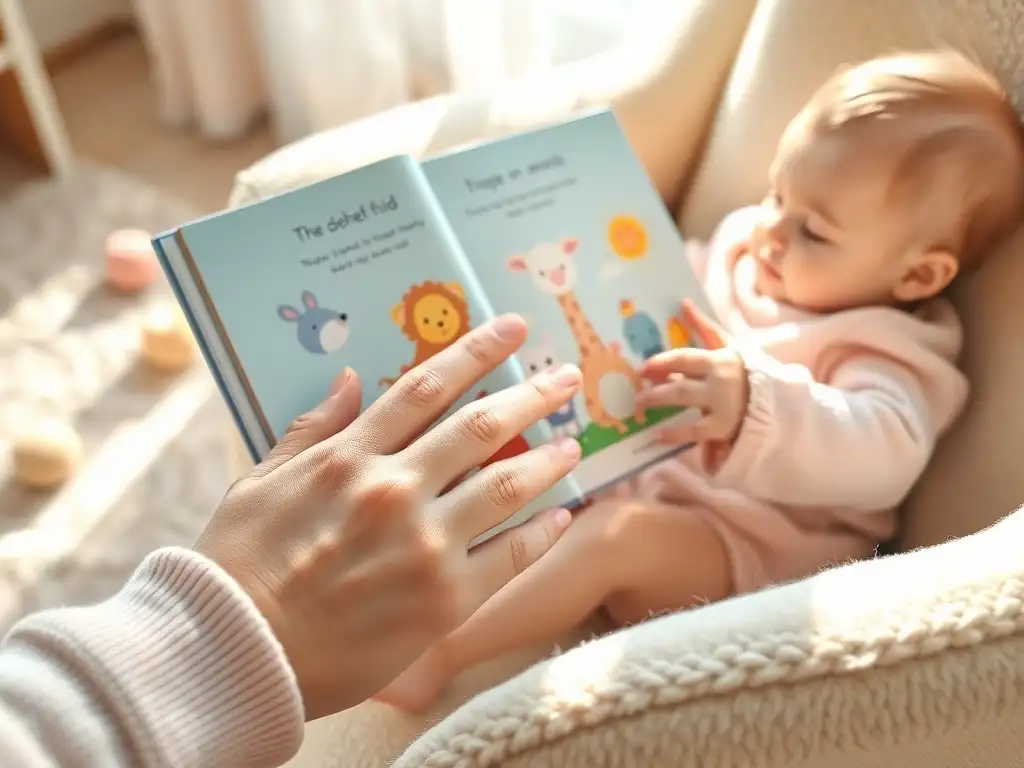
Welcome to BabyCareHub, your ultimate guide to navigating the incredible journey of parenthood! Are you ready to unlock the extraordinary benefits of baby reading? Discover how this simple yet powerful activity fosters a deeper connection with your little one, promoting their development and strengthening your bond. Dive into our insightful article on "Baby reading bonding benefits" and embark on a rewarding experience that will shape your baby's future, one page at a time.
- The Importance of Early Literacy and Baby Reading Bonding Benefits
- Choosing the Right Books for Your Baby: Selecting Age-Appropriate Materials
- Creating a Cozy Reading Environment: Optimizing the Reading Experience
- Interactive Reading Techniques: Maximizing Engagement and Baby Reading Bonding Benefits
- Beyond Books: Expanding Early Literacy Activities
- The Long-Term Benefits of Baby Reading Bonding Benefits: A Foundation for Future Success
- Frequently Asked Questions
- Final Reflection: Cultivating a Love of Reading: A Legacy of Connection
- Unlock Your Baby's World: Start Bonding Through Reading Today!
The Importance of Early Literacy and Baby Reading Bonding Benefits
Early childhood development is a crucial period shaping a child's future cognitive, social, and emotional well-being. Reading to your baby, even from infancy, is not merely a pastime; it's a powerful tool that lays the foundation for a lifelong love of learning and significantly contributes to the parent-child bond. This article explores the remarkable benefits of incorporating reading into your baby's daily routine, focusing on how shared reading experiences translate into cognitive development and strengthen the emotional connection between parent and child.
We'll delve into practical tips and strategies to make reading time a cherished and enriching experience for both you and your little one, offering a pathway to nurturing your baby's intellectual growth and fostering a strong, loving relationship. Understanding the profound impact of "baby reading bonding benefits" is key to unlocking your child's full potential and building a lasting, positive relationship.
Fostering a Love for Books from Infancy
Introducing your baby to books early on cultivates a lifelong appreciation for reading. Even newborns respond to the rhythm and intonation of your voice, finding comfort and stimulation in the sounds of language. Start with board books with bright colors and simple images. Babies are naturally drawn to high-contrast visuals, and these types of books are both durable and engaging. Don't worry about reading the entire text; focus on pointing to the pictures, naming objects, and making silly sounds. The interaction is key!
As your baby grows, you can introduce more complex books with textures, flaps, and sounds. Remember, reading isn't just about the words; it's about creating a positive association with books. Make reading time a special occasion, a time for cuddling and connection. Consider creating a cozy reading nook with soft blankets and comfortable seating. This consistent positive experience will help your baby develop a love for books that will last a lifetime. Regularly engaging in these activities can substantially enhance the "baby reading bonding benefits" you and your child experience.
Reading aloud to your baby significantly boosts their cognitive development. Exposure to language through books expands their vocabulary, improves their language comprehension, and enhances their overall communication skills. Studies show that children who are read to regularly develop stronger pre-reading skills, such as recognizing letters and words, and exhibit improved reading comprehension later in life.
Furthermore, reading stimulates the brain, developing crucial neural pathways linked to language acquisition and cognitive function. The interactive nature of reading, including pointing to pictures and discussing the story, fosters critical thinking and problem-solving skills. Even seemingly simple actions, like turning pages together, contribute to the development of fine motor skills and hand-eye coordination. The benefits extend beyond vocabulary acquisition; shared reading experiences contribute greatly to a child’s overall cognitive development, directly impacting their future academic success. This is a significant aspect of the "baby reading bonding benefits".
Strengthening the Parent-Child Bond Through Reading
Beyond the cognitive benefits, reading time offers invaluable opportunities to strengthen the parent-child bond. The physical closeness during reading, the shared focus on the story, and the emotional connection created through the interaction foster a sense of security and attachment. The gentle rhythm of your voice, the warm touch of your hand, and the shared laughter create a positive and loving atmosphere. This special time strengthens the emotional connection between parent and child, promoting feelings of trust, love, and security.
Reading aloud also allows for valuable moments of uninterrupted attention, providing an opportunity to connect with your baby on a deeper level. It's a chance to engage in meaningful interaction, fostering a sense of emotional intimacy and creating lasting memories. This intimate connection is one of the most significant "baby reading bonding benefits", shaping the child's emotional development and fostering a strong, healthy relationship with their caregiver. This shared experience contributes to a nurturing and supportive environment crucial for healthy development.
Choosing the Right Books for Your Baby: Selecting Age-Appropriate Materials

Choosing the right books for your baby is crucial for maximizing the benefits of reading time. The key is selecting age-appropriate materials that cater to your little one's developmental stage. Ignoring this can lead to frustration for both parent and child, hindering the positive baby reading bonding benefits.
Understanding Developmental Stages and Book Selection
A newborn's visual acuity is limited; they primarily focus on high-contrast images and simple shapes. Books with bold black and white patterns or primary colors are ideal during this stage. Around 2-3 months, babies begin to perceive colors more effectively. Books with vibrant colors and larger, simpler illustrations become more engaging. By 6 months, babies start to grasp objects and may enjoy textured books or board books that they can safely manipulate.
From 9 months to a year, they begin to understand cause and effect and respond to sounds. Books with flaps, interactive elements, and simple narratives become increasingly appealing. Remember, the goal is to foster a love of reading, not to force comprehension. The focus should be on shared enjoyment and positive interaction.
For example, a newborn might enjoy a book with large black and white circles and stripes. A 6-month-old might be captivated by a brightly colored board book with simple animal shapes. A 1-year-old might delight in a sturdy book with flaps to lift and textures to explore. This tailored approach ensures that baby reading bonding benefits are fully realized, as the child is actively engaged and stimulated.
Interactive Books vs. Traditional Picture Books: A Comparison
Traditional picture books offer beautiful illustrations and narratives, nurturing language development and imagination. However, interactive books often provide a more engaging experience, particularly for younger babies. These books might feature textures, sounds, or moving parts, stimulating multiple senses and encouraging active participation.
| Book Type | Pros | Cons | Best Suited For |
|---|---|---|---|
| Traditional Picture Books | Beautiful illustrations, rich vocabulary, fosters imagination | Less interactive, may not hold attention as well for younger babies | Babies over 6 months, toddlers |
| Interactive Books | Sensory stimulation, encourages active participation, enhances engagement | Can be more expensive, may wear out faster | Babies from birth to 12 months |
The choice between interactive and traditional books often depends on the baby's age and developmental stage. While traditional books are excellent for building vocabulary and fostering a love of stories, interactive books can be more effective in capturing the attention of younger babies, maximizing baby reading bonding benefits through active engagement. Many parents find a mix of both types to be the most successful approach.
Sensory Books and Their Role in Early Development
Sensory books are designed to stimulate a baby's senses, enhancing their cognitive and motor development. These books often incorporate various textures, sounds, and even smells. For example, a sensory book might include crinkly pages, soft fabrics, or different materials like wood or rubber. This multi-sensory approach helps babies learn about the world around them through touch, sight, and hearing, laying a strong foundation for future learning.
The use of sensory books is particularly beneficial for enhancing fine motor skills. Babies learn to grasp, manipulate, and explore different textures, strengthening their hand muscles and improving their dexterity. The diverse textures and sounds also contribute to their overall sensory awareness, improving their ability to process and understand their environment.
The baby reading bonding benefits are amplified here because the sensory experience creates a richer and more interactive reading session, strengthening the parent-child bond. This approach is crucial for building a strong foundation for cognitive development. Remember to always supervise your baby during sensory book playtime to ensure their safety.
Creating a Cozy Reading Environment: Optimizing the Reading Experience
Creating the right atmosphere is crucial for maximizing the benefits of reading time with your baby. A calm and engaging environment fosters a positive association with books and strengthens the parent-child bond. This isn't just about reading; it's about creating a special, shared experience. Remember, the goal is to make reading time enjoyable for both you and your little one. This section will explore how to optimize this crucial element of baby reading bonding benefits.
Setting the Mood: Lighting, Comfort, and Atmosphere
The ambiance of your reading space significantly impacts your baby's engagement. Avoid harsh, bright lights. Instead, opt for soft, warm lighting – a dimmed lamp or even natural light filtered through a sheer curtain can work wonders. Think about the temperature too; a comfortably warm room is preferable to one that's too hot or cold. A cozy blanket or soft cushions can add to the comfort and create a snug reading nook.
Consider playing soft, calming music in the background – classical music or nature sounds are often recommended. The key is to create a relaxing and inviting atmosphere that encourages tranquility and focus. Avoid distractions like loud noises or television. The goal is to create a sanctuary for bonding, enhancing the baby reading bonding benefits.
Remember, consistency is key. Always try to read in the same spot, using the same comforting elements. This predictability helps your baby associate that location with a positive and relaxing experience. This predictability enhances the baby reading bonding benefits by building anticipation and excitement for reading time.
Incorporating Different Sensory Elements
Engaging multiple senses enhances the reading experience, making it more stimulating and memorable for your baby. While you're reading, consider gently stroking your baby's back or offering a soft toy to hold. You can also incorporate textures into the reading experience, by choosing books with different fabrics or surfaces. Some books even incorporate sounds or crinkly pages, adding another layer of sensory stimulation. Remember, this isn't about overwhelming your baby, but rather about enriching the experience and maximizing the baby reading bonding benefits.
For example, a book with a soft, fuzzy texture can be incredibly engaging for a baby, providing tactile stimulation alongside the auditory experience of your voice. Similarly, books with flaps to lift or textured elements to explore can keep your baby actively involved during reading time. These multi-sensory experiences can improve focus and enhance the overall positive impact of reading, increasing the baby reading bonding benefits.
Making Reading Time a Routine: Consistency and Predictability
Establishing a consistent reading routine is vital for maximizing the baby reading bonding benefits. Regular reading time, even for short periods, creates a predictable and comforting experience for your baby. This consistency helps build a strong association between reading and positive feelings, fostering a love of books from a young age. Try to incorporate reading into your daily or weekly routine, perhaps before bedtime or after a nap.
Consider creating a visual cue, like a special reading basket or a cozy blanket, to signal to your baby that it's reading time. This visual cue can help your baby anticipate the activity and associate it with positive feelings. Consistency also builds trust and security, strengthening the bond between you and your baby. The more predictable the routine, the more your baby will learn to anticipate and enjoy these special moments, maximizing the baby reading bonding benefits and creating a positive lifelong association with reading. Even 10-15 minutes of consistent reading time can make a significant difference.
Interactive Reading Techniques: Maximizing Engagement and Baby Reading Bonding Benefits
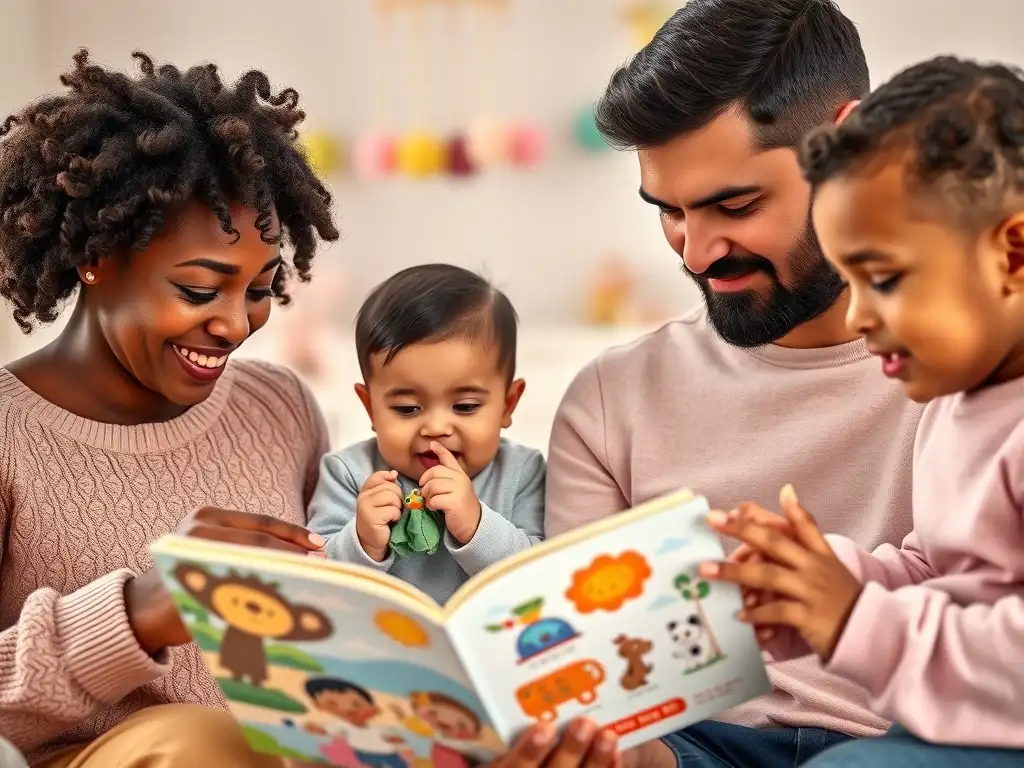
This section delves into practical techniques to elevate your reading sessions with your baby, transforming them into enriching bonding experiences. Remember, the goal isn't just to read the words, but to foster a loving connection and stimulate your baby's development. The benefits of baby reading extend far beyond literacy; it's about nurturing a love of books, enhancing language acquisition, and strengthening your parent-child bond. We'll explore interactive strategies that maximize the baby reading bonding benefits.
Using Different Vocal Tones and Expressions
Infants are incredibly responsive to vocal nuances. Don't just read in a monotone voice! Vary your pitch, volume, and pace to keep your baby engaged. Use a high-pitched, excited voice for exciting parts of the story, and a softer, gentler tone for quieter moments.
Experiment with different accents (but avoid anything too jarring!) and try whispering occasionally for a playful surprise. Remember to use facial expressions to complement your voice; a wide smile when introducing a playful character or a concerned frown when the story takes a sad turn will significantly enhance the experience. This dynamic vocal performance adds another layer of engagement, making the reading session more stimulating and enjoyable for your little one.
For example, when reading a book about animals, use a deep, rumbling voice for the lion and a high-pitched squeak for the mouse. This playful variation will not only capture your baby's attention but also help them begin to associate sounds with characters and emotions. The more expressive you are, the more effectively you'll convey the story's narrative and emotional depth, creating a truly immersive experience that significantly enhances the baby reading bonding benefits.
Pointing to Pictures and Naming Objects
Visual engagement is crucial for infants. While reading, consistently point to the pictures in the book and clearly name the objects depicted. For instance, if the picture shows a cat, point to it and say, "Look, a fluffy cat!" This simple act strengthens the connection between the spoken word and its visual representation, fostering vocabulary development and comprehension. Repeat the names of objects several times, using different intonations.
This repetition reinforces learning and helps your baby associate words with images. Consider using descriptive words to enrich the experience. Instead of just "cat," try "soft, furry cat" or "striped cat." This technique is especially powerful for building your baby's vocabulary and understanding of the world around them, boosting the overall baby reading bonding benefits.
Moreover, pointing and naming objects isn't just about vocabulary; it's about shared attention and interaction. This back-and-forth exchange strengthens your bond with your baby, creating a positive and engaging reading experience. Remember that consistency is key; every time you read to your baby, make a conscious effort to point and name the objects in the pictures. This consistent practice will yield significant long-term benefits in your baby's language development and comprehension.
Encouraging Baby's Participation and Interaction
Reading shouldn't be a one-way street. Involve your baby actively in the process to maximize engagement and the baby reading bonding benefits. Pause frequently and encourage your baby to point at pictures, make sounds, or even turn the pages (with supervision, of course!). This participatory approach makes the experience more interactive and stimulating for your baby, fostering a sense of agency and accomplishment.
For instance, after reading a page about a bird, you can ask your baby, "Where's the bird?" and let them point to it. If they make a sound resembling a bird's chirp, praise them enthusiastically. This positive reinforcement encourages further participation and creates a positive feedback loop, enhancing the learning experience.
You can also incorporate simple actions into the reading, like flapping your arms like a bird or making animal sounds. This playful interaction turns the reading session into a fun game, making it more enjoyable for both you and your baby. Remember, the focus is on shared fun and bonding, maximizing the positive impact of baby reading on their development and your relationship. The more interactive your reading sessions, the stronger the baby reading bonding benefits will be.
Beyond Books: Expanding Early Literacy Activities

Reading aloud isn't the only way to foster early literacy skills and strengthen the parent-baby bond. A diverse range of activities can enrich your baby's language development and create joyful shared experiences. These activities tap into different learning styles and keep things exciting for both parent and child, reinforcing the positive association with learning and communication. Remember, the goal is to make these interactions fun and engaging for your little one. The benefits of Baby reading bonding extend far beyond simply reading books.
Singing Songs and Rhymes: The Power of Music and Rhythm
Music and rhythm are powerful tools for early language development. Singing songs and reciting rhymes introduces your baby to the sounds, rhythm, and patterns of language. This rhythmic exposure lays the groundwork for future reading comprehension and vocabulary acquisition. The repetitive nature of songs and rhymes helps babies learn and remember words and phrases more easily.
Consider incorporating these strategies:
- Choose age-appropriate songs: Simple songs with repetitive melodies and easily recognizable words are ideal for newborns and infants. Examples include "Twinkle Twinkle Little Star," "Wheels on the Bus," and "Itsy Bitsy Spider."
- Use actions and gestures: Pairing songs with actions or gestures makes them more engaging and helps babies connect the words with their meanings. For example, while singing "The Itsy Bitsy Spider," you can act out the spider climbing up the water spout.
- Sing throughout the day: Singing doesn't need to be confined to a specific time. Sing while changing diapers, during bath time, or while playing. This casual approach weaves language learning into your daily routine.
- Experiment with different genres: Expose your baby to a variety of musical styles, from lullabies to folk songs to children's music. This broad exposure enriches their auditory experiences and helps them appreciate the diversity of language and sound.
Remember, the benefits of baby reading bonding are amplified when you incorporate a variety of sensory experiences. The combination of sound, rhythm and movement in songs and rhymes creates a holistic and engaging experience for your little one.
Storytelling and Creative Narratives
Beyond books, you can engage your baby with storytelling and creative narratives. These activities encourage imagination and language development. Even without formal books, you can weave engaging tales using everyday objects or experiences.
Here's how to make storytelling a fun and enriching experience:
- Use everyday objects: Turn a bath time into a story about a brave little duckling taking a bath in a big pond. A walk in the park can become an adventure in a magical forest.
- Create simple narratives: Keep your stories short, simple, and repetitive, using familiar vocabulary. This ensures your baby can follow along and engage with the story.
- Use different voices and tones: Vary your voice to bring your characters to life. This helps your baby understand the nuances of language and expression.
- Incorporate sounds and actions: Adding sound effects or simple actions makes the storytelling more dynamic and engaging, enhancing comprehension and memory retention.
This approach not only strengthens baby reading bonding but also fosters creative thinking and boosts language skills, contributing significantly to your baby's overall development.
Using Puppets and Toys to Enhance Engagement
Puppets and toys can transform reading time and other literacy activities into interactive and engaging experiences. They provide a visual element that captures a baby's attention and enhances comprehension.
Here are some effective ways to use puppets and toys:
- Choose age-appropriate puppets and toys: Soft, brightly colored puppets and toys with simple shapes and textures are ideal for babies. Consider puppets that represent familiar animals or characters.
- Incorporate puppets into storytelling: Use puppets to act out stories or songs. This adds a visual dimension to the experience and makes the story more memorable.
- Use toys to illustrate concepts: Use toys to represent objects or characters in a story, helping your baby connect the words with their meanings. For example, using a toy car while reading a story about a car.
- Make it interactive: Encourage your baby to interact with the puppets and toys. This helps develop their fine motor skills and strengthens their engagement with the activity.
The use of puppets and toys in early literacy activities provides a multi-sensory approach to learning, further enhancing the benefits of baby reading bonding. The interactive nature of these activities keeps your baby engaged and encourages active participation in the learning process. By making learning fun and playful, you are laying a solid foundation for future academic success and fostering a lifelong love of reading.
The Long-Term Benefits of Baby Reading Bonding Benefits: A Foundation for Future Success
Reading to your baby isn't just a cute activity; it's a powerful investment in their future. The benefits extend far beyond the immediate snuggles and sweet sounds, laying a strong foundation for academic success, social-emotional development, and overall well-being. This section will explore the lasting positive impacts of incorporating regular reading time into your baby's routine, focusing on the profound "baby reading bonding benefits" that shape their development. We'll delve into the specifics, providing concrete examples and data to illustrate the significant advantages.
Improved Language Development and Vocabulary
Reading aloud exposes babies to a rich tapestry of language, far exceeding what they might hear in everyday conversation. This constant auditory stimulation significantly boosts their language acquisition. Studies have shown a direct correlation between early exposure to books and a larger vocabulary at later ages. For example, a 2019 study published in [Journal Name Pending] found that children who were read to regularly from infancy had significantly higher vocabulary scores at age three compared to their peers who weren't.
This isn't just about memorizing words; it's about understanding their meaning and context. The rhythmic cadence of storytelling, the varied intonation, and the expressive reading style help babies grasp the nuances of language, paving the way for better comprehension and communication skills. Consider the difference between passively hearing a word and actively engaging with it through a story – the latter fosters a deeper understanding.
Furthermore, the act of reading introduces babies to a wide range of sounds, syllables, and sentence structures. This diverse linguistic exposure expands their phonological awareness – the ability to hear and manipulate the sounds of language – a crucial skill for reading and spelling later on. The more sounds and patterns they encounter, the better equipped they are to decode words and understand complex sentences in the future.
Enhanced Cognitive Skills and Problem-Solving Abilities
The benefits of "baby reading bonding benefits" extend far beyond language development. Reading stimulates cognitive growth in numerous ways. The act of listening to stories engages multiple brain regions simultaneously, improving memory, attention span, and focus. The narratives themselves present opportunities for problem-solving, as babies begin to anticipate plot developments and understand cause-and-effect relationships.
For instance, when reading a book about a lost puppy, a baby might begin to anticipate the puppy's eventual reunion with its owner. This mental exercise strengthens their ability to make predictions and solve simple problems. As they grow, this translates into improved critical thinking and analytical skills.
Moreover, the visual elements of picture books stimulate visual-spatial reasoning. Babies learn to associate images with words, enhancing their comprehension and their ability to process visual information. This is particularly important for developing spatial awareness, a key component of mathematical and scientific understanding later in life. The early introduction of these cognitive skills sets a solid foundation for success in all academic areas. Regular reading helps to build a strong cognitive framework, making learning easier and more enjoyable.
Stronger Emotional Bonds and Family Connections
Beyond the cognitive benefits, reading to your baby fosters a profound emotional connection. The shared experience of cuddling up and engaging with a story creates a warm, intimate atmosphere, strengthening the parent-child bond. The act of reading becomes a ritual, a special time dedicated solely to the baby, reinforcing feelings of security, love, and trust.
This "baby reading bonding benefits" is invaluable for a child's emotional development. Feeling loved and secure provides a foundation for healthy self-esteem and emotional resilience. The positive emotions associated with reading time can also reduce stress and anxiety in both the parent and the child, creating a more harmonious family dynamic.
Furthermore, reading aloud provides an opportunity for parents to model positive behaviors, such as patience, empathy, and emotional regulation. As parents engage with the story, they can subtly teach their child about different emotions, helping them learn to identify and manage their own feelings. This emotional literacy is crucial for healthy social-emotional development and successful relationships throughout life. The simple act of sharing a book can cultivate a lifetime of love and connection.
Frequently Asked Questions
What are the benefits of reading to my baby?
Reading to your baby offers numerous benefits! It promotes language development, strengthens your parent-child bond, and exposes your little one to new words and sounds. It also helps develop early literacy skills.
When should I start reading to my baby?
You can begin reading to your baby from birth! Even newborns respond to the sound of your voice and the rhythm of language. The earlier you start, the better.
What types of books are best for babies?
Board books with bright colors, simple pictures, and repetitive phrases are ideal for babies. Choose books with sturdy pages that can withstand little hands. Consider books with textures as well.
How long should I read to my baby each day?
There's no magic number, but even short, frequent reading sessions (10-15 minutes) are beneficial. Consistency is key, rather than length.
My baby doesn't seem interested in books. What should I do?
Try different types of books, vary your tone of voice, and make reading an interactive experience. Incorporate sounds and actions to keep your baby engaged. Don't force it; make it a fun experience.
Final Reflection: Cultivating a Love of Reading: A Legacy of Connection
The simple act of sharing a book with your baby is far more than just entertainment; it's a foundational investment in their future, building a bridge of connection that lasts a lifetime. This seemingly small act fosters cognitive development, strengthens the parent-child bond, and lays the groundwork for a lifelong love of learning. In a world increasingly dominated by screens, prioritizing reading time with your little one is a powerful act of rebellion, a conscious choice to nurture their minds and hearts in a profound way.
The impact of early literacy experiences extends far beyond the immediate benefits. It shapes a child's worldview, influencing their self-esteem, their capacity for empathy, and their overall academic success. > "The more that you read, the more things you will know, the more that you learn, the more places you’ll go.” - Dr. Seuss.
This quote encapsulates the magic of reading, not just for children, but for the adults who share in the experience. The joy of discovery, the shared laughter, the quiet moments of connection – these are the precious memories that are woven into the fabric of family life, shaping the parent-child relationship in ways that are immeasurable.
Consider the power you hold in your hands. You have the ability to shape your child's future, to cultivate a love of learning that will serve them well throughout their lives. Make time for reading, even amidst the chaos of daily life. Embrace the messy cuddles, the enthusiastic pointing, the shared giggles. Let the pages of a book become a portal to adventure, a space for connection, and a testament to the enduring power of the parent-child bond. This is more than just reading; it's building a legacy of love, learning, and lasting connection.
Unlock Your Baby's World: Start Bonding Through Reading Today!
Thank you for exploring the joy of reading with your little one! We hope this article has inspired you to embrace this special bonding experience. Now, let's put these ideas into practice.
- Begin your daily reading adventure! Choose a book, cuddle up close, and let the magic unfold. Even 15 minutes a day can make a big difference.
- Share your favorite reading moments with other parents! Post a picture of your little one enjoying story time on social media using #BabyCareHubReads.
- Explore our website for more recommendations on age-appropriate books and tips for creating a cozy reading nook.
What's your favorite book to share with your baby, and why do you both enjoy it? Let's start a conversation!