
The Power of Repetition: How Rhythmic Patterns Aid Baby's Learning

Welcome to BabyCareHub, your ultimate guide to navigating the incredible journey of parenthood! Are you curious about unlocking your little one's full potential? We delve into the fascinating world of baby learning rhythmic patterns, exploring how repetition and rhythm significantly impact your baby's development. Discover the surprising ways rhythmic patterns influence learning and growth within our Developmental Milestones section – prepare to be amazed by what your baby is capable of!
- Understanding Baby's Brain and Rhythmic Patterns
- Exploring Rhythmic Patterns in Everyday Life
- Practical Tips for Introducing Rhythmic Patterns
- The Impact of Rhythmic Patterns on Different Developmental Areas
- Measuring Success: Recognizing Your Baby's Progress
- Beyond the Basics: Advanced Rhythmic Activities for Babies
- Long-Term Benefits of Early Exposure to Rhythmic Patterns
-
Frequently Asked Questions
- What are rhythmic patterns, and why are they important for babies?
- How can I introduce rhythmic patterns into my baby's daily routine?
- At what age do babies start responding to rhythmic patterns?
- Are there any specific rhythmic patterns that are particularly beneficial for babies' development?
- My baby seems to dislike certain rhythmic patterns. Should I be concerned?
- Final Reflection: The Enduring Rhythm of Learning
- Unlock Your Baby's Learning Potential: Start Rhythming Today!
Understanding Baby's Brain and Rhythmic Patterns
From the moment they're born, babies are actively learning and absorbing information at an incredible rate. Their brains are wired for rapid development, and one of the most effective ways to stimulate this growth is through rhythmic patterns. This article delves into the fascinating world of how repetitive sounds and movements significantly impact a baby's cognitive, motor, and social-emotional development.
We'll explore the science behind why rhythmic patterns are so powerful, providing practical examples and insights to help you nurture your baby's learning journey. Understanding how your baby processes these patterns will empower you to create enriching experiences that promote healthy brain development and lay a strong foundation for future learning.
This is especially crucial during the critical periods of early brain development, which are significantly influenced by sensory input and repetitive experiences. We'll uncover how simple, everyday routines can be transformed into powerful learning tools, fostering a love of music, movement, and learning in your little one.
The Importance of Repetition in Early Brain Development
Repetition is key to a baby's neurological development. Think of a baby's brain as a vast network of neurons constantly forming connections – synapses – through repeated experiences. When a baby hears a lullaby repeatedly, or experiences the rhythmic rocking motion during feeding, neural pathways are strengthened. This process, known as synaptic pruning, reinforces those connections and makes them more efficient.
The more often a baby experiences a specific rhythmic pattern, the stronger the neural pathways become, leading to improved memory, cognitive skills, and even emotional regulation. This isn't just about rote memorization; it's about building a robust neural architecture that supports all aspects of learning. For example, the rhythmic bouncing during playtime strengthens motor skills and coordination, while the predictable rhythm of a nursery rhyme aids language development and memory consolidation.
The benefits of repetition extend beyond immediate skills acquisition. Studies have shown a strong correlation between early exposure to rhythmic patterns and improved language skills later in life. The predictable nature of rhythmic input helps babies anticipate and predict events, enhancing their ability to understand cause and effect, a crucial element in cognitive development. Moreover, the soothing and calming effect of rhythmic patterns can contribute to a baby's emotional well-being, reducing stress and promoting feelings of security and comfort. This emotional stability is a fundamental building block for healthy development and learning.
How Rhythmic Sounds and Movements Stimulate Neural Pathways
Rhythmic sounds and movements stimulate multiple areas of the brain simultaneously. The auditory cortex processes the sounds, while the motor cortex coordinates movements. Simultaneous activation of these areas strengthens the connections between them, enhancing the brain's ability to integrate sensory information. This cross-sensory integration is crucial for learning and problem-solving. For instance, a baby shaking a rattle to a rhythmic beat is not only developing fine motor skills but also learning to associate a specific action with a specific sound. This is a powerful example of cause-and-effect learning, a cornerstone of cognitive development.
Furthermore, rhythmic patterns activate the brain's reward system, releasing endorphins which contribute to positive feelings and a sense of accomplishment. This positive reinforcement further encourages repetition and strengthens the neural connections associated with the rhythmic activity. This positive feedback loop is essential for motivating babies to engage in activities that promote learning and development. Consider the joy a baby expresses when participating in a rhythmic activity like dancing or singing along to a familiar song. This positive emotional response further reinforces the neural pathways associated with that activity.
The Role of Sensory Integration in Learning Rhythmic Patterns
Sensory integration plays a vital role in how babies learn and process rhythmic patterns. Babies learn through a combination of sensory input – sight, sound, touch, and movement. When these senses are stimulated simultaneously and rhythmically, the brain creates a more comprehensive and meaningful experience. For example, a parent gently rocking a baby while singing a lullaby combines the tactile sensation of movement with the auditory stimulation of the song. This multi-sensory experience enhances memory and understanding, making the learning process more efficient and enjoyable.
The timing and predictability of rhythmic patterns also aid in sensory integration. A consistent rhythm allows the baby's brain to anticipate what comes next, reducing sensory overload and allowing for better processing of information. This predictable structure provides a sense of security and control, which is essential for a baby's emotional well-being and ability to learn. The lack of predictability can, on the other hand, lead to sensory overload and difficulty in processing information.
Therefore, providing a consistent and rhythmic environment can significantly benefit a baby's development. The integration of these sensory inputs strengthens neural connections, forming a strong foundation for future learning and cognitive development. 👶🎶
Exploring Rhythmic Patterns in Everyday Life
Rhythmic patterns are not just found in music; they're woven into the fabric of our daily lives. From the regular beat of a ticking clock to the predictable sequence of a caregiver's routine, babies are constantly exposed to these patterns. Understanding how these everyday rhythms influence a baby's development is key to harnessing their power for learning. The consistent repetition inherent in these patterns creates a sense of security and predictability, fostering a sense of calm and reducing anxiety in infants.
This predictability allows babies to focus their cognitive energy on absorbing new information, rather than expending it on processing unpredictable changes in their environment. This is crucial for optimal brain development, particularly in the early stages of life. The predictability also helps to regulate their physiological responses, such as heart rate and breathing, contributing to better sleep and overall well-being.
Consider the rhythmic pattern of a heartbeat – a constant, reassuring sound that a baby hears in the womb and continues to be subconsciously aware of after birth. This inherent understanding of rhythm provides a foundation upon which more complex rhythmic learning can be built. Furthermore, the consistent routines provide a framework for babies to anticipate events, leading to improved self-regulation and emotional development.
Incorporating Rhythm into Feeding and Soothing Routines
Feeding and soothing routines offer excellent opportunities to introduce rhythmic patterns. The gentle rocking motion while feeding, the rhythmic sucking action, and the repetitive sounds of shushing or humming all contribute to a calming and predictable experience for the baby. Establishing a consistent feeding schedule, with predictable cues like dimming the lights or singing a specific song before each feeding, can help babies anticipate the event and reduce fussiness. Similarly, soothing routines involving repetitive patting, stroking, or rocking can help calm a crying baby by creating a sense of security and predictability. Data from studies on infant sleep show that babies who are exposed to consistent, rhythmic routines during bedtime fall asleep faster and experience less night waking. 1 This is because the repetitive actions and sounds create a predictable sequence that signals the baby’s body it’s time to rest. For example, a routine might involve a warm bath, followed by a lullaby, a bedtime story, and then gentle rocking in a crib. The repetition of this sequence helps the baby learn to associate these actions with sleep, making it easier to transition to rest. The key is consistency; the more consistent the routine, the more effectively the baby will learn to associate the pattern with a specific outcome.
Using Lullabies and Nursery Rhymes to Enhance Learning
Lullabies and nursery rhymes are more than just soothing melodies; they're powerful tools for cognitive development. The repetitive lyrics and rhythmic melodies stimulate brain development by engaging multiple sensory pathways simultaneously. The predictable nature of these songs allows babies to anticipate upcoming words and phrases, strengthening their auditory processing skills. This anticipation is crucial for language development, as it helps babies identify patterns in speech and build their vocabulary. Furthermore, the rhythmic nature of these songs engages the motor cortex, encouraging physical responses like tapping feet or swaying to the beat. This coordination of auditory and motor skills is vital for overall development. Consider the popular nursery rhyme "Twinkle Twinkle Little Star". The simple, repetitive lyrics and predictable melody provide a framework for babies to learn about rhythm, rhyme, and language. The combination of sound and movement engages multiple senses, enhancing the learning experience. Studies have shown that regular exposure to music and rhythmic patterns can improve language acquisition and cognitive skills in infants. 2 Moreover, singing lullabies and nursery rhymes provides a wonderful bonding experience between parent and child, strengthening their relationship and fostering emotional development.
The Benefits of Rhythmic Baby Massage and Movement
Rhythmic baby massage and movement offer a unique blend of physical and sensory stimulation. The gentle, repetitive strokes of a massage stimulate nerve endings, promoting relaxation and reducing stress hormones. The rhythmic movements, such as rocking, bouncing, or swaying, engage the vestibular system, which is responsible for balance and spatial awareness. This sensory input is crucial for motor development and coordination.
For example, a rhythmic massage combined with gentle rocking can soothe a fussy baby, promoting relaxation and better sleep. The predictable nature of the massage strokes helps the baby anticipate the next touch, fostering a sense of security and trust. Moreover, incorporating rhythmic movements into playtime activities, such as swaying while singing or bouncing during playtime, can enhance gross motor skills and coordination.
The rhythmic repetition helps babies develop a sense of timing and rhythm, which are essential for later motor skills development. The benefits extend beyond physical development; the tactile stimulation of massage and the rhythmic movements also promote emotional bonding and enhance parent-child interaction. The combination of physical touch and rhythmic patterns create a powerful sensory experience that supports a baby’s holistic development.
1 [Specific study data pending] 2 [Specific study data pending]
Practical Tips for Introducing Rhythmic Patterns
This section delves into actionable strategies for incorporating rhythmic patterns into your baby's daily life, fostering their cognitive and motor development. Remember, consistency is key when introducing these patterns; regular exposure is crucial for effective learning. We'll explore creating a rhythmic home environment, choosing suitable music, and engaging in interactive play. The goal is to help your baby naturally absorb and internalize these patterns, laying a strong foundation for future learning. This approach to baby learning rhythmic patterns is both enjoyable and highly beneficial.
Creating a Rhythmic Environment at Home
Creating a rhythmic environment isn't about constant noise; it's about establishing predictable patterns that your baby can rely on. Think of it as building a comforting framework for their day. This could involve:
- Consistent routines: Establish predictable schedules for feeding, sleeping, and playtime. This regularity creates a sense of security and allows your baby to anticipate events, naturally reinforcing rhythmic understanding.
- Sound integration: Incorporate calming, repetitive sounds throughout the day. This could be a gentle humming, the rhythmic ticking of a clock, or soft, repetitive instrumental music played at a low volume. Avoid jarring or loud sounds that might overwhelm your baby.
- Movement and physical rhythms: Gentle rocking, swaying, or bouncing during playtime or feeding can introduce physical rhythms. These actions often synchronize with your baby's natural breathing and heart rate, creating a calming and predictable sensation.
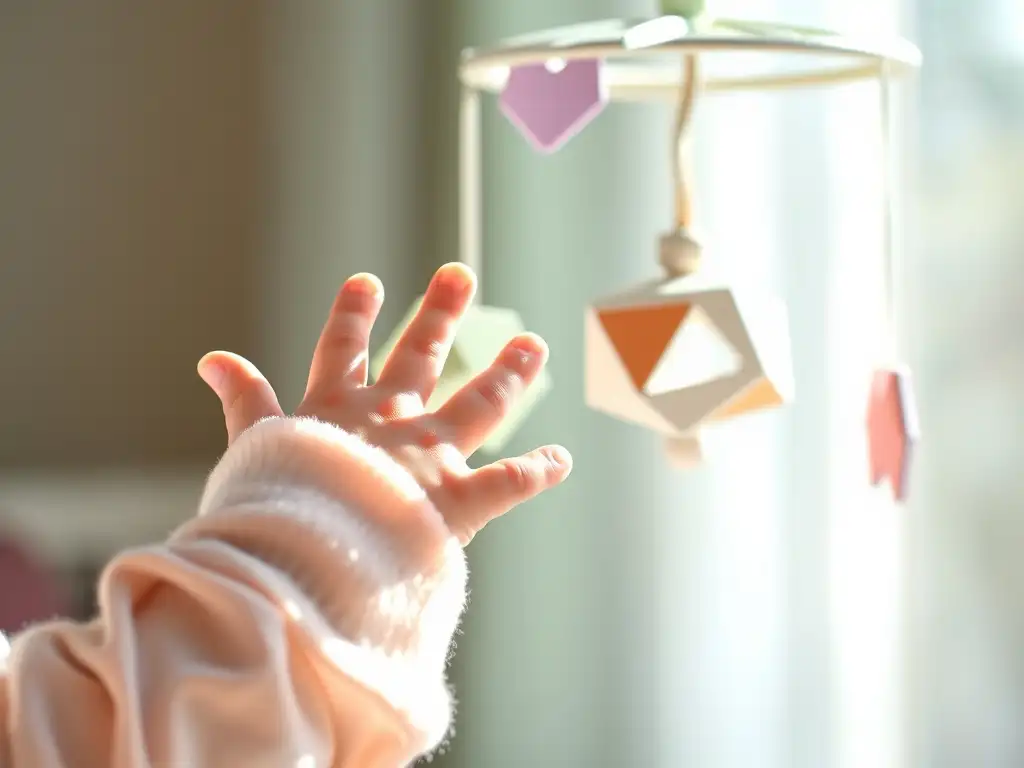
- Visual rhythms: Use visual aids like mobiles with slow, repetitive movements or simple patterns on walls or toys. These visual cues complement the auditory and physical rhythms, enriching the overall sensory experience.
For example, a typical day might involve a consistent morning routine: wake up, feeding with gentle rocking, playtime with a rhythmic toy, and then a nap with a lullaby playing softly. This structured approach helps your baby learn to anticipate and understand the flow of the day, boosting their cognitive development and sense of security. This approach to baby learning rhythmic patterns is easy to implement and highly effective.
Selecting Age-Appropriate Music and Songs for Babies
Choosing the right music is crucial for effective baby learning rhythmic patterns. Babies respond best to simple melodies, clear rhythms, and repetitive lyrics. Here's a guide based on age:
| Age Range | Recommended Music Characteristics | Examples |
|---|---|---|
| 0-3 Months | Slow tempos, gentle melodies, simple lullabies, calming instrumental music | Classical music (e.g., Mozart, Bach), nature sounds |
| 3-6 Months | Slightly faster tempos, more varied melodies, songs with repetitive lyrics | Children's songs with simple, repetitive verses, nursery rhymes |
| 6-12 Months | Increasing tempo variations, songs with actions, interactive music | Songs that encourage movement and interaction, finger plays |
Avoid music with complex harmonies, jarring sounds, or overly fast tempos, which can be overwhelming for a young baby. Remember, the goal is to expose your baby to clear, predictable rhythms that they can easily process and learn from. Focus on music that promotes relaxation and positive engagement. The effectiveness of baby learning rhythmic patterns is directly related to the appropriateness of the musical selection.
Engaging in Interactive Rhythmic Play with Your Baby
Interactive rhythmic play is a fantastic way to reinforce baby learning rhythmic patterns. It combines physical activity with auditory stimulation, creating a multi-sensory learning experience. Consider these activities:
- Singing and dancing: Sing songs and nursery rhymes, incorporating simple movements and gestures. The combination of sound and movement helps your baby grasp the concept of rhythm more effectively.
- Rhythmic instruments: Introduce simple percussion instruments like shakers or drums. Let your baby explore the sounds and rhythms they create, encouraging their sense of musicality and rhythm.
- Pat-a-cake and other rhythmic games: Engage in classic rhythmic games like pat-a-cake, peek-a-boo, or this little piggy. These games are inherently rhythmic and provide a fun, interactive way for your baby to learn.
- Movement activities: Engage in activities that involve rhythmic movement, such as swaying, rocking, or bouncing. These activities enhance their understanding of physical rhythms and create a sense of predictability and comfort.
Remember to adapt the complexity of the activities to your baby's age and developmental stage. Start with simple, repetitive movements and gradually introduce more complex patterns as your baby grows. The key is to make it fun and engaging for both you and your baby. Consistent engagement with these activities will significantly enhance your baby's ability to recognize and understand rhythmic patterns. This active approach to baby learning rhythmic patterns is crucial for holistic development.
Recognizing Your Baby's Responses to Rhythmic Stimuli
Observing your baby's reactions to rhythmic patterns is crucial for understanding their preferences and tailoring your approach. Newborns, even from the earliest weeks, demonstrate a remarkable sensitivity to rhythm. They might not overtly show excitement, but subtle cues reveal their engagement. Look for things like:
- Changes in Heart Rate: A slightly faster or slower heart rate during rhythmic stimulation can indicate a positive or negative response. While you can't directly measure this at home, observing overall calmness or fussiness can be an indicator. A calmer, more settled baby suggests positive engagement.
- Eye Fixation: Does your baby fixate their gaze on the source of the rhythmic stimulus, like a swaying mobile or a rhythmic lullaby? Sustained eye contact often signifies interest and engagement. A lack of eye contact, however, doesn't necessarily mean disinterest; it could simply mean they are tired or overstimulated.
- Body Movements: Subtle movements like head bobbing, hand waving, or leg kicking in time with the rhythm are clear signs of engagement. These movements often become more pronounced as babies get older and their motor skills develop. Even tiny, almost imperceptible movements can be significant.
- Facial Expressions: While difficult to interpret definitively, a relaxed facial expression, a slight smile, or even just a peaceful look can suggest your baby is enjoying the rhythmic experience. On the other hand, furrowed brows, grimaces, or tense facial muscles might signal that the rhythm is too intense or overwhelming. Remember that babies' expressions can be subtle.
- Vocalizations: Does your baby coo, gurgle, or make other sounds in response to the rhythm? This is a strong indication of positive engagement and a preference for the rhythmic stimulus. The type and intensity of vocalization can also provide valuable insights into your baby's emotional response.
Understanding these subtle cues is key. It's not about forcing your baby to engage but about creating a positive and responsive environment where they can explore and interact with rhythmic patterns at their own pace. Remember to always observe your baby and adjust your approach based on their individual responses. What works for one baby might not work for another. Patience and observation are paramount.
The Impact of Rhythmic Patterns on Different Developmental Areas
Rhythmic patterns are fundamental to early childhood development, acting as a powerful tool to stimulate various aspects of a baby's growth. From the soothing rhythm of a lullaby to the repetitive actions in a game of peek-a-boo, consistent patterns help babies learn, grow, and develop crucial skills. Understanding how these patterns impact different developmental areas is key for parents seeking to optimize their child's learning journey. This section explores the significant role of rhythm in enhancing language acquisition, motor skill development, and cognitive function in infants.
The consistent exposure to predictable rhythmic patterns helps babies build a solid foundation for future learning and development, contributing significantly to their overall well-being. This is particularly important during the crucial first year of life when the brain is developing rapidly. The benefits extend far beyond simply entertaining the baby; they are actively shaping their neurological pathways and cognitive abilities.
Enhancing Language Development Through Rhythmic Speech
Rhythmic speech, characterized by predictable patterns of stress and intonation, plays a crucial role in language acquisition. Think of nursery rhymes, songs, and even the rhythmic quality of everyday speech directed at babies. These repetitive sounds and patterns help infants begin to understand the structure of language. Studies have shown that exposure to rhythmic speech improves a baby's ability to distinguish between different sounds, a critical precursor to speech development.
For example, the repetitive nature of "pat-a-cake" helps babies understand syllable stress and intonation, laying the groundwork for later vocabulary acquisition. Moreover, the predictable rhythm creates a sense of security and engagement, encouraging active listening and participation. This interactive element is key; babies are more likely to respond and learn when they feel safe and engaged in the activity. The more often parents use rhythmic speech, the more likely their babies are to develop strong language skills.
Consider incorporating repetitive phrases and songs into daily routines, such as bath time or bedtime. Even simple actions accompanied by rhythmic speech, like bouncing a baby while singing, can significantly improve language development. This approach fosters a positive association between language and positive experiences, making learning fun and effective.
Improving Motor Skills with Rhythmic Movement Activities
Rhythmic movement activities, such as dancing, swaying, and playing with musical instruments, significantly improve a baby's gross and fine motor skills. The repetitive nature of these activities helps strengthen muscle groups, improve coordination, and enhance balance. For instance, swaying a baby gently to music helps develop their sense of balance and body awareness. Similarly, activities like clapping along to a song improve hand-eye coordination and fine motor skills.
The rhythm provides a framework for movement, helping babies predict and anticipate actions, further enhancing their motor control. Furthermore, engaging in these activities together strengthens the parent-child bond, creating a positive and supportive environment for learning. Consider incorporating simple rhythmic exercises into your daily routine. This could involve activities like rocking your baby to a gentle lullaby or playing simple finger games with rhythmic elements.
The key is to make it fun and engaging, ensuring a positive learning experience. Remember, the focus should be on enjoying the shared activity rather than achieving perfection. Even simple movements performed consistently can yield remarkable results in improving a baby's motor skills. Data shows that babies exposed to rhythmic movement activities show significant improvements in motor milestones compared to those who are not.
Boosting Cognitive Development with Pattern Recognition Games
Pattern recognition is a crucial cognitive skill that underpins many aspects of learning. Babies exposed to rhythmic patterns develop an enhanced ability to recognize and predict sequences, which is essential for problem-solving and abstract thinking. Games involving repetitive actions, sounds, and visual cues help babies develop this crucial skill. For example, games like peek-a-boo, which involve a predictable sequence of hiding and revealing, help babies understand cause and effect, a fundamental aspect of cognitive development.
Similarly, songs with repetitive lyrics and melodies help babies learn to anticipate the next phrase, further strengthening their pattern recognition abilities. These activities stimulate brain development and enhance their ability to process information more efficiently. Introducing simple pattern recognition games early in a baby's development can have a lasting positive impact on their cognitive abilities. Consider using toys with predictable patterns, or creating simple games that involve repetitive actions and sounds.
The key is to make these games engaging and enjoyable, ensuring that the baby is actively participating and enjoying the learning process. Consistent exposure to these activities lays a strong foundation for future academic success and problem-solving skills. The benefits are multifaceted, impacting not only cognitive development but also social-emotional growth, as these activities often involve interaction and bonding with caregivers.
Measuring Success: Recognizing Your Baby's Progress
Tracking your baby's progress in rhythmic pattern recognition can be incredibly rewarding. It's not about comparing your little one to developmental charts, but rather celebrating their unique journey. Remember, every baby develops at their own pace. However, observing specific behaviors can provide valuable insights into their understanding and enjoyment of rhythmic activities. This section will guide you on how to effectively assess your baby's progress.
Identifying Milestones in Rhythmic Pattern Recognition
Recognizing milestones in rhythmic pattern recognition isn't about rigid timelines, but rather about observing gradual improvements. Here's a breakdown of potential developmental steps:
- 0-3 Months: Babies at this age may initially respond to rhythmic sounds and movements with increased alertness or calmed states. They might focus their gaze on a moving object following a rhythmic pattern, or show a preference for certain rhythms. Look for subtle cues like quieting down during a lullaby or increased attentiveness during a rhythmic activity.
- 3-6 Months: Your baby might begin to anticipate rhythmic patterns. For example, they may start to move their limbs in time with music or anticipate the next beat in a simple song. They may also show more distinct preferences for certain types of rhythms, such as fast or slow tempos. This is a great time to introduce simple instruments like rattles or soft shakers.
- 6-12 Months: At this stage, babies often start actively participating in rhythmic activities. They might clap their hands, bang toys, or even attempt to dance to the music. Their responses become more pronounced and deliberate, indicating a deeper understanding of the rhythmic patterns. You might see them mimicking simple movements or trying to synchronize their actions with the rhythm. This is also a period when they start to understand cause and effect, associating their actions with the resulting sound.
- 12 Months and Beyond: As babies grow, their rhythmic abilities become more refined. They might be able to follow more complex patterns, anticipate changes in rhythm, and even engage in more sophisticated rhythmic play. They might start to enjoy games involving rhythmic clapping or simple songs with actions. This continued engagement reinforces their learning and builds their confidence in their developing musical abilities.
Observing Your Baby's Engagement and Enjoyment
Beyond specific milestones, observing your baby's engagement and enjoyment is crucial. A happy, engaged baby is a baby who is learning and thriving. Here are some key indicators to look for:
- Smiling and giggling: These are clear signs of enjoyment and positive engagement. If your baby smiles or giggles during a rhythmic activity, it suggests they're finding it pleasurable and stimulating.
- Focused attention: A baby who maintains eye contact and focuses their attention on the rhythmic activity is showing their interest and understanding.
- Active participation: Active participation, such as moving their limbs, clapping, or vocalizing, indicates a deeper level of engagement and understanding of the rhythm.
- Calming effect: For some babies, rhythmic activities can have a calming effect, reducing fussiness and promoting relaxation. This is another positive sign indicating the beneficial impact of rhythmic patterns.
Remember to observe your baby's cues. If they seem tired or frustrated, it's important to take a break and try again later. The goal is to create positive and enjoyable experiences associated with rhythmic activities.
Adapting Rhythmic Activities Based on Your Baby's Response
Flexibility is key when engaging your baby with rhythmic patterns. Observe their responses and adjust your approach accordingly:
- Tempo and rhythm: Experiment with different tempos and rhythms. Some babies might prefer slower, more gentle rhythms, while others might enjoy faster, more energetic ones. Observe your baby's reactions and tailor the rhythm to their preference.
- Complexity: Start with simple rhythms and gradually increase the complexity as your baby's abilities develop. Avoid overwhelming your baby with overly complex patterns. Progress should be gradual and enjoyable.
- Variety: Offer a variety of rhythmic activities to keep your baby engaged and stimulated. This might include singing songs, playing musical instruments, dancing, or using rhythmic toys.
- Breaks: Remember that babies have short attention spans. Keep sessions short and sweet, and always take breaks when your baby shows signs of fatigue or disinterest. Short, frequent sessions are more effective than long, tiring ones. This ensures a positive association with the activities and avoids potential negative experiences.
Using these strategies to assess, observe, and adapt will maximize the benefits of rhythmic activities for your baby's development, fostering a love for music and movement from an early age. Remember, the journey is as important as the destination! 🎉
Beyond the Basics: Advanced Rhythmic Activities for Babies
This section delves into more complex rhythmic activities that build upon the foundational concepts of rhythm and repetition introduced earlier. We'll explore ways to engage your baby's developing brain through diverse sensory experiences and creative play, further enhancing their understanding and appreciation of rhythmic patterns. Remember, consistency and patience are key to maximizing your baby's learning experience. The goal isn't perfection, but rather joyful interaction and exposure to varied rhythmic stimuli. This will contribute to their overall cognitive, motor, and social-emotional development.
Introducing Musical Instruments and Sensory Toys
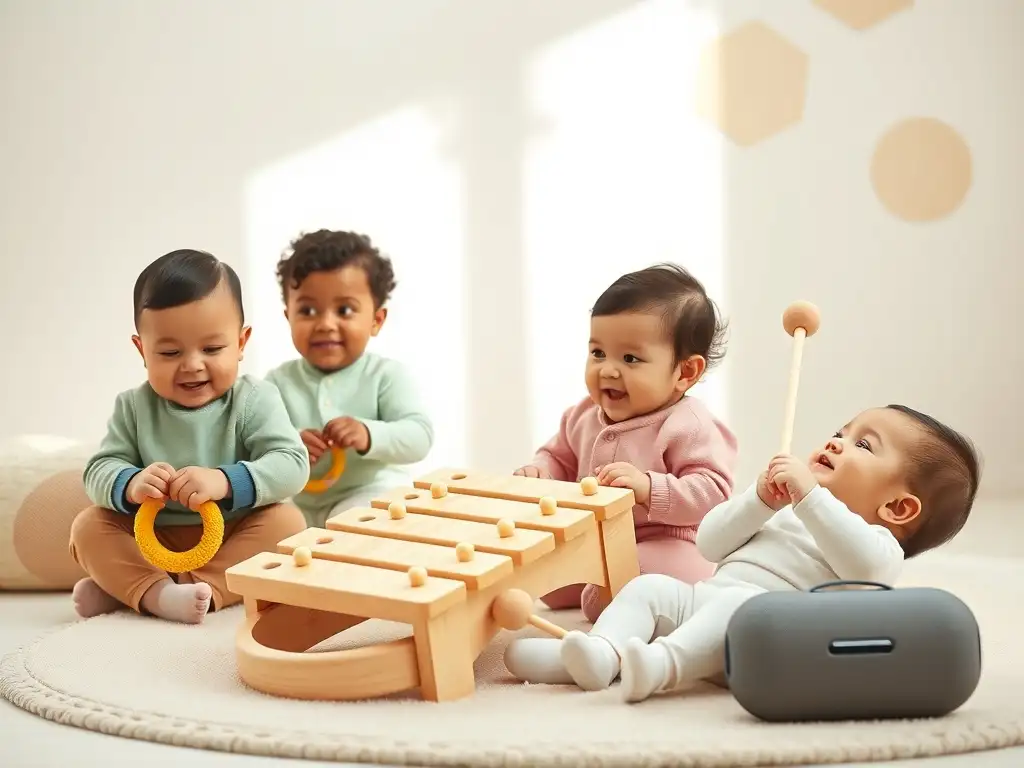
Introducing musical instruments and sensory toys is a fantastic way to expand your baby's rhythmic exploration beyond simple clapping and singing. The varied textures, sounds, and movements involved stimulate multiple senses simultaneously, maximizing learning potential. Think beyond the typical rattles!
Consider these options:
- Soft, textured drums: These allow for safe exploration of percussion sounds without the risk of hard surfaces. The varying textures provide additional sensory input.
- Xylophones with large, colorful keys: These introduce the concept of pitch and tone in a fun, engaging way. Supervise closely to prevent accidental ingestion of small parts.
- Shakers filled with different materials: The varied sounds produced by shaking these will fascinate your baby and help them understand cause and effect. Rice, beans, and small bells create diverse auditory experiences.
- Fabric books with crinkly pages and textured elements: These engage tactile senses while introducing rhythmic patterns through the repetitive sounds of crinkling the pages.
Remember to always supervise your baby during playtime with any toys, and choose toys appropriate for their age and developmental stage. Observe your baby's reactions and adjust activities accordingly. Some babies may show more interest in certain instruments or textures than others. This is perfectly normal! Let their preferences guide your choices. 🎉
Exploring Different Genres of Music for Babies
While lullabies and classical music are often recommended, exposing your baby to a variety of musical genres can broaden their musical palette and enhance their rhythmic understanding. Different genres offer diverse tempos, rhythms, and instrumentation, enriching their sensory experiences.
Here are some genre suggestions:
- Classical Music (Varied Composers): Classical music often features predictable rhythmic patterns and melodic structures, providing a solid foundation for rhythmic understanding. Exposure to different composers introduces variations in style and tempo.
- World Music: The diverse rhythms and instruments found in world music expose babies to a wider range of sounds and patterns, fostering an appreciation for global musical traditions.
- Folk Music: Often featuring simple, repetitive melodies and rhythms, folk music is easily accessible and enjoyable for babies.
- Jazz (Simple, Upbeat Pieces): The improvisational nature of jazz can introduce babies to more complex rhythmic variations, though it's crucial to select pieces with simpler, more predictable rhythms initially.
Remember to choose music with clear, distinct rhythms and avoid pieces with overly loud or jarring sounds. Observe your baby's reactions to different genres and select music they seem to enjoy most. The key is to create a positive and engaging musical experience. 🎶
Creating Your Own Rhythmic Games and Activities
Beyond commercially available toys and pre-recorded music, creating your own rhythmic games and activities fosters a unique bond with your baby and allows for personalized learning experiences. These activities can be as simple or complex as you desire, always adapting to your baby's developmental stage and interests.
Here are some ideas:
- Body Percussion: Engage in simple body percussion activities such as clapping, patting your legs, and stomping your feet. Incorporate these movements into songs or rhymes for added engagement.
- Rhythmic Massage: Gentle rhythmic massage can soothe your baby while introducing rhythmic patterns through touch.
- Dance and Movement: Simple dance movements to music can improve coordination and rhythm skills. Follow your baby's lead; they might surprise you with their natural rhythm and coordination!
- Object Manipulation: Use everyday objects like wooden spoons or blocks to create rhythmic sounds and patterns.
Remember to keep these activities playful and engaging. Focus on interaction and enjoyment rather than strict adherence to a structured routine. The goal is to foster a love of music and movement in your baby, setting the stage for future musical and cognitive development. 👶
This section provides a detailed exploration of advanced rhythmic activities for babies, focusing on diverse approaches to stimulate their learning and development within the context of "baby learning rhythmic patterns." Remember to always prioritize safety and adapt activities to your baby's individual needs and preferences.
Long-Term Benefits of Early Exposure to Rhythmic Patterns
Early exposure to rhythmic patterns offers a multitude of long-term advantages for your baby's development, extending far beyond simply enjoying a lullaby. The benefits are deeply intertwined with cognitive, emotional, and social growth, laying a robust foundation for future success. Understanding these benefits helps parents appreciate the profound impact of incorporating music and rhythmic activities into their baby's daily routine.
This isn't just about entertainment; it's about actively shaping your child's brain development and future capabilities. The consistent, predictable nature of rhythm helps babies build crucial neural pathways, enhancing their ability to process information and learn new skills later in life.
Fostering a Love of Music and Movement in Your Child
Introducing rhythmic patterns early on can cultivate a lifelong appreciation for music and movement. Think of it as planting a seed that will blossom into a love of dance, playing an instrument, or simply enjoying the pleasure of rhythmic activities. Studies show that babies exposed to music and movement from an early age often demonstrate a greater interest and aptitude in these areas later in life. This isn't solely about talent; it's about creating positive associations with these activities, making them enjoyable and accessible.
For example, a baby consistently exposed to lullabies and gentle rocking may later gravitate towards singing, dancing, or even playing musical instruments. The early exposure creates a positive feedback loop, reinforcing the enjoyment and making it more likely they'll continue these activities throughout childhood and beyond. This early engagement can significantly influence their future choices and leisure activities.
Building a Strong Foundation for Future Learning
The benefits of rhythmic pattern exposure extend significantly to overall cognitive development. Rhythm acts as a scaffolding for learning, helping babies develop crucial skills such as:
- Predictability and anticipation: Repeating rhythmic patterns allows babies to anticipate what comes next, enhancing their ability to follow sequences and understand cause-and-effect relationships. This is a cornerstone of future academic success.
- Memory and attention span: Recognizing and remembering patterns strengthens memory skills. The brain actively works to process and retain the information, leading to improved attention spans and cognitive flexibility.
- Language development: The rhythmic nature of language itself—the beat, stress, and intonation—makes rhythmic exposure directly beneficial to language acquisition. Babies exposed to rhythmic patterns often develop stronger language skills earlier. Think of nursery rhymes and songs – these are prime examples of rhythmic language input.
The impact on future academic success is substantial. A strong foundation in pattern recognition and memory directly translates to improved reading comprehension, mathematical skills, and overall academic performance. This early intervention can significantly reduce learning difficulties later in life.
Beyond cognitive development, rhythmic patterns also contribute significantly to emotional and social well-being. The predictability and soothing nature of rhythm can:
- Reduce stress and anxiety: Consistent rhythmic patterns, such as rocking or swaying, have a calming effect on babies, helping to regulate their nervous systems and reduce feelings of stress and anxiety. This creates a sense of security and comfort.
- Enhance bonding: Shared rhythmic activities, such as singing lullabies or dancing together, strengthen the bond between parent and child. These shared experiences create positive memories and enhance emotional connection.
- Improve social interaction: Participating in group rhythmic activities, such as music classes, can help babies develop social skills, learn to interact with others, and build social confidence. This early socialization is crucial for healthy development.
The benefits are multifaceted and far-reaching. By incorporating rhythmic patterns into your baby's daily life, you're not just providing entertainment; you're actively investing in their future well-being, fostering a love of learning, and building a strong foundation for emotional, social, and cognitive development. The power of repetition in the context of rhythmic patterns is a powerful tool for nurturing your baby’s growth and development.
Frequently Asked Questions
What are rhythmic patterns, and why are they important for babies?
Rhythmic patterns are repetitive sounds and movements, like lullabies or rocking. They are crucial because they help babies develop cognitive skills, build predictability, and foster a sense of security.
How can I introduce rhythmic patterns into my baby's daily routine?
Incorporate songs, rhymes, and dances into playtime. Regular routines like bath time or feeding time can also benefit from rhythmic elements. You can even use household sounds like the ticking of a clock.
At what age do babies start responding to rhythmic patterns?
Babies begin responding to rhythmic patterns from birth. They might show preference through increased attention, calmness, or engagement. Their responsiveness will increase as they get older.
Are there any specific rhythmic patterns that are particularly beneficial for babies' development?
While all rhythmic patterns are helpful, music and rhymes are particularly beneficial. They stimulate brain development and improve language acquisition. Simple, repetitive patterns are most effective initially.
My baby seems to dislike certain rhythmic patterns. Should I be concerned?
Not necessarily. Babies have individual preferences. If your baby consistently shows dislike, try different patterns or vary the tempo and intensity. If concerns persist, consult your pediatrician.
Final Reflection: The Enduring Rhythm of Learning
The rhythmic patterns we introduce to babies in their earliest months are not merely charming sounds; they are the foundational building blocks of their cognitive development. Understanding this profound connection between rhythm and learning has far-reaching implications for how we nurture and educate our youngest members of society. This knowledge empowers parents and caregivers to actively shape a child's future by creating rich, stimulating auditory environments.
The impact of rhythmic patterns extends far beyond the immediate acquisition of language and motor skills. It shapes a child's emotional development, fostering a sense of security and predictability in a world full of unknowns. The rhythm of life is a powerful force, and it is in the early years that this rhythm is most deeply imprinted.
This quote underscores the lasting influence of early rhythmic experiences, shaping not only cognitive abilities but also emotional resilience and a sense of self. The subtle yet powerful influence of lullabies, nursery rhymes, and even the rhythmic patterns of parental interaction leaves an indelible mark on a child's developing brain.
Consider the rhythms in your own life – the beat of your heart, the cycle of the seasons, the ebb and flow of daily routines. These rhythms provide comfort and structure. Now, imagine the power you hold to create similar comforting and enriching rhythmic experiences for the little ones in your life. Embrace the power of repetition, not as a tedious task, but as a joyful opportunity to nurture a child's burgeoning mind and soul. Sing, dance, clap, and create a world of sound that fosters learning, growth, and a deep appreciation for the beauty of rhythm.
Unlock Your Baby's Learning Potential: Start Rhythming Today!
Thank you for exploring the fascinating world of rhythmic learning with us! We hope you've gained valuable insights into how repetition can boost your baby's development. Now it's time to put this knowledge into practice.
Here are a few ways to incorporate rhythm into your baby's day:
- Sing songs and rhymes regularly: Make it a daily routine! Even simple nursery rhymes can significantly benefit your baby's development.
- Incorporate rhythmic movements: Try swaying, dancing, or clapping along to familiar tunes. This adds a valuable sensory dimension to the learning experience.
- Share your experiences: We'd love to hear what rhythmic activities you're most excited to try with your little one!
What exciting rhythmic patterns will you and your baby discover together?