
The Science of Movement: Understanding Baby's Physical Development

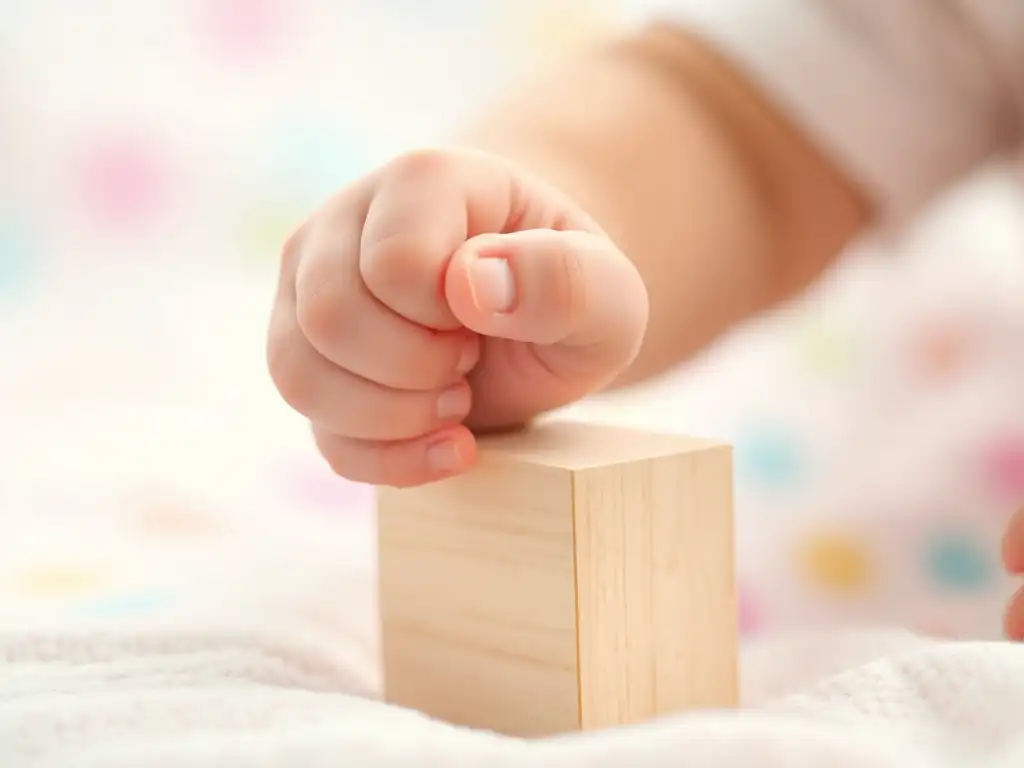
Welcome to BabyCareHub, your ultimate guide to navigating the incredible journey of parenthood! Are you curious about the amazing physical feats your little one is about to achieve? We delve into the fascinating world of baby physical development milestones, exploring the key stages and what you can expect as your baby grows. Discover the science behind their movements and learn how to support their progress. Prepare to be amazed by the rapid development unfolding before your eyes – let's explore the wonders of your baby's growth together!
- Baby Physical Development Milestones: From Newborn Reflexes to First Steps
- Baby Physical Development Milestones: Supporting Your Little One's Journey
- Baby Physical Development Milestones: Monitoring Progress and Celebrating Achievements
-
Frequently Asked Questions
- What are the key physical development milestones for babies?
- When should I be concerned about my baby's physical development?
- How can I support my baby's physical development?
- What role does nutrition play in my baby's physical development?
- Are there any red flags I should watch out for regarding my baby's physical development?
- Final Reflection: The Ever-Unfolding Story of Movement
- Unlock Your Baby's Movement Potential!
Baby Physical Development Milestones: From Newborn Reflexes to First Steps
Understanding your baby's physical development is a journey filled with wonder and exciting milestones. This guide delves into the science behind your baby's amazing physical progress, from the involuntary reflexes of newborns to the triumphant first steps. We'll explore key developmental stages, providing you with age-appropriate expectations and practical tips to support your little one's growth.
Learning about typical "baby physical development milestones" empowers you to celebrate your baby's unique journey and identify any potential areas needing further attention. This knowledge is crucial for first-time parents navigating the exciting world of baby care and ensuring optimal development. We will cover everything from the fascinating world of newborn reflexes to the thrilling achievement of independent locomotion, providing a comprehensive overview of your baby's physical development journey.
Newborn Reflexes: The Building Blocks of Movement
Newborn babies are equipped with a fascinating array of reflexes – involuntary movements that are crucial for survival and lay the groundwork for future motor skills. These primitive reflexes, present from birth or shortly after, gradually fade as the baby's nervous system matures and voluntary control develops. Understanding these reflexes offers valuable insights into your baby's neurological development.
Understanding Primitive Reflexes and Their Role
Several key reflexes are observed in newborns. The rooting reflex, for example, causes the baby to turn their head and open their mouth when their cheek is stroked, facilitating feeding. The sucking reflex is similarly vital for nourishment. The grasp reflex, where the baby tightly grasps an object placed in their hand, is another fascinating example. These reflexes are not simply random movements; they are essential for survival and represent the initial steps towards voluntary motor control. The presence and strength of these reflexes are important indicators of neurological health. A pediatrician will assess these during routine checkups.
Assessing Your Baby's Reflexes: What to Look For
While it's crucial to consult a pediatrician for a professional assessment, observing your baby's reflexes at home can be a rewarding experience. Gently stroke your baby's cheek to observe the rooting reflex, or offer a finger for them to grasp, testing the grasp reflex. Note the strength and duration of these responses. Remember, these reflexes will fade over time, and variations in timing are normal.
Keep a record of your observations and share them with your pediatrician at your next visit. This collaborative approach ensures early detection of any potential developmental concerns. Remember, documenting these observations can be a valuable tool for tracking your baby's progress.
Gross Motor Skills Development in Infants: Rolling, Sitting, Crawling
As your baby grows, these early reflexes give way to voluntary movements, marking the beginning of gross motor skill development. This refers to the larger movements involving the arms, legs, and torso. From rolling over to sitting, crawling, and eventually walking, each milestone represents a significant leap in physical coordination and control.
Tracking Gross Motor Skill Progression: Age-Appropriate Expectations
While individual variations exist, there are general guidelines for typical gross motor development. Most babies roll over from tummy to back around 4-6 months and back to tummy around 6-8 months. Sitting unsupported typically occurs between 6-8 months, although some babies may achieve this earlier or later. Crawling usually begins between 7-10 months, though some babies skip this stage altogether and proceed directly to walking. These are just average ranges; your baby's unique timeline is perfectly normal as long as they are progressing steadily.
Encouraging Gross Motor Development Through Play and Activities
Providing a safe and stimulating environment is key to fostering your baby's gross motor skills. Tummy time, for example, is crucial for strengthening neck and back muscles, essential for rolling over and sitting. Offering age-appropriate toys that encourage reaching, grabbing, and pushing can further stimulate development. Creating a space with soft surfaces and ample room for movement allows your baby to explore their physical capabilities safely. Remember, play is not just fun; it's a fundamental aspect of learning and development. Remember to always supervise your baby during playtime.
Fine Motor Skill Development: Reaching, Grasping, and Manipulating Objects
Fine motor skills involve the smaller muscles of the hands and fingers, enabling precise movements crucial for tasks like reaching, grasping, and manipulating objects. These skills are fundamental to a baby's physical development and lay the groundwork for future complex actions like writing and drawing. The development of these skills follows a predictable pattern, although the exact timing varies between babies. Newborns exhibit primitive reflexes, such as the grasp reflex, where they automatically clench their fingers around an object placed in their palm. This reflex fades as voluntary control develops.
By around 3 months, babies begin to reach for objects, initially with clumsy, uncoordinated movements. Their aim might be off, and they may miss the target frequently. However, their visual tracking improves, and they become more adept at following moving objects with their eyes, a critical component of hand-eye coordination. Around 4-6 months, babies start to successfully reach and grasp objects, often using a raking motion to scoop up items. Their grip strength increases, allowing them to hold onto toys for longer periods.
Between 6 and 9 months, the pincer grasp emerges. This refined grip uses the thumb and index finger to pick up small objects, a significant milestone in fine motor development. This development reflects improved hand-eye coordination and allows babies to explore their environment more effectively, picking up tiny objects like cereal pieces or small blocks.
As they approach their first birthday, babies become increasingly proficient at manipulating objects, turning them over, banging them together, and exploring their textures. This playful exploration is crucial for learning and cognitive development. These skills continue to refine throughout their toddler years, leading to more complex manipulations and dexterity.
The Development of Hand-Eye Coordination in Babies
Hand-eye coordination is the ability to coordinate the movements of the eyes and hands, a crucial skill for numerous activities. In babies, this development is a gradual process, starting with basic reflexes and progressing to complex actions. From birth, babies are already working on this coordination. They instinctively follow moving objects with their eyes, a precursor to reaching and grasping. This visual tracking is essential for developing the spatial awareness needed for later hand-eye coordination tasks.
As babies grow, the connection between what they see and how they move their hands strengthens. Around 3-4 months, they begin to reach for objects, albeit clumsily. This reaching, even if unsuccessful, is crucial practice for improving hand-eye coordination. The accuracy of their reaches increases as they gain better control of their arm and hand muscles. The development of the pincer grasp around 6-9 months is a clear demonstration of improved hand-eye coordination. The ability to precisely use the thumb and index finger to pick up small objects signifies a significant leap in this skill.
Continued practice and play contribute significantly to refining hand-eye coordination. Activities that involve tracking objects, reaching, grasping, and manipulating objects, all contribute to strengthening this crucial skill. By the time a baby reaches their first birthday, their hand-eye coordination is significantly improved, allowing them to perform more complex tasks, such as stacking blocks or feeding themselves. This continues to develop throughout childhood, forming the base for more advanced skills.
Activities to Stimulate Fine Motor Skills Development
Stimulating a baby's fine motor skills is crucial for their overall development. There are many playful activities parents can engage in to encourage this development. Simple activities like providing rattles and textured toys for babies to grasp and shake are excellent starting points. These activities help strengthen their grip and develop hand-eye coordination. As they grow, introducing toys that encourage reaching, such as hanging mobiles or toys placed just out of reach, helps develop their arm and hand muscles and improves their accuracy.
Between 6 and 9 months, toys that require a pincer grasp, such as small blocks or textured balls, become beneficial. These toys encourage the development of the precision needed for later activities like writing and drawing. Playing with nesting cups or stacking rings also enhances hand-eye coordination and problem-solving skills. Sensory play, such as playing with finger paints (non-toxic, of course!) or exploring different textures like sand or water, stimulates their tactile senses and encourages fine motor exploration.
Remember to always supervise babies during playtime and ensure that all toys are age-appropriate and safe. Simple everyday activities can also stimulate fine motor skills. For example, allowing babies to help with age-appropriate chores, like putting away toys or helping with meal preparation (under close supervision), provides opportunities for practice and skill development. The key is to provide a stimulating environment with a variety of age-appropriate toys and activities, ensuring that play is engaging and fun, promoting healthy physical development. This consistent stimulation helps babies reach their developmental milestones efficiently and confidently. 🎉
Baby Physical Development Milestones: Supporting Your Little One's Journey
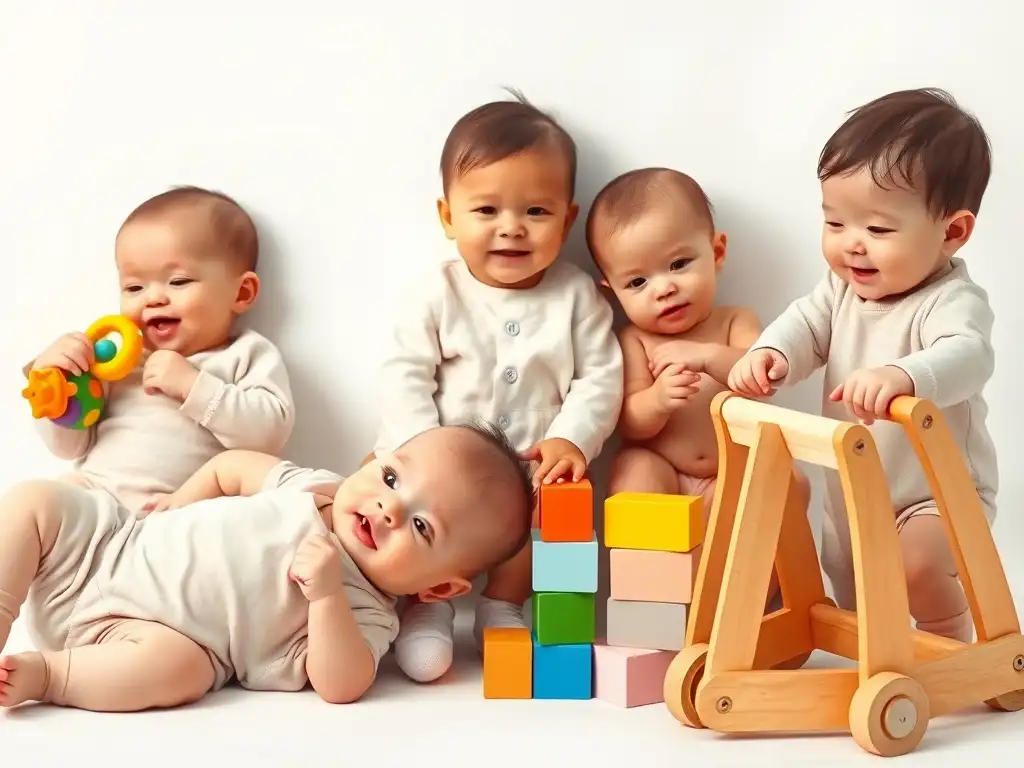
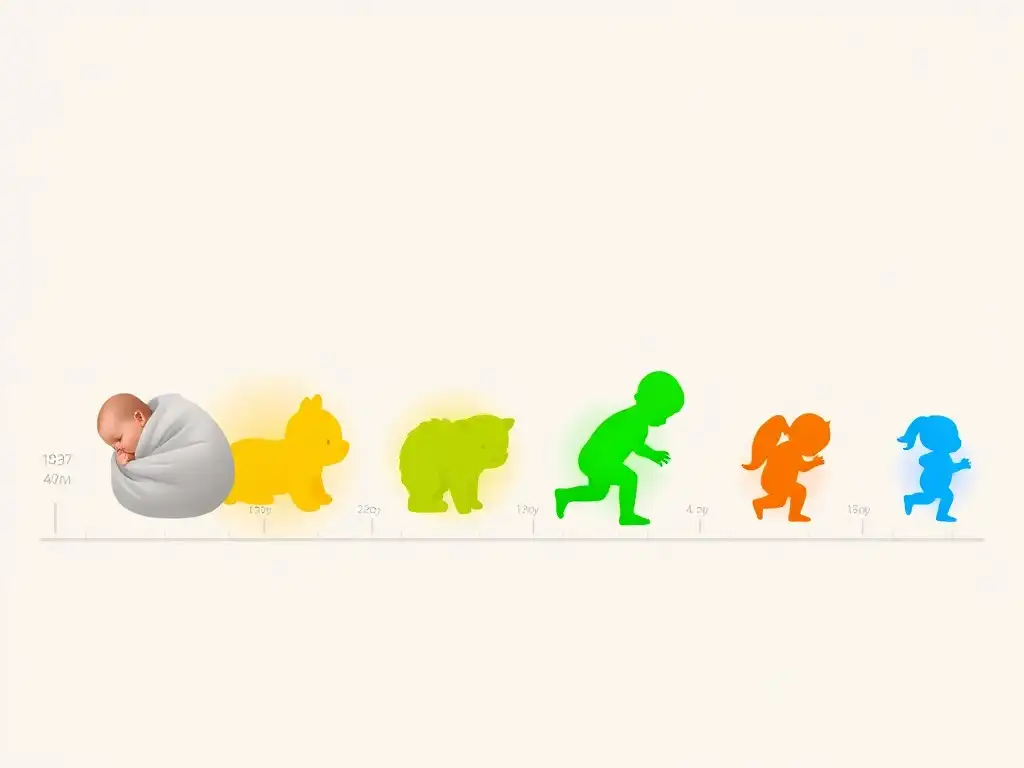
This section focuses on understanding and supporting your baby's incredible journey of physical development. We'll explore key milestones, provide practical tips, and highlight the crucial role of a nurturing environment and balanced nutrition in achieving these milestones. Remember, every baby develops at their own pace, so celebrate your little one's unique achievements! This information is designed to help you understand typical baby physical development milestones, providing a framework for observation and support.
Creating a Safe and Stimulating Environment for Movement
A safe and stimulating environment is paramount for a baby's physical development. Providing opportunities for exploration and movement encourages strength, coordination, and confidence. This section covers essential steps to create such an environment.
Baby-Proofing Your Home for Safe Exploration
Baby-proofing is not just about preventing accidents; it's about creating a space where your baby can safely explore their world. This involves removing hazards from your baby's reach. Consider these crucial steps:
- Cover electrical outlets: Use safety covers to prevent shocks.
- Secure furniture: Anchor heavy furniture like bookshelves and dressers to the walls to prevent tipping.
- Install window guards: Protect your little one from falls.
- Lock cabinets and drawers: Keep cleaning supplies, medications, and other hazardous materials out of reach.
- Use safety gates: Block off stairs and other potentially dangerous areas.
- Pad sharp corners: Use corner guards to protect your baby from bumps and bruises.
Remember, a systematically baby-proofed home allows your baby to engage in free movement and exploration without compromising their safety. This proactive approach fosters a sense of security and confidence, vital for their baby physical development milestones.
Setting Up a Play Area to Encourage Movement
A dedicated play area provides a space specifically designed to encourage your baby's physical development. Think of this as a "movement gym" tailored to your baby's age and abilities.
- Soft play mats: These provide cushioning and a safe surface for rolling, crawling, and tummy time.
- Age-appropriate toys: Select toys that encourage reaching, grasping, and manipulating objects. Consider rattles, soft blocks, and textured balls.
- Mirrors: Mirrors are fascinating for babies and encourage them to observe their own movements.
- Tummy time support: Use pillows or rolled-up blankets to support your baby during tummy time. This strengthens their neck and back muscles, crucial for later milestones.
- Open space: Ensure there's enough space for your baby to move freely without bumping into furniture or obstacles.
This carefully designed play area acts as a dedicated space for your baby to practice and refine their motor skills, directly contributing to their progress in baby physical development milestones.
Nutrition and Physical Development: The Importance of a Balanced Diet
Adequate nutrition is fundamental to your baby's physical development. A balanced diet provides the essential nutrients needed for growth, muscle development, and overall well-being.
Nutritional Needs for Optimal Growth and Development
Your baby's nutritional needs change as they grow. The first year is particularly crucial, with rapid growth and development demanding a high intake of essential nutrients. These include:
- Protein: For building and repairing tissues.
- Iron: To prevent anemia and support healthy blood development.
- Calcium: For strong bones and teeth.
- Vitamin D: For calcium absorption and bone health.
- Zinc: For immune function and growth.
Understanding these nutritional requirements helps you tailor your baby's diet to support their physical development. A well-balanced diet contributes significantly to achieving baby physical development milestones. Consult your pediatrician for personalized dietary advice.
The Role of Breast Milk or Formula in Physical Development
Breast milk or formula provides the ideal nutrition for infants. Breast milk is uniquely tailored to meet a baby's changing needs, containing antibodies that protect against infections and promoting healthy gut development. Formula, when breast milk is unavailable, provides a close alternative but may lack some of the immune-boosting benefits.
Both breast milk and formula provide essential nutrients for growth and development, contributing directly to achieving crucial baby physical development milestones. The choice between breastfeeding and formula feeding is a personal one; discuss your options with your doctor or a lactation consultant to make the best decision for your baby. Remember, consistent and adequate nutrition is key. The proper intake of nutrients directly correlates to the achievement of developmental milestones.
Recognizing Potential Delays in Physical Development: When to Seek Professional Help
Monitoring your baby's physical development is crucial for ensuring their healthy growth. While every child develops at their own pace, understanding typical milestones provides a valuable benchmark. However, it's equally important to recognize potential delays and know when to seek professional help. Early intervention can significantly impact a child's long-term development and well-being.
Delaying intervention can sometimes lead to more significant challenges later in life. Therefore, proactive monitoring and seeking professional advice when needed are paramount. Parents should feel empowered to ask questions and express concerns to their healthcare providers, regardless of how minor they may seem. Remember, your intuition as a parent is invaluable.
Signs of Developmental Delays to Watch Out For
Several signs may indicate a potential delay in your baby's physical development. These are not exhaustive, and the absence of these signs doesn't guarantee typical development. However, observing several of these indicators warrants a consultation with a healthcare professional. These signs can vary depending on the age of the baby. For example, a delay in head control might be more concerning in a four-month-old than a two-month-old.
- Gross Motor Skills: Significant delays in achieving milestones like rolling over, sitting up, crawling, or walking. For instance, if your baby is consistently significantly behind the average age range for these milestones, it is important to consult a professional. This is especially important if the delay is coupled with other developmental concerns.
- Fine Motor Skills: Difficulty with grasping objects, bringing hands to mouth, or showing limited hand-eye coordination. For example, a baby who is not able to reach for or grasp toys at the expected age may be experiencing a developmental delay. A lack of progress in these areas should be checked by a specialist.
- Muscle Tone: Excessive floppiness (hypotonia) or stiffness (hypertonia) can be indicative of underlying neurological conditions. This is a particularly important area to monitor as muscle tone can significantly impact a baby's ability to move and interact with their environment.
- Postural Control: Persistent difficulty maintaining head control, sitting upright, or standing unsupported, especially when comparing to other babies of the same age. This can indicate a broader developmental delay which needs to be investigated.
- Reflexes: Absence or persistence of primitive reflexes beyond the expected age range. These reflexes are important indicators of neurological development. Persistent or absent reflexes can signal potential underlying issues.
Seeking Professional Guidance: Pediatricians and Developmental Specialists
If you have concerns about your baby's physical development, scheduling an appointment with your pediatrician is the first step. Your pediatrician can conduct a comprehensive assessment, review your baby's developmental history, and potentially refer you to specialists if needed. Early intervention is key, and a pediatrician plays a crucial role in identifying potential issues and guiding parents through the process.
Depending on the nature of the concerns, your pediatrician might recommend a referral to a developmental specialist, such as a pediatric neurologist, physical therapist, or occupational therapist. These specialists have expertise in diagnosing and treating various developmental delays. They can provide targeted interventions and therapies tailored to your baby's specific needs. Remember, seeking professional help is not an admission of failure as a parent; it's a proactive step towards ensuring your baby receives the support they need to thrive.
Early intervention services can greatly improve outcomes and promote the best possible development trajectory for your child. The sooner any concerns are addressed, the better the chances of a positive outcome. 👶
Baby Physical Development Milestones: Monitoring Progress and Celebrating Achievements
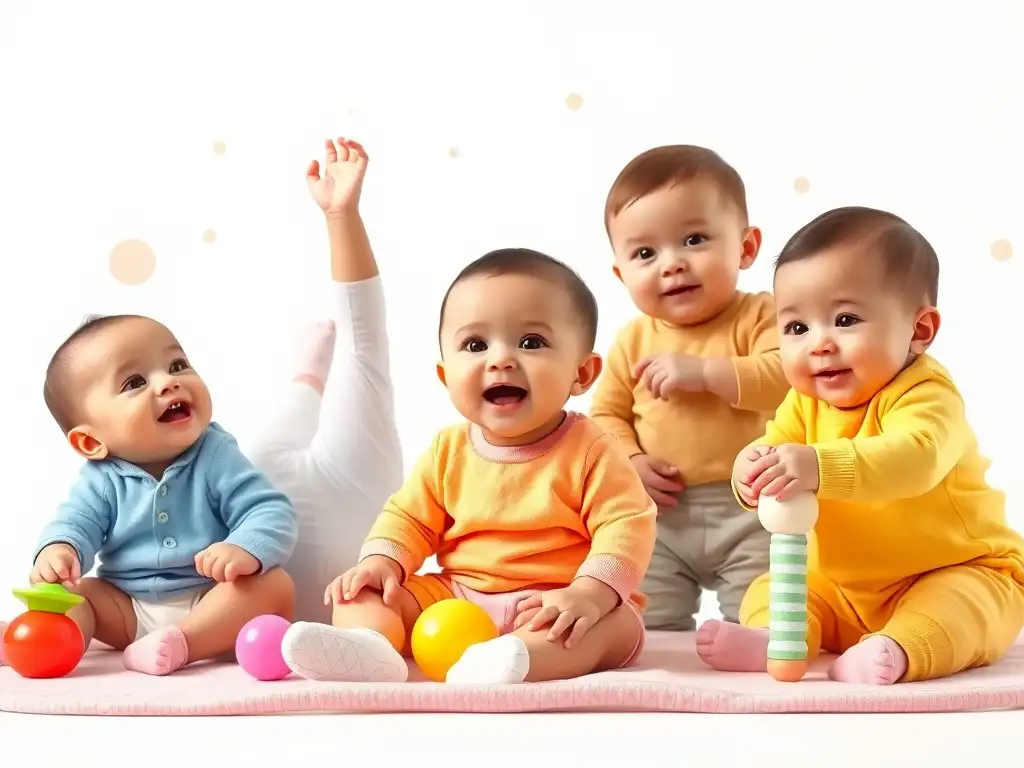
This section focuses on understanding and tracking your baby's physical development milestones, offering practical advice and celebrating those significant achievements. Navigating the journey of your baby's growth requires a blend of informed observation and professional guidance. Remember, every baby develops at their own pace, and while milestones provide a helpful framework, variations are perfectly normal.
Focus on your baby's individual progress and celebrate each step of the way! This section will help you understand the importance of regular check-ups, how to celebrate milestones, and the crucial role of patience and encouragement in fostering healthy development. Understanding baby physical development milestones is key to ensuring your little one thrives.
Regular Check-ups with Your Pediatrician: Tracking Progress
Regular visits to your pediatrician are crucial for tracking your baby's physical development. These check-ups aren't just about vaccinations; they provide a valuable opportunity for your doctor to assess your baby's growth, monitor their development against established milestones, and address any concerns you might have. During these appointments, your pediatrician will:
- Measure height and weight: Tracking growth curves helps identify potential nutritional deficiencies or other underlying health issues.
- Assess head circumference: This measurement helps monitor brain development.
- Evaluate motor skills: The doctor will assess gross motor skills (large muscle movements like rolling over, sitting, crawling, and walking) and fine motor skills (small muscle movements like grasping objects and using fingers).
- Observe developmental progress: Your pediatrician will ask about your baby's overall development, including their social and emotional milestones. This holistic approach is crucial for early identification of potential delays.
- Address your concerns: This is your chance to ask questions and discuss any developmental concerns you may have. Don't hesitate to voice your observations and anxieties; your pediatrician is there to provide support and guidance.
The data collected during these check-ups provides a valuable record of your baby's progress, allowing for early intervention if necessary. Remember to keep a record of these measurements and observations yourself – it's a fantastic keepsake and can be incredibly helpful during future visits. Don't be afraid to ask your pediatrician for clarification or further explanation regarding any aspect of your baby's development. They are your partners in this journey.
Celebrating Milestones and Encouraging Your Baby's Development
Celebrating your baby's milestones is crucial for both your baby and you! It reinforces positive behavior, builds confidence, and strengthens the bond between parent and child. Here are some ways to celebrate:
- Verbal praise and positive reinforcement: Simply saying "You did it!" or "Great job!" can go a long way.
- Special activities: Celebrate a new skill with a small party, a special outing, or a new toy tailored to the newly acquired skill (e.g., a stacking toy for improved grasping).
- Photo and video documentation: Capture these precious moments to cherish later. These visual records also help you track their progress over time.
- Sharing milestones with loved ones: Sharing your joy with family and friends strengthens your support network and provides encouragement.
Remember that celebrating milestones isn't just about the achievement itself; it's about reinforcing the effort and perseverance your baby demonstrated in reaching that point. This positive reinforcement creates a supportive and encouraging environment that fosters further development. For example, if your baby finally masters crawling, celebrate the determination and effort it took to reach that stage. This positive feedback loop is essential to encourage continued progress.
The Importance of Patience and Encouragement in Baby's Physical Development
Patience and encouragement are vital components of supporting your baby's physical development. Every baby develops at their own pace, and comparing your baby to others can lead to unnecessary stress and anxiety. Remember, there's a wide range of "normal" development. While milestones are helpful guidelines, they don't dictate an exact schedule.
Some babies may reach milestones earlier than others, and some may take a bit longer. Focus on your baby's individual progress and celebrate their unique achievements. Providing a safe and stimulating environment is key; this includes tummy time, age-appropriate toys, and opportunities for exploration. Avoid pushing your baby to achieve milestones prematurely, as this can be counterproductive and even harmful.
Instead, focus on creating a nurturing and supportive environment that encourages exploration and play. Your consistent presence, love, and encouragement are the most valuable tools you have in fostering your baby's healthy physical development. Remember, each small step is a victory, and consistent support is the key to unlocking their full potential. Patience and understanding will greatly benefit your baby's overall well-being and development. This holistic approach ensures a positive and fulfilling experience for both you and your child as you navigate the exciting journey of baby physical development milestones.
Frequently Asked Questions
What are the key physical development milestones for babies?
Babies reach milestones at their own pace, but key ones include lifting their head, rolling over, sitting, crawling, and walking. These usually happen within a certain timeframe, but variations are normal.
When should I be concerned about my baby's physical development?
If your baby consistently misses major milestones or shows significant delays compared to average ranges, consult your pediatrician. Early intervention is key for addressing potential concerns.
How can I support my baby's physical development?
Provide a safe and stimulating environment with tummy time, plenty of floor play, and opportunities for movement. Interactive play and gentle exercises can also help.
What role does nutrition play in my baby's physical development?
Proper nutrition is crucial. Breast milk or formula provides essential nutrients for growth. Introduce solid foods appropriately, following your pediatrician's guidance.
Are there any red flags I should watch out for regarding my baby's physical development?
Look for things like lack of muscle tone, inability to support their head, or asymmetry in movement. Consult your doctor if you observe any unusual or concerning patterns.
Final Reflection: The Ever-Unfolding Story of Movement
The science of baby's physical development isn't just a collection of milestones; it's a breathtaking testament to the power of the human body to learn, adapt, and grow. Understanding these developmental stages allows us to appreciate the incredible journey each baby embarks on, fostering a deeper connection and informed support for their progress. This knowledge empowers parents and caregivers to nurture their child's potential from the very beginning.
Witnessing a baby's first roll, their tentative steps, and the joy in their newfound mobility is a profoundly moving experience. It's a reminder of the fundamental human drive to explore and interact with the world. This journey, far from being merely physical, shapes their cognitive and emotional development, laying the foundation for future learning and independence. Play is the highest form of research.
- Albert Einstein. This quote perfectly encapsulates the importance of movement in a baby's overall development, as play is intrinsically linked to physical exploration and learning.
Now, consider your own role in this unfolding story. How can you actively support the physical development of the babies in your life? By creating a safe and stimulating environment, providing opportunities for exploration, and celebrating each milestone, you become a vital part of their journey. Remember, every wobble, every crawl, every step is a victory, a testament to their resilience and the incredible potential within each little human. Embrace this journey with wonder and joy, and watch as a tiny human blossoms into a confident, capable individual.
Unlock Your Baby's Movement Potential!
Thank you for learning about the fascinating science of your baby's physical development! We hope you found this information valuable and empowering. Now, let's put this knowledge into practice.
- Create a personalized movement plan: Design a simple routine of tummy time, playful stretches, and age-appropriate exercises for your baby, based on what you've learned. This is a wonderful opportunity to actively support their growth!
- Share your experiences: Connect with other parents on BabyCareHub's forums and share your successes and challenges. You can learn from and inspire fellow caregivers!
- Document your baby's milestones: Keep a simple journal (digital or paper) to track your baby's progress. Watching their development unfold is incredibly rewarding!
What new movement activity will you try with your baby today, and what developmental milestone are you most excited to see them reach?