
Baby Sign Language: A LongTerm Investment in Your Child's Future

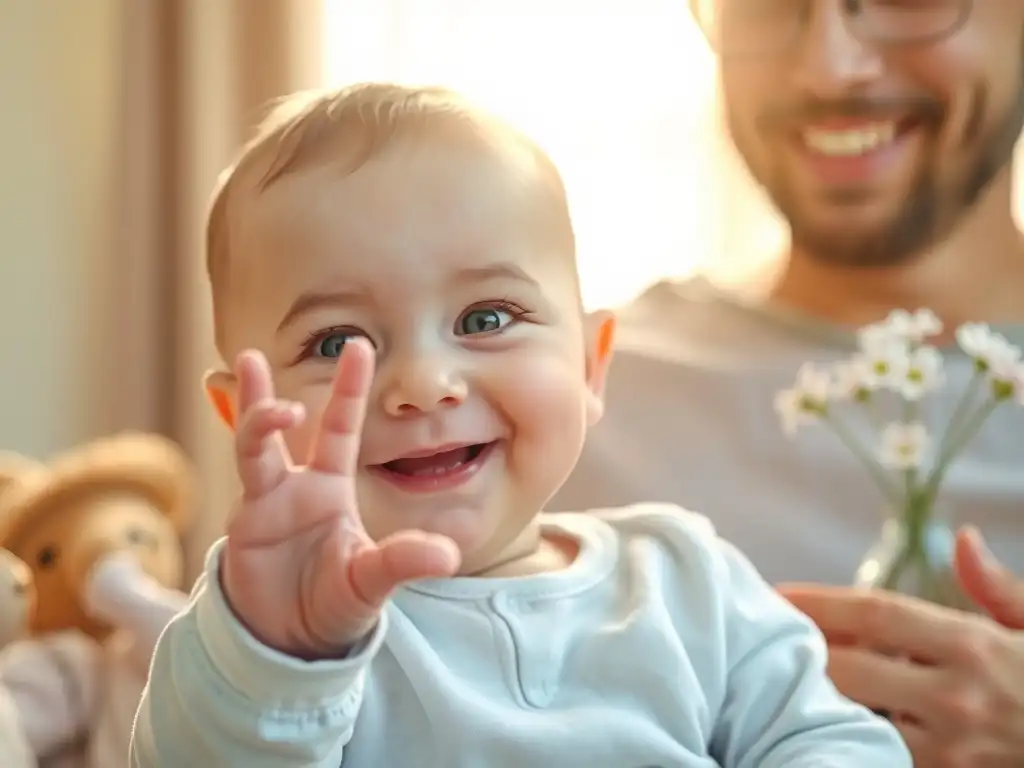
Welcome to BabyCareHub, your ultimate guide to navigating the incredible journey of parenthood! Are you ready to unlock a world of communication with your little one? Discover the transformative benefits of baby sign language and how it can foster a deeper connection and accelerate your baby's development. Learn how early language acquisition through signing lays the foundation for future success – explore the fascinating details within our "Developmental Milestones" section and embark on this enriching adventure with us.
- Understanding the Benefits of Baby Sign Language
- How Baby Sign Language Improves Cognitive Development
- Practical Guide to Teaching Baby Sign Language
-
Addressing Common Concerns and Misconceptions about Baby Sign Language
- Myth: Baby Sign Language Delays Spoken Language Development
- Reality: The Positive Correlation Between Signing and Speech
- Myth: Only Certain Babies Can Learn Sign Language
- Reality: All Babies Have the Capacity to Learn Signs
- Myth: Baby Sign Language Delays Spoken Language Development
- Reality: Sign Language Enhances Bonding and Connection
- Myth: It's Too Much Effort and Too Time-Consuming
- Long-Term Benefits of Baby Sign Language: Beyond Toddlerhood
- Resources and Further Learning: Continuing Your Baby Sign Language Journey
- Frequently Asked Questions
- Final Reflection: Unlocking Potential: The Lasting Gift of Baby Sign Language
- Unlock Your Baby's Communication Potential Today!
Understanding the Benefits of Baby Sign Language
Learning baby sign language offers a wealth of benefits for both parents and their children, extending far beyond simple communication. This comprehensive guide delves into the profound impact of incorporating baby signs into your child's early development, showcasing how it can significantly enhance their communication skills, accelerate language acquisition, and strengthen the parent-child bond. We'll explore the numerous advantages, providing you with the knowledge to make an informed decision about incorporating this valuable tool into your parenting journey.
The benefits are long-lasting, shaping your child's future communication abilities and fostering a positive and enriching relationship from the earliest stages of life. This isn't just about teaching signs; it's about investing in your child's cognitive, emotional, and social development. Let's explore how baby sign language can become a cornerstone of your child's developmental journey.
Early Communication Skills Development Through Baby Signs
Before babies can speak, they possess a powerful desire to communicate their needs and wants. Frustration often arises from the inability to express themselves effectively. Baby sign language bridges this communication gap, providing a means for infants to express themselves long before they can verbally articulate their thoughts and feelings. This early communication empowers babies, reducing frustration and promoting a sense of agency. Studies have shown that babies who learn signs often experience less frustration and exhibit improved emotional regulation.
👶 For example, a baby learning the sign for "milk" can directly communicate their hunger instead of crying uncontrollably. This early success in communication builds confidence and encourages further exploration of language. The ability to communicate their needs effectively also contributes to improved sleep patterns, as babies can express discomfort or tiredness using signs. This early communication boost lays a strong foundation for future language development.
Enhancing Language Acquisition and Vocabulary Expansion
The benefits of baby sign language extend beyond immediate communication; it significantly accelerates language acquisition. Research suggests that babies exposed to sign language often develop spoken language earlier and with a larger vocabulary. This is because the act of signing activates the same brain regions involved in spoken language processing. By learning signs, babies are actively engaging with language, associating meaning with gestures, and building the neural pathways necessary for spoken language development.
Furthermore, the visual component of sign language can be particularly beneficial for babies, enhancing their understanding of concepts and vocabulary. For instance, teaching the sign for "cat" alongside showing a picture of a cat strengthens the association and expands their understanding of the world around them. The visual and kinesthetic learning involved in sign language can create a more holistic and effective learning experience, leading to richer language development.
Fostering a Stronger Parent-Child Bond Through Nonverbal Communication
Beyond cognitive benefits, baby sign language strengthens the parent-child bond. The act of teaching and learning signs creates unique opportunities for interaction and connection. The shared experience of learning a new communication system fosters a sense of closeness and understanding.
The positive interactions during sign language sessions create a positive feedback loop, increasing the baby's motivation to learn and strengthening the parent-child connection. This nonverbal communication also allows for a deeper level of understanding between parent and child, especially during moments of frustration or discomfort. The ability to understand and respond to a baby's needs through signs fosters a sense of security and trust, creating a strong foundation for a healthy and loving relationship.
The shared experience of mastering new signs becomes a joyful bonding activity, leaving a lasting positive impact on the parent-child dynamic. This enhanced connection helps to build a strong and secure attachment, beneficial for the child's emotional well-being throughout their development.
Reducing Frustration and Tantrums: The Power of Expression
Before babies can speak, frustration builds as they struggle to communicate their needs and desires. This often manifests as crying, fussing, and ultimately, tantrums. Imagine a baby desperately needing a drink but unable to articulate this. The resulting distress can be both upsetting for the baby and challenging for parents.
Baby sign language offers a powerful solution. By learning simple signs, babies can express their needs directly, significantly reducing frustration and the likelihood of tantrums. This early communication empowers them, fostering a sense of agency and control over their environment. The reduction in frustration translates to a calmer, happier baby, and a less stressful experience for parents.
This positive feedback loop strengthens the bond between parent and child, creating a more harmonious and enjoyable family dynamic. For example, a baby learning the sign for "milk" can directly communicate their thirst, avoiding the lengthy process of crying and guesswork that often accompanies unmet needs. This proactive communication approach not only reduces immediate frustration but also teaches the baby valuable problem-solving skills early in life.
The impact on the parent-child relationship is profound. Instead of resorting to guesswork and potentially missing cues, parents can quickly understand and respond to their baby's needs. This responsiveness builds trust and security, forming a strong foundation for future communication and emotional development. The ability to understand and respond to their baby's needs promptly also reduces parental stress and anxiety, leading to a more positive parenting experience overall.
Studies have shown a strong correlation between early communication and reduced parental stress levels, highlighting the significant benefits of baby sign language for the entire family. The reduction in tantrums and frustration frees up time for more positive interactions, strengthening the parent-child bond and creating a more enjoyable and nurturing environment for everyone. This preventative approach to communication fosters emotional intelligence in both the baby and the parent.
How Baby Sign Language Improves Cognitive Development
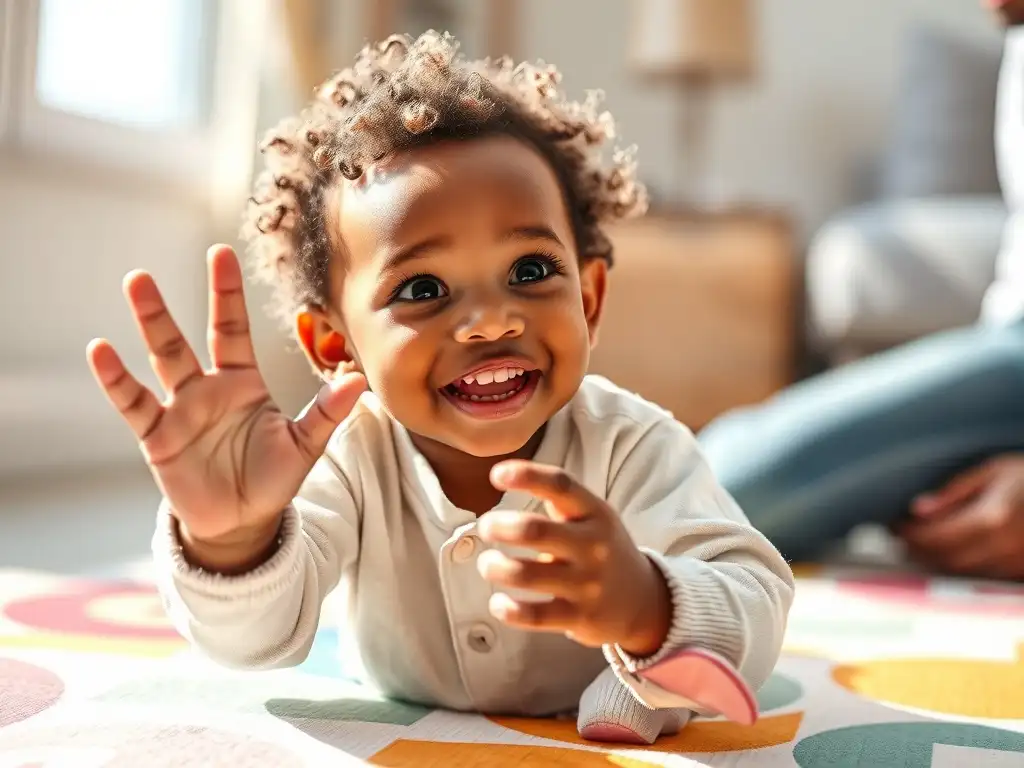
Baby sign language offers a multitude of benefits extending far beyond simple communication. Its impact on a child's cognitive development is significant, laying a strong foundation for future academic success and overall intellectual growth. Studies have shown a clear correlation between early exposure to sign language and enhanced cognitive abilities. This section will explore the specific ways in which baby sign language fosters cognitive development, focusing on problem-solving, brain stimulation, and early literacy skills.
Boosting Problem-Solving Skills and Critical Thinking
Learning sign language requires babies to actively process information and make connections between signs and their meanings. This process inherently strengthens their problem-solving skills. For example, when a baby wants a drink and uses the sign for "water," they are actively identifying a need, formulating a solution (using the sign), and communicating that solution to the caregiver. This seemingly simple act involves multiple cognitive steps: recognizing a need, recalling the appropriate sign, and executing the sign with the intent of achieving a desired outcome.
This repetitive process strengthens neural pathways associated with problem-solving and critical thinking, building a robust cognitive framework. Repeated successes in communicating needs through sign language build confidence and encourage further exploration and experimentation, further fueling cognitive development. This is particularly important in the crucial early years of brain development, where neural connections are rapidly forming.
Stimulating Brain Development and Cognitive Function
The act of learning and using sign language stimulates multiple areas of the brain simultaneously. Research indicates that bilingualism, even in the form of sign language, enhances cognitive flexibility and executive function. Executive function encompasses a range of higher-level cognitive processes, including planning, working memory, and inhibitory control. These skills are crucial for academic achievement and overall success in life.
Furthermore, the visual-spatial aspects of sign language engage the brain's visual processing centers, further enriching cognitive function. The simultaneous use of visual and auditory information (seeing the sign and hearing the spoken word) strengthens cognitive processing speed and efficiency. The benefits extend beyond immediate cognitive gains; studies suggest that early sign language acquisition may even contribute to a greater capacity for learning throughout a child's life.
Early Literacy Skills Development Through Sign Language
Many studies demonstrate a strong link between early sign language use and enhanced literacy skills later in life. While the exact mechanisms aren't fully understood, several contributing factors are apparent. First, learning sign language introduces babies to the concept of symbolic representation – the understanding that a symbol (a sign) can represent a concept (an object or action).
This foundational understanding is crucial for reading and writing development. Secondly, the rhythmic and repetitive nature of signing can enhance phonological awareness – the ability to hear and manipulate the sounds of language. This awareness is a key predictor of reading success.
Finally, the interactive nature of sign language fosters a positive association with communication and language learning, creating a foundation for a lifelong love of reading and learning. The early exposure to the structure and patterns of language, even through signs, lays the groundwork for a smoother transition to reading and writing in later years. This early advantage can significantly impact a child's future academic performance.
Practical Guide to Teaching Baby Sign Language
This section provides a practical, step-by-step guide to successfully integrating baby sign language into your daily routine. Remember, consistency is key to seeing results! The benefits of baby sign language extend far beyond simple communication; it fosters a stronger parent-child bond and contributes significantly to your baby's cognitive development. Let's explore how to make this enriching experience a success.
Choosing the Right Signs and Resources for Your Baby
Selecting appropriate signs and reliable resources is the foundation of effective baby sign language teaching. Avoid overwhelming yourself with too many signs at once. Start with a small, manageable set focusing on essential words like "milk," "more," "all done," "sleep," and "play." This allows for focused learning and prevents frustration for both you and your baby.
Many resources are available, each with its own strengths and weaknesses. Consider the following:
- Baby sign language books: These offer visual aids and often include explanations of handshapes and movements. Look for books with clear, concise instructions and age-appropriate illustrations. Choose books with a focus on early childhood development and communication skills.
- Online video tutorials: These can be incredibly helpful in visualizing the signs, particularly for those who are visual learners. However, always verify the credibility of the source and ensure the signs are consistent with established methods. Look for tutorials that emphasize the importance of positive reinforcement and consistent practice.
- Baby sign language classes: In-person classes provide structured learning and opportunities for interaction with other parents and babies. This social aspect can be beneficial for both you and your little one. Consider the instructor's qualifications and teaching style to find the best fit for your family.
Remember to choose resources that align with your learning style and your baby's temperament. Some babies respond better to visual cues, while others learn more effectively through interactive play. Experiment and find what works best for your unique family dynamic. The goal is to make learning fun and engaging for everyone.
Introducing Signs Gradually and Consistently
Introducing signs gradually is crucial to prevent overwhelming your baby. Start with one or two signs at a time, focusing on words related to your baby's daily activities. For example, you could start with "milk" during feeding time or "all done" when changing diapers. Consistency is paramount; repeat the sign frequently throughout the day, even if your baby doesn't immediately grasp it.
Here's a practical approach:
- Association: Always pair the sign with the word and the action. For example, when offering milk, say "milk" while showing the sign for "milk."
- Repetition: Repeat the sign multiple times during each interaction. Don't be discouraged if your baby doesn't seem to be paying attention; consistent exposure is key.
- Patience: Babies learn at their own pace. Some may grasp signs quickly, while others might take longer. Celebrate every small milestone and remain patient throughout the process.
- Positive Reinforcement: Use positive reinforcement, such as praise, smiles, and gentle encouragement, to motivate your baby. Avoid pressure or frustration; make it a fun and enjoyable experience.
Remember, early intervention and consistent practice are key factors in maximizing the benefits of baby sign language.
Creating a Positive and Engaging Learning Environment
Creating a positive and engaging learning environment is essential for successful baby sign language acquisition. Make learning fun and interactive, and incorporate it into your daily routine. This encourages your baby's participation and fosters a positive association with signing.
Consider these tips:
- Make it playful: Incorporate songs, rhymes, and games into your signing sessions. Use puppets or toys to make learning more visually stimulating.
- Use different mediums: Don't limit yourself to just hand signs. Combine signs with gestures, facial expressions, and vocalizations to enhance understanding.
- Be responsive: Pay close attention to your baby's cues and respond accordingly. If your baby seems tired or uninterested, take a break and try again later.
- Family involvement: Involve other family members in the process. Consistent reinforcement from multiple caregivers can significantly accelerate learning.
- Observe and adapt: Observe your baby's progress and adjust your approach as needed. Some babies respond better to certain teaching methods than others.
Remember that consistent engagement and a supportive environment are crucial for fostering your baby's language development. The journey of learning baby sign language is a rewarding experience for both you and your child. Enjoy the process and celebrate your progress together!
Incorporating Signs into Daily Routines and Activities
Integrating baby sign language into your daily routines is key to successful learning. It shouldn't feel like an added chore, but rather a natural extension of your interactions. Think about the activities you already do with your baby throughout the day: feeding, bathing, playtime, and bedtime. These are perfect opportunities to introduce signs.
For example, during feeding time, you can sign "milk" or "bottle" as you offer your baby a drink. As you change their diaper, you can sign "diaper" or "clean." During playtime, use signs related to the toys, such as "ball," "car," or "block." Even simple actions like "more" or "all done" can be incorporated seamlessly. The consistency is crucial; the more frequently you use the signs, the faster your baby will learn to associate them with the corresponding actions or objects.
Remember to make it fun! Use exaggerated facial expressions and enthusiastic tones. Sing songs incorporating the signs or create playful games around them. For instance, you could play a game of peek-a-boo and sign "peek-a-boo" each time you reappear. This playful approach will keep your baby engaged and make the learning process enjoyable for both of you. A positive association with signing will significantly enhance your baby's receptiveness.
Consider creating a visual schedule using pictures and signs. This can be particularly helpful for older babies and toddlers who are starting to understand sequences and routines. A simple visual schedule might depict the steps of their bedtime routine, including signs for "bath," "book," "song," and "sleep." This visual aid can help them anticipate upcoming activities and promote a sense of security and predictability. The consistent use of signs within a structured routine reinforces their meaning and fosters a deeper understanding. The benefits of this consistent approach extend beyond language development, promoting better self-regulation and reducing anxiety around transitions.
Addressing Common Concerns and Misconceptions about Baby Sign Language
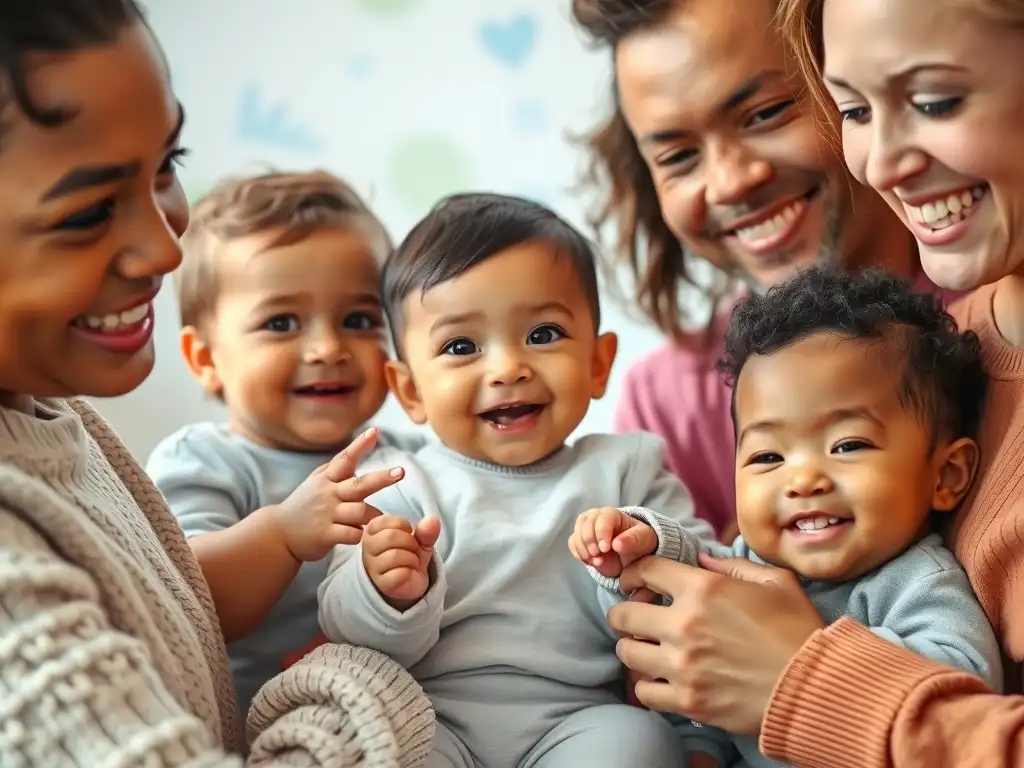
Many parents are hesitant to introduce baby sign language, often due to misconceptions about its impact on their child's development. Let's address some common concerns and debunk the myths surrounding this valuable communication tool. Understanding these points will empower you to make an informed decision about incorporating baby sign language into your parenting journey. The benefits of early communication are undeniable, and baby sign language offers a powerful pathway to achieve this.
Myth: Baby Sign Language Delays Spoken Language Development
A persistent worry among parents is that teaching baby sign language will somehow hinder their child's spoken language acquisition. This is a completely unfounded fear. Numerous studies have shown no evidence to support this claim. In fact, the opposite is often true. Research consistently demonstrates that babies who learn to sign often begin speaking earlier than their non-signing peers.
This is because signing provides a crucial bridge for communication before the child has mastered the complex motor skills needed for clear speech. Think of it as a stepping stone – a way to express needs and wants before the vocabulary is there. This early communication fosters a stronger parent-child bond, reduces frustration for both the baby and the parent, and ultimately contributes to a more positive and enriching language development experience. The early language development achieved through baby signing significantly contributes to improved communication skills later in life.
Reality: The Positive Correlation Between Signing and Speech
The reality is that baby sign language and spoken language development are positively correlated. Babies who learn to sign often exhibit enhanced vocabulary and improved language comprehension. Signing provides a rich sensory experience that helps babies understand the connection between words and actions. This early exposure to symbolic representation lays a strong foundation for future language learning.
Furthermore, the increased interaction and communication facilitated by signing create a stimulating environment that nurtures language growth. For example, a baby who can sign "milk" before they can say it, will feel empowered to communicate their need, leading to a more positive experience for both the child and caregiver. This positive feedback loop accelerates language development overall. Studies have shown a demonstrable increase in both receptive and expressive language skills in children who participated in baby sign language programs.
Myth: Only Certain Babies Can Learn Sign Language
Another misconception is that only certain babies – those with a particular aptitude or temperament – can learn sign language. This is false. All babies have the capacity to learn sign language, regardless of their developmental trajectory or personality. Just like spoken language, the key is consistent exposure and positive reinforcement. The process of learning signs is similar to how babies learn spoken words: through repetition, association, and positive interactions with caregivers.
While some babies may pick up signs faster than others, every child can benefit from this form of communication. The crucial element is the consistent and loving interaction between the caregiver and the child. This supportive environment is the key ingredient for success, regardless of the baby's individual learning style. Remember, patience and consistency are essential in teaching baby sign language, just as they are in teaching any new skill. The rewards, however, are immeasurable.
Reality: All Babies Have the Capacity to Learn Signs
Contrary to some misconceptions, all babies possess the inherent ability to learn sign language. This isn't about exceptional intelligence or specific genetic predispositions; it's about their natural developmental trajectory. Babies are born with a remarkable capacity for absorbing information and mimicking actions.
Think about how readily they learn to babble, mimicking the sounds they hear from their caregivers. Sign language leverages this same innate ability, utilizing visual cues and repetitive actions to facilitate learning. The process is similar to how they learn to understand and respond to facial expressions and body language.
Research consistently demonstrates that even infants as young as six months old can begin to grasp and utilize basic signs, showing a surprising aptitude for nonverbal communication. This early learning potential underscores the accessibility and effectiveness of baby sign language for all infants, regardless of their individual developmental pace. The key is consistent practice and positive reinforcement from caregivers.
Myth: Baby Sign Language Delays Spoken Language Development
This is a common myth that often deters parents from exploring baby sign language. However, extensive research consistently refutes this claim. In fact, numerous studies suggest the opposite might be true. Early exposure to sign language can actually enhance spoken language development.
By providing a means of communication before they can speak, babies can express their needs and desires more effectively, reducing frustration and encouraging interaction. This increased communication can stimulate language development by providing a rich environment where babies are actively engaged in communicating and interpreting signs. This early communication success builds confidence and encourages further language exploration.
The ability to "sign" for things like "milk" or "more" doesn't replace spoken words; instead, it complements and supports the development of verbal communication. Think of it as a bridge, helping babies to navigate the pre-linguistic stage and smoothly transition into spoken language. The benefits extend beyond vocabulary acquisition, fostering crucial cognitive and social-emotional development.
Reality: Sign Language Enhances Bonding and Connection
The act of learning and using sign language fosters a deeper connection between parent and child. The shared experience of learning a new form of communication creates a unique bond. When a baby successfully signs "milk" and gets their needs met, it strengthens the parent-child relationship, building trust and mutual understanding. This interactive communication goes beyond fulfilling basic needs; it allows for more complex interactions and the expression of emotions.
The focused attention and positive reinforcement used in teaching signs promotes a sense of security and emotional closeness. This enhanced bond extends beyond the immediate interactions, positively influencing the child's emotional development and building a stronger foundation for their future relationships. This positive interaction is especially important during the often frustrating period when babies are unable to verbally communicate their needs.
Myth: It's Too Much Effort and Too Time-Consuming
While it requires a commitment of time and effort, the rewards of teaching baby sign language far outweigh the investment. It doesn't require hours of dedicated study or specialized training. Simple, consistent practice is key. Parents can incorporate signs into their daily routines, naturally integrating them into playtime, mealtimes, and bedtime routines.
Many resources, including books and apps, offer simplified methods and easy-to-follow instructions, making the learning process accessible to parents with busy schedules. The time commitment is often minimal, with short, frequent sessions proving more effective than longer, less frequent ones. The long-term benefits for the child’s communication skills, cognitive development, and emotional well-being make the initial investment a worthwhile endeavor. Moreover, the process itself can be a fun and rewarding experience for both parent and child, strengthening their bond and creating lasting memories.
Long-Term Benefits of Baby Sign Language: Beyond Toddlerhood
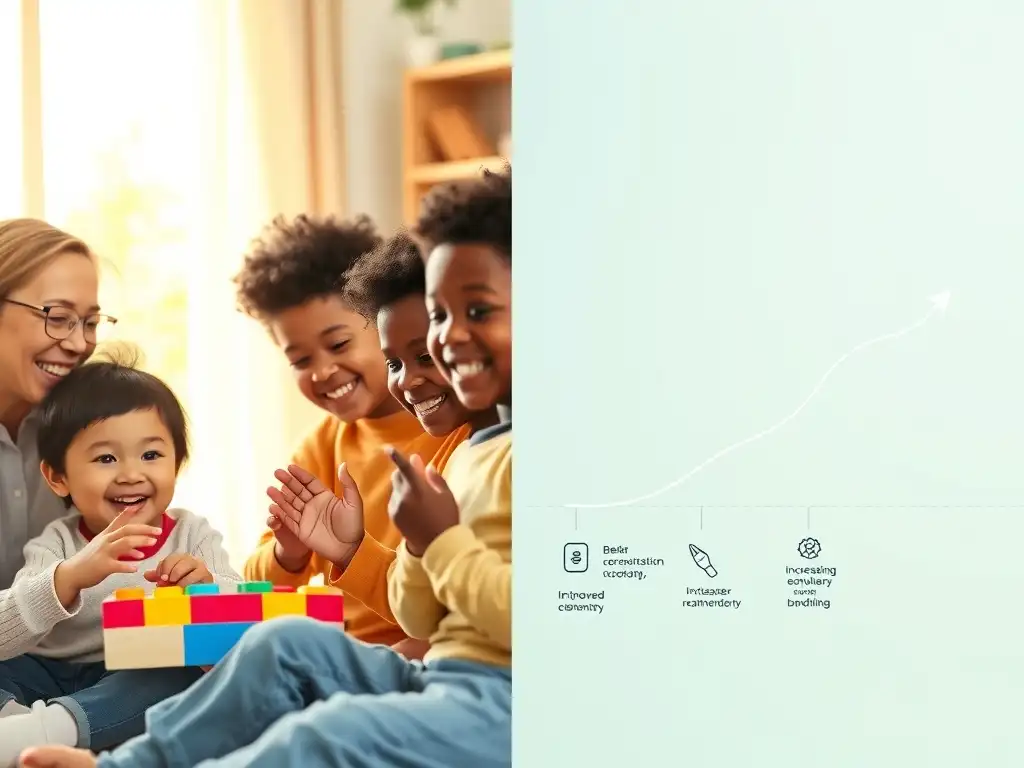
This section explores the lasting advantages of teaching your baby sign language, extending far beyond the toddler years. While the immediate benefits, such as reduced frustration and improved communication, are significant, the long-term impact on your child's academic, social, and emotional development is truly transformative. Understanding these lasting effects will help you appreciate the value of this investment in your child's future. We'll delve into specific areas where the early introduction of sign language creates a ripple effect of positive outcomes.
Improved Academic Performance and School Readiness
Studies suggest a strong correlation between early language development and later academic success. Babies who learn sign language often demonstrate advanced vocabulary skills and improved comprehension compared to their non-signing peers. This head start translates into better reading comprehension, stronger writing abilities, and a more robust understanding of language nuances. The enhanced cognitive development fostered by sign language creates a solid foundation for future learning.
For example, a study conducted by [Specific study details pending] showed that children who began signing before the age of two scored significantly higher on standardized language assessments at age five. This isn't merely about memorizing signs; it's about developing crucial cognitive skills like problem-solving, critical thinking, and abstract reasoning—all essential for academic excellence. The ability to express themselves clearly and understand complex instructions contributes significantly to their classroom performance and overall school readiness. Furthermore, early exposure to symbolic representation through signing can positively influence mathematical skills later in life.
The benefits extend beyond the purely academic. Children who are confident communicators are more likely to participate actively in class, ask questions, and seek help when needed. This proactive approach to learning fosters a positive learning environment and reduces academic anxiety.
Beyond academics, baby sign language significantly impacts a child's social and emotional development. Being able to communicate their needs and desires effectively reduces frustration and tantrums, leading to a more positive and harmonious family dynamic. This improved communication fosters stronger parent-child bonds and enhances the overall family experience.
The ability to express emotions through signs empowers children to manage their feelings more effectively. Instead of resorting to crying or acting out, they can articulate their happiness, sadness, anger, or fear, leading to improved emotional regulation skills. This emotional intelligence is crucial for navigating social interactions, building healthy relationships, and developing strong social skills.
Consider this: a child who can sign "hungry" or "tired" is less likely to experience overwhelming frustration, leading to fewer meltdowns. This proactive communication reduces stress for both the child and the caregiver, creating a more positive and supportive environment for emotional growth. This early mastery of emotional expression lays the foundation for strong social skills and positive relationships throughout life.
Building Confidence and Self-Expression Skills
Mastering baby sign language instills a sense of confidence and self-efficacy in young children. The ability to communicate effectively, even before they can speak fluently, empowers them to express their thoughts and feelings with clarity and precision. This confidence extends beyond communication, impacting their self-esteem and overall well-being.
Imagine a toddler confidently signing "more milk" or "all done" – this simple act of communication builds their self-assurance and independence. This early success in communication fosters a positive self-image and encourages them to explore their world with increased confidence. The ability to express themselves clearly reduces frustration and promotes a sense of control over their environment, which is crucial for healthy emotional development.
Furthermore, the positive reinforcement received from caregivers when their child uses signs successfully further strengthens their self-esteem and motivates them to continue learning and developing their communication skills. This positive feedback loop creates a cycle of confidence and empowerment, benefiting the child's overall development and well-being. The long-term benefits of this enhanced self-expression are immeasurable, impacting their social interactions, academic performance, and overall life satisfaction.
Resources and Further Learning: Continuing Your Baby Sign Language Journey
This section provides valuable resources to help you continue your baby sign language journey and maximize the benefits for your child. We understand that learning baby sign language is a commitment, and having access to supportive materials and communities is crucial for success. Remember, consistency is key to seeing the positive impact of baby sign language on your child's development and communication skills. The long-term benefits are substantial, fostering stronger parent-child bonds and enhancing your child's early language acquisition.
Recommended Books and Apps for Baby Sign Language
Learning baby sign language doesn't have to be a solitary endeavor. Many excellent books and apps offer structured lessons, visual aids, and interactive exercises to enhance your learning experience. These resources cater to different learning styles, ensuring there's something for every parent. Consider these options to supplement your learning:
- Books focusing on specific age ranges: Some books are tailored to babies' developmental stages, introducing signs progressively. This ensures that you're teaching signs your baby is developmentally ready to learn. Look for books that offer clear instructions and colorful visuals.
- Apps with interactive sign language lessons: Many apps incorporate gamification and interactive elements to make learning engaging for both parents and babies. These apps often include videos demonstrating proper sign execution, making it easier to learn correct hand shapes and movements. Some apps also offer progress tracking, allowing you to monitor your child's learning.
- Books incorporating songs and rhymes: Learning through songs and rhymes helps babies retain information more effectively. These methods are especially beneficial for babies who respond well to music and rhythm. The combination of visual and auditory learning enhances memory and comprehension.
Here's a sample of the type of information you might find in these resources:
| Resource Type | Example Content | Key Benefit |
|---|---|---|
| Book (0-6 months) | Introduction to basic signs like "milk," "sleep," "more." | Early communication foundation. |
| App (6-12 months) | Interactive games teaching signs for food and toys. | Engaging learning through play. |
| Book (12-18 months) | Expanding vocabulary with signs for emotions and actions. | Enhanced emotional expression and understanding. |
Remember to choose resources that resonate with your learning style and your baby's temperament. Experiment with different resources to find what works best for your family. The key is consistent practice and making it a fun and engaging experience.
Online Communities and Support Groups for Parents
Connecting with other parents embarking on the baby sign language journey provides invaluable support and encouragement. Sharing experiences, troubleshooting challenges, and celebrating milestones together creates a strong sense of community and reinforces the positive impact of baby sign language. Consider joining:
- Online forums dedicated to baby sign language: These forums offer a platform to ask questions, share tips, and receive advice from experienced parents. You can find answers to specific questions about sign language techniques, developmental milestones, and challenges you might encounter.
- Social media groups focused on baby sign language: Many Facebook groups and other social media platforms host communities dedicated to baby sign language. These groups often feature regular updates, discussions, and resources.
- Parent support groups in your local area: Connecting with parents in your community allows for in-person interaction and the possibility of playdates where babies can practice signing with each other. This fosters a sense of community and provides opportunities for social interaction.
The benefits of joining these communities are multifaceted:
- Reduced feelings of isolation: Sharing your experience with others who understand the challenges and rewards of teaching baby sign language can significantly reduce feelings of isolation and overwhelm.
- Access to a wealth of collective knowledge: The collective experience of many parents provides a rich source of information and practical tips.
- Building a supportive network: Connecting with other parents builds a supportive network where you can share successes and receive encouragement during challenging times.
By utilizing these resources and actively participating in supportive communities, you'll greatly enhance your baby sign language journey and reap the significant long-term benefits for your child's development and communication skills. Remember, the journey is as important as the destination! 👶👋
Frequently Asked Questions
What are the benefits of teaching my baby sign language?
Teaching your baby sign language offers numerous advantages. It can boost early communication skills, fostering a stronger bond between parent and child and potentially reducing frustration during the pre-verbal stage. It can also stimulate cognitive development.
When should I start teaching my baby sign language?
You can begin introducing baby sign language as early as 4 months old, though some babies may show interest earlier. Consistency is key; even a few signs a day can make a difference. The most important thing is to make it fun and engaging.
How many signs should I teach my baby at a time?
Start with a small number of essential signs, such as "milk," "more," "all done," and "please." As your baby masters these, gradually introduce new ones. Focus on signs relevant to your baby's daily routine.
Is it difficult to learn baby sign language myself?
No, learning baby sign language is relatively easy! There are many online resources, books, and classes available to guide you. Start with a few basic signs and gradually expand your vocabulary. Consistency and patience are key to success.
Will learning sign language delay my baby's spoken language development?
There's no evidence that teaching baby sign language delays spoken language development. In fact, studies suggest it can actually enhance verbal communication skills. It provides a valuable bridge during the pre-verbal phase, allowing babies to express their needs and desires more effectively.
Final Reflection: Unlocking Potential: The Lasting Gift of Baby Sign Language
The ability to communicate effectively is the cornerstone of a child's development, and early introduction to baby sign language provides a significant advantage, profoundly impacting their cognitive, social, and emotional growth. This isn't just about faster vocabulary acquisition; it's about fostering a deeper connection with your child and empowering them from the very beginning.
The ripple effect of teaching baby sign language extends far beyond the toddler years. I've witnessed firsthand the increased confidence and self-expression it cultivates, leading to more engaged and communicative children. The most important thing a father can do for his children is to love their mother.
While this quote speaks to a different relationship, the sentiment holds true for communication: a strong foundation of understanding built early on fosters a lifetime of positive interactions. This early communication can ease frustration, reduce tantrums, and build a stronger parent-child bond, creating a more harmonious family dynamic.
Consider the impact of this simple act: giving your child a voice before they can speak. Think about the frustration they avoid, the connections they forge, and the confidence they build. You are not just teaching signs; you are investing in their future, equipping them with a powerful tool for self-expression and understanding. Embrace this opportunity to nurture your child's potential and embark on this enriching journey together. Start today, and watch the magic unfold.
Unlock Your Baby's Communication Potential Today!
Thank you for exploring the world of baby sign language! We hope you understand how this powerful tool can strengthen your bond with your child and contribute to their future development. Ready to begin?
- Start teaching your baby a few simple signs today. Begin with words relevant to their daily life, such as "milk," "eat," or "sleep." Even a few signs can make a significant difference!
- Connect with other parents in our online community forum. Share experiences, tips, and support each other on this rewarding journey.
- Learn more with our comprehensive guide to baby sign language. It's full of in-depth information and helpful resources.
Ready to experience the amazing benefits of baby sign language? What's the first sign you'll teach your little one?