
The Journey of Language: From Gurgling to Talking

Welcome to BabyCareHub, your ultimate guide to navigating the incredible journey of parenthood! Are you ready to unlock the secrets of your little one's communication? We delve into the fascinating world of baby language development stages, exploring the milestones from those early gurgles to the first precious words. Discover how to nurture your baby's linguistic abilities and understand the exciting process of their language acquisition. Let's embark on this enriching adventure together – read on to learn more about The Journey of Language: From Gurgling to Talking!
- Baby Language Development Stages: 0-3 Months - The Foundation of Communication
- Baby Language Development Stages: 4-6 Months - Babbling Begins
- Baby Language Development Stages: 7-12 Months - First Words Emerge
- Supporting Your Baby's Language Development: Practical Tips for Parents
- Milestones and Concerns: When to Seek Professional Advice
-
Frequently Asked Questions
- What are the early signs of language development in babies?
- When should I be concerned about my baby's language development?
- How can I stimulate my baby's language development?
- What are the different stages of baby language development?
- Are there any toys or activities that help with language development?
- Final Reflection: The Enduring Power of Babbling
- Unlock Your Baby's Language Potential!
Baby Language Development Stages: 0-3 Months - The Foundation of Communication
The journey of language acquisition in babies is a fascinating process, starting long before they utter their first words. This article explores the crucial initial stages of baby language development, specifically focusing on the 0-3 month period. Understanding these early milestones helps parents appreciate the incredible progress their little ones are making and provides a framework for supporting their communication skills.
We'll delve into the key developmental steps, from the earliest gurgles and coos to recognizing familiar voices and responding to different tones. This information is invaluable for first-time parents navigating the exciting world of infant communication and will help you better understand your baby's unique developmental path. Mastering these foundational stages sets the stage for future language acquisition and overall cognitive development.
Learning to recognize these early signs of communication will strengthen your bond with your baby and allow you to respond appropriately to their needs. This understanding is key to fostering a strong and healthy parent-child relationship.
Early Vocalizations: Cooing and Gurgling Sounds
During the first three months of life, your baby's communication primarily involves reflexive sounds. These aren't yet intentional attempts at language, but they're the building blocks. You'll likely hear a variety of gurgles, coos, and sighs. These sounds are often triggered by comfort, contentment, or even discomfort. Think of these early vocalizations as your baby experimenting with their vocal cords, learning to control the airflow and exploring the sounds their bodies can produce.
This stage is crucial for developing the muscles needed for speech later on. The frequency and variety of these sounds will increase as your baby gains more control over their vocal apparatus. Observe the different sounds your baby makes and try to associate them with different situations, noting if certain sounds consistently appear when your baby is happy, hungry, or tired. This will help you learn your baby's unique communication style. 👶
Recognizing Sounds and Human Voices
While your baby may not be producing many distinct sounds, their ability to receive and process sounds is rapidly developing. By around 2 months, many babies begin to show a preference for human voices, particularly their caregivers'. They might turn their heads towards the sound of your voice or become calmer when they hear a familiar voice. This demonstrates an increasing ability to discriminate between different sounds and to associate sounds with specific people. Studies show that babies at this age can distinguish between different phonetic sounds, even those not present in their native language.
This highlights the innate capacity for language learning that's present from birth. Try talking to your baby frequently, singing songs, and reading aloud. Even if they don't understand the words, they are absorbing the sounds and rhythms of your language. This early auditory stimulation is crucial for language development.
Responding to Different Tones of Voice
Babies are remarkably sensitive to the emotional tone of your voice. A soothing, calm tone will often calm a fussy baby, while a sharp, harsh tone might startle them. This responsiveness is another crucial step in language development. They are learning to associate specific sounds with specific emotional states. This isn't just about understanding the words; it's about understanding the meaning conveyed through tone and intonation.
This ability to interpret emotional cues is foundational for social and emotional development, and it's directly linked to language acquisition. Engage in playful interactions with your baby, using varied tones of voice to express different emotions. This interactive communication will help them learn to associate sounds with meaning and context. Remember, consistent and loving interaction is key to building a strong foundation for language development. 🥰
During the first three months, babies are laying the groundwork for complex communication. While they may not be speaking yet, they are actively participating in interactive exchanges. This involves the crucial development of turn-taking and shared attention – essential building blocks for later language acquisition. Turn-taking refers to the back-and-forth nature of communication; think of a simple game of peek-a-boo. The parent initiates an action (covering their face), the baby responds (often with a giggle), and then the parent responds again, creating a rhythmic interaction. This seemingly simple exchange is teaching the baby about the give-and-take of conversation.
Shared attention, on the other hand, involves the baby and caregiver focusing on the same object or event simultaneously. For example, a parent might point to a colorful mobile and say, "Look at the birdie!" The baby's ability to follow the parent's gaze and focus on the mobile demonstrates the development of shared attention. This shared focus helps the baby connect words with objects and experiences, building the foundation for vocabulary development. The more frequently parents engage in these interactive activities with their babies, the more effectively they are fostering the early stages of language development. These interactions are not just about language, they are also deeply bonding experiences which further strengthen the parent-child relationship. Studies have shown a strong correlation between early interactive communication and later language proficiency. 1 Even seemingly small interactions, such as cooing back and forth, or responding to a baby's gurgles with expressive facial expressions, are vital for stimulating this crucial early development. Remember, the baby is actively learning from these exchanges, even if they aren't yet producing words themselves. This period of interactive communication sets the stage for the more complex language interactions to come.
1 [Citation needed: Specific study showing correlation between early interactive communication and later language proficiency]
Baby Language Development Stages: 4-6 Months - Babbling Begins
This period marks a significant leap in your baby's communication journey. While the first few months were primarily focused on reflexive sounds and early vocalizations, 4-6 months sees the emergence of true babbling – the precursor to actual speech. This isn't just random noise; it's a deliberate exploration of sounds, a playful experimentation with the mechanics of language.
Understanding this stage is crucial for parents eager to nurture their baby's burgeoning linguistic abilities. This phase is characterized by a rapid increase in vocalizations, expanding their phonetic repertoire, and demonstrating a growing awareness of the social aspect of communication. Parents should actively engage with their babies during this period, responding enthusiastically to their vocalizations and creating a rich, stimulating environment for language development.
This active participation significantly contributes to the speed and quality of their progress. Observing these early language development stages is rewarding and helps parents tailor their interactions to best support their child's unique growth trajectory. We'll delve into the specifics of this exciting phase.
Babbling and Vocal Play: Expanding Sounds
At 4-6 months, your baby's babbling will move beyond simple vowel sounds ("ah," "oo," "eh"). You'll start hearing consonant-vowel combinations like "ba," "da," "ma," and "ga." This is often referred to as reduplicated babbling because they'll repeat these sounds, such as "bababa" or "dadada." Think of it as their vocal play! They are experimenting with different sounds, exploring the range of their vocal cords, and learning how to control the airflow.
This stage isn't just about making sounds; it's about the process of sound production. The more opportunities your baby has to practice, the faster their vocabulary will expand. You can encourage this by talking to them frequently, singing songs, and engaging in playful vocal interactions.
This expansion in sounds isn't random. Studies have shown that babies at this age begin to differentiate between the sounds of their native language and other languages. This demonstrates their remarkable ability to learn and adapt to the linguistic environment surrounding them. For example, a baby exposed primarily to Mandarin will produce different babbling sounds than a baby raised in a Spanish-speaking household. This inherent ability to perceive and process phonetic nuances is a cornerstone of their future language acquisition.
Understanding Simple Words and Gestures
While your baby might not be saying words yet, they're actively understanding them. Around 6 months, many babies start to recognize and respond to simple words like "mama," "dada," "bye-bye," and their own name. They might not understand the full meaning of these words, but they associate them with specific people or actions. This understanding is often paired with an increased comprehension of gestures.
They may start to understand simple commands like "wave bye-bye" or "give me a hug," showing their growing ability to connect words with actions. This is a crucial stage in their comprehension development. Remember, receptive language (understanding) typically precedes expressive language (speaking).
This understanding is often demonstrated through their reactions. For example, when you say "dada," they might look towards their father, or when you say "milk," they might turn their head towards the bottle. These seemingly small responses are significant indicators of their growing linguistic understanding. Observing these subtle cues helps parents understand their baby's level of comprehension and tailor their interactions accordingly. Remember to maintain consistent use of words and gestures to reinforce their learning.
Responding to Their Name
One of the most exciting milestones at this stage is a baby's response to their own name. Hearing their name called is not just a sound; it's the beginning of self-awareness and understanding their place within the world. Around 5-6 months, many babies will start to turn their heads or look at you when their name is called.
This is a significant step in their language development because it demonstrates their ability to recognize and process specific auditory information. This is often accompanied by a visible reaction, like a smile or a gurgle, showing their recognition and positive association with their name.
This response shouldn't be taken lightly; it signifies a significant cognitive leap. This ability to discriminate their name from other sounds lays the foundation for future language comprehension and communication. Continue to call your baby by their name frequently throughout the day, in various contexts, to reinforce this association and further enhance their language development. This simple act of naming strengthens the bond between parent and child, while simultaneously fostering crucial cognitive development. Remember to celebrate these small victories – they are indicators of a bright linguistic future.
Imitating Sounds and Facial Expressions
At 4-6 months, your baby's language development takes a significant leap forward. They are no longer just passively listening to the sounds around them; they actively engage with them. This is the stage where you'll likely notice your little one starting to imitate sounds and facial expressions. This isn't just random mimicking; it's a crucial step in their understanding of communication. They are beginning to connect the sounds they hear with the actions and emotions they see.
For example, you might notice your baby mimicking your "ooh" and "aah" sounds, or perhaps even trying to copy your smile or a funny face. This imitation isn't perfect, of course. It might be a slightly off-key version of your sounds, or a wobbly attempt at mirroring your expression. But the effort itself is a remarkable demonstration of their developing cognitive abilities and their growing understanding of how communication works. They are actively trying to participate in the conversation, even if it's a conversation largely composed of gurgles and smiles.
This stage is incredibly rewarding for parents. The joy of seeing your baby respond to your vocalizations and facial expressions is a powerful experience. It strengthens the bond between you and your child and provides a crucial foundation for future language development. Encourage this interaction! Make funny faces, sing songs, talk to your baby constantly, and narrate your daily activities. The more you interact, the more your baby will learn and the faster their language skills will develop.
Remember, every "ooh," every gurgle, every attempt at a smile is a step towards fluent communication. Celebrate these small victories! They are significant milestones in your baby's journey of language acquisition. This active engagement lays the groundwork for more complex communication skills in the months to come. It's a beautiful and fascinating process to witness.
Baby Language Development Stages: 7-12 Months - First Words Emerge
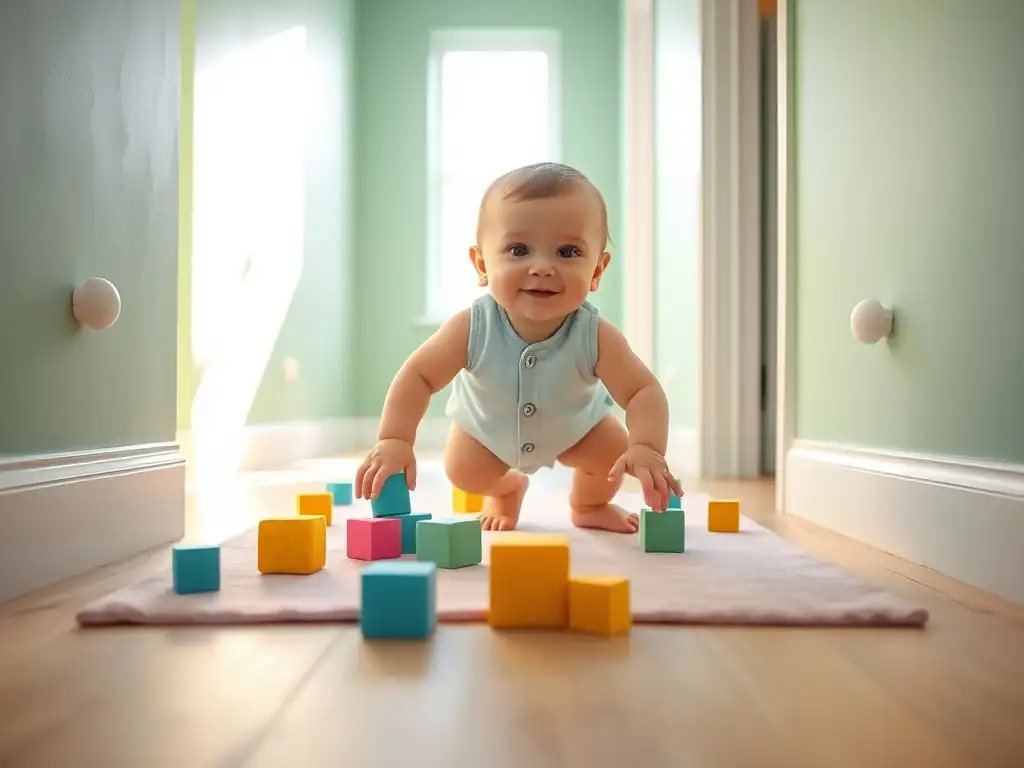
This phase marks a significant leap in your baby's communication journey. Between 7 and 12 months, the gurgles and coos of earlier months start transforming into recognizable sounds and, eventually, first words! This period is characterized by rapid development in receptive and expressive language skills. Understanding your baby's progress during this stage is key to fostering their linguistic abilities and building a strong parent-child bond. We'll explore the key milestones to watch for in this exciting period of baby language development stages.
Understanding Simple Instructions
By 7-8 months, many babies begin to understand simple instructions accompanied by gestures. For example, "Give me the ball" while pointing to the ball, or "Wave bye-bye" while demonstrating the action. This understanding isn't solely about hearing words; it's about connecting words with actions and objects. The ability to follow simple commands indicates a growing comprehension of language. This is a crucial step in the baby language development stages, showing that your baby is actively processing and interpreting the language around them.
Success in this area isn't always immediate. Some babies might need repeated exposure to the instruction before complying. Consistency and patience are key. Try using the same words and gestures repeatedly to build a strong association between the command and the action. Positive reinforcement, like praise and smiles, can further encourage your baby's understanding. Remember, every baby develops at their own pace. If your baby isn't responding immediately, don't worry; keep practicing!
Pointing and Gesturing: Nonverbal Communication
Pointing and gesturing are vital nonverbal communication skills that emerge significantly during this period of baby language development stages. Around 9-10 months, babies often use pointing to indicate their interest in a particular object or to request something. This is a powerful way for them to communicate their needs and desires, even before they can articulate them verbally. They might point at a toy they want to play with, a snack they crave, or a person they wish to interact with.
Observe the nuances of your baby's pointing. Is it a declarative point (showing you something interesting) or an imperative point (requesting something)? Understanding these subtle differences will help you respond appropriately and further encourage their communication. This nonverbal communication plays a crucial role in the development of their spoken language.
It demonstrates a growing understanding of the relationship between objects, actions, and words. Encouraging pointing and gesturing through playful interactions and responding to their attempts will significantly aid their linguistic growth. Don't underestimate the power of these seemingly small actions; they are major stepping stones in the baby language development stages.
Saying First Words: Recognizable Sounds
The appearance of first words is a truly exciting milestone! Between 10-12 months, many babies begin uttering their first recognizable words, often simple ones like "mama," "dada," "baba" (for bottle), or "bye-bye." These words might not always be perfectly pronounced, but the intention and effort are unmistakable. These first words mark a major transition in your baby's communication. It's not just about understanding language but actively producing it.
The emergence of first words is a gradual process. Don't be discouraged if your baby only uses a few words or if their pronunciation is imperfect. The important thing is that they are attempting to use words to communicate. Continue to engage your baby in conversation, using simple words and phrases, and respond enthusiastically to their attempts at speech.
Reading books together, singing songs, and having playful interactions are all excellent ways to encourage vocabulary development. This period of baby language development stages showcases a significant cognitive leap, a testament to your baby's rapidly growing brain and their desire to communicate with you. 🎉 Remember to celebrate each and every "word," no matter how small.
Responding to Questions and Simple Conversations
Between 7 and 12 months, your baby's understanding of language surpasses their ability to produce words. They may not be saying "Where's the ball? ", but they are starting to grasp the meaning behind your questions. This is a crucial stage in baby language development stages. You'll notice them looking in the direction you indicate when you ask, "Where's Daddy?" or turning their head towards the sound of a familiar toy when you ask, "Where's your teddy?".
This responsiveness demonstrates their comprehension and sets the stage for more complex interactions. Continue asking simple questions, using clear and concise language. Pair your questions with gestures, pointing to the objects you're asking about. This visual cue reinforces the connection between the word and the object, aiding in their comprehension and vocabulary building. Remember to maintain patience; understanding develops gradually. Even if your baby doesn't respond verbally, their non-verbal cues, like pointing or looking, are positive indicators of their growing comprehension.
Celebrate these small victories! They are building the foundation for future conversations. For example, if you ask, "Where's your bottle? ", and your baby points to it, praise them enthusiastically. This positive reinforcement encourages further engagement and reinforces the connection between words and actions. The more you interact in this way, the more your baby will learn to associate words with their meaning, paving the way for future conversations.
Encouraging Language Development Through Play
Playtime is not just fun; it's a powerful tool for fostering baby language development stages. Interactive games specifically designed to stimulate language acquisition are highly beneficial during this period (7-12 months). Simple games like peek-a-boo are excellent for developing turn-taking skills, a fundamental aspect of conversation. The anticipation and excitement build language skills subtly. Singing songs and nursery rhymes is another effective method. The repetition of words and phrases helps babies memorize sounds and rhythms, improving their pronunciation and vocabulary.
Reading board books with colorful pictures is another great way to expose your baby to new words and concepts. Point to the pictures and name the objects clearly, making the association between the image and the word. Even simple actions, like stacking blocks and describing the process ("We're stacking the red block on top of the blue block"), aid language development. Remember to use exaggerated facial expressions and gestures to make the interaction more engaging and memorable. The use of different textures and sounds during playtime also enriches the sensory experience, making learning more enjoyable and effective.
For example, playing with textured balls or making animal sounds while showing pictures of animals adds a multi-sensory dimension to the learning experience. Incorporate different toys and activities; variety keeps your baby stimulated and prevents boredom. This diverse approach ensures your baby is exposed to a wider range of vocabulary and concepts, fostering comprehensive language development. Remember, consistency is key. Regular playtime sessions contribute significantly to your baby's language development journey.
Supporting Your Baby's Language Development: Practical Tips for Parents
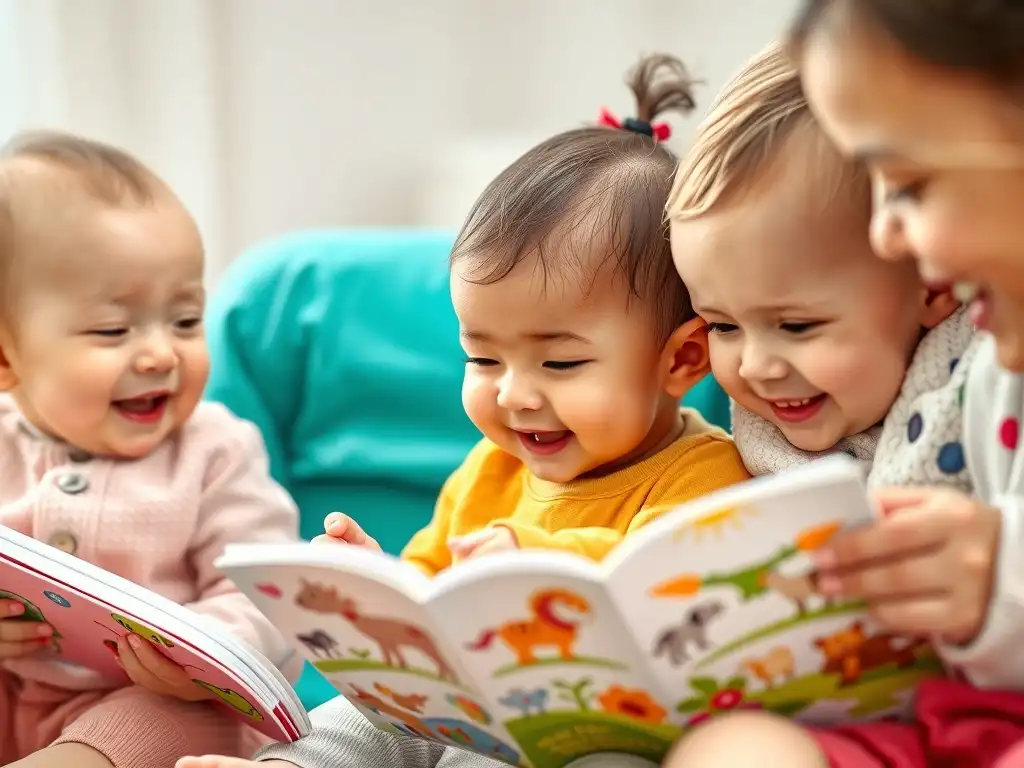
This section focuses on actionable strategies parents can implement to foster healthy language development in their babies. Remember, every baby develops at their own pace, but consistent engagement significantly impacts their progress. We'll explore several key areas where you can make a real difference in your little one's linguistic journey. These tips are designed to complement the information on baby language development stages already provided, offering practical application to the theoretical milestones.
Creating a Stimulating Language Environment
A rich and responsive environment is crucial for language acquisition. Think of it as building a strong foundation for your baby's future communication skills. This isn't about expensive toys or elaborate setups; it's about consistent, intentional interactions.
Several simple strategies can dramatically enhance your baby's linguistic environment:
- Talk, talk, talk! Narrate your daily activities. Describe what you're doing while changing diapers ("Now, I'm putting on your clean diaper"), preparing meals ("Look, we're making yummy applesauce"), or even during a simple walk ("The sun is shining brightly today!"). This constant exposure to language is incredibly beneficial.
- Sing songs and rhymes. Nursery rhymes are fantastic tools for language development. They introduce rhythm, repetition, and new vocabulary in an engaging way. Even simple songs like "Twinkle Twinkle Little Star" can significantly impact your baby's receptive language skills.
- Use clear and simple language. Avoid baby talk excessively. While using affectionate tones is great, speaking in clear, age-appropriate language helps your baby understand the structure of sentences and the meaning of words.
- Point and name objects. Label everyday objects around your baby. "That's a ball," "This is your teddy bear," "Look, a birdie!". This helps establish a connection between words and their referents, building vocabulary.
- Respond to your baby's vocalizations. Even gurgles and coos are forms of communication. Respond enthusiastically to your baby's sounds, mirroring their expressions and expanding on their attempts. This shows you're actively listening and encourages further communication.
Consider creating a dedicated "language time" each day, even if it's just for 15 minutes. This focused interaction helps establish a positive routine centered around language learning.
Engaging in Conversational Interactions
Beyond simply talking at your baby, engaging in genuine conversational interactions is key. This involves responding to your baby's cues and actively participating in a back-and-forth exchange. It's about building a two-way communication system, fostering understanding and bonding.
Here's how to nurture conversational skills:
- Follow your baby's lead. Pay attention to what your baby is looking at, touching, or pointing towards. Use these cues to initiate conversations related to their interests. This shows you’re attentive to their communication attempts.
- Use turn-taking. Engage in simple turn-taking games like peek-a-boo or patty-cake. This helps your baby understand the rhythm and structure of conversation.
- Expand on your baby's babbling. When your baby babbles, respond by repeating and expanding on their sounds. For example, if they say "ba," you might respond with "ba-ba, baby!". This encourages them to continue experimenting with sounds and words.
- Ask questions (and wait for a response!). Even though your baby may not be able to answer verbally, asking questions encourages them to process information and consider responses. Their reactions, gestures, and vocalizations are all parts of the conversation.
- Use facial expressions and gestures. Nonverbal communication is crucial, especially in the early stages. Use exaggerated facial expressions and gestures to enhance your communication and make it more engaging for your baby.
Reading Aloud: The Power of Storytelling
Reading aloud to your baby, even before they understand the words, is a powerful tool for language development. It exposes them to a wide range of vocabulary, sentence structures, and narrative styles, laying the groundwork for literacy and comprehension skills.
Here's how to make reading time effective:
- Start early. Reading aloud can begin from birth. Even newborns benefit from the sound of your voice and the rhythm of language.
- Choose a variety of books. Select books with colorful illustrations, repetitive phrases, and engaging storylines. Experiment with different genres and styles to keep things interesting.
- Use expressive voices. Vary your tone and pitch to keep your baby engaged. Use different voices for characters and make the story come alive.
- Point to pictures and name objects. Connect the words in the story to the illustrations, reinforcing vocabulary and comprehension.
- Make it interactive. Ask questions about the story, encourage your baby to point to pictures, and involve them in the reading experience.
Remember, consistency is key. Regular engagement in these activities will significantly contribute to your baby's language development journey, fostering a love of language and communication that will benefit them throughout their life. The journey from gurgles to talking is a remarkable one, and you play a crucial role in guiding your little one along the way.
Singing Songs and Rhymes: Musical Language Learning
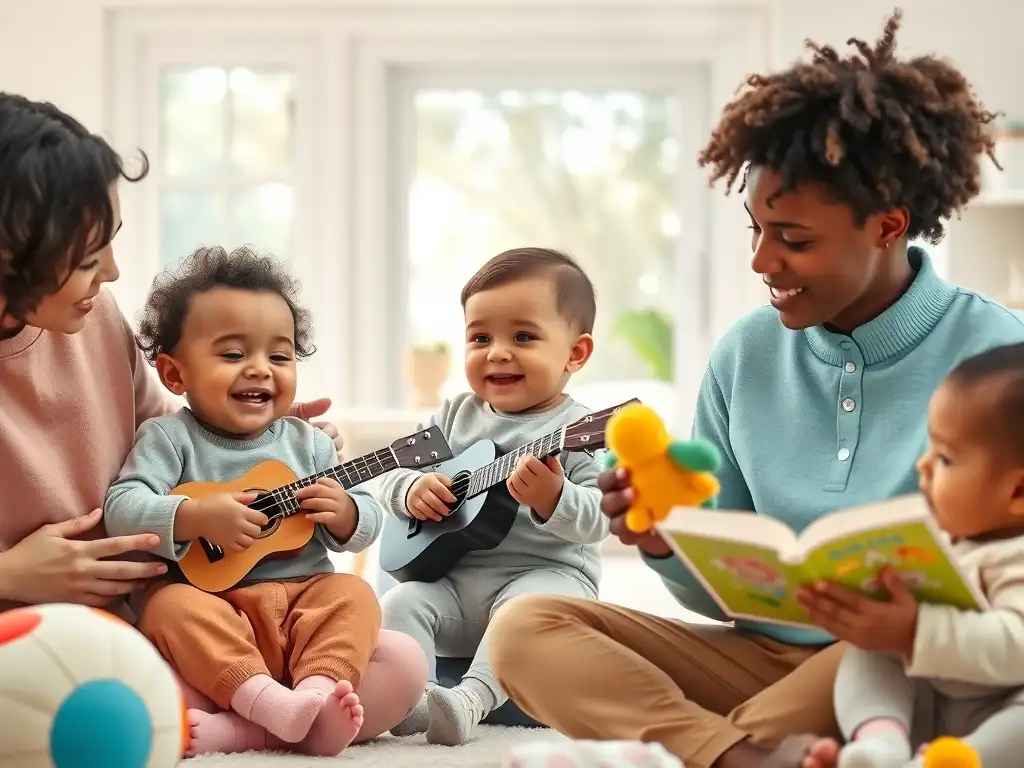
Singing songs and rhymes to your baby is a fantastic way to stimulate their language development. The rhythmic nature of songs and the repetition of words and phrases help babies to internalize sounds and patterns. This early exposure to musicality lays a strong foundation for future language acquisition. Infants are particularly receptive to the melodic contours and intonations of songs, which can help them distinguish between different sounds and words.
Studies have shown a correlation between early exposure to music and enhanced language skills later in life. The benefits extend beyond vocabulary acquisition; musicality also contributes to improved memory, attention span, and cognitive development. Consider incorporating a variety of songs, including lullabies, action rhymes, and songs with simple repetitive lyrics. The more exposure, the better!
Remember to engage with your baby while singing, making eye contact and using expressive gestures to enhance the learning experience. Even simple nursery rhymes like "Twinkle Twinkle Little Star" or "Itsy Bitsy Spider" can significantly impact a baby’s language development journey. The key is consistency; make it a daily routine.
You'll be amazed at how quickly your baby begins to anticipate words and even sing along! This playful interaction not only boosts language skills but also strengthens the parent-child bond. Moreover, singing can soothe and calm your baby, offering a valuable tool for managing difficult moments.
Using Baby Sign Language: Expanding Communication Options
Baby sign language offers a powerful tool for enhancing communication with your little one, even before they can speak. This isn't about replacing spoken language; instead, it complements it, providing a bridge for your baby to express their needs and desires before they have the verbal skills to do so. Introducing simple signs for common words like "milk," "more," "all done," and "please" can dramatically reduce frustration for both you and your baby. It also allows for earlier and more meaningful interactions, strengthening the bond between parent and child.
The process of learning baby sign language is surprisingly simple. Many resources, including books and online videos, provide easy-to-follow instructions and demonstrations. Start with a few basic signs and gradually introduce more as your baby progresses. Consistency is key; use the signs regularly in everyday situations to reinforce learning.
Remember to keep the signs clear, simple, and repetitive. Using exaggerated movements can help your baby understand and learn more effectively. The positive feedback loop that develops – your baby signing and you responding – fosters a sense of accomplishment and encourages further communication attempts.
Even if your baby doesn't immediately grasp the signs, the act of engaging in this interactive communication will stimulate their language development and cognitive growth. Moreover, the patience and interaction involved in teaching sign language significantly strengthens the emotional connection between parent and child. Think of it as an investment in your baby’s future communication skills and a powerful way to nurture your relationship.
Milestones and Concerns: When to Seek Professional Advice
This section focuses on identifying potential delays in your baby's language development and understanding when professional intervention might be beneficial. Early identification is key to maximizing your child's communication potential. Remember, every child develops at their own pace, but recognizing significant deviations from typical milestones is crucial. This information is intended for educational purposes and should not replace professional medical advice.
Recognizing Developmental Delays in Language Acquisition
Tracking your baby's progress against typical milestones is a valuable tool. While some variation is normal, significant delays warrant attention. Consider these red flags in baby language development stages:
- Lack of babbling by 7-8 months: Most babies start babbling, experimenting with sounds and vocalizations, around this age. A prolonged absence of babbling could indicate a potential delay. This includes a lack of consonant-vowel combinations like "ba," "ma," or "da."
- Limited vocabulary by 12 months: While the number of words varies, most babies understand and use a few simple words by their first birthday. If your baby isn't showing comprehension of simple instructions or using any words consistently by 12 months, it's a cause for concern.
- Absence of pointing or gesturing by 12 months: Pointing and gesturing are crucial pre-linguistic communication skills. The inability to use these methods to communicate needs or direct attention could signal a delay.
- Difficulty understanding simple instructions: By 12 months, babies should begin to understand simple commands like "wave bye-bye" or "come here." Consistent difficulty understanding these instructions could be a warning sign.
- Lack of response to their name: Most babies respond to their name by 6-9 months. If your baby consistently doesn't respond to their name, even after multiple attempts, it's worth seeking professional assessment.
Below is a table summarizing key milestones and potential concerns:
| Age Range (Months) | Milestone | Potential Concern |
|---|---|---|
| 4-6 | Babbling, vocal play | Little to no vocalization, limited response to sounds |
| 7-12 | Understanding simple words, babbling with variety | Limited comprehension, minimal babbling, no word use |
| 12-18 | Using simple words, pointing, gesturing | Very limited vocabulary, no pointing or gesturing |
| 18-24 | Simple sentences, following instructions | Difficulty following simple instructions, limited speech |
Remember, these are just guidelines. A small delay doesn't automatically indicate a problem. However, consistent failure to meet these milestones warrants further investigation. Early intervention is often more effective.
Consulting a Pediatrician or Speech-Language Pathologist
If you have concerns about your baby's language development, your first step should be to consult your pediatrician. They can perform a basic assessment, rule out any underlying medical conditions, and refer you to a speech-language pathologist (SLP) if necessary. An SLP is a specialist trained to assess and treat communication disorders in children. They can provide a comprehensive evaluation and develop a personalized intervention plan. Don't hesitate to voice your concerns; early intervention is crucial for optimal outcomes. Many pediatricians offer developmental screenings as part of routine checkups, providing an opportunity to address any concerns proactively.
Early Intervention: Importance of Early Support
Early intervention programs offer specialized services for children with developmental delays. These programs often involve therapy sessions with an SLP, occupational therapy, or other specialists, tailored to the child's specific needs. Early intervention can significantly improve a child's communication skills and overall development. The earlier support is provided, the better the chances of overcoming challenges and achieving their full potential.
These programs often involve working with the family to create a supportive home environment that encourages language development. The benefits of early intervention extend far beyond just language; it can positively impact social-emotional development, cognitive skills, and overall well-being. Remember, seeking help is a sign of strength, not weakness. Your proactive approach can make a significant difference in your baby's journey.
Resources and Support for Parents of Babies with Language Delays
Navigating the world of baby language development can be both exciting and, at times, anxiety-inducing. For parents whose babies show signs of a language delay, accessing the right resources and support is crucial. This isn't about panic, but rather about proactive engagement to ensure your child receives the best possible start. Early intervention is key, and understanding where to turn for help can significantly impact your child's progress.
Many communities offer early intervention programs specifically designed to support babies and toddlers experiencing language delays. These programs often involve assessments by speech-language pathologists (SLPs), who can pinpoint specific areas needing attention and create a personalized plan. These plans might include regular therapy sessions, strategies for parents to implement at home, and connections with other families facing similar challenges. The nature and intensity of these programs vary depending on the severity of the delay and the child's individual needs. Some programs are offered through local hospitals, while others are run by community organizations or educational institutions.
Beyond formal early intervention programs, a wealth of online resources can provide valuable information and support. Websites dedicated to child development often feature articles, videos, and interactive tools designed to help parents understand typical language development milestones and identify potential delays. These platforms frequently offer forums or communities where parents can connect with one another, share experiences, and offer mutual support. Remember, you are not alone in this journey. Connecting with other parents facing similar situations can provide invaluable emotional support and practical advice.
Furthermore, many books and publications are available that offer guidance and practical strategies for parents of babies with language delays. These resources can provide a deeper understanding of the underlying causes of delays, effective communication techniques, and activities to stimulate language development at home. It's important to choose reputable sources, such as those recommended by pediatricians or child development specialists, to ensure you are receiving accurate and evidence-based information.
Finally, don't underestimate the importance of open communication with your pediatrician or family doctor. They can provide valuable insights, refer you to appropriate specialists, and offer ongoing support throughout the process. Regular check-ups and honest conversations about your concerns are essential in ensuring your baby receives timely and appropriate care. Remember, seeking help early is a sign of strength, not weakness, and it can make a significant difference in your child's journey towards healthy language development. Early intervention often leads to better outcomes, allowing your child to catch up and thrive.
Frequently Asked Questions
What are the early signs of language development in babies?
Babies begin with pre-linguistic communication, showing interest in faces and sounds. Around 4-6 months, they start babbling, experimenting with sounds. By 12 months, many babies say their first words.
When should I be concerned about my baby's language development?
If your baby isn't babbling by 7-8 months or isn't using gestures to communicate by 12 months, consult your pediatrician. Early intervention is key.
How can I stimulate my baby's language development?
Talk, sing, and read to your baby frequently. Use simple words and clear pronunciation. Respond to your baby's sounds and gestures.
What are the different stages of baby language development?
Development progresses through stages: cooing, babbling, first words, simple sentences, and increasingly complex language. Each child develops at their own pace.
Are there any toys or activities that help with language development?
Interactive toys that encourage vocalization and imitation are beneficial. Picture books and songs are also excellent tools for stimulating language development. Remember consistent interaction is key.
Final Reflection: The Enduring Power of Babbling
The journey from gurgles to grammatically correct sentences is not merely a developmental milestone; it's a testament to the incredible plasticity and power of the human brain. Understanding the stages of baby language development isn't just an academic exercise; it's crucial for fostering healthy communication and nurturing a child's cognitive growth. This knowledge empowers parents, educators, and caregivers to provide the best possible support during this critical period.
Witnessing a child's linguistic journey is a profoundly moving experience. The sheer wonder of watching seemingly random sounds transform into coherent words and then into complex sentences is a constant reminder of the miraculous nature of human communication. Language is the blood of the soul into which thoughts run and out of which they grow.
- Oliver Wendell Holmes Jr. This quote beautifully captures the dynamic and vital role language plays in shaping our inner worlds and connecting us to the external one. The stages outlined in this article highlight the intricate process by which this "blood of the soul" is created and nurtured.
Now, consider your own experience with language. Reflect on the moments when words failed you, when communication felt strained, or when the perfect phrase unlocked a deeper understanding. Remember the joy of learning a new language, or the frustration of struggling to express yourself. Carry this understanding of the developmental journey with you, and use it to approach communication with greater empathy and patience, both with yourself and with others. Embrace the beauty and complexity of language, and continue to explore its boundless potential.
Unlock Your Baby's Language Potential!
Thank you for joining us on this fascinating journey into the world of baby language development! We hope you gained valuable insights into how your little one communicates and the amazing milestones to come. Now it's time to put that knowledge into practice.
- Make language learning fun: Dedicate 15 minutes each day to interactive activities such as reading, singing songs, and having simple conversations with your baby. Focus on clear pronunciation and a diverse vocabulary to directly stimulate language growth.
- Treasure those early sounds and words: Recording your baby's babbles and first words will create a cherished keepsake, and you might be surprised by the insights you gain when listening back.
- Connect with other parents: Share your experiences and tips with other parents in our community forum. Let's support each other in nurturing these incredible young communicators.
What unique sounds or gestures has your baby been using recently? Share them with us in the comments below!