
Babyproofing Cabinets: A Journey of Discovery for New Parents

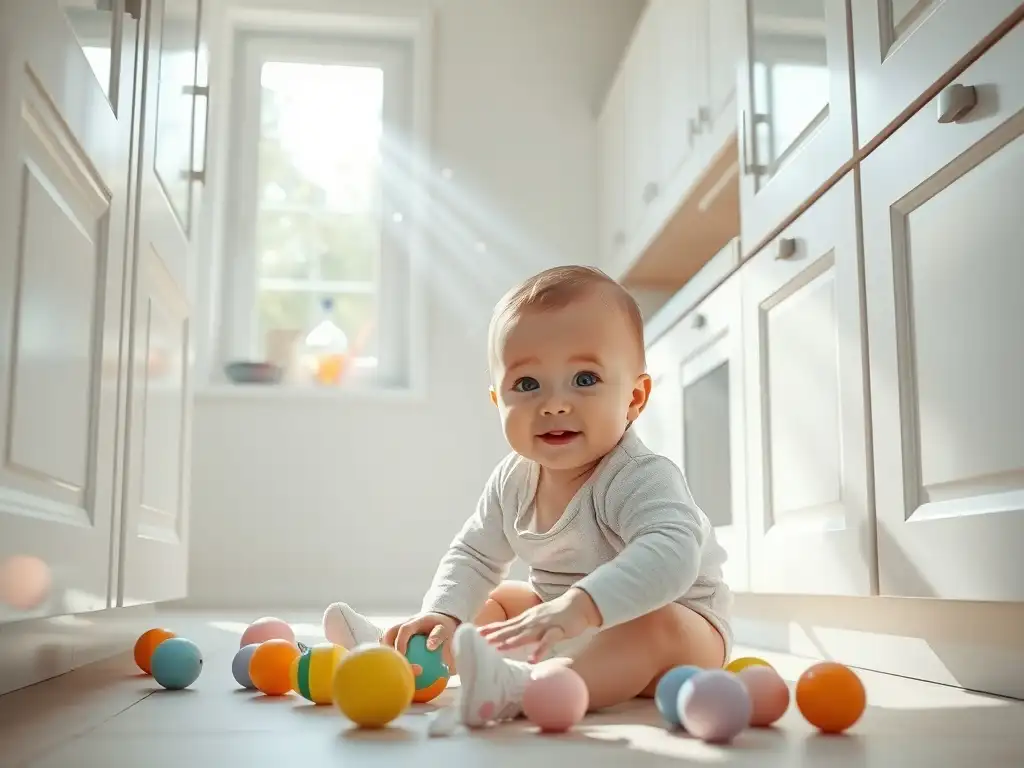
Welcome to BabyCareHub, your ultimate guide to navigating the exciting yet challenging world of parenthood. We understand that becoming a first-time parent is a journey filled with questions, and we're here to provide the answers. Are you ready to embark on a mission to create a safe and nurturing environment for your little one? Learn how to effectively and safely babyproof kitchen cabinets, a crucial step in ensuring your baby's well-being, and discover many more essential tips within our comprehensive resource. Let's explore the path to confident and joyful parenting together!
- Understanding the Need for Babyproofing Kitchen Cabinets
-
Frequently Asked Questions
- How can I babyproof my kitchen cabinets safely and effectively?
- What types of locks are best for babyproofing kitchen cabinets?
- Are there any DIY methods for babyproofing kitchen cabinets?
- At what age should I start babyproofing my kitchen cabinets?
- What should I do if my baby manages to open a babyproofed cabinet?
- Final Reflection: Beyond the Latches: A Parent's Ever-Evolving Journey
- Unlock Your Peace of Mind: Babyproof with Confidence!
Understanding the Need for Babyproofing Kitchen Cabinets
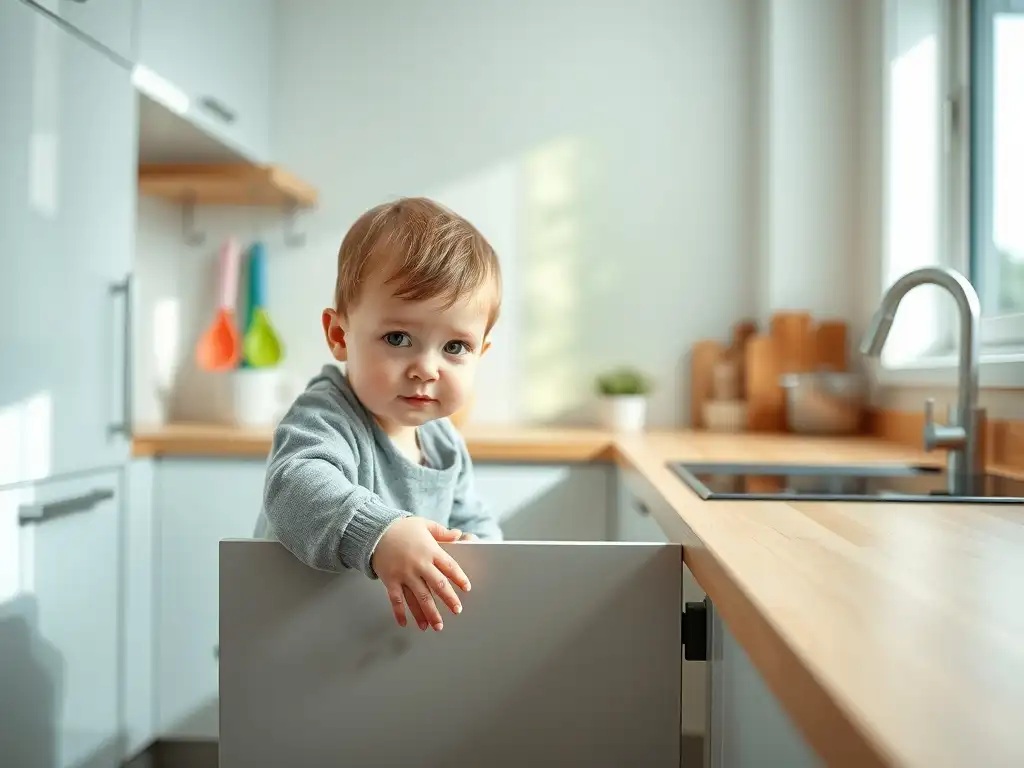
Becoming a parent is a joyous journey filled with countless firsts, but it also brings a wave of responsibilities, especially concerning your little one's safety. As your baby grows and becomes more mobile, exploring their environment becomes a primary activity. This exploration, while adorable, can quickly turn into a potential hazard if your home isn't properly babyproofed.
The kitchen, often the heart of the home, presents a unique set of challenges. Kitchen cabinets, filled with cleaning supplies, sharp utensils, and tempting (but potentially dangerous) food items, represent a significant safety concern that needs careful attention. This article will guide you through the process of babyproofing your kitchen cabinets safely and effectively, transforming a potential danger zone into a safe haven for your curious explorer.
We'll cover various methods, from simple solutions to more advanced techniques, ensuring you can find the perfect approach for your home and your budget. Learning how to babyproof kitchen cabinets safely is a crucial step in creating a secure and nurturing environment for your child's development. This is not just about preventing accidents; it's about fostering a sense of security and peace of mind for both you and your baby.
Assessing Your Kitchen Cabinet Risks
Before diving into solutions, take some time to assess the potential hazards in your kitchen. This involves a thorough inspection of each cabinet. Consider the following factors:
- Cabinet Contents: What's inside each cabinet? Are there cleaning products, sharp knives, medications, or other potentially harmful items? Identify the cabinets containing the most dangerous items – these will require the most robust babyproofing measures.
- Cabinet Accessibility: How easily can your baby reach the cabinets? Lower cabinets are obviously more accessible, but even higher cabinets might be within reach if your baby is particularly tall or uses furniture to climb.
- Cabinet Type: Different cabinets have different locking mechanisms. Some might be easier to babyproof than others. Consider the type of hinges, latches, and overall construction.
- Existing Safety Features: Do your cabinets already have any safety features, such as childproof latches? If so, are they still effective? Regularly inspect these features to ensure they are functioning correctly.
Creating a detailed inventory of your kitchen cabinets and their contents will help you prioritize your babyproofing efforts and ensure you address the most significant risks first. This proactive approach will significantly reduce the likelihood of accidents.
Simple and Effective Babyproofing Methods
Many effective babyproofing solutions are surprisingly simple and inexpensive. These methods are often sufficient for cabinets containing less hazardous items.
- Using Cabinet Locks: These are readily available and come in various styles, from simple straps to more advanced magnetic locks. Choose locks that are easy for you to use but difficult for your baby to manipulate.
- Rearranging Cabinet Contents: Relocate potentially hazardous items to higher, less accessible cabinets, or consider storing them in a separate, locked area entirely. This simple step can significantly reduce the risk.
- Utilizing Drawer Locks: Don't forget about drawers! These can also contain dangerous items and require similar safety measures as cabinets.
- Strategic Placement of Obstacles: Placing bulky items in front of lower cabinets can temporarily deter your baby's access. This is a short-term solution, best used in conjunction with other methods.
Advanced Babyproofing Techniques for Maximum Security
For cabinets containing particularly hazardous items, more robust methods are needed.
- Installing Childproof Latches: These are more secure than simple cabinet locks and often involve drilling small holes into the cabinet doors. While more involved, they offer superior protection.
- Using Safety Straps: Safety straps are designed to secure cabinet doors and drawers, preventing them from being opened completely.
- Employing Magnetic Cabinet Locks: These locks are virtually invisible and provide a strong, reliable barrier against curious little hands.
- Cabinet Door Alarms: While not a preventative measure, alarms can alert you when a cabinet door is opened, giving you a chance to intervene before an accident occurs.
Maintaining and Regularly Checking Your Babyproofing
Remember, babyproofing isn't a one-time task. As your baby grows and develops, their abilities change, and you may need to adjust your safety measures accordingly. Regularly inspect your babyproofing system to ensure all locks and latches are functioning correctly and that your baby hasn't found a new way to access dangerous items. A proactive approach to babyproofing is essential for creating a safe and secure environment for your child. Consider this ongoing process a testament to your commitment to your baby's well-being and a vital part of your parenting journey. Remember, a safe home is a happy home! 👶🏠
Frequently Asked Questions
How can I babyproof my kitchen cabinets safely and effectively?
Use childproof locks on all lower cabinets containing hazardous materials. For upper cabinets, consider cabinet safety straps to prevent them from opening. Always supervise your child in the kitchen.
What types of locks are best for babyproofing kitchen cabinets?
Many options exist, including adhesive locks, magnetic locks, and sliding bolt locks. Choose locks that are easy to use for you but difficult for your child to manipulate. Consider the material of your cabinets when selecting a lock.
Are there any DIY methods for babyproofing kitchen cabinets?
While some DIY solutions exist, using commercially available childproof locks is generally safer and more reliable. Improper DIY methods may compromise safety. Prioritize professionally designed safety products.
At what age should I start babyproofing my kitchen cabinets?
Begin babyproofing your kitchen cabinets as soon as your child starts to crawl and pull themselves up, usually around 6-8 months old. Proactive measures are crucial to prevent accidents.
What should I do if my baby manages to open a babyproofed cabinet?
Remain calm and redirect your child's attention. Re-evaluate your safety measures to identify weaknesses and improve them. Never leave your child unattended in the kitchen.
Final Reflection: Beyond the Latches: A Parent's Ever-Evolving Journey
Babyproofing kitchen cabinets is more than just installing latches; it's a symbol of the profound transformation parenthood brings. The seemingly simple act of securing cabinet doors represents a fundamental shift in priorities, a constant vigilance for the safety and well-being of a tiny human. This journey, filled with both challenges and rewards, is a testament to the unwavering love and dedication parents have for their children.
The impact of this initial phase of babyproofing extends far beyond the kitchen. It's a microcosm of the larger parental experience – a constant learning curve, a process of adaptation and adjustment, and a deep dive into a world of previously unknown anxieties and joys. The most precious jewel you can ever have is the time you spend with your children.
This quote resonates deeply as we navigate the complexities of creating a safe and nurturing environment for our little ones, a space where exploration and discovery can flourish without compromising safety.
Now, as you reflect on your own journey of babyproofing, consider this: the process of securing your cabinets is not a destination, but a starting point. It's a continuous evolution, a testament to your commitment to providing a safe and stimulating environment for your child's growth. Embrace the challenges, celebrate the small victories, and remember that the love and care you pour into creating a safe home will shape your child's development in countless ways. Let this journey of babyproofing be a reminder of the enduring power of parental love and the beautiful, ever-evolving adventure of parenthood.
Unlock Your Peace of Mind: Babyproof with Confidence!
Thanks for joining us on this journey to a safer home! You've gained valuable knowledge to secure your home and create a more protective environment for your little one. Ready to put that knowledge into action?
- Prioritize frequently accessed areas: Begin by babyproofing the kitchen and bathroom, as these are typically the rooms your child explores most often. This targeted approach will significantly improve your child's safety.
- Share your success! Tell us about your most effective babyproofing solutions, or share this article with other new parents on social media. Let's build a supportive community together!
- Explore additional resources: Discover more expert advice and tips for creating a truly childproof home on our BabyCareHub website.
What's your first babyproofing project, and what clever solution will you implement? Let's share ideas in the comments below!