
Baby Gate Maintenance: Keeping Your Gate Secure and Functional

Welcome to BabyCareHub, your ultimate guide to navigating the incredible journey of parenthood! We understand that raising a little one can feel overwhelming, but we're here to provide the step-by-step support you need. From feeding schedules to developmental milestones, we cover it all. But first, let's talk safety. Are you confident your baby gate offers the utmost protection? Learn about crucial baby gate safety maintenance in our latest article and ensure your little explorer is safe and secure. Dive in and discover the peace of mind you deserve!
- Understanding Baby Gate Safety: Why Regular Maintenance is Crucial
- Choosing the Right Baby Gate for Your Home: Types and Features
-
Step-by-Step Guide to Baby Gate Maintenance: A Comprehensive Checklist
- Cleaning Your Baby Gate: Removing Dirt and Grime
- Inspecting Gate Components: Checking for Damage and Wear
- Tightening Screws and Bolts: Ensuring Secure Installation
- Lubricating Moving Parts: Smooth Operation and Extended Lifespan
- Testing the Gate's Functionality: Checking for Secure Closure and Opening Mechanisms
- Troubleshooting Common Baby Gate Problems
- Extending the Life of Your Baby Gate: Proactive Maintenance
- When to Replace Your Baby Gate: Recognizing Signs of Wear and Tear
- Resources for Baby Gate Safety and Maintenance
- Frequently Asked Questions
- Final Reflection: Securing Little Futures, One Gate at a Time
- Unlock Your Peace of Mind: Secure Your Child's World
Understanding Baby Gate Safety: Why Regular Maintenance is Crucial
Protecting your little one is paramount, and a properly functioning baby gate is a cornerstone of a safe home environment. This article delves into the critical aspects of baby gate safety maintenance, providing you with the knowledge and steps to ensure your gate remains a reliable barrier, safeguarding your child from potential harm. Regular maintenance isn't just about extending the life of your gate; it's about actively contributing to your baby's safety and peace of mind.
We'll explore common hazards, preventative measures, and practical tips to keep your baby gate secure and functional, contributing to a safer home for your precious child. Remember, proactive maintenance is far better than reactive repairs when it comes to your baby's safety. Let's delve into the specifics of ensuring your baby gate remains a steadfast guardian.
The Importance of Regular Baby Gate Inspections for Child Safety
Regular inspections are the first line of defense in maintaining baby gate safety. Think of it as a proactive health check for your gate. A seemingly minor issue, left unchecked, could quickly escalate into a serious hazard. Consider this: a slightly loosened screw might seem insignificant, but it could compromise the gate's structural integrity, allowing your curious toddler to potentially squeeze through.
Here's a checklist for your regular inspections (aim for at least once a month, or more frequently if your child is particularly active or the gate is heavily used):
- Check all screws and hinges: Are they tight and secure? Use a screwdriver to tighten any loose screws.
- Inspect the gate's frame: Look for any cracks, warping, or damage to the wood or metal. Replace the gate if damage is severe.
- Test the latch mechanism: Does it engage and disengage smoothly and securely? Ensure it requires a deliberate action to open, making it difficult for a child to operate.
- Examine the pressure mounting: If you have a pressure-mounted gate, check the pressure on the door frame. It should be firmly pressed against the wall without any gaps.
- Assess the gate's overall stability: Gently try to shake or wiggle the gate. There should be no significant movement or looseness.
Regular inspections, coupled with prompt attention to any identified issues, significantly reduce the risk of accidents. Remember, a proactive approach is key to ensuring your baby's safety.
Common Baby Gate Hazards: Identifying Potential Problems
Knowing what to look for is half the battle. While regular inspections are crucial, understanding common baby gate hazards helps you anticipate potential problems before they arise. Here are some of the most prevalent issues:
- Loose or missing screws: This is perhaps the most common hazard. Loose screws weaken the gate's structure, making it easier for a child to dislodge or climb over.
- Damaged or broken parts: Cracks, splinters, or broken components can create gaps or weak points in the gate, compromising its safety.
- Faulty latch mechanism: A malfunctioning latch can easily be opened by a determined toddler, negating the gate's protective function.
- Improper installation: Incorrect installation, whether pressure-mounted or hardware-mounted, can lead to instability and gaps, making the gate ineffective.
- Worn-out materials: Over time, materials can wear down, reducing the gate's overall strength and durability.
This list highlights the importance of not only regular inspections but also choosing a high-quality, durable baby gate from the outset. Investing in a well-made gate can significantly reduce the likelihood of these hazards developing.
Preventing Accidents: The Role of Proper Baby Gate Maintenance
Regular maintenance isn't just about identifying problems; it's about proactively preventing them. Here are some key steps to ensure your baby gate remains a reliable safety feature:
- Tighten screws regularly: Make tightening screws a part of your routine monthly inspection. A simple tightening can prevent many potential problems.
- Clean the gate regularly: Dust and dirt can accumulate, affecting the smooth operation of the latch and hinges. Regular cleaning helps maintain optimal functionality.
- Inspect the mounting: Regularly check the mounting hardware or pressure points to ensure the gate remains securely installed.
- Replace worn-out parts: Don't hesitate to replace any damaged or worn-out components immediately. Safety should never be compromised.
- Consider professional inspection (if needed): If you are unsure about any aspect of your baby gate's safety or maintenance, consult a professional for guidance.
By following these maintenance tips and conducting regular inspections, you significantly contribute to creating a safer environment for your baby. Remember, a well-maintained baby gate is an investment in your child's safety and peace of mind. 👶🏠🔒
Choosing the Right Baby Gate for Your Home: Types and Features
Selecting the appropriate baby gate is paramount for ensuring your little one's safety. Different gate types offer varying levels of security and require distinct maintenance routines. Understanding these differences is crucial for effective baby gate safety maintenance. Ignoring these differences can lead to compromised safety and potential accidents.
Pressure-Mounted Baby Gates: Maintenance and Safety Tips
Pressure-mounted gates are popular for their ease of installation; they don't require drilling. However, this convenience comes with a need for diligent maintenance. Regular checks are essential to ensure the gate remains securely in place. The pressure mechanism relies on friction against the door frame or wall. Over time, this friction can diminish, leading to a loosened gate.
Here's a checklist for maintaining pressure-mounted baby gates:
- Monthly Inspection: Check the pressure cups regularly. Are they firmly seated against the frame? Is the gate stable and difficult to dislodge? A wobbly gate is a dangerous gate.
- Adjusting the Pressure: Most pressure-mounted gates have adjustment screws. Tighten these screws if the gate feels loose. However, avoid over-tightening, which could damage the frame or gate.
- Cleaning: Wipe down the gate regularly with a damp cloth. Avoid harsh chemicals that could damage the gate's finish or compromise its structural integrity.
- Wall/Door Frame Condition: Inspect the surfaces where the gate is mounted. Uneven surfaces, damage to the frame, or excessive wear can compromise the gate's hold. Consider using protective padding to prevent damage to the frame.
- Regular Testing: Try to open the gate yourself. It should be difficult for an adult to open, let alone a child. If it's too easy, adjustments are needed.
Hardware-Mounted Baby Gates: Installation and Ongoing Care
Hardware-mounted gates offer superior security compared to pressure-mounted options. They are installed using screws, providing a more permanent and robust solution. While installation requires some effort, the enhanced safety and longevity make them a worthwhile investment for baby gate safety maintenance.
Proper installation is vital. Ensure you use appropriate screws for your wall or door frame material. Follow the manufacturer's instructions meticulously. Incorrect installation can severely compromise the gate's effectiveness, potentially leading to accidents.
Ongoing care for hardware-mounted gates involves:
- Regular Tightening: Periodically check the screws to ensure they remain tight. Loose screws can weaken the gate's structure.
- Lubrication: If your gate has moving parts (e.g., hinges), apply a small amount of lubricant to ensure smooth operation. Avoid excessive lubrication, which can attract dust and debris.
- Cleaning: Similar to pressure-mounted gates, regularly clean the gate with a damp cloth to remove dust and grime.
- Annual Inspection: Conduct a thorough annual inspection, checking all screws, hinges, and latches for any signs of wear or damage.
Retractable Baby Gates: Maintenance and Troubleshooting
Retractable baby gates offer a space-saving solution, ideal for hallways or wide openings. However, they require specific maintenance to ensure continued safety and functionality. The retractable mechanism is more complex and prone to issues if not properly cared for. Effective baby gate safety maintenance for retractable gates is crucial.
Here are some key maintenance and troubleshooting tips:
- Regular Cleaning: Keep the retractable mechanism free from dust and debris. A build-up of debris can hinder the gate's smooth operation and potentially cause malfunctions.
- Testing the Retraction Mechanism: Regularly test the retraction mechanism. It should retract and extend smoothly and lock securely in both positions. Any stiffness or hesitation may indicate a problem.
- Lubrication: Use a silicone-based lubricant on the retractable mechanism as needed, following manufacturer's instructions.
- Inspecting the Straps/Cords: Check the straps or cords for fraying or damage. Replace damaged components immediately to prevent breakage.
- Troubleshooting Common Issues: If the gate is difficult to retract or extend, try cleaning the mechanism. If the problem persists, consult the manufacturer's instructions or contact customer support.
Remember, consistent and proactive maintenance is key to ensuring the long-term safety and functionality of any baby gate. Regular checks and prompt attention to any issues will contribute significantly to your child's safety and peace of mind. Prioritizing baby gate safety maintenance is a crucial aspect of responsible parenting.
Step-by-Step Guide to Baby Gate Maintenance: A Comprehensive Checklist
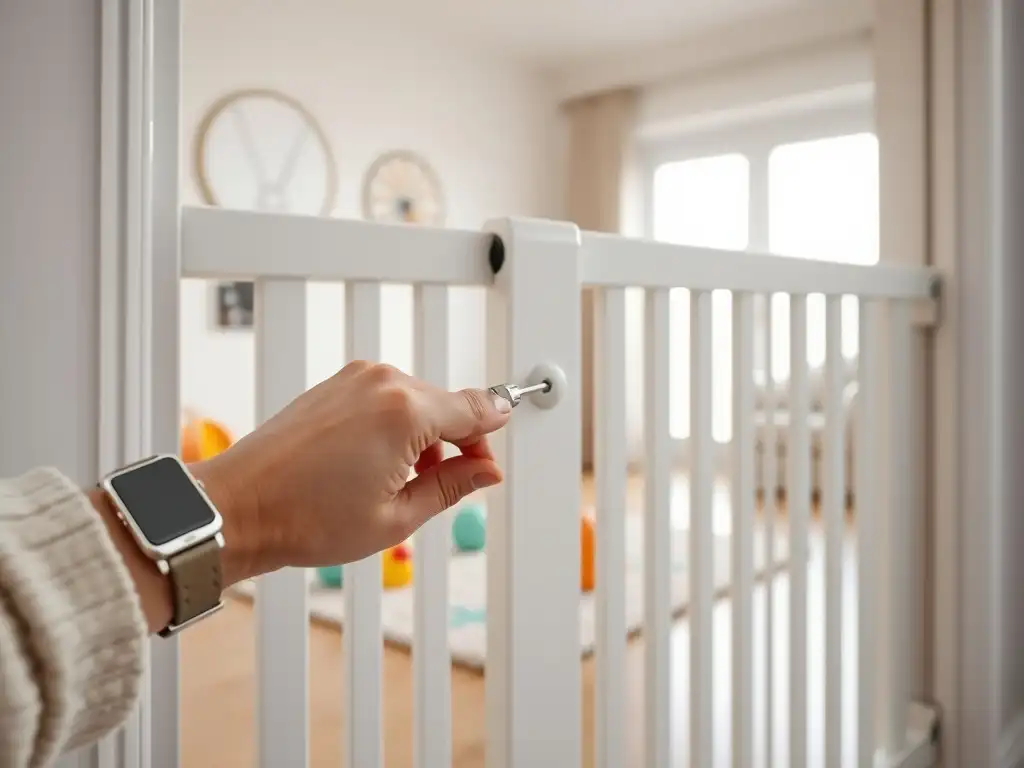
This section provides a detailed, step-by-step guide to maintaining your baby gate, ensuring its continued effectiveness in protecting your little one. Regular maintenance is crucial for baby gate safety, preventing accidents and ensuring the gate remains a reliable barrier. Neglecting maintenance can compromise the gate's functionality and create hazardous situations. Let's delve into the specifics.
Cleaning Your Baby Gate: Removing Dirt and Grime
Regular cleaning is paramount for maintaining both the aesthetic appeal and the functionality of your baby gate. Dirt, grime, and sticky residue can impede the smooth operation of the gate's mechanisms, potentially leading to malfunctions. The cleaning process varies slightly depending on the material of your gate.
Cleaning Specific Gate Materials: Wood, Metal, Plastic
- Wood Gates: For wooden gates, use a damp cloth with a mild soap solution. Avoid harsh chemicals or abrasive cleaners that could damage the finish or the wood itself. After cleaning, wipe the gate dry with a clean, soft cloth. Consider using a wood polish or conditioner periodically to maintain the wood's appearance and prevent dryness. Remember to always check the gate's stability after cleaning, ensuring all screws and joints are secure.
- Metal Gates: Metal gates are generally more durable and easier to clean. Use a damp cloth with a mild detergent or a specialized metal cleaner. Rinse thoroughly with clean water and dry completely to prevent rust or corrosion. Regularly inspect for any signs of rust or damage. A light coating of lubricant on moving parts can improve functionality.
- Plastic Gates: Plastic gates are typically easy to wipe down. Use a damp cloth with mild soap and water. Avoid using abrasive cleaners or harsh chemicals that could scratch the plastic surface. For stubborn stains, try a solution of baking soda and water. Ensure the gate is completely dry before reinstalling.
Inspecting Gate Components: Checking for Damage and Wear
Beyond regular cleaning, a thorough inspection of your baby gate's components is essential for ensuring its continued safety and reliability. This involves examining all parts for signs of wear, damage, or loosening. Pay close attention to the areas that experience the most stress and strain.
Identifying Worn Parts: Replacing Damaged Hinges, Latches, and Mounting Hardware
Regularly inspect the following critical components:
- Hinges: Check for looseness, rust, or damage to the hinge pins. Loose hinges can compromise the gate's stability, potentially allowing it to swing open unexpectedly. Replace any damaged hinges immediately.
- Latches: The latch mechanism is arguably the most important part of the gate. Inspect the latch for proper engagement, ensuring it securely locks in place. If the latch is difficult to operate or doesn't securely close, replace it. Remember, a malfunctioning latch renders the gate ineffective.
- Mounting Hardware: Examine the screws and mounting brackets that secure the gate to the wall or doorway. Over time, these can loosen or become damaged, reducing the gate's stability. Tighten any loose screws and replace any damaged hardware promptly. Consider using longer screws if necessary for improved stability.
| Component | Inspection Points | Replacement Indicators |
|---|---|---|
| Hinges | Looseness, rust, bent pins, stripped screw holes | Difficulty opening/closing, gate sagging, loose gate |
| Latches | Difficult operation, incomplete closure, damage | Gate not locking securely, loose latch, broken parts |
| Mounting Hardware | Loose screws, damaged brackets, stripped wood | Gate wobbling, loose gate, screws pulling out of wood |
Regularly performing these checks and replacing worn parts as needed will significantly contribute to maintaining the long-term safety and effectiveness of your baby gate, thus ensuring your baby's safety. Remember, proactive maintenance is key to baby gate safety maintenance.
Tightening Screws and Bolts: Ensuring Secure Installation
Regularly checking and tightening the screws and bolts on your baby gate is crucial for maintaining its structural integrity and ensuring your little one's safety. Loose hardware can compromise the gate's ability to withstand pressure, potentially leading to accidental opening. This is especially important for gates that are frequently used, as the constant opening and closing can loosen the fasteners over time. For pressure-mounted gates, pay close attention to the mounting brackets and ensure they are firmly pressed against the wall or door frame.
For hardware-mounted gates, inspect all screws and bolts, tightening any that feel loose. A simple screwdriver is usually all you need for this task. Remember to check both the top and bottom of the gate, as well as any additional support brackets. It's a good idea to perform this check at least once a month, or more frequently if you notice any signs of looseness.
Neglecting this simple maintenance step could have serious consequences, so it's worth investing a few minutes to ensure the gate is securely installed. Think of it as a small investment with huge returns in terms of your child's safety. A properly tightened gate offers peace of mind, knowing your little explorer is safely contained.
Lubricating Moving Parts: Smooth Operation and Extended Lifespan
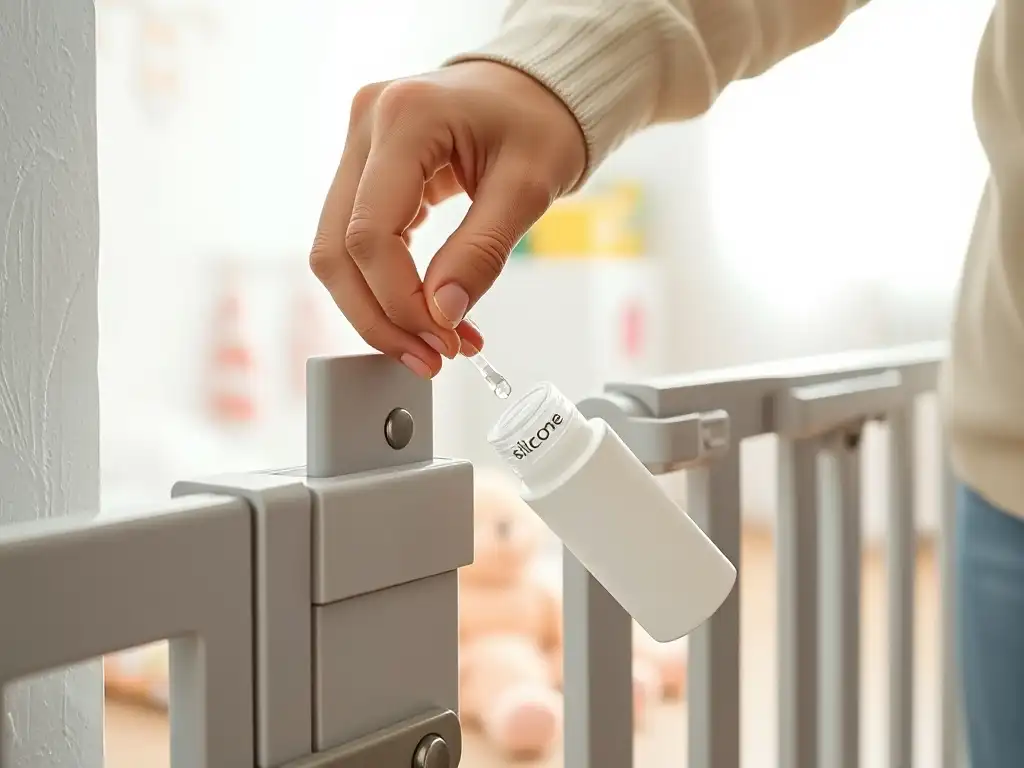
Many baby gates, particularly those with hinges or sliding mechanisms, benefit from periodic lubrication. This helps to ensure smooth operation and prevents the gate from becoming stiff or difficult to open and close. Using a silicone-based lubricant is recommended, as it's safe for babies and won't damage the gate's finish. Avoid using oil-based lubricants, as these can attract dust and dirt, potentially compromising the gate's functionality.
Apply a small amount of lubricant to the hinges, latches, and any other moving parts. After applying the lubricant, gently work the gate's mechanisms several times to distribute the lubricant evenly. This simple maintenance task can significantly extend the lifespan of your baby gate, preventing premature wear and tear.
A smoothly operating gate is not only easier to use but also contributes to its long-term durability. This preventative maintenance is a proactive measure to ensure the continued safety and functionality of your baby gate. Regular lubrication will keep your gate operating smoothly for years to come, providing dependable protection for your child.
Testing the Gate's Functionality: Checking for Secure Closure and Opening Mechanisms
After tightening screws and lubricating moving parts, thoroughly test the gate's functionality. This involves repeatedly opening and closing the gate to check for secure closure and smooth operation of all mechanisms. Ensure the latch mechanism engages firmly and that the gate remains securely closed. Pay attention to any unusual noises or resistance during operation.
If you notice any issues, such as difficulty closing the gate completely or a loose latch, re-check the hardware and lubrication. Furthermore, test the gate’s resistance to pressure. Gently try to push or pull on the gate to simulate a child attempting to open it. A securely installed and properly functioning gate should withstand this pressure without budging.
This comprehensive test ensures the gate is functioning optimally and provides the necessary safety barrier for your child. Regular testing – ideally weekly – is a simple yet effective way to identify potential problems before they escalate into safety hazards. Making this a part of your routine baby gate maintenance will provide you with the confidence that your gate is performing its primary function – keeping your baby safe. Remember, a well-maintained gate is a safe gate.
Troubleshooting Common Baby Gate Problems
This section focuses on practical solutions to common baby gate malfunctions, ensuring your little one's safety. Regular maintenance is key to preventing accidents, so let's address some frequent issues related to baby gate safety maintenance.
Baby Gate Won't Latch: Diagnosing and Fixing Common Issues
A baby gate that won't latch properly is a serious safety concern. This problem often stems from a few key issues. Let's explore how to diagnose and resolve them:
First, check the gate's alignment. Is the gate perfectly square in its frame? Even a slight misalignment can prevent the latch from engaging correctly. Try adjusting the gate's position, ensuring it's firmly seated against the wall or door frame. Sometimes, a slight adjustment is all that's needed to restore functionality.
Next, inspect the latch mechanism itself. Is there debris, like dust or pet hair, obstructing the latch? Carefully clean the latch and surrounding areas with a soft brush or cloth. Pay close attention to the small components within the latch mechanism. A tiny piece of dust can sometimes be the culprit!
If the problem persists, examine the pressure-mounted hardware. Over time, the pressure on the hardware can lessen, reducing the gate's ability to latch securely. Try tightening the mounting screws or adjusting the pressure to ensure a firm grip on the frame. For gates with adjustable pressure, you'll find a knob or lever to increase the pressure.
Finally, consider the possibility of worn-out parts. If your gate is older, the latch mechanism may be worn out. Replacement parts are often available from the manufacturer, or you might consider purchasing a new gate altogether for optimal baby gate safety maintenance. Remember, a faulty latch compromises your child's safety, so don't hesitate to replace it if necessary.
Baby Gate is Loose: Addressing Installation Problems
A loose baby gate is a significant hazard. It can easily be dislodged, allowing your child access to restricted areas. Here's a breakdown of how to address this:
Firstly, re-evaluate the installation location. Ensure the gate is installed on a sturdy, even surface. Uneven surfaces or weak framing can contribute to looseness. If the frame is unstable, you might need to find a more suitable location for the gate.
Secondly, check the mounting hardware. Are the screws tight? Are the pressure mounts adequately engaged? Tighten all screws and ensure the pressure mounts are gripping the frame firmly. Loose screws are a common cause of a loose gate, so this is often the quickest fix.
Thirdly, consider wall type. Some gates are better suited for certain wall types (e.g., drywall versus wood). If your gate is struggling to maintain a firm grip, consider whether the gate type matches your wall material. If not, you may need to find a more suitable gate for your wall type.
Lastly, inspect for damage. Look for any damage to the gate itself, or to the mounting hardware. If there's significant damage, you may need to replace the gate entirely to ensure proper baby gate safety maintenance and your child's safety. Remember, a loose gate is a serious risk, so addressing this promptly is critical.
Baby Gate is Difficult to Open or Close: Addressing Sticking Mechanisms
A baby gate that's difficult to open or close is inconvenient and can be a safety hazard in emergencies. Let's explore the reasons for this:
Firstly, lubricate the moving parts. Over time, friction can cause the gate to stick. Apply a small amount of silicone-based lubricant to the hinges and latch mechanism. Avoid using oil-based lubricants, as these can attract dust and grime.
Secondly, clean the tracks. If your gate uses a sliding or rolling mechanism, ensure the tracks are clean and free of debris. Accumulated dust and dirt can impede smooth operation. Use a soft brush or a damp cloth to clean the tracks thoroughly.
Thirdly, check for obstructions. Ensure nothing is blocking the gate's movement, such as toys, clothing, or rugs. Remove any obstructions to restore smooth operation.
Finally, inspect the hinge mechanism. If the hinges are bent or damaged, it can cause the gate to bind. If the hinges are damaged, you may need to replace them or the entire gate to ensure proper baby gate safety maintenance. A smoothly operating gate is crucial for ease of use and quick access in an emergency.
Extending the Life of Your Baby Gate: Proactive Maintenance
Regular maintenance is crucial for ensuring your baby gate remains a reliable safety barrier. Neglecting this can compromise its effectiveness, potentially leading to accidents. Proactive maintenance involves more than just occasional checks; it’s about establishing a routine to prevent issues before they arise. This section details practical steps to maximize the lifespan and safety of your baby gate, contributing to a secure home environment for your little one. Understanding and implementing these strategies will significantly enhance your baby gate's long-term performance and contribute to overall baby gate safety maintenance.
Storing Your Baby Gate Properly: Protecting it from Damage
Proper storage is often overlooked but plays a vital role in extending the life of your baby gate. When not in use, avoid simply tossing the gate into a closet or garage. This can lead to scratches, dents, and damage to the gate's mechanism, compromising its functionality and safety. Instead, consider these storage tips:
- Clean before storing: Wipe down the gate with a damp cloth to remove dust and dirt. This prevents the accumulation of grime that can cause corrosion or damage the finish.
- Use protective packaging: If possible, store the gate in its original packaging or a similar protective container. This will shield it from bumps and scratches.
- Store in a dry place: Moisture can damage the gate's materials, causing rust or warping. Choose a dry, well-ventilated area for storage.
- Avoid stacking heavy items: Never stack heavy objects on top of the stored gate. This can warp the frame or damage the locking mechanism.
Remember, a well-maintained gate is a safe gate. Following these simple steps will significantly extend its lifespan and ensure it continues to provide reliable protection for your child. This contributes directly to effective baby gate safety maintenance.
Choosing High-Quality Baby Gates: Investing in Durability and Safety
The initial purchase of a baby gate is an investment in your child's safety. Choosing a high-quality gate from a reputable manufacturer is paramount for long-term performance and safety. Features to look for when selecting a gate include:
- Durable materials: Opt for gates constructed from robust materials such as strong wood or heavy-duty metal. Avoid flimsy plastic gates, as these are more prone to damage and less effective at containing a determined toddler.
- Secure mounting hardware: Check the quality of the mounting hardware. Strong screws and sturdy wall mounts are essential for a secure installation. Consider gates with multiple mounting options for different wall types.
- Easy-to-use latches: The latching mechanism should be easy for adults to operate but difficult for children to manipulate. Look for gates with double-locking mechanisms or other child-resistant features.
- Safety certifications: Ensure the gate meets relevant safety standards and carries appropriate certifications. This indicates that it has undergone rigorous testing to ensure its safety and durability.
Investing in a high-quality gate upfront saves you money and worry in the long run. It's a crucial aspect of comprehensive baby gate safety maintenance, ensuring your child's safety for years to come.
Long-Term Performance of the Evenflo SoftClose Baby Gate
The Evenflo SoftClose baby gate is a popular choice among parents. Its soft-close mechanism is designed to prevent slamming and potential injuries. However, even high-quality gates require regular maintenance for optimal performance. To ensure the long-term functionality of your Evenflo SoftClose gate:
- Regularly inspect the hinges: Check the hinges for any signs of wear and tear. Tighten any loose screws and replace any damaged parts immediately.
- Lubricate moving parts: Periodically lubricate the hinges and the soft-close mechanism with a silicone-based lubricant. This will ensure smooth operation and prevent squeaking or sticking.
- Clean the gate regularly: Wipe down the gate with a damp cloth to remove dirt and grime. This will prevent the accumulation of debris that can interfere with the gate's operation.
- Monitor the soft-close mechanism: Pay attention to the soft-close mechanism's performance. If it starts to slow down or become erratic, it may indicate a need for lubrication or repair.
By following these steps, you can ensure your Evenflo SoftClose baby gate remains a safe and effective barrier for your child for years to come. This is a key component of effective baby gate safety maintenance and ensures your child's safety remains a top priority. Proper maintenance not only extends the lifespan of the gate but also minimizes the risk of accidents, contributing to a safer home environment for your baby.
Comparing the Durability of the Summer Infant Multi-Use Baby Gate and the Regalo Easy Open Baby Gate
The longevity and safety of a baby gate hinge significantly on its construction and materials. Let's compare two popular models: the Summer Infant Multi-Use Baby Gate and the Regalo Easy Open Baby Gate, focusing on their durability and maintenance needs to contribute to overall baby gate safety maintenance.
The Summer Infant Multi-Use Baby Gate often boasts a sturdy construction, frequently utilizing a combination of metal and plastic components. The metal framing provides excellent strength and resistance to impacts, which is crucial for withstanding the enthusiastic explorations of toddlers. However, the plastic components, while generally durable, can be prone to cracking or breaking under extreme stress.
Regular inspection for any signs of wear and tear on these plastic parts is essential for maintaining the gate's structural integrity and ensuring baby gate safety maintenance. Minor scratches or scuffs are usually cosmetic, but cracks warrant immediate attention and potentially replacement parts.
The Regalo Easy Open Baby Gate, on the other hand, typically employs a primarily pressure-mounted design. While convenient for installation, this design can sometimes be less robust than a hardware-mounted gate, especially in the face of forceful pressure. The hinges and locking mechanisms are key areas to monitor for wear.
Regularly checking the gate's pressure against the wall and testing the ease of opening and closing are crucial aspects of baby gate safety maintenance. A gate that becomes loose or difficult to operate should be adjusted or replaced. While generally less expensive, the Regalo's potentially shorter lifespan highlights the importance of proactive maintenance to maximize its safety and usefulness.
In terms of overall durability, the Summer Infant gate, with its metal frame, generally shows greater resistance to damage from impacts. However, the plastic components require careful monitoring. The Regalo gate, while potentially less resistant to forceful impacts, often offers a more straightforward installation and adjustment process.
Both gates, however, benefit from regular inspections and prompt attention to any signs of wear or damage as part of a comprehensive baby gate safety maintenance routine. Remember, a damaged gate compromises the safety of your child, underscoring the need for diligent upkeep. Choosing a gate appropriate for your home's structure and your child's developmental stage is also a key aspect of long-term baby gate safety maintenance.
When to Replace Your Baby Gate: Recognizing Signs of Wear and Tear
Maintaining the integrity of your baby gate is crucial for your little one's safety. A damaged or worn-out gate compromises its primary function: preventing access to hazardous areas. Knowing when to replace your baby gate is a key aspect of proactive baby gate safety maintenance. Ignoring signs of wear and tear can lead to accidents, so regular inspection is paramount.
Recognizing Safety Concerns: When Replacement is Necessary
Several indicators signal the need for a baby gate replacement. These aren't just cosmetic issues; they directly impact the gate's ability to secure your child. A gate that doesn't function properly is a serious hazard. Look out for:
- Broken or damaged parts: This includes cracked or splintered wood, bent or broken metal, loose screws, or malfunctioning hinges. Even small cracks can weaken the structure, making it susceptible to failure under pressure. A seemingly minor crack can quickly become a major safety concern.
- Loose or wobbly gate: If the gate doesn't close securely or feels unsteady, it needs immediate attention. A wobbly gate can easily be pushed open by a determined toddler. Regularly check for any movement or looseness.
- Worn-out mounting hardware: Over time, the screws and mounting brackets can become loose or stripped, compromising the gate's stability. Check for stripped screw holes regularly and tighten all screws frequently.
- Damaged pressure-mount mechanism: For pressure-mounted gates, check if the pressure pads are worn or damaged, or if the gate doesn't maintain sufficient pressure against the wall. A pressure-mounted gate that's not firmly in place can be easily dislodged.
- Compromised latch mechanism: The latch is the gate's primary safety feature. If the latch is difficult to operate, doesn't close securely, or shows signs of damage, replace the gate immediately. A faulty latch renders the entire gate useless.
- Excessive wear and tear: Even with careful use, regular wear and tear will eventually weaken the gate's components. Look for signs of significant scratching, denting, or general deterioration, especially around the hinges and latch.
Regular inspections, at least once a month, are key to baby gate safety maintenance. Address any issues promptly to prevent accidents. Remember, a compromised gate is not just inconvenient; it puts your child at risk.
Finding a Replacement Baby Gate: Factors to Consider
Choosing a replacement baby gate requires careful consideration. Safety, of course, is paramount, but other factors influence your decision:
- Gate Type: Pressure-mounted gates are convenient but can be less secure than hardware-mounted gates. Hardware-mounted gates offer superior security but require drilling into the door frame or wall. Consider your specific needs and the type of opening you need to secure.
- Gate Material: Wood, metal, and plastic gates each have advantages and disadvantages. Metal gates are typically very durable, while wooden gates can offer a more aesthetically pleasing look. Plastic gates are often more affordable but may not be as robust. Choose a material that suits your needs and home decor.
- Gate Height and Width: Measure the opening carefully to ensure the new gate fits properly. A gate that's too short or too narrow will not provide adequate safety.
- Child's Age and Abilities: Consider your child's age and developmental stage. A gate designed for toddlers may not be suitable for older, more agile children. Ensure the gate's latch mechanism is difficult for your child to open.
- Ease of Use: The gate should be easy for adults to operate but difficult for children to open. A complicated or frustrating latch can lead to adults leaving the gate unlatched.
- Safety Certifications: Choose a gate that meets relevant safety standards, such as those set by organizations like [Specific Certification Organization pending]. These certifications ensure the gate has undergone rigorous testing and meets safety requirements.
Remember, a well-maintained baby gate is a crucial element of a safe home environment. Prioritize safety when selecting a replacement.
Recommended Baby Gate Brands for Safety and Durability
While specific brand recommendations are outside the scope of this article due to ever changing market conditions and potential conflicts of interest, researching brands known for their robust construction, secure latch mechanisms, and positive safety ratings is crucial. Look for brands with a proven track record and positive customer reviews focusing on baby gate safety maintenance. Always verify that the specific gate model you are considering meets relevant safety standards and certifications before purchasing. Prioritizing safety features over price is highly recommended. Remember, your baby's safety is priceless. 👶
Resources for Baby Gate Safety and Maintenance
This section delves into the crucial aspects of maintaining your baby gate, ensuring its continued effectiveness in safeguarding your little one. We'll explore vital safety standards and regulations, as well as helpful online resources to assist you in this important task. Remember, proactive maintenance is key to preventing accidents and ensuring your baby's safety. Regular checks and proper upkeep of your baby gate are investments in your child's well-being.
Safety Standards and Regulations for Baby Gates
Understanding the safety standards and regulations surrounding baby gates is paramount. These guidelines ensure that the gates you choose and maintain meet the necessary criteria for protecting your child from potential harm. Failure to adhere to these standards can compromise the gate's effectiveness, potentially leading to accidents.
Several key aspects define a safe and compliant baby gate:
- Material Strength and Durability: A baby gate should be constructed from robust materials capable of withstanding significant pressure and impact. Look for gates made from high-quality wood, sturdy metal, or reinforced plastic. Avoid gates that appear flimsy or easily bendable. Regular inspections for cracks, rust, or weakened components are essential.
- Hardware and Fastening Mechanisms: The hardware used to secure the gate should be strong and reliable. Screws should be securely tightened, and hinges should operate smoothly without excessive looseness or play. Gates that rely on pressure mounting should be regularly checked to ensure they remain firmly in place and haven't become loose over time. The gate should never easily dislodge from its position.
- Gaps and Openings: Examine the gate regularly for any gaps or openings that a child might be able to squeeze through. Small gaps can be extremely dangerous, allowing a child to slip through and potentially cause injury. The spacing between bars or panels should comply with relevant safety standards, preventing entrapment or head entrapment. Pay close attention to the spaces at the top and bottom of the gate.
- Entrapment Hazards: Ensure that there are no pinch points or areas where a child's fingers or limbs could get trapped. Moving parts should be smooth and free from sharp edges. Regular lubrication of moving parts can prevent jamming and potential injury.
- Height and Reach: The gate must be tall enough to prevent a child from climbing over it. The height should be appropriate for the child's age and developmental stage. Consider the child's climbing abilities when selecting and installing the gate.
Here's a simple table summarizing key safety checks:
| Check Item | Frequency | Action if Issue Found |
|---|---|---|
| Gate Material Condition | Weekly | Repair or replace |
| Hardware Tightness | Weekly | Tighten screws |
| Gaps and Openings | Weekly | Repair or replace |
| Pinch Points | Monthly | Repair or replace |
| Height Appropriateness | As child grows | Adjust or replace |
Remember, regular inspections are crucial for maintaining baby gate safety. A proactive approach is far better than reacting to an accident.
Online Resources and Support for Baby Gate Maintenance
While thorough inspections are your first line of defense, several online resources provide valuable information and support regarding baby gate maintenance and safety. These resources can offer guidance on specific gate models, troubleshooting common issues, and staying updated on the latest safety recommendations.
Unfortunately, specific online resource links are outside the scope of this section. However, searching for "[Specific Baby Gate Brand] maintenance" or "baby gate safety guidelines" will yield many helpful results. You can also explore websites dedicated to child safety and parenting. Look for resources from reputable organizations and government agencies known for their accurate and up-to-date safety information.
Always prioritize information from trusted sources when researching baby gate safety and maintenance. Remember, your child's safety is paramount. Consulting multiple sources can ensure a comprehensive understanding of best practices. Don't hesitate to seek professional advice if you have any concerns about the safety of your baby gate.
Frequently Asked Questions
How often should I check my baby gate for safety?
You should inspect your baby gate at least once a month, paying close attention to all hardware and connections. Regular checks ensure continued safe operation and prevent accidents.
What should I look for when inspecting my baby gate?
Look for loose screws, damaged parts, or any signs of wear and tear. Also, check that the gate closes and latches securely. Replace any damaged components immediately.
How do I clean my baby gate?
Use a damp cloth and mild soap to clean the gate. Avoid harsh chemicals or abrasive cleaners that could damage the finish or weaken the materials. Always dry thoroughly afterwards.
My baby gate is difficult to open and close. What should I do?
Try lubricating the hinges and latch mechanism with a silicone-based lubricant. If the problem persists, consult the manufacturer's instructions or consider replacing worn parts.
Can I use any type of lubricant on my baby gate?
No, avoid using oil-based lubricants as they can attract dust and dirt, potentially compromising the gate's functionality and safety. Stick to silicone-based lubricants specifically designed for household use.
Final Reflection: Securing Little Futures, One Gate at a Time
The seemingly simple act of maintaining a baby gate is, in reality, a crucial act of safeguarding our most precious cargo. A well-maintained gate isn't just a piece of hardware; it's a silent guardian, a promise of safety and security for our little ones as they explore their world. The peace of mind it provides is invaluable.
The impact of consistent baby gate maintenance extends far beyond the immediate safety of a single child. It represents a collective commitment to child safety, a quiet acknowledgment of the responsibility we bear in protecting the vulnerable. This responsibility transcends individual homes; it shapes our communities and influences the design of child-safe products. The best safety device is a watchful parent, but even the most vigilant parent needs the support of safe products.
This simple truth underscores the importance of diligent maintenance, ensuring that these vital safety measures remain effective.
Consider the small, seemingly insignificant act of tightening a screw or replacing a worn latch. These actions, repeated consistently, build a fortress of protection around your child's exploration. You, the reader, hold the key to this fortress. Take a moment today to inspect your baby gates. Tighten those loose screws, replace any damaged parts, and reaffirm your commitment to providing the safest possible environment for your child to thrive. Your vigilance is their shield, and your care, their legacy.
Unlock Your Peace of Mind: Secure Your Child's World
Thanks for learning about baby gate safety! We hope you feel confident in keeping your child safe. Ready to put this knowledge into action?
- **Inspect your baby gate thoroughly today. ** Check for loose screws, damaged parts, or any potential hazards. This is crucial.
- Share this vital safety information with other parents – spread the word about proactive baby gate maintenance! A quick social media post can make a difference.
- Consider adding a fun, themed decoration to your gate to make it a playful addition to your home, rather than just a safety device.
Ready to create a safer environment for your child? What's the first step you'll take today to ensure your baby gate remains a reliable safety feature?