
ParentBaby Communication: Building a Strong Language Foundation


Welcome to BabyCareHub, your ultimate guide to navigating the incredible journey of parenthood! Are you ready to unlock the secrets to nurturing your little one's growth? We'll equip you with the knowledge and confidence you need, from mastering those first few feeds to understanding crucial developmental milestones. Discover the surprising benefits of baby talk development and learn how early communication lays the foundation for a lifetime of learning. Dive in and explore the wealth of expert advice waiting for you – your parenting adventure starts here!
- Understanding the Importance of Early Communication for Baby Talk Development Benefits
-
Baby Talk Development Benefits: Techniques for Effective Communication
- Responding to Baby's Cues: Recognizing and Reacting to Vocalizations and Gestures
- Engaging in Turn-Taking Conversations: The Foundation of Dialogue
- Using Simple, Repetitive Language: Building a Baby's Vocabulary
- Singing, Rhyming, and Reading Aloud: Stimulating Language Development Through Sensory Input
- Incorporating Baby Sign Language: Enhancing Communication Before Verbal Skills Develop
- Creating a Stimulating Language Environment for Your Baby
- Addressing Common Challenges in Parent-Baby Communication
- Monitoring Your Baby's Language Development: Milestones and Expectations
- Sustaining Effective Communication Beyond Babyhood: Laying the Groundwork for Future Success
- Frequently Asked Questions
- Final Reflection: Nurturing Language: A Legacy of Words
- Unlock Your Baby's Communication Potential
Understanding the Importance of Early Communication for Baby Talk Development Benefits
Early communication with your baby is far more than just cute coos and gurgles; it's the bedrock of their future language development and overall cognitive growth. This article explores the profound impact of parent-baby communication, focusing on how nurturing interactions lay the foundation for strong language skills and contribute significantly to your child's future success. We'll delve into the crucial role of parent-child interaction, examine how early communication skills influence later language development, and highlight the long-term benefits extending beyond just speech, impacting academic achievement and social skills.
Understanding these benefits will empower you to foster a rich communicative environment, enriching your baby's life and setting them up for a bright future. This journey into the world of "baby talk development benefits" will equip you with practical strategies to maximize your baby's language potential.
The Crucial Role of Parent-Child Interaction in Language Acquisition
Parent-child interaction is the cornerstone of language acquisition. From the moment your baby is born, they are absorbing information through your voice, your facial expressions, and your touch. Even before they can speak, babies understand far more than you might think. Responding to their coos and babbles with words and expressions, engaging in playful interactions like peek-a-boo, and reading to them, all contribute to the development of their language centers in the brain.
Think of it like this: every time you respond to your baby's sounds, you are reinforcing the connection between sounds and meaning. This constant feedback loop helps them understand the structure of language and the way words are used to communicate. For example, if your baby makes a gurgling sound and you respond with "Are you hungry, little one? ", you are not only providing a verbal response but also modeling sentence structure and vocabulary.
This seemingly simple interaction is a powerful tool in their linguistic development. Furthermore, the emotional connection fostered through these interactions creates a secure attachment which is vital for optimal brain development and language acquisition. The more responsive and engaged you are, the faster your baby's language skills will develop.
How Early Communication Skills Impact Future Language Development
The foundation laid in early communication significantly impacts a child's future language development. Babies who are exposed to rich and responsive communication from a young age tend to develop larger vocabularies, more complex sentence structures, and better comprehension skills. This early exposure is crucial for building the neural pathways responsible for language processing and comprehension. Studies have shown a strong correlation between early language exposure and later reading abilities, academic performance, and overall cognitive development.
Consider the differences between two scenarios: a baby who is consistently spoken to, read to, and engaged in interactive play versus a baby who receives minimal verbal interaction. The former will likely demonstrate earlier and more advanced language skills, leading to a smoother transition into formal education and greater academic success. The latter may experience delays in language development, potentially impacting their social interactions and academic progress.
The importance of early intervention and consistent communication cannot be overstated. The benefits extend far beyond simply having a larger vocabulary; it's about fostering a love of language and communication that will serve them well throughout their lives.
The positive effects of strong parent-baby communication extend far beyond early childhood. Children who developed strong language skills in their infancy tend to perform better academically, demonstrating higher reading comprehension, better writing skills, and improved overall academic achievement. This is because a strong foundation in language provides the building blocks for all other academic pursuits. Furthermore, effective communication skills are crucial for building and maintaining strong social relationships.
The ability to express oneself clearly, understand others' perspectives, and navigate social situations effectively is directly linked to early language development. Children with strong communication skills tend to be more confident, better equipped to resolve conflicts, and more successful in building and maintaining friendships. They are better able to articulate their needs and desires, leading to stronger self-esteem and a greater sense of agency.
Ultimately, early communication is an investment in your child’s future, paving the way for academic success, strong social skills, and a fulfilling life. The benefits are truly lifelong and far-reaching, making early interaction a cornerstone of healthy development.
Baby Talk Development Benefits: Techniques for Effective Communication
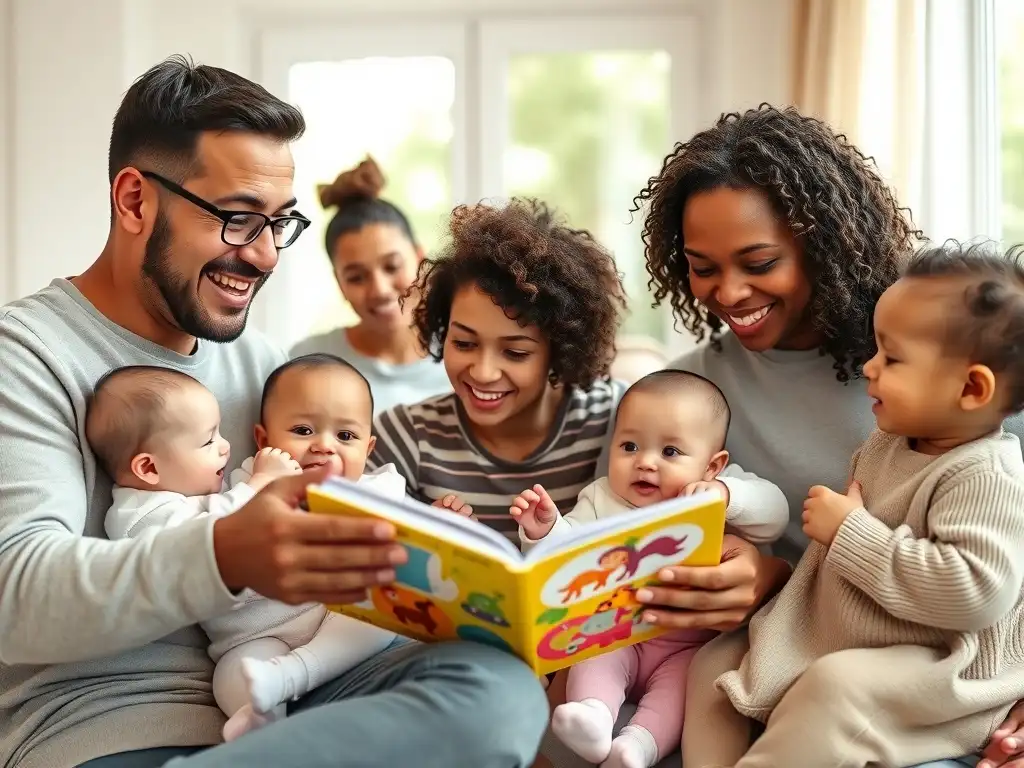
Early communication with your baby is crucial for their language development and overall well-being. The benefits of engaging in "baby talk" – that high-pitched, repetitive speech often used when interacting with infants – are numerous and far-reaching. These benefits extend beyond simply teaching words; they foster a strong parent-child bond, stimulate brain development, and lay the groundwork for future linguistic success. Studies consistently demonstrate a correlation between early parent-child interaction and improved vocabulary acquisition, reading comprehension, and overall cognitive skills later in life. This section will explore effective communication techniques to maximize these "baby talk development benefits."
Responding to Baby's Cues: Recognizing and Reacting to Vocalizations and Gestures
Even before your baby utters their first word, they are communicating. Responding promptly and appropriately to their cues, both vocal and gestural, is paramount. This responsiveness teaches your baby that their actions have consequences and that communication is a reciprocal process. For example, if your baby coos, respond with enthusiastic coos and smiles. If they point at an object, name the object clearly and engage with them in relation to it.
This reciprocal communication is not merely about mimicking; it's about interpreting the meaning behind your baby's actions. A cry might signify hunger, discomfort, or tiredness. Learning to differentiate these cries through careful observation and consistent responsiveness is key. A frustrated grunt might indicate a need for assistance with a toy. Paying close attention to your baby's non-verbal cues, such as facial expressions and body language, enhances your understanding of their needs and strengthens your bond.
Consider keeping a simple log of your baby's communication attempts and your responses. This can be helpful in identifying patterns and further understanding your baby’s unique communication style. For example:
| Time | Baby's Action | Your Response | Notes |
|---|---|---|---|
| 9:00 AM | Coos and gurgles | Cooed back, smiled, made silly faces | Seemed happy and content |
| 11:00 AM | Cries intensely | Checked diaper, offered bottle, cuddled | Likely hungry or uncomfortable |
| 2:00 PM | Points at a toy | Picked up the toy, named it, played with it | Showed interest in interactive play |
| 5:00 PM | Fusses and stretches | Offered comfort, changed diaper, sang a lullaby | Might have been tired or needed a change of pace |
Regularly engaging in this type of attentive interaction provides a strong foundation for future language acquisition and establishes a secure attachment. Remember, even seemingly small interactions contribute significantly to your baby's development.
Engaging in Turn-Taking Conversations: The Foundation of Dialogue
Turn-taking is a fundamental aspect of conversation, and it's never too early to start practicing it with your baby. Even though your baby may not be able to respond verbally, you can still engage in a back-and-forth exchange. This involves pausing after speaking, allowing your baby time to respond with sounds, gestures, or facial expressions. You can then respond to their cues, creating a rhythmic dialogue.
For example, you might say, "Where's the doggy? Woof woof!" and then wait for your baby's reaction. They might gurgle, point, or smile. You can then react to their response, reinforcing the interaction. This simple activity strengthens their understanding of conversational flow and anticipation. Think of it as a playful dance of communication. The more you practice this, the more naturally your baby will learn the rhythm of conversation. This is a key aspect of "baby talk development benefits."
This turn-taking doesn't have to be limited to verbal communication. Incorporate games like peek-a-boo, which involve anticipation and turn-taking actions. Reading books aloud, pausing to let your baby react to the pictures and sounds, is another excellent way to practice turn-taking. The key is to make the interaction fun and engaging.
Using Simple, Repetitive Language: Building a Baby's Vocabulary
Babies learn best through repetition. Using simple, repetitive phrases helps them associate words with their meanings. Instead of using complex sentences, focus on single words and short phrases, emphasizing clear pronunciation. For instance, instead of saying, "Look at the fluffy, white kitten," try saying, "Kitty! Soft kitty!" Repeating these simple words and phrases multiple times helps your baby gradually build their vocabulary.
Repetition is not just about saying the same words over and over; it's about using them in various contexts. If you're pointing at a red ball, you can say, "Red ball! Red ball!" Then, later, you might say, "Look at the red ball!" This helps your baby understand the word's meaning in different situations. The consistency and repetition reinforce the learning process. This approach significantly contributes to the "baby talk development benefits" by building a strong foundation for future language skills.
Consider incorporating songs and rhymes into your daily routine. These often feature repetitive phrases and simple melodies, making them ideal for language learning. Nursery rhymes are particularly effective because they often introduce new vocabulary in a fun and engaging way. Remember, the goal is to create a positive and stimulating environment where your baby feels encouraged to communicate and learn. The more you engage in these activities, the more you will see the positive impact on your baby's language development.
Singing, Rhyming, and Reading Aloud: Stimulating Language Development Through Sensory Input
Singing, rhyming, and reading aloud to your baby are incredibly effective ways to boost their language development. These activities aren't just fun; they provide rich sensory input that significantly impacts a baby's brain development. The rhythmic nature of songs and rhymes helps establish a predictable pattern, improving their auditory processing skills. This rhythmic stimulation is crucial for language acquisition, as it helps babies learn the patterns and sounds of language. Think of nursery rhymes like "Twinkle Twinkle Little Star" or "Itsy Bitsy Spider"—their repetitive nature helps babies memorize words and phrases, laying the groundwork for future vocabulary expansion.
Furthermore, reading aloud exposes your baby to a wider range of vocabulary and sentence structures than they might otherwise encounter. Even if your baby doesn't understand the words, the intonation, rhythm, and the act of sharing a book together fosters a strong emotional bond. This positive association with language is essential for encouraging language development.
Choose brightly colored books with engaging illustrations; the visual stimulation complements the auditory input, creating a more enriching experience. Remember to vary your tone and expression while reading, making the experience lively and interactive. The more enthusiastic you are, the more engaged your baby will be, leading to better language acquisition.
Consider incorporating different genres of children's literature, from simple board books to interactive storybooks, to keep your baby stimulated and engaged. Studies have shown a strong correlation between early exposure to books and improved literacy skills later in life. This early exposure is a cornerstone of healthy "baby talk development benefits".
Incorporating Baby Sign Language: Enhancing Communication Before Verbal Skills Develop
Baby sign language offers a fantastic way to bridge the communication gap before your baby can speak. While babies may not be able to articulate their needs verbally in their early months, they can often grasp and use simple signs. This early communication empowers them, reducing frustration and building confidence. The benefits extend beyond simply expressing immediate needs; it also stimulates cognitive development and strengthens the parent-child bond.
Introducing baby sign language doesn't require formal classes. Start with a few essential signs, such as "milk," "more," "all done," and "please." Consistency is key; repeat the signs frequently while saying the word aloud. This helps your baby associate the visual gesture with the spoken word, enhancing their understanding of language. Many resources are available online and in libraries to help you learn basic signs. Remember, you don't need to be perfect; even simple, consistent use of signs will make a difference.
The positive impact on your baby's development is significant. Studies have shown that babies who learn sign language often start speaking earlier and have larger vocabularies. This is because signing provides an alternative communication channel, allowing babies to express themselves and engage with their environment more effectively.
The reduced frustration and increased communication satisfaction contribute to a more positive emotional state, which further supports cognitive and language development. This early communication leap enhances the "baby talk development benefits" significantly, making it a valuable tool for parents seeking to foster strong language skills in their little ones. Moreover, the enhanced communication creates a more positive and responsive environment, strengthening the parent-child bond and building a solid foundation for future communication.
Creating a Stimulating Language Environment for Your Baby
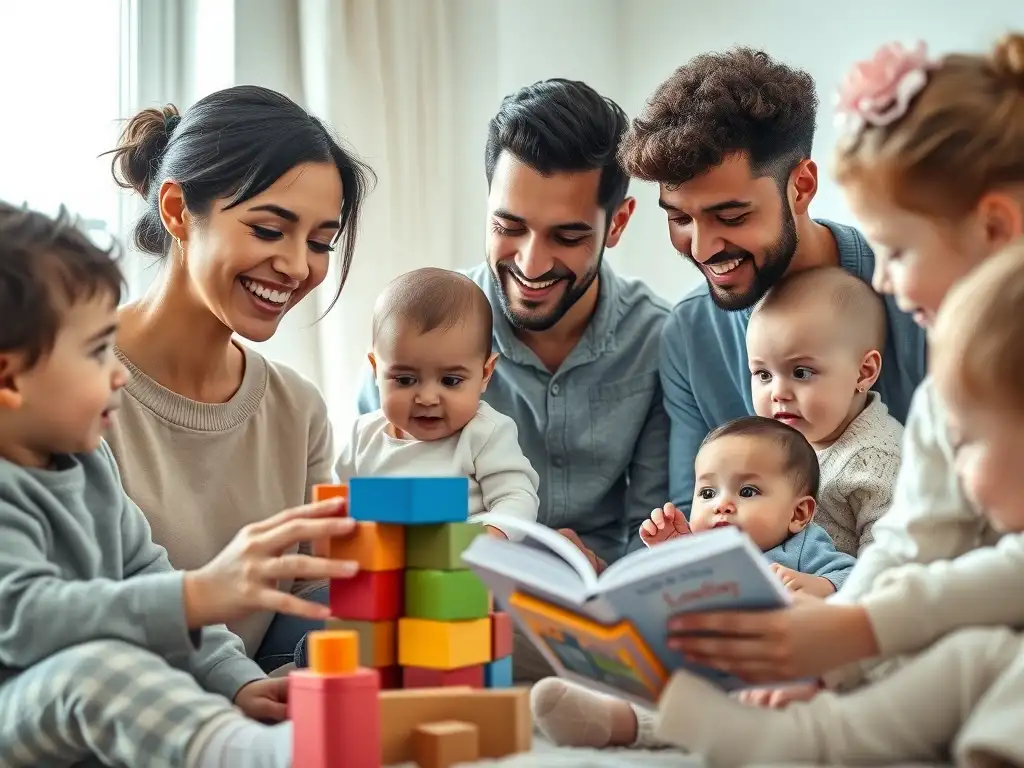
Building a strong language foundation for your baby starts with creating a stimulating environment rich in language exposure. This isn't about formal lessons; it's about integrating language into the everyday fabric of your baby's life. Think of it as "language immersion" for your little one. The more they hear language, the more readily they'll absorb and process it.
This early exposure significantly impacts their vocabulary development and overall language skills later in life. The benefits of this approach are substantial, contributing to improved communication, cognitive development, and even social-emotional well-being. Remember, consistent exposure is key; even seemingly small interactions contribute to a rich linguistic environment.
Designing a Language-Rich Home Environment
Creating a language-rich home doesn't require expensive toys or elaborate activities. It's about consciously incorporating language into your daily routines. Think about how you can make your home a place where language is constantly present and engaging. For example, narrate your actions as you go about your day. "Now I'm putting the laundry in the washing machine," or "Time to make your bottle, sweetie."
Label objects around the house – "This is a chair," "That's a ball." Sing songs, recite nursery rhymes, and engage in simple conversations, even if your baby isn't responding verbally yet. The simple act of talking to your baby, even about mundane tasks, is incredibly beneficial for their language development. Studies show that babies exposed to more diverse vocabulary and complex sentence structures show faster progress in language acquisition. Consider using flashcards with pictures and words, introducing new vocabulary gradually.
Remember to keep it fun and engaging! A happy and playful atmosphere encourages learning. Think about creating a designated reading nook with comfortable seating and a collection of age-appropriate books. This dedicated space reinforces the importance of reading and language.
Utilizing Everyday Activities for Language Learning: Bath time, Mealtimes, Playtime
Integrating language learning into everyday routines transforms ordinary activities into enriching learning experiences. Bath time, for instance, provides ample opportunities for language development. Describe the actions: "Let's wash your tummy," "Now we'll rinse your hair." Mealtimes are another excellent opportunity. Name the foods: "Here's some yummy broccoli," "This is sweet potato." Describe the textures and tastes: "The apple is crunchy," "The milk is creamy."
Playtime, whether it's with toys or during free play, is ideal for expanding vocabulary and engaging in interactive communication. Describe the colors and shapes of toys, narrate your baby's actions, and encourage them to imitate sounds and words. For example, during playtime with blocks, you could say: "Let's build a tall tower! This block is red, and that one is blue. See how high we can make it?"
These small, consistent interactions significantly contribute to your baby's language development. Remember, consistency is key. Engaging in these activities regularly ensures your baby benefits from consistent language exposure. Observe your baby's reactions and tailor your interactions accordingly. A responsive and engaging approach will maximize the benefits.
Reading to Your Baby: Choosing Appropriate Books and Engaging in Interactive Reading
Reading to your baby, even from a young age, is crucial for language development. Choose board books with bright colors, simple pictures, and repetitive phrases. Interactive reading is more effective than simply reciting the words. Point to the pictures, name the objects, and make sounds associated with them. Engage your baby by asking questions, even if they can't answer yet.
"Where's the doggy?" "What color is the ball?" Use different tones of voice to add interest and excitement. Your baby will learn to associate sounds with meaning, improving their comprehension and vocabulary. The benefits extend beyond language acquisition; reading together fosters bonding and creates positive associations with books and learning.
Consider incorporating tactile books with different textures or lift-the-flap books to enhance sensory engagement. Remember, the goal is to make reading a fun and enjoyable experience. Reading aloud helps develop your baby's listening skills, expands their vocabulary, and fosters a love of reading that will benefit them throughout their life. Regular reading sessions, even for just a few minutes each day, can significantly impact your baby's language development trajectory. Observe which books your baby enjoys the most and incorporate those into your routine.
The Power of Storytelling: Fostering Imagination and Language Development
Storytelling is a profoundly impactful way to nurture your baby's language development. From the earliest stages, babies respond to the rhythm, intonation, and emotional nuances of your voice. Even before they understand the words themselves, they're absorbing the patterns of language, building a crucial foundation for future comprehension and expression. The act of listening to stories expands their vocabulary passively, exposing them to a wider range of words and sentence structures than they might encounter in everyday conversation.
Think of it as a linguistic workout for their brains! Each story introduces new sounds, vocabulary, and grammatical structures. Repeated readings reinforce these elements, solidifying their understanding and memory. This repetitive exposure is crucial for language acquisition, much like how children learn to recognize and pronounce words through consistent repetition. For example, reading "The Very Hungry Caterpillar" repeatedly not only introduces new vocabulary related to food and insects but also reinforces the narrative structure and sequencing of events, helping them develop comprehension skills.
Furthermore, storytelling ignites a child's imagination. Picture books, with their vibrant illustrations and engaging narratives, transport babies to different worlds, fostering creativity and cognitive development. As you read, describe the images, characters, and emotions, enriching the experience and stimulating language processing.
This active engagement with the story strengthens their ability to understand and interpret information, skills that are essential for future academic success. The process of actively engaging with the story, even through nonverbal cues like pointing at pictures and making sounds, is a crucial step in their language journey. It's not just about passive listening; it's about active participation in the linguistic landscape you create.
Beyond the immediate benefits, storytelling establishes a warm and loving connection between parent and child. This bonding experience strengthens the parent-child relationship, creating a secure and supportive environment for language growth. The shared experience of reading fosters emotional intimacy and strengthens the bond between parent and child, making language learning a joyful and positive experience.
This positive association with language is invaluable for future learning and development. Remember, the goal isn't just to teach words; it's to create a love for language and stories that will last a lifetime. The emotional connection forged during storytelling sessions is as important as the vocabulary acquisition itself, laying the groundwork for a lifelong love of reading and learning.
Addressing Common Challenges in Parent-Baby Communication
Effective communication with your baby is crucial for their healthy development, fostering a strong bond, and laying the foundation for future language skills. However, the journey isn't always smooth sailing. Many parents encounter obstacles that can hinder this vital interaction. Understanding these challenges and employing effective strategies is key to maximizing the benefits of parent-baby communication. This section explores common hurdles and offers practical solutions to help you navigate them successfully. The positive impact on your baby's baby talk development benefits are significant and worth the effort.
Dealing with Fussy or Distracted Babies: Tips for Maintaining Engagement
Maintaining engagement with a fussy or distracted baby can be incredibly challenging. Their attention spans are short, and their needs can fluctuate rapidly. However, persistence and the right techniques can make a world of difference. Here are some strategies to keep your little one engaged during communication:
- Timing is everything: Choose times when your baby is alert and relatively content. Avoid interacting when they're overly tired, hungry, or uncomfortable. Observe their cues; a yawning baby isn't ready for a conversation.
- Keep it short and sweet: Babies have limited attention spans. Keep interactions brief and focused, perhaps just a few minutes at a time, several times a day. Think of it as quality over quantity.
- Sensory stimulation: Incorporate different senses into your interactions. Use colorful toys, sing songs, or gently touch them while talking. This multi-sensory approach can help capture and hold their attention.
- Positive reinforcement: Reward their engagement with positive feedback, smiles, and gentle touches. This positive reinforcement encourages them to participate more actively.
- Variety is the spice of life: Don't stick to one type of interaction. Mix things up with different activities, sounds, and tones to keep them stimulated and interested. This will also expose them to a wider range of language and sounds.
- Follow their lead: Pay attention to what your baby is interested in and let that guide your interactions. If they’re fixated on a toy, talk about the toy. This shows them that you’re paying attention and responding to their cues.
Understanding Different Communication Styles: Adapting to Your Baby's Needs
Every baby is unique, and their communication styles will vary. Some babies are naturally more vocal, while others might express themselves through gestures or facial expressions. Recognizing and adapting to your baby’s preferred communication style is essential for building a strong connection and fostering language development.
Understanding these differences is crucial for effective communication. For example:
- Vocal babies: These babies might babble extensively and respond enthusiastically to your vocalizations. Engage them with songs, rhymes, and playful sounds.
- Quiet babies: These babies might prefer observing and responding to gestures and facial expressions. Use more visual cues and gentle touches while speaking to them.
- Gesture-oriented babies: Some babies communicate primarily through gestures, like pointing or reaching. Acknowledge and respond to these gestures to encourage further communication.
- Babies with sensory sensitivities: Some babies might be overwhelmed by excessive stimulation. Adjust your approach accordingly, opting for quieter interactions in calmer environments.
This adaptability ensures that your interaction is meaningful and effective for baby talk development benefits.
Recognizing Developmental Delays: When to Seek Professional Help
While every child develops at their own pace, it's important to be aware of potential developmental delays. Early intervention is crucial for addressing any concerns and maximizing your baby's potential. Here are some signs that might indicate a need for professional assessment:
- Lack of response to sounds or voices: If your baby doesn't seem to respond to your voice or other sounds by 6 months of age, it's important to consult a healthcare professional.
- Limited babbling or vocalizations: While babies develop at their own pace, a significant lack of babbling or other vocalizations by 12 months could warrant professional attention.
- Difficulty understanding simple instructions: If your baby doesn't understand simple instructions or gestures by 18 months, it's crucial to seek professional guidance.
- Absence of pointing or gesturing: The lack of pointing or other communicative gestures by 18 months could also indicate a potential delay.
- Significant delays in language development compared to peers: Observe your baby's milestones against developmental norms. If they consistently lag behind their peers in language development, professional evaluation is recommended.
Remember, seeking professional help is not a sign of failure. Early intervention can make a significant difference in a child's development and overall well-being. Early identification of potential delays maximizes the baby talk development benefits and ensures your baby receives the support they need to thrive. Don't hesitate to reach out to your pediatrician or a speech-language pathologist if you have any concerns. Their expertise can provide valuable guidance and support.
Monitoring Your Baby's Language Development: Milestones and Expectations
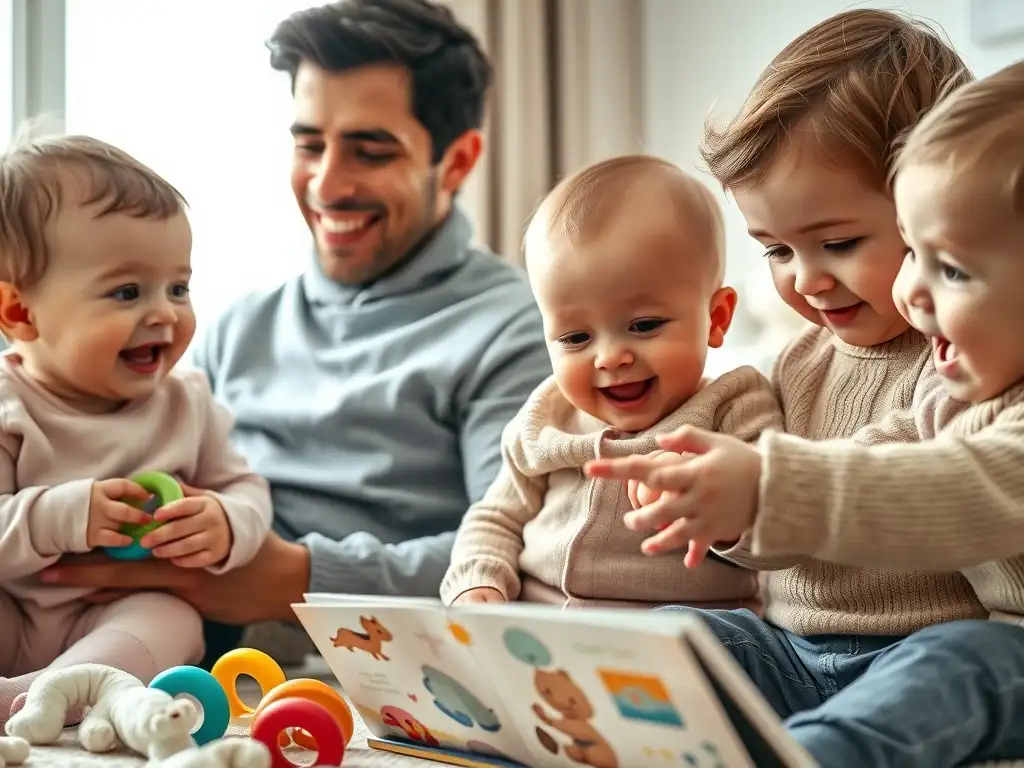
Understanding your baby's language development journey is crucial for nurturing their communication skills. While every child develops at their own pace, recognizing key milestones helps parents gauge their little one's progress and identify potential areas needing attention. This section focuses on understanding these milestones and the subtle signs of healthy baby talk development benefits.
Key Language Milestones in the First Year: What to Expect at Each Stage
The first year is a period of explosive language growth. Here's a timeline of typical milestones, remembering that variations are normal:
| Age Range | Milestone | Example |
|---|---|---|
| 0-3 Months | Coos, gurgles, and makes other vowel sounds. | "Oooooh," "Ahhhh," "Eeeeeh" |
| 4-6 Months | Babbles, experimenting with consonant sounds. | "Ba-ba-ba," "Ma-ma-ma," "Da-da-da" |
| 7-12 Months | Understands simple words like "no" and "bye-bye". | Responds to their name; points to objects. |
| 9-12 Months | May say their first few words, often "mama" or "dada". | Attempts to imitate sounds and words. |
Remember, these are just averages. Some babies may reach these milestones earlier or later. The baby talk development benefits are cumulative, so consistent interaction is key. For instance, a baby who consistently hears caregivers using varied intonations and sounds will likely babble more extensively and earlier than a baby with less linguistic stimulation. This early babbling lays a strong foundation for future language acquisition. The rich soundscape of a parent's voice is invaluable.
Tracking Your Baby's Progress: Simple Tools and Strategies
Tracking your baby's language development doesn't require complex tools. Simple observation and documentation can be surprisingly effective. Consider these strategies:
- Keep a Language Development Journal: Jot down new sounds, words, and phrases your baby uses, along with the date. Note any responses to your speech, such as turning their head towards a sound or pointing at objects. This provides a valuable record of progress for yourself and your pediatrician.
- Use a Milestone Chart: Many free and printable milestone charts are available online. These charts list typical developmental milestones and can help you visually track your baby's progress. Remember to use these as guides, not rigid expectations.
- Engage in Interactive Play: Sing songs, read books, and engage in playful conversations with your baby. This provides rich opportunities for language learning and strengthens your bond. The simple act of naming objects as you play ("Look, it's a red ball!") contributes significantly to baby talk development benefits.
- Record Your Baby's Sounds: Use your phone to record your baby's babbling and first words. This allows you to revisit these precious moments and document their progress over time.
Regularly reviewing these records will help you identify any potential delays or concerns. The aim isn't to stress over every tiny detail but to gain a holistic picture of your baby's communication journey.
When to Consult a Pediatrician or Speech-Language Pathologist
While variations in developmental timelines are normal, it's important to be aware of potential red flags. Consult your pediatrician or a speech-language pathologist if you notice any of the following:
- Your baby shows little interest in interacting with you or others.
- Your baby doesn't babble or use gestures by 8 months old.
- Your baby doesn't understand simple words or instructions by 12 months old.
- Your baby is not saying any words by 18 months old.
- You have any concerns about your baby's speech and language development.
Early intervention is key. Addressing any potential delays early can significantly improve your baby’s long-term language skills. Don't hesitate to seek professional guidance if you have any concerns. Remember, proactive monitoring and seeking help when needed are vital components of supporting your baby's optimal development and maximizing the baby talk development benefits. Early intervention can make a world of difference.
Sustaining Effective Communication Beyond Babyhood: Laying the Groundwork for Future Success
Effective communication with your baby isn't just about those adorable gurgles and coos; it's about building a strong foundation for their future language development and overall cognitive growth. The benefits of nurturing this early parent-baby communication extend far beyond the toddler years, impacting their academic success, social skills, and emotional well-being. Think of it as an investment in their future – an investment with incredible returns. The earlier you start, the more significant the impact. This section focuses on how to maintain and expand these crucial communication strategies as your little one grows.
Continuing Language Enrichment Activities Throughout Toddlerhood and Beyond
As your baby transitions into toddlerhood, the communication strategies shift, but the core principles remain the same: consistent interaction, responsive communication, and a stimulating language-rich environment. While baby talk may naturally decrease, the emphasis on engaging conversation should increase.
Instead of simply talking at your toddler, engage them in dialogues. Ask open-ended questions like, "What color is that car?" or "Where's your teddy bear?". Even if their responses are limited, acknowledge and expand upon their attempts. For example, if they point at a red car and say "ca," you can respond, "Yes, that's a red car! It's a big, red car!" This modeling of expanded vocabulary is crucial for their language acquisition.
Consider incorporating these activities:
- Singing songs and nursery rhymes: These are excellent for rhythm, pronunciation, and vocabulary building. The repetitive nature helps with memorization and language retention. 🎶
- Playing interactive games: Games like peek-a-boo, hide-and-seek, and simple board games encourage turn-taking and communication.
- Storytelling and reading: Continue reading aloud, even as your child becomes more independent. Discuss the illustrations, characters, and plot. This helps develop comprehension and narrative skills. 📖
- Using descriptive language: Describe your daily activities, using rich vocabulary. For example, instead of saying "It's cold outside," say, "It's a chilly, breezy day. Let's put on our warm coats and hats!"
The Ongoing Importance of Reading and Storytelling
Reading aloud remains a cornerstone of language development, even as children learn to read themselves. The benefits extend beyond vocabulary acquisition. Storytelling fosters imagination, critical thinking, and emotional intelligence. It creates a shared experience and strengthens the parent-child bond.
Studies show a strong correlation between early exposure to books and later reading proficiency. Children who are regularly read to develop larger vocabularies, improved comprehension skills, and a greater appreciation for language. This early love of reading often translates into a lifelong habit, profoundly impacting their educational journey.
Choose books with vibrant illustrations and engaging narratives. Incorporate different genres and styles to expose your child to a wide range of language and storytelling techniques. Make it interactive by asking questions, encouraging predictions, and discussing the story’s themes. Remember, it’s not just what you read, but how you read it that matters. Use expressive tones, varied pacing, and engaging voices to bring the story to life.
Fostering a Love of Language and Learning
Cultivating a love of language isn't just about vocabulary; it's about instilling a lifelong appreciation for communication, learning, and self-expression. This involves creating a positive and supportive environment where your child feels comfortable exploring language in all its forms.
This involves:
- Responding positively to all communication attempts: Even if your toddler's grammar is imperfect or their pronunciation is unclear, respond with enthusiasm and encouragement. This positive reinforcement builds confidence and motivates them to continue communicating. 👍
- Providing opportunities for conversation: Engage your child in everyday conversations, even during mundane tasks. Describe what you're doing, ask questions, and listen attentively to their responses.
- Modeling good communication skills: Children learn by observing. Demonstrate effective communication skills in your own interactions, both with your child and others. This includes active listening, clear articulation, and respectful dialogue.
- Creating a language-rich environment: Surround your child with books, music, and other language-stimulating materials. Talk about the world around you, pointing out objects, describing events, and encouraging questions.
By consistently applying these strategies, you'll be empowering your child with a robust language foundation that will serve them well throughout their lives. Remember, the investment you make in your child's early language development yields immeasurable rewards in their future academic, social, and emotional success. The journey of nurturing their language skills is a continuous one, filled with rewarding moments of growth and connection.
Frequently Asked Questions
What are the benefits of talking to my baby?
Talking to your baby, even from birth, significantly boosts their language development. It exposes them to sounds, words, and sentence structures, laying the foundation for future communication skills. Early interaction is key.
When should I start talking to my baby?
You can start talking, singing, and reading to your baby from day one! Newborns are receptive to sounds and voices, and early interaction fosters a strong bond and aids in their development. The earlier, the better.
What kind of things should I say to my baby?
Talk about anything and everything! Describe your actions, name objects, and sing songs. Use simple words and sentences, and don't worry about perfection. Your baby benefits from the sound of your voice and the interaction.
How much talking is enough?
There's no magic number, but consistent interaction is key. Aim for frequent short conversations throughout the day. Even short bursts of talking, singing, or reading during playtime or diaper changes make a difference. Quality over quantity is important.
My baby doesn't seem to respond. Should I be worried?
Every baby develops at their own pace. While engagement is important, don't worry if your baby doesn't seem to respond immediately. Continue talking and interacting; their brain is actively processing the information, even if it's not outwardly apparent. Consult your pediatrician if you have any concerns.
Final Reflection: Nurturing Language: A Legacy of Words
The power of parent-baby communication extends far beyond simple babbling; it's the bedrock upon which a child's future linguistic and cognitive development is built. Understanding this profound connection is not just academically interesting; it's crucial for fostering healthy language acquisition in every child, shaping their potential for success in education and life.
The impact of early language interaction resonates throughout a child's life, influencing not only their vocabulary and grammar but also their social-emotional development and overall confidence. Children who are spoken to frequently develop larger vocabularies and better language skills, which are linked to improved academic performance and overall well-being.
This simple truth underscores the importance of actively engaging with our babies, creating a rich linguistic environment that nurtures their burgeoning minds. It's a responsibility, yes, but also a deeply rewarding journey of shared discovery and connection.
Now, consider your own interactions with your child or the children in your life. Are you consciously creating opportunities for language development? Are you responding to their cues, engaging in playful back-and-forth communication, and expanding on their attempts at communication, however rudimentary?
Take a moment to reflect on this, and commit to making conscious choices to enrich your interactions. Even small changes, like adding descriptive words to your daily routines or reading aloud regularly, can make a significant difference in building a strong foundation for your child's future. Let's nurture a generation of confident communicators, one word at a time.
Unlock Your Baby's Communication Potential
Thank you for learning about building a strong language foundation with your little one! We hope you found this information helpful and inspiring. Now let's put this knowledge into practice.
Here are a few ways to strengthen your parent-baby communication:
- Engage in daily playful interactions: Dedicate at least 15 minutes each day to interactive games like peek-a-boo, singing songs, or reading picture books. This focused time is crucial for language development.
- Talk to your baby constantly: Describe your actions, name the objects around you, and narrate your day. You'll be amazed at how much they absorb!
- Share this article with other parents: Let's build a supportive community dedicated to nurturing strong communication skills in our babies!
What's one small step you'll take today to boost your baby’s language development?