
Sensory Play: Activities to Improve Auditory Processing


Welcome to BabyCareHub, your ultimate guide to navigating the incredible journey of parenthood! Are you ready to unlock your baby's potential? We're dedicated to providing first-time parents with the knowledge and confidence they need. Discover the power of sensory stimulation with our in-depth exploration of baby sensory auditory activities, a crucial aspect of your little one's development. Dive in and learn how to nurture your baby's hearing and cognitive growth – it's more impactful than you might think!
- Understanding Auditory Processing in Babies
- Baby Sensory Auditory Activities: 0-3 Months
- Baby Sensory Auditory Activities: 3-6 Months
- Baby Sensory Auditory Activities: 6-12 Months
- Baby Sensory Auditory Activities: 12-18 Months
- Creating a Stimulating Auditory Environment at Home
- Safety Considerations for Sensory Auditory Play
-
Frequently Asked Questions
- What are auditory sensory activities for babies?
- Why are auditory sensory activities important for my baby's development?
- What are some simple auditory sensory activities I can do at home?
- At what age should I start auditory sensory activities with my baby?
- How do I know if my baby is enjoying auditory sensory activities?
- Final Reflection: Unlocking the Soundscape of Childhood
- Unlock Your Child's Listening Potential
Understanding Auditory Processing in Babies
Auditory processing, the brain's ability to interpret and make sense of sounds, is a fundamental developmental milestone for babies. This crucial skill underpins language acquisition, social interaction, and overall cognitive development. From the gentle murmur of a parent's voice to the playful clatter of toys, a baby's world is a symphony of sounds, and their ability to process these sounds effectively shapes their understanding of their environment and their capacity to learn and grow.
This article explores the importance of auditory processing in infants and provides practical, engaging sensory auditory activities that parents can implement to foster healthy auditory development in their little ones. We'll delve into what constitutes typical auditory processing, how to identify potential challenges, and why stimulating these skills through playful activities is essential for your baby's overall well-being.
These simple yet effective activities will not only enhance auditory skills but also contribute to your baby's overall cognitive, social, and emotional development. Let's embark on this journey of sound exploration together!
What is Auditory Processing?
Auditory processing is more than just hearing; it's the complex process by which the brain receives, interprets, and organizes sounds. It involves several stages:
- Detection: The ears pick up sound waves.
- Discrimination: The brain distinguishes between different sounds.
- Localization: The brain identifies where a sound is coming from.
- Pattern Recognition: The brain recognizes familiar sounds and sequences.
- Auditory Memory: The brain remembers and recalls sounds.
Think of it like this: hearing is simply the reception of sound, while auditory processing is the brain's active interpretation and understanding of that sound. A baby who can hear perfectly may still have challenges with auditory processing, struggling to distinguish between similar sounds, follow auditory instructions, or remember sequences of sounds. This is why early intervention and stimulation are so crucial. 👶
Signs of Auditory Processing Challenges in Infants
While a pediatrician can provide a formal diagnosis, some early warning signs of potential auditory processing challenges in infants include:
- Delayed speech development: The baby is significantly behind in babbling, saying words, or understanding language compared to their peers.
- Difficulty following directions: The baby doesn't respond consistently to verbal commands or instructions.
- Inconsistent responses to sounds: The baby reacts to some sounds but ignores others, even loud ones.
- Frequent ear infections: Recurring ear infections can impact auditory processing.
- Appearing distracted or inattentive: The baby seems to tune out conversations or sounds, even when directly addressed.
- Problems with sound localization: The baby has difficulty turning towards the source of a sound.
It's important to remember that every baby develops at their own pace. However, if you notice several of these signs consistently, it's crucial to consult with your pediatrician or a qualified audiologist for an assessment. Early intervention can make a significant difference.
Why Sensory Auditory Activities are Crucial for Development
Stimulating a baby's auditory system through sensory play is essential for several reasons:
- Enhances brain development: Auditory processing strengthens neural pathways in the brain, supporting cognitive development and language acquisition.
- Improves language skills: Exposure to a variety of sounds and the practice of discriminating between them directly contributes to vocabulary growth and speech development.
- Promotes social-emotional development: Responding to sounds and engaging in auditory interactions builds social skills and strengthens parent-child bonding.
- Develops listening skills: These activities teach babies to focus their attention on sounds, improving their ability to filter out background noise and concentrate on important auditory information.
- Supports overall well-being: A well-developed auditory system contributes to a child's overall confidence and ability to navigate their environment successfully.
By engaging your baby in the activities described in the following sections, you'll be investing in their future success and laying a strong foundation for a lifetime of healthy auditory processing and communication.
Baby Sensory Auditory Activities: 0-3 Months

This section focuses on enriching your baby's auditory development during the crucial first three months of life. We'll explore simple yet effective activities that stimulate auditory processing, laying a strong foundation for future language acquisition and cognitive development. Remember, consistency and a playful approach are key! These baby sensory auditory activities are designed to be enjoyable for both you and your little one.
Early Auditory Stimulation: Soundscapes and Rhythms
Newborns are incredibly receptive to sound, even in the womb. Early auditory stimulation helps them differentiate between various sounds and develop crucial listening skills. One effective method is creating calming soundscapes. This doesn't require elaborate equipment; you can achieve this simply by:
- Playing soft, classical music (Mozart is a popular choice, but any calming instrumental music will do). Keep the volume low – think gentle background noise, not a concert.
- Using white noise machines or apps. These can mask disruptive noises and create a consistent auditory environment conducive to sleep and relaxation.
- Narrating your daily activities. Describe what you're doing as you change their diaper, prepare their bottle, or simply hold them. Your voice is soothing and helps them associate sounds with actions.
Remember to vary the sounds. One day, it could be rainfall sounds; another day, it could be the gentle chirping of crickets. This variety helps stimulate their auditory processing capabilities. Introduce rhythmic elements through gentle swaying or rocking while making sounds, enhancing the sensory experience. Observe your baby's reactions; they might show signs of enjoyment through increased calmness or focused attention. This is a great way to gauge their engagement and adjust your approach accordingly. The key is to make it a positive and relaxing experience. Even short sessions (10-15 minutes) several times a day can be highly beneficial.
Introducing Musical Instruments: Shakers and Rattles
As your baby grows, they'll start to show more interest in exploring sounds actively. Introducing simple musical instruments is a fantastic way to encourage this exploration. Begin with shakers and rattles, choosing ones made from safe, non-toxic materials.
- Shakers: These can be homemade using empty plastic bottles filled with rice, beans, or small pasta. The varying textures and sounds produced will fascinate your baby. Shake them gently at first, gradually increasing the intensity as your baby shows more interest.
- Rattles: Choose rattles with different textures and sounds. Some might have a soft, gentle chime, while others might produce a louder, more pronounced rattle. This variety helps your baby distinguish between different auditory stimuli.
Always supervise your baby while they are playing with these instruments to ensure their safety. Observe how they react to the different sounds and textures. Do they reach for the instruments? Do they seem to focus their attention on the sound? These observations are valuable in understanding their auditory development and preferences. The goal here isn't just about musical appreciation; it's about developing their fine motor skills alongside their auditory processing. This multi-sensory approach is very effective during this developmental stage.
Vocal Play: Singing, Talking, and Cooing
Vocal interaction is paramount in early auditory development. Your voice is the most familiar and comforting sound to your baby. Engage in vocal play by:
- Singing: Sing lullabies, nursery rhymes, or even just simple songs you make up. The melody and rhythm are stimulating, and your baby will begin to associate your voice with comfort and positive emotions.
- Talking: Narrate your actions, describe what you see, and engage in simple conversations, even if your baby doesn't respond verbally. The sound of your voice is crucial for their auditory development.
- Cooing: Respond to your baby's coos and gurgles with similar sounds. This back-and-forth interaction creates a positive feedback loop that strengthens their auditory processing and communication skills. This playful imitation also lays the groundwork for future language development.
Remember that consistency is key. Regular vocal interactions, even for short periods, significantly contribute to your baby's auditory development. Observe their reactions; do they seem to focus on your face when you speak? Do they gurgle or coo in response? These are signs of engagement and successful auditory stimulation. This creates a strong foundation for language development and communication in later stages. The benefits extend beyond hearing; it fosters a strong bond between parent and child. This is an essential element of their overall well-being.
Baby Sensory Auditory Activities: 3-6 Months
This section focuses on enriching your baby's auditory development through engaging sensory play activities specifically designed for the 3-6 month age range. We'll explore activities that stimulate auditory processing, fostering crucial brain development during this critical period. Remember, consistency and repetition are key to maximizing the benefits of these exercises. These baby sensory auditory activities are not just fun; they are vital for your little one's cognitive growth.
Exploring Different Sounds: Nature Sounds and Household Noises
Between 3 and 6 months, babies begin to differentiate between a wider variety of sounds. This is a perfect time to introduce them to the rich tapestry of auditory experiences the world offers. Start by playing nature sounds – the gentle rustling of leaves, the chirping of crickets, or the calming sounds of rain. These natural sounds are soothing and help your baby develop sound discrimination skills.
You can find many nature sound recordings online or through dedicated baby sound applications. Remember to keep the volume at a safe level – a comfortable listening experience is paramount. Avoid loud or jarring sounds that could startle your little one.
Beyond nature sounds, incorporate everyday household noises into your playtime. The clinking of spoons, the whirring of a fan (from a safe distance! ), or the gentle ticking of a clock can all be intriguing auditory stimuli for your baby. Describe the sounds as you make them, helping your baby associate the sound with the action. For instance, "Listen! The spoon is clinking!" This helps build vocabulary and links auditory experiences to language.
Cause and Effect with Sounds: Toys that Make Noise
Introducing toys that produce sounds is another fantastic way to enhance auditory processing. Select toys that offer a variety of sounds and textures, allowing your baby to explore cause and effect. Rattles, textured balls with bells inside, and soft musical toys are all excellent choices.
Observe your baby's reactions. Do they turn their heads towards the sound? Do they reach for the toy making the noise? These responses demonstrate their growing auditory awareness and ability to locate sound sources. These baby sensory activities directly engage their developing motor skills as well.
Consider the variety in sounds. A simple rattle offers a consistent sound, while a toy with multiple elements might produce different sounds depending on how it's manipulated. This helps in understanding sound variations and developing more complex auditory processing skills. Remember to supervise your baby at all times during playtime to ensure their safety.
| Toy Type | Sound Characteristics | Developmental Benefit |
|---|---|---|
| Rattles | Consistent shaking sound | Develops hand-eye coordination and sound localization |
| Musical Toys | Melodies, different notes | Introduces musicality and rhythm |
| Textured Balls with Bells | Multiple sounds, varying intensity | Enhances sensory exploration and sound discrimination |
Interactive Music Play: Responding to Songs and Rhymes
Singing songs and reciting rhymes is a delightful and effective way to stimulate auditory processing. Babies are naturally drawn to music and rhythm; this inherent attraction can be leveraged to foster their cognitive development.
Choose songs with simple melodies and repetitive lyrics. Classical music, lullabies, and nursery rhymes are all excellent options. Sing to your baby frequently, varying your tone and pitch to introduce them to a range of auditory experiences.
Observe your baby's reactions. Do they seem to enjoy the music? Do they move their bodies or make sounds in response? These responses indicate engagement and enjoyment, reinforcing the positive association with music and sound.
Remember that even simple actions like making silly faces or using puppets while singing can amplify the sensory experience, making it more engaging for your baby. This type of baby sensory auditory play creates a foundation for future language development and musical appreciation. The rhythmic nature of songs and rhymes is especially beneficial for their developing sense of timing and coordination.
Baby Sensory Auditory Activities: 6-12 Months
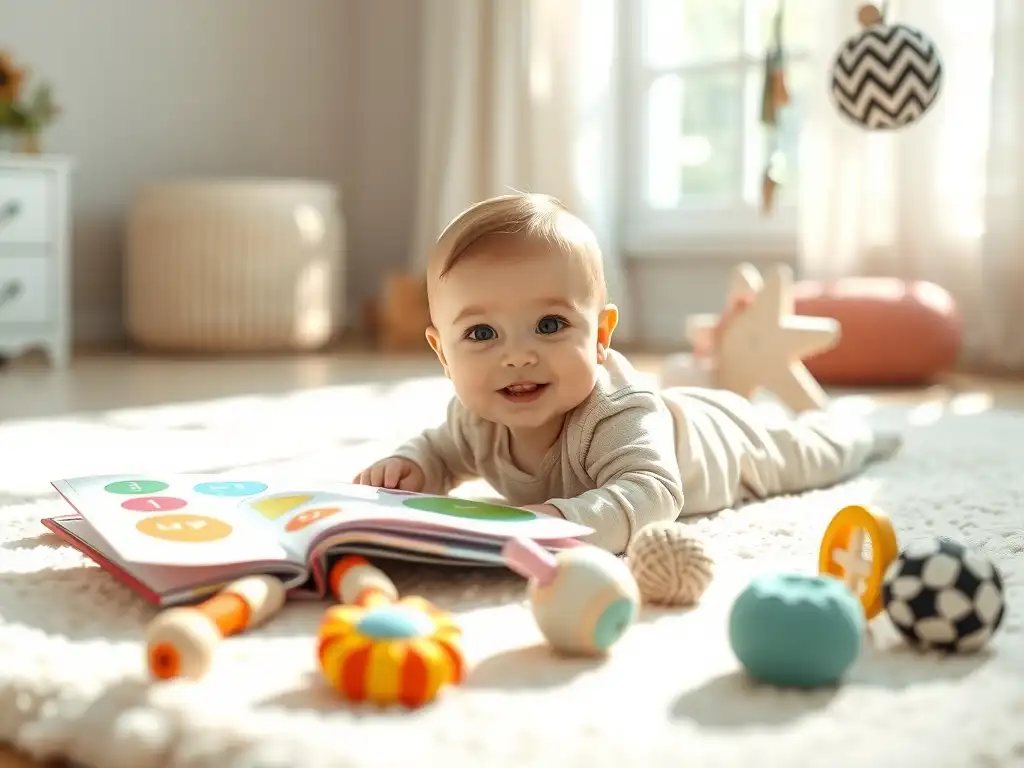
This section focuses on enriching your 6-12 month old's auditory development through engaging sensory play. At this age, babies are rapidly developing their ability to discriminate between different sounds, understand language nuances, and associate sounds with actions. These activities are designed to stimulate auditory processing and lay a strong foundation for future language acquisition. Remember to always supervise your baby during these activities.
Sound Discrimination Games: Identifying Different Sounds
Between 6 and 12 months, babies begin to differentiate between various sounds. This stage is crucial for language development. Simple games can significantly enhance their auditory processing skills.
Here are some effective sound discrimination games:
- Shaker Sounds: Use different shakers filled with rice, beans, or small bells. Shake them one at a time, pausing between each, and observe your baby's reaction. Notice if they turn their head towards the sound or show increased attentiveness. Gradually introduce more shakers, varying the sounds and rhythm. This helps them distinguish between high and low pitches, and different sound textures.
- Noise-Maker Hunt: Hide several noise-makers (rattles, crinkly toys) around the room. Make a sound with one and encourage your baby to find it. This combines auditory processing with motor skills, improving hand-eye coordination alongside sound recognition. Celebrate their success with positive reinforcement, encouraging their exploration.
- Sound-Object Matching: Pair familiar sounds with their corresponding objects. For example, show your baby a picture of a cow and then play a mooing sound. Repeat this with other animal sounds and pictures. This connects auditory input with visual cues, strengthening memory and comprehension. You can also use household objects – the sound of a ticking clock with a clock image, the sound of a door closing with a door image, etc.
Simple Musical Instruments: Drums and Xylophones
Introducing simple musical instruments is a fun and effective way to stimulate auditory processing in babies aged 6-12 months. The rhythmic sounds and varied pitches engage their attention and encourage active listening.
Here's how to use musical instruments for sensory auditory development:
- Soft Drumming: A soft, padded drum allows your baby to explore sound production safely. Let them hit the drum with their hands or small, soft mallets. Observe their rhythm and encourage experimentation. The tactile experience of hitting the drum enhances the auditory stimulation.
- Xylophone Exploration: A baby xylophone with large, easy-to-hit keys is ideal. Let your baby explore the different sounds produced by each key. You can gently guide their hand to hit different keys, showing them the cause-and-effect relationship between action and sound. This helps develop cause-and-effect understanding and fine motor skills.
- Musical Interaction: Play simple songs and nursery rhymes, and let your baby interact with the instruments while listening. This combines auditory stimulation with musical appreciation, laying the groundwork for musical enjoyment and understanding.
Story Time with Sound Effects: Enhancing Listening Comprehension
Integrating sound effects into storytelling is a captivating way to boost auditory processing and listening comprehension in babies aged 6-12 months. The combination of narrative and sound creates a richer sensory experience.
Here's how to implement this:
- Animal Sounds: While reading books with animals, incorporate appropriate animal sounds. For instance, when you read about a lion, roar softly. When you read about a bird, chirp. This helps your baby associate words with their corresponding sounds, enhancing vocabulary acquisition and comprehension.
- Environmental Sounds: Use sound effects to represent environmental elements within the story. For example, the sound of rain can be created by shaking a container with beads. The sound of wind can be mimicked by blowing gently on a harmonica. This enhances imagination and develops their ability to comprehend context through sound.
- Interactive Storytelling: Encourage your baby's participation by asking them to identify familiar sounds. This fosters interactive learning and strengthens their auditory processing skills. Pause occasionally to allow your baby time to process the sounds and the story. Make it a fun and engaging experience. Remember that repetition is key; reading the same books and using the same sound effects multiple times reinforces learning. 🎉
Baby Sensory Auditory Activities: 12-18 Months
This section focuses on enriching your 12-18 month old's auditory processing skills through engaging sensory play. Auditory processing is crucial for language development and overall cognitive growth. These activities are designed to be fun and stimulating, helping your little one better understand and respond to sounds. Remember to always supervise your child during these activities.
Following Auditory Instructions: Simple Commands
At this age, babies are starting to understand simple commands. This is a fantastic opportunity to work on their auditory processing. Start with one-step instructions, delivered clearly and slowly. For example:
- "Clap your hands."
- "Give me the ball."
- "Wave bye-bye."
- "Point to your nose."
Gradually increase the complexity as your baby masters simpler commands. You can introduce two-step instructions like: "Clap your hands and then wave bye-bye." Observe your baby's response. If they struggle, repeat the instruction using different wording or break it down into smaller steps. Positive reinforcement, like clapping and enthusiastic praise, is key to encouraging participation and building their confidence. 🎉
Remember to keep the instructions age-appropriate and relevant to your baby's current developmental stage. Avoid overwhelming them with too many instructions at once. Consistency is crucial; practice these activities regularly to see the best results. The key is to make it fun and playful, turning learning into a game!
Singing Songs with Actions: Combining Auditory and Motor Skills
Singing songs with actions is a fantastic way to stimulate auditory processing while also improving motor skills and coordination. Familiar songs with repetitive lyrics and actions are ideal for this age group. Examples include:
- "Wheels on the Bus" – Encourage your baby to mimic the actions as you sing, like turning the steering wheel or waving their arms like wipers.
- "Itsy Bitsy Spider" – This song involves simple climbing and falling actions which are easily imitated.
- "Head, Shoulders, Knees, and Toes" – This classic song helps children learn body parts while engaging their auditory processing.
Consider using props to enhance the experience. For example, when singing "Wheels on the Bus," you could use a toy bus or car. The visual component reinforces the auditory input, aiding comprehension and engagement. The combination of sound and movement makes learning more memorable and enjoyable for your baby. Observe how your baby responds to different songs and actions; this will help you gauge their preferences and tailor your activities accordingly.
Identifying Sounds in the Environment: Sounds Around the House
This activity focuses on helping your baby differentiate between various sounds in their everyday environment. Start by pointing out common household sounds and naming them clearly. For instance:
- "Listen! That's the ticking of the clock."
- "Hear the water running in the tap."
- "Can you hear the dog barking?"
- "That's the sound of the refrigerator humming."
You can create a simple game by making different sounds yourself and asking your baby to identify them. For example, you can make animal sounds (moo, meow, oink) and ask your baby to guess which animal is making the sound. You can even use household items to create different sounds, like banging pots and pans or shaking a rattle.
This helps expand their auditory vocabulary and improves their ability to discriminate between different sounds. Remember to keep the sessions short and engaging to maintain your baby's interest and attention span. The goal is to make sound identification a fun and interactive experience.
Creating a Stimulating Auditory Environment at Home

This section focuses on practical strategies for enriching your baby's auditory experiences within the familiar environment of your home. Creating a supportive auditory environment is crucial for fostering healthy auditory processing, a key component of overall cognitive development. Remember, babies learn through their senses, and sound plays a vital role in their understanding of the world. We'll explore techniques to optimize sound exposure, minimizing distractions and maximizing opportunities for auditory learning. The goal is to create a balanced soundscape that's both stimulating and calming for your little one.
Minimizing Background Noise
Excessive or jarring noise can negatively impact a baby's auditory processing capabilities. Think of it like this: imagine trying to concentrate on a conversation in a crowded, noisy room – it's difficult! The same principle applies to infants. Minimizing background noise creates a clearer auditory landscape, allowing your baby to better focus on and process individual sounds.
Reducing background noise doesn't mean creating absolute silence, which is unrealistic and potentially isolating. Instead, it involves strategically managing noise levels. This can involve:
- Turning down the volume: Lower the volume on the television, radio, or other electronic devices when your baby is awake and actively engaging with their environment.
- Choosing quieter times: Engage in noisy activities like vacuuming or using power tools during your baby's nap time or when they are otherwise occupied in a separate room.
- Soundproofing: While complete soundproofing might be impractical, consider using rugs, curtains, and soft furnishings to absorb sound and reduce echoes within your home. These can significantly dampen disruptive sounds.
- Strategic room placement: If possible, place your baby's crib or play area away from noisy areas of your home, such as the kitchen or laundry room.
Data suggests that infants exposed to consistently high levels of noise show slower language development and increased irritability. 1 By proactively managing noise levels, you contribute to a more conducive environment for healthy auditory development.
Using Sound-Enhancing Toys and Devices
Beyond minimizing distractions, actively enriching your baby's auditory environment is equally important. This involves incorporating toys and devices designed to stimulate auditory processing. These tools offer diverse sounds, textures, and interactive elements, making learning fun and engaging.
Here are some examples of sound-enhancing toys and devices suitable for babies:
- Musical rattles: These classic toys combine tactile exploration with auditory stimulation. The different sounds produced by shaking or banging the rattle provide varied auditory input.
- Sound books: These books often feature textured pages with embedded sounds, encouraging exploration and associating sounds with specific objects or animals. They help build vocabulary and understanding.
- Noise-making toys: Toys that produce a variety of sounds, such as squeaking, clicking, or crinkling, can help your baby discriminate between different auditory patterns. Introduce these gradually, ensuring they are not overwhelming.
- Baby-safe musical instruments: Simple instruments like xylophones or shakers can be introduced as your baby develops their fine motor skills, further enriching their auditory experience.
Remember to always supervise your baby while they play with these toys and devices to ensure their safety. Choosing toys with varied sounds and textures provides a more comprehensive auditory experience, leading to better sound processing.
Incorporating Music and Sounds into Daily Routines
Integrating music and various sounds into your baby's daily routine provides a natural and effective way to stimulate auditory processing. This isn't just about playing music; it's about creating a rich auditory landscape that's integrated into the flow of their day.
Here's how you can incorporate music and sounds into your baby's daily life:
- Singing lullabies: Singing to your baby not only soothes them but also exposes them to different tones, rhythms, and vocalizations, which are crucial for language development.
- Playing various genres of music: Expose your baby to a variety of musical styles, from classical to folk to pop. This broadens their auditory experience and helps them differentiate between different musical sounds.
- Nature sounds: Playing recordings of rain, ocean waves, or birdsong can create a calming and stimulating auditory environment. These sounds are naturally soothing and can aid in relaxation and sleep.
- Sound stories: Narrating simple stories while incorporating sound effects, such as animal noises or environmental sounds, can engage your baby's imagination and improve their auditory comprehension.
Remember to observe your baby's reactions to different sounds. If they seem overwhelmed or distressed, reduce the volume or change the type of sound being played. The key is to create a positive and engaging auditory experience that supports their overall development. This holistic approach ensures a rich sensory experience, directly impacting their auditory processing skills and overall cognitive development.
1 [Specific information pending – citation needed on noise impact on infant development]
Safety Considerations for Sensory Auditory Play
Engaging your baby in sensory auditory activities is a fantastic way to stimulate their development, but safety should always be the top priority. Remember, a baby's auditory system is still developing, making them particularly vulnerable to potential harm from excessive noise or inappropriate toys. This section outlines crucial safety measures to ensure your little one enjoys these activities safely and effectively. Prioritizing safety allows you to fully appreciate the developmental benefits of baby sensory auditory activities.
Volume Control: Avoiding Loud Noises
Protecting your baby's hearing is paramount. Never expose your baby to loud noises, even for short periods. The American Academy of Pediatrics recommends that parents avoid sounds exceeding 85 decibels. Many everyday sounds can exceed this level, including loud music, power tools, and even some toys.
Remember that a baby's hearing is more sensitive than an adult's. What may seem reasonably loud to you could be painfully loud to your infant. For example, a typical hairdryer can easily reach over 85 decibels. Always use caution and maintain a safe distance from loud noises when your baby is present.
When choosing auditory toys, opt for those that produce sounds at a moderate volume. Test the toys yourself beforehand, ensuring the sounds are soft and gentle rather than harsh or jarring. Be mindful of the volume setting on any electronic toys and adjust accordingly. Avoid toys that emit sudden, loud noises that could startle or frighten your baby.
Here's a simple guideline: If you find a sound uncomfortable to listen to for an extended time, it's likely too loud for your baby. Prioritize soft, gentle sounds and always monitor the volume.
Selecting Age-Appropriate Toys
Choosing age-appropriate auditory toys is crucial for safety and effectiveness. Infants and toddlers have different developmental stages, and toys should reflect this. For example, rattles are perfect for infants, stimulating their hearing and hand-eye coordination. However, toys with small parts are a choking hazard and should be avoided for babies under three years old.
The following table provides a guideline for age-appropriate sensory auditory toys:
| Age Range | Appropriate Toy Types | Inappropriate Toy Types |
|---|---|---|
| 0-6 months | Rattles, soft music boxes, crinkly toys, textured balls with bells | Toys with small parts, toys producing loud noises |
| 6-12 months | Musical instruments (e.g., xylophone with soft mallets), simple sound books, cause-and-effect toys | Toys with sharp edges, complex electronic toys |
| 12-18 months | Sound-making blocks, talking toys, simple puzzles with sounds | Toys with batteries that could be easily removed |
Always check the manufacturer's recommendations on the age suitability of a toy. Inspect toys regularly for any damage or loose parts. Discard any toys that show signs of wear and tear to prevent potential hazards.
Remember, the goal is to stimulate your baby's auditory senses in a safe and engaging way. Selecting the right toys is a crucial step in achieving this.
Supervision During Playtime
Consistent supervision is essential during any sensory play, particularly auditory activities. Never leave your baby unattended while they are playing with any toys, especially those that produce sounds. Always be within arm's reach to ensure their safety and prevent accidents.
Even seemingly safe toys can pose a risk if a baby is left unsupervised. For example, a baby could pull a toy apart, swallow small parts, or become entangled in cords. Active supervision helps to mitigate these risks.
Furthermore, monitoring your baby's reactions to the sounds is critical. Observe their facial expressions and body language. If they seem distressed or overwhelmed, stop the activity immediately. Remember, the aim is to create a positive and enjoyable experience, not to cause stress or discomfort. Careful observation allows you to tailor the auditory stimulation to your baby's individual needs and preferences. This approach ensures that baby sensory auditory activities remain a positive and beneficial part of your baby's development.
Frequently Asked Questions
What are auditory sensory activities for babies?
Auditory sensory activities stimulate a baby's hearing and listening skills. These activities use sounds to engage their senses, promoting brain development and language acquisition. Examples include singing, playing music, and using sound-making toys.
Why are auditory sensory activities important for my baby's development?
These activities are crucial for brain development, language acquisition, and overall cognitive growth. Early exposure to diverse sounds helps babies learn to discriminate and interpret sounds, laying the foundation for speech and communication.
What are some simple auditory sensory activities I can do at home?
Simple activities include singing lullabies, playing soft instrumental music, using rattles and shakers, and reading aloud with expressive tones. You can also incorporate household sounds like running water or ticking clocks (with supervision).
At what age should I start auditory sensory activities with my baby?
You can begin introducing auditory sensory activities from birth. Newborns respond to sounds and voices, and early stimulation helps build neural pathways for hearing and language development. Always monitor your baby's reactions and stop if they seem distressed.
How do I know if my baby is enjoying auditory sensory activities?
Signs of enjoyment include calming down, focusing on the sound, smiling, and increased alertness. If your baby seems fussy or turns away, try a different sound or activity, or take a break. Always prioritize their comfort and enjoyment.
Final Reflection: Unlocking the Soundscape of Childhood
The power of sound in early childhood development is undeniable, and the benefits of engaging babies in sensory auditory activities are far-reaching, impacting not only their cognitive growth but also their emotional well-being. We've explored a range of playful activities designed to stimulate auditory processing, from simple sound-making toys to more complex musical experiences. These aren't just games; they are crucial building blocks for a child's future communication skills and overall development.
The impact of early auditory stimulation resonates throughout a child's life, shaping their ability to learn language, understand social cues, and navigate the world around them. It's a profound realization, one that underscores the importance of creating rich auditory environments for our youngest learners. The sounds of childhood are the building blocks of language and learning.
– This simple statement encapsulates the profound effect of sensory auditory play on a child's development, highlighting the lasting impact of early experiences. As a parent, I've witnessed firsthand the joy and engagement these activities bring, and the tangible progress in my own child's language development.
Now, consider your own role in fostering a child's auditory development. Think about the sounds you introduce them to, the opportunities you create for exploration, and the way you respond to their auditory discoveries. You are the architect of their auditory world. Embrace the simple act of singing, playing music, reading aloud, and engaging in playful sound-making. By nurturing a child's auditory senses, you are not just enriching their present, but also investing in their future, empowering them to communicate, learn, and thrive in a world brimming with sound.
Unlock Your Child's Listening Potential
Thank you for exploring the world of sensory play and its benefits for auditory development! We hope you found practical ideas to help your child thrive. Now, let's put that knowledge into action.
- Create a personalized sensory bin focused on sound. Consider using textured materials, interesting containers, and safe objects that produce a variety of sounds—this is a key step in enhancing auditory skills.
- Share your sensory bin creation on social media using #BabyCareHubSensoryPlay – let's inspire other parents!
- Explore other BabyCareHub articles on child development to discover more ways to support your child's growth.
Ready to transform playtime into a learning adventure? What exciting sounds will your child discover today?