
10MonthOld Fine Motor Activities: Exploring Small Objects Safely

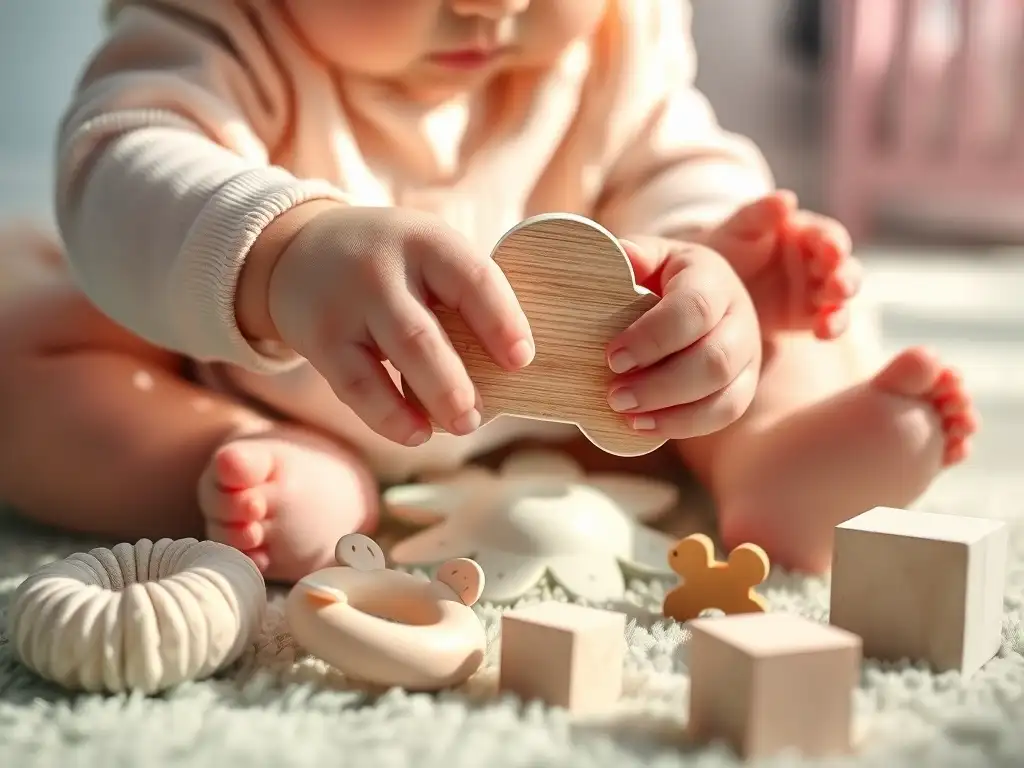
Welcome to BabyCareHub, your ultimate guide to navigating the incredible journey of parenthood! Are you curious about fostering your little one's development? Then you've come to the right place. Discover practical, step-by-step advice on everything from feeding schedules to sleep routines. We're particularly excited to share our expert insights on 10-month-old safe fine motor skills, helping you unlock your baby's potential in a fun and safe way. Dive in and explore the world of baby development with us – your adventure starts now!
- Understanding Fine Motor Skills Development at 10 Months
- Safe Fine Motor Activities for 10-Month-Olds
- Activities to Promote Pincer Grasp and Dexterity
- Creative and Engaging Fine Motor Activities
- Safety Precautions: Preventing Choking Hazards
- Monitoring Your Baby's Progress: When to Seek Professional Advice
-
Frequently Asked Questions
- What are some safe fine motor activities for a 10-month-old?
- How can I encourage fine motor skill development in my 10-month-old?
- What are some signs that my 10-month-old's fine motor skills are developing normally?
- What are some dangers to watch out for when providing fine motor activities?
- My 10-month-old isn't showing the expected fine motor skills. Should I be worried?
- Final Reflection: Nurturing Dexterity: The Enduring Power of Play
- Unleash Your Little One's Potential: Boost Fine Motor Skills Now!
Understanding Fine Motor Skills Development at 10 Months
Ten months old! Your little one is blossoming, and their fine motor skills are developing at an incredible pace. This is a period of significant advancement, where seemingly small actions—like picking up tiny objects or banging two toys together—represent huge leaps in their neurological and physical development. This article will explore the key milestones in 10-month-old fine motor development, offering safe and engaging activities to encourage your baby's progress.
We’ll focus on activities that promote hand-eye coordination and provide tips for assessing your baby's skills, ensuring you're supporting their growth in a safe and stimulating environment. Understanding these developments is crucial for first-time parents, helping you foster your baby's abilities and build a strong foundation for future learning. Remember, every baby develops at their own pace, so celebrating each milestone, no matter how small, is key! 🎉
Key Milestones in 10-Month-Old Fine Motor Development
At 10 months, babies are refining their pincer grasp, allowing them to pick up smaller objects with their thumb and forefinger. This is a major achievement! You might observe your baby:
- Picking up tiny objects like Cheerios (ensure supervision to prevent choking hazards! ).
- Showing a preference for using one hand over the other (handedness is often starting to emerge).
- Transferring objects from one hand to the other with increasing ease.
- Banging objects together, exploring sound and texture.
- Poking and exploring objects with their fingers.
- Attempting to feed themselves with finger foods, though mess is inevitable! 🤭
It's important to remember that these milestones are just guidelines. Some babies might reach these milestones earlier, while others might take a little longer. The key is consistent engagement and a supportive environment.
Developing Hand-Eye Coordination at 10 Months
Hand-eye coordination is crucial for fine motor skill development. At 10 months, you can actively engage your baby in activities that improve this coordination:
- Stacking soft blocks: Start with large, soft blocks to prevent frustration. The act of stacking helps develop hand-eye coordination and problem-solving skills.
- Playing with textured balls: Different textures stimulate tactile exploration, enhancing hand-eye coordination and sensory development.
- Simple shape sorters: These toys help babies learn to match shapes and develop hand-eye coordination. Opt for ones with larger openings to reduce frustration.
- Finger painting: Use non-toxic, washable finger paints on a large surface. This messy but rewarding activity improves hand-eye coordination and creative expression. Remember to supervise closely!
- Playing with rattles and shakers: The sound and movement of these toys engage both hand-eye coordination and auditory senses.
Assessing Your Baby's Fine Motor Skills: What to Look For
Regularly observing your baby's progress is key. Here's what to look for when assessing their fine motor skills:
| Skill | What to Look For | Possible Concerns |
|---|---|---|
| Pincer Grasp | Ability to pick up small objects using thumb and forefinger | Difficulty picking up small objects, consistently dropping items |
| Hand-Eye Coordination | Accuracy in reaching for and grasping objects | Significant delays in reaching for or grasping objects |
| Object Manipulation | Ability to transfer objects between hands, bang objects together, explore textures | Limited ability to manipulate objects, lack of interest |
| Hand Preference | Consistent use of one hand over the other | Absence of a clear hand preference (though not always a concern) |
Remember, if you have any concerns about your baby's development, always consult with your pediatrician. They can provide personalized guidance and address any specific developmental issues. Early intervention is key to ensuring your baby reaches their full potential.
Safe Fine Motor Activities for 10-Month-Olds
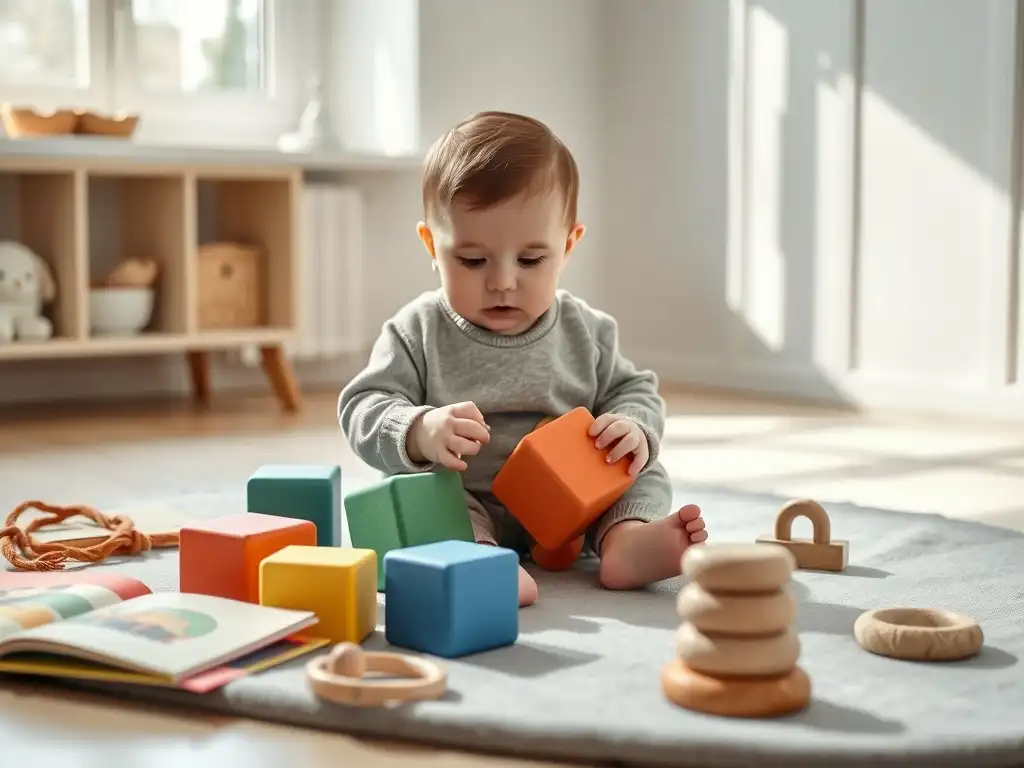
This section focuses on safe and engaging fine motor activities suitable for a 10-month-old baby, crucial for their development and skill refinement. We'll explore age-appropriate toys and activities that promote dexterity, hand-eye coordination, and problem-solving skills, all while prioritizing safety. Remember, supervision is key at this age.
Object Exploration: Choosing Safe Toys and Objects for 10-Month-Olds
Ten-month-olds are naturally curious and driven to explore the world through touch. Providing a variety of safe objects allows them to develop their fine motor skills while experiencing different textures, sizes, and shapes. Safety is paramount; therefore, selecting appropriately sized and non-toxic materials is essential. Avoid small objects that pose a choking hazard. The ideal size for toys at this age is generally larger than 1.25 inches in diameter.
Here's a checklist for safe toy selection:
- Size: Larger than 1.25 inches in diameter to prevent choking.
- Material: Choose non-toxic, durable materials that can withstand chewing and dropping. Wood, silicone, and soft, washable fabrics are good options. Avoid brittle plastics that can easily break into small pieces.
- Texture: Offer a variety of textures – smooth, rough, soft, hard – to stimulate sensory development.
- Shape: Provide toys with various shapes and sizes to encourage manipulation and exploration.
- Durability: Opt for robust toys that can withstand the wear and tear of enthusiastic play.
Consider these examples of safe and engaging objects:
- Wooden blocks: Large, chunky blocks are perfect for stacking and knocking down.
- Soft fabric balls: These are ideal for throwing, catching (with assistance), and squeezing.
- Teethers: Choose teethers made from safe, non-toxic materials designed for babies.
- Stacking cups or rings: These help develop hand-eye coordination and problem-solving skills.
- Sensory balls: Balls with different textures on the surface can provide tactile stimulation.
Remember to always supervise your 10-month-old during playtime to ensure their safety. Regularly inspect toys for any damage or wear and tear and replace them as needed.
The Importance of Sensory Exploration: Textures, Shapes, and Sounds
Sensory exploration plays a vital role in a 10-month-old's development of fine motor skills. By engaging multiple senses, you enrich the learning experience and foster a deeper understanding of their environment. Think about incorporating activities that stimulate:
- Touch: Provide toys with varying textures – soft plush toys, rough wooden blocks, smooth plastic balls. This helps develop tactile discrimination and hand-eye coordination.
- Sight: Brightly colored toys and objects attract their attention and improve visual tracking. Introduce toys with contrasting colors and patterns.
- Sound: Toys that make sounds (rattles, crinkly toys) are engaging and help develop auditory processing skills. Ensure the sounds are not overly loud or jarring.
For example, you could create a "sensory bin" containing various textured objects like cotton balls, smooth stones (supervised! ), and crinkly fabric scraps. This allows your baby to explore different textures freely while developing their grasping and manipulation skills. Remember to always supervise your child during sensory play to prevent any accidents. The goal is to create a stimulating but safe environment for your little one to thrive.
Building Blocks and Stacking Toys: Developing Fine Motor Skills Through Play
Building blocks and stacking toys are excellent tools for developing fine motor skills in 10-month-olds. These activities encourage hand-eye coordination, problem-solving abilities, and the development of dexterity. The act of picking up, placing, and stacking blocks strengthens their finger muscles and improves their hand-eye coordination.
Here are some specific examples and benefits:
| Toy Type | Benefits | Considerations |
|---|---|---|
| Large Wooden Blocks | Develops hand-eye coordination, spatial reasoning, problem-solving skills. | Choose blocks that are large enough to prevent choking. |
| Stacking Cups/Rings | Improves hand-eye coordination, fine motor control, and sequencing skills. | Ensure cups/rings are large and durable enough to withstand dropping. |
| Simple Construction Toys | Encourages creativity, problem-solving, and spatial reasoning. | Choose toys with large, easily manipulated pieces. |
It's important to start with simple stacking activities and gradually increase the complexity as your child's skills improve. Initially, they might only be able to grasp and place a single block. Over time, they'll develop the ability to stack multiple blocks, creating simple towers. Celebrate their successes and encourage their efforts, making the learning process fun and rewarding. Remember, patience and positive reinforcement are key to fostering their development. This playful approach to learning will help your 10-month-old develop crucial fine motor skills while having a blast! 🎉
Activities to Promote Pincer Grasp and Dexterity
This section focuses on activities designed to enhance your 10-month-old's fine motor skills, specifically their pincer grasp and dexterity. At this age, babies are refining their ability to pick up small objects using their thumb and forefinger, a crucial developmental milestone. We'll explore several engaging and safe activities to stimulate this progress and promote hand-eye coordination. Remember, safety is paramount; always supervise your baby during these activities. The goal is to foster development while ensuring your little one remains safe and happy. This is critical for healthy development of 10 month old safe fine motor skills.
Picking Up Small Objects: Activities to Strengthen the Pincer Grasp
Picking up small objects is a fantastic way to build pincer grasp strength. Start with larger items, gradually reducing their size as your baby's skill improves. Here are some ideas:
- Dry Cereal: Large pieces of Cheerios or similar cereals are ideal for practice. The slight irregularity in shape makes it more challenging than uniformly shaped objects.
- Soft Blocks: Soft, fabric blocks are a safe and engaging alternative. Their larger size makes them easier to grasp initially.
- Pom-poms: Colorful pom-poms offer a tactile experience while practicing pincer grasp. Make sure to supervise closely to prevent accidental ingestion.
- Pasta Shapes: Large pasta shapes, such as farfalle or rotini, can be fun to pick up and explore. However, ensure they are clean and appropriately sized to prevent choking hazards.
Remember to always supervise your child during these activities. Observe their progress and adjust the size and type of objects accordingly. Positive reinforcement and encouragement can significantly boost their confidence and motivation. This focused attention on 10 month old safe fine motor skills will pay dividends in their later development.
Transferring Objects: Developing Hand-to-Hand Coordination
Once your baby can confidently pick up small objects, introduce activities that encourage transferring objects from one hand to the other. This enhances hand-eye coordination and bilateral hand use.
Here are some suggestions:
- Toy Transfer: Give your baby two soft toys. Encourage them to pick up one toy and then transfer it to their other hand. Repeat with the other toy.
- Container Play: Use two small containers (e.g., bowls or cups). Place a few small, safe objects in one container and encourage your baby to transfer them to the other container, one at a time.
- Stacking Cups: Soft stacking cups are perfect for this. Encourage your baby to pick up a cup and stack it on top of another. This combines fine motor skills with problem-solving.
This progression from simple grasping to transferring objects is a significant step in developing their dexterity. It is important to remember that each baby develops at their own pace. Celebrate their achievements, no matter how small they seem. This careful nurturing of 10 month old safe fine motor skills will support their overall development.
Encouraging Self-Feeding Skills
Self-feeding is a crucial developmental milestone, enhancing both fine motor skills and independence. At 10 months, your baby might be ready to try using a spoon or fork (although messy attempts are expected! ).
- Soft Foods: Start with easily manageable soft foods like mashed bananas, avocados, or well-cooked vegetables. Avoid hard or sticky foods that could pose a choking risk.
- Spoon Practice: Offer your baby their own spoon and let them experiment. They may not be very successful at first, but the practice is invaluable.
- Finger Foods: Offer soft, easily graspable finger foods like steamed broccoli florets or small pieces of cooked pasta. Always supervise closely to prevent choking.
Remember to be patient and encouraging. Messes are inevitable! Focus on the process of learning and the development of their fine motor skills. This is a critical part of building 10 month old safe fine motor skills. The ability to self-feed contributes significantly to their independence and self-confidence. Celebrate their efforts, even if they end up with more food on their face than in their mouth!
Creative and Engaging Fine Motor Activities
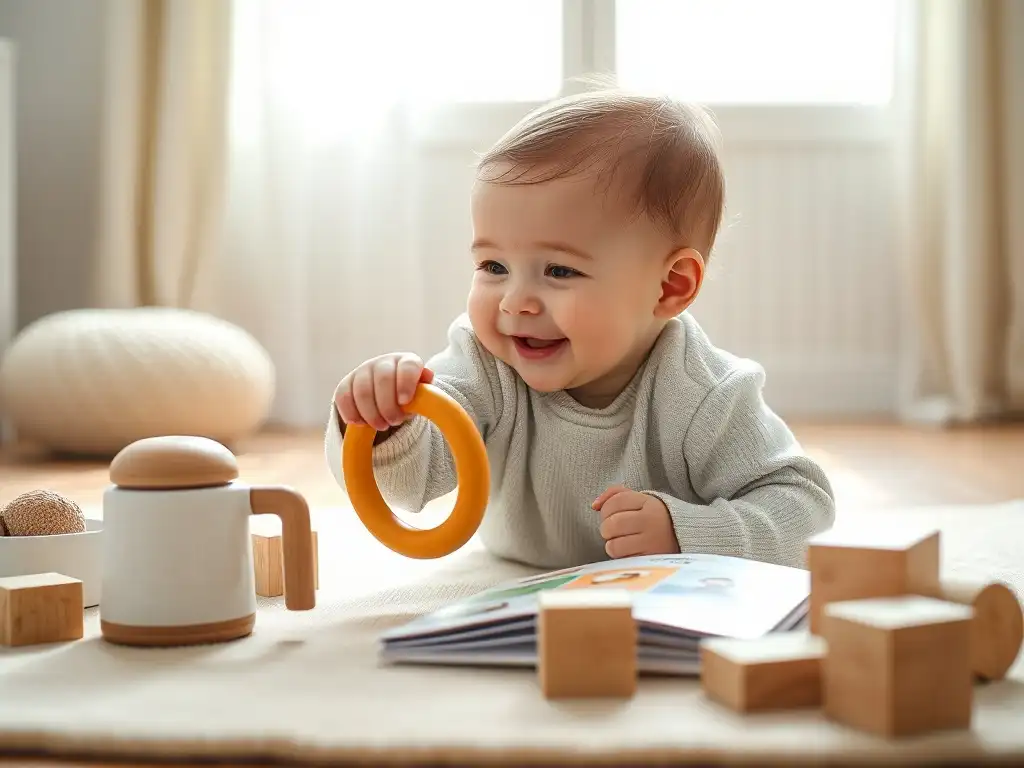
This section delves into specific activities designed to stimulate a 10-month-old's fine motor skills while prioritizing safety. At this age, babies are rapidly developing their dexterity and hand-eye coordination, making it crucial to provide engaging and developmentally appropriate activities. Remember always to supervise your child closely during playtime to prevent accidents. The focus should be on fun and exploration, fostering a love of learning and discovery. We'll explore several activities that are easy to implement at home, using readily available materials. Remember to always adapt activities to your child's individual developmental pace and interests.
Playing with Soft Fabric Toys: Enhancing Tactile Exploration
Playing with soft fabric toys offers a multitude of benefits for a 10-month-old's fine motor development. The varied textures stimulate tactile exploration, crucial for sensory processing. Soft toys encourage grasping, manipulating, and transferring objects, strengthening hand muscles and improving dexterity. Furthermore, the act of exploring different textures helps babies understand object properties and develop their understanding of the world around them.
Consider offering a variety of soft toys with different textures: smooth silk, fuzzy fleece, crinkled cotton, and even toys with different stuffing densities. This variety ensures a rich sensory experience. You can also introduce toys with various shapes and sizes, encouraging the baby to explore different grasping techniques. Observe how your child interacts with the toys; some might prefer to gently stroke the fabric, while others might try to pull or tear at it.
This exploration is a vital part of their learning process. For example, a plush toy with a satin ribbon provides opportunities for grasping, pulling, and exploring different textures simultaneously. This multi-sensory approach enhances engagement and learning. Remember to choose toys that are large enough to prevent choking hazards.
Finger Painting: A Safe and Messy Sensory Experience
Finger painting is a fantastic way to encourage fine motor development in a fun and messy way! The act of dipping fingers into paint and spreading it across the paper requires precise hand movements and strengthens hand muscles. It is also a fantastic sensory experience, allowing babies to explore different colors and textures. However, safety is paramount. Use non-toxic, washable finger paints specifically designed for babies. Avoid using paints containing small parts that could pose a choking hazard.
To make the experience even more engaging, consider using a large, sturdy surface like a highchair tray or a waterproof mat. This allows for easy cleanup. You can also introduce different painting tools, like large sponges or brushes, to diversify the experience and further develop fine motor skills. Always supervise your child closely during finger painting to prevent them from ingesting the paint.
Keep a wet cloth handy for quick cleanup of any spills or stray paint. Furthermore, consider using a variety of colors to stimulate visual interest and enhance the sensory experience. The vibrant colors can also help stimulate creativity and imagination. Remember to document this sensory experience with pictures for future memories!
Simple Puzzles and Shape Sorters: Introducing Problem-Solving Skills
Simple puzzles and shape sorters are excellent tools for developing fine motor skills and problem-solving abilities in 10-month-olds. These toys require babies to grasp, manipulate, and fit shapes into corresponding spaces, enhancing hand-eye coordination and dexterity. The act of successfully completing a puzzle also provides a sense of accomplishment and boosts their confidence.
Choose puzzles and shape sorters with large, chunky pieces to minimize choking hazards. Look for toys with bright colors and simple designs to keep your child engaged. Start with simple puzzles with only a few pieces and gradually increase the complexity as your child's skills improve. For example, a simple shape sorter with three or four large shapes is an ideal starting point. Observe your child's progress and adjust the difficulty accordingly.
Some babies might master a simple shape sorter quickly, while others might need more time. Celebrate their achievements and encourage their persistence. The satisfaction of solving a puzzle helps develop cognitive skills alongside fine motor skills, making it a valuable developmental activity. Remember that patience and positive reinforcement are key to successful playtime.
Remember to always prioritize safety when engaging your 10-month-old in fine motor activities. Choose age-appropriate toys and supervise your child closely during playtime. By providing a stimulating and safe environment, you can help your little one develop essential fine motor skills that will benefit them throughout their life. Enjoy these precious moments of growth and discovery!
Safety Precautions: Preventing Choking Hazards
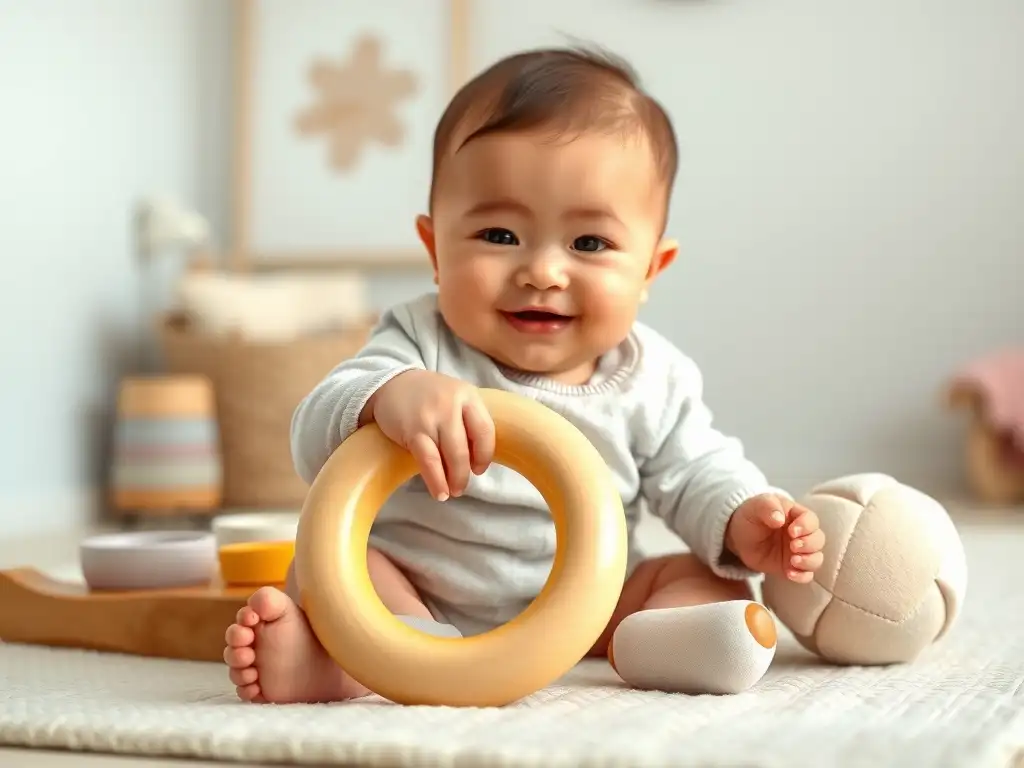
Developing fine motor skills in a 10-month-old is crucial for their overall development, but safety must always be the top priority. At this age, babies are incredibly curious and put everything in their mouths. This section focuses on preventing choking hazards, a significant concern when engaging in fine motor activities with your 10-month-old. Mastering safe practices is paramount for ensuring your little one's well-being while fostering their development. Understanding choking hazards and implementing preventative measures is key to enjoying these enriching activities worry-free.
Choosing Age-Appropriate Toys: Understanding Choking Hazards
Selecting toys specifically designed for 10-month-olds is the first line of defense against choking hazards. Look for toys with large parts that cannot be easily detached or swallowed. The American Academy of Pediatrics (AAP) recommends that toys intended for children under 3 years old should meet specific size and safety standards. Avoid small objects like beads, buttons, or coins, as these pose a significant risk.
Always check toy labels for age recommendations and warnings. Furthermore, regularly inspect toys for any signs of damage or loose parts that could become choking hazards. Even seemingly safe toys can become dangerous over time with wear and tear. Prioritizing age-appropriateness is the foundation of safe play for your 10-month-old.
Here's a table summarizing safe toy choices for 10-month-olds:
| Toy Type | Safe Options | Unsafe Options |
|---|---|---|
| Blocks | Large, soft blocks; chunky wooden blocks | Small, lightweight blocks; Lego bricks |
| Balls | Large, soft balls; textured balls | Small marbles; bouncy balls |
| Stacking Toys | Large stacking cups; rings with wide openings | Small stacking rings; tiny building blocks |
| Teethers | Large, chunky teethers; silicone teethers | Small, hard teethers; teethers with small parts |
Remember, a toy's size is not the only factor. Consider the material – hard, brittle materials can break into smaller pieces. Prioritize toys made of durable, non-toxic materials.
Supervision During Play: The Importance of Constant Monitoring
Even with age-appropriate toys, constant supervision is essential. A 10-month-old's exploration is rapid and unpredictable. Never leave your child unattended while they are playing, especially with small objects. Active supervision means being present and engaged, watching their play closely. This allows you to intervene immediately if they attempt to put something unsafe in their mouth or show signs of choking.
Your vigilance is the most effective safeguard against accidents. Consider setting aside dedicated playtime where you can fully focus on your baby's activities and interactions. This attentive presence minimizes risks and maximizes the bonding experience. Remember, a few minutes of distraction can lead to an avoidable accident.
Creating a Safe Play Environment: Removing Choking Hazards from Reach
Proactive measures to safeguard your child's environment are crucial. Regularly inspect your home for potential choking hazards. Small items like buttons, coins, or food pieces should be stored out of reach. Consider using childproof locks on cabinets and drawers containing potentially dangerous items. Regular cleaning and tidying of play areas is also essential.
Ensure that the floor is clear of small objects that could be easily picked up and put in the mouth. Creating a safe play zone is not just about selecting safe toys; it is about eliminating risks from the surrounding environment. This proactive approach ensures a safer and more enjoyable playtime for your 10-month-old, promoting their development while minimizing potential dangers. Remember, a safe environment is a proactive environment. Take the time to thoroughly examine your home from your baby’s perspective to identify and mitigate potential hazards.
Monitoring Your Baby's Progress: When to Seek Professional Advice
Ten-month-olds are blossoming with new abilities, exhibiting rapid advancements in their fine motor skills. While every child develops at their own pace, consistent monitoring is crucial for early identification of potential developmental delays. This section focuses on recognizing signs that warrant professional attention, understanding when to consult your pediatrician, and fostering a supportive environment to nurture your baby's growth. Remember, early intervention is key to maximizing your child's developmental potential, ensuring they reach their full capabilities. This is especially important concerning 10monthold safe fine motor skills.
Signs of Developmental Delays: Recognizing Potential Issues
Observing your baby's milestones is crucial. While some minor variations are normal, significant deviations from expected progress could indicate a potential delay. For instance, a ten-month-old typically exhibits a pincer grasp, using their thumb and forefinger to pick up small objects. A persistent inability to perform this action, or significant clumsiness in handling objects, may warrant a consultation. Other signs to watch for include:
- Lack of interest in manipulating small objects: While some babies might be more passive than others, a complete lack of interest in exploring their surroundings through touch and manipulation could be a concern.
- Difficulty with hand-eye coordination: Struggles in reaching for and grasping objects, consistently missing the target, or showing poor coordination between hand and eye movements might indicate a delay.
- Limited range of motion: Restricted movement in the hands or arms could be a sign of underlying physical limitations affecting fine motor development.
- Persistent asymmetry in hand use: A strong preference for one hand over the other, without any improvement over time, could warrant investigation.
- Delayed development in other areas: Delays in fine motor skills often correlate with delays in other developmental areas, such as speech, language, or gross motor skills. For example, difficulties with crawling or walking might accompany delayed fine motor development. This interconnectedness highlights the importance of a holistic approach to developmental monitoring.
It's important to note that these are just potential indicators. A single sign doesn't necessarily signify a problem. However, a combination of these, or a persistent lack of progress in a specific area, should prompt a discussion with your pediatrician. Remember to document your observations, noting specific instances and the frequency of any concerning behaviors. This detailed information will be invaluable when discussing your concerns with a healthcare professional.
Consulting Your Pediatrician: When to Discuss Concerns
Your pediatrician is your most valuable resource in monitoring your baby's development. Don't hesitate to schedule an appointment if you have any concerns, regardless of how minor they may seem. Early intervention is crucial, and your pediatrician can provide guidance, reassurance, and, if necessary, refer you to specialists for further evaluation. Open communication is key. Be prepared to describe your observations in detail, including the specific behaviors you've noticed, their frequency, and any other relevant information about your baby's overall development. Your pediatrician will assess your baby's progress in relation to established developmental norms and provide tailored advice and support. They can also help determine if further testing or intervention is necessary. Remember, seeking professional advice is a sign of responsible parenting, not a cause for alarm. Early identification of potential issues dramatically increases the chances of positive outcomes. This is especially crucial when considering 10monthold safe fine motor skills.
Supporting Your Baby's Development: Creating a Stimulating Environment
Creating a stimulating and safe environment at home significantly contributes to your baby's development. Providing opportunities for exploration and play is vital for nurturing their fine motor skills. Remember, safety is paramount. Always supervise your baby during playtime, ensuring they have access only to age-appropriate toys and objects.
Here are some suggestions for creating a developmentally stimulating environment:
- Age-appropriate toys: Offer a variety of toys designed to encourage fine motor skills, such as stacking cups, shape sorters, and textured balls. Ensure all toys are appropriately sized to prevent choking hazards.
- Sensory exploration: Provide opportunities for exploring different textures, sounds, and shapes. This can include playing with water, finger paints (non-toxic, of course! ), or various textured fabrics.
- Interactive playtime: Engage in interactive play sessions with your baby, modeling actions and providing encouragement. This helps them learn and develop their skills more quickly.
- Daily routines: Incorporate activities into your daily routine that encourage fine motor skills, such as finger foods, playing with blocks, or simple puzzles.
- Safe exploration: Create a safe space for your baby to explore, free from hazards and with plenty of opportunities for movement and interaction.
By proactively monitoring your baby's progress, communicating openly with your pediatrician, and providing a supportive environment, you can help your ten-month-old thrive and reach their full developmental potential. Remember, every baby develops at their own pace, but early intervention is crucial for addressing any potential concerns relating to 10monthold safe fine motor skills.
Frequently Asked Questions
What are some safe fine motor activities for a 10-month-old?
At 10 months, safe fine motor activities include playing with large, soft blocks, stacking cups, and finger painting with non-toxic paints. Always supervise your child closely.
How can I encourage fine motor skill development in my 10-month-old?
Offer a variety of textured toys, encourage self-feeding with finger foods, and provide opportunities for reaching, grasping, and manipulating objects. Make playtime interactive and engaging.
What are some signs that my 10-month-old's fine motor skills are developing normally?
Normal development includes picking up small objects with a pincer grasp, transferring objects from one hand to another, and exploring objects with their mouths and hands.
What are some dangers to watch out for when providing fine motor activities?
Small objects pose a choking hazard. Ensure all toys are age-appropriate and supervise your child constantly during playtime to prevent accidents. Avoid toys with small, detachable parts.
My 10-month-old isn't showing the expected fine motor skills. Should I be worried?
While every child develops at their own pace, if you have concerns about your child's development, consult your pediatrician. They can assess your child's progress and offer guidance.
Final Reflection: Nurturing Dexterity: The Enduring Power of Play
The exploration of fine motor skills in 10-month-olds isn't just about grasping toys; it's about building the foundation for a lifetime of learning and self-expression. These seemingly small movements—the pincer grasp, the reaching, the exploring—are monumental steps in a child's development, shaping their future abilities and confidence.
Witnessing a 10-month-old's burgeoning dexterity is a truly remarkable experience. The sheer joy they find in manipulating objects, the focused concentration on a tiny task, and the burgeoning sense of accomplishment are deeply moving. Play is the highest form of research.
- Albert Einstein. This quote perfectly encapsulates the importance of providing safe and stimulating environments for these young explorers, allowing them to learn through play and discovery. The impact extends far beyond the immediate act of picking up a block; it fosters problem-solving skills, hand-eye coordination, and a sense of agency that will serve them well throughout their lives.
Consider the implications of this exploration. You, as a parent or caregiver, hold the key to unlocking a world of potential. By providing a safe and engaging environment rich with age-appropriate materials, you are not just entertaining your child; you are actively participating in their cognitive and physical development.
Take a moment to reflect on the power you wield in shaping their future. Choose carefully, engage thoughtfully, and watch with wonder as your little one blossoms into a capable and confident individual. The journey of fine motor skill development is a journey of empowerment, and you are an integral part of that journey.
Unleash Your Little One's Potential: Boost Fine Motor Skills Now!
Thank you for exploring BabyCareHub's guide to safe and engaging fine motor activities for your 10-month-old! We hope you found helpful information to support your baby's development. Now, let's put that knowledge into practice.
- Prioritize playtime: Dedicate at least 15-20 minutes each day to focused fine motor activities, incorporating ideas from the article. Try introducing new textures and objects to challenge your little one!
- Share your experience: Tell us about your favorite activity from the article, or share a new one you've discovered – we'd love to hear about it in the comments below!
- Continue learning: Explore age-appropriate developmental milestones on BabyCareHub.org to ensure your baby is progressing well.
What exciting new textures will you introduce to your baby's playtime today?