
Nurturing Baby's Natural Curiosity: Fine Motor Skills and Exploration

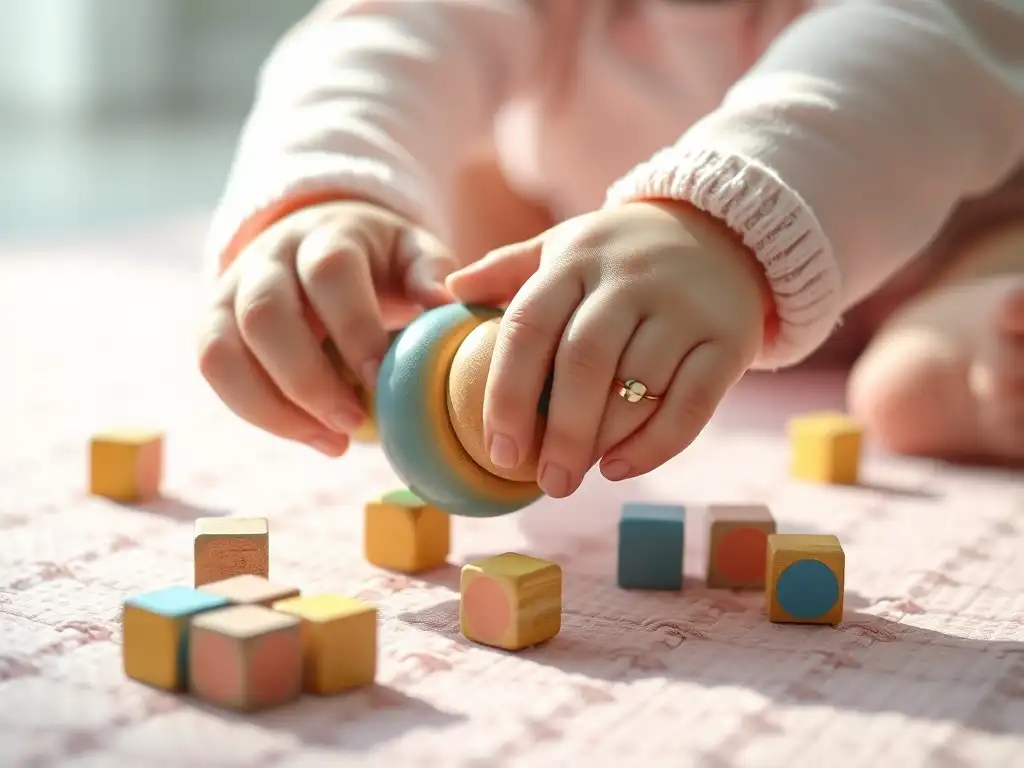
Welcome to BabyCareHub, your trusted companion on this incredible journey of parenthood! Navigating the world of newborns can feel overwhelming, but we're here to provide the step-by-step guidance you need. Discover how to nurture your little one's growth with our expert advice, starting with the fascinating world of baby fine motor skill development. Are you curious about how those tiny fingers and toes unlock a universe of exploration? Then let's dive in and unlock the secrets to fostering your baby's natural curiosity!
- Understanding Baby Fine Motor Skill Development (0-12 Months)
- Encouraging Exploration Through Sensory Play
- Activities to Boost Baby's Fine Motor Skills
- The Importance of Play in Baby Fine Motor Skill Development
- Signs of Potential Delays in Fine Motor Skill Development
- Frequently Asked Questions
- Final Reflection: Cultivating a Lifetime of Wonder Through Play
- Unleash Your Baby's Inner Explorer: Spark Joyful Learning!
Understanding Baby Fine Motor Skill Development (0-12 Months)
The first year of your baby's life is a whirlwind of incredible growth and development, and a significant part of this journey involves the blossoming of their fine motor skills. This crucial developmental area encompasses the coordinated movements of the small muscles in their hands and fingers, enabling them to perform increasingly complex actions like grasping, reaching, and manipulating objects. Understanding the stages of fine motor skill development in babies (0-12 months) is key to providing the right kind of stimulation and support, fostering their natural curiosity, and promoting healthy neurological development.
This article will explore the fascinating progression of these skills, offering insights into what to expect at each age and suggesting engaging activities to encourage your little one's exploration. We'll delve into the intricacies of grasping, reaching, and hand-eye coordination, providing a comprehensive guide for first-time parents navigating this exciting phase of their baby's life. Mastering these skills is not just about dexterity; it's a cornerstone of future learning, problem-solving, and overall cognitive development.
Let's embark on this journey together to nurture your baby's innate curiosity and support their remarkable progress in the world of fine motor skills. 🎉
The Stages of Grasping and Reaching: From Reflexes to Purposeful Actions
The development of grasping and reaching isn't a sudden event but a gradual process unfolding in distinct stages. Initially, newborns exhibit reflexive grasping – a spontaneous, involuntary clenching of their hand around an object placed in their palm. This is a fascinating neurological reflex, paving the way for more controlled movements. As your baby grows, they’ll transition from this reflexive grasp to a voluntary grasp, initially a clumsy, whole-hand grasp followed by a more refined pincer grasp using their thumb and forefinger.
This progression is not linear; some babies may reach milestones earlier than others. However, observing the general timeline can provide reassurance and guidance. For example, around 3-4 months, you might notice your baby attempting to reach for dangling toys or objects within their line of sight. This marks a significant step towards purposeful movement, showcasing developing hand-eye coordination.
By 6-8 months, many babies are successfully transferring objects from one hand to another, a testament to their growing dexterity and coordination. By 9-12 months, the pincer grasp becomes more refined, enabling them to pick up tiny objects like small pieces of cereal or even try to self-feed. This transition from reflexive to purposeful action is a beautiful demonstration of your baby's burgeoning neurological capabilities.
Developing Hand-Eye Coordination: Activities to Stimulate Visual Tracking
Hand-eye coordination is the seamless integration of visual perception and motor control, crucial for the development of fine motor skills. Stimulating your baby's visual tracking abilities from an early age lays a strong foundation for future dexterity. Simple yet effective activities can significantly contribute to this development.
- High-contrast toys: Black and white, or high-contrast colored toys, are excellent for capturing a newborn's attention and encouraging visual tracking.
- Following objects: Slowly move a brightly colored toy across your baby's field of vision, encouraging them to follow it with their eyes.
- Reaching games: Hang rattles or soft toys within your baby's reach, encouraging them to reach and grasp.
- Tummy time: Regular tummy time helps strengthen neck and shoulder muscles, crucial for reaching and grasping.
Remember to always supervise your baby during these activities and ensure the toys are safe and age-appropriate. The key is to make these interactions playful and engaging, transforming learning into a joyful experience.
Early Fine Motor Milestones: What to Expect at Each Age
Observing your baby's progress in fine motor skills can be both rewarding and informative. While every baby develops at their own pace, understanding the typical milestones can help you gauge their progress and identify any potential concerns. The following table summarizes some key milestones:
| Age Range | Milestone |
|---|---|
| 0-3 Months | Reflexive grasping, batting at objects |
| 3-6 Months | Reaching for objects, bringing hands to mouth |
| 6-9 Months | Raking objects, transferring objects between hands |
| 9-12 Months | Pincer grasp, self-feeding attempts |
Remember, these are just guidelines. If you have any concerns about your baby's development, consult your pediatrician. Early intervention is key to addressing any potential delays and ensuring your baby receives the support they need to thrive. Enjoy this incredible journey of watching your little one blossom and discover the world through their increasingly skillful hands! 👶
Encouraging Exploration Through Sensory Play
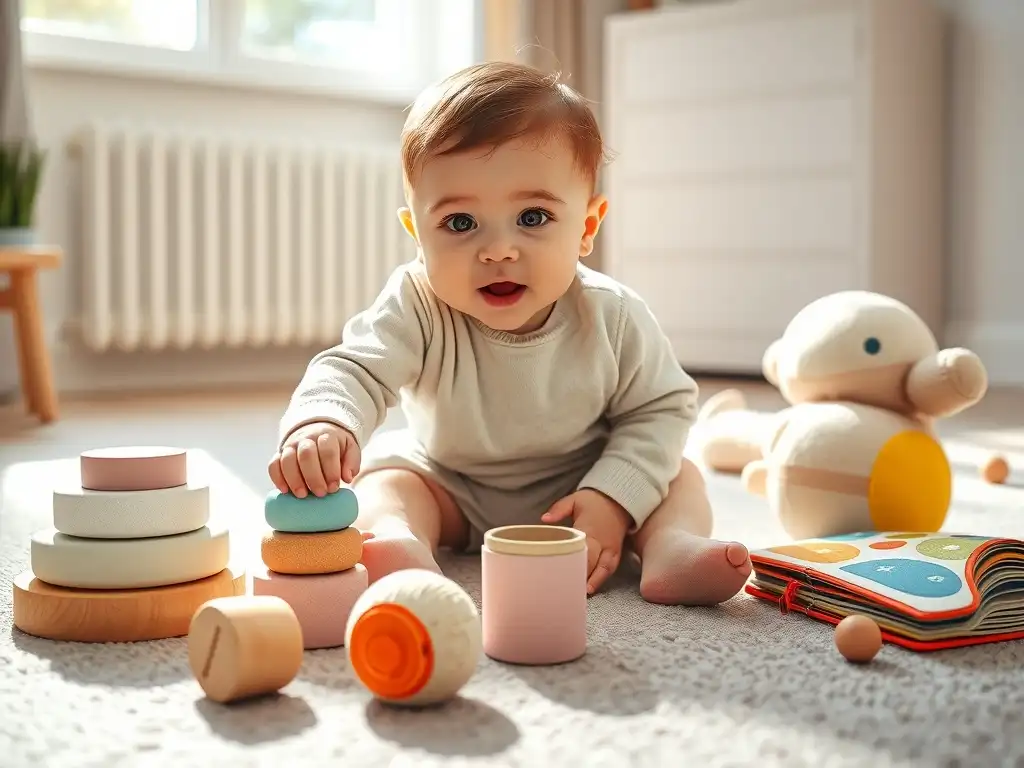
Sensory play is paramount for baby fine motor skill development during the crucial 0-12 month period. It's not just about fun; it's about actively engaging your baby's senses to stimulate neural pathways linked to dexterity, coordination, and problem-solving. Think of it as a foundational workout for their tiny hands and minds. By providing a variety of sensory experiences, you're fostering a natural curiosity that will propel their fine motor skills forward. This isn't about structured activities; it's about creating opportunities for exploration and discovery.
Safe Sensory Toys for Baby's Fine Motor Development
Choosing the right toys is crucial. Safety should always be the top priority. Opt for toys made from non-toxic, durable materials that are appropriately sized to prevent choking hazards. Here's a breakdown of excellent choices categorized by developmental stage:
- 0-3 Months: Focus on high-contrast visuals and textured fabrics. Think soft, crinkly books, rattles with varying textures (smooth, bumpy, ribbed), and mobiles with engaging patterns. The goal here is to stimulate visual tracking and hand-to-mouth coordination.
- 3-6 Months: Introduce toys that encourage grasping and reaching. Soft blocks, teethers with different shapes and textures, and stacking cups are all great options. The emphasis shifts to strengthening grip and improving hand-eye coordination.
- 6-9 Months: Now you can introduce toys with more intricate designs and functionalities. Simple puzzles with large pieces, nesting toys, and textured balls promote problem-solving skills and finger dexterity. The baby starts to develop a pincer grasp (using thumb and forefinger), paving the way for more complex manipulation.
- 9-12 Months: Continue challenging your baby with toys that require more precise movements. Shape sorters, building blocks, and toys with buttons or levers promote hand strength, coordination, and fine motor control. This stage sees significant progress in manipulating small objects and improving hand-eye coordination.
Remember to always supervise your baby during playtime and rotate toys regularly to maintain their interest and prevent boredom. A diverse range of toys caters to their evolving abilities and keeps them engaged. This variety is key for optimal baby fine motor skill development.
Creating a Stimulating Environment for Tactile Exploration
Beyond toys, the entire environment plays a vital role. Think beyond the play mat; consider the textures your baby interacts with daily. A variety of textures stimulates their tactile senses and encourages exploration.
- Different Fabrics: Provide opportunities to touch different fabrics like soft fleece, rough burlap, silky satin, and smooth cotton. This enhances their sensory perception and understanding of texture.
- Household Items: Under supervision, allow safe exploration of household items with different textures. A wooden spoon, a smooth stone (carefully cleaned), or a textured sponge can be fascinating. Always prioritize safety and ensure no small parts are present. This everyday exploration aids in baby fine motor skill development in an organic way.
- Nature's Textures: If possible, incorporate natural elements like grass, leaves (ensure they are clean and non-toxic), and smooth pebbles. This introduces a new dimension of sensory input and connects them with the world around them.
The key is to create a rich, engaging environment that encourages your baby to touch, explore, and discover. This proactive approach to sensory stimulation significantly contributes to their baby fine motor skill development.
The Role of Textures and Materials in Fine Motor Skill Development
The impact of textures and materials on fine motor skill development is significant. Different textures activate different receptors in the baby's hands, sending varied sensory information to the brain. This, in turn, strengthens neural connections responsible for hand-eye coordination, dexterity, and problem-solving.
Consider this: Grasping a smooth, round object requires a different grip than holding a textured, irregular shape. This variation in grip strengthens different muscle groups in the hand and improves overall hand strength and control. The varied sensory feedback also enhances their spatial awareness and understanding of object properties.
Moreover, the materials themselves offer diverse learning opportunities. The weight of a wooden block versus a lightweight plastic toy teaches them about weight and density. The flexibility of a rubber toy versus the rigidity of a wooden one helps them understand material properties. These seemingly small details contribute significantly to their overall cognitive and motor development. This holistic sensory experience is crucial for optimal baby fine motor skill development. Remember to prioritize safety and always supervise your baby during exploration.
Activities to Boost Baby's Fine Motor Skills
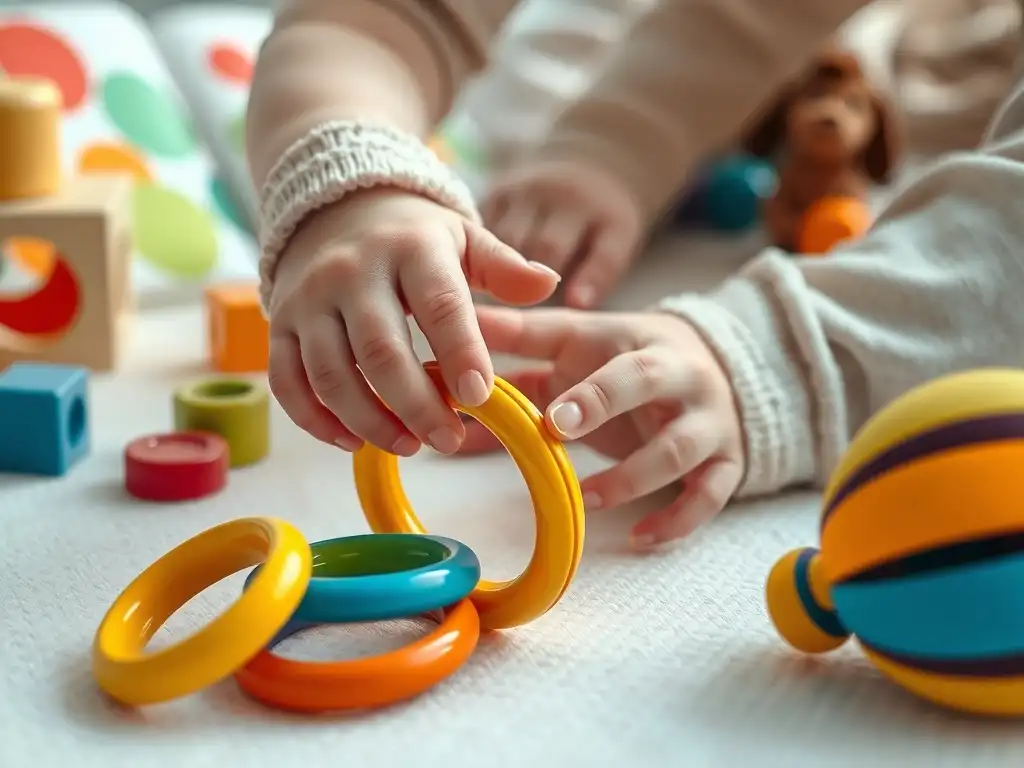
This section delves into practical activities to stimulate your baby's fine motor skill development, crucial for their overall growth and development. Remember, every baby develops at their own pace, so celebrate each milestone reached! Consistency and engaging play are key to fostering healthy baby fine motor skill development.
Reaching and Grasping Activities: Simple Games and Exercises
Reaching and grasping are fundamental steps in fine motor skill development. These seemingly simple actions require complex coordination between the eyes, brain, and muscles. Here's how to encourage these skills:
- Tummy Time with Toys: Place brightly colored toys just out of reach during tummy time. This encourages your baby to stretch, reach, and grasp, strengthening their neck, shoulder, and arm muscles. Aim for several short sessions throughout the day. A good starting point is 2-3 minutes, gradually increasing the duration as your baby's strength improves.
- High-Contrast Toys: Babies are drawn to high-contrast visuals. Use black and white or brightly colored toys with distinct patterns. The clear visual cues help them focus and track the toy, improving hand-eye coordination. Consider using rattles with different textures for added sensory stimulation.
- Crinkle Toys: The crinkling sound of these toys adds an auditory element, capturing your baby’s attention and encouraging them to reach and grasp. Experiment with different textures – soft, crinkly, smooth – to broaden their sensory experience. This tactile exploration aids in developing their sense of touch and fine motor skills.
- Interactive Playmats: Structured playmats with hanging toys provide multiple opportunities for reaching, grasping, and exploring different textures and sounds. These are particularly beneficial for babies who are just beginning to develop their reaching skills. Observe your baby's engagement; if they seem disinterested in a particular toy, try rotating it with another.
- Object Tracking: Gently move a toy slowly in front of your baby’s face, encouraging them to follow its movement with their eyes and then reach for it. This exercise helps improve hand-eye coordination and strengthens their focus. Start with slow movements and gradually increase the speed as your baby progresses.
Transferring Objects: Developing Dexterity and Coordination
Once your baby masters reaching and grasping, the next milestone is transferring objects from one hand to the other. This seemingly simple act is a significant step in developing dexterity and hand-eye coordination.
- Soft Blocks: Start with large, soft blocks that are easy for your baby to grasp. Encourage them to pick up a block and transfer it from one hand to the other. Celebrate their successes! Positive reinforcement is crucial for motivating your baby.
- Rattles and Shakers: These toys are perfect for practicing transferring objects. The sound they make adds an element of fun and encourages repetition. Introduce toys of varying sizes and weights to challenge your baby gradually.
- Ball Play: Rolling a soft ball back and forth between you and your baby is a fun way to encourage hand-eye coordination and object transfer. Start with slow rolls and gradually increase the speed as your baby’s skills improve. This playful interaction also strengthens your bond with your little one.
- Sensory Bags: Fill a clear, resealable bag with different textured materials like rice, beans, or small, soft toys. The tactile experience helps develop fine motor skills while the baby tries to manipulate the objects inside. Always supervise your baby during this activity to ensure their safety.
Stacking and Building: Enhancing Problem-Solving Skills
Stacking and building activities are excellent for developing problem-solving skills, hand-eye coordination, and fine motor control. These activities also help babies understand spatial relationships and develop their understanding of cause and effect.
- Large Stacking Cups: Start with large, sturdy stacking cups. Show your baby how to stack them, and then let them try. Don't worry if they don't succeed immediately; the process of trying is just as important as the outcome. The process of trial and error is essential for learning.
- Soft Blocks: Similar to stacking cups, soft blocks provide a less frustrating experience for babies who are still developing their fine motor skills. The softer material makes it easier for little hands to grasp and manipulate.
- Building Blocks: As your baby grows, introduce larger, more complex building blocks. These encourage creativity and problem-solving skills as your baby experiments with different shapes and configurations. Remember to supervise your child to prevent choking hazards. Consider using blocks of different textures and colors to enhance sensory input.
- Simple Puzzles: Introduce simple puzzles with large pieces. These are excellent for developing problem-solving skills and hand-eye coordination. Start with puzzles that have only a few pieces and gradually increase the complexity as your baby progresses. The sense of accomplishment they feel when completing a puzzle will boost their confidence and encourage further exploration.
Remember, patience and encouragement are key to supporting your baby's fine motor skill development. Make it fun, and celebrate every little victory! Consistent engagement with these activities will significantly contribute to your baby's overall development, helping them reach their full potential. 🎉
Finger Painting and Sensory Bins: Creative Exploration for Little Hands
Finger painting offers a fantastic opportunity for babies to explore textures and colors while developing their fine motor skills. The act of dipping their fingers into paint and making marks on paper strengthens their hand muscles and improves hand-eye coordination. For younger babies (around 6 months and older), use non-toxic, washable finger paints that are specifically designed for babies. Start with a few primary colors to keep things simple.
The experience is as much about the sensory exploration as it is about the final product; don't worry if your little one just smears the paint around! The messy play itself is hugely beneficial for their development. Remember to supervise your baby closely during this activity to ensure their safety and prevent them from ingesting the paint. You might be surprised at how much they enjoy the tactile experience and the vibrant colors!
Sensory bins provide another avenue for fine motor skill development, offering a richer, more complex sensory experience than finger painting alone. A simple sensory bin can be created using a large container (a plastic storage bin works perfectly) filled with a variety of materials such as dried beans, rice, pasta, or even small toys. The act of scooping, pouring, and transferring these materials from one container to another strengthens their grasp, improves hand-eye coordination, and stimulates their cognitive development.
You can also add different textures to the bin, such as cotton balls, smooth stones, or textured fabrics, to enhance the sensory experience. For babies who are just starting to explore, start with larger, easier-to-manipulate objects. As they get older, you can introduce smaller items, always ensuring that the objects are large enough to prevent choking hazards.
The possibilities for sensory bin creations are endless, and you can adapt them to your baby's interests and developmental stage. Remember to always supervise your baby while they are playing with a sensory bin.
Remember to always prioritize safety when engaging your baby in these activities. Choose non-toxic materials, supervise closely, and ensure that all objects are age-appropriate and large enough to prevent choking hazards. The goal is to foster a love of exploration and learning while simultaneously supporting their physical development. Observe your baby's reactions and adjust the activities accordingly. Some babies may be more drawn to certain textures or colors than others, and that's perfectly fine! The key is to make the experience enjoyable and stimulating for your little one. 🎉
The Importance of Play in Baby Fine Motor Skill Development
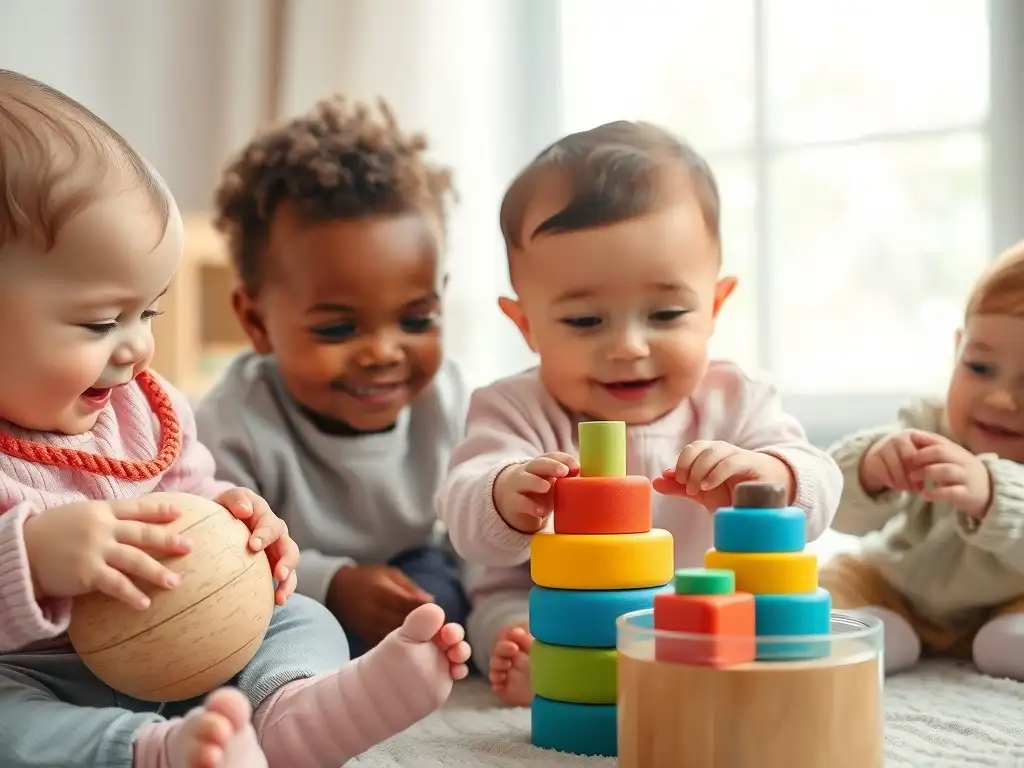
Play isn't just fun for your baby; it's crucial for their development, particularly in the realm of fine motor skills. Fine motor skills encompass the small movements of the hands, fingers, and wrists. These skills are fundamental for everything from grasping a rattle to writing their name years later. Engaging in playful activities directly contributes to the refinement and strengthening of these essential abilities. Think of play as the engine driving the development of baby fine motor skill development.
The types of play that most effectively enhance fine motor skills are those that require manipulation and exploration. Activities like stacking blocks, playing with textured toys, and using shape sorters all challenge a baby to use their hands and fingers in increasingly precise ways. This repeated practice strengthens the muscles and improves the coordination needed for more complex tasks down the line.
The more opportunities your baby has to explore their environment and manipulate objects, the more rapidly their fine motor skills will progress. Even seemingly simple actions, such as reaching for a toy, grasping it, and bringing it to their mouth, are significant steps in this developmental journey. These seemingly small actions are building blocks for future complex movements.
Choosing Age-Appropriate Toys for Fine Motor Skill Development
Selecting the right toys is vital in fostering healthy baby fine motor skill development. Toys should be carefully chosen based on your baby's developmental stage. For newborns (0-3 months), focus on high-contrast toys, rattles with varying textures, and soft, crinkly fabrics. These stimulate their visual and tactile senses, encouraging reaching and grasping.
Between 3-6 months, introduce toys that promote reaching and grasping. Rattles with easy-to-grip handles, soft blocks, and teethers with different textures are excellent choices. Remember to supervise your baby at all times, especially during this phase when they are putting everything in their mouths.
From 6-9 months, babies start to develop more refined hand-eye coordination. Toys like stacking cups, simple shape sorters, and balls become engaging and beneficial. These toys encourage hand-eye coordination and problem-solving skills, further contributing to baby fine motor skill development.
For babies aged 9-12 months, the focus should be on toys that challenge their developing dexterity. Building blocks, puzzles with large pieces, and toys that require turning, twisting, or pulling are ideal. These activities strengthen their pincer grasp (using thumb and forefinger) and improve their hand-eye coordination. Remember to always prioritize safety when choosing toys; ensure they are age-appropriate, durable, and free from small parts that could pose a choking hazard. Prioritizing safety is paramount in this phase of rapid development.
| Age Range | Recommended Toys | Focus |
|---|---|---|
| 0-3 Months | High-contrast toys, rattles, soft crinkly fabrics | Sensory stimulation, reaching, grasping |
| 3-6 Months | Rattles, soft blocks, teethers | Reaching, grasping, mouthing |
| 6-9 Months | Stacking cups, shape sorters, balls | Hand-eye coordination, problem-solving |
| 9-12 Months | Building blocks, large-piece puzzles, pull toys | Pincer grasp, dexterity, hand-eye coordination |
The Link Between Play and Cognitive Development
The benefits of play extend far beyond the development of fine motor skills. There's a strong correlation between play and cognitive development. As babies manipulate toys and explore their environment, they are actively learning and processing information. Playing with blocks, for instance, not only strengthens their fine motor skills but also helps them understand concepts like size, shape, and spatial relationships. This hands-on learning experience enhances their problem-solving abilities and boosts their cognitive development.
Furthermore, play fosters creativity and imagination. Babies use toys to express themselves, create narratives, and engage in pretend play. This imaginative play is crucial for their social and emotional development, as well as their cognitive growth. The development of their fine motor skills acts as a catalyst for this cognitive and emotional growth.
The act of building a tower, for example, isn't just about stacking blocks; it's about problem-solving, planning, and experiencing the satisfaction of accomplishment – all vital components of cognitive development. This holistic approach to play ensures that a child's development is nurtured across multiple domains. The more stimulating and interactive the play, the greater the positive impact on both fine motor skills and overall cognitive development. 👶
Signs of Potential Delays in Fine Motor Skill Development
Developing baby fine motor skill development is a gradual process, unique to each child. While there's a wide range of normal development, certain signs might indicate a potential delay requiring professional attention. These aren't definitive diagnoses, but rather red flags warranting observation and, if necessary, consultation. Remember, consistent monitoring and a relaxed approach are crucial. Don't panic; seek guidance if you have concerns.
When to Consult a Pediatrician or Developmental Specialist
Several factors should prompt a consultation with a pediatrician or developmental specialist regarding your baby's fine motor skills. While each child develops at their own pace, significant deviations from expected milestones should be addressed. Consider seeking professional guidance if your baby shows:
- Persistent lack of hand-eye coordination: At 6 months, most babies can reach for and grasp objects. If your baby struggles consistently to bring objects to their mouth or consistently misses when reaching, it's worth discussing with your pediatrician. For example, a persistent inability to reach for a rattle after repeated attempts at 6 months could be a sign.
- Difficulty with grasping and manipulating objects: By 9 months, babies typically use a pincer grasp (thumb and forefinger) to pick up small objects. If your baby struggles to pick up small items like Cheerios or consistently drops objects, further assessment might be beneficial. This is especially true if they demonstrate difficulty transferring objects from one hand to another.
- Limited or absent attempts at self-feeding: By 12 months, most babies attempt to self-feed with fingers. A consistent refusal or inability to even attempt self-feeding, despite sufficient opportunities and encouragement, could warrant evaluation. This should be considered alongside other developmental markers.
- Delayed or absent milestones: The lack of progress in several developmental areas, including gross motor skills and cognitive development, alongside fine motor skill delays, could indicate a broader developmental concern. It's crucial to note that these delays often manifest together.
- Asymmetry in hand use: Noticeable preference for one hand over the other is common, but a significant difference in strength and skill between the two hands might require investigation. For example, complete refusal to use one hand could be a red flag.
It's important to remember that these are just potential indicators. A professional assessment will provide a comprehensive evaluation and personalized recommendations. Early intervention is key to addressing any potential challenges.
Early Intervention Strategies for Fine Motor Skill Challenges
Early intervention is crucial for addressing fine motor skill challenges. These strategies can help support your baby's development and build upon their strengths:
- Sensory Play: Engage your baby in activities that stimulate their senses. Playing with textured materials like soft fabrics, crinkly papers, and different shaped blocks promotes tactile exploration. This tactile exploration helps develop hand strength and dexterity.
- Object Manipulation: Provide a variety of age-appropriate toys that encourage grasping, shaking, and banging. Start with larger, easy-to-grasp objects, gradually introducing smaller items as your baby's skills improve. This helps develop hand-eye coordination and fine motor control.
- Interactive Play: Engage in activities that encourage interaction and imitation, such as playing peek-a-boo or singing songs with actions. This strengthens hand-eye coordination and helps develop hand-mouth coordination.
- Feeding Opportunities: Encourage self-feeding, even if it's messy. Offer soft, easily manageable foods like cooked carrots or small pieces of fruit. This helps develop hand strength and coordination. Remember to always supervise your baby during meal times.
- Therapeutic Interventions: If a professional assessment indicates a need, therapeutic interventions such as occupational therapy can provide targeted support and guidance. These therapies offer structured exercises and strategies to improve fine motor skills.
Remember that consistent, loving interaction is vital for your baby's development. Celebrate their achievements, offer encouragement, and don't hesitate to seek professional guidance if you have any concerns. Early intervention can make a significant difference in a child's development trajectory. The goal is to nurture your baby's natural curiosity and support their unique developmental journey.
Frequently Asked Questions
What are fine motor skills in babies?
Fine motor skills involve the smaller muscles of the hands and fingers, allowing babies to perform precise movements like grasping, reaching, and manipulating objects. These skills are crucial for future development.
How can I stimulate my baby's fine motor skill development?
Provide opportunities for exploration through play! Offer age-appropriate toys, encourage reaching and grasping, and engage in activities like tummy time and finger painting.
When should I start worrying about my baby's fine motor skills?
If your baby shows significant delays in reaching milestones like grasping objects or bringing hands to mouth by a certain age, consult your pediatrician. Every baby develops at their own pace, but significant delays warrant attention.
What are some good toys to promote fine motor skills?
Soft blocks, rattles, textured balls, and stacking cups are excellent choices. Choose toys that encourage grasping, manipulating, and exploring different textures.
How does tummy time help with fine motor skill development?
Tummy time strengthens neck and shoulder muscles, crucial for reaching and grasping. It also improves hand-eye coordination and overall body awareness, essential for fine motor development.
Final Reflection: Cultivating a Lifetime of Wonder Through Play
The exploration of fine motor skills in infancy isn't just about grasping a rattle; it's about fostering a lifelong love of learning and discovery. The seemingly small movements of a baby's hands—reaching, grasping, manipulating—are actually the building blocks of complex cognitive development, shaping their future abilities and influencing their overall well-being. This intricate connection between physical dexterity and intellectual growth underscores the profound importance of nurturing these early skills.
Witnessing my own child's progression through these developmental milestones has been nothing short of awe-inspiring. The sheer joy on their face as they successfully grasp a toy, the focused concentration during stacking activities, it's a testament to the power of play and exploration. Play is the highest form of research.
- Albert Einstein. This quote perfectly encapsulates the inherent learning process embedded within a baby's playful interactions with their environment. The seemingly simple act of playing becomes a powerful engine driving cognitive, social, and emotional growth. Understanding this profound connection allows us to appreciate the significance of providing enriching experiences for our little ones.
Now, consider your own role in this journey. What opportunities can you create to stimulate your child's fine motor skills? How can you transform everyday activities into engaging learning experiences? Remember, every interaction, every toy, every moment of play is a chance to nurture not just dexterity, but also curiosity, creativity, and a lifelong love of learning. Embrace the wonder of these early years, and watch as your child blossoms into a confident, capable, and curious individual.
Unleash Your Baby's Inner Explorer: Spark Joyful Learning!
Thank you for exploring the world of fine motor skills and how to nurture your baby's natural curiosity! We hope you found this information valuable. Now, let's put that knowledge into practice!
- Create a Sensory-Rich Play Space: Designate a special area in your home filled with a variety of textures, sounds, and safe objects that encourage exploration and discovery. Think soft blankets, crinkly paper, and stacking cups! This will become your baby's personal learning lab.
- Share Your Experiences: Tell us about your favorite sensory activities in the comments below. We love hearing your stories, both the successes and the challenges!
- Learn More: Visit our website for additional articles and resources on baby development and joyful parenting.
What creative sensory activity will you share with your little one today to ignite their curiosity?