
No More Ouchies: Top Corner Guard Materials for Baby's Safety

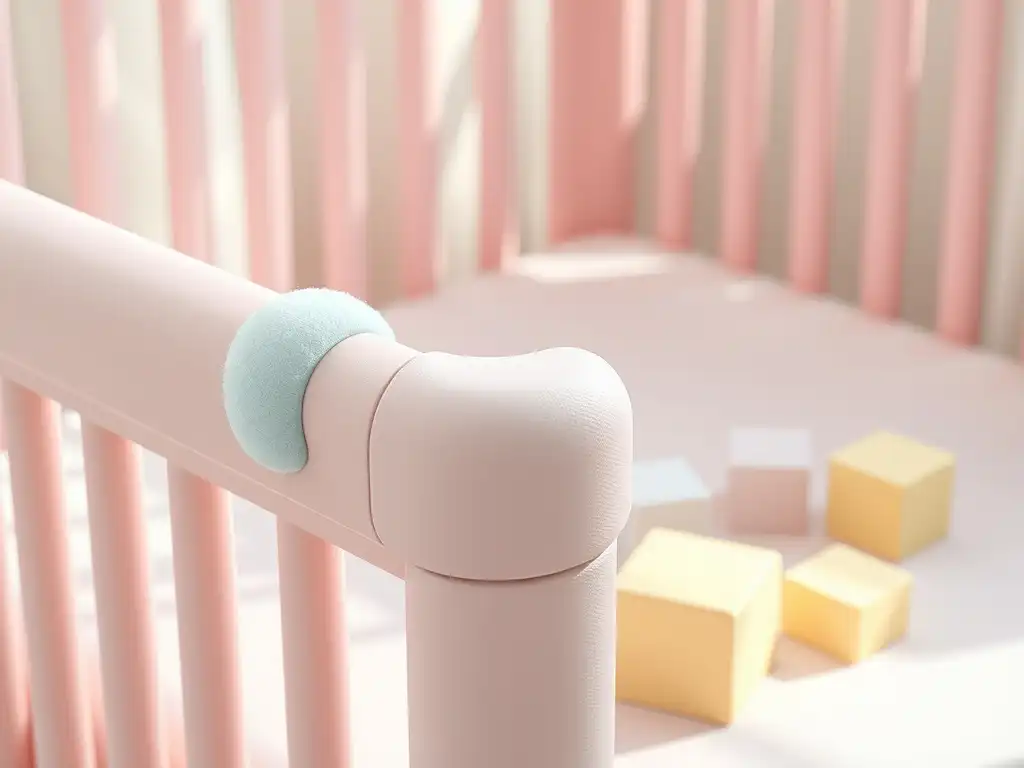
Welcome to BabyCareHub, your ultimate guide to navigating the incredible journey of parenthood! Are you ready to create a safe and nurturing environment for your little one? We understand the anxieties that come with caring for a newborn, which is why we've compiled expert advice and practical tips on everything from feeding schedules to developmental milestones. Discover which materials offer the best protection with our in-depth analysis of baby corner guards – ensuring your baby's safety is our top priority. Dive in and learn how to build a haven of comfort and security for your precious baby.
- Understanding the Need for Baby Corner Guards: Protecting Your Little One
- Best Materials for Baby Corner Guards: A Comparative Analysis
- Choosing the Right Corner Guards Based on Your Needs: A Buying Guide
- Installation and Maintenance of Baby Corner Guards: Ensuring Long-lasting Protection
- Frequently Asked Questions about Baby Corner Guards: Addressing Your Concerns
- Conclusion: Creating a Safe and Secure Environment for Your Baby
- Frequently Asked Questions
- Final Reflection: Protecting Our Little Ones: A Legacy of Safety
- Embrace Worry-Free Corners: Protect Your Little One Today!
Understanding the Need for Baby Corner Guards: Protecting Your Little One
Navigating the world of parenthood for the first time can feel overwhelming, especially when it comes to ensuring your baby's safety. A seemingly innocuous sharp corner on a coffee table or a protruding edge on a bookshelf can pose a significant risk to your little one's well-being. This article focuses on a crucial aspect of baby-proofing: selecting the best corner guards to protect your precious child from potentially painful and dangerous injuries.
We'll explore various materials used in baby corner guards, helping you make an informed decision to create a safer environment for your baby's exploration and development. Learning about the different materials available and their relative safety benefits is a key step in ensuring your home is a haven, not a hazard, for your child.
This guide aims to answer the crucial question: what is the best material for baby corner guards? We'll delve into the specifics to empower you with the knowledge to choose the safest and most effective corner guards for your home.
The Dangers of Sharp Corners and Edges in Your Home
Babies are naturally curious explorers. Their world is a landscape of new textures, shapes, and sensations. Unfortunately, this exploratory drive often leads them to bump into furniture, potentially resulting in painful injuries from sharp corners and edges. These injuries can range from minor bumps and bruises to more serious lacerations and head injuries. Consider these common scenarios:
- A crawling baby colliding with a coffee table's sharp corner, resulting in a nasty bump or even a cut.
- A toddler pulling themselves up on a low bookshelf, only to be met with a painful impact from a protruding edge.
- A baby falling against a sharp corner of a nightstand, potentially leading to a head injury.
These are not hypothetical situations; they are common occurrences in homes without adequate baby-proofing. The potential for injury is significant, highlighting the importance of preventative measures like installing high-quality corner guards. Protecting your baby from these potential hazards is paramount. Investing in appropriate corner guards is a small price to pay for peace of mind and your baby's safety.
Choosing the Right Corner Guards: Safety First
When selecting corner guards, the material is crucial. Different materials offer varying levels of protection, durability, and aesthetic appeal. Several factors should guide your decision:
- Thickness and Density: Thicker, denser materials provide better impact absorption, minimizing the force of any collision.
- Adhesive Strength: Strong adhesive is essential for ensuring the corner guards stay securely in place, preventing them from becoming a hazard themselves.
- Material Durability: The material should be able to withstand daily wear and tear without tearing, cracking, or losing its protective qualities.
- Non-Toxicity: Ensure the material is non-toxic and free from harmful chemicals, especially BPA and phthalates, which can be harmful if ingested.
- Ease of Cleaning: Easy-to-clean materials are essential for maintaining hygiene, especially as babies are prone to drooling and spills.
Prioritizing these factors ensures you select corner guards that effectively protect your baby without compromising safety or convenience. Remember, the best material for baby corner guards is one that balances safety, durability, and ease of use.
While precise statistics on injuries specifically caused by sharp furniture corners are difficult to isolate, data from organizations like [Specific organization and data pending] consistently highlight the high incidence of falls and bumps in young children. These injuries often involve furniture, emphasizing the need for preventative measures. The lack of readily available, specific data on corner-related injuries underscores the importance of proactive safety measures.
The potential for serious injury is significant enough to warrant a proactive approach to baby-proofing, including the careful selection of corner guards made from the safest and most effective materials. A comprehensive approach to child safety is crucial, and choosing the right corner guard material is a key component of that strategy. 👶
Best Materials for Baby Corner Guards: A Comparative Analysis
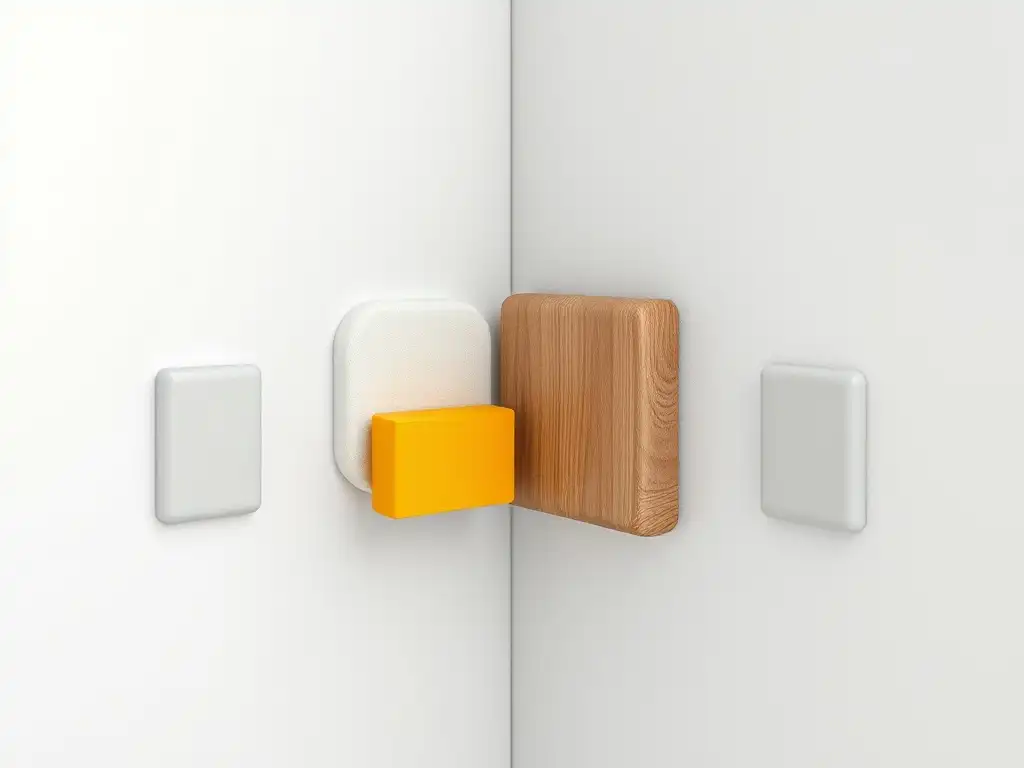
This section dives deep into the materials commonly used for baby corner guards, analyzing their strengths and weaknesses to help you choose the best protection for your little one. Selecting the right material is crucial for ensuring both safety and longevity. We'll focus on two popular choices: silicone and foam, examining their properties, durability, and ease of use. Remember, the best material depends on your specific needs and preferences. Finding the right "baby corner guards best material" is key to peace of mind.
Silicone Corner Guards: Soft, Durable, and Easy to Clean
Silicone corner guards are a popular choice among parents due to their versatility and ease of maintenance. Their inherent flexibility and softness make them ideal for protecting babies from sharp edges and corners without posing a choking hazard (when properly installed and age-appropriate). The non-toxic nature of many silicone products adds to their appeal.
Top-Rated Silicone Corner Guards: Features and Comparison
While specific product names are omitted here to maintain objectivity, several key features differentiate top-rated silicone corner guards. Look for guards with:
- Thick, durable construction: Thicker silicone provides superior impact absorption.
- Strong adhesive: A strong, reliable adhesive ensures the guards stay securely in place, even with enthusiastic crawling and pulling.
- Easy-to-clean surface: Silicone's smooth, non-porous surface prevents bacteria buildup and makes cleaning a breeze.
- Rounded edges: Smooth, rounded edges further minimize the risk of injury.
- Variety of colors and designs: Choose guards that complement your home décor.
A table comparing hypothetical top-rated silicone guards based on these features would be beneficial here. [Specific data on top-rated silicone corner guards pending]
Pros and Cons of Silicone Corner Guards for Baby Safety
| Pros | Cons |
|---|---|
| Soft and flexible | Can be more expensive than foam alternatives |
| Durable and long-lasting | May not adhere as strongly to certain surfaces |
| Easy to clean and maintain | Can yellow or discolor over time with exposure to sunlight |
| Non-toxic and BPA-free (usually) | May not provide as much cushioning as thicker foam |
| Wide range of colors and styles available | Potential for allergic reactions (rare) |
Installation Guide for Silicone Corner Guards: A Step-by-Step Tutorial
- Clean the surface: Thoroughly clean the corner to be protected with a damp cloth and allow it to dry completely. This ensures optimal adhesion.
- Peel the adhesive backing: Carefully peel back the protective backing from the adhesive strip on the corner guard.
- Apply the guard: Firmly press the silicone guard onto the corner, ensuring complete contact with the surface.
- Hold firmly: Hold the guard in place for at least 30 seconds to allow the adhesive to bond properly.
- Inspect for secure placement: Check the adhesion after a few hours to ensure the guard remains firmly attached.
Foam Corner Guards: Budget-Friendly and Effective Protection
Foam corner guards offer a more budget-friendly alternative to silicone. They are typically made from EVA or polyurethane foam, offering good cushioning and protection. However, they may not be as durable or easy to clean as silicone options.
Best Foam Corner Guards for Babies: Comparison of Top Products
Similar to silicone, a detailed comparison of top foam corner guards would be beneficial here. Key factors to consider include:
- Foam density: Higher-density foam offers better impact absorption.
- Thickness: A thicker guard provides superior protection.
- Adhesive strength: Look for strong adhesive to ensure the guards stay securely in place.
- Ease of cleaning: While foam is generally less easy to clean than silicone, some options are wipeable.
[Specific data on top-rated foam corner guards pending]
Advantages and Disadvantages of Using Foam Corner Guards
| Advantages | Disadvantages |
|---|---|
| Affordable | Less durable than silicone |
| Good cushioning and impact absorption | Can absorb liquids and become stained easily |
| Available in various colors and designs | May not be as easy to clean |
| Relatively easy to install | Can become misshapen or compressed over time |
| Often thicker than silicone, offering more protection | May not adhere as well to textured surfaces |
Choosing the Right Thickness and Density for Optimal Protection
The thickness and density of the foam are crucial factors determining the level of protection offered. Thicker, higher-density foam provides superior cushioning and impact absorption. However, excessively thick guards might be less aesthetically pleasing and potentially more difficult to install. A balance between protection and practicality is key. Consider the age and activity level of your baby when selecting the appropriate thickness and density. For toddlers who are more mobile and prone to bumps, a thicker guard is generally recommended. For newborns, a thinner guard might suffice. However, always prioritize safety. 👶
PVC Corner Guards: A Durable and Transparent Option
PVC, or polyvinyl chloride, is a popular choice for baby corner guards due to its durability and transparency. The clear nature of PVC allows it to blend seamlessly with your furniture, minimizing the visual impact while still providing crucial protection. Its robust construction can withstand significant impacts, ensuring long-lasting protection for your little one.
However, it's crucial to select high-quality PVC corner guards that meet stringent safety standards, as some cheaper options may contain harmful chemicals or have sharp edges. The flexibility of PVC also allows for a snug fit on various furniture shapes and sizes, making it a versatile option for many homes. Choosing the right thickness is key; thicker PVC generally offers superior protection against impacts.
Exploring PVC Corner Guard Options: Features and Considerations
When selecting PVC corner guards, several features are worth considering. Look for guards with rounded edges and smooth surfaces to prevent any potential injuries from sharp corners or rough textures. Some PVC guards are self-adhesive, offering easy installation without the need for additional tools or fasteners. Others may require screws or other methods for a more secure fit, especially on heavier furniture.
Consider the length and width of the guards to ensure adequate coverage of the corners. Read product reviews carefully to gauge user experiences regarding durability, ease of installation, and overall effectiveness in protecting your baby from bumps and bruises. Pay close attention to the manufacturer's claims about toxicity and ensure they meet or exceed relevant safety standards. Finally, consider the overall aesthetic appeal – while transparency is a benefit, some PVC guards may yellow or discolor over time, so check for UV resistance properties.
Assessing the Safety and Durability of PVC Corner Guards
The safety and durability of PVC corner guards depend heavily on the quality of the material and the manufacturing process. High-quality PVC is non-toxic and free from harmful chemicals, ensuring your baby's safety. However, always check the product label and certifications to confirm compliance with relevant safety regulations. Durability is another critical aspect. A well-made PVC guard should withstand repeated impacts without cracking, breaking, or losing its protective shape.
Look for thicker PVC guards, as they are generally more durable and offer better impact absorption. Regular inspection of the corner guards is crucial. Check for any signs of wear and tear, such as cracks, chips, or peeling adhesive, and replace damaged guards immediately to maintain optimal protection. A durable, high-quality PVC guard should last for several years, providing consistent protection during your child's early years.
Installation Tips and Tricks for PVC Corner Guards
Installing PVC corner guards is typically a straightforward process, especially for self-adhesive options. Start by thoroughly cleaning the furniture surface to ensure optimal adhesion. Remove any dust, dirt, or grease that could interfere with the adhesive's effectiveness. Then, carefully peel off the backing from the adhesive strip and firmly press the corner guard onto the furniture corner.
Ensure that the guard is positioned correctly and aligned evenly. For non-adhesive options, use the appropriate screws or fasteners provided by the manufacturer, ensuring they are firmly secured to prevent any loosening or detachment. After installation, gently press down on the guard for several minutes to ensure a strong bond.
Remember to carefully follow the manufacturer's installation instructions for specific recommendations and precautions. If you encounter any difficulties during installation, consult the manufacturer's guidelines or seek assistance from a professional. Proper installation is key to ensuring the effectiveness and longevity of the corner guards.
Choosing the Right Corner Guards Based on Your Needs: A Buying Guide
This section dives deep into the selection process for baby corner guards, focusing on how material choice impacts safety and longevity. Choosing the best corner guard for your little one involves careful consideration of several key factors. Understanding these factors will ensure you select a product that provides optimal protection and peace of mind. The right corner guard material is crucial for effectively mitigating the risk of injury from sharp edges and corners in your home. This buying guide will help you navigate the options available for "baby corner guards best material".
Factors to Consider When Selecting Baby Corner Guards: Material, Size, and Adhesiveness
Selecting the perfect baby corner guard involves more than just picking a pretty color. Material, size, and adhesiveness are crucial factors determining both safety and effectiveness. Let's break down each element:
Material: The material directly impacts the guard's durability, cushioning properties, and overall safety. Common materials include:
- Silicone: A popular choice due to its flexibility, softness, and ease of cleaning. Silicone guards are generally non-toxic and offer excellent shock absorption, effectively protecting your baby from bumps and bruises. They are often considered the best material for babies due to their softness and ability to conform to various shapes.
- EVA Foam: Another excellent option known for its lightweight, durable, and relatively inexpensive nature. EVA foam provides decent cushioning and is easy to clean. However, it may not be as soft as silicone.
- PVC: While cheaper than silicone or EVA foam, PVC can be less flexible and may not offer the same level of impact absorption. Furthermore, some PVC materials may contain potentially harmful chemicals, so always check for certifications indicating non-toxicity.
- PU Leather: This material offers a more luxurious look and feel. While it provides decent protection, it might not be as soft or shock-absorbing as silicone or EVA foam. Cleaning can be more challenging compared to silicone or foam.
Size: Corner guards come in various sizes. Ensure the guard completely covers the sharp corner and extends slightly beyond the edge to maximize protection. Too small a guard leaves exposed areas, defeating the purpose. Consider the size and shape of the furniture you need to protect when choosing the appropriate guard size. Larger guards might not fit all furniture.
Adhesiveness: Strong adhesive is essential for securely attaching the corner guard. Look for guards with strong, long-lasting adhesive that won't easily peel off. However, also consider the ease of removal; you might want to remove the guards later, and a strong adhesive can sometimes damage furniture. Consider the type of surface you're attaching the guards to; different adhesives work better on different surfaces (wood, metal, plastic).
The market offers a range of corner guards catering to different budgets. While price is a factor, remember that safety shouldn't be compromised.
Budget-Friendly Options: Often made from PVC or less-expensive EVA foam, these guards may sacrifice some cushioning and longevity. They may also be less aesthetically pleasing. However, they can still provide adequate protection for less demanding situations.
Premium Quality Guards: Typically made from high-quality silicone or thicker EVA foam, these guards offer superior cushioning, durability, and often a more attractive design. The higher price reflects the better materials and superior performance. Consider the long-term value; a more expensive guard that lasts longer might be a more cost-effective choice in the long run. They often come with stronger, safer adhesives as well.
Long-Term Durability and Longevity of Different Materials
The durability of your corner guards directly impacts their effectiveness and value. Different materials age differently.
- Silicone: Generally offers excellent long-term durability and retains its flexibility and cushioning properties over time. It’s resistant to wear and tear, making it a worthwhile investment.
- EVA Foam: EVA foam is reasonably durable, but it can become slightly less effective over time, especially with repeated impacts. It may also be more prone to tearing or becoming less sticky.
- PVC: PVC tends to be less durable than silicone or high-quality EVA foam and may crack or become brittle over time, especially with exposure to extreme temperatures. It also tends to yellow with age.
- PU Leather: PU leather guards can be durable but might show wear and tear more quickly than silicone. They can also be more prone to staining and require more careful cleaning.
Choosing the right corner guards is a crucial step in baby-proofing your home. Prioritizing safety and selecting a material that balances protection, durability, and budget will provide peace of mind knowing your little one is safe from sharp corners. Remember to always supervise your child, even with corner guards in place. The best corner guard is the one that best suits your needs and provides the highest level of safety for your baby.
Installation and Maintenance of Baby Corner Guards: Ensuring Long-lasting Protection
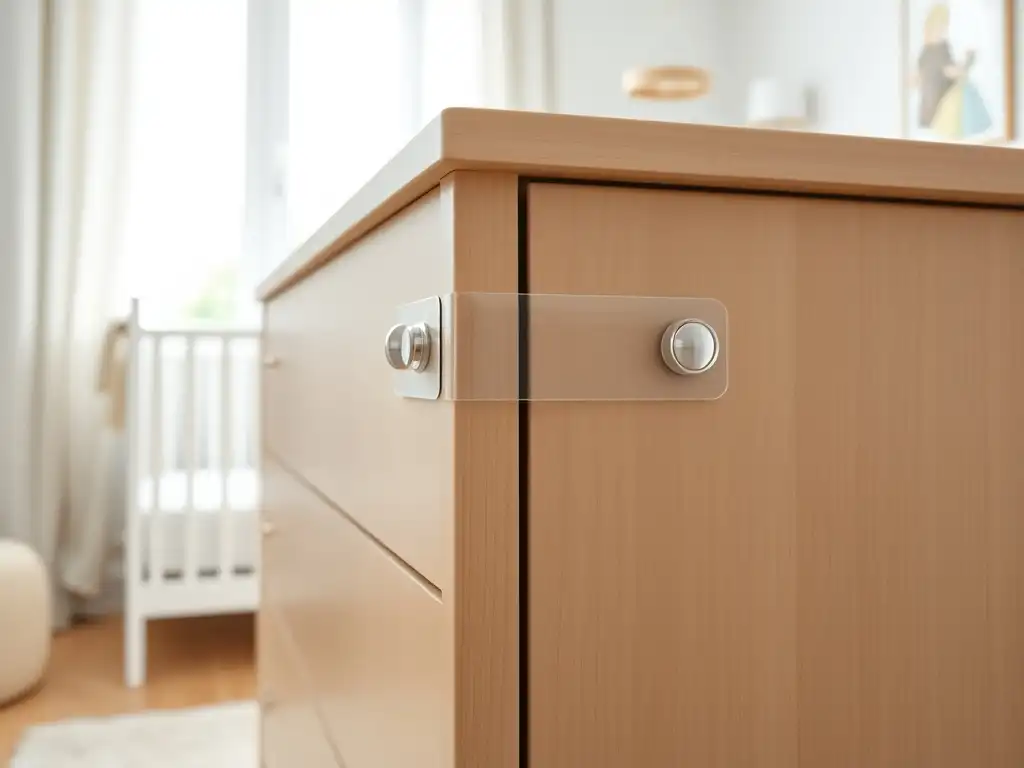
This section focuses on the practical aspects of using your chosen baby corner guards, ensuring they provide maximum protection for your little one. Proper installation and regular maintenance are crucial for maximizing their lifespan and effectiveness. Remember, a well-maintained corner guard is a safer corner guard. We'll cover installation on different surfaces and provide cleaning tips to keep them hygienic and looking their best.
Step-by-Step Guide on Installing Corner Guards on Various Surfaces
Installing baby corner guards effectively is key to their protective function. The installation process varies slightly depending on the surface material. Here's a step-by-step guide for common household surfaces:
1. Wood Surfaces:
- Clean the surface thoroughly with a damp cloth to remove dust and debris. Ensure the surface is completely dry before proceeding.
- Peel the adhesive backing from the corner guard. Some guards may require you to peel a small section at a time to prevent the adhesive from sticking to itself.
- Firmly press the corner guard onto the corner, ensuring complete contact with the surface. Apply even pressure for at least 30 seconds.
- For added security, consider using additional adhesive or double-sided tape, especially on high-traffic areas.
2. Metal Surfaces:
- Clean the surface thoroughly with a degreasing agent to remove any oils or residues. Allow it to dry completely.
- Some metal surfaces may require a slightly different adhesive application. Consult the instructions provided with your specific corner guard. Some may require a pre-adhesive application.
- Apply the corner guard as described for wood surfaces, ensuring firm and even pressure for at least 30 seconds.
3. Painted Surfaces:
- Test a small, inconspicuous area first to ensure the adhesive doesn't damage the paint.
- If the test is successful, clean the surface and apply the corner guard as described for wood surfaces.
- Avoid excessive force to prevent peeling or damage to the paint.
4. Plastic Surfaces:
- Clean the surface thoroughly. Ensure the surface is smooth and free from dust or debris.
- Apply the corner guard as described for wood surfaces, paying close attention to ensure a secure fit.
- If the adhesive doesn't hold well, consider using additional adhesive designed for plastic surfaces.
Remember to always refer to the manufacturer's instructions for specific installation advice for your chosen baby corner guards best material. The instructions will often highlight surface-specific considerations for optimal adhesion and longevity. 👶
Cleaning and Maintaining Your Baby's Corner Guards: Tips and Tricks
Maintaining the hygiene and appearance of your baby's corner guards is essential. Regular cleaning prevents the buildup of dust, dirt, and germs. Here are some tips and tricks:
- Regular Cleaning: Wipe down the corner guards weekly with a damp cloth and mild soap. Avoid harsh chemicals or abrasive cleaners that could damage the material.
- Spot Cleaning: For stubborn stains, gently rub with a soft cloth and a mild soap solution. Rinse thoroughly and dry completely.
- Disinfection: Periodically disinfect the corner guards, especially if your baby has been ill, using a baby-safe disinfectant wipe or a diluted solution of bleach and water (always follow the manufacturer's dilution instructions). Rinse thoroughly and dry completely.
- Inspect Regularly: Inspect the corner guards regularly for signs of wear and tear, such as cracks, peeling, or loose adhesion. Replace any damaged guards immediately.
By following these simple cleaning and maintenance steps, you can ensure your baby's corner guards remain effective and hygienic for a longer period. This contributes to maintaining a safe environment for your child.
Replacing Worn-Out Corner Guards: A Guide to Replacement and Upkeep
Even the best baby corner guards best material will eventually show signs of wear and tear. Recognizing when replacement is necessary is crucial for maintaining your baby's safety. Here's a guide:
- Signs of Wear and Tear: Look for cracks, tears, peeling adhesive, or significant discoloration. If the corner guard is damaged or no longer adheres properly, it needs replacing.
- Replacement Process: The replacement process is similar to the initial installation. Clean the surface thoroughly, peel off the old guard, and apply a new one following the manufacturer's instructions.
- Regular Upkeep: Regular inspection and timely replacement are vital components of maintaining a safe home environment for your baby. Consider setting a reminder to check the corner guards every few months or whenever you clean your home thoroughly. This proactive approach helps ensure continued protection.
Replacing worn-out corner guards is a simple yet crucial step in ensuring your baby's safety. Remember, proactive maintenance is key to preventing accidents and ensuring your child's well-being. ✨
Frequently Asked Questions about Baby Corner Guards: Addressing Your Concerns
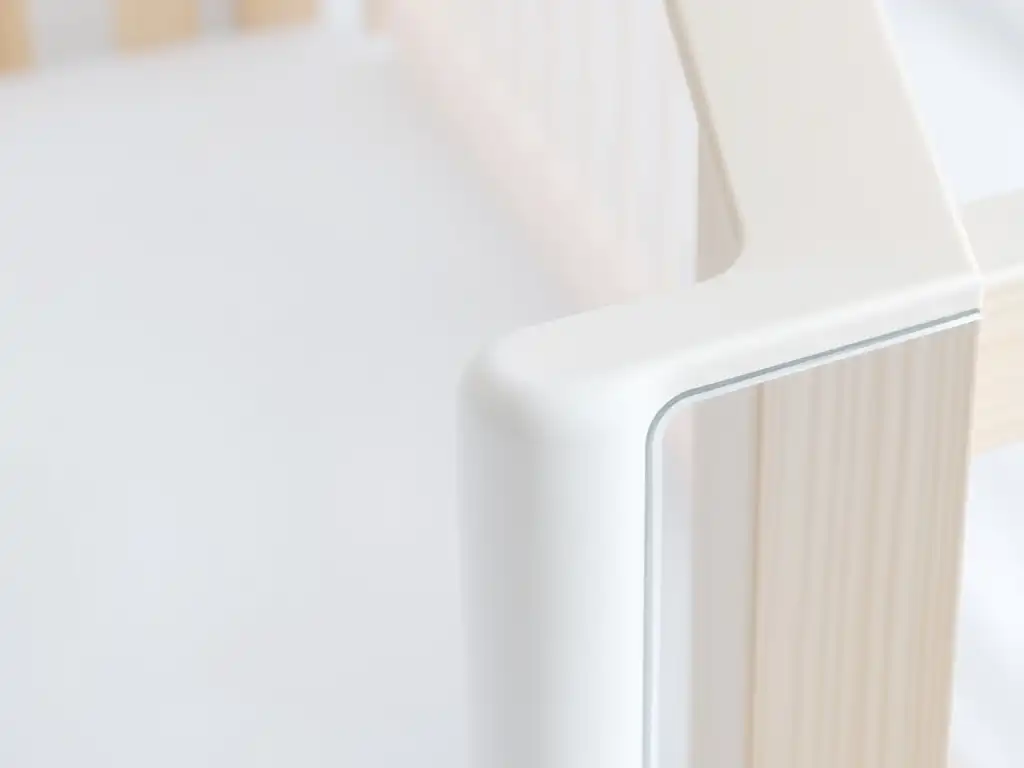
This section addresses common queries regarding baby corner guards and their role in ensuring your little one's safety. We'll delve into the necessity of these safety products, their lifespan, and best practices for comprehensive corner protection. Choosing the right baby corner guards best material is crucial, and understanding these FAQs will guide you in making an informed decision.
Are Corner Guards Really Necessary for Baby Safety?
Absolutely! While a perfectly childproofed home is the ultimate goal, accidents happen. Babies are naturally curious and mobile, often crawling and toddling into furniture long before they understand the dangers of sharp corners. A seemingly innocuous coffee table edge or a sharp corner on a dresser can inflict painful injuries, leading to bumps, bruises, and even more serious head injuries. Corner guards provide an essential layer of protection, significantly mitigating the risk of these accidents.
They act as a buffer, absorbing impact and preventing direct contact with hard surfaces. Investing in high-quality corner guards is a proactive step in creating a safer environment for your baby. The peace of mind they offer is invaluable. Consider the statistics: [Specific statistics on baby injuries from sharp corners pending]. This data highlights the undeniable need for preventative measures like corner guards.
How Long Do Baby Corner Guards Last?
The lifespan of baby corner guards varies depending on the material, quality, and frequency of use. High-quality, durable guards made from materials like thick, high-density foam or sturdy silicone can last for several years, even with multiple children. However, regular inspection is vital. Look for signs of wear and tear, such as cracks, tears, or significant compression. If the guard shows any signs of damage that compromises its protective capabilities, it’s time to replace it.
Think of it like this: a worn-out guard is no longer effectively absorbing impact, thus negating its primary function. Furthermore, the adhesive may lose its strength over time, requiring reapplication or replacement. Regularly checking the adhesion and the overall condition ensures continuous protection for your child. Aim for a replacement schedule of [Specific timeframe pending], or sooner if damage is observed.
What are the Best Practices for Safeguarding Your Baby from Sharp Corners?
Protecting your baby from sharp corners involves a multi-pronged approach that goes beyond simply installing corner guards. While corner guards are a fantastic first line of defense, they are most effective as part of a larger safety strategy.
- Comprehensive Assessment: Before your baby becomes mobile, thoroughly assess your home for potential hazards. Identify all sharp corners and edges, paying special attention to furniture at baby's height.
- Strategic Placement: Don't just stick corner guards anywhere; strategically place them on all potentially dangerous corners and edges. Focus on low-lying furniture like coffee tables, end tables, and the corners of dressers.
- Material Selection: Choose corner guards made from non-toxic, durable materials. Opt for those that are easy to clean and maintain. Consider the feel and texture – a softer material might be preferable for your baby's comfort and safety.
- Regular Inspection: Regularly inspect the guards for any signs of wear, tear, or detachment. Replace damaged or worn-out guards immediately.
- Additional Safety Measures: Consider using other safety measures in conjunction with corner guards, such as furniture anchors to secure tall furniture to the wall. This prevents tipping, which can cause serious injuries.
Remember, a layered approach to safety is the most effective way to protect your little one. Corner guards are a crucial element, but they are most effective when combined with other preventative measures. By implementing these best practices, you can create a significantly safer environment for your baby, minimizing the risk of accidents and maximizing their well-being. 👶
Conclusion: Creating a Safe and Secure Environment for Your Baby
Protecting your little one is a top priority for every parent. Choosing the right corner guards is just one piece of the puzzle in creating a truly safe home environment for your baby. While the material of the corner guard is crucial for effectiveness and longevity, remember that a multifaceted approach to babyproofing is essential. This includes not only corner guards but also outlet covers, cabinet locks, and strategically placed furniture.
Think of it as building a comprehensive safety net, layer by layer, to minimize risks and create peace of mind. Remember, proactive safety measures significantly reduce the chances of accidents and injuries. Investing in high-quality, durable babyproofing products, like those made from the best materials for corner guards, is an investment in your baby's well-being and your own peace of mind. The feeling of security knowing your home is a safe haven for your precious child is priceless.
Prioritizing Baby's Safety: A Comprehensive Approach
Creating a safe home for your baby involves more than just installing corner guards. It requires a holistic approach encompassing several key areas:
- Regular Inspections: Routinely check your home for potential hazards. This includes loose objects, sharp edges (even beyond corners), and anything that could be a choking hazard. A monthly safety check is a good starting point. Think about it like this: a thorough inspection is your proactive defense against potential accidents.
- Childproofing Essentials: Beyond corner guards, consider investing in a range of babyproofing products. Outlet covers prevent electric shocks, cabinet locks keep dangerous cleaning supplies out of reach, and gate barriers restrict access to stairs and other hazardous areas. A diverse safety arsenal is crucial.
- Safe Furniture Placement: Position heavy furniture securely to prevent tipping. Anchor tall bookcases and dressers to the walls using appropriate safety straps. This simple step can prevent serious injuries.
- Floor Safety: Ensure your floors are free of clutter and potential tripping hazards. Use non-slip mats in the bathroom and kitchen to prevent falls. A safe floor is a secure foundation for your baby's exploration.
- Supervision: Constant supervision, especially during playtime and when your baby is mobile, is paramount. Even with the best safety measures in place, active supervision minimizes risks. Consider this your final, most important layer of protection.
Remember, a safe home isn't just about products; it's about a mindset of constant vigilance and proactive safety. The best "baby corner guards best material" is only one part of a larger equation that prioritizes your baby's well-being above all else. Investing time and effort into thorough babyproofing demonstrates your unwavering commitment to your child's safety.
Recommended Products for a Complete Home Safety Setup
While this article focused on the materials for baby corner guards, a comprehensive safety setup requires a wider range of products. Here are some examples of items to consider adding to your babyproofing arsenal:
| Product Category | Specific Example | Key Benefit |
|---|---|---|
| Outlet Covers | [Specific Brand and Model Pending] | Prevents electric shocks |
| Cabinet Locks | [Specific Brand and Model Pending] | Keeps dangerous substances out of reach |
| Stair Gates | [Specific Brand and Model Pending] | Restricts access to stairs and other hazardous areas |
| Furniture Anchors | [Specific Brand and Model Pending] | Prevents furniture from tipping |
| Corner and Edge Protectors | [Specific Brand and Model Pending, beyond corners] | Protects from various sharp edges throughout the home |
Remember to always check product reviews and safety certifications before purchasing any babyproofing items. Prioritizing quality and safety ensures that you're investing in long-lasting protection for your little one. Choosing the right products, in addition to selecting the best material for baby corner guards, contributes to a safer and more secure environment for your growing baby. 👶🏠
Frequently Asked Questions
What is the best material for baby corner guards?
The best material for baby corner guards is generally considered to be soft, durable, and non-toxic. Look for options made from foam, silicone, or high-quality PVC that meet safety standards. Avoid anything brittle or easily torn.
Are corner guards really necessary for baby safety?
While not strictly required, corner guards offer an extra layer of protection against injuries from sharp furniture edges. They're particularly helpful during the crawling and walking stages when babies are more mobile and prone to bumps. Prioritizing safety is key.
How do I choose the right size and shape of corner guards?
Choose corner guards that fit snugly on the furniture corners. Measure the corners before purchasing to ensure a proper fit. Consider the shape and size of your furniture and select guards that are appropriately sized.
How do I install and maintain baby corner guards?
Most corner guards are easy to install using adhesive strips or screws. Clean them regularly with a damp cloth and mild soap. Regularly inspect for any wear and tear and replace them as needed to maintain their effectiveness.
Are there any specific safety standards to look for when buying corner guards?
Look for corner guards that meet relevant safety standards such as those set by organizations like ASTM International. This ensures that the product has undergone testing and meets safety requirements for materials and construction.
Final Reflection: Protecting Our Little Ones: A Legacy of Safety
The sharp edges and corners lurking in every home pose a significant threat to curious toddlers, making the choice of baby corner guards a crucial aspect of responsible parenting. The seemingly small act of installing these seemingly insignificant protectors represents a powerful commitment to safeguarding our children's well-being, a commitment that extends far beyond the immediate protection offered.
The impact of prioritizing child safety extends beyond the individual family; it shapes our collective understanding of responsible home environments. We've explored the diverse materials available, from the soft silicone to the durable foam, highlighting the importance of choosing the right material for optimal protection and longevity. This isn't merely about preventing bumps and bruises; it's about fostering a culture of proactive safety, where the well-being of our children is paramount. The best protection any child can have is a parent who cares.
This simple truth underscores the profound responsibility we bear in creating safe spaces for our little ones to thrive.
Consider the materials discussed – their strengths, their weaknesses, their impact on your child's safety and your home's aesthetic. Now, take a moment to reflect on your own home. Are there sharp corners that need attention? Are you prepared to take the necessary steps to create a safer environment for your child, or for the children in your life? Choose wisely, choose safety, choose peace of mind. The journey towards a safer home begins with a single, thoughtful decision.
Embrace Worry-Free Corners: Protect Your Little One Today!
Thank you for learning about corner guards and your baby's safety! You're now equipped to make informed decisions for a safer home. Ready to act?
- Prioritize corner safety: Identifying and protecting sharp corners is the most important step you can take to safeguard your child. Order corner guards today!
- Share your experience: Recommend corner guards to friends and family; they'll appreciate your advice.
- Explore different guard styles: Experiment with various materials and designs to find corner guards that complement your home's style and meet your baby's needs.
What type of corner guard are you most interested in, and why? Share your thoughts below!