
Baby's Communication: A Lifelong Journey of Learning and Growth


Welcome to BabyCareHub, your ultimate guide to navigating the incredible journey of parenthood! Are you curious about the fascinating world of infant communication? Discover the subtle yet powerful signs your baby is trying to tell you in those precious first months. Unlock the secrets to understanding your little one's needs and build a stronger bond through our expert advice on baby communication first months signs. Let's embark on this enriching adventure together!
-
Decoding Early Baby Communication: First Months Signs
- Understanding Nonverbal Cues in Newborns: The First Few Weeks
- Recognizing Early Vocalizations: Coos, Gurgles, and Cries
- Responding to Baby's Needs: The Importance of Sensitivity
- Baby's Body Language: Subtle Signals of Hunger, Discomfort, and Contentment
- Early Vocalizations: Cries, Coos, and Gurgles – What Do They Mean?
- Baby Communication 2-4 Months: Expanding Expressiveness
- Baby Communication 4-6 Months: Building Blocks of Language
- Baby Communication 6-12 Months: The First Words
- Beyond the First Year: Continued Language Development
- Supporting Your Baby's Communication: Practical Tips for Parents
- When to Seek Professional Help: Identifying Potential Delays
-
Frequently Asked Questions
- How do babies communicate in their first few months?
- What are some early signs of communication development in babies?
- How can I encourage communication with my baby during the first months?
- When should I be concerned about my baby's communication development?
- Are there any specific tools or resources to help me understand my baby's communication?
- Final Reflection: Unlocking the Language of Love: A Lifetime of Connection
- Unlock Your Baby's Communication Potential!
Decoding Early Baby Communication: First Months Signs
Navigating the world of newborn communication can feel like deciphering a secret code, especially for first-time parents. This article serves as your guide to understanding the subtle yet significant ways your baby communicates during those precious first months. We'll explore the nonverbal cues, early vocalizations, and the crucial role of sensitive responsiveness in building a strong parent-child bond and fostering healthy development.
Learning to interpret your baby's signals is a cornerstone of effective parenting and lays the foundation for a lifelong journey of communication and understanding. Mastering the art of understanding your baby's communication in the first few months will significantly impact your ability to meet their needs, build trust, and create a secure attachment.
This is not just about understanding immediate needs; it's about laying the groundwork for healthy communication patterns that will continue to evolve as your child grows. By the end of this article, you'll be better equipped to recognize and respond to your baby's cues, strengthening your bond and ensuring your little one feels safe, loved, and understood.
Understanding Nonverbal Cues in Newborns: The First Few Weeks
Newborns primarily communicate through nonverbal cues. These subtle signals are often missed by inexperienced parents, leading to frustration for both parent and child. Learning to recognize these cues is paramount. In the first few weeks, focus on these key indicators:
- Facial Expressions: A wrinkled brow might signal discomfort, while a relaxed face suggests contentment. A wide, open mouth can indicate hunger or thirst. Observe these subtle shifts carefully.
- Body Language: A clenched fist might indicate tension or discomfort. Arched back or legs drawn up to the chest often signifies pain or discomfort. Conversely, relaxed limbs and a calm posture suggest contentment.
- Crying: While crying is a common way for newborns to express distress, different cries often convey different messages. A high-pitched, piercing cry might signal intense pain, while a low-pitched cry may indicate mild discomfort or hunger. Learning to differentiate these nuances takes practice and patience.
- Startle Reflex: The Moro reflex, a sudden flinging of the arms and legs, is a normal response to sudden noises or movements, but frequent or exaggerated responses might warrant attention.
Understanding these nonverbal cues requires careful observation and a willingness to learn your baby's individual communication style. Remember, every baby is unique, and what works for one may not work for another.
Recognizing Early Vocalizations: Coos, Gurgles, and Cries
As your baby grows, you'll start to notice more complex vocalizations beyond crying. These early sounds are crucial steps in language development and are your baby's way of experimenting with sounds and interacting with you.
- Coos and Gurgles: These soft, vowel-like sounds usually begin around 2 months old. They're a sign of contentment and a way for your baby to practice making sounds. Respond enthusiastically to these sounds to encourage further vocalization.
- Cries: As mentioned earlier, crying is a primary communication tool. However, as your baby develops, you'll start to notice variations in their cries, hinting at different needs or discomforts. Pay attention to the pitch, intensity, and rhythm of the cry. For instance, a hungry cry is often rhythmic and insistent, while a cry of pain is usually high-pitched and piercing.
- Babble: Around 6 months, you'll likely hear babbling – a combination of consonant and vowel sounds. This is a significant milestone in language development and shows your baby is actively experimenting with sounds and mimicking your speech. Engage in interactive babbling with your baby, mirroring their sounds and adding your own.
Responding to your baby's vocalizations, even the seemingly meaningless coos and gurgles, is vital for language development and emotional bonding.
Responding to Baby's Needs: The Importance of Sensitivity
Sensitive responsiveness is the cornerstone of effective communication with your baby. It involves paying close attention to your baby's cues and responding appropriately and promptly. This doesn't mean instantly fulfilling every need, but rather acknowledging and addressing your baby's signals.
- Prompt Response: Responding promptly to your baby's cries and other cues reduces stress and fosters a sense of security. Learning to differentiate between different cries and responding accordingly will build trust and a secure attachment.
- Physical Contact: Skin-to-skin contact, cuddling, and rocking are powerful ways to soothe and communicate comfort and security. These actions release oxytocin, a hormone that promotes bonding and well-being.
- Positive Reinforcement: Respond enthusiastically to your baby's attempts at communication, whether it's a coo, gurgle, or smile. This positive reinforcement encourages further communication and strengthens your bond.
Remember, consistent and sensitive responsiveness establishes a foundation of trust and mutual understanding that will benefit both you and your baby throughout their development. The more attuned you are to your baby's signals, the better equipped you'll be to meet their needs and foster a strong, loving relationship. This early communication lays the groundwork for a lifelong journey of connection and understanding.
Baby's Body Language: Subtle Signals of Hunger, Discomfort, and Contentment
New parents often find themselves deciphering the silent language of their newborns. While babies can't articulate their needs verbally in the first few months, they communicate effectively through their bodies. Learning to recognize these subtle cues is crucial for responsive parenting and building a strong parent-child bond. Understanding these early communication signals is key to addressing your baby's needs promptly and effectively, fostering a sense of security and trust. This early responsiveness significantly impacts your baby's overall development and well-being.
One of the most common signals is hunger. A hungry baby might root—turning their head and opening their mouth as if searching for a nipple. They may also suck on their hands or fists, exhibiting increased restlessness and fussiness. Their eyes might be wide and focused, and they may bring their hands to their mouth.
These are all clear indicators that it's feeding time. Remember that feeding cues vary slightly from baby to baby, so pay close attention to your baby's unique signals. Don't wait until your baby is crying inconsolably before offering a feed; responding to earlier cues helps prevent excessive crying and promotes a more relaxed feeding experience for both you and your baby.
Conversely, discomfort manifests in different ways. A baby experiencing gas or colic might arch their back, draw their legs up to their chest, and cry intensely. They might also clench their fists and grimace. These behaviors often accompany fussiness and difficulty settling. Understanding these signals allows you to try different soothing techniques, such as gentle massage, burping, or a warm bath. Remember to rule out any underlying medical issues by consulting your pediatrician if you're concerned about persistent discomfort. It's always better to err on the side of caution and seek professional advice when needed.
Finally, a content baby communicates their happiness through relaxed body language. They might have a calm expression, their eyes might be soft and peaceful, and they might be lying quietly or gently moving their limbs. They might also exhibit a contented sigh or gurgle. A content baby is a happy baby, and recognizing these cues reinforces the positive bond between parent and child.
This positive reinforcement is essential in establishing a secure attachment. The ability to recognize these cues is vital for understanding your baby's needs and responding appropriately, leading to a more harmonious and fulfilling early parenting experience. Being attuned to these subtle shifts in behavior is a vital skill in the journey of understanding your baby's communication.
Early Vocalizations: Cries, Coos, and Gurgles – What Do They Mean?
Babies' vocalizations, while initially seemingly random, are rich with meaning. Understanding the nuances of different cries, coos, and gurgles is a significant step in decoding your baby's communication. These sounds, although seemingly simple, are actually complex expressions of various needs and emotions, evolving from basic cries to more sophisticated vocalizations as your baby develops. Mastering the art of interpreting these sounds will significantly improve your ability to meet your baby's needs.
The classic "cry" often signals distress, but different cries convey different types of distress. A high-pitched, piercing cry might indicate pain or intense hunger, while a low-pitched, whimpering cry might suggest tiredness or discomfort. Paying attention to the pitch, intensity, and rhythm of the cry can provide valuable clues. For instance, a rhythmic cry might indicate colic, while a sudden, sharp cry might suggest a sudden pain. Keeping a journal of your baby's cries and associating them with the situation can be immensely helpful in learning to distinguish between different types of cries.
As your baby develops, coos and gurgles emerge. These softer sounds often indicate contentment and engagement. Coos are often characterized by soft, vowel-like sounds, while gurgles are more bubbly and resonant. These sounds are frequently accompanied by smiling and eye contact, further reinforcing their positive meaning. These early vocalizations are crucial steps in language development, laying the groundwork for future verbal communication. Encourage these sounds by engaging with your baby, talking to them, and responding to their vocalizations with your own.
It's important to remember that every baby is unique, and their communication style will vary. While these are general guidelines, your baby's specific vocalizations may differ. Regular interaction and close observation will help you learn your baby's individual communication patterns. This personalized understanding is essential for building a strong, responsive relationship and facilitating your baby's development. The more you practice observing and interpreting these early vocalizations, the more confident you'll become in understanding your baby's needs. This process is a journey of learning and growth for both parent and child. The rewards of this close connection are immeasurable.
Baby Communication 2-4 Months: Expanding Expressiveness
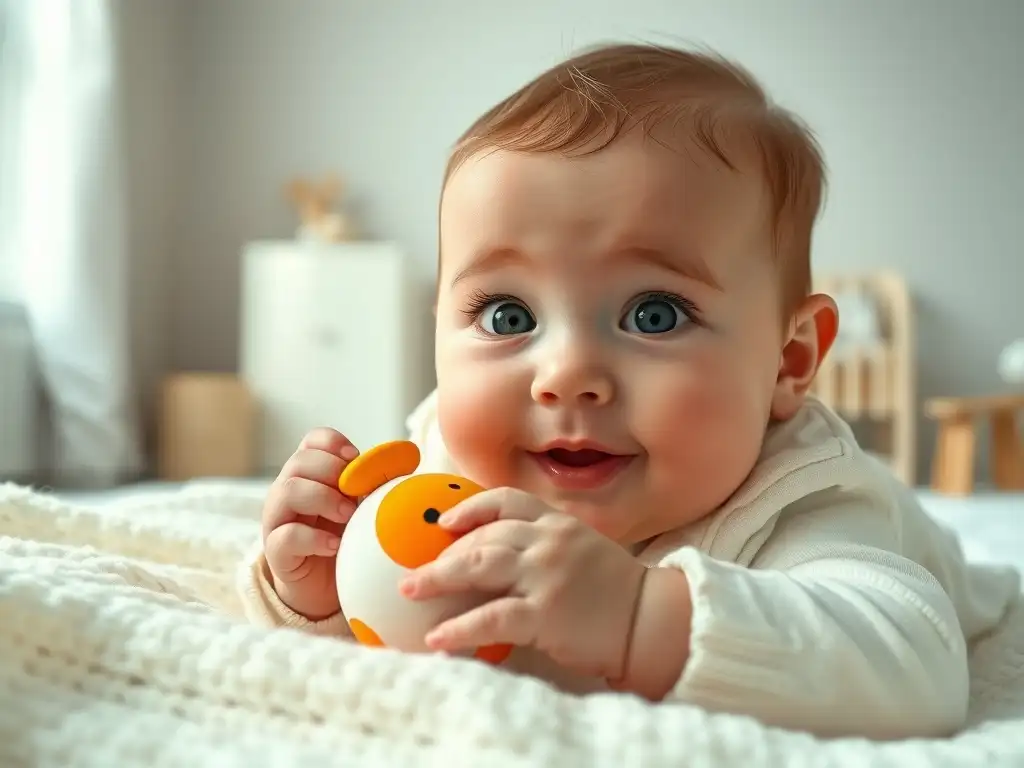
This period marks a significant leap in your baby's communication abilities. While they may not be saying words yet, their expressive repertoire expands dramatically, laying the groundwork for future language development. This stage is crucial for understanding the nuances of early baby communication first months signs. By actively engaging with your baby during this time, you'll strengthen your bond and foster their communication skills.
Increased Vocalizations: Babbling and the Development of Sounds
Between two and four months, you'll notice a significant increase in your baby's vocalizations. The initial cries and coos evolve into more complex sounds. This is the age of babbling – a crucial stage in language development. You'll likely hear a range of sounds, from simple vowel sounds like "ah" and "oo" to consonant combinations like "ba," "ga," and "ma." This isn't random noise; it's active experimentation with sounds, mimicking the sounds they hear from you and their environment. The frequency and complexity of their babbling will vary, but a gradual increase is a positive sign.
Think of it as their first attempt at conversation! 🗣️ They’re not just making sounds; they’re actively exploring the possibilities of their vocal cords and learning how to manipulate them. This stage is incredibly important for the development of their speech muscles and coordination. Research suggests that the more varied and responsive your interaction with their babbling, the more advanced their language skills will be later.
Observing these sounds carefully is part of understanding baby communication first months signs. Keep a journal or note the sounds your baby makes – you might even notice a preference for certain sounds or combinations. This helps track their progress and allows you to better understand their communication attempts.
Interactive Communication: Responding to Your Baby's Babbling
Responding to your baby's babbling is not just about making noises back; it's about engaging in a genuine back-and-forth interaction. When your baby makes a sound, respond with enthusiasm! Imitate their sounds, add your own, and use exaggerated facial expressions to show your engagement. This interactive communication is vital for their development.
For example, if your baby coos "goo," you might respond with "Goo goo ga ga! Did you say goo?" using a playful tone and a smile. This shows them that their sounds are being heard and understood, encouraging them to continue experimenting with sounds and communication. This positive reinforcement cycle is crucial for boosting their confidence and fostering their desire to communicate. Remember, this interactive communication is a key element of understanding baby communication first months signs and encouraging early language development.
Consider this simple table summarizing effective responses:
| Baby's Sound | Your Response | Effect |
|---|---|---|
| "ah" | "Ahhhhh, that's a lovely sound!" | Positive reinforcement, encourages repetition |
| "ba" | "Ba ba black sheep, have you any wool?" | Incorporates familiar sounds, playful interaction |
| Series of coos | Imitate the coos, adding your own variations | Shows engagement, encourages further vocalization |
| Gurgling sounds | "Are you telling me a story with those gurgles?" | Acknowledges the sound, promotes further communication |
This interactive process builds a strong foundation for future language development and strengthens the parent-child bond.
Understanding Facial Expressions: Joy, Sadness, and Frustration
Beyond vocalizations, your baby is also communicating through facial expressions. By two to four months, you'll likely see a wider range of emotions reflected on their faces. A wide, gummy smile signifies joy and contentment. A furrowed brow or downturned mouth can indicate sadness or frustration. Learning to recognize these subtle cues is crucial for understanding their needs and responding appropriately.
Understanding these facial expressions is a critical component of deciphering baby communication first months signs. For instance, a baby who is frustrated might be trying to communicate discomfort, hunger, or tiredness. Learning to distinguish between these expressions allows you to address their needs more effectively, leading to a calmer and more content baby.
Recognizing these emotional cues helps you build a stronger, more responsive relationship with your baby. It's not just about interpreting their expressions; it's about responding to them in a way that validates their feelings and helps them feel understood. This fosters trust and strengthens your bond. This emotional understanding is a crucial step in their social and emotional development and is another vital aspect of interpreting baby communication first months signs.
Between two and four months, a significant leap in your baby's communication occurs: the emergence of the social smile. Unlike the reflexive smiles seen in earlier weeks, triggered by internal states or physical sensations, the social smile is a deliberate response to external stimuli, most notably, the sight and sound of a familiar face, usually a parent or caregiver. This marks a crucial developmental milestone, signifying the baby's growing capacity for emotional connection and attachment.
It's a powerful indicator that your baby is recognizing you and forming a bond. The warmth and joy radiating from that smile is incredibly rewarding for parents, reinforcing the powerful connection you are building. Observing these smiles offers a deep sense of satisfaction and confirmation that your nurturing efforts are fostering healthy development.
These smiles aren't just fleeting expressions; they're actively engaged responses. You'll likely notice your baby holding the smile longer, perhaps even giggling or cooing in response to your interactions. The timing and intensity of the smiles can vary between babies, influenced by temperament and individual development. Some babies may display social smiles earlier, while others may take a little longer to reach this stage. This variability is completely normal; there's no need for concern unless other developmental milestones are significantly delayed.
The development of the social smile is intricately linked to the baby's growing understanding of social cues. They're beginning to recognize patterns in your face, voice, and touch, connecting these sensations to positive emotions. This is a fundamental step in building trust and security, laying the foundation for healthy emotional development throughout their life. The more you interact with your baby, engaging them with playful faces, sounds, and gentle touch, the more likely they are to respond with these delightful social smiles. It's a beautiful dance of reciprocal communication, strengthening the bond between parent and child.
Remember to cherish these moments – they are precious milestones in your baby's journey of communication and relationship building. These early interactions are essential for building a strong and loving relationship, and the social smile is a clear sign that your baby is thriving in your care. Enjoy this special time! 🎉
Baby Communication 4-6 Months: Building Blocks of Language
This period marks a significant leap in your baby's communication journey. While they may not be saying words yet, their ability to understand and express themselves is rapidly expanding. Between 4 and 6 months, babies are actively building the foundational blocks of language, refining their vocalizations, and demonstrating increasing comprehension. This stage is crucial for laying the groundwork for future language development, so paying close attention to your baby's cues is paramount.
Understanding these early signs of communication is key to fostering a strong parent-child bond and supporting your baby's developmental progress. This section focuses on the key milestones and signals you should watch for in this crucial window. We'll explore the sounds they make, their growing understanding of simple commands, and the emergence of intentional gestures.
Exploring Different Sounds: Consonants and Vowels
At 4-6 months, your baby's babbling becomes more complex. They're experimenting with a wider range of sounds, moving beyond simple vowel sounds like "ah" and "oo" to incorporate consonants. You might hear them combining these sounds, creating babbling sequences like "ba-ba-ba" or "ma-ma-ma." This isn't just random noise; it's active experimentation with the building blocks of speech. They are practicing the sounds they hear from you and others, refining their motor control over their vocal cords and mouth muscles. The variety and complexity of these sounds are important indicators of healthy language development.
Think of it like this: imagine learning a new musical instrument. Before playing a melody, you need to practice individual notes and scales. Your baby is doing the same with language – practicing the individual sounds that will eventually combine to form words and sentences. This stage is characterized by:
- Increased vocal experimentation: Expect a wider variety of sounds and more complex combinations.
- Turn-taking in vocalizations: You may notice your baby pausing after a babbling sequence, as if waiting for your response – a precursor to conversation.
- Responding to your vocalizations: Your baby might babble back to you, mirroring your tone and rhythm.
Responding to Simple Instructions: Early Comprehension
While your baby isn't understanding complex sentences, they are beginning to grasp simple instructions. By 6 months, many babies will start to respond to simple commands like "wave bye-bye" or "give me a kiss." This doesn't mean they fully understand the meaning of the words, but they are associating the sounds with specific actions. This is a powerful demonstration of their growing comprehension and their ability to connect verbal cues with physical responses. This receptive language development is just as important as their expressive language skills.
Remember that progress varies between babies, and some might be quicker to grasp these instructions than others. Don't worry if your baby doesn't respond immediately; consistent repetition is key. Here's what to look for:
- Following simple directions: Responding to requests like "come here" or "look at the toy."
- Anticipating routines: Showing signs of understanding when you start a familiar routine, like bath time or bedtime.
- Recognizing familiar words: Responding to their name or to the names of familiar people or objects.
Gestures and Pointing: Early Signs of Communication Intent
Around this age, intentional gestures begin to emerge as another crucial form of communication. Pointing, reaching, and other gestures show that your baby is actively trying to communicate their needs and desires. They might point to a toy they want, reach for you when they need comfort, or wave their hands to express excitement. These gestures are not just reflexes; they are deliberate attempts to engage with you and share their experiences. They represent a major step towards symbolic communication, where a gesture or sound stands in for a specific object or desire.
Observe these key developments:
- Purposeful pointing: Pointing to objects to draw your attention, rather than just randomly pointing.
- Reaching for objects: Actively reaching for objects they want, demonstrating intentionality.
- Using gestures to express emotions: Using gestures like waving or clapping to express happiness or excitement.
This period of development is filled with exciting milestones. By carefully observing your baby's communication attempts, you can provide a nurturing environment that fosters language growth and strengthens your bond. Remember, every baby develops at their own pace, so focus on celebrating their unique progress and providing consistent support and interaction. 🎉
Object Permanence and its Role in Communication
Between four and six months, babies begin to grasp the concept of object permanence – the understanding that objects continue to exist even when they can't be seen. This seemingly simple milestone is a giant leap forward in their communication development. Before this, if a toy disappeared from view, it essentially ceased to exist for the baby. Now, however, they begin to search for hidden objects, demonstrating a growing awareness of their surroundings and the things within it. This directly impacts communication because it lays the foundation for symbolic thought.
The baby starts to understand that a word or gesture can represent something that isn't physically present. For example, if you hide a toy under a blanket and say "Where's the teddy? ", the baby's search for the teddy demonstrates their understanding that the word "teddy" represents a specific object, even when it's out of sight. This burgeoning comprehension is crucial for future language acquisition and interaction. They are beginning to connect symbols (words, gestures) with objects and actions, paving the way for more complex communication in the months to come.
The development of object permanence isn't just about finding hidden toys; it's about building the cognitive framework necessary for understanding and using language effectively. This stage marks a significant transition from purely sensory-based interactions to more abstract and representational communication. Observing a baby's attempts to find a hidden object, their level of persistence, and their reactions when successful or unsuccessful, offers valuable insights into their cognitive development and their readiness for more sophisticated communication exchanges. This is a critical period for parents to engage in interactive play, using gestures, sounds, and simple words to reinforce the connection between objects and their labels. This active engagement helps solidify the baby's understanding of object permanence and accelerate their language development.
Baby Communication 6-12 Months: The First Words
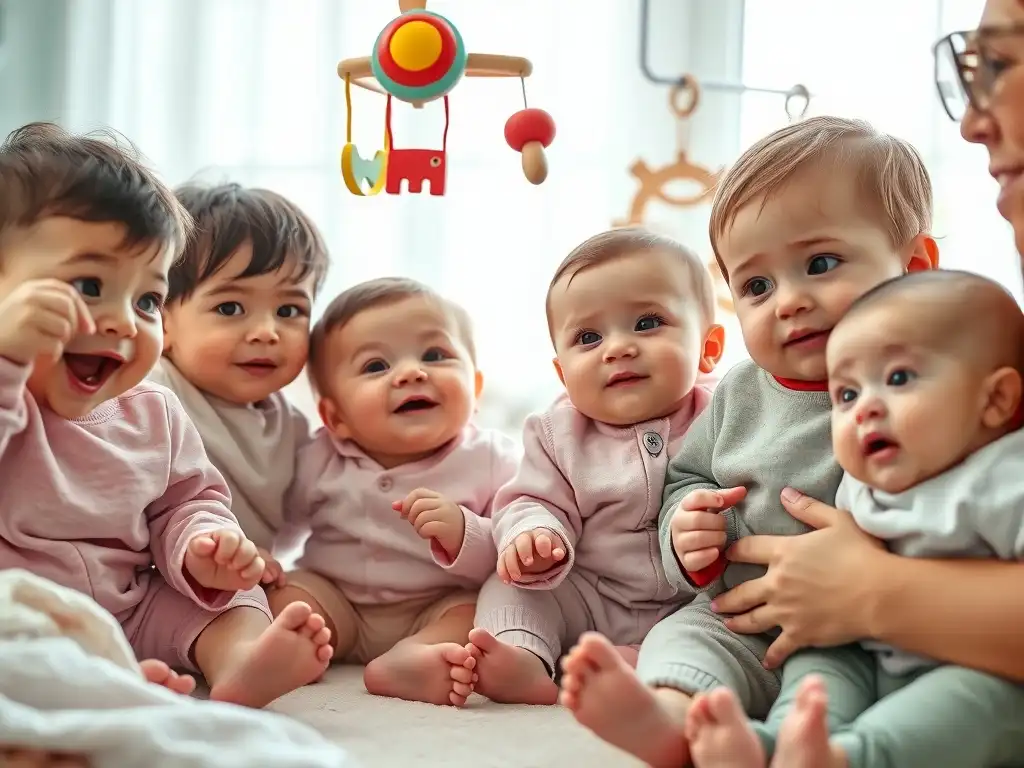
This phase marks a significant leap in your baby's communication journey. Between six and twelve months, you'll witness the exciting emergence of their first words, a milestone signifying incredible cognitive and linguistic development. While the exact timing varies greatly between babies, understanding the typical progression and how to nurture this crucial stage is key for parents. Remember, every baby develops at their own pace; there's no need for comparison. Focus on celebrating your little one's unique achievements.
Understanding Simple Words: Building Vocabulary
From babbling to actual words, the transition is gradual but remarkable. Initially, your baby might understand simple words like "mama," "dada," "bye-bye," and "no" long before they can produce them. This receptive language is crucial; it shows they're actively processing and absorbing the sounds around them. You can test their comprehension by pointing at objects and saying their names, observing their reactions. Do they look at the correct object?
Do they seem to understand your instructions, even simple ones like "give me the ball"? Positive responses indicate a strong foundation for future language acquisition. Around 9-12 months, you might start to hear their first attempts at mimicking these words, often simplified or with endearing mispronunciations. This is a beautiful stage that strengthens the parent-child bond. Remember to respond enthusiastically to every attempt, regardless of how clear it sounds.
This positive reinforcement is vital in encouraging further vocalizations. For example, if your baby points at their bottle and makes a gurgling sound, you could say, "Yes, you want your bottle! Good job!" This simple interaction significantly boosts their confidence and encourages continued learning.
First Words and Their Significance: Milestones in Language Development
The emergence of the first words is a significant milestone in a baby's development, marking a shift from pre-linguistic communication to symbolic language. This achievement reflects several key developmental processes, including cognitive development, social interaction, and motor skill refinement. The first few words are often related to familiar people or objects in their daily lives, such as "mama," "dada," "ball," or "dog." The order and timing of these words vary greatly between children, yet they all carry immense value.
These initial utterances are not just random sounds; they represent a baby's growing ability to associate meaning with symbols. It's a remarkable cognitive leap that lays the groundwork for more complex language skills in later years. The frequency and clarity of these first words can be influenced by various factors, including the richness of their linguistic environment, their overall health, and their individual temperament. While some babies might be more vocal than others, consistent exposure to language is crucial for language development.
| Word Type | Example Words | Significance |
|---|---|---|
| People | Mama, Dada, Grandma, Baby | Demonstrates recognition and attachment to important figures. |
| Objects | Ball, Car, Bottle, Dog | Shows understanding of objects and their properties. |
| Actions | Bye-bye, Up, Go | Indicates comprehension of actions and their associated words. |
| Emotional States | Uh-oh, Ouch | Reveals an understanding of basic emotions and self-expression. |
Encouraging Language Development: Interactive Play and Reading
Actively participating in your baby's linguistic journey is essential. Interactive play and regular reading sessions are fantastic ways to stimulate language development during these crucial first months. Think of it as planting seeds for future communication skills.
- Interactive Play: Engage in games that involve sounds and actions. Sing songs, play peek-a-boo, and use simple gestures while naming objects. For instance, while playing with blocks, you could say, "Let's build a tower! This is a red block, and this is a blue block." The repetition and association with actions help reinforce word meanings. Make it fun! Use exaggerated facial expressions and playful tones.
- Reading: Start reading to your baby early and often. Even infants respond positively to the rhythm and intonation of your voice. Choose books with colorful pictures and simple words. Point at the pictures and name them, encouraging your baby to participate. Even if they don't understand the words, they're absorbing the sounds and patterns of language. This lays the foundation for reading comprehension later on. Reading aloud also fosters a loving bond and creates a positive association with books and learning.
Remember, patience and consistency are key. Celebrate every milestone, no matter how small. Your enthusiasm and encouragement will significantly impact your baby's language development journey, shaping their communication skills for years to come. Enjoy this special time of connection and growth! 🎉
Communicating Through Gestures and Pointing: Expanding Communication Methods
Between six and twelve months, your baby's communication skills blossom dramatically. While they may not be saying words yet, their ability to communicate through gestures and pointing becomes incredibly sophisticated. This is a crucial step in their language development, laying the groundwork for future verbal communication. Think of it as their first foray into symbolic thinking – understanding that a gesture or point represents a specific object, person, or action.
For example, instead of crying incessantly when they want their bottle, they might start pointing towards it, or even reaching for it with a determined look. This intentional communication is a significant milestone. They are actively trying to tell you what they want and need, rather than relying solely on crying as a means of expression. This increased intentionality in communication is a beautiful thing to witness.
Observe closely how your baby uses pointing. Are they pointing to request something (like a toy)? Are they pointing to share something they find interesting (like a bird outside the window)? Both are important indicators of their developing understanding of communication. Pointing to request is a clear sign of developing language skills, while pointing to share shows social-emotional development and awareness of others.
This period also sees the emergence of more complex gestures. They might shake their head "no" definitively, wave "bye-bye," or clap their hands in delight. These gestures aren't just random movements; they are intentional acts of communication, expressing a range of emotions and desires. Responding enthusiastically to these gestures strengthens the communication bond and encourages your baby to continue using them. It's a positive feedback loop that accelerates their language acquisition.
The development of pointing and gesturing isn't just about the baby's physical ability to perform these actions; it's also about their cognitive understanding of how these actions convey meaning. This is a complex developmental leap that demonstrates a growing understanding of symbolic representation—a key aspect of language development. This foundational understanding paves the way for more advanced communication skills in the months and years to come. The more you respond to their gestures and encourage their attempts at communication, the faster they will learn and grow.
Beyond the First Year: Continued Language Development
This section focuses on the exciting advancements in your baby's communication skills beyond the initial months, building upon the foundational understanding of early cues. While the first few months are crucial for establishing basic communication, the journey continues with remarkable leaps in language development throughout the first year and beyond. This period sees a rapid expansion of vocabulary, improved comprehension, and the development of more complex communication strategies.
Understanding these milestones helps parents provide optimal support for their child's linguistic growth, fostering a strong foundation for future communication success. Remember, every child develops at their own pace, and variations are perfectly normal.
Developing Sentences: Putting Words Together
Around 18 months to 2 years, babies begin to combine words into simple sentences. This isn't just about stringing words together randomly; it reflects a growing understanding of grammar and syntax. Initially, these sentences might be telegraphic – "Mommy go," or "Doggy eat" – missing articles and auxiliary verbs. However, this marks a significant cognitive leap. They are starting to understand the relationships between words and how they function together to convey meaning. For example, the sentence "Mommy go store" demonstrates an understanding of subject-verb-object structure, even if simplified.
This stage is characterized by a rapid expansion of vocabulary. Parents can actively support this by engaging in frequent conversations, reading books aloud, and using simple, clear language. Encourage your toddler to name objects, describe actions, and tell simple stories. Using flashcards or interactive apps can also be beneficial, but remember that real-world interaction remains paramount. The more opportunities your child has to practice using language in context, the faster their skills will develop. Remember to celebrate every small success – every new word learned and every attempt at forming a sentence is a milestone worth cherishing.
Understanding Complex Instructions: Growth in Comprehension
Parallel to the development of expressive language (speaking) is receptive language (understanding). As your baby progresses, their comprehension of language significantly expands. While initially they might only understand simple commands like "wave bye-bye" or "give me the ball," they will soon begin to grasp more complex instructions. This progress is often subtle but noticeable. For instance, instead of simply following a single command, they may start following a sequence of instructions, such as "Pick up your toys and put them in the box."
This increased comprehension is crucial for learning and social interaction. It allows them to participate in more complex activities, follow routines, and understand stories. By age two, many toddlers can understand and respond to questions about their environment, showing a deeper understanding of concepts and relationships. Providing opportunities for interactive play, reading stories, and engaging in conversations that involve following instructions significantly contributes to this development. Observe your child's responses to instructions; this will provide valuable insights into their comprehension level and help you tailor your interactions accordingly.
Social interaction is the cornerstone of language development. Babies learn language by interacting with caregivers, siblings, and other individuals. The back-and-forth of conversation, the shared attention during storytelling, and the emotional connection forged during these interactions are all essential for language acquisition. The more opportunities a child has to engage in meaningful social interaction, the richer their language development will be. This isn't just about the quantity of interaction but also the quality.
Consider the following:
| Interaction Type | Impact on Language Development | Example |
|---|---|---|
| Joint Attention | Fosters understanding of shared focus and meaning of words. | Pointing at an object and naming it together. |
| Conversational Turn-Taking | Develops communication skills and understanding of dialogue. | Engaging in back-and-forth conversation. |
| Shared Reading | Enhances vocabulary and comprehension through storytelling. | Reading books together and discussing the story. |
| Play-Based Interaction | Promotes language use in a fun and engaging context. | Playing games that involve language. |
Engaging in these types of interactions provides a rich and stimulating environment for your baby's linguistic growth. Remember that responsive and attentive communication from caregivers is vital. Responding to your baby's attempts at communication, even if they are just gurgles and babbles, shows that you value their attempts and encourages further communication. This positive reinforcement is key to fostering a lifelong love of language and communication. The journey of baby communication is a continuous process of learning and growth, shaped by the nurturing environment you create.
Supporting Your Child's Communication Journey: Ongoing Strategies
Even after the first year, supporting your child's communication development remains crucial. The rapid growth in language skills continues, and consistent engagement from caregivers is key. This doesn't mean intensive tutoring; it means weaving communication into your daily routines. Think of it as a natural, ongoing conversation, rather than a structured lesson.
One effective strategy is expanding on your child's utterances. If your toddler points at a dog and says "doggie," you can respond with, "Yes, that's a big, fluffy doggie! He's wagging his tail." This expands their vocabulary and introduces more complex sentence structures. Remember to use clear, simple language, avoiding baby talk that can hinder later language acquisition. Studies show that children exposed to richer vocabulary and complex sentence structures from an early age tend to develop stronger language skills. 1
Another important aspect is reading aloud. Regular story time is more than just entertainment; it's a powerful tool for vocabulary building, comprehension development, and fostering a love of books. Choose books with vibrant illustrations and engaging narratives, and encourage your child to participate by pointing at pictures or asking questions. Even if your child isn't yet speaking fluently, they are learning through listening and observation. Interactive reading sessions, where you pause to ask questions like, "Where's the cat?" or "What's the bear doing? ", actively involve your child and promote language development.
Furthermore, singing songs and reciting rhymes offers significant benefits. The rhythm and repetition help children internalize language patterns and expand their vocabulary in a fun and engaging way. Nursery rhymes, in particular, are packed with language-rich content, introducing new words and phrases in a memorable format. This playful approach to language learning makes it less of a chore and more of an enjoyable experience, promoting a positive attitude towards communication. This positive association is crucial for long-term language development and confidence.
Finally, remember the power of patient and responsive communication. Actively listen to your child, even if their communication is nonverbal. Pay close attention to their gestures, facial expressions, and vocalizations. Respond appropriately to their attempts to communicate, even if it's just a gurgle or a point.
This shows your child that their efforts are valued and encourages them to continue communicating. This responsive communication style builds a strong foundation for future communication and strengthens your bond with your child. Consider keeping a communication journal to track your child's progress and identify any potential areas needing extra support. This proactive approach can help you celebrate their milestones and address any concerns early on.
1 [Citation needed: Specific study on the impact of rich vocabulary and complex sentence structures on early language development]
Supporting Your Baby's Communication: Practical Tips for Parents
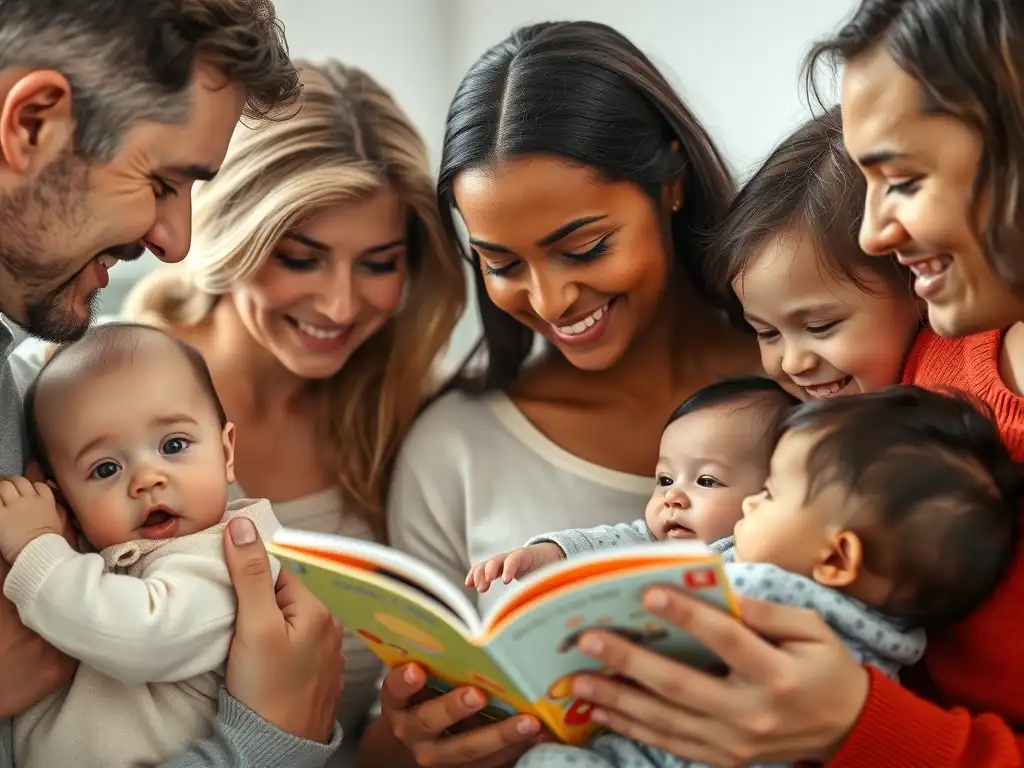
This section focuses on practical strategies parents can use to foster communication development in their babies during those crucial first months. Understanding your baby's communication, even before they can speak, is a cornerstone of healthy parent-child bonding and crucial for their overall development. These tips are designed to be easily integrated into your daily routine, maximizing the impact on your little one's communication skills. Remember, consistency and patience are key in this journey.
Creating a Stimulating Environment: Encouraging Interaction
A stimulating environment plays a pivotal role in a baby's communication development. From birth, babies are absorbing information from their surroundings. Creating an environment rich in sights, sounds, and textures directly impacts their ability to process information and later express themselves. Think of it as laying the groundwork for future language acquisition.
Consider these practical steps:
- Visual Stimulation: Hang brightly colored mobiles above the crib, rotate toys regularly, and use high-contrast patterns (black and white, or red and white). This helps develop visual tracking skills, a precursor to following conversations and focusing attention.
- Auditory Stimulation: Talk, sing, and read aloud to your baby frequently. Use varied tones and inflections to keep them engaged. Playing soft music can also be soothing and stimulating. Remember, even newborns respond to the sound of your voice.
- Tactile Stimulation: Offer a variety of textures for your baby to explore – soft blankets, crinkly toys, and smooth surfaces. This develops their sensory awareness and helps them understand cause and effect (touching something and feeling a response).
- Interactive Play: Engage in simple games like peek-a-boo, patty-cake, and making funny faces. These interactions teach turn-taking, a fundamental aspect of communication. Observe your baby's reactions; their engagement is a positive sign.
Reading to Your Baby: The Power of Storytelling
Reading to your baby, even from a very young age, is a powerful way to stimulate language development. It's not just about the words; it's about the rhythm, the intonation, and the shared experience. The act of reading helps build a strong bond between parent and child, and the exposure to language lays the foundation for future literacy.
Here's how to make the most of reading time:
- Start Early: Begin reading to your baby from birth. Even newborns respond to the sound of your voice and the rhythm of your words.
- Choose Engaging Books: Select books with bright colors, simple words, and repetitive phrases. Board books are ideal for little hands.
- Use Different Voices: Vary your tone and pitch to make the story more interesting. Use expressive facial expressions to convey emotion.
- Point to Pictures: Point to the pictures in the book as you name them. This helps your baby connect words with images.
- Make it Interactive: Ask your baby questions, even if they can't answer yet. This encourages interaction and participation. For example, "Where's the doggy?" while pointing to the image. Observe their engagement – are they looking at you, at the book, at the image?
Singing Songs and Rhymes: Developing Language Skills
Singing songs and rhymes is another enjoyable and effective way to support your baby's communication development. The repetitive nature of songs and rhymes helps babies learn patterns and rhythms, which are essential for language acquisition. The melodic quality also stimulates brain development and creates positive associations with language learning.
Consider these approaches:
- Nursery Rhymes: Classic nursery rhymes are packed with rhythm, rhyme, and repetition, making them perfect for babies. "Twinkle Twinkle Little Star," "Itsy Bitsy Spider," and "Wheels on the Bus" are great starting points.
- Action Songs: Songs that involve actions, such as "Head, Shoulders, Knees, and Toes," enhance engagement and coordination.
- Simple Songs: Create your own simple songs about everyday activities, like bath time or feeding time.
- Sing Often: Sing to your baby throughout the day, during playtime, bath time, or even while changing diapers. Consistency is key.
- Observe their Reactions: Pay attention to your baby's reactions to the songs. Do they seem engaged, or do they lose interest quickly? Adjust your approach accordingly. Their responses are valuable feedback. This helps you tailor your approach to their preferences and developmental stage. Remember, every baby develops at their own pace.
Remember, observing your baby's cues and responding appropriately is crucial. Every smile, gurgle, and coo is a step in their communication journey. By actively engaging with your baby and creating a nurturing environment, you’re laying a strong foundation for their future communication skills and overall development.
Engaging in Play: Interactive Communication Through Activities
Engaging in playful interactions is crucial for fostering your baby's communication skills during their first months. Play isn't just about fun; it's a powerful tool for stimulating language development and strengthening your bond. Newborns, while seemingly passive, are actively absorbing information from their environment and responding to your cues. Even simple actions can have a profound impact.
For instance, during tummy time, narrate what your baby is doing. "You're kicking your legs! Look at you go!" This simple act of verbalizing their actions helps them connect sounds with movements, laying the foundation for language acquisition. Similarly, while playing with rattles or soft toys, describe the colors, textures, and sounds. "This is a red ball, it's so soft! Listen to the rattle!" This repetitive exposure to language helps them build vocabulary and understand the relationship between objects and words.
As your baby grows, incorporate more interactive games. Peek-a-boo is a classic for a reason! It teaches object permanence (understanding that something still exists even when it's out of sight) and develops anticipation and excitement, crucial elements in communication. Simple songs and rhymes, like "Itsy Bitsy Spider," provide rhythmic patterns that are soothing and help develop their auditory skills. Remember to maintain eye contact and use expressive facial features to enhance the experience. Your enthusiastic participation is as important as the activity itself.
Remember to tailor your play activities to your baby's developmental stage. What might be engaging at one month might be too simple at three months. Observe your baby's reactions and adjust accordingly. If they seem disinterested, try a different activity. If they are highly engaged, extend the playtime.
The key is to create a positive and stimulating environment where your baby feels safe to explore and express themselves. This playful interaction is a cornerstone of healthy communication development, building a strong foundation for future language acquisition and social interaction. The joy you share during playtime is invaluable in strengthening your bond and nurturing your baby's burgeoning communication abilities. This continuous engagement lays the groundwork for future conversations and helps them understand the world around them through the lens of interaction and shared experience.
When to Seek Professional Help: Identifying Potential Delays
Understanding your baby's communication development is crucial during those precious first months. While every baby develops at their own pace, recognizing potential delays is vital for ensuring they receive the support they need to thrive. This section focuses on identifying early signs that warrant professional evaluation, guiding you through the process of seeking help, and highlighting the importance of early intervention. Remember, early intervention is key for optimal development. This is especially important when considering the keyword phrase "baby communication first months signs".
Recognizing Early Signs of Communication Delays
During the first few months, babies begin to communicate through subtle cues. While some variations are normal, certain signs might indicate a potential delay requiring professional assessment. These signs often appear subtly and may not be immediately obvious. Therefore, careful observation is crucial.
Some red flags to watch for include:
- Lack of response to sounds: A baby who doesn't seem to react to loud noises or voices, even when directly addressed, could be a cause for concern. This is especially true if the lack of response persists past the first few weeks.
- Limited eye contact: While newborns may not maintain prolonged eye contact, a consistent lack of even brief eye contact, particularly when interacting with caregivers, can be a sign.
- Absence of babbling or vocalizations: Most babies begin to babble and coo around 4-6 months. A significant delay in producing any sounds could indicate a potential communication delay.
- Difficulty following simple instructions: By 6-9 months, babies usually begin to respond to simple commands such as "wave bye-bye" or "come here." A consistent inability to do so can be a concern.
- Limited range of facial expressions: Babies use facial expressions to communicate their emotions. A restricted range of expressions might suggest a potential issue.
It's important to remember that these are just potential indicators. A single sign doesn't necessarily mean there's a problem. However, the presence of multiple signs or significant concern on your part warrants professional consultation. Remember, early detection is crucial for effective intervention.
Seeking Support from Professionals: Speech Therapists and Pediatricians
If you notice any of the aforementioned signs, seeking professional help is crucial. Two key professionals can provide valuable support: speech-language pathologists (SLPs) and pediatricians.
- Speech-Language Pathologists (SLPs): SLPs are experts in communication development and can assess your baby's communication skills thoroughly. They can identify potential delays, diagnose communication disorders, and develop individualized intervention plans. They are trained to recognize subtle nuances in a baby’s communication development.
- Pediatricians: Your pediatrician is the first point of contact for any health concerns, including developmental milestones. They can conduct initial assessments, refer you to specialists like SLPs if needed, and offer guidance on supporting your baby's communication development. They can also help rule out any underlying medical conditions that may be contributing to communication difficulties.
Don't hesitate to reach out to your pediatrician or an SLP if you have any concerns. Early intervention can significantly impact a child's communication skills and overall development. A proactive approach is always beneficial. The earlier you seek help, the sooner your baby can receive the support they need.
Early Intervention: The Importance of Timely Support
Early intervention programs are designed to provide support to babies and toddlers who are experiencing developmental delays, including communication delays. These programs typically involve a multidisciplinary team of professionals, including SLPs, occupational therapists, and developmental pediatricians. The goal is to identify and address developmental challenges as early as possible, maximizing the chances of positive outcomes.
The benefits of early intervention are substantial:
- Improved Communication Skills: Early intervention can significantly improve a child's language skills, vocabulary, and overall communication abilities.
- Enhanced Cognitive Development: Improved communication often leads to better cognitive development, as language is a crucial tool for learning and problem-solving.
- Improved Social-Emotional Development: Effective communication is essential for building healthy relationships and navigating social situations.
- Reduced Long-Term Challenges: Early intervention can minimize the long-term impact of communication delays, reducing the likelihood of future academic or social difficulties.
Early intervention services are often available through your local school district or early childhood development centers. Don't hesitate to inquire about these services if your baby is diagnosed with a communication delay. Remember, seeking help early is an act of love and support, giving your child the best possible chance for a bright future. Early identification and intervention are paramount in addressing "baby communication first months signs."
Frequently Asked Questions
How do babies communicate in their first few months?
Babies primarily communicate through nonverbal cues in their first months. Look for crying with different tones, facial expressions, and body language to understand their needs. Learning to interpret these signals is crucial.
What are some early signs of communication development in babies?
Early signs include eye contact, smiling, cooing, and babbling. These are milestones indicating healthy communication development. Responding to these cues strengthens the bond and encourages further communication.
How can I encourage communication with my baby during the first months?
Talking, singing, and reading to your baby, even if they don't understand the words, stimulates their brain and encourages communication. Face-to-face interaction and responding to their cues promptly are also vital.
When should I be concerned about my baby's communication development?
If your baby shows little to no response to sounds or faces, or lacks basic nonverbal communication by 4-6 months, consult a pediatrician. Early intervention is key for addressing any potential developmental delays.
Are there any specific tools or resources to help me understand my baby's communication?
Many resources are available, including books, websites (like BabyCareHub!), and apps dedicated to baby development and communication. Your pediatrician can also provide valuable guidance and referrals to specialists if needed.
Final Reflection: Unlocking the Language of Love: A Lifetime of Connection
Understanding infant communication in those crucial first months is not merely about deciphering cries; it's about building the foundation for a lifetime of meaningful connection. The ability to recognize and respond to your baby's earliest attempts at communication profoundly shapes their development and the parent-child bond. This understanding is more crucial now than ever, in a world often demanding instant gratification and overlooking the subtle nuances of nonverbal interaction.
The impact of early communication extends far beyond the first year. The secure attachment fostered by responsive parenting in these early months lays the groundwork for emotional intelligence, social skills, and overall well-being throughout life. The most important thing a father can do for his children is to love their mother.
This sentiment, while traditionally focused on the parental relationship, highlights the crucial role of responsive communication in creating a secure and loving environment that benefits the child immeasurably. The ripple effect of these early interactions shapes not only the child's development but also the family dynamic for years to come.
Now, consider your own experiences with communication, both as a child and as a parent (or future parent). Reflect on the moments of connection you cherish, and consider how those moments were built upon the foundation of understanding and responsiveness. What small gestures or subtle cues did you miss? How can you be more attuned to the nonverbal communication of those around you, especially the youngest and most vulnerable members of your community? Embrace the journey of learning and growing together, nurturing the language of love that will enrich your lives for years to come.
Unlock Your Baby's Communication Potential!
Thank you for joining us on this journey into the wonderful world of baby communication! We hope you've gained valuable insights into understanding and fostering your child's development. Now it's time to put that knowledge into practice.
- Maintain a communication journal: Record your baby's developmental milestones, sounds, and gestures. This personalized record will become a treasured keepsake and a valuable tool for tracking progress.
- Engage in interactive playtime: Dedicate time each day to playful activities that stimulate communication – singing songs, reading books, and imitating sounds. This strengthens your bond and encourages development.
- Connect with other parents: Join our online community forum to share your experiences, successes, challenges, and tips with other parents. Let's learn and grow together!
Ready to embark on this exciting adventure with your little one? What's the first communication milestone you're most excited to see?