
Sensory Play with Music: Introducing Sounds and Rhythms to Baby

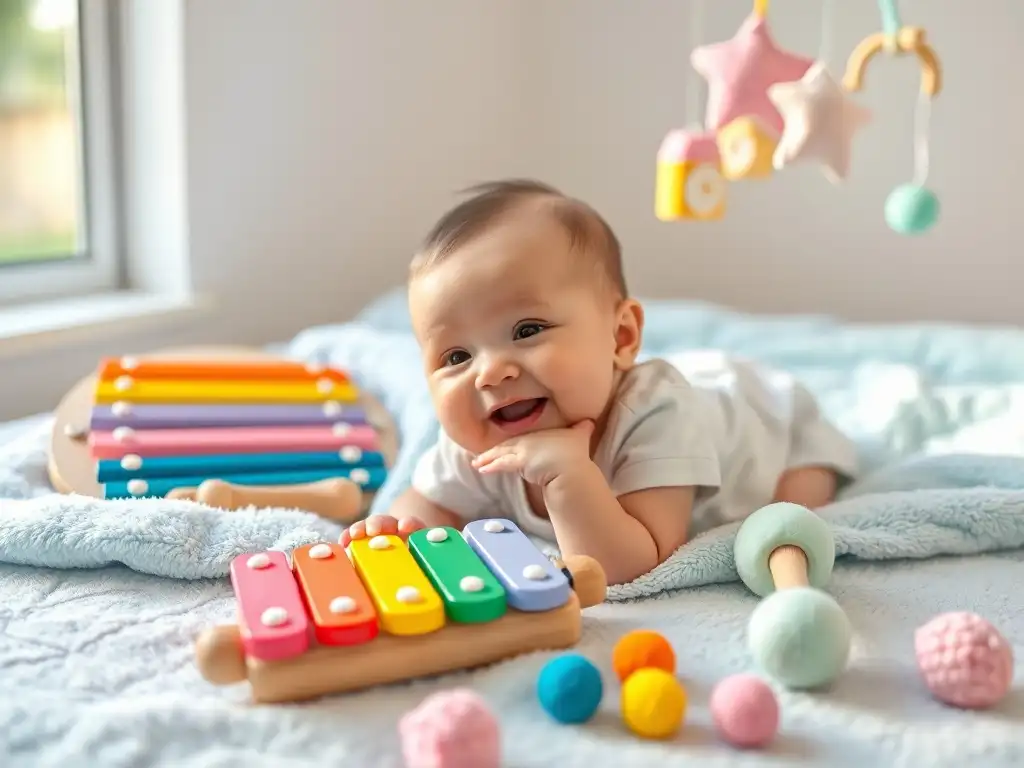
Welcome to BabyCareHub, your ultimate guide to navigating the incredible journey of parenthood! Are you ready to unlock your baby's world of wonder? We're diving deep into the fascinating realm of baby sensory development, and this article on Baby sensory music play ideas is the perfect starting point. Discover how the power of sound and rhythm can stimulate your little one's brain and foster crucial developmental milestones. Prepare to be amazed by the simple yet profound impact of music on your baby's growth – let's explore together!
- Understanding the Benefits of Music for Baby Sensory Development
-
Baby Sensory Music Play Ideas: A Step-by-Step Guide
- Setting the Stage for a Musical Sensory Experience: Creating a Safe and Stimulating Environment
- Introducing Simple Sounds and Instruments: Rattles, Bells, and Shakers
- Exploring Rhythms and Movement: Dancing and Singing with Your Baby
- Interactive Music Play: Responding to Your Baby's Cues and Preferences
- Using Music to Soothe and Calm Your Baby: Lullabies and Gentle Melodies
- Adapting Sensory Music Play to Your Baby's Age and Development
- Safety Considerations for Sensory Music Play with Babies
- Expanding Your Baby's Musical Sensory Experiences
-
Frequently Asked Questions
- What is sensory music play, and why is it important for babies?
- How can I incorporate sensory music play into my baby's daily routine?
- What types of music are best for babies during sensory play?
- At what age can I start sensory music play with my baby?
- What are some simple sensory music play ideas I can try at home?
- Final Reflection: The Enduring Power of Sensory Music Play
- Unlock Your Baby's Musical Potential!
Understanding the Benefits of Music for Baby Sensory Development
Introducing your little one to the world of sound and rhythm through sensory music play is a fantastic way to foster their development. This article delves into the fascinating connection between music, sensory stimulation, and a baby's burgeoning brain. We'll explore the numerous benefits of incorporating music into your baby's playtime, providing you with practical and age-appropriate ideas to enrich their sensory experiences.
From the gentle melodies that soothe and comfort to the lively rhythms that encourage movement and interaction, music offers a powerful tool for stimulating your baby's cognitive, emotional, and physical growth. This comprehensive guide will equip you with the knowledge and inspiration to create engaging and enriching musical sensory play experiences for your baby, helping them thrive in their early developmental stages.
We'll cover everything from choosing the right kind of music to adapting activities to your baby's age and developmental stage, ensuring a fun and beneficial experience for both you and your little one. Let's embark on this musical journey of discovery together!
The Power of Sound in Early Brain Development
A baby's brain undergoes rapid development during their first few years of life. Exposure to music during this crucial period can significantly impact their cognitive abilities. Studies have shown that music stimulates various areas of the brain, enhancing memory, language acquisition, and problem-solving skills. The rhythmic patterns and melodic structures in music help to organize neural pathways, creating a stronger foundation for future learning. Moreover, the emotional impact of music cannot be overlooked.
Soothing melodies can calm a fussy baby, while upbeat rhythms can encourage engagement and interaction. This positive emotional connection further strengthens the brain's development, creating a positive feedback loop that enhances learning and overall well-being. Think of it like this: music provides a rich, stimulating environment that helps your baby's brain build essential connections, laying the groundwork for a lifetime of learning and growth. 👶🎶
How Music Stimulates Sensory Integration in Infants
Sensory integration is the process by which the brain organizes and interprets information from the senses. Music plays a vital role in this process, stimulating multiple senses simultaneously. For example, listening to music engages the auditory sense, while dancing or moving to the rhythm involves the kinesthetic sense (body awareness).
The visual elements of musical instruments or accompanying videos further stimulate the visual sense. This multi-sensory experience enhances the brain's ability to process information efficiently and effectively. The combination of sounds, movements, and visuals creates a rich sensory landscape that engages your baby's attention and promotes healthy brain development.
Furthermore, the predictable patterns in music can help babies develop a sense of timing and rhythm, which is crucial for future motor skill development and coordination. Consider the impact of a simple lullaby – the soothing melody calms the auditory system, while the gentle rocking motion engages the vestibular system (balance and spatial orientation). This integrated sensory experience promotes relaxation and sleep.
Choosing Age-Appropriate Musical Sensory Activities for Babies
The key to successful sensory music play is tailoring activities to your baby's developmental stage. Newborns (0-3 months) respond best to gentle, soothing melodies and simple sounds. Think soft lullabies, nature sounds, or classical music played at a low volume. For infants (4-12 months), you can introduce more interactive activities, such as shaking rattles to the rhythm of music or playing simple musical instruments like xylophones or drums.
Always supervise your baby during playtime and ensure that all instruments are age-appropriate and safe. Remember to observe your baby's cues; if they seem overwhelmed or disinterested, take a break and try again later. As your baby grows, you can gradually introduce more complex musical experiences, such as singing songs together, dancing to different genres of music, or attending baby music classes. The possibilities are endless!
The goal is to create a fun and engaging environment where your baby can explore the world of sound and rhythm at their own pace. Remember, the most important aspect is to enjoy this special bonding time with your little one. 💖
Baby Sensory Music Play Ideas: A Step-by-Step Guide
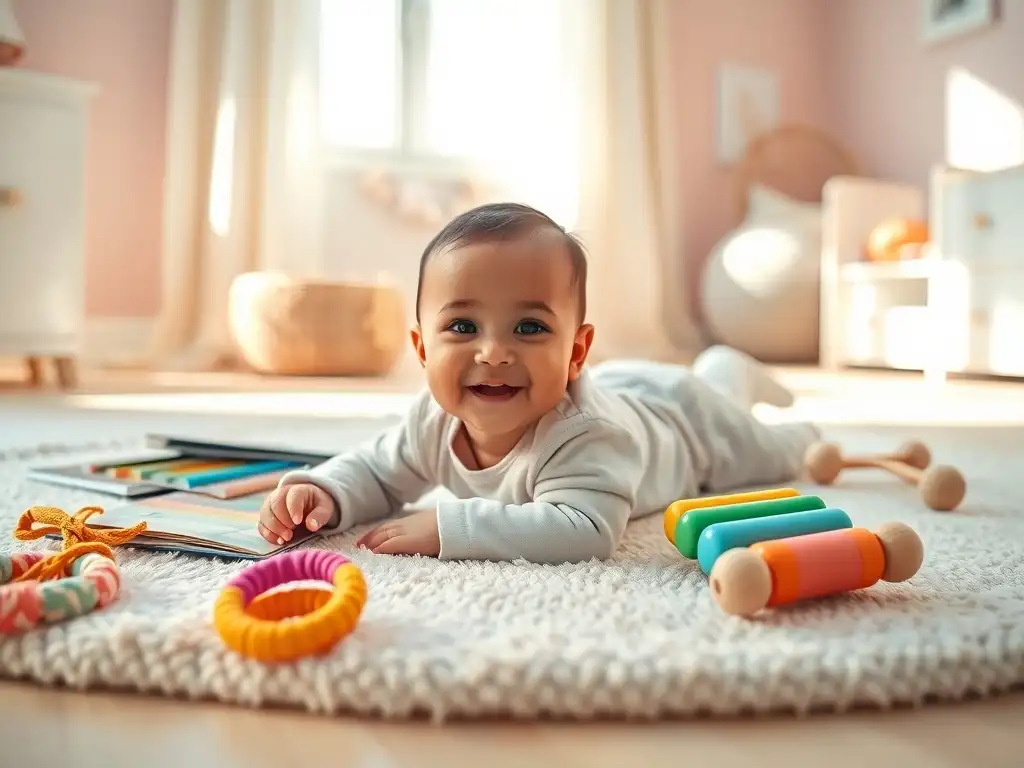
This section delves into practical, engaging ways to introduce your baby to the wonderful world of music and sound, fostering their sensory development and creating positive bonding experiences. Remember, always prioritize safety and adapt activities to your baby's individual developmental stage and responses. We'll explore age-appropriate musical sensory play ideas, perfect for enriching your baby's early experiences.
Setting the Stage for a Musical Sensory Experience: Creating a Safe and Stimulating Environment
Creating the right atmosphere is crucial for a successful musical sensory play session. Think about it like this: you wouldn't try to teach a child to swim in a blizzard! Similarly, a chaotic or overly stimulating environment can overwhelm your little one.
First, safety is paramount. Ensure the play area is free from hazards: no loose objects they could choke on, sharp corners, or anything that could easily topple. A soft mat or blanket on the floor provides a comfortable and safe surface for tummy time or playtime.
Next, consider the lighting. Soft, diffused lighting is preferable to harsh, bright lights. Dim the lights slightly, or use a lamp with a warm, gentle glow. This creates a calming environment conducive to focused attention.
Finally, minimize distractions. Turn off the television, put your phone away, and focus your attention entirely on your baby. Your undivided attention is the most valuable gift you can offer during this sensory experience. This dedicated time fosters a strong bond and helps your baby feel secure and loved. Even subtle cues like a soft smile or gentle touch can enhance the experience and make it more positive.
A well-prepared environment allows for a more focused and enjoyable experience for both you and your baby. Remember, the goal is to create a space where your baby feels safe, comfortable, and excited to explore the world of sound.
Introducing Simple Sounds and Instruments: Rattles, Bells, and Shakers
Babies are naturally drawn to simple, repetitive sounds. Start with basic instruments like rattles, bells, and shakers. These offer a variety of textures and sounds, stimulating their tactile and auditory senses simultaneously.
- Rattles: Choose rattles with different weights and textures. A lightweight rattle will produce a softer sound, while a heavier one will create a more pronounced sound. Notice your baby’s reaction to the different sounds and textures. Do they prefer the soft rattle or the loud one? This helps you tailor future sessions to their preferences.
- Bells: Bells offer a clearer, more melodic sound than rattles. Experiment with different types of bells – jingle bells, small hand bells – to see which ones your baby responds to best. Try shaking them gently at first, then gradually increase the intensity.
- Shakers: Homemade shakers are a fantastic and inexpensive option. Fill small, empty containers (like plastic Easter eggs or small jars) with rice, beans, or pasta. Seal them tightly to prevent spills and ensure safety. The different fillings create varied sounds, adding another layer of sensory exploration.
Remember to always supervise your baby during playtime and ensure they don’t put the instruments in their mouth. Introduce one instrument at a time to avoid overwhelming your baby. Observe their reactions and adjust the pace and intensity of the sounds based on their responses. This interactive approach makes the experience more engaging and enjoyable.
Exploring Rhythms and Movement: Dancing and Singing with Your Baby
Beyond simple sounds, introducing rhythms and movement adds another dimension to sensory musical play. This combines auditory stimulation with physical activity, promoting gross motor skills and coordination.
- Singing: Sing simple songs with repetitive lyrics and melodies. Nursery rhymes are excellent choices, as are songs with actions that encourage movement. "Itsy Bitsy Spider" or "Ring Around the Rosie" are classic examples. Your baby may not understand the words, but they'll respond to the rhythm and melody.
- Dancing: Hold your baby securely and gently sway or dance to the music. Feel the rhythm together and let your baby experience the sensation of movement in time with the music. You might be surprised by how much they enjoy the physical connection and the shared experience.
- Musical Toys: Explore musical toys that combine sound and movement, such as rocking horses with musical features or toys that play music when shaken or pressed. These toys combine different sensory experiences, further enriching your baby’s development.
The key is to be playful and responsive. Let your baby lead the interaction; if they seem tired or restless, take a break. These sessions are about bonding and creating positive experiences, not about achieving specific milestones. Enjoy the moment and celebrate your baby’s progress! Remember to document your baby's responses to different musical stimuli. This will help you tailor future sessions to their preferences and encourage their continued development. This helps you track their progress and tailor future sessions to their specific needs and preferences.
Interactive Music Play: Responding to Your Baby's Cues and Preferences
Interactive music play isn't just about playing music at your baby; it's about engaging with them through music. Observe your baby's reactions – do they become more alert and excited with upbeat tempos, or do they relax and become calmer with slower, softer melodies? This responsiveness is key to successful sensory music play. For example, a baby who is fussy might be soothed by a slow lullaby, while a more active baby might enjoy a playful song with actions.
Remember, every baby is unique. What works for one might not work for another. Experiment with different genres, tempos, and instruments. Notice how your baby reacts to different sounds: high-pitched sounds, low-pitched sounds, rhythmic sounds, or melodic sounds.
Do they smile, move their limbs, or focus their gaze when you play certain types of music? These responses will guide you in creating a personalized music experience tailored to your baby's preferences. You might find that your baby loves classical music, or perhaps they're more drawn to folk songs or children's rhymes. The important thing is to pay attention and adapt your musical choices accordingly.
This interactive approach fosters a strong bond between you and your baby while enriching their sensory development. Don't be afraid to make silly sounds and noises alongside the music – your baby will love the interaction! Remember to keep sessions short and sweet, particularly for younger babies, to avoid sensory overload.
Using Music to Soothe and Calm Your Baby: Lullabies and Gentle Melodies
Music is a powerful tool for calming and soothing a distressed baby. Gentle melodies and lullabies, often characterized by slow tempos and soft, repetitive rhythms, can have a profound impact on a baby's emotional state. The predictable nature of lullabies provides a sense of security and comfort, helping to regulate their breathing and heart rate.
Many cultures have their own traditional lullabies, passed down through generations. These songs often incorporate soothing vocalizations, soft instrumental accompaniments (like a softly strummed guitar or a gentle piano), and simple, repetitive lyrics. Consider exploring these traditional lullabies from your own cultural heritage or others, broadening your baby's exposure to diverse musical styles. Beyond traditional lullabies, you can also create a calming atmosphere using nature sounds – the gentle sounds of rain, flowing water, or birdsong – often incorporated into commercially available "baby sleep" music albums.
Remember that the key is to create a relaxed and peaceful environment. Dim the lights, minimize distractions, and hold your baby close while playing the music. The combination of gentle sounds and physical closeness can provide a powerful source of comfort and security, helping your baby to relax and fall asleep more easily.
Experiment with different calming sounds and observe your baby's response to find what works best for them. This consistent use of music as a soothing agent can become an important part of your baby's bedtime routine, contributing to better sleep for both you and your little one. The calming effects of music extend beyond sleep; it can also be used to soothe a fussy or crying baby during the day.
Adapting Sensory Music Play to Your Baby's Age and Development
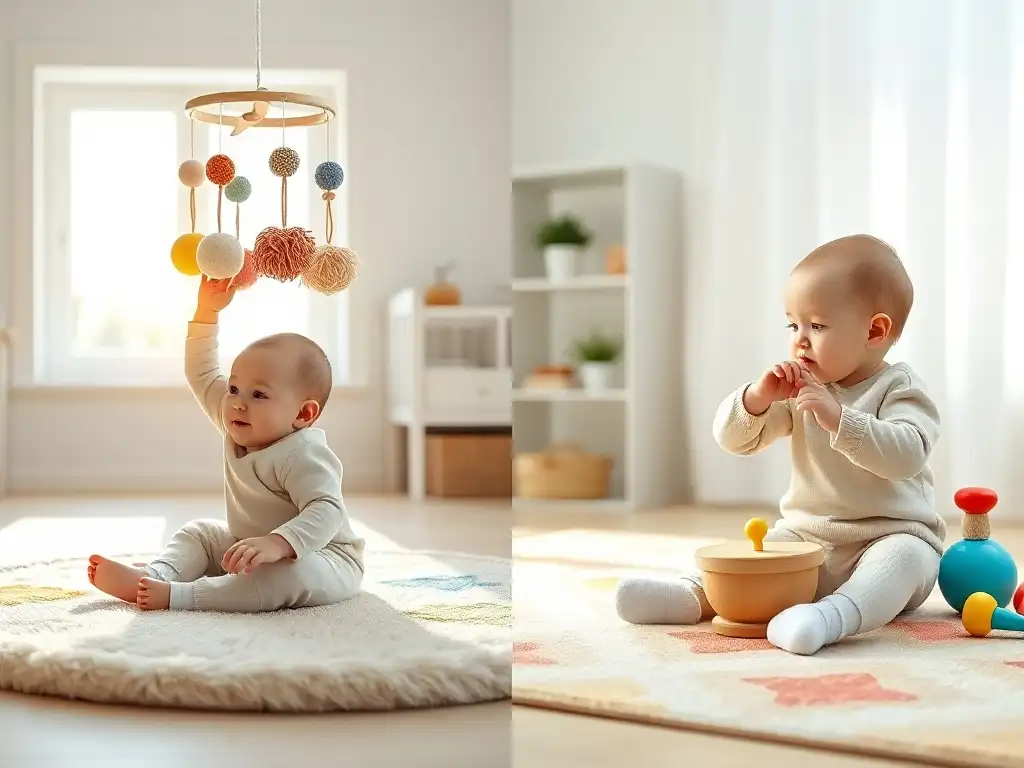
Infants are naturally drawn to sound and rhythm, making music a fantastic tool for sensory exploration and development. However, the way you incorporate music into sensory play should evolve as your baby grows. Their auditory capabilities, motor skills, and cognitive abilities all mature at different rates, influencing how they engage with musical stimuli. Understanding these developmental milestones allows you to tailor your sensory music play activities for maximum effectiveness and enjoyment.
This approach ensures you're providing age-appropriate stimulation, fostering healthy development, and creating positive musical associations for your little one. Remember, the goal is to create fun, engaging experiences that stimulate your baby's senses and promote their overall well-being. This section will guide you through adapting your approach based on your baby's developmental stage. Effective baby sensory music play ideas require careful consideration of age and capability.
Sensory Music Activities for Newborns (0-3 Months)
Newborns have a limited ability to focus visually and are primarily responsive to sounds and rhythms. At this stage, the focus should be on gentle sounds and calming rhythms. Avoid overwhelming your baby with loud or jarring noises.
- Calming Sounds: Use soft, gentle instrumental music, nature sounds (rain, ocean waves), or white noise to create a soothing environment. Classical music, particularly lullabies, is often recommended for its calming effect. Experiment with different genres and observe your baby's reactions to determine preferences. A consistent, predictable rhythm can help regulate their sleep-wake cycles.
- Rhythmic Movement: While holding your newborn, gently sway or rock them to the rhythm of the music. The gentle movement combined with the soothing sounds can be incredibly calming and comforting. This bonding activity establishes early connections between sound, movement, and security.
- Vocalization: Sing softly to your baby, using simple melodies and repetitive lyrics. Your voice is inherently calming and comforting. Experiment with different tones and pitches, noticing how your baby responds. This early exposure to your voice lays the foundation for language development.
- Tactile Stimulation: While playing music, gently stroke or massage your baby's skin. This combines tactile stimulation with auditory input, creating a richer sensory experience. This multi-sensory approach maximizes the learning potential of your baby sensory music play ideas.
Sensory Music Activities for Infants (3-6 Months)
By 3-6 months, infants begin to develop more advanced auditory processing skills and improved motor control. They're more alert and responsive to a wider range of sounds and rhythms.
- Interactive Play: Introduce toys that produce sounds when manipulated, like rattles or textured balls. Play simple songs and encourage your baby to reach for and grasp the toys. This combines gross motor skill development with auditory stimulation.
- Musical Toys: Start introducing musical toys like xylophones (with soft mallets) or simple drums. Supervise your baby closely to prevent them from putting small parts in their mouth. These toys encourage exploration and self-expression through sound.
- Singing Games: Introduce simple singing games like "Pat-a-Cake" or "This Little Piggy," incorporating actions that engage your baby's motor skills. These interactive games foster a connection between sound, movement, and language development.
- Varied Sounds: Introduce a wider variety of sounds and musical instruments, gradually increasing the complexity and tempo. Observe your baby's reactions to different sounds and adjust accordingly. Remember to keep the volume at a safe level. This period is ideal for expanding your baby sensory music play ideas with more interactive elements.
Sensory Music Activities for Babies (6-12 Months)
By 6-12 months, babies are becoming increasingly mobile and have more developed cognitive abilities. They can actively participate in musical activities and show a preference for certain sounds and rhythms.
- Cause and Effect: Use toys that require your baby to perform an action to produce a sound, such as pressing buttons or shaking instruments. This helps develop problem-solving skills and hand-eye coordination.
- Dancing and Movement: Play upbeat music and encourage your baby to dance and move to the rhythm. This promotes gross motor skill development and coordination.
- Musical Instruments: Introduce more complex musical instruments, such as shakers, tambourines, or simple keyboards (with large keys). Supervise your baby closely and ensure the instruments are safe.
- Singing and Storytelling: Sing songs and tell stories accompanied by music. This helps develop language skills and imagination. Introduce songs with actions and encourage your baby to participate. This age group is ready for richer baby sensory music play ideas that blend music, language, and movement.
Remember that every baby is unique and develops at their own pace. Observe your baby's cues and adjust your sensory music play accordingly. The key is to create a fun and engaging experience that fosters their sensory development and overall well-being.
Safety Considerations for Sensory Music Play with Babies
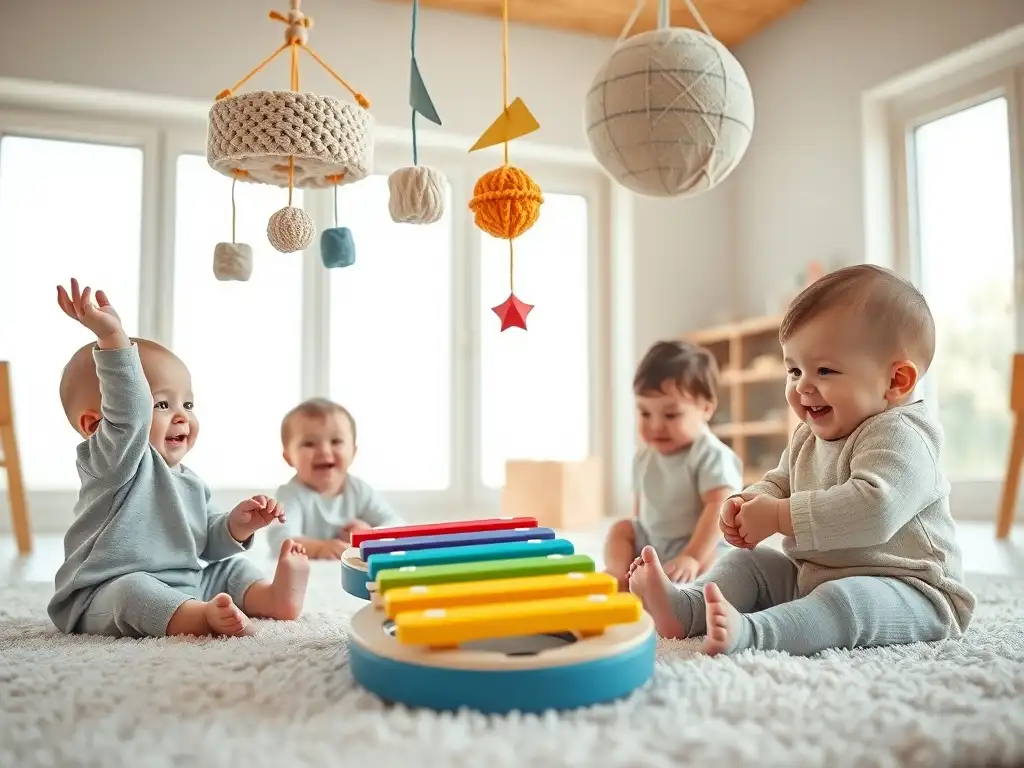
Sensory music play offers fantastic developmental benefits for your little one, but safety should always be the top priority. This section outlines crucial safety measures to ensure a fun and secure playtime experience. Remember, even seemingly harmless activities require careful supervision and preparation. The goal is to foster a positive association with music while mitigating any potential risks.
Choosing Safe Musical Instruments for Babies
Selecting age-appropriate musical instruments is paramount. Avoid instruments with small parts that could pose a choking hazard. Opt for larger, durable instruments made from non-toxic materials. Here's a quick guide:
- Safe Choices: Soft shakers filled with rice or beans, large wooden xylophones with rounded edges, fabric drums, and textured rattles. These options minimize the risk of injury while providing varied sensory experiences.
- Instruments to Avoid: Instruments with small, detachable parts, those made from fragile materials that could easily shatter, and instruments with sharp edges or points. Avoid anything with potentially toxic paints or finishes. Always check product labels and certifications to ensure they meet safety standards.
Consider the baby's developmental stage when choosing instruments. For newborns, simple rattles and soft shakers are ideal. As they grow, you can introduce more complex instruments like larger drums or xylophones. Remember, the focus is on exploration and enjoyment, not on achieving musical proficiency.
Monitoring Your Baby During Sensory Play Sessions
Never leave your baby unattended during sensory music play, even for a moment. Babies can quickly roll over or reach for things they shouldn't. Constant supervision allows you to intervene immediately if your baby shows signs of distress or tries to put an instrument in their mouth. Keep a watchful eye on their reactions and adjust the activity as needed. Maintaining a safe distance from any potential hazards (e.g., cords, electrical outlets) is also crucial.
Consider using a baby play mat or a soft, padded blanket to create a safe and comfortable play area. This minimizes the risk of injury if your baby falls or bumps their head. The environment should be free of clutter and potential hazards. Keep the play session short and sweet, especially for younger babies, to avoid overstimulation. Remember that attention spans vary greatly among infants. Observe your baby's cues and end the session if they become fussy or disinterested. This prevents negative associations with music and playtime.
Responding to Your Baby's Signals During Sensory Play
Babies communicate their needs and preferences through various signals. Learning to recognize these signals is crucial for ensuring a positive and safe sensory play experience. Pay close attention to your baby's cues during the session. Are they engaged and enjoying the activity? Or are they showing signs of discomfort or overstimulation?
- Positive Signals: Smiling, cooing, reaching for instruments, and focused attention are all positive indicators. Continue the activity and adjust the music or instruments as needed to maintain their engagement.
- Negative Signals: Crying, fussiness, turning away, and rubbing their eyes suggest that the baby might be overwhelmed or tired. Immediately pause the activity, offer comfort, and try again later. Remember that every baby is unique, and what works for one might not work for another. Experiment with different types of music, instruments, and activities to find what resonates best with your little one. Flexibility and responsiveness are key to a successful and safe sensory music play experience. Prioritizing your baby's comfort and safety will ensure that music becomes a positive and enriching part of their development.
Expanding Your Baby's Musical Sensory Experiences
This section delves into practical ways to enrich your baby's auditory world through diverse musical experiences. Remember, the goal is not to create a tiny Mozart, but to foster neural development and a love for music that will last a lifetime. We'll explore how different sounds and rhythms impact your baby's brain and how to introduce these elements safely and effectively. Early exposure to a variety of musical stimuli is crucial for baby sensory music play, stimulating brain development and laying the foundation for future musical appreciation.
Introducing Different Genres of Music to Your Baby
Exposing your baby to a range of musical genres is key to developing their musical understanding. Don't limit yourself to lullabies! While gentle classical music is often recommended for its calming effect, consider introducing other styles gradually.
Here's a suggested approach:
- Classical Music: The soothing melodies of Bach, Mozart, or Beethoven can be calming and promote relaxation. Look for recordings specifically designed for babies, often featuring slower tempos and simpler melodies.
- World Music: Explore the vibrant rhythms and melodies of different cultures. Music from Africa, Latin America, or Asia offers unique soundscapes that can stimulate your baby's auditory senses. This expands their musical horizons and fosters cultural awareness from a young age.
- Nature Sounds: The gentle sounds of rain, birdsong, or ocean waves can be incredibly calming and soothing for babies. Combining these with soft music can create a truly immersive sensory experience.
- Simple Songs: Sing simple songs and nursery rhymes to your baby. The repetition and familiar melodies are comforting and help with language development. Remember, your voice is the most powerful musical instrument for your baby!
Think of it like a musical tasting menu! Observe your baby's reactions to different genres. Do they seem more alert and engaged with upbeat rhythms, or do they prefer the calming effect of slower tempos? This will help you tailor your musical selections to their individual preferences. Remember to always keep the volume at a safe level to avoid damaging your baby's hearing.
Creating Your Own Musical Sensory Play Activities
Beyond simply playing music, you can actively engage your baby in musical sensory play. This involves creating interactive experiences that combine sound, movement, and touch. Here are a few ideas to get you started:
- Shaker Instruments: Make homemade shakers using empty plastic bottles filled with rice, beans, or pasta. The different textures and sounds will fascinate your baby. Let them explore the shakers safely under your supervision.
- Texture Play with Sounds: Combine musical instruments with textures. For example, play a xylophone while your baby touches different textured fabrics or toys. This multi-sensory approach enhances the experience.
- Dance Parties: Put on some music and dance with your baby. The rhythmic movements and physical interaction are stimulating and bonding. Even simple swaying or gentle bouncing can be enjoyable.
- Musical Storytelling: Create stories using music and sound effects. For instance, use a rain stick to represent rain in a story, or a shaker to represent footsteps. This encourages creativity and language development.
Remember, safety is paramount. Always supervise your baby during any sensory play activity and choose age-appropriate instruments and materials. The goal is to create a fun and stimulating experience that is safe and enjoyable for your little one.
Incorporating Musical Sensory Play into Daily Routines
Integrating musical sensory play into your daily routines can seamlessly enrich your baby's development. Think about incorporating music during bath time, diaper changes, or feeding sessions.
Here's how you can integrate music into your daily schedule:
| Time of Day | Activity | Musical Element | Benefits |
|---|---|---|---|
| Morning Routine | Getting dressed | Upbeat, lively music | Energizing and stimulating |
| Diaper Change | Tummy time | Calming lullabies or nature sounds | Relaxing and soothing |
| Bath Time | Splashing and playing | Gentle, rhythmic music | Calming and enjoyable |
| Before Bedtime | Rocking or cuddling | Soft lullabies or classical music | Promotes relaxation and sleep |
| Playtime | Sensory play with instruments | Variety of sounds and rhythms, exploring textures | Develops motor skills, auditory processing, and creativity |
By consistently incorporating music into your baby's day, you'll not only provide auditory stimulation but also create a positive and enjoyable environment that fosters their overall development. Remember to adapt your approach based on your baby's individual preferences and reactions. The key is to make it fun and engaging for both of you! 🎶👶
Frequently Asked Questions
What is sensory music play, and why is it important for babies?
Sensory music play involves using music and sounds to stimulate a baby's senses. It's important because it helps with brain development, language acquisition, and emotional regulation, fostering a strong bond between parent and child.
How can I incorporate sensory music play into my baby's daily routine?
You can easily integrate it! Try playing soft music during diaper changes, tummy time, or bath time. Use instruments like rattles or shakers for interactive play.
What types of music are best for babies during sensory play?
Classical music, lullabies, and nature sounds are generally recommended. Choose calm and soothing melodies to avoid overwhelming your little one. Avoid music with jarring sounds or loud noises.
At what age can I start sensory music play with my baby?
You can begin from birth. Newborns respond to sounds and rhythms in the womb, and early exposure can be incredibly beneficial for their development.
What are some simple sensory music play ideas I can try at home?
Try making homemade shakers using rice and containers, singing nursery rhymes, or using different textured materials while playing music. Even simple actions like dancing with your baby to music is beneficial!
Final Reflection: The Enduring Power of Sensory Music Play
The harmonious blend of sound and touch, sight and rhythm, is not merely entertainment for babies; it's a foundational element in their cognitive, emotional, and social development. This exploration of sensory music play highlights the profound impact of early musical experiences, shaping a child's brain architecture and laying the groundwork for a lifelong appreciation of music and the arts. The benefits extend far beyond simple enjoyment, impacting everything from language acquisition to emotional regulation.
The power of music to soothe, stimulate, and engage young minds is undeniable, a truth echoed across cultures and generations. Music gives a soul to the universe, wings to the mind, flight to the imagination, and life to everything.
- Plato. This quote perfectly encapsulates the transformative potential of early musical exposure, fostering creativity, imagination, and a deeper understanding of the world around them. Witnessing my own child's response to simple musical activities, from the rapt attention during a lullaby to the joyous gurgles accompanying a playful rhythm, has only deepened my conviction in the importance of this practice.
Consider the sounds and rhythms you introduce to your little one. What melodies and movements will you share? Will you create a sensory-rich environment filled with textures and sounds? Don't underestimate the power of your presence and interaction; your engagement is as crucial as the music itself. Embrace the joy of shared musical experiences, nurturing your child's development while creating lasting memories. Let the music play on, shaping not just a child's future, but the future of music appreciation itself.
Unlock Your Baby's Musical Potential!
Thank you for exploring the wonderful world of sensory music play with your little one! We hope you've gained valuable insights into how sound and rhythm can enrich their development. Now it's time to put your knowledge into practice.
- Create a personalized musical sensory experience: Go beyond nursery rhymes! Experiment with different instruments, textures, and soundscapes to stimulate your baby's hearing. Try incorporating nature sounds like rain or birdsong, or even the sounds of familiar kitchen utensils!
- Share your musical discoveries! Tell us about your favorite sensory music activities on our BabyCareHub community forum. We'd love to hear from you!
- Introduce simple rhythm activities: Try clapping along to music, or gently swaying to a beat.
Ready to transform playtime into a symphony of fun? What unique sounds and rhythms will you and your baby explore today?