
Park Playdates: Social and Developmental Benefits of Outdoor Time

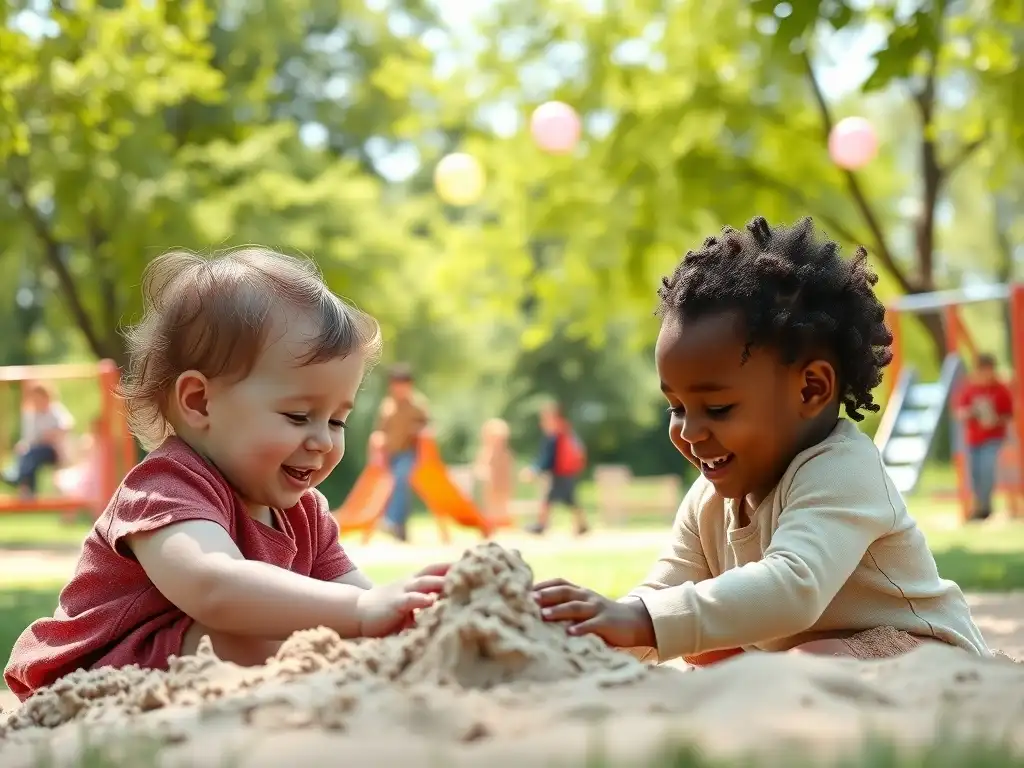
Welcome to BabyCareHub, your ultimate guide to navigating the incredible journey of parenthood! Are you ready to unlock the secrets to happy, healthy baby development? We'll equip you with the knowledge and confidence you need, from feeding schedules to soothing techniques. Discover the surprising social and developmental benefits of something as simple as a baby park playdate, and learn how outdoor time can significantly impact your little one's growth. Dive in and explore the wealth of information waiting for you – your parenting adventure starts here!
- Understanding the Importance of Baby Park Playdates
-
Developmental Benefits of Outdoor Play for Babies
- Gross Motor Skill Development Through Outdoor Play
- Fine Motor Skill Development in Park Environments
- Sensory Stimulation and Exploration in the Park
- Cognitive Development: Problem-Solving and Exploration
- Gross Motor Skill Development: Enhanced Physical Activity
- Fine Motor Skill Development: Object Manipulation and Sensory Exploration
- Social Benefits of Park Playdates for Babies
- Planning Successful Baby Park Playdates
- Maximizing the Benefits of Baby Park Playdates
- Safety Considerations for Baby Park Playdates
- Frequently Asked Questions
- Final Reflection: The Enduring Power of Play in the Park
- Unleash Your Child's Potential: Grow with Outdoor Play!
Understanding the Importance of Baby Park Playdates
First-time parents often focus intensely on the immediate needs of their newborns – feeding schedules, sleep patterns, and diaper changes. While these are undeniably crucial, the importance of social interaction and outdoor playtime for a baby's healthy development is often overlooked.
This article delves into the significant benefits of baby park playdates, exploring how these seemingly simple outings contribute significantly to your little one's physical, cognitive, and emotional growth. We'll examine the specific advantages of socialization and outdoor play, offer guidance on selecting safe and accessible park environments, and ultimately empower you to incorporate this enriching activity into your baby's routine.
Understanding these benefits will help you appreciate the value of baby park playdates as a cornerstone of your child's early development, contributing to a happier, healthier, and more well-rounded individual. This guide is designed to help you maximize the positive impact of these playdates, turning them into valuable learning experiences for your child.
Baby park playdates offer a wealth of benefits for your little one's development. The social interactions, even at a very young age, are crucial for building essential social skills. Observing other babies, and even briefly interacting with them, helps babies learn about nonverbal communication, emotional expression, and turn-taking.
This early exposure to social dynamics lays a strong foundation for future friendships and social competence. Furthermore, the stimulating environment of a park provides opportunities for sensory exploration. The varied textures of grass, sand, and playground equipment, the sounds of birds and children's laughter, and the sights of colorful flowers and moving objects all contribute to a rich sensory experience that enhances cognitive development.
The physical activity involved in crawling, rolling, and eventually walking, even if just short distances, improves motor skills and overall physical fitness. Studies have shown that outdoor play significantly contributes to better sleep patterns and reduced stress levels in babies, leading to improved well-being. 👶
The Role of Outdoor Play in Early Childhood Development
Outdoor play is not merely a fun activity; it's a vital component of healthy early childhood development. Exposure to sunlight helps regulate the baby's circadian rhythm, contributing to better sleep and mood regulation. The varied terrain and obstacles in a park encourage problem-solving and spatial reasoning skills as babies navigate their environment. Furthermore, the open space allows for uninhibited movement, crucial for developing gross motor skills like crawling, walking, and running.
The fresh air also offers respiratory benefits, contributing to better lung function. Outdoor play also fosters creativity and imagination, as babies explore their surroundings and invent their own games. This is particularly important in today's increasingly screen-dominated world, where opportunities for unstructured, imaginative play are often limited.
Consider the developmental leaps achieved simply through the act of reaching for a brightly colored leaf or watching a fluttering butterfly – these are invaluable moments of learning and growth. The benefits extend beyond the physical and cognitive, also impacting emotional regulation and reducing stress. A calm, peaceful outdoor environment can help soothe a fussy baby and promote relaxation.
Choosing the Right Park for Baby Park Playdates: Safety and Accessibility
Selecting the right park is paramount to ensuring a safe and enjoyable experience for your baby. Prioritize parks with age-appropriate play areas, preferably with soft surfaces like sand or wood chips to cushion falls. Look for fenced-in areas to prevent wandering and ensure the park is relatively free of hazards such as sharp objects, broken glass, or excessive dog waste.
Accessibility is another key factor; choose parks with paved pathways and ramps to accommodate strollers and wheelchairs if needed. Consider the shade availability, especially during hotter months, and look for benches or shaded areas where you can rest. The ideal park should offer a balance of stimulating elements and safe spaces, providing a comfortable and enriching environment for your baby's exploration.
Observe the park at different times of day to assess crowd levels and noise levels, opting for quieter times to minimize overstimulation. Remember to always supervise your baby closely, even in seemingly safe environments. Prioritizing safety and accessibility ensures a positive and enriching experience for both you and your little one.
Developmental Benefits of Outdoor Play for Babies
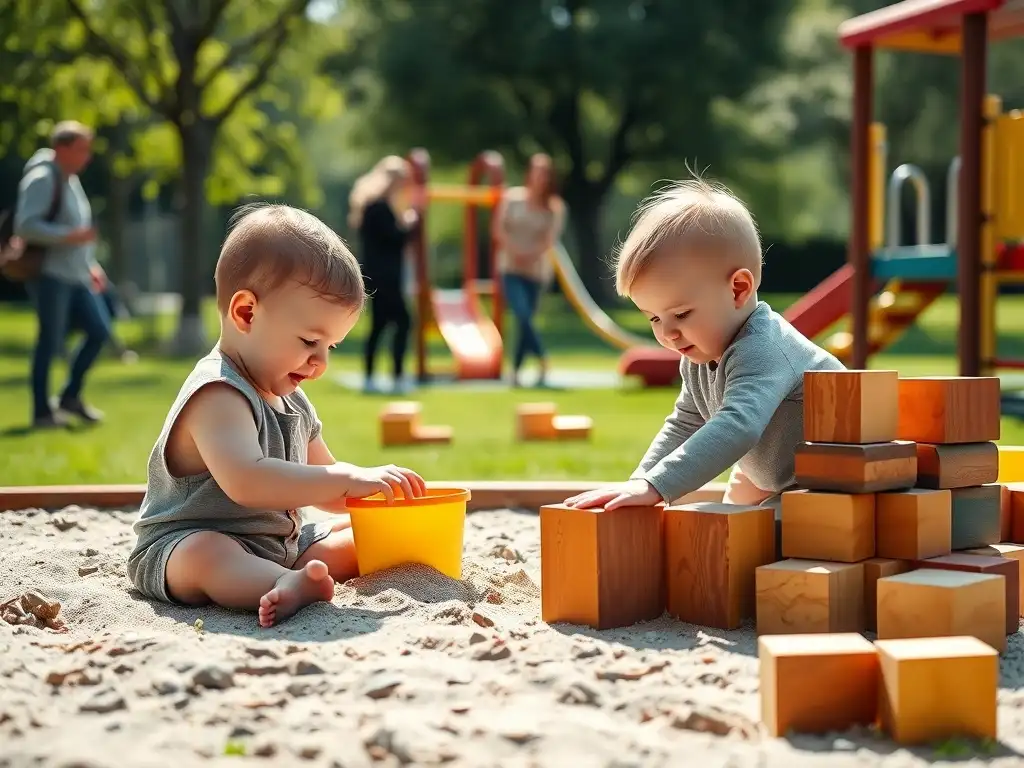
Playing in a park offers a wealth of developmental advantages for babies, impacting their physical, cognitive, and social-emotional growth. The structured environment of a park, combined with the freedom of open space, creates an ideal setting for a baby's holistic development. This section focuses on the specific ways park playdates contribute to a baby's progress, specifically highlighting the benefits of "Baby park playdate benefits" for parents seeking to maximize their child's potential.
Gross Motor Skill Development Through Outdoor Play
Outdoor play is crucial for developing gross motor skills—the large muscle movements that babies need to learn to control their bodies. A park provides a perfect setting for this development. Think about the opportunities:
- Crawling and creeping: The varied terrain of a park—grass, gravel paths, even gentle slopes—encourages babies to crawl and creep, strengthening their arms, legs, and core muscles. The uneven surfaces challenge their balance and coordination, leading to faster development than on flat surfaces at home.
- Pulling to stand: Many parks have sturdy benches or low walls that babies can pull themselves up on, practicing their standing and balancing skills. This repetitive action builds strength and confidence.
- Walking: Once a baby starts walking, the park offers a safe and stimulating environment to practice. The open space allows them to explore freely, while the varied surfaces challenge their balance and coordination, leading to improved gait and stability.
- Running and jumping (later stages): As babies grow older, parks become playgrounds for running, jumping, and climbing, further refining their gross motor skills and building stamina. This progression is a natural part of development, and the park provides a safe, stimulating space for this exploration.
Studies have shown that babies who spend significant time outdoors develop these skills faster than their indoors-only counterparts. The natural environment provides a wider range of movement opportunities, encouraging more active play and improving motor control. Even short, regular park playdates can make a significant difference.
Fine Motor Skill Development in Park Environments
While gross motor skills involve large muscle groups, fine motor skills involve smaller muscles, crucial for dexterity and hand-eye coordination. Surprisingly, parks also offer opportunities to develop these skills:
- Picking up leaves and twigs: Babies can practice their pincer grasp (using thumb and forefinger) by picking up small objects like leaves, twigs, or pebbles. This seemingly simple activity strengthens their hand muscles and improves their hand-eye coordination.
- Playing with sand (if available): Sand provides a wonderful tactile experience and opportunities for fine motor skill development. Scooping, pouring, and molding sand strengthens small hand muscles and improves hand-eye coordination. This is particularly beneficial for sensory exploration.
- Manipulating toys: Bringing along toys designed for fine motor skill development, like stacking cups or shape sorters, enhances the park experience. The change of scenery makes the activity more engaging.
- Exploring different textures: The varied textures in a park—grass, bark, sand, smooth stones—offer sensory input that stimulates fine motor development. The act of touching and exploring these textures improves tactile sensitivity.
The benefits extend beyond simple manipulation. The combination of physical activity and sensory exploration in the park environment creates a holistic learning experience that enhances fine motor skills more effectively than isolated exercises indoors.
Sensory Stimulation and Exploration in the Park
Parks offer a rich sensory experience for babies, stimulating their senses and promoting cognitive development. This multi-sensory stimulation is vital for brain development and learning.
- Visual stimulation: The variety of colors, shapes, and sizes of plants, flowers, and other natural elements provides visual stimulation, enhancing a baby's visual perception and attention span. The changing light and shadows throughout the day also contribute to this stimulation.
- Auditory stimulation: The sounds of birds chirping, leaves rustling, and children playing provide auditory stimulation, enhancing their ability to discriminate sounds and develop language skills.
- Tactile stimulation: As mentioned earlier, the varied textures of grass, sand, bark, and other materials provide tactile input, enhancing their sensory awareness and fine motor skills.
- Olfactory stimulation: The smells of flowers, grass, and trees provide olfactory stimulation, enhancing their sense of smell and contributing to their overall sensory experience.
The combination of these sensory inputs creates a stimulating and enriching environment that supports cognitive development. The unstructured play in the park allows babies to explore at their own pace, leading to more effective learning and a deeper understanding of their environment. This holistic sensory experience contributes significantly to a baby's overall development and well-being, reinforcing the importance of "Baby park playdate benefits".
Cognitive Development: Problem-Solving and Exploration
Outdoor environments are incredibly rich in opportunities for cognitive development in babies. Unlike structured indoor play, parks offer a dynamic landscape ripe for exploration and problem-solving. The varied textures of grass, sand, bark, and leaves stimulate tactile learning, encouraging babies to investigate different surfaces and their properties. For example, a baby might learn that sand is loose and flows through their fingers, while grass is firm and slightly prickly. This sensory exploration is crucial for cognitive development, as it helps babies build a mental model of the world around them.
Furthermore, navigating a park environment presents numerous opportunities for problem-solving. A baby might encounter a small obstacle, like a low branch or a slightly uneven path, and learn to overcome it through crawling, scooting, or even pulling themselves up. These small challenges enhance their problem-solving skills and boost their confidence in their own abilities.
The process of figuring out how to reach a toy that's just out of reach, or how to navigate around a tree, develops crucial cognitive skills like planning and spatial reasoning. These skills are fundamental for future academic success and overall cognitive development. The unstructured nature of park play allows babies to engage in self-directed exploration, fostering creativity and independent thinking.
They are free to choose their own activities and challenges, leading to a more enriching and personalized learning experience compared to more structured play environments. The unpredictable nature of outdoor play, with changing weather and unexpected encounters (a friendly dog, a fluttering butterfly), further enhances cognitive flexibility and adaptability.
Gross Motor Skill Development: Enhanced Physical Activity
Parks offer a fantastic setting for promoting gross motor skill development in babies. The open space allows for unrestricted movement, encouraging activities like crawling, creeping, pulling themselves up, and eventually walking. Uneven terrain, gentle slopes, and varied surfaces challenge babies' balance and coordination, leading to significant improvements in their gross motor skills. For instance, crawling over a patch of grass requires more effort and coordination than crawling on a flat, smooth surface. This increased challenge strengthens their muscles and improves their balance. Similarly, attempting to climb a small, gentle incline helps develop leg strength and coordination.
Moreover, the presence of various play structures, even simple ones like low climbing frames or slides (age-appropriate, of course! ), provides further opportunities for physical activity and skill development. These structures challenge babies to use their bodies in new ways, improving their strength, agility, and coordination. Activities like pushing a toy along a path or rolling a ball across a field enhance their coordination and control over their body movements.
Compared to the relatively confined space of a home, a park allows for more extensive and varied movement, significantly contributing to the development of crucial gross motor skills. The natural environment also encourages more spontaneous and imaginative play, leading to increased physical activity and improved overall fitness. Regular park playdates can contribute significantly to a healthy and active lifestyle from a young age.
Fine Motor Skill Development: Object Manipulation and Sensory Exploration
While parks are primarily associated with gross motor skill development, they also offer substantial opportunities for enhancing fine motor skills in babies. The varied textures and objects found in a park environment encourage tactile exploration and object manipulation. Picking up leaves, pebbles, or small sticks strengthens their finger muscles and improves their hand-eye coordination. Playing with sand, for example, allows babies to practice scooping, pouring, and molding, further developing their fine motor control. These seemingly simple activities are crucial for the development of dexterity and precision, skills that are fundamental for future tasks such as writing and drawing.
Furthermore, the interaction with nature itself provides numerous opportunities for fine motor skill development. Picking flowers (under supervision, of course! ), exploring the textures of tree bark, or examining small insects all contribute to improved dexterity and hand-eye coordination. The act of carefully placing objects into containers, or lining them up, further enhances these skills.
The unstructured nature of park play allows babies to engage in self-directed exploration, promoting a natural progression in their fine motor skill development. This contrasts with more structured activities where the emphasis might be on specific, pre-defined tasks. The diversity of sensory input and the opportunities for exploration in a park setting contribute significantly to a holistic development of fine motor skills.
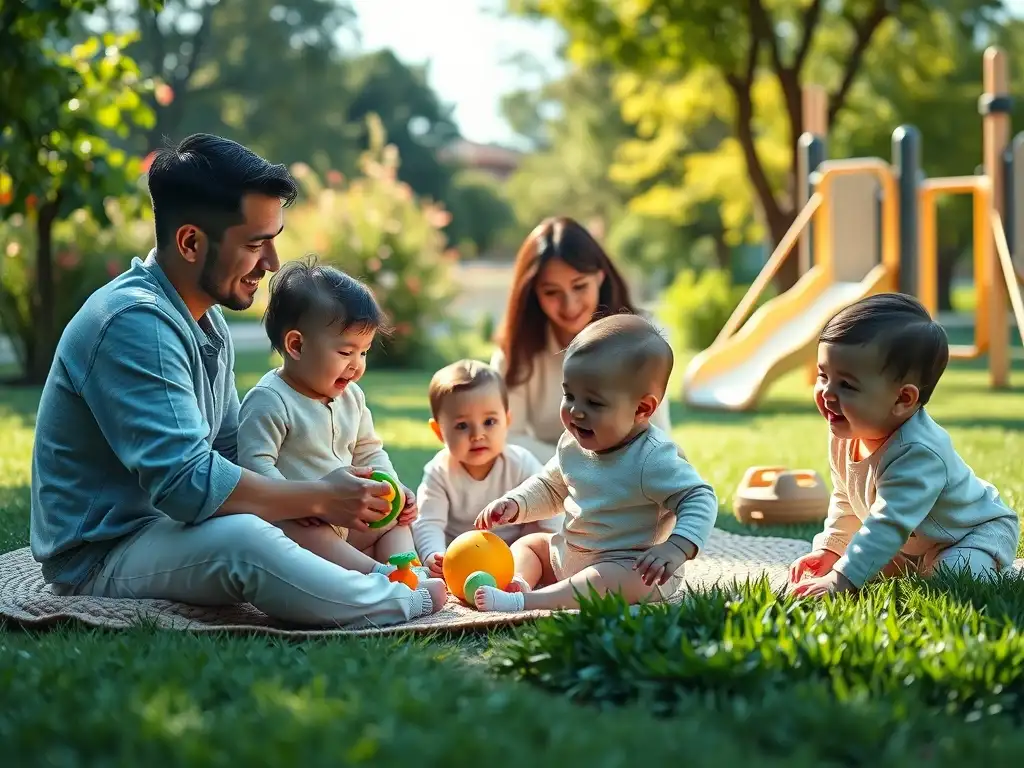
Park playdates offer a wealth of social benefits for babies, fostering crucial developmental skills and laying the groundwork for healthy social interactions later in life. The fresh air and stimulating environment of a park provide the perfect backdrop for these crucial developmental leaps. Let's delve into the specific ways park playdates contribute to your baby's social development.
Even seemingly passive observation during a park playdate contributes significantly to a baby's social development. Watching other babies interact, listening to their babbling and gurgling, and observing the reactions of caregivers helps babies begin to understand social cues and nonverbal communication. This passive participation is a crucial first step. For example, a baby might observe another baby reaching for a toy and then, later, attempt a similar action themselves.
This observational learning is incredibly powerful in early social development. The vibrant sounds and sights of the park also stimulate auditory and visual processing, further enhancing their ability to process social information. Furthermore, the varied interactions between caregivers and their babies during playdates provide a rich learning environment, exposing babies to different communication styles and social dynamics. This diversity is essential for broadening their understanding of social interactions.
Studies show that babies exposed to diverse social interactions demonstrate faster language development and improved social skills later on. The more interaction, the better the learning. 👶
Building Confidence and Independence Through Playdates
Park playdates are ideal settings for fostering a baby's growing confidence and independence. The open space allows for free movement and exploration, encouraging babies to crawl, toddle, and explore their surroundings at their own pace. This freedom of movement builds self-reliance and confidence.
For example, a baby who successfully crawls across a grassy patch to reach a toy experiences a sense of accomplishment that boosts their self-esteem. Moreover, navigating the park environment—negotiating small obstacles, adapting to varied terrains, and interacting with other children—teaches babies to problem-solve and adapt to new situations, further enhancing their independence and resilience. This confidence extends beyond the park; a baby who feels secure and independent in one setting often translates that confidence to other aspects of their lives.
The unstructured nature of playdates allows babies to develop at their own speed without pressure, enhancing their sense of self-efficacy. It's a crucial step towards becoming a confident and independent toddler.
While sharing and cooperation might not be fully developed in very young babies, park playdates plant the seeds for these essential social skills. Babies begin to learn about turn-taking, even if it's just observing other children playing with toys. Observing others sharing, or even competing for a toy, provides valuable lessons in social dynamics. The presence of other babies offers opportunities for early forms of interaction, such as reaching for the same toy or mimicking each other's actions.
These seemingly small interactions are significant steps towards understanding the concepts of sharing and cooperation. While direct sharing might not occur at a very young age, the exposure to these social situations is vital for future development. For instance, a baby might initially focus solely on their own play, but over time, they'll gradually begin to observe and engage with other babies more actively, laying the foundation for future collaborative play.
The park environment provides a natural setting for these early social learning experiences, with minimal pressure or structured activities. This organic learning is key to developing genuine social skills. The benefits of this early exposure to social interaction are far-reaching, contributing to a well-rounded and socially adjusted child.
Planning Successful Baby Park Playdates
Planning a successful baby park playdate requires careful consideration of several factors to maximize the benefits for your little one. This isn't just about letting babies hang out; it's about fostering social interaction and development in a safe and engaging environment. The key is to approach it strategically, understanding the developmental stage of your baby and the needs of the other children involved.
This section outlines crucial steps to ensure a positive and enriching experience for everyone. Remember, the goal is to nurture your baby's social skills while providing a stimulating and secure outdoor experience. Proper planning can turn a simple playdate into a valuable developmental tool.
Choosing Appropriate Playmates and Age Groups
Selecting the right playmates is crucial for a positive playdate experience. While babies don't engage in the same way older children do, proximity and shared space can still offer valuable social learning. Ideally, choose playmates within a similar age range to minimize potential conflicts and maximize opportunities for parallel play. For example, a six-month-old will benefit more from interacting with other babies around the same age than with toddlers who are more mobile and might unintentionally overwhelm the younger infant.
Consider the temperaments of the babies as well. A shy baby might be overwhelmed by a boisterous group, while a more outgoing baby might thrive in a larger setting. Observing how your baby interacts with other children in smaller settings can help you gauge their comfort level and choose appropriate playdate partners. Remember, the aim is to create a comfortable and stimulating environment, not an overly stimulating or stressful one. Even if your baby only observes at first, the experience is still beneficial to their social development.
A good rule of thumb is to keep the group size small, perhaps two or three babies at most, especially for younger infants. Smaller groups allow for more individualized attention and reduce the risk of sensory overload. As your baby gets older and more comfortable in social situations, you can gradually increase the number of playmates.
Creating a Safe and Stimulating Play Environment
The park itself plays a significant role in the success of a baby park playdate. Selecting a park with appropriate features for babies is essential. Look for parks with:
- Soft, grassy areas: These provide a safe landing spot if a baby falls.
- Shaded areas: Essential for protecting babies from the sun's harmful rays.
- Age-appropriate play equipment: While babies might not use swings or slides yet, having other babies nearby using this equipment can be a source of visual stimulation and social learning.
- Fencing: Ensures the safety of the babies, preventing them from wandering off.
Beyond the park's features, actively creating a safe and stimulating environment is crucial. Bring along familiar items such as soft blankets or toys to create a sense of comfort and familiarity for your baby. Remember to supervise the babies closely at all times, preventing any potential hazards. Avoid areas with potential dangers like sharp objects, uneven surfaces, or deep water.
Consider also incorporating elements that encourage sensory exploration. For example, rustling leaves, soft textures, or brightly colored objects can capture your baby's attention and stimulate their senses. Remember, the goal is to create a space where babies can safely explore, engage their senses, and begin to interact socially, even if the interaction is mainly through observation.
Managing the Playdate Logistics: Timing and Essentials
Timing is everything when it comes to baby park playdates. Consider your baby's nap schedule and feeding times. Avoid scheduling a playdate when your baby is tired, hungry, or fussy. The best time is usually when your baby is alert, happy, and ready for interaction. A playdate that's too long can also be overwhelming for a baby; keep it short and sweet, perhaps an hour or less, especially for younger infants. Remember, shorter, more frequent playdates are often more effective than longer, less frequent ones.
As for essentials, pack appropriately. Bring along essentials like diapers, wipes, a change of clothes (accidents happen! ), sunscreen, hats, and plenty of water. A small, portable shade structure can also be beneficial, especially on sunny days. For older babies, you might bring along some familiar toys to offer comfort and engagement.
Remember to check the weather forecast before heading out and adjust your plans accordingly. A rainy day might necessitate a change of venue or a postponement. Flexibility is key when planning playdates with babies. The overall goal is to create a relaxed and enjoyable experience for both your baby and their playmates.
Addressing Potential Challenges During Park Playdates
Planning a baby park playdate seems idyllic, but reality can sometimes throw curveballs. Unexpected challenges can arise, and being prepared is key to ensuring a positive experience for both your baby and the other attendees. One common issue is unpredictable weather. A sudden downpour can quickly transform a sunny outing into a soggy mess. Always have a backup plan, such as a nearby indoor play area or the ability to quickly head home. Consider checking the weather forecast multiple times before heading out, and pack accordingly – raincoats, umbrellas, and extra layers are essential.
Another potential challenge is managing different babies' temperaments and needs. Some babies might be naturally more sociable and easily engage with other infants, while others might be more shy or easily overstimulated. It's crucial to respect each baby's individual needs and not force interactions.
Allow for periods of quiet play and ensure there are designated areas where babies can retreat if they feel overwhelmed. Parents should be mindful of their own babies' cues and be prepared to adjust the playdate accordingly. For example, if your baby is showing signs of fussiness or fatigue, it's okay to take a break or shorten the playdate.
Furthermore, ensuring the safety of your baby and the other children is paramount. Before heading to the park, thoroughly inspect the play area for any potential hazards, such as sharp objects, broken glass, or uneven surfaces. Keep a close eye on your baby at all times and be mindful of other children's activities.
Consider bringing along a small first-aid kit to address minor scrapes or bumps. Remember that babies explore with their mouths, so keeping the area clean is crucial. It's also wise to establish clear boundaries and expectations with the other parents to ensure a safe and enjoyable environment for everyone.
Finally, unexpected meltdowns or fussy periods are inevitable when dealing with babies. Be prepared for the possibility that your baby, or another baby at the playdate, might become upset or difficult to soothe. Having a calming strategy, like a favorite toy or a quiet spot, can make a significant difference. Remember that it’s okay if things don’t go exactly as planned.
Flexibility and understanding are key to navigating these moments and maintaining a positive atmosphere. Communicate openly with the other parents and offer support as needed. A collaborative approach can help smooth over any challenges that arise. Remember, the goal is to foster social interaction and enjoyment; minor hiccups are part of the process.
Maximizing the Benefits of Baby Park Playdates
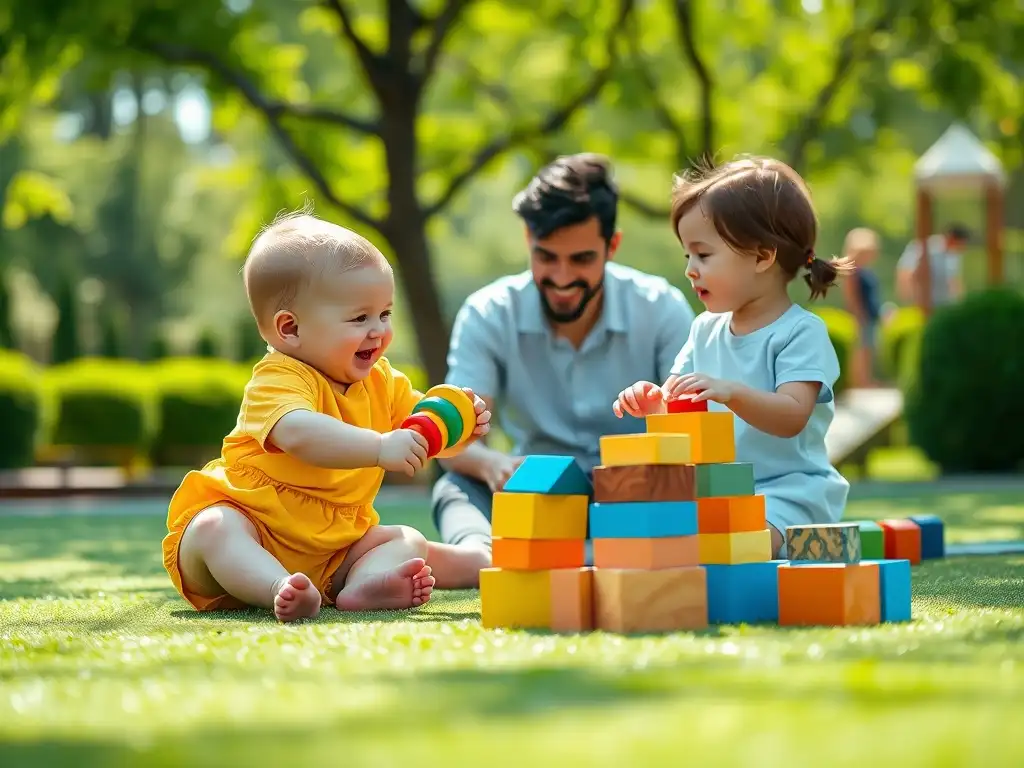
This section delves into practical strategies for optimizing the developmental advantages of baby park playdates. Remember, the goal is not just to get your baby outside, but to create enriching experiences that foster growth and learning. Proper planning and execution are key to unlocking the full potential of these social outings. We'll explore ways to enhance your baby's engagement and maximize the "Baby park playdate benefits".
Engaging Activities for Park Playdates
Park playdates offer a wealth of opportunities beyond simply letting babies crawl around. Structured activities can significantly boost their developmental progress. Consider these age-appropriate ideas:
- For Infants (0-6 months): Focus on sensory experiences. Bring a variety of textured blankets or toys. The changing textures of grass, sand (if safe and supervised), and different surfaces will stimulate their tactile senses. Gentle swaying or rocking while observing the surroundings can also be calming and beneficial. Remember to always supervise closely during this phase.
- For Mobile Babies (6-12 months): Introduce simple games like rolling balls back and forth (while ensuring safety), chasing bubbles (non-toxic, of course! ), or playing peek-a-boo behind trees or bushes. This encourages crawling, reaching, and hand-eye coordination. Soft, large blocks are also ideal for stacking and knocking down, building early problem-solving skills.
- For Toddlers (12-24 months): Simple outdoor toys like shovels, buckets, and non-toxic paint (for finger painting on pavement) can provide hours of fun. Parallel play is common at this age, but gently encouraging interaction with other toddlers can help develop social skills. A small slide or climbing structure (age-appropriate and with constant supervision) can improve gross motor skills.
Remember to always prioritize safety. Choose parks with soft surfaces, avoid areas with potential hazards, and apply sunscreen liberally. Remember to bring plenty of water and snacks. The key is to keep the activities age-appropriate, safe, and engaging. The more fun your baby has, the more they'll learn and develop.
Incorporating Educational Elements into Outdoor Play
While the primary focus of a park playdate is socialization, integrating educational elements can subtly enhance learning. This doesn't require formal lessons; it's about making the most of the environment:
- Nature Exploration: Point out different plants, trees, and insects (at a safe distance). Naming things helps build vocabulary and introduces concepts of nature. Collecting leaves or rocks (with supervision and respecting the park's environment) can also be a fun and educational activity.
- Sensory Activities: Use the environment to engage different senses. Listen to birds singing, feel the texture of bark, smell flowers (carefully! ), and observe the different colors in the surroundings. This multi-sensory approach reinforces learning.
- Storytelling: Make up stories about the things you see in the park. This stimulates imagination and improves language development. Relate the stories to your baby's current developmental stage and interests.
By thoughtfully integrating educational aspects into your park playdates, you can make the experience far more enriching for your baby's development. The key is to make learning fun and natural. This approach significantly increases the "Baby park playdate benefits".
Observing Your Baby's Development During Playdates
Park playdates provide a wonderful opportunity to observe your baby's development in a natural, less-structured setting. Pay attention to these key aspects:
- Social Interaction: How does your baby react to other children? Do they engage in parallel play, or try to interact directly? Note any signs of shyness or assertiveness. This helps assess their social and emotional development.
- Motor Skills: Observe their gross motor skills (crawling, walking, running, climbing) and fine motor skills (grasping, manipulating objects). Note any progress or areas where they might need further encouragement.
- Cognitive Development: How do they respond to new stimuli? Do they show curiosity and explore their surroundings actively? Their ability to solve simple problems (like stacking blocks or retrieving toys) reflects their cognitive development.
- Language Development: Do they babble, point, or use gestures to communicate? Note any new words or sounds they are using. This offers insights into their language acquisition.
Keeping a simple journal or notes can be beneficial to track your baby's progress. Remember, every baby develops at their own pace, but observing their behavior during playdates provides valuable data to share with your pediatrician. This careful observation enhances the positive impact of "Baby park playdate benefits".
Safety Considerations for Baby Park Playdates
Taking your baby to the park for a playdate offers numerous benefits, but safety should always be the top priority. Careful planning and proactive measures can significantly reduce risks and ensure a fun, worry-free experience. This section focuses on key safety aspects to consider when organizing and attending baby park playdates. Remember, a safe environment fosters positive social and developmental growth. Understanding and implementing these safety precautions will allow you to fully enjoy the numerous benefits a baby park playdate offers. This includes maximizing the developmental advantages while minimizing potential hazards.
Sun Protection and Hydration for Babies
Protecting your little one from the sun's harmful rays is crucial, especially during peak hours. Even on cloudy days, UV rays can penetrate and damage delicate baby skin. Remember, babies' skin is much more sensitive than adult skin, making sun protection even more critical. Always apply a broad-spectrum, high-SPF (30 or higher) sunscreen specifically formulated for babies at least 15 minutes before heading outdoors.
Reapply every two hours, or more frequently if your baby is swimming or sweating. Choose clothing that offers UPF (Ultraviolet Protection Factor) protection. Lightweight, long-sleeved shirts and pants, along with a wide-brimmed hat, will provide additional sun shielding. Keep your baby hydrated by offering frequent sips of water, especially during warmer months.
Signs of dehydration in babies include dry mouth, decreased urination, and lethargy. Always monitor your baby’s hydration levels carefully. Remember, even short periods of sun exposure can lead to sunburn and heat exhaustion in infants.
Preventing Injuries and Accidents in the Park
Parks present potential hazards, so a proactive approach is essential. Before you go, thoroughly inspect the park's playground equipment for any damage or potential safety concerns. Look for sharp edges, protruding bolts, or broken parts. Avoid areas with uneven surfaces or potential tripping hazards. Always supervise your baby closely, never leaving them unattended, even for a moment.
Choose age-appropriate play areas; a baby's play area is different from a toddler's or older child's play area. Keep small objects out of reach to prevent choking hazards. Bring a first-aid kit containing essentials like antiseptic wipes, bandages, and pain relief for minor cuts and scrapes. Be mindful of potential insect bites.
Apply insect repellent containing DEET (following label instructions carefully) or use mosquito netting to protect your baby. Be prepared for unexpected situations, such as sudden changes in weather. Always have a plan B if the weather turns inclement. Careful observation and preparedness can minimize the risk of accidents.
Monitoring Your Baby's Interactions with Other Children and Adults
While playdates encourage socialization, it's vital to monitor your baby's interactions. Observe how your baby interacts with other children and adults. Ensure that all interactions are positive and appropriate. If you notice any aggressive or concerning behavior, intervene promptly and gently redirect the interaction. Remember that babies communicate differently; they may cry, fuss, or withdraw when overwhelmed. Be sensitive to your baby's cues and adjust the playdate accordingly.
It's equally important to ensure that other children and adults interacting with your baby are respectful of your baby's needs and boundaries. Remember, a positive and safe social experience is crucial for your baby's development. By carefully observing and intervening when necessary, you can create a nurturing and enjoyable environment for everyone involved. Always prioritize your baby's well-being and comfort. A happy and safe baby will thrive in a positive social setting.
Frequently Asked Questions
What are the key benefits of park playdates for babies?
Park playdates offer numerous benefits! They promote social interaction and physical development, allowing babies to explore their environment and build crucial social skills. Exposure to nature also has positive impacts on their well-being.
Are park playdates safe for babies of all ages?
While beneficial, safety precautions are vital. Always supervise your baby closely, and choose age-appropriate play areas. Consider your baby's developmental stage when selecting activities and locations.
How can I ensure a successful and enjoyable park playdate?
Plan ahead! Bring essentials like sun protection, extra clothes, and snacks. Choose a safe and shaded area and limit the playdate duration based on your baby's tolerance.
What if my baby is shy or hesitant to interact with other babies?
That's perfectly normal! Start with short playdates, gradually increasing the duration as your baby becomes more comfortable. Gentle encouragement and a positive attitude can help your baby ease into social interaction.
How do park playdates contribute to my baby's overall development?
Outdoor play stimulates sensory development, gross motor skills, and problem-solving abilities. The varied environment provides rich learning opportunities, contributing to holistic development.
Final Reflection: The Enduring Power of Play in the Park
The simple act of a baby park playdate offers far more than just a change of scenery; it's a cornerstone of healthy development and crucial social interaction. These seemingly casual gatherings are, in fact, vital for fostering crucial cognitive, physical, and emotional growth in our youngest members of society. The benefits extend far beyond the immediate playtime, shaping the individuals they will become.
The impact of unstructured outdoor play on a child's development is profound and lasting. It's a space where imagination flourishes, problem-solving skills are honed, and social dynamics are organically learned. Play is the highest form of research.
- Albert Einstein. This quote perfectly encapsulates the inherent learning that occurs within the seemingly simple act of a child playing freely in a park environment. The observations made throughout this article highlight the immeasurable value of these experiences, shaping not only individual children but also the fabric of our communities.
Now, consider your own experiences with outdoor play. Recall the joy, the freedom, the friendships forged amidst the swings and slides. Take a moment to reflect on how these early experiences shaped your own development and consider how you can actively contribute to providing similar opportunities for the children in your life. Organize a playdate, advocate for more green spaces in your community, or simply spend more time outdoors with the little ones you know. The benefits, both for the children and for yourself, are immeasurable.
Unleash Your Child's Potential: Grow with Outdoor Play!
Thank you for exploring the amazing benefits of outdoor play! You've learned how crucial it is for your child's development and social skills. Now it's time to put that knowledge into action!
Here are a few ways to get started:
- Plan your next park visit! Choose a nearby park, pack some snacks, and schedule some playtime – even a short visit is beneficial!
- Share this article with other parents to encourage them to get their children outdoors. Let's build a community of families who value outdoor play!
- Consider connecting with other families in your neighborhood who share your appreciation for outdoor time. Perhaps you could start a playgroup together.
What outdoor activity will you and your child enjoy this week?