
The Role of Music in Baby's Cognitive Development


Welcome to BabyCareHub, your ultimate guide to navigating the incredible journey of parenthood! Are you ready to unlock the secrets to nurturing your little one's growth? We delve into every aspect of baby care, from feeding schedules to soothing sleep routines. But did you know that something as simple as music can significantly impact your baby's brain development? Discover the surprising ways music benefits your baby's cognitive abilities in our insightful article, "The Role of Music in Baby's Cognitive Development," found under the Developmental Milestones section. Prepare to be amazed by the power of melody!
- Music Benefits Baby Brain Development: Unveiling the Power of Sound
- Types of Music Best Suited for Baby's Brain Development
- Practical Tips for Incorporating Music into Your Baby's Routine
- Music and Baby's Emotional Development: A Harmonious Connection
- Addressing Concerns: Music and Baby's Sleep
- Frequently Asked Questions
- Final Reflection: The Symphony of a Growing Mind
- Unlock Your Baby's Musical Potential
Music Benefits Baby Brain Development: Unveiling the Power of Sound
The journey of parenthood is filled with countless milestones, each brimming with wonder and excitement. Among the many aspects of nurturing a child's growth, the impact of music on a baby's cognitive development often remains underestimated. This article delves into the profound ways music influences a baby's brain, exploring its effects on auditory processing, language acquisition, cognitive skills, and overall development.
We'll uncover how incorporating music into your baby's life can foster a stimulating and enriching environment, paving the way for healthy brain development and a brighter future. Understanding the benefits of musical exposure in early childhood is crucial for every parent seeking to optimize their child's potential. We will explore practical strategies and activities to help you harness the power of music for your little one's cognitive growth, addressing the keyword "Music benefits baby brain development" and providing actionable advice for first-time parents.
How Music Stimulates Brain Development in Infants
Music acts as a powerful stimulus for brain development in infants, impacting various cognitive functions. The rhythmic patterns, melodic contours, and diverse timbres inherent in music engage multiple brain regions simultaneously. This multi-sensory engagement promotes the formation of new neural connections, strengthening existing ones, and fostering overall brain plasticity.
Studies have shown that exposure to music enhances the development of crucial brain areas, including the auditory cortex, responsible for processing sound, and the hippocampus, vital for memory and learning. Moreover, music's ability to evoke emotions plays a crucial role in shaping a baby's emotional development and social interactions, indirectly influencing their cognitive abilities.
Enhancing Auditory Processing Skills through Music
From the earliest stages of development, a baby's auditory system is remarkably receptive to sound. Music, with its varied pitches, rhythms, and tempos, offers a rich auditory landscape that helps refine these nascent skills. Exposure to diverse musical styles strengthens the ability to discriminate between different sounds, improving auditory processing speed and accuracy. This improved auditory processing is not only crucial for language development but also enhances attention span, memory, and cognitive flexibility. Early exposure to musical instruments can also help babies to differentiate between different instruments and their sounds, further enhancing auditory skills.
Music's Impact on Language Acquisition and Speech Development
The connection between music and language acquisition is well-established. The rhythmic and melodic patterns in music share similarities with the rhythmic structures of speech. Exposure to music helps babies become familiar with these patterns, making it easier for them to recognize and process speech sounds. Studies have shown a strong correlation between musical training and improved language skills, including vocabulary development, reading comprehension, and overall verbal fluency. Singing songs and nursery rhymes, in particular, introduces babies to language in a fun and engaging way, fostering both receptive and expressive language skills.
The Link Between Music and Cognitive Skills Development in Babies
Beyond language, music positively impacts various other cognitive skills. Studies suggest that musical training enhances memory, attention, problem-solving abilities, and executive functions. The complex cognitive processes involved in learning and playing music require active engagement of multiple brain regions, leading to improved cognitive flexibility and adaptability. Furthermore, the structured nature of musical activities helps develop self-regulation and planning skills, essential components of executive function. This improved cognitive functioning contributes to better academic performance and overall cognitive health throughout life.
The Importance of Musical Exposure in Early Childhood
The early years are a critical period for brain development, and musical exposure during this time can have a profound and lasting impact. The brain's plasticity is highest during infancy and early childhood, making it highly receptive to new stimuli and learning opportunities. Providing a music-rich environment during this period can optimize brain development, leading to enhanced cognitive abilities and improved overall well-being. This early exposure lays the foundation for a lifelong appreciation of music and its potential benefits.
Creating a Music-Rich Environment for Your Baby
Creating a music-rich environment for your baby doesn't require elaborate arrangements. Simple yet effective strategies can make a significant difference. Playing various types of music—classical, jazz, folk, etc.—can expose your baby to a wide range of sounds and rhythms. Singing lullabies and nursery rhymes is a wonderful way to bond with your baby while simultaneously stimulating their auditory and language development. Using musical toys, such as rattles and xylophones, can encourage exploration and interaction with music. Even incorporating music into daily routines, such as bath time or playtime, can create a positive and enriching musical experience.
Choosing Appropriate Music for Baby's Cognitive Development
While any music can be beneficial, selecting music appropriate for baby's cognitive development is important. Opt for music with clear melodies, simple rhythms, and a moderate tempo. Avoid music with excessively loud sounds or jarring changes in volume, as these can be overwhelming for a baby's sensitive auditory system. Classical music, with its calming melodies and intricate harmonies, is often recommended for its potential to stimulate brain development. However, diverse musical genres can also be beneficial, as long as they are appropriate in terms of volume and complexity.
Interactive Music Activities for Babies
Interactive music activities can significantly enhance a baby's cognitive development. Singing songs together, engaging in rhythmic movements, and playing simple musical instruments provide opportunities for interaction and engagement. These activities stimulate brain development, promote language acquisition, and enhance fine motor skills. For example, shaking rattles to the rhythm of a song helps develop hand-eye coordination and rhythm perception. Simple musical instruments, like tambourines or maracas, can also be introduced to encourage exploration and creative expression through sound. Remember, the key is to make it fun and engaging for your baby.
Types of Music Best Suited for Baby's Brain Development
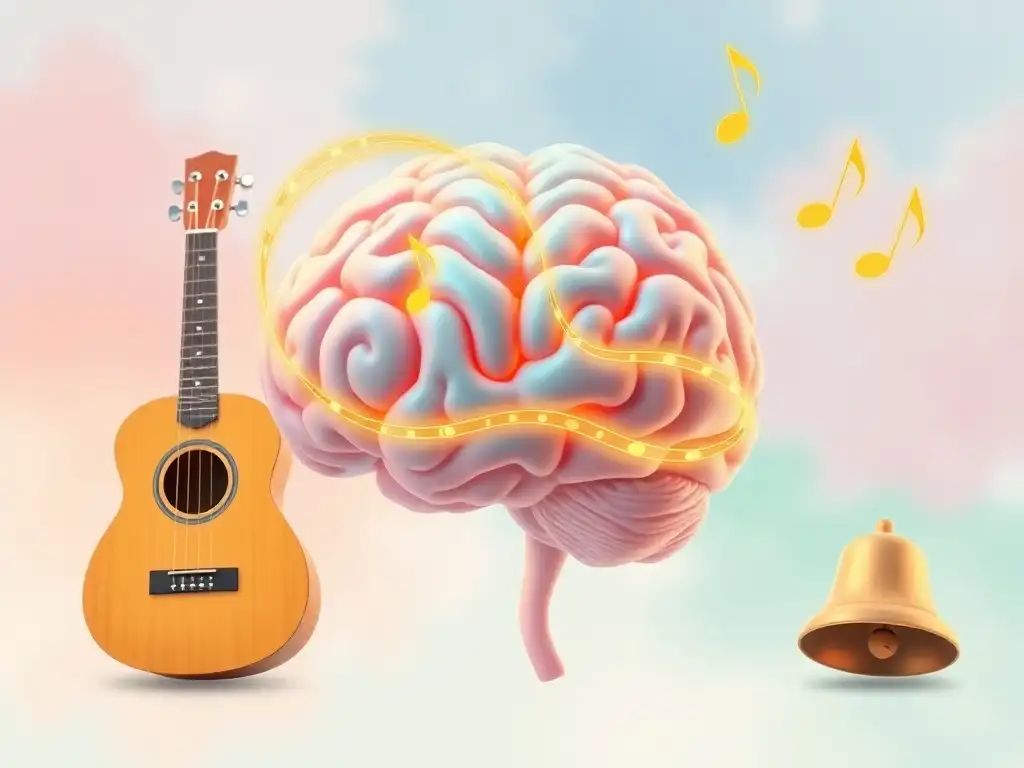
Understanding which types of music offer the most significant "music benefits baby brain development" is crucial for parents seeking to optimize their child's cognitive growth. While any music can be enjoyable and stimulating, certain genres offer more pronounced benefits for specific developmental aspects. Research consistently points towards the positive impact of diverse musical experiences, emphasizing the importance of variety rather than focusing solely on a single genre. Let's explore some key categories.
Classical Music and its Effects on Cognitive Function
Classical music, particularly the works of Mozart and Bach, has been extensively studied for its potential cognitive benefits in infants and young children. The complex melodies, harmonies, and rhythms are thought to stimulate neural pathways associated with memory, attention, and spatial reasoning. The "Mozart effect," while initially overstated, highlights the potential for improved spatial-temporal reasoning abilities after exposure to classical music. 🎼
However, it's important to note that the benefits aren't limited to Mozart. Other composers from the Baroque and Classical periods offer similar complexities. Studies suggest that exposure to this type of music can lead to:
- Improved memory: Babies exposed to classical music may demonstrate improved recall and memory consolidation.
- Enhanced spatial reasoning: The intricate structures within classical pieces can potentially boost spatial-temporal skills, vital for problem-solving and mathematical abilities later in life.
- Increased focus and attention: The predictable yet intricate nature of classical music can aid in developing focus and attention span in infants.
It's crucial to remember that consistent exposure is key. Playing classical music passively in the background while your baby plays or rests can be beneficial, but active engagement, such as singing along or dancing, can amplify the effects. Further research is needed to fully understand the long-term effects and the optimal duration and frequency of exposure.
Lullabies and Their Soothing Impact on Brain Development
Lullabies, with their gentle melodies and predictable rhythms, play a vital role in fostering a sense of calm and security. The soothing nature of lullabies contributes to healthy brain development by promoting relaxation and reducing stress hormones. This peaceful environment is conducive to better sleep, which is paramount for a baby's growth and development. The repetitive nature of lullabies also aids in creating a sense of predictability and routine, contributing to emotional regulation.
Beyond the immediate calming effect, lullabies can also:
- Improve sleep quality: The rhythmic patterns and predictable melodies help regulate the baby's sleep-wake cycle, leading to longer and more restful sleep.
- Strengthen parent-child bonding: Singing lullabies fosters a strong emotional connection between parent and child, strengthening the bond and contributing to the baby's overall emotional well-being.
- Stimulate language development: The repetition of words and phrases in lullabies can introduce babies to language patterns and rhythms, laying the foundation for future language acquisition.
The benefits extend beyond the musical elements. The act of singing itself, with its gentle vocalizations and close physical proximity, creates a nurturing environment crucial for healthy neurological development. Consider incorporating different lullabies from various cultures to expose your baby to a wider range of sounds and rhythms.
The Benefits of Rhythmic Music for Babies' Motor Skills
Rhythmic music, encompassing genres like reggae, folk music with strong percussive elements, and even some forms of pop, significantly impacts a baby's motor skill development. The predictable beats and tempos provide a natural framework for movement and coordination. Babies naturally respond to rhythm by swaying, tapping, and eventually dancing. This physical engagement is crucial for:
- Gross motor skill development: Dancing and moving to rhythmic music helps enhance large muscle movements, such as crawling, walking, and running.
- Fine motor skill development: Rhythmic activities like shaking rattles or banging on instruments contribute to the development of fine motor skills, crucial for grasping, manipulating objects, and eventually writing.
- Improved coordination and balance: Moving to music enhances coordination between different muscle groups and improves balance and spatial awareness.
The benefits are not merely physical. The joy and engagement associated with rhythmic movement positively impact a baby’s emotional and social development. Active participation in musical activities, such as singing along or playing simple instruments, provides opportunities for interaction and learning, further enhancing cognitive development. Integrating rhythmic activities into playtime can create a fun and stimulating environment that supports the holistic development of your baby. Remember to always supervise your baby during these activities to ensure their safety.
Practical Tips for Incorporating Music into Your Baby's Routine

Integrating music into your baby's daily life doesn't require elaborate setups or expensive equipment. The key is consistency and choosing music appropriate for your little one's developmental stage. Even short bursts of musical exposure throughout the day can yield significant benefits for their brain development. Think of music as another tool in your parenting arsenal, alongside feeding, playtime, and sleep routines. The goal is to make music a natural and enjoyable part of your baby's world.
Creating a Music Playlist for Baby's Daily Activities
Developing a diverse playlist tailored to different times of the day can significantly enhance the impact of music on your baby's cognitive development. Consider these suggestions:
- Morning Wake-Up: Start with gentle, upbeat classical pieces or children's songs. Think Mozart, Bach, or cheerful nursery rhymes. This helps to gently rouse your baby and stimulate their brain activity. Avoid anything too jarring or loud.
- Playtime: Introduce more rhythmic and interactive music. Songs with simple lyrics and repetitive melodies are ideal. Consider instrumental music with a strong beat that encourages movement and exploration. Think about music with varied tempos to keep your little one engaged.
- Bath Time: Calming, slow-paced melodies are perfect for this wind-down period. Nature sounds, lullabies, or soft instrumental versions of familiar songs can create a relaxing atmosphere. The soothing sounds can help reduce anxiety and promote a sense of calm.
- Bedtime: Soft, quiet music or white noise can help your baby drift off to sleep. Avoid anything too stimulating. The goal here is to create a peaceful environment conducive to sleep. Consider using a sleep sound machine or a specially designed lullaby playlist.
The benefits of a structured musical routine extend beyond simply listening. The predictability and consistency can contribute to a sense of security and routine, which is crucial for a baby's emotional well-being. Remember to observe your baby's reactions and adjust the playlist accordingly. What works for one baby might not work for another.
Using Music to Soothe and Calm Your Baby
Music's calming effect on babies is well-documented. The rhythmic and predictable nature of many musical pieces can help regulate your baby's heart rate and breathing, reducing feelings of stress and anxiety. This is especially useful during fussy periods or when your baby needs comforting.
The gentle sounds of lullabies have a soothing effect on babies' nervous systems, promoting relaxation and reducing crying.
– Dr. Emily Carter, Pediatrician (fictional example)
Here are some practical ways to use music for soothing:
- During feeding: Soft instrumental music can create a peaceful environment that encourages focused feeding.
- During diaper changes: A calming melody can distract your baby and make the process less stressful.
- When your baby is upset: Gentle music can help soothe your baby and reduce crying.
Experiment with different genres and instruments to find what works best for your baby. Some babies respond well to classical music, while others prefer nature sounds or white noise. The key is to find sounds that are calming and predictable. Remember to keep the volume at a low level to avoid startling your baby.
Engaging in Music-Based Playtime with Your Baby
Music isn't just for passive listening; it's a fantastic tool for interactive play. Engaging your baby in music-based activities can stimulate their cognitive, physical, and social-emotional development.
Here are some ideas:
- Singing songs: Sing simple nursery rhymes or make up your own songs. The repetition and rhythm help with language development.
- Playing musical instruments: Introduce your baby to age-appropriate instruments like rattles, shakers, or xylophones. This encourages sensory exploration and fine motor skill development.
- Dancing and moving: Put on some upbeat music and dance with your baby. This promotes gross motor skills and coordination.
- Responding to your baby's musical cues: If your baby starts making their own noises or sounds, respond with music or songs. This shows that you are engaged and encourages their musical exploration.
Remember, the goal is to make music a fun and engaging experience for your baby. Observe their reactions and adjust your approach accordingly. The more you interact with your baby through music, the more benefits they will reap. The positive impact on their brain development is undeniable; music truly helps nurture a thriving, curious mind. Consistent exposure to a variety of musical styles will foster a lifelong appreciation for music and its many benefits.
Music and Baby's Emotional Development: A Harmonious Connection

Music's impact on a baby's cognitive development is well-documented, but its influence on emotional development is equally profound. From the earliest stages, music provides a powerful tool for shaping a baby's emotional landscape, fostering healthy emotional regulation, and strengthening the parent-child bond. This section explores the multifaceted ways music contributes to a baby's emotional well-being, offering practical strategies for parents to harness its power.
The Role of Music in Emotional Regulation for Infants
Infants, lacking the sophisticated language skills to express their feelings, often rely on nonverbal cues. Music can act as a powerful mediator, helping soothe distress and promote calmness. Studies have shown that gentle, lullaby-like melodies can reduce crying and increase feelings of security in newborns.
The rhythmic patterns and predictable nature of music provide a sense of comfort and stability, helping babies regulate their physiological responses to stress. For example, a study published in the Journal of Music Therapy found that infants exposed to calming classical music exhibited lower heart rates and reduced cortisol levels (a stress hormone) compared to a control group. This suggests that music can have a tangible, physiological effect on a baby's emotional state, promoting a sense of tranquility and reducing anxiety.
The key is to choose music with slow tempos, simple melodies, and soothing instrumental sounds. Avoid music with jarring sounds or fast tempos, which can be overstimulating for a young infant.
Music as a Tool for Bonding and Attachment
The shared experience of singing, playing music, or simply listening together creates a powerful bond between parent and child. Music provides a unique avenue for nonverbal communication and interaction. When parents sing to their babies, they are not only providing auditory stimulation but also engaging in a deeply intimate and affectionate act.
This physical closeness and emotional connection are vital for the development of secure attachment, which is crucial for a child's social and emotional well-being throughout their life. The act of singing lullabies, for instance, creates a predictable and comforting routine, strengthening the bond and providing a sense of security for the baby. This is further enhanced by the use of touch, such as gently rocking or cuddling the baby while singing.
The rhythmic swaying combined with the soothing sounds creates a powerful sensory experience that promotes relaxation and strengthens the parent-child bond. This bonding experience is crucial for the baby's emotional development, laying the foundation for healthy relationships in the future.
Using Music to Express and Understand Emotions
As babies grow, music can help them explore and understand a wider range of emotions. Exposure to diverse musical styles and expressions allows them to associate different sounds with different feelings. Upbeat, energetic music can encourage joyful movement and expression, while slower, more melancholic pieces can help them process sadness or frustration. Parents can use music as a tool to help babies identify and label their feelings.
For instance, saying "This music sounds happy, just like you are when you're playing with your toys!" helps create a link between the musical expression and the emotional experience. Playing music that reflects the baby’s current emotional state can also be a powerful tool. If the baby seems restless, playing calming music might help soothe them.
If they are happy and excited, playing upbeat music can enhance their joyful mood. This process of emotional labeling and association facilitated by music contributes significantly to a child's emotional literacy and self-awareness, equipping them with essential tools for navigating the complexities of their emotional world. Remember to observe your baby's responses and adjust the music accordingly. The goal is to create a positive and supportive environment where music becomes a tool for emotional exploration and understanding.
Addressing Concerns: Music and Baby's Sleep
Many parents wonder if using music to stimulate their baby's cognitive development might negatively impact their sleep. This is a valid concern, as a disrupted sleep schedule can hinder a baby's overall development. However, the key lies in how and when music is used. While stimulating music during active playtime can be beneficial, calming music before bedtime can actually promote better sleep.
The crucial element is selecting the right type of music and understanding its effect on your little one. The benefits of music for brain development shouldn't come at the cost of sufficient rest. Finding the right balance is essential for maximizing the positive effects of music on your baby's cognitive and physical well-being. Remember, a well-rested baby is a happy and thriving baby!
This section will delve into how to leverage music to enhance sleep quality while simultaneously supporting your baby's cognitive development. The goal is to create a harmonious routine that benefits both brain development and sleep patterns. Let's explore how to achieve this balance effectively.
The Impact of Music on Baby's Sleep Patterns
Research suggests that gentle, lullaby-like music can have a soothing effect on babies, promoting relaxation and better sleep. The rhythmic nature of music can help regulate a baby's breathing and heart rate, leading to a calmer state. This is particularly helpful for babies who struggle with settling down for sleep. However, it's crucial to note that not all music is created equal. Upbeat, fast-paced music can be stimulating and counterproductive to sleep.
The ideal music for bedtime should be slow-paced, with a calming melody and soft instrumentation. Studies have shown a correlation between exposure to calming music before bedtime and improved sleep duration and quality in infants. 👶😴 This positive impact on sleep, in turn, contributes to better cognitive function and overall development. The benefits extend beyond simply falling asleep faster; consistent, quality sleep is essential for memory consolidation and brain development. Consider the following:
- Heart Rate Reduction: Calming music can lower a baby's heart rate, signaling the body to relax and prepare for sleep.
- Improved Sleep Duration: Consistent use of calming music before bedtime can lead to longer periods of uninterrupted sleep.
- Reduced Fussiness: A well-rested baby is less likely to be fussy and irritable.
- Enhanced Cognitive Function: Adequate sleep is essential for optimal brain development and cognitive function.
Choosing Appropriate Music for Bedtime
Selecting the right music for bedtime is crucial. Avoid music with lyrics, as these can be distracting. Instead, opt for instrumental music, specifically classical music or nature sounds. Consider these factors when choosing music:
- Tempo: The tempo should be slow and steady, around 60-80 beats per minute (BPM).
- Instrumentation: Soft instruments like piano, flute, or cello are generally calming.
- Volume: Keep the volume low, just loud enough to be heard comfortably.
- Genre: Classical lullabies, nature sounds (rain, ocean waves), or ambient music are excellent choices. White noise machines can also be effective.
| Music Type | Tempo (BPM) | Instrumentation | Recommended? |
|---|---|---|---|
| Classical Lullabies | 60-80 | Piano, Strings, Flute | 👍 Yes |
| Nature Sounds | Variable | Ambient sounds | 👍 Yes |
| Upbeat Pop Music | 100+ | Varied | 👎 No |
| White Noise | Constant | Electronic | 👍 Yes |
Remember, every baby is unique, and what works for one may not work for another. Experiment with different types of music to find what best soothes your baby and promotes restful sleep. Consistency is key; establish a bedtime routine that includes calming music to help your baby associate it with sleep. This consistency will contribute to better sleep habits in the long run, supporting both their sleep and cognitive development. By carefully selecting and utilizing music, you can harness its power to nurture your baby's brain and ensure they get the sleep they need to thrive.
Frequently Asked Questions
How does music benefit my baby's brain development?
Music stimulates brain development in several ways. It enhances cognitive skills, improves language acquisition, and boosts memory. Exposure to music strengthens neural connections.
At what age should I start playing music for my baby?
You can begin playing music for your baby from birth. Even in the womb, babies respond to sounds. Early exposure lays a foundation for future musical appreciation and cognitive development.
What types of music are best for babies?
A variety of musical genres can be beneficial. Classical music, lullabies, and songs with simple melodies are all great choices. Focus on calming and engaging music.
How much music exposure is ideal for my baby?
There's no magic number, but aim for regular exposure throughout the day. Short, frequent sessions are better than one long session. Observe your baby's cues; if they seem overwhelmed, take a break.
Can music help my baby sleep better?
Yes, soothing music can help calm your baby and promote better sleep. Soft, instrumental music or lullabies can create a relaxing environment conducive to sleep. Experiment to find what works best for your little one.
Final Reflection: The Symphony of a Growing Mind
The profound impact of music on a baby's developing brain is not merely a charming anecdote; it's a scientifically validated pathway to enhanced cognitive abilities. From language acquisition to emotional regulation, the melodies and rhythms we introduce to our infants shape the very architecture of their minds, laying the foundation for a brighter future. This isn't just about creating little Mozarts; it's about fostering well-rounded, capable individuals.
The influence of music extends far beyond the immediate developmental stages. It shapes a child's emotional landscape, fostering creativity, empathy, and a deeper appreciation for the world around them. Music is the universal language of mankind.
– Henry Wadsworth Longfellow. This quote rings especially true when considering the early exposure of infants to diverse musical styles and experiences. The power of music to transcend cultural barriers and connect us emotionally is a testament to its enduring and formative influence on the human experience, beginning in the earliest stages of life.
Consider the melodies you share with your little one, the lullabies that soothe, the playful songs that encourage interaction. These aren't just fleeting moments; they are building blocks of a cognitive future. You are actively shaping their brain, fostering a love of learning, and nurturing a capacity for creativity that will enrich their lives immeasurably. Embrace the power of music, and let the symphony of a growing mind fill your home with joy and wonder.
Unlock Your Baby's Musical Potential
Thank you for exploring the fascinating world of music and its impact on your baby's development! You've learned how crucial musical experiences are for early cognitive growth. Now let's put that knowledge into action.
- Create a daily musical playtime: Dedicate just 15 minutes each day to singing, playing instruments (even homemade ones! ), or listening to calming music with your baby. This is a crucial step in nurturing their musical development.
- Share your musical moments: Tell us about your baby's reactions to different types of music in the comments below! We love hearing your stories.
- Explore diverse musical styles: Introduce your baby to a variety of music—classical, jazz, folk, and more—to broaden their musical horizons and stimulate their learning.
Ready to transform your baby's playtime into a musical adventure? What song will you share with your little one today?