
Sensory Play Benefits: How Activities Aid Baby's Growth


Welcome to BabyCareHub, your ultimate guide to navigating the incredible journey of parenthood! Are you ready to unlock the extraordinary power of play? Discover how baby sensory play benefits your little one's development in surprising ways. We delve into the fascinating world of sensory experiences and how they contribute to your baby's cognitive, physical, and emotional growth. Dive in and uncover the secrets to nurturing your child's potential through engaging and enriching activities.
- Understanding the Importance of Sensory Play for Babies
- Baby Sensory Play Benefits: Exploring the Advantages
- Types of Sensory Play Activities for Babies
- Creating a Safe and Engaging Sensory Play Environment
- Integrating Sensory Play into Your Daily Routine
- Signs Your Baby is Enjoying Sensory Play
- Addressing Common Concerns about Sensory Play
- Baby Sensory Play Benefits: Long-Term Impact on Development
- Supporting Continued Sensory Development Beyond Infancy
- Frequently Asked Questions
- Final Reflection: Unlocking a World of Wonder Through Sensory Play
- Unlock Your Baby's Potential: Start Exploring Sensory Play Today!
Understanding the Importance of Sensory Play for Babies
Navigating the world of parenthood, especially for first-time parents, can feel overwhelming. From feeding schedules to sleep routines, the sheer volume of information can be daunting. However, amidst the daily routines, lies a powerful tool for your baby's development: sensory play. This article dives deep into the baby sensory play benefits, exploring how engaging your little one in sensory activities significantly impacts their growth and development across various crucial milestones.
We'll explore what sensory play is, how it shapes brain development, and its crucial role in cognitive development. Understanding these benefits will empower you to create enriching experiences that foster your baby's healthy growth and learning journey. Prepare to discover a world of playful learning that strengthens the bond between you and your child while nurturing their potential.
What is Sensory Play and Why is it Crucial?
Sensory play involves activities that stimulate a baby's senses: touch, sight, smell, taste, and hearing. Think of it as a playful exploration of the world around them. It's not just about fun; it's a foundational element in a baby's cognitive, physical, and social-emotional development. Why is it so crucial? Because in those early months and years, your baby's brain is developing at an incredible rate, forming trillions of neural connections. Sensory experiences directly influence this development, shaping their understanding of the world and their ability to interact with it effectively.
Examples of simple sensory play include:
- Touch: Providing a variety of textures for your baby to explore, like soft blankets, crinkly paper, or smooth wooden blocks.
- Sight: Presenting colorful toys, hanging mobiles, or even simply looking out a window at the changing light.
- Smell: Introducing different safe scents, like lavender or chamomile (always supervise and ensure safety).
- Taste: Offering safe, age-appropriate foods with varying textures and flavors (always under supervision).
- Hearing: Playing soft music, singing lullabies, or making various sounds with toys.
Engaging your baby in these types of activities isn't just about entertainment; it's about laying the groundwork for future learning and development. The more varied and stimulating the sensory experiences, the richer the neural connections become.
How Sensory Experiences Shape Baby's Brain Development
The human brain is remarkably plastic, meaning it's highly adaptable and responsive to experiences. Sensory play directly impacts this plasticity, fostering the growth of neural pathways. When a baby experiences a new sensation, their brain creates new connections, strengthening existing ones. This process is crucial for developing essential skills, including:
- Fine motor skills: Activities like grasping toys, manipulating objects, and playing with textured materials enhance hand-eye coordination and dexterity.
- Gross motor skills: Tummy time, crawling, and exploring their environment through movement contribute to the development of larger muscle groups.
- Language development: Talking to your baby during sensory play, narrating their actions, and describing the objects they interact with helps expand their vocabulary and understanding of language.
Furthermore, sensory play helps regulate a baby's nervous system. The calming and stimulating aspects of these activities can help soothe anxiety, improve focus, and promote better sleep. The benefits extend beyond immediate skills development; they lay the foundation for future academic success and overall well-being. It's a powerful investment in your baby's future.
The Role of Sensory Play in Cognitive Development
Sensory play is not just about physical development; it's fundamentally linked to cognitive growth. The experiences gained through sensory activities directly contribute to:
- Problem-solving skills: As babies explore different textures, shapes, and sounds, they begin to understand cause and effect. For example, shaking a rattle to produce a sound helps them grasp the concept of action and reaction.
- Creativity and imagination: Sensory play encourages exploration and experimentation, fostering imagination and creativity. A simple bowl of water can become an ocean, a pile of blocks can become a castle – the possibilities are endless.
- Attention span: Engaging activities help babies focus and concentrate, gradually improving their attention span. This is an essential skill for future learning and academic success.
In essence, sensory play provides a foundation for future learning. It helps babies develop critical thinking skills, enhances their problem-solving abilities, and fuels their natural curiosity. By providing a rich sensory environment, you're not just entertaining your baby; you're actively shaping their cognitive development and setting them up for a bright future. Remember, every playful interaction is a learning opportunity.
Baby Sensory Play Benefits: Exploring the Advantages
This section delves into the multifaceted advantages of sensory play for your baby's development. We'll explore how engaging different senses translates into significant developmental leaps, fostering a stronger foundation for future learning and growth. Remember, consistent and varied sensory experiences are key to maximizing these benefits. The term "baby sensory play benefits" encompasses a wide range of positive outcomes, as we'll detail below.
Enhanced Sensory Integration and Perception
Sensory integration is the neurological process of organizing sensory information from the body and the environment. Babies learn to interpret and respond to this information through sensory play. Activities involving touch, sight, sound, smell, and taste help their brains build connections, improving their ability to process sensory input efficiently. This efficient processing is crucial for overall development.
For example, a baby playing with textured fabrics (like soft fleece and rough burlap) develops a better understanding of tactile differences. Similarly, playing with rattles of varying sounds helps discriminate auditory stimuli. The more varied the sensory input during play, the more robust the neural pathways become. This leads to better sensory discrimination and a reduced risk of sensory processing difficulties later in life.
Studies have shown that early sensory enrichment can significantly improve a child's ability to focus and self-regulate, impacting their behavior and learning capacity. Think of it as building a strong sensory foundation upon which all other skills are built. The earlier you begin, the greater the impact.
Improved Motor Skill Development: Fine and Gross Motor Skills
Sensory play is not just about perception; it's also a powerful tool for developing motor skills. Both fine motor skills (small movements using hands and fingers) and gross motor skills (larger movements of the body) are significantly enhanced through engaging sensory activities.
- Fine Motor Skills: Activities like finger painting, playing with playdough, or manipulating small toys strengthen hand muscles, improve dexterity, and enhance hand-eye coordination. These are essential for future tasks like writing, drawing, and using utensils. Even something as simple as reaching for a brightly colored toy strengthens these crucial muscles.
- Gross Motor Skills: Activities like rolling on textured mats, crawling through tunnels, or playing with large balls encourage larger body movements, improving balance, coordination, and spatial awareness. These activities contribute to overall physical development and prepare the baby for more complex movements later on. The development of gross motor skills isn't just about physical strength; it also contributes to cognitive development and problem-solving abilities.
Consider this: a baby learning to reach for a toy is simultaneously developing fine motor skills (hand-eye coordination) and gross motor skills (body positioning, reaching). Sensory play seamlessly integrates these skills, making learning fun and effective.
Boosting Communication and Language Skills through Sensory Activities
Sensory play isn't just about physical development; it significantly contributes to cognitive and language development. Engaging in sensory activities encourages interaction, communication, and language acquisition.
During sensory play, caregivers naturally interact with their babies, narrating actions, naming objects, and describing textures and sounds. This constant verbal interaction provides a rich language environment, fostering vocabulary development and language comprehension. For example, while playing with water, you might say, "Feel the cool water on your hands! It's so slippery!" This simple interaction exposes the baby to new words and concepts. Moreover, the emotional connection forged during these playful interactions further enhances language development. The positive emotional tone creates a receptive environment for learning and communication.
Furthermore, sensory activities often encourage babies to express themselves nonverbally. Their reactions – excitement, surprise, or curiosity – provide valuable cues that caregivers can interpret and respond to, further strengthening the communication bond. This reciprocal communication lays the groundwork for more complex verbal communication later. The more interactive the sensory play, the richer the language environment, and the faster the language acquisition. Remember, language development isn't just about speaking; it's about understanding and responding to communication. Sensory play helps babies develop both aspects seamlessly.
Fostering Creativity and Imagination through Sensory Exploration
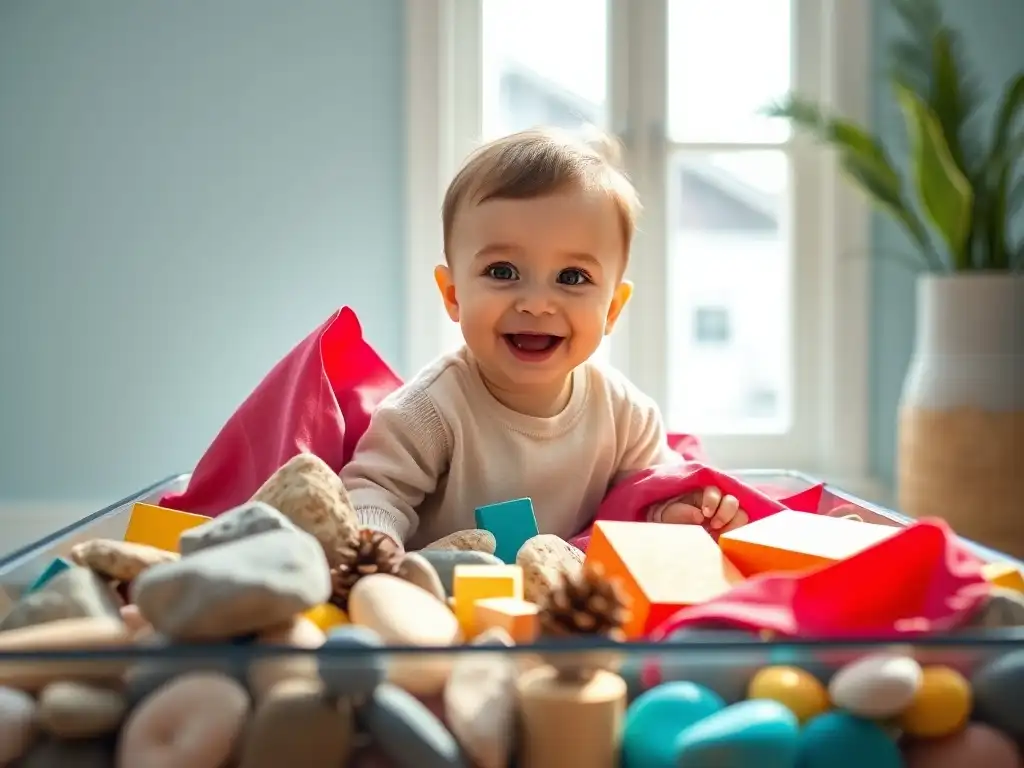
Sensory play acts as a fertile ground for cultivating a child's creativity and imagination. By engaging multiple senses simultaneously, babies are not simply reacting to stimuli; they are actively constructing meaning and building internal representations of the world. Think of a baby exploring a textured fabric. The tactile experience—the softness, roughness, or coolness—isn't just a passive sensation.
It sparks internal imagery and potentially inspires imaginative play. Perhaps the soft fabric becomes a fluffy cloud, a cuddly pet, or a comforting blanket in their pretend world. This process of associating sensory experiences with abstract concepts is crucial for developing symbolic thinking, a cornerstone of creativity.
Furthermore, unstructured sensory play allows for open-ended exploration. Unlike structured activities with predefined outcomes, sensory play offers no "right" or "wrong" way to interact. This freedom fosters experimentation and the development of unique solutions. A baby might use a set of colorful stacking cups not just for stacking, but also for banging them together to create sounds, nesting them for a game of hide-and-seek, or even using them as building blocks for a miniature tower.
This type of self-directed exploration is fundamental to fostering independent thought and creative problem-solving skills. The more diverse the sensory materials, the richer the possibilities for imaginative expression become. Offering a variety of textures, colors, and sounds encourages babies to devise novel uses and interpretations, thereby enriching their imaginative landscape. This early exposure to creative expression lays a strong foundation for future artistic endeavors and innovative thinking.
Emotional Regulation and Stress Reduction via Sensory Play
Sensory play offers a powerful tool for helping babies regulate their emotions and reduce stress. For infants, the world can be overwhelming, filled with unpredictable sensations and stimuli. Sensory play provides a safe and controlled environment where babies can explore these sensations at their own pace, fostering a sense of predictability and control. A baby feeling overwhelmed might find comfort in the rhythmic repetition of squeezing a textured ball or the soothing sounds of water flowing in a sensory bin. These repetitive actions can be calming and self-soothing, helping to regulate their nervous system and reduce feelings of anxiety.
Moreover, sensory play allows babies to express their emotions non-verbally. If a baby is feeling frustrated, they might express this through vigorous shaking of a rattle or throwing a soft toy. This physical expression of emotion, within a safe and supportive environment, can be cathartic and prevent emotional build-up.
The act of engaging with sensory materials allows for emotional release without the pressure of verbal communication, which is still developing in infancy. This is especially important for babies who may not yet have the language skills to articulate their feelings. Parents can further support emotional regulation by joining in the sensory play, providing a sense of connection and security.
Gentle touch, soothing tones, and shared engagement can reinforce feelings of calmness and well-being, making sensory play a valuable tool for building emotional resilience from a young age. The calming and expressive aspects of sensory play contribute significantly to a baby's overall emotional development and well-being.
Types of Sensory Play Activities for Babies
This section delves into the diverse world of sensory play activities tailored to different developmental stages of your baby, highlighting the unique benefits each stage offers. Remember, always supervise your baby during sensory play and choose age-appropriate materials to ensure safety and maximize enjoyment. The benefits of baby sensory play are numerous, contributing significantly to your little one's cognitive, physical, and emotional development.
Sensory Play for Newborns (0-3 months): Focusing on Basic Senses
Newborns are highly receptive to sensory stimulation, even at this early stage. While their motor skills are still developing, focusing on basic senses like sight, hearing, and touch lays a crucial foundation for future learning. The key here is simplicity and gentle stimulation.
Think soft, contrasting colors. A black-and-white mobile hanging above the crib can captivate their attention, stimulating their developing vision. Similarly, soft, textured fabrics like cotton or fleece can provide tactile exploration. Gentle sounds, like lullabies or nature sounds, can soothe and stimulate their auditory system. Remember, newborns benefit from calm, low-key sensory experiences.
Avoid overwhelming your newborn with too much stimulation at once. Short, frequent sessions are ideal. Observe your baby's cues; if they seem overwhelmed, stop the activity and try again later. Always prioritize safety; ensure all materials are soft, clean, and free from small parts that could pose a choking hazard. The positive effects on baby development from even these simple activities are significant. This early sensory exploration helps build neural pathways crucial for future cognitive development.
Sensory Play for Infants (3-6 months): Introducing Textures and Sounds
As your baby grows, so does their ability to engage with their environment. Between 3 and 6 months, you can introduce more varied textures and sounds into their sensory play. The benefits of sensory play at this stage extend to improved hand-eye coordination and motor skill development.
Think rattles with varying textures, soft books with crinkly pages, or fabric toys with different patterns and fabrics. You can also introduce simple cause-and-effect toys, such as stacking rings or teethers that make sounds when manipulated. These activities encourage exploration and discovery, helping your baby understand the relationship between their actions and the resulting sensory input.
Remember to introduce new textures gradually, allowing your baby time to adjust and explore each one. Observe their reactions; some babies might show a preference for certain textures or sounds. This is perfectly normal and can guide you in selecting appropriate sensory play materials for future sessions. The aim is to create a playful and engaging experience that fosters their developing senses and motor skills.
Sensory Play for Toddlers (6-12 months): Exploring Cause and Effect
By 6-12 months, your baby is becoming more mobile and curious, eager to explore the world around them. Sensory play at this age focuses on cause-and-effect relationships and exploring more complex sensory experiences. The benefits are significant, leading to enhanced problem-solving skills and improved cognitive development.
Activities could include stacking cups, playing with water in a safe container, or filling and emptying containers with various materials like dry beans or rice (always under close supervision!). Simple puzzles with large, easily manipulated pieces can also be introduced. These activities encourage problem-solving, hand-eye coordination, and fine motor skill development.
Remember to prioritize safety; ensure all materials are non-toxic and age-appropriate. Supervise your baby closely during these activities, as they are becoming more mobile and might put objects in their mouths. Observe your baby's engagement and adjust the activity accordingly. The joy and learning that comes from these interactive experiences are invaluable to your baby's overall development. Providing stimulating sensory experiences helps build a strong foundation for future learning and development, making sensory play an essential part of your baby's journey.
Sensory Play for Babies (12-18 months): Encouraging Independent Play
This stage marks a significant leap in your baby's development. They're becoming increasingly mobile and independent, eager to explore their world and engage with activities on their own terms. Sensory play at this age should focus on fostering this newfound independence while still providing engaging and stimulating experiences. We're moving beyond passive observation to active participation.
One excellent activity is setting up a "sensory bin". This could be a large container filled with items like dried pasta, rice, or beans. Add scoops, cups, and other small utensils for your baby to manipulate the materials. The different textures and sounds will engage their senses, and the act of pouring and scooping helps develop fine motor skills and hand-eye coordination. Remember to supervise closely to prevent choking hazards, and always ensure the items used are non-toxic and large enough to avoid accidental ingestion.
You can also introduce different types of materials, like dried leaves, smooth stones (carefully cleaned! ), or even fabric scraps. The variation keeps things interesting and expands their sensory exploration. Observe your baby's preferences; some may gravitate toward the feel of soft fabrics, while others may enjoy the clinking sound of the beans.
Another engaging activity involves finger painting. Use non-toxic, washable finger paints and offer a variety of colors. Let your little one explore the textures and colors freely, making marks and experimenting with different techniques. This is a fantastic way to encourage self-expression and creativity. Don't worry about creating a masterpiece; the focus is on the sensory experience. Provide a large surface, like a waterproof mat or even a tray, to contain the mess. Afterwards, it's a good opportunity to introduce the concept of cleaning up, a crucial life skill.
Finally, consider incorporating simple puzzles designed for this age group. These puzzles often involve large, chunky pieces with simple shapes and images that your baby can easily grasp and manipulate. This activity helps develop problem-solving skills, hand-eye coordination, and spatial reasoning. Start with very simple puzzles and gradually increase the complexity as your baby's skills develop.
The satisfaction of completing a puzzle, even a simple one, is a great boost to their confidence and encourages further exploration. Remember to praise their efforts and celebrate their successes, reinforcing positive learning experiences. The goal isn't just completing the puzzle but also the sensory experience of touching the pieces, fitting them together, and the subsequent feeling of accomplishment. The joy on their face is the best reward!
Creating a Safe and Engaging Sensory Play Environment
Engaging in sensory play offers myriad benefits for your baby's development. However, creating a safe and stimulating environment is paramount. This section details crucial steps to ensure your little one enjoys sensory exploration without compromising their safety. Remember, the goal is to foster a positive and enriching experience, promoting healthy development while minimizing risks. The key to successful baby sensory play benefits lies in thoughtful preparation.
Choosing Age-Appropriate Sensory Materials
Selecting appropriate materials is crucial for safe and effective sensory play. Babies at different developmental stages have varying needs and capabilities. For example, a six-month-old's sensory exploration will differ significantly from that of a twelve-month-old.
- 0-3 Months: Focus on soft, textured materials like smooth fabrics, crinkly papers (ensure no small pieces can be detached! ), and rattles with soft surfaces. Avoid anything with small parts that could be a choking hazard. Think about contrasting colors and simple shapes.
- 3-6 Months: Introduce a wider range of textures—soft, fluffy items alongside slightly rougher materials like cotton washcloths. Consider lightweight, brightly colored toys that are easy to grasp. Always supervise closely to prevent accidental ingestion.
- 6-12 Months: At this stage, babies are more mobile and curious. You can introduce more complex textures, such as water play (in a supervised setting), finger paints (non-toxic and washable! ), and soft building blocks. Continue to prioritize safety, ensuring all items are large enough to prevent choking.
Remember to always check labels and ensure all materials are non-toxic and safe for babies. Avoid anything containing small parts, sharp edges, or potentially harmful chemicals. Prioritizing safe materials directly impacts the positive baby sensory play benefits you're aiming for.
Setting Up a Safe Sensory Play Area
Creating a dedicated sensory play area minimizes risks and maximizes engagement. This space should be specifically designed for exploration, with safety as the top priority.
- Flooring: Use soft, padded flooring or a rug to protect your baby from falls. Hard surfaces like tile or wood can be dangerous for little ones who are crawling or learning to stand.
- Furniture: Remove any furniture with sharp corners or edges from the play area. Ensure there's ample space for your baby to move around freely without bumping into obstacles.
- Storage: Keep all sensory materials organized and out of reach when not in use. Use childproof containers to prevent accidental ingestion or damage to the toys.
- Temperature: Maintain a comfortable room temperature to prevent overheating or chills. Sensory play should be a pleasurable experience, not a source of discomfort.
A well-prepared, safe sensory play area significantly enhances the positive baby sensory play benefits your child will experience. The emphasis should always remain on safety and comfort.
Supervising Your Baby During Sensory Play
Constant supervision is non-negotiable during sensory play. Even with age-appropriate materials and a safe environment, accidents can still occur. Never leave your baby unattended, even for a moment.
- Active Supervision: Don’t just passively watch; actively engage with your baby during playtime. This allows you to immediately address any potential hazards and to help your baby explore different aspects of the materials.
- Responding to Cues: Pay close attention to your baby's cues. If they show signs of distress or discomfort, stop the activity immediately. Respect their boundaries and allow them to explore at their own pace.
- Emergency Preparedness: Have a first-aid kit readily available and know basic first aid procedures for common baby injuries. Being prepared for minor mishaps can help you respond quickly and effectively.
Active and attentive supervision is crucial for maximizing the baby sensory play benefits while minimizing the risks. Remember, safety is paramount. Your vigilance ensures a positive and enriching experience for your little one.
Cleaning and Maintaining Sensory Play Materials
Maintaining hygiene is paramount when it comes to baby sensory play. Babies explore the world through their mouths and hands, making cleanliness a top priority to prevent the spread of germs and potential illnesses. Regular cleaning of sensory play materials is not just about tidiness; it's about safeguarding your baby's health. Different materials require different cleaning methods.
For example, washable fabrics like cotton cloths or small, soft toys can be machine-washed in a gentle cycle with baby-friendly detergent. Always check the care instructions on the label before washing any item. Ensure that all materials are thoroughly rinsed and dried completely before reuse to prevent mold or mildew growth.
For non-washable items like wooden blocks or plastic containers, wiping them down with a damp cloth and mild soap is usually sufficient. Avoid using harsh chemicals or abrasive cleaners, as these can damage the materials and potentially be harmful to your baby. After cleaning, allow the items to air dry completely before your baby plays with them again.
It's crucial to inspect all materials regularly for any signs of damage, wear, or tear. Discard any items that are broken or show signs of deterioration, as these could pose a choking hazard or other safety risks. Remember, proactive cleaning and maintenance are essential for providing a safe and hygienic sensory play environment for your little one.
This diligent approach helps minimize the risk of infections and ensures your baby can enjoy their playtime without compromising their health. Consider designating a specific area for sensory play to make cleanup easier and more efficient. This dedicated space helps contain the mess and makes the post-play cleaning process much simpler.
Regular cleaning prevents the build-up of bacteria and other microorganisms that could cause illness. This is especially important considering that babies frequently put things in their mouths. Think of it as a preventative measure, similar to sterilizing baby bottles. For example, if you use water beads for sensory play, make sure to thoroughly rinse and dry them after each use to prevent the growth of bacteria.
The frequency of cleaning will depend on the type of materials and how often they are used. However, a good rule of thumb is to clean all materials at least once a week, or more frequently if they have been exposed to spills or excessive drool. By maintaining a clean and hygienic play environment, you're creating a safer space for your baby to explore and develop their senses.
Integrating Sensory Play into Your Daily Routine
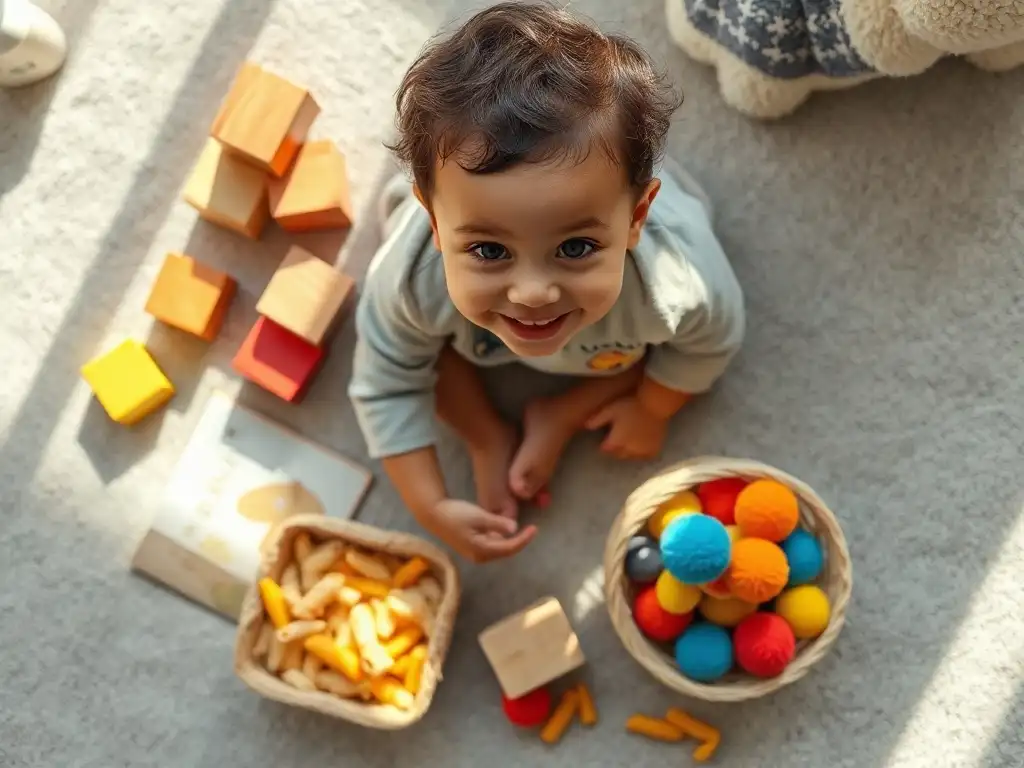
Integrating sensory play into your daily routine doesn't require elaborate preparations or expensive toys. The key is to be mindful of your baby's surroundings and to creatively utilize everyday objects. The benefits of consistent sensory stimulation are significant, contributing to improved cognitive development, enhanced motor skills, and a stronger emotional connection between parent and child.
Remember, even the simplest activities can provide rich sensory experiences for your little one. The frequency and duration of sensory play sessions should be tailored to your baby's age and attention span; short, frequent sessions are often more effective than long, infrequent ones. Always supervise your baby closely during sensory play to ensure their safety.
Incorporating Sensory Play into Bath Time
Bath time presents a fantastic opportunity for sensory exploration. The warm water, the soft textures of washcloths, and the sounds of splashing all stimulate your baby's senses. You can enhance this experience further by introducing various elements:
- Floating toys: Use soft, floating bath toys in different shapes, sizes, and textures. These toys provide visual stimulation and encourage reaching and grasping, improving fine motor skills. Consider toys that make gentle sounds when squeezed or moved.
- Water play: Let your baby explore the sensation of water by pouring, splashing, and even feeling different water temperatures (always ensuring safety and avoiding extremes). This helps develop hand-eye coordination and understanding of cause and effect.
- Sensory bottles: Fill clear plastic bottles with water and add colorful beads, glitter, or small, safe toys. The movement of the contents provides visual and auditory stimulation. These are mesmerizing for babies and encourage focused attention.
- Scented bath products: Use mild, baby-friendly bath products with gentle scents like lavender or chamomile, which can have a calming effect. However, be mindful of potential allergies and start with small amounts.
Sensory Play Activities During Mealtimes
Mealtimes can also be a time for sensory exploration. While maintaining focus on healthy eating habits, you can subtly incorporate sensory elements to make the experience more engaging and enjoyable:
- Different textures: Offer a variety of foods with different textures – soft, crunchy, smooth, and lumpy. This helps your baby develop their chewing and swallowing skills, while also exploring different mouth sensations.
- Colorful foods: Use colorful fruits and vegetables to visually stimulate your baby. The vibrant colors are captivating and can encourage them to try new foods.
- Finger foods: Introduce finger foods that are easy to grasp and manipulate. This promotes self-feeding skills and improves hand-eye coordination. Always supervise closely to prevent choking hazards.
- Temperature variations: Introduce slight temperature variations, such as slightly chilled or room-temperature foods, to enhance the sensory experience. Always ensure food is at a safe temperature to avoid burns. A cool cucumber slice can be a delightful surprise!
Using Sensory Play to Soothe a Fussy Baby
Sensory play can be a powerful tool for soothing a fussy baby. The calming and engaging nature of these activities can often distract them from whatever is causing distress. Here are some strategies:
- Soft textures: Offer your baby soft blankets, cuddly toys, or a weighted blanket (always under supervision). The gentle pressure and soft textures can have a calming effect.
- Gentle rocking: Combine sensory play with gentle rocking or swaying motions. This rhythmic movement can be very soothing.
- Calming sounds: Play soft, calming music or nature sounds. White noise can also be effective in masking distracting noises.
- Dim lighting: Reduce the brightness of the room to create a more calming atmosphere. A dimly lit room can be less stimulating and more relaxing for a fussy baby.
Remember, consistency and observation are key. Pay attention to your baby's reactions and adjust the activities accordingly. Every baby is unique, and what works for one may not work for another. By incorporating these simple yet effective sensory play ideas into your daily routine, you can contribute significantly to your baby's healthy development and build a strong bond through playful interaction. 🧸
Making Sensory Play a Part of Bedtime Routine
Integrating sensory play into your baby's bedtime routine can be a wonderfully calming and effective way to signal the end of the day and prepare them for sleep. Avoid overly stimulating activities right before bed, instead opting for gentle and soothing experiences. Think of it as a wind-down period, not an energy boost.
One effective technique is a warm bath with calming essential oils like lavender (always diluted appropriately and checked for allergies first!). The warm water provides tactile stimulation, while the scent contributes to a relaxing atmosphere. Follow the bath with a gentle massage using a baby-safe lotion. The touch and the scent can be incredibly soothing, promoting relaxation and a sense of security.
Another excellent option is incorporating a short, quiet sensory bin activity. Choose a bin with a few calming items, such as soft fabrics like fleece or silk, smooth stones (carefully cleaned and supervised), or a small collection of unbreakable, muted-colored toys. The gentle textures and quiet play can help to slow your baby's heart rate and prepare them for sleep. Keep the playtime short – perhaps five to ten minutes – to prevent overstimulation.
Remember to keep the lighting dim and the environment quiet during this bedtime sensory play. Soft music or white noise can also contribute to a calming atmosphere. Consistency is key; establishing a regular bedtime routine, including sensory play, will help your baby learn to associate these activities with sleep, leading to better sleep habits over time. This consistent routine will help your baby understand the transition from active play to restful sleep, contributing to a more peaceful night for both you and your little one.
The aim is to create a predictable and relaxing experience that signals the body it's time to wind down and prepare for sleep. Remember to adjust the activities to your baby's individual preferences and needs. Some babies may respond better to certain textures or scents than others. Observe your baby's cues and adapt your routine accordingly.
Signs Your Baby is Enjoying Sensory Play
Observing your baby's engagement with sensory play activities is crucial to understanding their developmental progress and preferences. Recognizing the subtle cues they provide will help you tailor activities to their specific needs and ensure a positive, enriching experience. Remember, every baby is unique, and their responses may vary.
Observing Your Baby's Engagement and Reactions
Positive responses to sensory play are often expressed through a variety of subtle cues. Look for signs of active participation and enjoyment. Does your baby:
- Focus intently on the activity? A prolonged period of focused attention, even for a few minutes, suggests engagement and interest. For example, a baby might stare intently at a mobile, track a moving object with their eyes, or carefully explore the texture of a soft toy.
- Show positive facial expressions? Smiles, giggles, and relaxed expressions are excellent indicators of enjoyment. Conversely, frowns or furrowed brows might suggest discomfort or disinterest.
- Make vocalizations or sounds? Cooing, babbling, or gurgling often accompanies positive engagement. The sounds may vary in intensity and tone, reflecting the level of interest.
- Reach out, grab, or manipulate objects? This active participation shows a desire to explore and interact with the sensory materials. The way they handle objects – gently or forcefully – can also provide insights into their preferences.
- Show increased alertness and activity? Sensory play can stimulate a baby's senses, leading to increased alertness and a more active response. Observe if your baby becomes more attentive and responsive to their environment during or after the activity.
For instance, if your baby is playing with a textured ball, observe if they focus on it, reach for it, and smile while exploring its surface. These combined actions clearly indicate enjoyment and active participation in the sensory play. Remember to document these observations to track your baby's progress and preferences over time. This detailed record can be invaluable when discussing your baby's development with your pediatrician.
Recognizing Signs of Over-stimulation or Discomfort
While sensory play is beneficial, it's crucial to recognize when your baby is becoming overstimulated or uncomfortable. Over-stimulation can lead to stress and negatively impact their development. Watch for these warning signs:
- Fussiness or crying: If your baby starts crying or becoming fussy during the activity, it's a clear indication that they need a break.
- Turning away or avoiding the activity: A baby's attempt to turn away from the activity or avoid interacting with the materials signals discomfort or lack of interest.
- Increased irritability or restlessness: If your baby becomes unusually irritable or restless after the sensory play session, it suggests they might have been overstimulated.
- Yawning or rubbing their eyes: These are common signs of fatigue and can indicate that the sensory activity is overwhelming.
- Changes in breathing or heart rate: While subtle, increased breathing rate or changes in heart rate might suggest stress or discomfort. If you notice these, stop the activity immediately.
Consider the intensity and duration of the sensory activity. For example, loud noises or bright flashing lights can quickly overstimulate a baby. It's always better to err on the side of caution and shorten the playtime or choose a less stimulating activity if you notice any of these signs. Remember, the goal of sensory play is to provide a positive and enjoyable experience, not to overwhelm or stress your baby. A calm and relaxed environment is essential for successful sensory play.
Adapting Sensory Activities Based on Your Baby's Responses
The key to successful sensory play is adaptability. Your baby's responses will guide you in tailoring the activities to their individual needs and preferences. If your baby shows signs of disinterest or discomfort, try the following:
- Reduce the intensity: Dim the lights, lower the volume of music, or use fewer sensory materials.
- Shorten the playtime: Start with shorter sessions and gradually increase the duration as your baby's tolerance grows.
- Change the activity: If one activity doesn't seem to appeal to your baby, try another one that offers different sensory input.
- Offer a break: Allow your baby to take breaks between activities to avoid overstimulation.
- Observe and adjust: Continuously monitor your baby's responses and adjust the activity accordingly.
For instance, if your baby seems overwhelmed by a busy, brightly colored playmat, try a simpler activity with fewer stimuli, such as a soft, textured blanket. Remember, the aim is to create a positive and enriching sensory experience that supports your baby's development. Consistent observation and adaptation will ensure that your baby enjoys the benefits of sensory play without experiencing stress or discomfort.
By carefully monitoring and responding to your baby's cues, you can create a stimulating and enjoyable sensory experience that fosters their growth and development. This personalized approach will maximize the benefits of sensory play and create a positive association with learning and exploration.
Addressing Common Concerns about Sensory Play
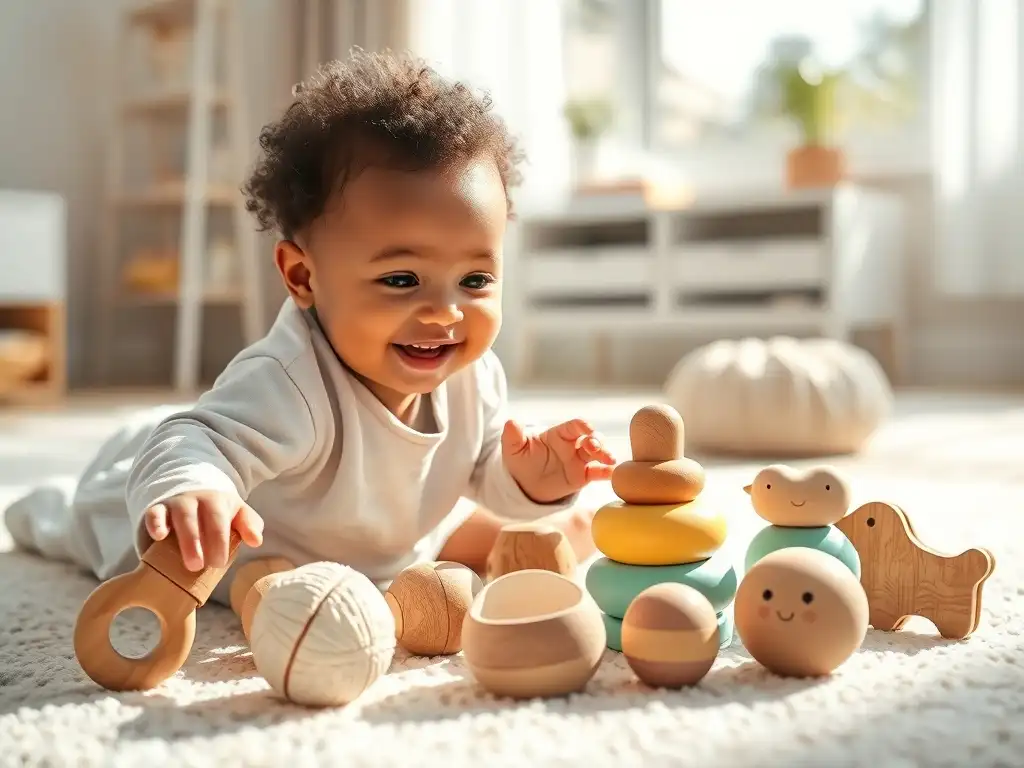
Many parents, especially first-time parents, understandably have concerns about introducing sensory play activities for their babies. These concerns often revolve around safety, mess, and the suitability of activities for babies with special needs. Let's address these common anxieties head-on, providing reassurance and practical solutions. Understanding the benefits of baby sensory play is crucial, but equally important is addressing the practical challenges parents might face. This section aims to equip you with the knowledge and confidence to embrace sensory play with your little one.
Safety Precautions for Sensory Play
Safety is paramount when engaging your baby in sensory play. Always supervise your child closely during any activity, never leaving them unattended. Choose age-appropriate materials; avoid anything small enough to be swallowed (choking hazard) or sharp enough to cause injury. Here's a checklist to ensure a safe sensory play experience:
- Material Selection: Opt for non-toxic, washable materials. Check labels carefully and avoid anything containing small parts, sharp edges, or potentially harmful chemicals. Think about natural materials like wood, fabric scraps, and water (always under supervision! ).
- Environment: Create a safe space for play. Remove any potential hazards from the area, such as electrical cords or fragile objects. Ensure the floor is clean and padded to minimize the risk of injury from falls.
- Supervision: Constant supervision is crucial. Babies explore with their mouths, so careful monitoring prevents accidental ingestion of unsafe materials.
- Hygiene: Wash your hands and your baby's hands before and after sensory play. Clean up spills and messes promptly to maintain a hygienic environment.
Remember, proactive safety measures greatly reduce the risk and allow you to enjoy the enriching experience of sensory play with your baby without unnecessary worry. The benefits of sensory exploration far outweigh the risks when proper precautions are taken.
Dealing with Messes and Cleanup
Sensory play, by its very nature, can be messy! But don't let this deter you. The benefits far outweigh the cleanup effort. Planning ahead and implementing a few simple strategies can significantly reduce the stress associated with the inevitable mess.
- Designated Play Area: Choose a location with easy-to-clean surfaces like tile or linoleum. A large plastic sheet or waterproof mat can also protect your floors.
- Contain the Mess: Use containers to limit the spread of materials. Trays, bowls, or even large zip-lock bags can help contain the fun.
- Quick Cleanup: Keep cleaning supplies readily available (wet wipes, towels, a bucket of soapy water). Address spills immediately to prevent them from setting or spreading.
- Make it a Game: Involve your baby in the cleanup process, turning it into a fun activity. This can help them learn about tidying up from a young age. For example, you can use songs or rhymes to make cleaning fun! This positive association can make future cleanups smoother.
Remember, a little mess is a sign of engaged learning and exploration. With a few simple preparation steps, cleanup is manageable, and the rewards of sensory play are well worth the effort.
Adapting Sensory Play for Babies with Special Needs
Sensory play can be incredibly beneficial for babies with special needs, providing opportunities for development and engagement tailored to their individual abilities. However, it's crucial to adapt activities to meet their specific needs and sensitivities.
- Individualized Approach: Work with your pediatrician or a therapist to develop sensory play activities suitable for your baby's unique needs. They can guide you on appropriate materials and activities based on your baby's developmental stage and sensory sensitivities.
- Sensory Regulation: Some babies may be overstimulated or understimulated by certain sensory inputs. Observe your baby's reactions and adjust the intensity and duration of activities accordingly. Start with shorter sessions and gradually increase the time as tolerated.
- Modified Materials: You may need to modify materials to make them safer or more accessible. For example, using larger, softer materials for babies with tactile sensitivities or adapting activities to accommodate limited mobility.
- Focus on Engagement: The goal is to create a positive and engaging experience. Celebrate your baby's successes and be patient with challenges. Remember that every baby develops at their own pace.
Adapting sensory play to meet the needs of babies with special needs requires careful consideration and collaboration with healthcare professionals. The resulting benefits, however, can be transformative, fostering development and creating joyful moments of connection. The key is to be patient, observant, and adaptable, always focusing on your baby's individual needs and preferences.
Baby Sensory Play Benefits: Long-Term Impact on Development
Engaging in sensory play offers a multitude of benefits for your baby's development, extending far beyond the immediate enjoyment they experience. The impact of these enriching activities shapes their cognitive, physical, and social-emotional growth, laying a strong foundation for future learning and well-being. Early sensory experiences are crucial for brain development, influencing everything from problem-solving skills to emotional regulation. Think of it as building a strong skyscraper – a solid foundation is essential for a tall, stable structure. Similarly, rich sensory experiences in infancy build a strong foundation for future development.
The Lasting Effects of Early Sensory Experiences
Research consistently demonstrates a strong correlation between early sensory stimulation and later cognitive abilities. Babies who participate in regular sensory play often exhibit enhanced:
- Cognitive Skills: Activities like sorting toys by color or texture, playing with different textures of fabrics, or exploring cause and effect with simple toys improve problem-solving skills, critical thinking, and memory. These activities help your baby develop crucial skills for future academic success.
- Language Development: Sensory play isn't just about touch and sight; it often incorporates sounds and words. Describing the textures ("This is soft," "This is bumpy"), colors ("Look at the bright red ball! "), and actions ("Let's roll the ball!") during playtime exposes your baby to language in a fun and engaging way, boosting vocabulary acquisition and language comprehension.
- Fine Motor Skills: Activities involving grasping, manipulating, and exploring objects—like stacking blocks, playing with finger paints, or using playdough—refine fine motor skills essential for later tasks such as writing and using utensils. This development is gradual but crucial for overall dexterity.
- Social-Emotional Development: Sensory play also fosters social-emotional growth. It encourages interaction, teaches turn-taking (when sharing toys), and helps babies understand cause-and-effect relationships. The positive emotions associated with these enjoyable experiences contribute to a child's overall sense of security and self-confidence.
For example, a study published in [Specific journal name and year pending] showed that infants who participated in a structured sensory play program demonstrated significantly higher scores on cognitive development tests at age 3 compared to a control group. This emphasizes the long-term impact of early sensory engagement on cognitive development. Another study, [Specific journal name and year pending], highlighted the positive correlation between sensory play and improved fine motor skills in preschoolers. These studies underscore the importance of incorporating sensory play into your baby's routine from a very young age.
Supporting Continued Sensory Development Beyond Infancy
The benefits of sensory play don't cease at the end of infancy. While the types of activities may evolve, the principles remain the same: continued exploration, engagement, and stimulation are key to fostering healthy development. As your baby grows into a toddler and beyond, you can adapt sensory play to suit their increasing abilities and interests.
Supporting Continued Sensory Development Beyond Infancy
As your child progresses, you can expand their sensory experiences through a variety of activities:
- Toddler Stage (12-24 months): Introduce more complex activities like building towers with blocks, playing with water and sand, and engaging in simple art projects. These activities continue to develop fine motor skills, problem-solving abilities, and creativity. Remember to always supervise your child closely during these activities to ensure their safety.
- Preschool Stage (3-5 years): Focus on activities that promote imaginative play, such as role-playing, storytelling, and creating art projects using various materials. These activities encourage language development, social interaction, and emotional expression. Consider using playdough, finger paints, and other tactile materials to stimulate their senses.
- Beyond Preschool: Sensory experiences continue to be important even as children grow older. This can involve activities like gardening, cooking, playing musical instruments, or engaging in creative arts and crafts. These activities nurture creativity, problem-solving skills, and emotional intelligence.
Remember, the key is to make sensory play a regular part of your child's life, adapting the activities to their developmental stage and interests. The positive impact on their overall development will be invaluable. The goal is not to create a perfectly structured program, but rather to provide opportunities for exploration and learning through fun and engaging experiences.
Even simple everyday activities, like playing with bubbles or exploring nature, can provide valuable sensory stimulation. The more diverse and engaging these experiences, the better equipped your child will be for future challenges. This consistent engagement ensures that the foundation laid in infancy continues to support robust development throughout childhood and beyond.
Frequently Asked Questions
What are the benefits of sensory play for babies?
Sensory play offers numerous benefits! It stimulates brain development, improves fine and gross motor skills, and enhances cognitive abilities. It also helps babies learn about the world around them through exploration.
How can I incorporate sensory play into my baby's daily routine?
Even simple activities count! Try finger painting, playing with textured toys, or exploring different materials like water or sand. Keep sessions short and engaging, adapting to your baby's attention span.
What types of sensory activities are best for different age groups?
The best activities depend on your baby's developmental stage. Younger babies (0-6 months) benefit from high-contrast visuals and simple textures, while older babies (6-12 months) can engage with more complex activities involving cause and effect.
Is sensory play safe for my baby?
Yes, but supervision is crucial. Always ensure the environment is safe and the materials are non-toxic and age-appropriate. Never leave your baby unattended during sensory play. Clean up thoroughly afterwards.
Are there any signs that my baby isn't enjoying sensory play?
Watch for cues like fussiness, crying, or turning away. If your baby seems overwhelmed or unhappy, end the activity and try again later with a different approach or simpler materials. Respect your baby's cues is key.
Final Reflection: Unlocking a World of Wonder Through Sensory Play
The power of sensory play extends far beyond simple entertainment; it's the foundational building block for a child's cognitive, emotional, and physical development. Understanding and actively engaging in sensory activities with your baby isn't just a trend—it's a crucial investment in their future, shaping their ability to learn, adapt, and thrive in the world.
The impact of sensory experiences on a child's brain development is profound and lasting. From the simple joy of splashing in water to the intricate exploration of textures, each interaction shapes neural pathways and fosters a deeper understanding of their environment. Play is the highest form of research.
- Albert Einstein. This quote perfectly encapsulates the importance of allowing children the freedom to explore and learn through play, especially through sensory experiences that engage all their senses. The lasting influence of these early interactions will shape their curiosity, creativity, and problem-solving skills for years to come.
Now, consider your own interactions with your baby. Are you providing ample opportunities for sensory exploration? Think beyond the commercially available toys; consider the simple wonders of nature – the feel of grass between tiny fingers, the sound of rustling leaves, the vibrant colors of flowers. Embrace the messy, the chaotic, the wonderfully unpredictable world of sensory play, and watch your baby flourish. Remember, these moments are not just about play; they are about building a strong foundation for a lifetime of learning and growth.
Unlock Your Baby's Potential: Start Exploring Sensory Play Today!
Thank you for learning about the amazing benefits of sensory play for your little one! You've gained valuable insights into how these activities boost development and learning. Now it's time to put that knowledge into action!
- Create a sensory bin today! Gather simple household items like rice, beans, or pasta and let your baby explore the textures and sounds. This is a simple yet powerful way to support their development.
- Share your sensory play experiences! Join our BabyCareHub community on social media (details in the sidebar) and inspire other parents with your creative ideas and photos.
- Discover more sensory play activities: Explore our library of resources on BabyCareHub for even more inspiration and ideas tailored to your baby's age and developmental stage.
Ready to transform playtime into a powerful learning experience? What exciting sensory activity will you try first with your baby?