
Visual Acuity: How Sharp is Your Baby's Vision?

Welcome to BabyCareHub, your ultimate guide to navigating the incredible journey of parenthood! Are you curious about the fascinating world of your baby's development? Then you've come to the right place. We're diving deep into baby vision development stages, exploring how your little one's world comes into focus. Discover the milestones to expect and learn how to support your baby's visual acuity. Prepare to be amazed by the rapid progress your baby will make—let's unlock the secrets of their developing vision together!
- Understanding Baby Vision Development Stages
- Assessing Your Baby's Vision: Signs of Potential Problems
- Stimulating Your Baby's Visual Development
- Supporting Your Baby's Visual Health
-
Frequently Asked Questions
- How does my baby's vision develop in the first few months?
- When will my baby be able to see clearly like an adult?
- What are some signs of potential vision problems in my baby?
- What can I do to support my baby's visual development?
- Are there any toys specifically designed to help with baby vision development?
- Final Reflection: The Unfolding World Through Baby Eyes
- Unveil Your Baby's World: Sharpen Their Vision Today
Understanding Baby Vision Development Stages
Navigating the world as a new parent is a thrilling yet often overwhelming experience. Among the many developmental leaps your little one will make, understanding their visual development is crucial for providing the best possible care and stimulation. This comprehensive guide explores the fascinating journey of baby vision development stages, focusing on key milestones and how you can support your baby's visual acuity.
From the blurry initial days to the sharper focus that emerges over the first six months, we'll unpack the intricacies of how your baby sees and interacts with the world around them. This information is vital for early detection of potential vision problems and fostering healthy visual development, contributing significantly to your baby's overall well-being.
Learning about the typical progression of baby vision development allows you to celebrate their achievements and address any concerns proactively. This article provides a detailed roadmap of your baby's visual journey, empowering you to nurture their visual development effectively.
Newborn Vision: What Can Your Baby See at Birth?
A newborn's world is far from the crisp, high-definition image we experience. At birth, their vision is significantly less developed than their other senses. Think of it as a blurry, low-resolution image. While their eyes are open and they can react to light and dark, their visual acuity is extremely limited. Their visual focus is typically restricted to objects approximately 8-12 inches away – roughly the distance from their face to their mother's during breastfeeding.
What can they see? Newborns can perceive contrasts and movement. They are drawn to high-contrast patterns, such as black and white designs, and will follow slow-moving objects with their gaze. They can also distinguish between light and dark, and bright colors like red and yellow may attract their attention more easily than softer hues. Facial features are initially blurry, but they are attracted to faces and begin to recognize their caregiver's face over time. This early exposure to faces is crucial for social and emotional development.
It's important to remember that newborn vision is still developing rapidly. Any apparent "imperfections" are completely normal at this stage. There's no need for concern unless you notice any unusual signs like consistently crossed eyes or extreme light sensitivity.
Early Vision Development: From Blur to Focus (0-3 Months)
During the first three months of life, your baby's visual acuity dramatically improves. The blurry world gradually starts to sharpen as their eyes and brain work together to process visual information more effectively. By the end of this period, they can begin to see colors more clearly and their focus range expands.
- Color Perception: While newborns can detect some colors, the ability to distinguish between a wider range of colors develops rapidly during these first few months. By 3 months, many babies can perceive and differentiate most colors.
- Tracking Objects: Their ability to follow moving objects improves significantly. They can now track objects moving across their field of vision with greater accuracy and coordination.
- Depth Perception: The development of depth perception begins, although it's still rudimentary. They start to perceive the difference between near and far objects, which is crucial for hand-eye coordination and reaching for toys.
- Visual Preferences: Babies at this age show a clear preference for faces and high-contrast patterns. Simple black and white or brightly colored mobiles and toys can be particularly engaging.
This stage is critical for the development of visual skills that will underpin future activities, including reaching, grasping, and exploring their surroundings. Providing your baby with plenty of opportunities to engage with visually stimulating objects will support their visual development.
Visual Acuity Milestones: Tracking Objects and Depth Perception (3-6 Months)
Between 3 and 6 months, your baby's vision continues to develop at a remarkable pace. Their visual acuity improves significantly, allowing them to see finer details and perceive depth more accurately. This is a period of significant leaps in their visual abilities, paving the way for more complex visual tasks.
| Milestone | Typical Age Range | Description |
|---|---|---|
| Tracking objects smoothly | 3-4 months | Able to follow moving objects effortlessly across their field of vision. |
| Reaching for objects accurately | 4-5 months | Demonstrates improved hand-eye coordination by accurately reaching for and grasping desired objects. |
| Recognizing familiar faces | 5-6 months | Shows clear recognition and preference for familiar faces, exhibiting smiles and other social cues. |
| Depth perception improves | 5-6 months | Can better judge distances and avoid reaching for objects that are out of reach. |
This period marks a transition from basic visual recognition to more sophisticated visual processing. Their improved depth perception enables them to interact more confidently with their environment, reaching for toys and exploring objects with greater precision. Providing a variety of visually stimulating experiences, such as playing with textured toys, books with high-contrast images, and mobiles, is essential for continued visual development. Remember that each baby develops at their own pace, so variations are entirely normal. However, significant delays should be discussed with your pediatrician.
Color Vision Development in Infants (6-12 Months)
By 6 months of age, most babies have developed the ability to perceive the full spectrum of colors, just like adults. This doesn't mean their color perception is identical to an adult's at this stage; the nuances and subtleties might still be developing. However, the major leap in color vision is complete. This improved color vision significantly impacts their interaction with the world.
They can now distinguish between a bright red toy and a deep blue blanket, leading to increased visual exploration and engagement with colorful objects. This is a crucial stage for visual development, as the brain processes the information received from the eyes to create a complete and accurate understanding of the world's colors. The ability to discern colors accurately helps babies identify objects and people more efficiently, contributing to their overall cognitive development. Parents can support this stage by providing a stimulating environment filled with colorful toys, books, and clothes.
Think vibrant mobiles, colorful blocks, and even clothing with different patterns and hues. This rich visual input helps solidify the baby's perception of the color spectrum and further enhance their visual acuity. Remember, this is a gradual process, and each baby develops at their own pace.
Recognizing Faces and Objects: Visual Development (6-12 Months)
Between 6 and 12 months, a baby's ability to recognize faces and objects significantly improves. This is largely due to the maturation of their visual cortex and the development of more sophisticated visual processing skills. At this stage, they're not just seeing shapes and colors; they're beginning to understand what those shapes and colors represent. For example, they can reliably differentiate between familiar and unfamiliar faces, showing a clear preference for the faces of their parents and caregivers. This facial recognition is crucial for bonding and social development.
Similarly, object recognition improves drastically. A baby at 6 months might stare at a rattle, but by 12 months, they'll likely reach for it, demonstrating their understanding of its identity and function. This improved recognition also allows them to engage in more complex play, manipulating toys and exploring their environment with purpose. Providing babies with a variety of textured and visually interesting objects during this period is crucial for stimulating this development.
Think of toys with different shapes, sizes, and colors, encouraging them to reach, grasp, and explore. The more visual input they receive, the faster their visual processing skills develop. This is a period of rapid learning, and the development of object and facial recognition is a cornerstone of their future cognitive and social abilities. Remember to interact with your baby, pointing out and naming objects, to further reinforce their learning.
Assessing Your Baby's Vision: Signs of Potential Problems
Understanding your baby's visual development is crucial for their overall well-being. While regular checkups with your pediatrician are essential, being aware of potential warning signs can help you identify issues early on. Early detection is key in addressing any vision problems, allowing for timely intervention and maximizing your baby's visual potential. This section focuses on recognizing potential vision problems in your little one. Remember, this information is for educational purposes and should not replace professional medical advice. Always consult with your pediatrician or an ophthalmologist for any concerns regarding your baby's vision.
Recognizing Early Signs of Vision Problems in Babies
Several subtle cues can indicate potential vision problems in babies. These aren't always obvious, and many babies go through phases of seemingly poor vision that resolve naturally. However, persistent or unusual visual behaviors warrant a closer look. Here's a checklist of potential red flags:
- Excessive eye rubbing: Frequent rubbing or irritation could signal discomfort or blurry vision.
- Misaligned eyes (strabismus): One eye constantly turns inward (esotropia), outward (exotropia), upward, or downward. This is a significant indicator needing immediate attention.
- Eyelid abnormalities: Drooping eyelids (ptosis) or unusually shaped eyelids can affect vision.
- Sensitivity to light (photophobia): Your baby excessively squints or cries in bright light.
- Lack of eye contact: While not always indicative of a problem, a consistent lack of eye contact, especially after a few months, may warrant investigation.
- Following objects with difficulty: Babies typically start following moving objects around 2-3 months. Difficulty doing so could suggest a visual impairment.
- Reaching for objects imprecisely: A consistent inability to accurately grasp objects could be linked to poor depth perception.
- Unusual head tilting or turning: This might compensate for a vision problem in one eye.
- Excessive blinking: Frequent blinking could indicate dryness or a visual problem.
- Abnormal eye reflexes: Absence or unusual response to light reflexes checked by your pediatrician during routine examinations.
Remember, the presence of one or two of these signs doesn't automatically mean your baby has a vision problem. However, a combination of these, or any persistent unusual behavior, warrants a consultation with a healthcare professional. Early intervention is crucial for optimal vision development.
When to Schedule a Pediatric Eye Exam for Your Baby
While your pediatrician will perform basic eye checks during routine well-baby visits, a comprehensive eye exam by a pediatric ophthalmologist might be necessary under specific circumstances. Consider scheduling an appointment if you notice any of the warning signs mentioned above, especially if they persist.
Here's a guideline:
- At birth: If there's a family history of eye problems or if any abnormalities are detected during the initial newborn examination.
- Between 6 and 12 months: If any concerns arise regarding your baby's vision development. This is a crucial period for vision development, and early detection can make a significant difference.
- Before 3 years old: If any developmental delays or vision problems are identified.
A pediatric ophthalmologist is specifically trained to examine and treat children's eyes, providing a thorough assessment tailored to your baby's age and development. Don't hesitate to seek professional advice if you have any concerns. Early diagnosis and intervention are key to ensuring your child's vision health.
Common Vision Problems in Infants and Toddlers
Several common vision problems can affect infants and toddlers. Understanding these conditions can help parents recognize the signs and seek appropriate care. These problems often require specialized treatment:
| Vision Problem | Description | Signs |
|---|---|---|
| Amblyopia (Lazy Eye) | One eye doesn't develop properly, leading to reduced vision in that eye. | One eye appearing to wander, poor depth perception, squinting, one eye less responsive to light |
| Strabismus (Crossed Eyes) | Eyes don't align properly. | Misaligned eyes, head tilting, squinting, double vision (in older children) |
| Cataracts | Clouding of the eye's lens, impairing vision. | Cloudy or milky appearance in the pupil, reduced vision, light sensitivity |
| Refractive Errors (Nearsightedness, Farsightedness, Astigmatism) | Problems with how the eye focuses light. | Squinting, difficulty seeing distant objects (nearsightedness), difficulty seeing close objects (farsightedness), blurry vision (astigmatism) |
Early diagnosis and treatment of these conditions are crucial to prevent long-term vision impairment. Remember, prompt action can significantly improve your child's visual development and quality of life. Regular eye exams are essential for monitoring vision health and addressing any potential issues promptly. Early intervention offers the best chance for successful treatment and optimal visual outcomes for your baby. 👶
Stimulating Your Baby's Visual Development
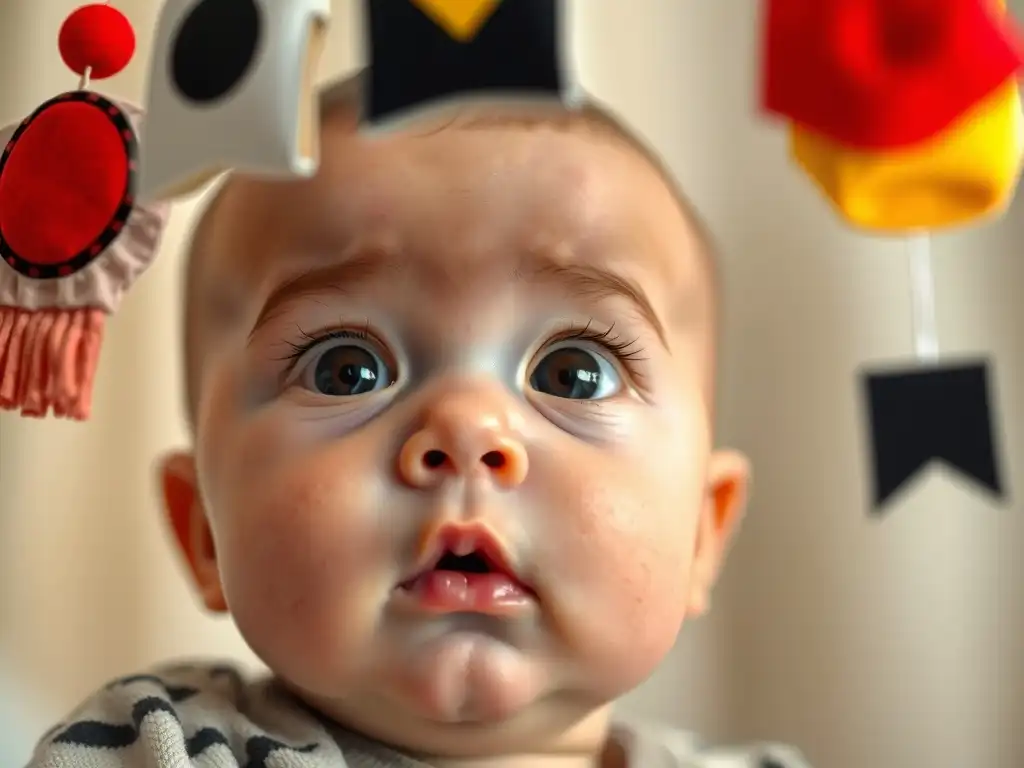
Understanding the stages of baby vision development is crucial, but equally important is actively stimulating your little one's visual system. Early visual stimulation can significantly impact your baby's overall visual development and cognitive skills. Think of it as providing the building blocks for a sharp and clear visual future. This section focuses on practical strategies and activities to nurture your baby's visual acuity. Remember, consistency is key! Regular engagement with these activities will yield the best results.
Creating a Stimulating Visual Environment for Your Baby
A visually rich environment plays a pivotal role in your baby's visual development. Avoid overly stimulating environments, but ensure the space is engaging and varied. Consider these elements:
- High-contrast patterns: Newborns see best in high-contrast colors like black and white, red, and yellow. Use these colors in mobiles, wall hangings, or even clothing. Think bold stripes, checkerboards, and simple shapes.
- Varying textures: Incorporate different textures within their reach (always ensuring safety, of course!). Soft blankets, crinkly toys, and smooth surfaces offer tactile and visual stimulation.
- Movement and light: Babies are captivated by movement. Mobiles that gently rotate, sunlight streaming through a window, or even your own moving face can be incredibly stimulating. Avoid harsh, direct light, however.
- Rotating toys: Regularly change the toys and objects in your baby's visual field. This prevents boredom and encourages exploration. This helps avoid visual habituation – the process where your baby stops responding to a familiar visual stimulus.
- Mirrors (with supervision): Babies are fascinated by their own reflections. A baby-safe mirror can provide hours of entertainment and self-discovery, aiding in their understanding of self and others.
Remember to keep the environment safe and free of hazards. Always supervise your baby during playtime, especially when using mirrors or toys with small parts. The goal is to create a playful and enriching visual landscape, not a chaotic one.
Interactive Toys and Activities to Enhance Visual Skills
Beyond the environment, specific toys and activities can actively enhance your baby's visual skills. Consider these options tailored for different developmental stages:
| Age Range | Recommended Activities | Benefits |
|---|---|---|
| 0-3 Months | High-contrast mobiles, black and white patterned cards | Improves contrast sensitivity and visual tracking |
| 3-6 Months | Soft textured toys, rattles with varying colors and shapes | Enhances depth perception, hand-eye coordination, and object recognition |
| 6-12 Months | Simple shape sorters, stacking toys, picture books | Develops visual discrimination, spatial reasoning, and problem-solving |
Remember to always choose toys appropriate for your baby's age and developmental stage. Avoid toys with small parts that could be choking hazards. Interactive playtime should be a positive and enjoyable experience. Observe your baby’s reactions and adjust the activities accordingly. Don’t force interaction; let your baby lead the play!
Reading to Your Baby: Benefits for Visual Development
Reading to your baby, even before they can understand the words, offers significant benefits for their visual development. The act of following your finger across the pages helps track movement, while the colorful illustrations stimulate visual processing. The close interaction also strengthens the parent-child bond, further enriching the experience.
Reading provides:
- Improved visual tracking: Following your finger across the page strengthens their ability to track moving objects smoothly.
- Enhanced visual attention: Colorful images and interesting stories keep their attention focused, improving concentration spans.
- Vocabulary development: Although they may not understand the words, hearing language early on builds a foundation for language acquisition.
- Bonding and connection: Reading aloud creates a warm and loving environment, fostering emotional development alongside visual skills.
Choose books with bright colors, clear images, and simple stories. Use different tones and inflections to make the reading experience more engaging. Make it a fun and interactive session, not just a routine. Consider books with textures or lift-the-flaps for added tactile stimulation. Reading to your baby is a win-win – it benefits their visual development and strengthens your bond. It's a wonderful investment in their future.
High Contrast Images and Patterns for Visual Stimulation
Newborns have limited visual acuity, meaning they can only see clearly at a short distance. Their visual system is still developing, and they are most attracted to high-contrast images and patterns. These stark differences in light and dark help stimulate their developing eyesight and enhance their ability to focus. Think black and white, or very bold colors like red and yellow against a neutral background. Avoid overly busy patterns which can be overwhelming and confusing for a baby at this stage. A simple checkerboard pattern, for example, is much more effective than a complex, multi-colored image.
The reason high-contrast visuals are so effective is related to the immature cone cells in a baby's eyes. Cone cells are responsible for color vision and fine detail. At birth, these cells are not fully developed; they are less sensitive to light and color variations compared to adults. High contrast improves the signal-to-noise ratio, making it easier for the underdeveloped cone cells to process the visual information. This stimulation helps to accelerate the development of these cells and improve visual acuity.
You can easily incorporate high-contrast images into your baby's environment. Consider hanging mobiles featuring black and white shapes or patterns above the crib. Simple, large-scale illustrations in books designed for newborns are also very beneficial. Even everyday items can be used for visual stimulation; for instance, a black and white striped blanket or a simple, bold-colored toy.
Remember to keep the objects within your baby's visual range, which is typically around 8-12 inches at birth. As their vision improves, you can gradually introduce more complex patterns and colors. The key is to start with simple, high-contrast images to maximize the impact on their developing visual system. This approach supports the natural progression of baby vision development stages.
Supporting Your Baby's Visual Health
This section delves into the crucial aspects of supporting your baby's visual development beyond simply understanding the developmental milestones. We'll explore how nutrition, sun protection, and safe eye care practices play a significant role in ensuring healthy vision for your little one. Remember, a healthy foundation contributes significantly to optimal "baby vision development stages".
Nutrition and Eye Health in Infants
A balanced diet is paramount for overall health, and this includes your baby's visual development. Certain nutrients are especially crucial for healthy eye function. For breastfed babies, a mother's diet rich in Vitamin A, lutein, and zeaxanthin is indirectly beneficial. These nutrients are vital components of the retina and help protect against age-related macular degeneration later in life. For formula-fed infants, ensure the formula is fortified with these essential vitamins.
The following table highlights key nutrients and their importance for infant eye health:
| Nutrient | Importance | Sources |
|---|---|---|
| Vitamin A | Essential for retinal function and preventing night blindness. | Breast milk, fortified formula, sweet potatoes |
| Lutein & Zeaxanthin | Powerful antioxidants protecting against oxidative stress in the eyes. | Leafy green vegetables, eggs, corn |
| Omega-3 Fatty Acids | Support healthy retinal development and reduce inflammation. | Breast milk, fatty fish (in mother's diet) |
| Zinc | Crucial for Vitamin A metabolism and overall eye health. | Meat, poultry, beans |
Remember to consult your pediatrician before introducing any solid foods to your baby. They can advise on the best timing and appropriate quantities based on your baby's individual needs and developmental stage. Introducing a diverse range of nutrient-rich foods, as advised by your pediatrician, will contribute to optimal "baby vision development stages".
Protecting Your Baby's Eyes from Sun Damage
Protecting your baby's delicate eyes from the harmful effects of ultraviolet (UV) radiation is crucial, even on cloudy days. UV rays can damage the eyes over time, increasing the risk of cataracts and other eye conditions later in life.
- Hats: Wide-brimmed hats offer excellent protection by shading the eyes.
- Sunglasses: Baby sunglasses with UV protection (at least 99% UVA and UVB blockage) are recommended for babies older than 6 months. Ensure they fit comfortably and securely.
- Shade: Seek shade whenever possible, especially during peak sun hours (10 am to 4 pm).
- Breastfeeding: Some studies suggest that breastfeeding may offer some degree of protection against UV damage.
While the long-term effects of sun exposure on infant eye health require further research, proactive sun protection is a wise precaution to support healthy "baby vision development stages". Prioritizing these measures significantly contributes to long-term eye health.
Baby-Safe Eye Care Practices
Gentle and appropriate eye care is essential for maintaining your baby's eye health. Avoid harsh rubbing or applying pressure to the eyes. If you notice any discharge, redness, or swelling, consult your pediatrician immediately. This is crucial for early detection and treatment of potential eye infections.
Here's a simple checklist for safe eye care practices:
- [x] Wash your hands thoroughly before and after touching your baby's eyes.
- [x] Use a clean, damp cloth to gently wipe away any discharge from the inner to outer corner of the eye. Use a separate cloth for each eye.
- [x] Never use cotton swabs or other sharp objects near your baby's eyes.
- [x] Avoid using any eye drops or ointments unless prescribed by your pediatrician.
Regular check-ups with your pediatrician are crucial. They can monitor your baby's visual development and address any concerns promptly. Early intervention is key to ensuring optimal "baby vision development stages" and lifelong eye health. Remember, proactive care and attention to detail will help your baby see the world clearly and beautifully. 👶
Frequently Asked Questions
How does my baby's vision develop in the first few months?
At birth, your baby's vision is blurry, but it rapidly improves. In the first few months, they'll begin to focus and track objects, and their color perception will develop. By around 3 months, they should be able to see more clearly.
When will my baby be able to see clearly like an adult?
A baby's vision continues to develop for several years. While significant improvement occurs in the first year, it's not until around age 6 that their vision reaches adult levels of acuity. Be patient!
What are some signs of potential vision problems in my baby?
Signs include excessive eye rubbing, strabismus (crossed eyes), light sensitivity, or difficulty following objects. If you notice anything concerning, consult your pediatrician or an ophthalmologist immediately.
What can I do to support my baby's visual development?
Provide plenty of visual stimulation with high-contrast toys, mobiles, and face-to-face interaction. Reading to your baby and exposing them to varied colors and patterns also helps. Regular eye exams are crucial.
Are there any toys specifically designed to help with baby vision development?
Yes! High-contrast black and white patterns are excellent in the early months. Later, toys with bright colors, moving parts, and different textures will stimulate your baby's visual development. Look for toys that encourage following and tracking.
Final Reflection: The Unfolding World Through Baby Eyes
Understanding the intricate development of a baby's vision is not merely an academic exercise; it's a crucial step in ensuring their healthy growth and development. The journey from blurry shapes to focused faces is a testament to the remarkable plasticity of the human brain and highlights the importance of early intervention should any challenges arise.
Witnessing my own child's vision sharpen, from the initial fixations on bright objects to the delighted recognition of familiar faces, has profoundly impacted my understanding of this process. The eyes are the windows to the soul,
a familiar saying, takes on a whole new meaning when considering the rapid development occurring within those tiny windows during infancy. The subtle shifts in focus, the growing awareness of depth and distance – these are milestones not just of visual acuity, but of cognitive and emotional growth. It's a privilege to be a part of this unfolding story.
Now, consider your own experiences with babies. Have you noticed those moments of wonder and discovery as their world comes into sharper focus? Take a moment to reflect on the significance of early visual stimulation and the role you play in fostering a child's visual development. Engage with your little ones, provide enriching visual experiences, and remember that every interaction contributes to the building of their visual world. By understanding the stages of baby vision development, we can better support their journey towards a clear and vibrant perception of the world around them.
Unveil Your Baby's World: Sharpen Their Vision Today
Thank you for learning about your baby's developing vision! We hope this article provided valuable insights into this crucial developmental stage. Now, let's put that knowledge to use.
- Schedule a comprehensive eye exam with your pediatrician or an ophthalmologist specializing in infants. Early detection of any potential vision problems is crucial.
- Create a stimulating visual environment at home. Hang colorful mobiles above the crib, use toys with high contrast patterns, and spend quality time engaging your baby in face-to-face interaction.
- Share this article with other new parents – it's rewarding to help others, and could make a real difference in a baby's life!
What simple activity will you try today to support your baby's visual development?