
Cognitive Development and the Development of Early Literacy Skills

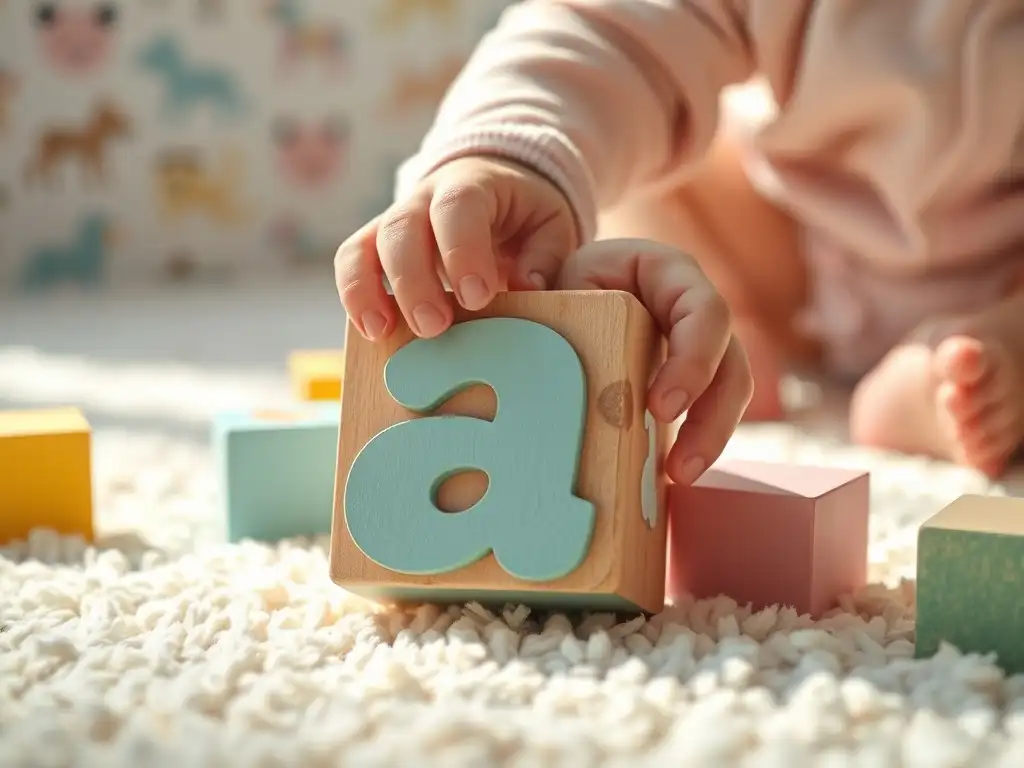
Welcome to BabyCareHub, your ultimate guide to navigating the incredible journey of parenthood. Are you ready to unlock your baby's full potential? We've compiled expert advice and practical tips to help you understand and nurture every stage of your little one's growth. Discover how engaging in baby brain development activities can significantly impact their cognitive development and lay the foundation for early literacy skills – and much more within our "Developmental Milestones" section. Let's explore the exciting world of baby development together!
- The Intertwined Worlds of Cognitive and Literacy Development in Babies
- Baby Brain Development Activities: Fostering Early Literacy
- Supporting Your Baby's Cognitive and Literacy Development: A Holistic Approach
- Baby Brain Development Activities: Long-Term Benefits
-
Frequently Asked Questions
- What are some key ways to stimulate cognitive development in babies?
- How can I promote early literacy skills in my baby?
- At what age should I start introducing educational toys?
- Are screen-based activities beneficial for cognitive development in babies?
- How can I tell if my baby's cognitive development is on track?
- Final Reflection: Cultivating the Seeds of Literacy in the Young Mind
- Unlock Your Child's Literacy Potential!
The Intertwined Worlds of Cognitive and Literacy Development in Babies
The first year of a baby's life is a period of explosive growth, particularly in cognitive and language development. This crucial timeframe lays the groundwork for future learning and success, making it essential for parents to understand how these two seemingly distinct areas—cognitive development and early literacy—are intricately interwoven. This article will explore the fascinating relationship between cognitive development and the development of early literacy skills in babies, providing practical insights and activities to support your little one's burgeoning brainpower.
We'll delve into the milestones of cognitive development in the first year, highlighting how sensory experiences, interactions, and intentional actions directly contribute to the building blocks of reading and language comprehension – all while addressing the search term "Baby brain development activities". Understanding this connection empowers parents to engage their babies in enriching activities that foster both cognitive and literacy skills, setting the stage for a lifetime of learning.
Understanding Cognitive Development in the First Year
The first year of life witnesses remarkable cognitive advancements. Babies progress from reflexive actions to intentional behaviors, demonstrating a growing understanding of the world around them. This journey is characterized by several key developmental areas, each contributing significantly to their future literacy skills. Early cognitive development is not just about intellectual capacity; it's about the building blocks of comprehension, communication, and the eventual ability to learn to read and write.
Sensory Exploration and Brain Development: The Foundation of Learning
A baby's brain develops rapidly through sensory exploration. Every sight, sound, touch, taste, and smell contributes to the formation of neural pathways. Think of it as building a complex network of roads in a city – the more roads, the better the connections and the easier it is to navigate. Providing a rich sensory environment is crucial. This could involve:
- Visual stimulation: High-contrast toys, mobiles, and colorful books.
- Auditory stimulation: Singing lullabies, reading aloud, and playing various sounds.
- Tactile stimulation: Providing different textures for the baby to touch and explore (soft blankets, rough textured toys).
- Taste and smell stimulation: Introducing a variety of safe and age-appropriate flavors and scents.
This sensory input is not passive; it actively shapes the brain's architecture, laying the foundation for later cognitive abilities, including language acquisition and reading comprehension. The more sensory experiences a baby has, the more robust their neural connections become. This directly impacts their ability to process information, learn new skills, and ultimately, develop strong literacy skills.
Milestones in Cognitive Development: From Reflexes to Intentional Actions
Cognitive development unfolds in stages. Initially, actions are largely reflexive – sucking, grasping, and rooting. However, as the baby grows, these reflexes transform into intentional actions. Key milestones include:
| Age Range | Milestone | Impact on Literacy |
|---|---|---|
| 2-4 Months | Following objects with their eyes | Develops visual tracking, crucial for reading |
| 4-6 Months | Reaching for and grasping objects | Develops hand-eye coordination, important for holding books and writing tools later |
| 6-9 Months | Object permanence (understanding that objects exist even when out of sight) | Develops understanding of continuity and sequence, fundamental for reading |
| 9-12 Months | Beginning to understand cause and effect | Develops the ability to predict outcomes, crucial for understanding narratives |
These milestones demonstrate a progressive understanding of the world, paving the way for more complex cognitive tasks like language processing and comprehension—essential components of literacy.
How Cognitive Skills Support Early Literacy: A Synergistic Relationship
Cognitive skills are not merely prerequisites for literacy; they are actively involved in the literacy process itself. For example, attention span, memory, and problem-solving skills all contribute to a child's ability to follow a story, understand vocabulary, and decode written words. Furthermore, the development of symbolic thinking—understanding that words represent objects, actions, and ideas—is a crucial cognitive leap that directly supports language acquisition and reading comprehension.
The ability to focus, remember sequences, and understand cause and effect are all cognitive skills honed in the first year, laying the groundwork for future literacy success. By actively engaging your baby in activities that stimulate cognitive development, you are simultaneously nurturing their future literacy skills, creating a powerful synergistic effect. This is why focusing on "baby brain development activities" is so crucial for a child's overall development.
Baby Brain Development Activities: Fostering Early Literacy

This section delves into practical, engaging activities to stimulate your baby's cognitive development and lay the foundation for early literacy skills. Remember, every interaction is a learning opportunity, and consistent engagement is key to fostering a love of learning and language in your little one. These activities focus on "baby brain development activities" and are designed to be enjoyable for both parent and child.
Engaging Activities for Enhancing Cognitive Skills and Language Development
Early childhood is a period of rapid brain growth, and stimulating your baby's mind through playful activities significantly impacts their cognitive and linguistic development. Providing a rich environment filled with sensory experiences, interactive play, and language-rich interactions is crucial for optimal development. These activities are not just fun; they are fundamental building blocks for future academic success.
Interactive Reading and Storytelling: Building Vocabulary and Comprehension
Reading aloud to your baby, even from birth, is one of the most effective "baby brain development activities". Don't just read the words; use expressive voices, point to pictures, and engage your baby's attention. Choose books with vibrant colors, simple repetitive phrases, and engaging illustrations. For example, board books with tactile elements are fantastic for this age group.
The repetition reinforces vocabulary, and the interaction strengthens the bond between you and your baby. Focus on books with varied textures and sounds, further stimulating their sensory development. Even at a young age, babies are capable of understanding more than you might think! Studies show that early exposure to language significantly impacts vocabulary acquisition later in life.
Sensory Play: Stimulating the Brain Through Tactile and Auditory Experiences
Sensory play is a crucial aspect of baby brain development activities. It involves stimulating your baby's senses through touch, sound, sight, and even smell and taste (always ensuring safety). Think about filling a container with different textured items like rice, beans, or soft fabrics for your baby to explore. Playing with textured balls, stacking cups of varying sizes, and even exploring different musical instruments (shakers, rattles) are all excellent examples.
These activities not only enhance their tactile awareness but also improve their problem-solving skills and hand-eye coordination. The sounds and textures stimulate their brains, promoting neural connections and cognitive development. Remember to supervise your baby closely during sensory play to ensure their safety.
Music and Rhymes: Enhancing Language Development and Memory
Music and rhymes are incredibly powerful tools for baby brain development activities. Singing songs, reciting nursery rhymes, and playing musical instruments introduces your baby to rhythm, melody, and language patterns. These activities enhance their memory, language skills, and even their motor skills as they may begin to clap or move along to the rhythm. The repetitive nature of rhymes and songs helps them learn new words and phrases.
Consider using instruments like shakers or rattles to add a multi-sensory element. The combination of auditory stimulation and rhythmic patterns creates a powerful learning experience. Remember to choose songs and rhymes appropriate for your baby's age and developmental stage.
Practical Tips for Integrating Literacy into Daily Routines
Integrating literacy into your daily routines doesn't require elaborate plans; it's about making the most of everyday moments. These small actions contribute significantly to your baby's cognitive and language development, enriching their overall experience. Remember, consistency is key to seeing real results.
Incorporating Books into Playtime: Making Reading Fun and Engaging
Don't just save books for bedtime. Incorporate them into playtime! Make reading a fun and interactive experience. Use different voices for characters, act out scenes, and let your baby explore the books tactilely. The more engaging the experience, the more likely your baby is to develop a love of reading. Consider incorporating puppets or other props to enhance the storytelling. This approach transforms reading from a passive activity into an active, engaging experience. This is one of the most effective ways to improve their receptive and expressive language skills.
Using Everyday Objects to Teach Vocabulary and Concepts
Use everyday objects to expand your baby's vocabulary. Point out objects and name them clearly. For example, while preparing a meal, you can point to the apple and say "apple." This simple act helps them associate words with objects, building their vocabulary and understanding of the world around them. You can also use these objects for simple games, like stacking blocks or sorting different shapes and sizes. This approach makes learning a natural part of their daily life. The more you engage them in these interactions, the more they will grasp concepts and vocabulary.
Singing Songs and Reciting Rhymes: Promoting Language Acquisition
Singing songs and reciting rhymes throughout the day isn't just fun; it's a powerful way to promote language acquisition. These activities expose your baby to different sounds, rhythms, and vocabulary. The repetitive nature of songs and rhymes helps them learn new words and phrases more easily. Consider singing while bathing, changing diapers, or even during playtime. This simple act seamlessly integrates language learning into your daily routine. This consistent exposure lays a strong foundation for future language development and reading comprehension. The familiar melodies and rhythms also help soothe and calm your baby.
Supporting Your Baby's Cognitive and Literacy Development: A Holistic Approach

This section focuses on practical strategies to nurture your baby's cognitive development and lay the groundwork for early literacy skills. Remember, every baby develops at their own pace, but consistent engagement with stimulating activities significantly contributes to their overall brain development. We'll explore ways to create a rich learning environment and identify potential developmental delays. This information is crucial for all parents, especially those searching for "baby brain development activities."
Creating a Stimulating Environment for Learning and Growth
A stimulating environment is crucial for cognitive development. Think of it as building a strong foundation for future learning. This doesn't require expensive gadgets; rather, it's about creating an enriching atmosphere through everyday interactions and carefully chosen resources. Providing a variety of sensory experiences – visual, auditory, tactile, and even olfactory – helps your baby explore and learn.
Consider these simple yet effective strategies:
- Visual Stimulation: Hang colorful mobiles above the crib, display bright pictures or posters at eye level, and take your baby for walks outdoors to observe nature's vibrant colors and textures.
- Auditory Stimulation: Sing lullabies, read aloud from board books, and play soft, classical music. Varying sounds helps your baby discriminate between different auditory cues.
- Tactile Stimulation: Offer a variety of textures for your baby to touch and explore, such as soft blankets, crinkly toys, and smooth wooden blocks.
- Olfactory Stimulation: Introduce your baby to a variety of safe and pleasant smells, such as lavender or vanilla, but always ensure safety and avoid anything potentially irritating.
Remember, consistency is key. Regular exposure to these stimuli strengthens neural pathways and promotes cognitive growth. Even seemingly simple activities like tummy time contribute significantly to your baby's motor and cognitive development.
Recognizing Potential Delays and Seeking Professional Help
While every baby develops at their own pace, it's important to be aware of potential developmental delays in cognitive and language skills. Early intervention is crucial for optimal outcomes. This section will highlight key indicators that warrant professional consultation. Understanding these signs is a vital part of responsible parenting and ensuring your little one receives the support they need.
Signs of Developmental Delays in Cognitive and Language Skills
Developmental delays can manifest in various ways. It's important to remember that this is not an exhaustive list, and some signs might overlap. Always consult with your pediatrician if you have any concerns. Early detection is key in addressing potential issues related to "baby brain development activities."
| Sign | Description |
|---|---|
| Limited Interaction: | Minimal response to sounds, faces, or touch; lack of engagement during playtime. |
| Delayed Language Development: | Not babbling or using gestures by 12 months; significant delay in understanding simple words. |
| Poor Motor Skills: | Difficulty holding head up, rolling over, crawling, or reaching for objects at expected developmental stages. |
| Lack of Curiosity: | Shows little interest in exploring new toys, sounds, or environments. |
| Difficulty Focusing: | Short attention span; easily distracted. |
When to Consult a Pediatrician or Developmental Specialist
If you notice any of the above signs or have any concerns about your baby's development, don't hesitate to consult your pediatrician or a developmental specialist. Early intervention can make a significant difference in a child's progress. Your pediatrician can conduct a thorough assessment and refer you to appropriate specialists if needed. Don't dismiss your concerns; proactive monitoring is a crucial aspect of ensuring healthy "baby brain development activities." Remember, seeking professional help is a sign of responsible and caring parenting.
Baby Brain Development Activities: Long-Term Benefits

Engaging in baby brain development activities during the first year of life offers significant and lasting advantages, impacting various aspects of a child's development well into adulthood. These activities aren't just about fleeting entertainment; they lay the groundwork for cognitive, social-emotional, and physical well-being. The benefits extend far beyond simply boosting IQ scores; they contribute to a child's overall resilience, adaptability, and success in life.
We'll explore the long-term impact of these activities, focusing on crucial areas like literacy and learning. Early intervention significantly enhances a child’s potential, providing a head start that can make a substantial difference in their future. The more stimulation a baby receives, the more neural pathways are formed, leading to a stronger cognitive foundation.
The Impact of Early Literacy on Future Academic Success
Early exposure to literacy is profoundly linked to future academic success. Studies consistently demonstrate a correlation between early literacy skills and later reading comprehension, vocabulary development, and overall academic achievement. This isn't about forcing a baby to read; rather, it's about creating an environment rich in language and literacy experiences. Simple activities like reading aloud, singing songs with rhymes, and engaging in interactive play with language-based toys significantly contribute to the development of crucial pre-reading skills.
For instance, research indicates that children who are read to regularly from infancy develop larger vocabularies and better language comprehension skills by the time they enter kindergarten. This advantage often translates into improved reading fluency and comprehension in later grades, setting them up for success in subjects across the curriculum. The benefits are not limited to reading; strong language skills are fundamental for success in mathematics, science, and even social studies.
Think of it as building a strong foundation – the stronger the base, the taller the building can grow. The impact of early literacy is truly transformative, shaping a child's entire educational journey.
Fostering a Lifelong Love of Reading and Learning
Beyond academic achievement, early literacy experiences cultivate a lifelong love of reading and learning. When babies are surrounded by books, stories, and engaging language, they develop a positive association with reading. This positive association is crucial; it transforms reading from a chore into a pleasurable activity, encouraging continued engagement throughout their lives. Creating a positive reading experience from infancy fosters a sense of curiosity and a desire to explore new ideas and concepts.
Consider this: A child who enjoys being read to is more likely to choose books over screens in their free time. This simple preference has far-reaching consequences. It promotes concentration, imagination, and critical thinking skills. Furthermore, a love of reading opens doors to a wider world, broadening horizons and fostering empathy through exposure to diverse characters and narratives.
It's about nurturing a lifelong passion for learning, a passion that transcends academic settings and enriches every aspect of life. Investing in early literacy isn't just about academic success; it's about cultivating a lifelong love of learning and the countless benefits it brings. This early positive association with books and stories is a gift that keeps on giving, shaping a child’s intellectual curiosity and shaping their future.
Frequently Asked Questions
What are some key ways to stimulate cognitive development in babies?
Answer: Engaging in interactive play is crucial. This includes activities like reading, singing songs, and playing with textured toys to stimulate their senses. Talking and responding to your baby's coos and babbles is also vital.
How can I promote early literacy skills in my baby?
Answer: Start reading aloud from a young age, even before your baby understands the words. Use brightly colored books with interesting pictures. Point to the pictures and name them, making it an interactive experience.
At what age should I start introducing educational toys?
Answer: You can start introducing simple, sensory toys from birth. As your baby grows, introduce toys that encourage problem-solving and fine motor skill development. Always supervise playtime.
Are screen-based activities beneficial for cognitive development in babies?
Answer: The American Academy of Pediatrics recommends minimal screen time for babies. Focus on real-life interactions and play. Excessive screen time can be detrimental to their development.
How can I tell if my baby's cognitive development is on track?
Answer: While every baby develops at their own pace, milestones like reaching for objects, responding to sounds, and showing interest in their surroundings are good indicators. If you have concerns, consult your pediatrician.
Final Reflection: Cultivating the Seeds of Literacy in the Young Mind
The early years are not merely a foundation for later learning; they are the fertile ground where a child's cognitive landscape is shaped, profoundly impacting their future literacy skills. The intricate dance between cognitive development and early literacy, explored throughout this article, highlights the critical role parents and caregivers play in nurturing a child's intellectual growth from the very beginning. This isn't just about flashcards and alphabet songs; it's about fostering a love of learning and building the neural pathways that will pave the way for a lifetime of reading and understanding.
The impact of early intervention on a child's literacy journey is undeniable, shaping not only their academic success but also their overall confidence and self-esteem. The ability to decode words, understand narratives, and engage with the written world opens doors to countless opportunities. As Maria Montessori wisely stated, The greatest sign of success for a teacher is to be able to say, 'The children are now working as if I did not exist.'
This speaks volumes about the power of creating an environment where children are intrinsically motivated to learn, a crucial aspect of fostering early literacy skills. This environment, built on a strong foundation of cognitive development, empowers children to become independent learners, capable of navigating the complexities of language and the world around them.
Consider the activities discussed in this article – from interactive playtime to engaging storytelling – and reflect on how you can incorporate them into your own interactions with young children. You hold the key to unlocking a child's potential.
By actively engaging with them, providing stimulating experiences, and nurturing their natural curiosity, you are not just teaching them to read; you are cultivating a lifelong love of learning, empowering them to become confident, capable, and engaged members of society. Embrace the opportunity to shape young minds and watch as the seeds of literacy blossom into a rich harvest of knowledge and understanding.
Unlock Your Child's Literacy Potential!
Thank you for exploring the fascinating connection between cognitive development and early literacy! You've gained valuable insights into nurturing your child's reading skills. Now, let's put that knowledge into practice.
- Establish a daily reading routine: Even 15 minutes a day can make a significant difference. Choose books with engaging illustrations and interactive elements.
- Share this article with other parents: Help them support their children's literacy development! Discuss your experiences and favorite books in the comments below.
- Engage in fun, literacy-based activities: Try singing songs, telling stories, or playing rhyming games—these activities are wonderful for cognitive and language development.
Ready to transform your child's reading journey? What exciting book will you share together today?