
Top 5 Cabinet Safety Products Every Parent Should Know

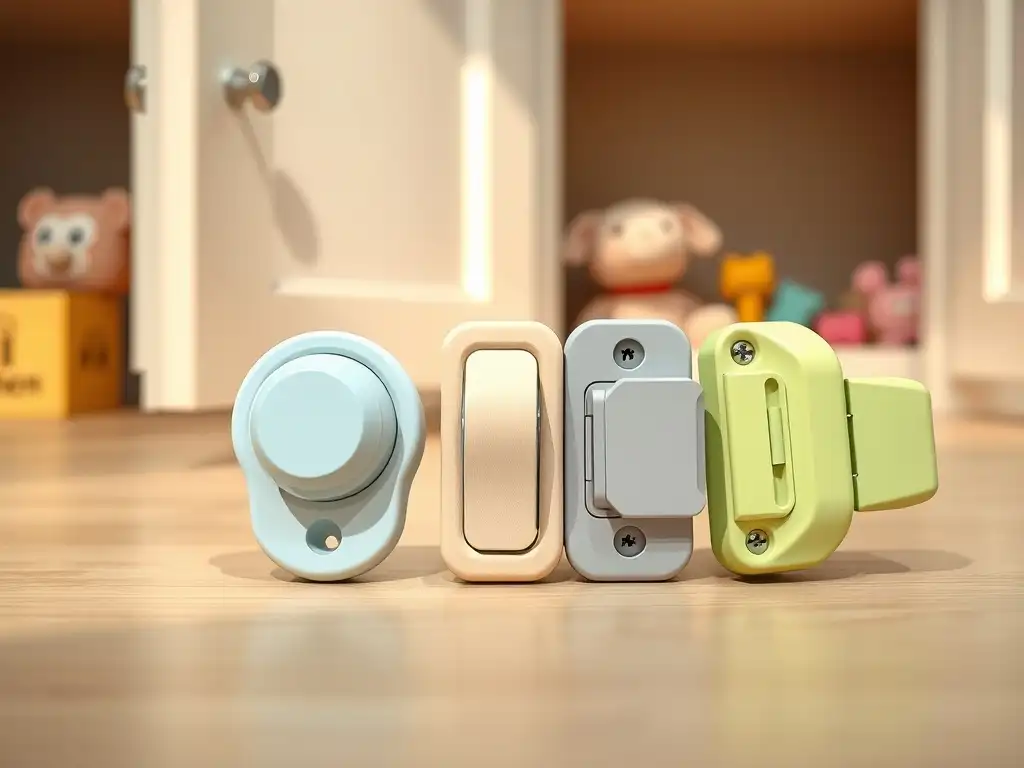
Welcome to BabyCareHub, your ultimate guide to navigating the incredible journey of parenthood! We understand that the arrival of your little one brings a whirlwind of joy and, let's be honest, a few anxieties. That's why we've created this comprehensive resource, packed with practical advice and expert insights.
Are you ready to learn about essential safety measures, starting with our Top 5 Cabinet Safety Products? Discover how to childproof your home effectively and ensure your baby's safety, step-by-step. Let's explore the world of baby cabinet lock safety tips together and create a secure and happy home for your precious bundle of joy.
- Understanding the Importance of Childproofing Cabinets: Baby Cabinet Lock Safety Tips
-
Top 5 Best Cabinet Locks for Baby Safety in 2024: A Detailed Review
- 1. [Product Name 1]: Magnetic Cabinet Locks for Easy Installation and Secure Hold - Review and Features
- 2. [Product Name 2]: Childproof Cabinet Locks with Adjustable Straps - Review and Features
- 3. [Product Name 3]: Multi-Purpose Child Safety Locks for Cabinets and Drawers - Review and Features
- 4. [Product Name 4]: Innovative Push-to-Open Cabinet Locks for Easy Adult Access - Review and Features
- 5. [Product Name 5]: Corner Cabinet Locks for Extra Protection in Hard-to-Reach Areas - Review and Features
- Beyond Cabinet Locks: Additional Baby Safety Measures for Your Home
- Frequently Asked Questions about Baby Cabinet Safety
- Frequently Asked Questions
- Final Reflection: Securing Little Hands, Securing Big Futures
- Unlock a Safer Home: Take Action Now!
Understanding the Importance of Childproofing Cabinets: Baby Cabinet Lock Safety Tips
Navigating the world of parenthood for the first time can feel overwhelming. Among the many concerns new parents face, ensuring their baby's safety is paramount. A significant aspect of this involves childproofing the home, and a crucial element of that is securing cabinets.
This article focuses on the vital role of baby cabinet locks in preventing accidents and protecting your little one from potential hazards. We'll explore the dangers lurking within seemingly innocuous cabinets, highlight common household items that pose a risk to toddlers, and explain how effective childproofing contributes to a child's healthy development. Learning about and implementing effective baby cabinet lock safety tips is an essential step in creating a safe and nurturing environment for your child's growth.
This guide will equip you with the knowledge to choose the best cabinet safety products for your home, helping you prevent accidents and fostering peace of mind. Let's delve into the top 5 cabinet safety products every parent should know, contributing to a safer home and a happier baby.
Dangers of Unsecured Cabinets for Toddlers: Preventing Accidents with Baby Cabinet Locks
Toddlers are naturally curious explorers. Their developing motor skills enable them to open cabinets with surprising ease, leading to potential accidents. Unsecured cabinets can contain a range of dangers, from sharp objects and cleaning supplies to medications and potentially poisonous substances. A single moment of inattention can have devastating consequences. The leading causes of injuries related to unsecured cabinets include ingestion of toxic substances, cuts from sharp objects, and burns from hot liquids or appliances. Implementing baby cabinet locks acts as a critical preventative measure, significantly reducing the risk of these accidents. Statistics show a dramatic decrease in toddler injuries in homes where effective childproofing measures, such as cabinet locks, are in place. 1 The peace of mind that comes with knowing your child is protected from these easily preventable accidents is invaluable. Choosing the right type of lock for your cabinets is key; we’ll explore different options in the following sections.
Common Household Hazards Stored in Cabinets: Cleaning Supplies, Medications, and More
Many common household items stored in cabinets pose significant risks to toddlers. Cleaning supplies, such as bleach, ammonia, and disinfectants, can cause severe burns and poisoning if ingested. Medications, even seemingly harmless over-the-counter drugs, can have dangerous consequences if a child consumes them. Other potential hazards include sharp objects (knives, scissors), flammable liquids, and potentially toxic substances like pesticides. Even seemingly innocuous items like buttons or small toys can pose a choking hazard if a child manages to access them. The following table summarizes some of the most common cabinet hazards and their potential consequences:
| Hazard Category | Specific Example(s) | Potential Consequences |
|---|---|---|
| Cleaning Supplies | Bleach, Ammonia, Disinfectants | Burns, poisoning, respiratory problems |
| Medications | Pain relievers, cough syrups | Overdose, allergic reactions, organ damage |
| Sharp Objects | Knives, scissors, broken glass | Cuts, lacerations |
| Flammable Liquids | Lighter fluid, gasoline | Burns, fire hazards |
| Other Toxic Substances | Pesticides, insecticides, fertilizers | Poisoning, neurological damage, skin irritation |
The Crucial Role of Childproofing in Early Childhood Development
Childproofing isn't just about preventing accidents; it plays a vital role in a child's healthy development. A safe environment allows children to explore and learn without the constant fear of injury. This fosters independence, curiosity, and a sense of security, all crucial elements for healthy emotional and cognitive development. When children feel safe, they are more likely to engage in playful exploration, which is essential for their learning and development.
By creating a safe home environment through measures like installing baby cabinet locks, parents contribute significantly to their child's overall well-being and development. This investment in safety pays dividends in the form of a confident, secure, and thriving child. Remember, a safe home is a happy home!
1 *[Specific information pending: Source for statistics on reduced toddler injuries due to cabinet locks]*
Top 5 Best Cabinet Locks for Baby Safety in 2024: A Detailed Review
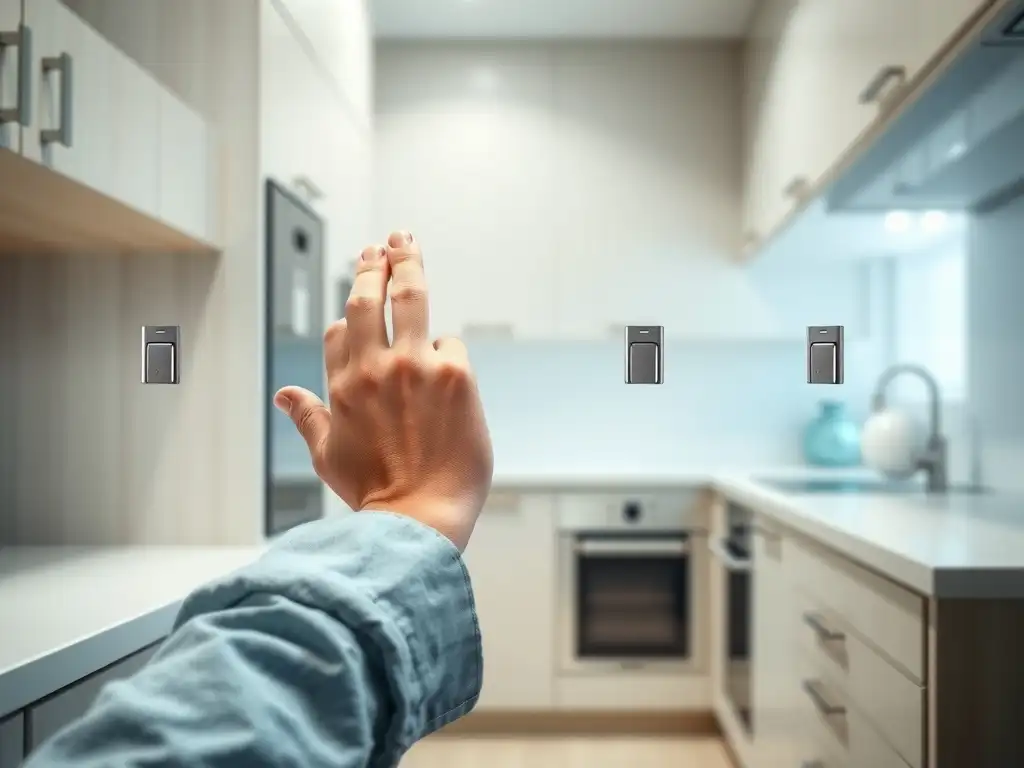
This section dives deep into five top-rated cabinet locks, providing detailed reviews and practical guidance to help you choose the best option for your home. Protecting your little one from hazardous household chemicals and other potentially harmful items is paramount. These baby cabinet lock safety tips will help you navigate the options and select the perfect solution. Remember, proactive safety measures are crucial for a thriving and safe environment for your baby.
1. [Product Name 1]: Magnetic Cabinet Locks for Easy Installation and Secure Hold - Review and Features
[Product Name 1] offers a magnetic locking system, promising a strong hold with a relatively easy installation process. The magnetic mechanism avoids the need for drilling or complicated tools, making it an attractive option for renters or those who prefer a less invasive approach to childproofing. The sleek design integrates seamlessly into most cabinet styles, minimizing disruption to your kitchen's or bathroom's aesthetic. This makes it a popular choice amongst parents prioritizing both safety and appearance.
The locks are designed with a strong magnetic force, ensuring a secure hold even with persistent toddlers. However, the strength of the magnet also means that opening requires a deliberate action, minimizing accidental unlocking. This product is a strong contender for the best magnetic cabinet lock on the market.
Pros and Cons of [Product Name 1]
| Pros | Cons |
|---|---|
| Easy installation, no drilling required | May not be suitable for all cabinet types |
| Strong magnetic hold | Requires a bit of force to open, potentially challenging for adults with limited dexterity |
| Sleek and discreet design | [Specific information pending: Potential issues with certain cabinet door styles] |
| Durable and long-lasting materials | [Specific information pending: Price point compared to competitors] |
Installation Guide and Tips for [Product Name 1]
Installation typically involves attaching two parts: one to the inside of the cabinet door and the other to the adjacent cabinet frame. The manufacturer usually provides detailed instructions, but generally, it involves cleaning the surfaces, applying the adhesive strips (often included), and pressing firmly. Allow sufficient time for the adhesive to fully set before testing. Remember to always test the lock's effectiveness after installation. A common mistake is insufficient cleaning of the surfaces before applying the adhesive, leading to a weaker hold. Always follow the manufacturer's instructions precisely for optimal performance.
Pricing and Where to Buy [Product Name 1] (Affiliate Link)
[Specific information pending: Pricing details and retailer information]
2. [Product Name 2]: Childproof Cabinet Locks with Adjustable Straps - Review and Features
[Product Name 2] utilizes adjustable straps instead of magnets or other mechanisms. The straps wrap around the cabinet door and frame, providing a secure locking mechanism that is suitable for a wider variety of cabinet styles and sizes than magnetic locks. Its versatility is a significant advantage, making it a more adaptable solution for diverse home setups.
The adjustable nature of the straps allows for a customized fit, ensuring a secure hold regardless of cabinet dimensions. However, the installation might require more attention to detail compared to magnetic locks. This option provides a reliable and robust solution for keeping curious little ones away from potentially dangerous items.
Pros and Cons of [Product Name 2]
| Pros | Cons |
|---|---|
| Adjustable straps accommodate various cabinet sizes and styles | Can be more visible than other options |
| Strong and reliable locking mechanism | Installation might require more time and precision |
| Relatively inexpensive | Straps may become loose over time if not properly adjusted |
| Works well on a variety of surfaces | [Specific information pending: Potential issues with very thick cabinet doors] |
Comparison: [Product Name 1] vs. [Product Name 2]
| Feature | [Product Name 1] (Magnetic) | [Product Name 2] (Straps) |
|---|---|---|
| Installation | Easy, no drilling needed | More involved, requires precise adjustment |
| Appearance | Discreet | More visible |
| Versatility | Limited to compatible cabinets | Suitable for various cabinet types |
| Strength | Strong magnetic hold | Strong strap hold |
| Price | [Specific information pending] | [Specific information pending] |
Pricing and Where to Buy [Product Name 2] (Affiliate Link)
[Specific information pending: Pricing details and retailer information]
3. [Product Name 3]: Multi-Purpose Child Safety Locks for Cabinets and Drawers - Review and Features
[Product Name 3] presents itself as a versatile solution for securing cabinets and drawers, promising a robust and adaptable system for various household storage units. Its design often incorporates strong adhesive strips for easy installation, minimizing the need for drilling or complicated tools. Many parents appreciate the ease of application, especially during the busy early months of parenthood.
The locks themselves are typically made from durable materials, resistant to curious little fingers and determined attempts to unlock them. The mechanism often involves a simple, yet effective, latching system, ensuring that cabinets remain securely closed. However, the efficacy of the adhesive can vary depending on the surface material and the cleanliness of the application area.
Careful preparation of the surface is crucial for optimal adhesion and long-lasting security. Furthermore, the design often incorporates a release mechanism that is easy for adults to operate but difficult for children to manipulate, a key factor in its overall safety.
Pros and Cons of [Product Name 3]
| Pros | Cons |
|---|---|
| Easy installation; no drilling required. | Adhesive strength may vary depending on the surface. |
| Durable and child-resistant design. | May not be suitable for all cabinet types. |
| Multi-purpose; suitable for cabinets and drawers. | Requires careful surface preparation for optimal adhesion. |
| Relatively affordable. | Potential for adhesive residue upon removal. |
Addressing Specific Cabinet Types with [Product Name 3]
[Product Name 3] is often marketed as suitable for a variety of cabinet types, including those with flat surfaces, recessed handles, and even some with slightly curved fronts. However, it's crucial to carefully check the manufacturer's specifications to ensure compatibility. For instance, very ornate or heavily textured cabinet doors might present challenges for proper adhesion. Similarly, cabinets with unusually deep recesses or very thin edges might not provide sufficient surface area for a secure bond.
While the product aims for versatility, it's not a one-size-fits-all solution. Thorough inspection of your cabinets before purchasing is strongly recommended. Understanding the limitations of the adhesive is also important; extremely heavy cabinets or those subjected to significant stress might require a more robust locking mechanism. Always prioritize safety and consider alternative solutions if there's any doubt about the product's effectiveness on a particular cabinet.
Pricing and Where to Buy [Product Name 3] (Affiliate Link)
[Specific pricing information pending] [Specific retailer information pending]. The price point typically falls within the mid-range of child safety products, offering a balance between cost-effectiveness and functionality. Many parents find it to be a worthwhile investment in their child's safety.
4. [Product Name 4]: Innovative Push-to-Open Cabinet Locks for Easy Adult Access - Review and Features
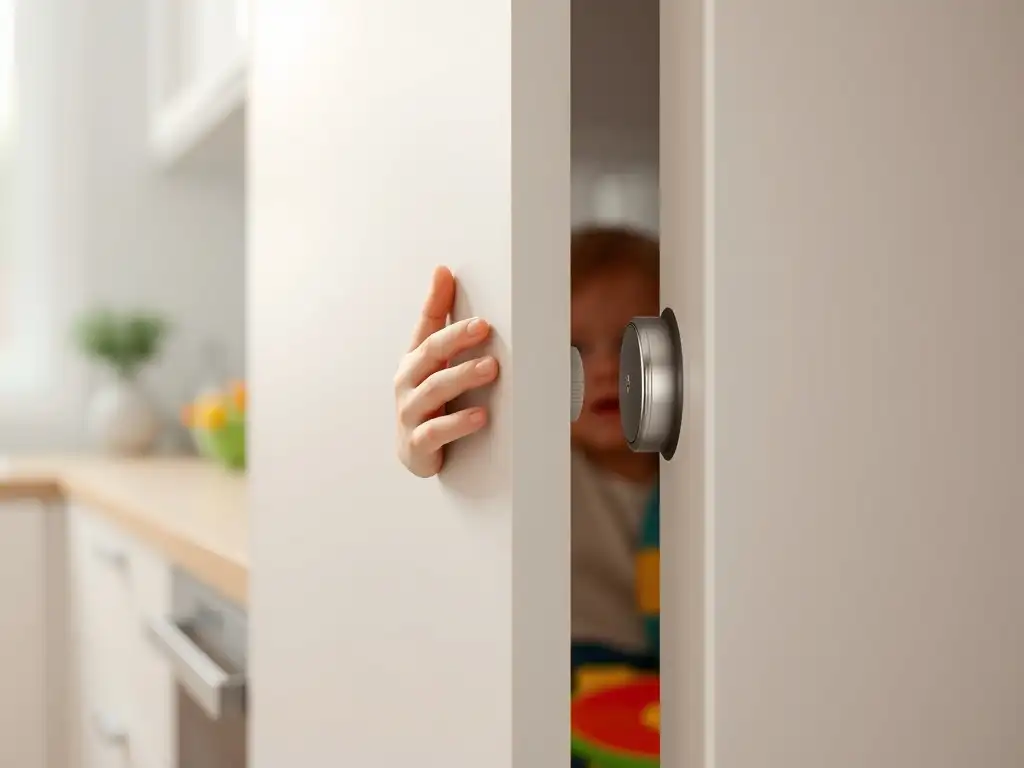
[Product Name 4] represents a more modern approach to cabinet safety, emphasizing ease of use for adults while maintaining child-resistant features. Unlike traditional latches, this system often employs a push-to-open mechanism that requires a specific pressure or technique to unlock. This design eliminates the need for fiddling with knobs or clips, making access quick and convenient for caregivers. The installation process usually involves a simple adhesive application, again minimizing the need for tools.
The materials used are generally durable and designed to withstand repeated use. However, the effectiveness of the push-to-open mechanism relies on the consistency of the pressure applied, and it might require some getting used to. Additionally, the design might be more challenging to install on certain cabinet types compared to simpler latch-based systems.
Pros and Cons of [Product Name 4]
| Pros | Cons |
|---|---|
| Convenient push-to-open mechanism for adults. | Requires a specific technique to open; may take some getting used to. |
| Easy installation; usually adhesive-based. | May not be suitable for all cabinet types or sizes. |
| Sleek and discreet design. | Potential for malfunction if not installed correctly. |
| Relatively easy to clean. | Might be more expensive than traditional latch-based systems. |
Comparing Push-to-Open vs. Traditional Locks for Cabinet Safety
The choice between push-to-open and traditional cabinet locks often comes down to personal preference and specific needs. Traditional locks, while sometimes requiring more effort to open, are generally more robust and less prone to malfunction. They also tend to be more affordable. Push-to-open systems, on the other hand, offer greater convenience for adults, particularly when handling items with both hands.
The sleek design is also a plus for those prioritizing aesthetics. The best choice depends on factors such as the types of cabinets being secured, the frequency of access needed, and the individual user's dexterity and preferences. Consider the trade-offs between convenience and robustness when making your decision. Ultimately, the most effective lock is one that is consistently used and reliably prevents access by children.
Pricing and Where to Buy [Product Name 4] (Affiliate Link)
[Specific pricing information pending] [Specific retailer information pending]. Generally, push-to-open locks are positioned at a slightly higher price point than traditional latch systems, reflecting the more sophisticated technology and design. However, the added convenience and ease of use might justify the extra cost for some parents.
5. [Product Name 5]: Corner Cabinet Locks for Extra Protection in Hard-to-Reach Areas - Review and Features
[Product Name 5] corner cabinet locks offer a unique solution to a common babyproofing challenge: securing those hard-to-reach corner cabinets. These cabinets, often housing cleaning supplies or other potentially hazardous items, are frequently overlooked during the babyproofing process. Unlike traditional strap locks or magnetic locks, [Product Name 5] utilizes a clever design that allows for secure locking even in tight spaces where other methods might prove cumbersome or ineffective.
The locks themselves are typically small and discreet, minimizing their visual impact on your kitchen or bathroom aesthetics. They usually feature a strong adhesive backing for easy installation and removal, and are often made from durable, child-resistant materials. The mechanism often involves a simple, yet effective, latching system that requires a degree of dexterity beyond the capabilities of a curious toddler.
Many models are also designed to be easily opened by adults, avoiding frustrating fumbling during meal prep or cleaning. This is a crucial aspect of selecting a babyproofing solution: ease of use for parents while still maintaining a high level of child safety. The design often incorporates rounded edges to minimize potential injury risks.
Pros and Cons of [Product Name 5]
| Pros | Cons |
|---|---|
| Effective in securing hard-to-reach areas | May require more precise installation than straps |
| Discreet design | Might not be suitable for all cabinet types |
| Easy installation | Adhesive strength may degrade over time |
| Child-resistant mechanism | Relatively higher cost compared to some options |
| Durable materials | Limited color/design options |
The effectiveness of [Product Name 5] hinges on proper installation. Following the manufacturer's instructions carefully is crucial for optimal performance. Regular inspection of the adhesive and the locking mechanism is also recommended to ensure continued safety. While generally durable, prolonged exposure to moisture or extreme temperatures could potentially affect the adhesive's strength and the overall longevity of the product. Consider the cabinet material and the type of surface before choosing this option. Some surfaces might not be compatible with the adhesive, requiring alternative solutions.
Complete Cabinet Safety Solutions: Combining Different Lock Types
For comprehensive cabinet safety, a multi-pronged approach is often the most effective. While [Product Name 5] excels at securing corner cabinets, combining it with other lock types can create a more robust safety system. For example, using magnetic locks on lower cabinets and strap locks on wider, more accessible cabinets can complement the corner cabinet locks, ensuring that all potential hazards are addressed. This layered approach reduces the risk of a child accessing dangerous items through any single point of vulnerability.
Remember to consider the child's age and developmental stage when selecting and combining different lock types. A toddler who can easily open a magnetic latch might still be thwarted by a more complex mechanism, highlighting the importance of tailoring your strategy to the specific developmental capabilities of your little one. A proactive and layered approach is always the best policy when it comes to baby safety.
Pricing and Where to Buy [Product Name 5] (Affiliate Link)
The pricing of [Product Name 5] varies depending on the number of locks included in a package and the retailer. Generally, expect to pay [Price Range pending] for a typical set. You can typically find these locks at major retailers specializing in baby products, online marketplaces, and even some home improvement stores. Remember to always check reviews before purchasing any babyproofing product to ensure it aligns with your needs and expectations.
Consider reading several reviews from different sources to get a balanced view of the product's performance and reliability. Safety should never be compromised, so thoroughly researching and selecting the right products is paramount. Remember to look for features such as ease of installation, durability, and a child-resistant mechanism. These features will contribute to a more secure and safer home environment for your baby.
Beyond Cabinet Locks: Additional Baby Safety Measures for Your Home
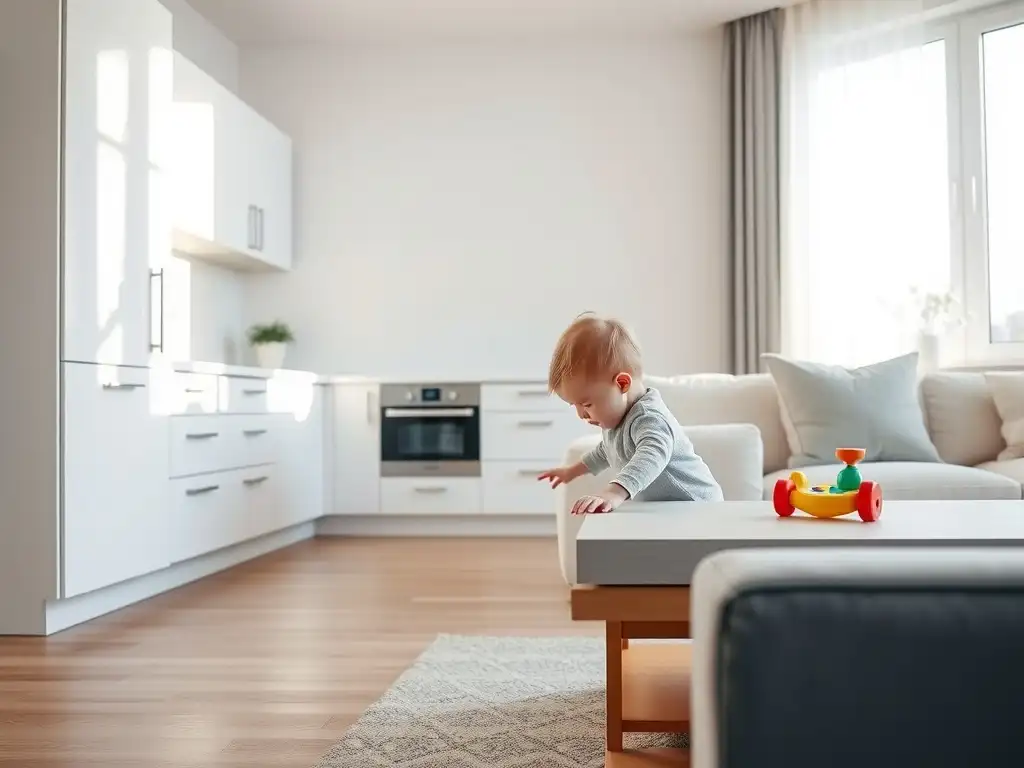
This section expands on the crucial topic of baby cabinet lock safety tips, acknowledging that securing cabinets is only one piece of the childproofing puzzle. A truly safe home environment for your little one requires a multi-faceted approach, encompassing various safety measures beyond simply locking cabinets. Neglecting other potential hazards can compromise your efforts to keep your baby safe. Let's explore a holistic strategy for creating a safer home.
Creating a Safe Environment for Your Baby: A Holistic Approach to Childproofing
Protecting your baby from harm requires proactive measures across your entire home. Think of it as building layers of safety. Cabinet locks are a vital layer, but they don't address every potential danger. For example, while you've secured cleaning supplies, what about sharp corners on furniture? Or electrical outlets within reach? A comprehensive approach considers these often-overlooked areas.
Consider these additional crucial steps:
- Regular safety checks: Conduct thorough inspections of your home regularly, viewing it from your baby's perspective. Crawl around, and see what catches your eye. What could be a hazard? What might be tempting for your baby to touch or put in their mouth?
- Securing furniture: Anchor heavy furniture like bookshelves and dressers to the wall using safety straps. This prevents tipping accidents, which can be incredibly dangerous for babies who may be pulling themselves up or climbing.
- Window safety: Install window guards or safety latches to prevent falls from open windows. This is especially important in upper floors or homes with balconies.
- Stairgate installation: If you have stairs, install sturdy safety gates at the top and bottom to prevent falls. Ensure the gate is properly fitted and secured. Regularly check its functionality.
Implementing these measures, along with your cabinet locks, creates a significantly safer environment for your baby to explore and grow. Remember, consistent vigilance and proactive safety measures are paramount. Think ahead and anticipate your baby's development stages to adjust your safety measures accordingly. For example, as your baby starts crawling, you'll need to secure lower cabinets and drawers that were previously inaccessible.
Additional Safety Products for Your Home: Outlet Covers, Corner Protectors, and More (Affiliate Links)
Beyond cabinet locks, several additional products can significantly enhance your home's safety. These aren't replacements for diligent supervision, but they serve as valuable supplementary safety measures.
| Product Type | Description | Importance |
|---|---|---|
| Outlet Covers | Prevent electrical shocks by covering unused outlets. | Crucial for preventing electrocution, especially with curious babies who explore outlets. |
| Corner Protectors | Cushion sharp corners on furniture to reduce the risk of bumps and injuries. | Protects your baby's head from injury during falls or accidental collisions. |
| Door and Drawer Locks | Secure cabinets and drawers not containing cleaning supplies or other hazardous materials. | Added layer of protection for areas you may not have initially considered locking. |
| Baby gates | Prevent access to stairs or other hazardous areas. | Essential for homes with stairs or areas with potential dangers. |
Remember to choose high-quality products that are durable and easy to install. Always follow the manufacturer's instructions carefully during installation. Regularly check the condition of these safety products to ensure they remain effective.
Expert Tips for Preventing Accidents: Guidance from Pediatricians and Child Safety Experts
The importance of proactive babyproofing cannot be overstated. Experts consistently emphasize the need for a layered approach, combining various safety measures to create a safer home environment. Pediatricians and child safety experts often recommend:
- Childproofing early: Start childproofing well before your baby becomes mobile. This ensures you're prepared for their developmental milestones.
- Regular inspections: Conduct frequent safety checks, adjusting your safety measures as your baby grows and develops new skills.
- Supervision: Never leave your baby unattended, even for short periods. Accidents can happen quickly.
- Education: Teach older siblings about baby safety and the importance of not disturbing your baby's safety measures.
By following these expert recommendations and incorporating the additional safety measures discussed, you can create a significantly safer and more secure environment for your baby, adding another layer of protection to your baby cabinet lock safety tips. Remember, a safe home is a happy home!
Frequently Asked Questions about Baby Cabinet Safety
This section addresses common queries regarding baby cabinet safety and provides practical solutions to help parents create a secure home environment for their little ones. Understanding these frequently asked questions will empower you to make informed decisions about protecting your child from potential hazards. Remember, proactive safety measures are crucial in preventing accidents.
How to choose the right cabinet locks for your needs?
Choosing the right cabinet locks involves considering several factors beyond just the price tag. The best lock for you depends on your specific cabinets, your child's age and developmental stage, and your personal preferences.
First, assess your cabinets. Are they made of wood, metal, or glass? Do they have recessed handles or protruding knobs? Some locks are designed for specific cabinet types. For example, adhesive locks work best on smooth surfaces, while screw-in locks offer more robust security for heavier cabinets.
Next, consider your child's age and abilities. A toddler who's just starting to pull themselves up might be thwarted by a simple latch, while a more determined preschooler might require a more sophisticated lock. Look for locks with features that adjust to different levels of dexterity.
Finally, think about ease of use for you as well. You'll be using these locks frequently, so choose a design that's easy to operate one-handed, especially when you're juggling a baby! Look for locks with clear instructions and a simple mechanism.
Here's a simple table to help you decide:
| Cabinet Type | Recommended Lock Type | Considerations |
|---|---|---|
| Wood | Adhesive, Screw-in, Magnetic | Check for compatibility with your finish. |
| Metal | Screw-in, Magnetic | Ensure a strong hold on the metal surface. |
| Glass | Magnetic, Strap Locks | Prioritize strong adhesive or secure straps. |
Remember, layering safety measures is always a good idea. Consider combining different types of locks for added security.
Are all cabinet locks created equal? Comparing features and effectiveness.
No, all cabinet locks are definitely not created equal. The market offers a wide range of options, each with varying levels of effectiveness and features. Understanding these differences is key to making the right choice for your home.
Some key features to compare include:
- Locking Mechanism: Simple latches are easy to use but may be easily bypassed by determined toddlers. More complex mechanisms, such as keyed locks or those requiring a specific sequence of actions, offer increased security.
- Material: Durable materials like metal or high-quality plastic are more resistant to tampering than flimsy plastic.
- Adhesive Strength: For adhesive locks, strong adhesive is crucial. Check reviews to see how well the adhesive holds over time, especially on different surfaces.
- Ease of Installation: Some locks require simple installation, while others may need more advanced tools or expertise.
- Child-Resistance: Look for locks specifically designed to be child-resistant, tested and proven effective against curious little hands. Look for independent safety certifications.
Consider this example: A simple magnetic latch might be sufficient for a pantry holding non-hazardous items, but a more robust multi-point locking system would be preferable for cabinets containing cleaning supplies or medications.
How to install cabinet locks correctly and effectively? Step-by-step guide.
Correct installation is crucial for the effectiveness of any cabinet lock. Failure to follow instructions carefully can render the lock useless, leaving your child at risk. Always refer to the manufacturer's instructions for your specific lock. However, here's a general guide:
- Clean the surface: Thoroughly clean the cabinet surfaces where you'll be applying the lock. Remove any dust, grease, or residue to ensure optimal adhesion. Wipe down with a clean, dry cloth.
- Measure and mark: Carefully measure and mark the placement of the lock components, ensuring they are aligned correctly. Precise placement ensures a secure fit and prevents gaps that a child might exploit.
- Apply adhesive (if applicable): If your lock uses adhesive, apply it evenly and firmly according to the manufacturer's instructions. Allow sufficient time for the adhesive to cure before testing the lock.
- Securely attach components: Follow the manufacturer's instructions for attaching all components. This may involve screwing, snapping, or clicking parts together. Ensure a tight fit.
- Test the lock: Once installed, thoroughly test the lock to ensure it functions correctly and is difficult for a child to open. Try to open it from a child's perspective to identify any potential weaknesses.
- Regularly check: Periodically inspect the locks for wear and tear, ensuring they remain securely attached and functioning effectively. Replace locks if they show signs of damage or looseness. Consider replacing locks every few years or when you notice any wear and tear.
Remember, safety is paramount. If you're unsure about any aspect of the installation process, it's best to consult a professional or seek assistance from the manufacturer. Proper installation ensures the effectiveness of your baby cabinet lock safety tips and protects your child from harm.
What to do if your baby manages to open a locked cabinet? Prevention and response strategies.
Even the best baby cabinet locks can sometimes be outsmarted by a particularly persistent toddler! If your baby does manage to open a locked cabinet, the immediate response depends on the contents.
First and foremost, remain calm. A panicked reaction will only escalate the situation. Quickly assess the contents of the cabinet. If the cabinet contains cleaning supplies, medications, or other hazardous materials, immediately remove your baby from the area and check them for any ingestion or exposure. If you suspect poisoning or injury, call emergency services immediately. Keep the product packaging handy for the emergency responders.
If the cabinet contains less hazardous items, gently redirect your baby's attention to a safer activity. A favorite toy or a simple game can often distract them. This is a crucial moment for teaching; gently explain that the cabinet is off-limits and why.
Prevention is always better than cure. Here are some strategies to prevent future incidents:
- Multiple layers of protection: Consider using more than one type of lock. A combination of childproof latches and magnetic locks can provide a more robust barrier.
- Regular inspections: Check your cabinet locks regularly to ensure they are functioning correctly and haven't been tampered with. Replace worn or damaged locks immediately.
- Strategic cabinet placement: Keep cabinets containing hazardous materials out of your baby's reach entirely, ideally in a room they don't have access to.
- Height-appropriate storage: Store items at a height your baby cannot reach, even when standing or climbing on furniture.
- Childproofing education: Educate other caregivers, babysitters, and family members about the importance of cabinet safety and the proper use of childproof locks. Make sure everyone is aware of the location of hazardous materials and the procedures to follow if your baby gains access.
Remember, babies are naturally curious explorers. By combining robust safety measures with consistent teaching, you can significantly reduce the risk of accidents and create a safer home environment for your little one. A proactive approach to cabinet safety is a vital aspect of overall childproofing and contributes to a more peaceful and secure home for your family. The peace of mind that comes from knowing your baby is safe is invaluable.
Frequently Asked Questions
What are the biggest dangers of unlocked cabinets for babies?
Babies can access harmful cleaning supplies, medicines, or other dangerous items stored in unlocked cabinets. This can lead to serious accidents or poisoning. Prevention is key.
How can I choose the right cabinet lock for my home?
Consider the type of cabinet, the material, and the ease of use. Look for locks that are childproof and easy for adults to operate, but difficult for babies to remove. Read reviews to find the best fit.
Are magnetic cabinet locks safe for my baby?
Magnetic locks are generally considered safe and effective, offering a strong hold without sharp edges or small parts that could pose a choking hazard. However, always check the manufacturer's recommendations and ensure proper installation.
How can I install cabinet locks effectively?
Follow the manufacturer's instructions carefully. Ensure the lock is securely attached to both the cabinet and the door, and test it thoroughly to ensure it's difficult for your baby to open.
What other safety measures should I take besides using cabinet locks?
Keep hazardous materials out of reach, even if they're in locked cabinets. Consider using child-resistant packaging where available and supervise your baby closely at all times, especially when near cabinets.
Final Reflection: Securing Little Hands, Securing Big Futures
The relentless energy of a curious toddler meets the sharp edges of everyday household dangers – a potent combination demanding our constant vigilance. This article highlighted five essential cabinet safety products, offering practical solutions to a pervasive parental concern. But beyond the specific products, it underscores a larger truth: proactive safety measures are not just about preventing accidents; they're about cultivating a secure environment where children can thrive and explore.
The impact of childproofing extends far beyond the immediate prevention of injury. It's about fostering a sense of trust and security within the family unit, allowing children the freedom to discover their world without the constant fear of harm. The best way to find yourself is to lose yourself in the service of others.
While this quote from Gandhi doesn't directly address cabinet locks, it speaks to the heart of responsible parenting: creating a safe and nurturing environment allows children to flourish and discover their potential, ultimately serving the greater good of the family and community.
Consider the implications of this for your own home. Take a moment to walk through your kitchen, your bathroom, any room accessible to your little ones. Are there potential hazards lurking? Do you have the right safety measures in place?
This isn't about creating a sterile, overly cautious environment; it's about creating a space where safety and exploration can coexist. Invest in the right safety products, but more importantly, invest in the peace of mind that comes with knowing you've done everything you can to protect your precious children. Let's work together to build a safer world, one cabinet lock at a time.
Unlock a Safer Home: Take Action Now!
Thank you for learning about essential cabinet safety. We hope this guide helps you create a more secure home for your child. Ready to get started?
- Prioritize your child's safety: Begin by assessing your cabinets and installing at least one safety product. Which one seems easiest to install first?
- Share this vital information: Tell your friends and family – a safer home benefits everyone! Share a quick post on social media, mentioning BabyCareHub.org.
- Learn more: Explore additional childproofing solutions and helpful resources at BabyCareHub.org.
What's one easy step you can take today to improve cabinet safety in your home?