
6MonthOld Milestone: Introducing Solids and SelfFeeding Activities

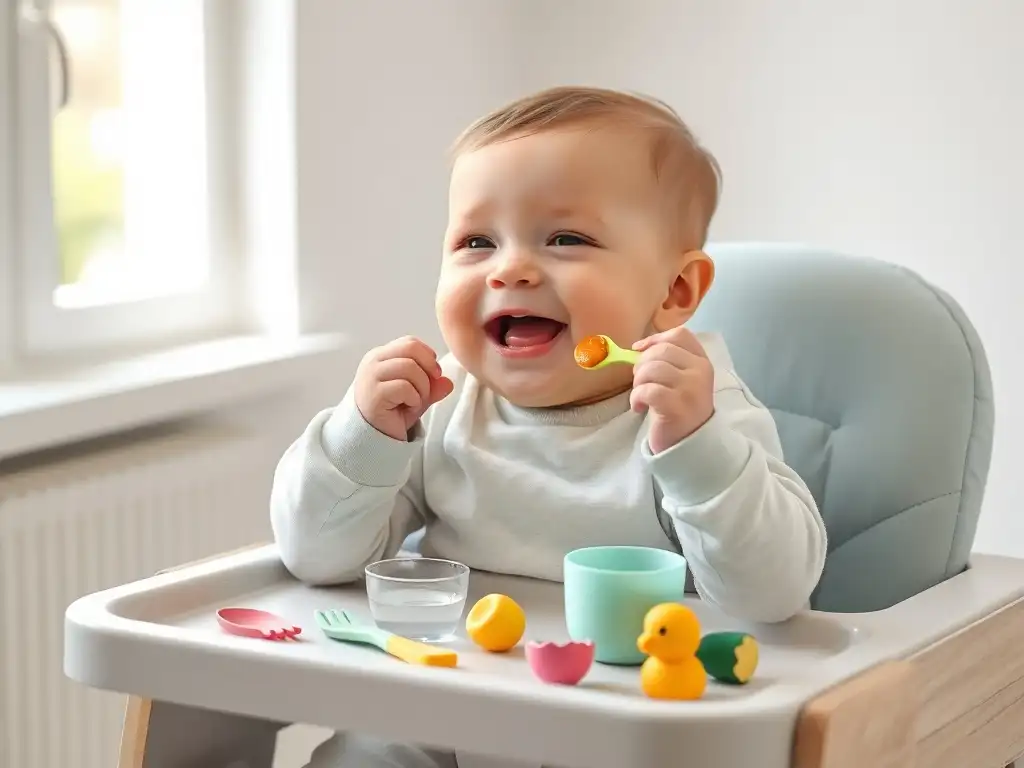
Welcome to BabyCareHub, your ultimate guide to navigating the incredible journey of parenthood! Are you ready to embark on a new adventure with your little one? We understand the excitement and perhaps a touch of apprehension that comes with raising a baby. This is especially true when it comes to significant developmental milestones, such as introducing solid foods. Discover our comprehensive 6-month-old baby self-feeding guide, packed with practical advice and expert tips to make this exciting stage smooth and enjoyable for both you and your baby. Let's explore the world of self-feeding together and unlock your baby's potential!
- Introducing Solid Foods to Your 6-Month-Old: A Step-by-Step Guide
- Self-Feeding Activities for Your 6-Month-Old: Fostering Independence
- 6 Month Old Baby Self-Feeding: Monitoring Progress and Addressing Challenges
- Fun and Engaging Self-Feeding Activities for 6-Month-Olds
- Creating a Positive and Supportive Self-Feeding Environment
- Frequently Asked Questions
- Final Reflection: The Joyful Journey of Self-Feeding
- Unlock Your Little One's Culinary Journey!
Introducing Solid Foods to Your 6-Month-Old: A Step-by-Step Guide
Navigating the exciting world of introducing solid foods to your little one can feel overwhelming, especially for first-time parents. This comprehensive guide focuses on the key milestones and best practices for introducing solids to your 6-month-old baby, specifically addressing self-feeding activities to promote their development and independence. We'll cover the signs indicating your baby is ready, the ideal first foods to offer, and crucially, how to ensure safe food introduction practices to minimize choking hazards.
This guide aims to empower you with the knowledge and confidence to embark on this important developmental journey with your 6-month-old, offering a practical and reassuring 6monthold baby selffeeding guide. Remember, every baby develops at their own pace, so celebrate each small victory along the way! 🎉
Signs of Readiness for Solids in a 6 Month Old Baby
Before diving into the delicious world of purees and soft foods, it's essential to recognize the developmental cues that signal your baby's readiness. These signs aren't just about age; they're about your baby's physical and neurological development. Look for a combination of the following indicators:
- Head Control: Can your baby hold their head steady and upright without support? This is crucial for safe swallowing.
- Sitting with Support: Can your baby sit upright with minimal support? This posture aids in efficient eating.
- Interest in Food: Does your baby show interest in watching you eat, reaching for your food, or opening their mouth when offered a spoon? This keen interest demonstrates readiness.
- Loss of Tongue-Thrust Reflex: The tongue-thrust reflex, which pushes food out of the mouth, naturally diminishes around 6 months. If your baby is no longer automatically pushing food out, they're likely ready.
- Doubled Birth Weight: Has your baby approximately doubled their birth weight? This signifies adequate physical growth and development.
Failing to observe these signs might lead to frustration for both you and your baby. Patience is key – introducing solids too early can lead to digestive issues and rejection of food.
Best First Foods for 6-Month-Olds: Purees and Soft Foods
Once you've confirmed your baby is showing the signs of readiness, selecting appropriate first foods is crucial. Start with single-ingredient purees to easily identify any potential allergies. Excellent choices include:
- Iron-Rich Purees: Sweet potato, butternut squash, and carrots are nutritious and easily digestible. Iron is essential for development at this stage.
- Fruits: Avocado, ripe bananas, and well-cooked applesauce are gentle on the digestive system.
- Vegetables: Green beans (pureed) and peas offer a variety of nutrients.
- Grains: Iron-fortified infant cereals (rice, oatmeal) mixed with breast milk or formula are a good source of energy and nutrients.
Avoid adding salt, sugar, or honey to your baby's food. Remember to introduce one new food at a time, waiting 2-3 days to observe for any allergic reactions before introducing another. This allows you to pinpoint any potential allergens.
Safe Food Introduction Practices for Babies: Avoiding Choking Hazards
Safety is paramount when introducing solids. Choking is a serious concern, so taking preventative measures is crucial. Here are some key safety tips to follow:
| Practice | Description | Importance |
|---|---|---|
| Start with Purees | Begin with smooth, single-ingredient purees to minimize choking risks. | Reduces the risk of choking significantly. |
| Small Portions | Offer very small portions initially, gradually increasing the amount as your baby gets used to eating solids. | Prevents overwhelming your baby and reduces the risk of choking. |
| Supervise Closely | Never leave your baby unattended while they are eating. | Constant supervision is essential to intervene immediately if needed. |
| Proper Sitting Position | Ensure your baby is sitting upright in a high chair with good support. | Prevents food from entering the airway. |
| Avoid Hard Foods | Stay away from hard, sticky, or round foods that can easily become lodged in the throat, such as nuts, whole grapes, popcorn, or hard candies. Cut food into small, manageable pieces. | These foods pose a high choking risk. |
| Introduce Soft Textures | Gradually introduce softer textures like mashed avocado or well-cooked pasta. | Allows your baby to develop their chewing and swallowing skills in a safe manner. |
Remember, the transition to solids is a gradual process. Be patient, observant, and celebrate every milestone reached by your little one. This journey is all about nurturing healthy eating habits and fostering a positive relationship with food. 👶
Creating a Smooth Transition from Breast Milk or Formula
Introducing solid foods to your six-month-old is a significant milestone, and a smooth transition is key to a positive experience for both you and your baby. The key is to introduce solids gradually, alongside continued breastfeeding or formula feeding. Don't think of this as a replacement, but rather a supplement to their primary nutrition source. Breast milk or formula will continue to provide essential nutrients and antibodies for several months, even as your baby explores new tastes and textures.
The process should be relaxed and enjoyable. Avoid pressure; if your baby isn't interested on a particular day, don't force it. Remember, every baby develops at their own pace. Some might eagerly gobble up their first spoonful, while others may need more time to adjust to the new sensations. Patience is paramount.
Start with small portions – think one to two teaspoons – of single-ingredient purees. This allows you to easily monitor for any allergic reactions. Observe your baby for any signs of discomfort, such as rash, vomiting, or diarrhea, after introducing a new food. If you notice any of these, consult your pediatrician immediately. Keeping a food diary can be incredibly helpful in tracking your baby's reactions and identifying potential allergens.
The transition shouldn't be rushed. It's perfectly acceptable to continue offering breast milk or formula alongside solid foods for several months, gradually increasing the amount of solids as your baby becomes more comfortable and shows increased interest. Focus on the overall nutritional balance and your baby's cues. They'll let you know when they're full and ready to stop eating. This is a journey, not a race! 👶🍼
Self-Feeding Activities for Your 6-Month-Old: Fostering Independence
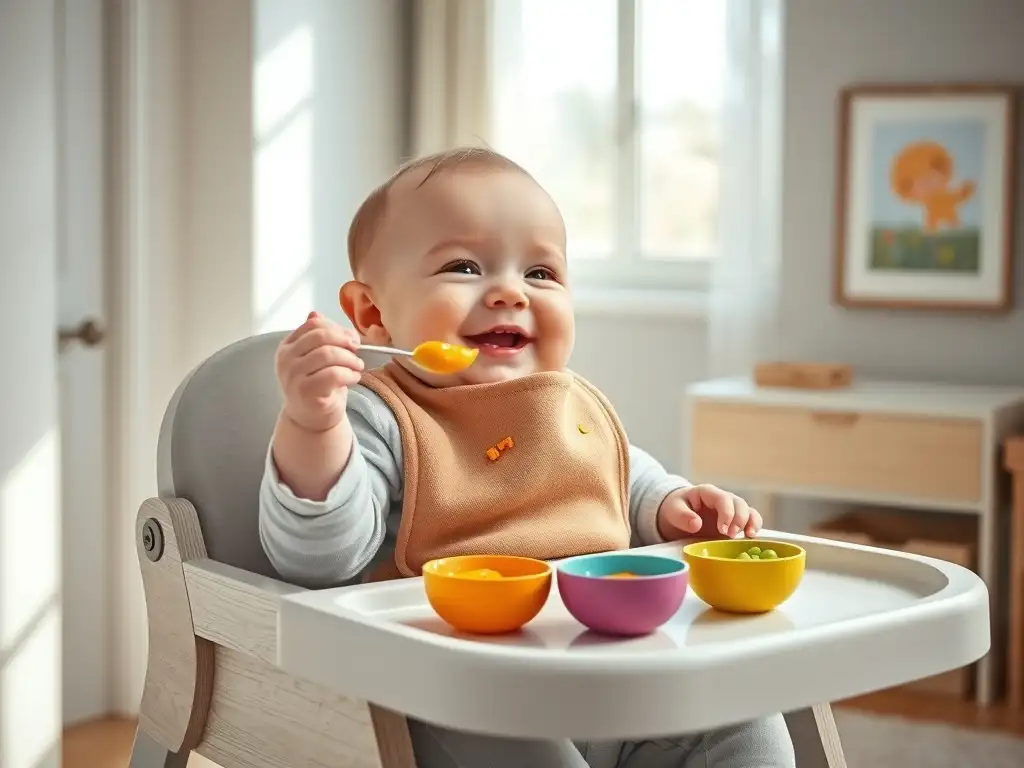
Introducing solids is a significant milestone in your baby's development, and self-feeding is a crucial part of this journey. Around six months, many babies demonstrate readiness for self-feeding, showing increased interest in food and attempting to grasp objects. This isn't just about nutrition; it's about fostering independence, hand-eye coordination, and fine motor skills.
This section will guide you through age-appropriate activities and techniques to help your little one explore the world of food in a fun and safe way. Remember, patience is key – every baby develops at their own pace. The focus should always be on enjoyment and positive experiences, not on the amount of food consumed.
Age-Appropriate Self-Feeding Tools and Utensils for 6 Month Olds
Choosing the right tools is paramount for a successful self-feeding experience. At six months, your baby's motor skills are still developing, so opt for utensils designed for their small hands and limited dexterity. Avoid anything that could pose a choking hazard.
Here are some ideal options:
- Soft-tipped spoons: These are gentle on your baby's gums and won't cause injury if dropped. Look for spoons with short, wide handles that are easy to grip.
- Large, chunky teethers: These can be used to explore different textures and soothe sore gums. Some teethers even have sections for adding purees or soft foods.
- Mesh feeders: These bags filled with soft fruits or vegetables allow your baby to safely suck and explore different textures without the risk of choking. Always supervise your child while using mesh feeders.
- Silicone bibs: These are essential for keeping your baby and your surroundings relatively clean during mealtimes. Choose bibs that are easy to clean and are made from a soft, non-toxic material.
- Avoid: Small objects, hard utensils, and anything that can easily break into small pieces.
Simple Self-Feeding Techniques for Babies: Messy But Fun!
Self-feeding is inherently messy, but embrace the chaos! It's a crucial part of the learning process. Here are some simple techniques to encourage self-feeding:
- Start with soft, easily manageable foods: Purees, mashed fruits, and well-cooked vegetables are excellent starting points. Avoid anything that is sticky or could easily form a large clump.
- Offer small portions: Begin with a teaspoon or two of food, gradually increasing the amount as your baby's appetite grows.
- Supervise closely: Always remain within arm's reach to prevent choking and ensure your baby is eating safely.
- Let your baby explore: Encourage your baby to pick up the food and bring it to their mouth. Don't worry if they don't get it right away; it takes practice.
- Positive reinforcement: Praise and encouragement can go a long way in making mealtimes a positive experience. Celebrate their attempts, even if they end up with more food on their face than in their mouth! 👶
Managing the Mess: Tips for Easy Cleanup During Self-Feeding
Self-feeding inevitably leads to messes. However, with a few simple strategies, you can minimize the chaos and make cleanup easier.
- Use a highchair with a tray: This will contain much of the mess.
- Lay down a large, waterproof placemat: This protects your floor and makes cleanup a breeze.
- Keep wipes and towels handy: Be prepared for spills and messes.
- Embrace the mess: Remember, the mess is a sign that your baby is actively learning and exploring. Try not to stress too much about the cleanup; it's a temporary phase.
- Consider a dedicated "messy play" area: If you're really concerned about the mess, designate a specific area for self-feeding to minimize the impact on the rest of your home. This could be a designated part of the kitchen floor, or even a large, easy-to-clean mat.
Remember, encouraging self-feeding in your 6-month-old is a rewarding experience for both you and your baby. It's a significant step towards independence and a fun way to explore new tastes and textures. Enjoy the journey! 🎉
Encouraging Healthy Eating Habits in Your 6-Month-Old
Introducing solids to your six-month-old is a significant milestone, marking the beginning of a lifelong journey of healthy eating habits. This isn't just about providing nutrition; it's about fostering a positive relationship with food that will benefit your child for years to come. The key is to make mealtimes enjoyable and stress-free, focusing on the experience rather than the quantity consumed.
Remember that your baby is still learning. Messes are inevitable! Embrace the chaos and celebrate the exploration. Don't pressure your little one to eat more than they're willing to. Their appetite will fluctuate, and that's perfectly normal. Focus on offering a variety of healthy options and letting them lead the way. This approach helps prevent picky eating later on.
Start with simple, single-ingredient purees. Avoid added sugars, salts, and excessive seasonings. Fruits like avocado, banana, and sweet potato are excellent starting points, offering a naturally sweet taste that most babies enjoy. Gradually introduce vegetables like carrots, peas, and green beans, paying attention to any allergic reactions. Always consult your pediatrician before introducing common allergens like peanuts, eggs, and dairy.
Offer small portions in a manageable way. A spoon is ideal for initially introducing solids, allowing for careful control of the amount given. You can start with a small amount, observing your baby's cues for fullness. Never force feed your baby. Signs of fullness include turning their head away, pushing the spoon away, or closing their mouth.
The texture of the food should also be considered. Initially, purees are recommended for ease of swallowing. As your baby becomes more adept at eating, you can gradually increase the texture, introducing mashed foods and eventually soft, finger foods. This helps develop their chewing and swallowing skills.
Remember to always supervise your child closely during mealtimes to prevent choking hazards. Creating a relaxed and positive environment will make mealtimes more enjoyable for both you and your baby, laying the foundation for a healthy and happy relationship with food. The goal is to make eating a positive experience, not a battleground.
6 Month Old Baby Self-Feeding: Monitoring Progress and Addressing Challenges
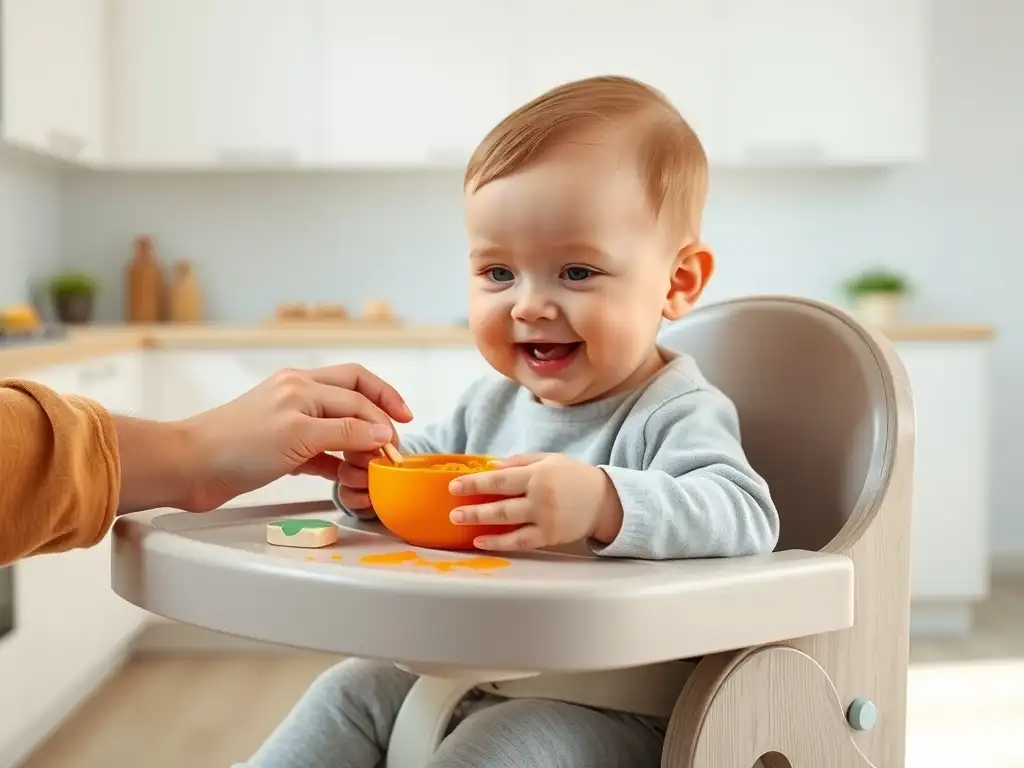
This section focuses on guiding first-time parents through the exciting, yet sometimes challenging, journey of introducing self-feeding to their 6-month-old. We'll explore key indicators of readiness, common hurdles, and when professional advice becomes necessary. Remember, every baby develops at their own pace, so patience and observation are crucial. This guide will equip you with the knowledge to support your little one's self-feeding journey and foster healthy eating habits. The goal is to empower you to confidently navigate this developmental milestone, turning potential frustrations into positive experiences for both you and your baby.
Signs Your Baby is Ready to Move Beyond Purees
Before diving into self-feeding techniques, it's vital to recognize the signs indicating your 6-month-old is developmentally prepared. These aren't rigid rules, but rather helpful indicators. Look for a combination of the following:
- Strong Head and Neck Control: Your baby should be able to sit upright with minimal support, holding their head steady. This ensures they can safely manage food without choking.
- Showing Interest in Food: Does your baby reach for your food or watch intently as you eat? This keen interest signals their readiness to explore textures and tastes.
- Opening their Mouth: If your baby opens their mouth when offered food, it's a positive sign of their willingness to participate in the feeding process.
- Gumming and Chewing: While they may not have teeth yet, your baby should be able to gum and chew on soft foods. This is a crucial step in preparing them for more complex textures.
- Pushing Food Out with Tongue: Initially, babies might have a strong tongue-thrust reflex, pushing food out. This reflex typically diminishes around 6 months, allowing them to better manage food in their mouths.
Remember, observing these cues is crucial. Forcing a baby to self-feed before they're ready can lead to frustration and negative associations with mealtimes. Patience is key! 🎉
Troubleshooting Common Self-Feeding Issues: Fussiness and Refusal
Self-feeding is a messy and sometimes frustrating process. Many babies go through periods of fussiness or outright refusal to eat certain foods. Here are some common issues and practical solutions:
| Issue | Potential Cause | Solution |
|---|---|---|
| Food Refusal | New textures, tastes, or smells; Tiredness; Illness | Offer a variety of foods, smaller portions, and try different times of day. |
| Messy Eating | Lack of coordination; Exploring the food | Use a bib, high chair with a tray, and expect mess! It's a normal part of learning. |
| Gagging or Choking | Too large pieces of food; Poor head control | Offer smaller, softer pieces of food; Ensure proper head and neck support. |
| Fussiness at Mealtimes | Distractions; Overtiredness; Hunger cues ignored | Minimize distractions, ensure proper timing, and observe your baby's hunger signals. |
Remember, consistency is key. Continue offering a variety of healthy foods, even if your baby doesn't immediately accept them. Positive reinforcement and a relaxed atmosphere can make a significant difference.
When to Consult a Pediatrician Regarding Feeding and Development
While self-feeding is a developmental milestone, it's important to know when to seek professional guidance. Consult your pediatrician if you notice any of the following:
- Persistent food refusal: If your baby consistently refuses to eat for several days, or shows a marked decrease in appetite.
- Significant weight loss or lack of weight gain: This could indicate underlying health issues.
- Excessive gagging or choking: Recurring episodes of choking or gagging can be a serious concern.
- Developmental delays: If your baby shows significant delays in other developmental areas, such as sitting or grasping objects.
- Concerns about your baby's overall health: Trust your instincts! If you have any concerns about your baby's health or development, consult your pediatrician.
Regular check-ups with your pediatrician are essential for monitoring your baby's growth and development. Don't hesitate to ask questions and share your concerns. Early intervention is crucial for addressing any potential issues and ensuring your baby thrives. Your pediatrician is your best resource for personalized advice and support during this exciting phase of your baby's life.
Fun and Engaging Self-Feeding Activities for 6-Month-Olds

This section provides a detailed guide on fun and engaging self-feeding activities suitable for your 6-month-old baby. Remember, this is a crucial stage in their development, fostering independence and exploring new textures and tastes. Introducing self-feeding early helps build crucial fine motor skills and hand-eye coordination. Always supervise your baby closely during mealtimes to prevent choking hazards.
Interactive Food Play Ideas to Stimulate Sensory Development
At six months, your baby's senses are rapidly developing. Interactive food play isn't just about eating; it's about exploring different textures, smells, and tastes. This sensory exploration is vital for their cognitive and motor development.
Here are some engaging ideas:
- Soft, Messy Foods: Offer soft, easily mashed foods like avocado, sweet potato, or banana. Let your baby explore the textures with their hands. The mess is part of the learning process! Don't worry about perfect portions; it's about the experience.
- Finger Foods: Cut soft-cooked vegetables like carrots or green beans into small, manageable sticks. These are perfect for little hands to grasp and gum. Ensure they are cooked until very soft to minimize choking risks.
- Sensory Bins: Create a sensory bin with cooked pasta (ensure it's cooled! ), soft cooked vegetables, and other safe, non-toxic materials. This allows your baby to explore different textures and develop their hand-eye coordination while having fun. Supervise closely to prevent any accidental ingestion of non-food items.
- Texture Exploration: Offer a variety of textures—smooth purees alongside chunky foods—to stimulate their palate and expand their sensory experiences. This helps them learn to manage different consistencies in their mouths.
Remember to always supervise your baby during these activities and ensure the environment is safe and clean. Cleaning up the mess is part of the parenting journey! 😄
Mealtime Fun: Making Eating Enjoyable for Your Little One
Turning mealtimes into positive experiences is key to fostering healthy eating habits in your 6-month-old. It's not just about nutrition; it's about creating happy associations with food.
Here’s how to make mealtimes fun:
- Positive Reinforcement: Praise and encourage your baby's attempts at self-feeding, even if it's messy. Positive reinforcement builds confidence and encourages further exploration. A simple "Good job!" can go a long way.
- High Chair Setup: Make sure your baby is comfortable and secure in their high chair. A supportive and comfortable position is crucial for successful self-feeding.
- Interactive Feeding: Engage with your baby during mealtimes. Talk to them, sing songs, and make funny faces. This makes the experience more enjoyable and stimulating.
- Variety is Key: Offer a variety of healthy foods to encourage exploration and prevent picky eating habits later on. Remember to introduce new foods one at a time to monitor for any allergic reactions.
- Avoid Pressure: Don't force your baby to eat if they're not hungry or interested. Respect their cues and avoid making mealtimes stressful. Remember, it's a learning process, and some days will be messier than others! 👶
This detailed guide provides a solid foundation for introducing self-feeding to your 6-month-old. Remember consistency and patience are key. Enjoy this exciting stage of development with your little one! Celebrate their progress, and remember that every milestone reached is a step towards their healthy growth and development.
Creating a Positive and Supportive Self-Feeding Environment
Introducing solids to your 6-month-old is a significant milestone, and encouraging self-feeding is a crucial step in their development. Creating the right environment is key to a positive and successful experience for both you and your little one. This isn't just about the food; it's about fostering independence and a healthy relationship with mealtimes. We'll explore how to set the stage for your baby to thrive in this new phase of their culinary journey.
Setting the Stage for Successful Self-Feeding
The environment plays a surprisingly large role in a baby's willingness to self-feed. A calm, relaxed atmosphere is paramount. Think about these elements:
- Dedicated Mealtime Space: Designate a specific area for meals. This could be a high chair, a booster seat, or even a comfortable spot on the floor with a blanket. Consistency helps your baby understand it's mealtime.
- Easy-to-Clean Surfaces: Messes are inevitable! Choose wipeable surfaces or use a placemat that's easy to clean. This reduces stress and allows you to focus on your baby's progress rather than cleanup.
- Age-Appropriate Utensils: Opt for soft, rounded spoons and forks designed for babies. Avoid anything sharp or potentially hazardous. Sippy cups with easy-grip handles can also be introduced.
- Comfortable Seating: Ensure your baby is seated securely and comfortably. Proper posture aids in self-feeding. A high chair with a good harness is ideal.
- Minimize Distractions: Turn off the TV and put away other toys. Focus on the mealtime interaction to enhance the experience for your baby. This helps them concentrate on the task at hand.
Remember, the goal is to make mealtimes enjoyable and stress-free. A positive environment significantly increases your baby's willingness to participate and learn. Consider the overall sensory experience – soft textures, pleasant smells, and gentle sounds can contribute to a more positive mealtime.
The Importance of Patience and Positive Reinforcement During Mealtimes
Learning to self-feed is a process, and it takes time and patience. Your 6-month-old is still developing their fine motor skills and coordination. There will be messes, spills, and perhaps even some frustration. This is completely normal!
- Embrace the Mess: Don't get discouraged by the inevitable mess. It's a natural part of the learning process. Focus on the positive aspects of their attempts.
- Positive Reinforcement: Praise your baby's efforts, even if they only manage a few bites. A simple "Good job!" or a smile goes a long way in boosting their confidence. Positive reinforcement encourages them to keep trying.
- Avoid Pressure: Don't force your baby to eat or self-feed. Let them explore the food at their own pace. Respect their cues when they're full or no longer interested.
- Model Good Behavior: Babies learn by observing. Show them how to use a spoon and fork by demonstrating yourself. This visual learning is extremely effective.
- Celebrate Small Victories: Each successful attempt at self-feeding, no matter how small, is a victory. Acknowledge and celebrate these milestones with your baby. This builds their self-esteem and encourages continued progress.
Remember, consistency is key. Regular mealtimes with a positive and supportive environment will significantly aid your 6-month-old's self-feeding journey. Patience, encouragement, and a focus on the positive aspects will create a rewarding experience for both of you. This approach fosters a healthy and positive relationship with food that will benefit your child for years to come.
Frequently Asked Questions
What are the key benefits of self-feeding at 6 months?
Self-feeding at 6 months helps develop fine motor skills, encourages food exploration, and fosters independence. It also allows your baby to self-regulate their food intake.
What are some safe foods to introduce for self-feeding?
Good options include soft cooked vegetables, well-cooked pasta, mashed avocado, and small pieces of soft fruit like banana or well-cooked pear. Always supervise your baby closely.
How can I make self-feeding safe and mess-free?
Use a highchair with a tray, offer soft, easily manageable foods, and supervise your baby constantly. Expect some mess – it's part of the learning process!
My baby isn't interested in self-feeding. What should I do?
Try offering a variety of foods and textures. Don't force your baby to eat. Continue offering opportunities for self-feeding, and be patient; it's a gradual process.
What are the signs that my baby is ready for self-feeding?
Look for signs like sitting up unsupported, showing interest in food, and reaching for objects. If your baby is showing these signs around 6 months, it's a good time to start.
Final Reflection: The Joyful Journey of Self-Feeding
Introducing solids to your six-month-old is a monumental step, a vibrant transition from purees to the exciting world of self-discovery through food. This seemingly small milestone marks a significant leap in your baby's development, impacting their physical growth, sensory exploration, and burgeoning independence. It's a journey filled with messy moments, delighted squeals, and a profound sense of accomplishment for both parent and child.
The impact of early self-feeding extends far beyond the immediate act of eating. It fosters a positive relationship with food, encouraging healthy eating habits that can last a lifetime. It's about more than just nutrition; it's about building confidence, developing fine motor skills, and nurturing a sense of autonomy. As the renowned pediatrician, Dr. William Sears, once said, The most important thing you can do for your child is to love them unconditionally.
And a big part of that love is providing them with the tools and opportunities to explore their world, including the delicious world of food.
Now, as you embark on this exciting adventure with your little one, remember to embrace the mess, celebrate the small victories, and trust your instincts. Don't be afraid to let your baby lead the way. This isn't just about feeding your child; it's about nurturing their growth, fostering their independence, and sharing in the pure joy of this incredible milestone. Let the messy fingers and happy smiles be a testament to the beautiful journey you're both on. Enjoy every delicious moment!
Unlock Your Little One's Culinary Journey!
Thank you for learning about introducing solids and self-feeding to your six-month-old! We hope this guide provided valuable insights and eased any concerns. Now it's time to put that knowledge into action!
- Start your baby's culinary adventure today! Begin introducing age-appropriate foods, one at a time, to monitor for allergies. Always supervise closely during mealtimes.
- Share your baby's first food experiences! Capture those precious moments and share your successes (and funny stories!) on our BabyCareHub community forum. Connect with other parents and celebrate this exciting milestone together.
- Explore creative self-feeding options beyond the spoon! Try soft cooked vegetables or offer easy-to-grip utensils. Let your baby's curiosity guide the exploration!
Ready to embark on this delicious adventure with your little one? What's the first new food you're excited to try?