
The Art of the Grasp: How Babies Learn to Hold Objects

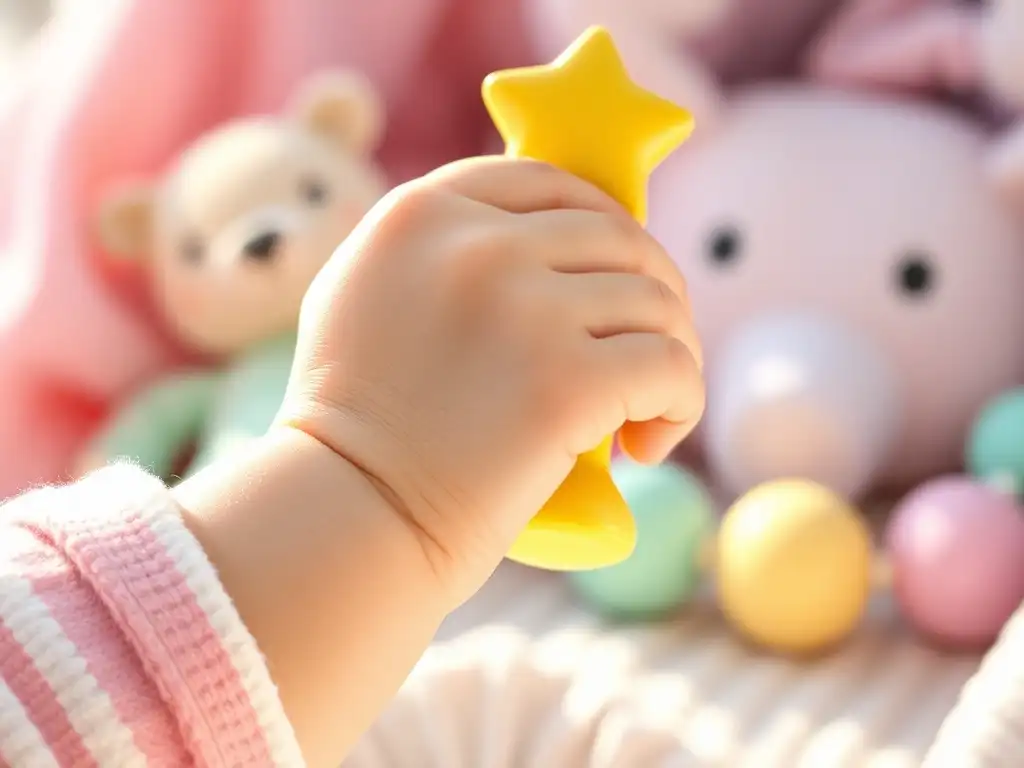
Welcome to BabyCareHub, your ultimate guide to navigating the incredible journey of parenthood! Are you curious about the fascinating world of infant development? Then prepare to be amazed by the remarkable progress your little one makes, starting with their first attempts at grasping objects. Discover the intricacies of baby grasping object development in our insightful article, "The Art of the Grasp: How Babies Learn to Hold Objects," and unlock the secrets behind this crucial developmental milestone. Let's embark on this enriching exploration together!
- Understanding Baby Grasping Object Development: Milestones and Stages
- Factors Influencing Baby Grasping Object Development
- Supporting Your Baby's Grasping Development
- When to Seek Professional Guidance for Grasping Development
- Frequently Asked Questions
- Final Reflection: The Enduring Wonder of a Baby's First Grasp
- Unlock Your Baby's Grasping Potential!
Understanding Baby Grasping Object Development: Milestones and Stages
The journey of a baby learning to grasp objects is a fascinating display of neurological development and a significant milestone in their fine motor skills progression. This process, intricately linked to their cognitive and physical maturation, unfolds in distinct stages, each marked by increasing precision and control.
From the involuntary reflexes of a newborn to the deliberate, purposeful grasp of a toddler, understanding these developmental phases is crucial for parents and caregivers to appreciate their baby's progress and provide appropriate stimulation. This article delves into the key stages of baby grasping object development, focusing on the critical period from birth to twelve months, providing insights into what to expect and how to support your little one's journey towards mastering this essential skill.
We'll explore the reflexive grasp, the transition to voluntary grasping, and the refinement of the grip, all vital aspects of "Baby grasping object development." Understanding these stages will not only help you appreciate your baby's unique development but also empower you to engage in activities that encourage and support their growth.
Reflexive Grasping: The Newborn's First Reach (0-3 Months)
Newborns possess a remarkable, albeit involuntary, grasping reflex. This reflexive grasp, often triggered by a touch to their palm, is a primitive reflex that gradually fades as voluntary control develops. While not a true "grasp" in the sense of intentional object manipulation, it's the foundational building block for future grasping abilities. You might observe your newborn instinctively clenching their fist around your finger or a small object placed in their hand.
This reflex is entirely involuntary; the baby isn't consciously choosing to hold the object. The strength of this grasp can be surprisingly strong! This phase is crucial for establishing the neural pathways necessary for later, more controlled movements.
Observing this reflex provides early reassurance that your baby's neurological system is functioning correctly. There's no need to actively encourage this reflex; it's a natural part of early development. Simply enjoying these early interactions and gentle touches will strengthen the bond between you and your baby.
Voluntary Grasping: Intentional Reaching and Holding (3-6 Months)
Around 3 to 6 months, a significant shift occurs. The reflexive grasp begins to wane, replaced by voluntary grasping. This marks a critical transition: your baby is now consciously reaching for and attempting to hold objects. Initially, these attempts might be clumsy and fumbling, involving a whole-hand grasp, often referred to as a raking grasp.
Babies at this stage will often try to grab anything within their reach, experimenting with different objects and textures. This is a period of intense learning and exploration, where they are refining their hand-eye coordination and developing the muscle control required for more precise manipulation. Encouraging this development is simple: provide a variety of safe, age-appropriate toys with different textures and sizes. Think rattles, soft blocks, teethers – anything that stimulates their senses and encourages them to reach, grasp, and explore.
The Palmar Grasp: Refining the Grip (4-7 Months)
As babies progress, their grasp becomes more refined. The palmar grasp, typically emerging between 4 and 7 months, involves using the entire palm to hold an object. Unlike the earlier raking grasp, the palmar grasp demonstrates improved dexterity and control. Babies at this stage can hold objects more securely and even transfer them from one hand to the other.
This is a significant step towards more complex manipulations, such as bringing objects to their mouth for exploration or banging them together to explore sounds. Providing opportunities for this exploration is vital. Consider toys that encourage different types of grasping, such as stacking cups, soft balls, or simple shape sorters.
Remember to always supervise your baby during playtime to ensure their safety. The development of the palmar grasp is a testament to the rapid progress your baby is making in their fine motor skills development. This stage lays the groundwork for the even more precise pincer grasp that will follow.
The Raking Grasp: Scooping Up Small Objects (6-9 Months)
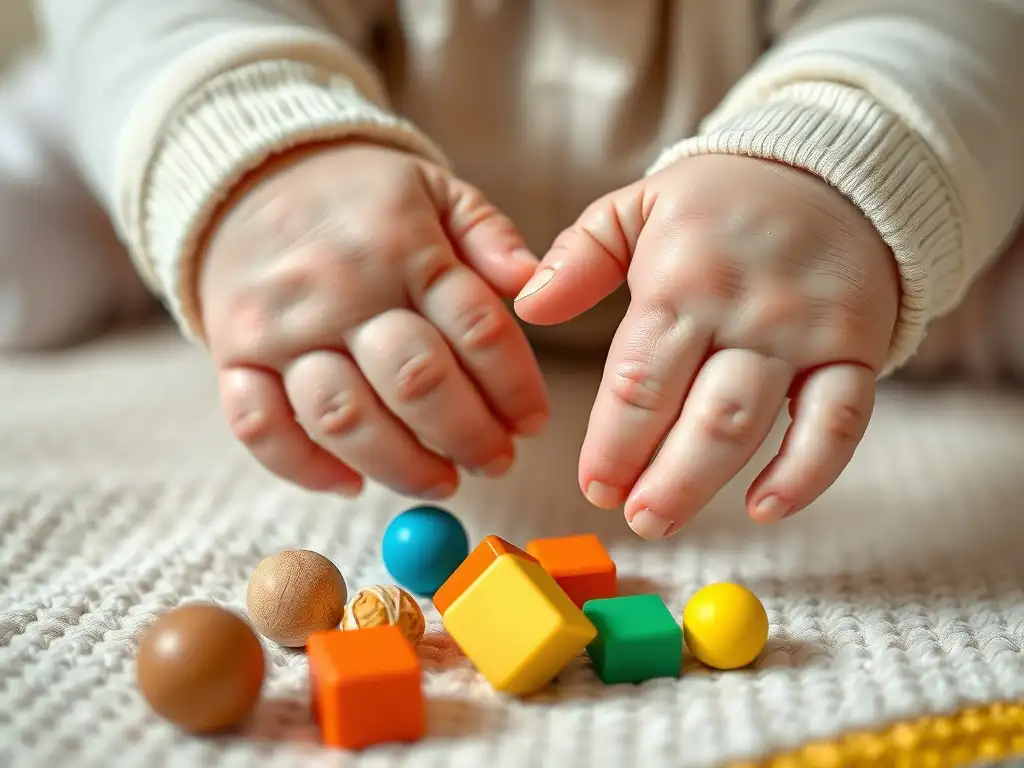
Around six to nine months, your baby transitions from the clumsy palmer grasp to a more refined technique: the raking grasp. Instead of simply enclosing an object in their entire hand, they begin to use their fingers to rake or sweep small objects towards their palm. Think of it like tiny hands using a miniature rake! This is a significant developmental leap in their fine motor skills.
You'll likely observe your little one attempting to pick up small objects like cereal pieces, crumbs, or small toys, often scooping them into their palm rather than precisely picking them up. The movement is still somewhat uncoordinated, but the intentionality is clear. They’re actively trying to gain control over those tiny objects and bring them closer to explore. This stage marks a crucial step towards the more precise pincer grasp that follows.
The raking grasp isn't just about picking up objects; it’s about developing hand-eye coordination, strengthening finger muscles, and refining their sensory exploration. This is a perfect time to provide plenty of opportunities for practice with safe, easily graspable items. Observe how their technique improves over time; you'll notice increased dexterity and a growing ability to manipulate the objects they've managed to secure.
The Pincer Grasp: The Precision Pinch (9-12 Months)
By nine to twelve months, most babies master the pincer grasp – a remarkable feat of developing fine motor skills! This is the ability to pick up small objects using only the thumb and index finger, a precise pinching motion. This developmental milestone is a huge step forward in their ability to manipulate their environment. Imagine the joy of watching your baby confidently pick up tiny cheerios, or even smaller objects like small blocks.
This newfound precision is fascinating to observe. They can now transfer objects from one hand to the other with more control, explore textures more effectively, and begin to engage in more complex play activities involving small objects. This skill is essential for self-feeding (think of picking up tiny peas! ), turning pages in a book, and playing with age-appropriate toys that require a fine motor skill such as stacking blocks or putting shapes into a sorter.
The development of the pincer grasp is a testament to the rapid neurological development occurring in your baby's brain and the strengthening of their hand muscles. The transition from raking to pinching is a gradual process, and some babies may master this skill earlier or later than others. However, by the end of the first year, most infants will demonstrate a proficient pincer grasp, paving the way for even more advanced fine motor skills in the months and years to come. 🎉
Factors Influencing Baby Grasping Object Development
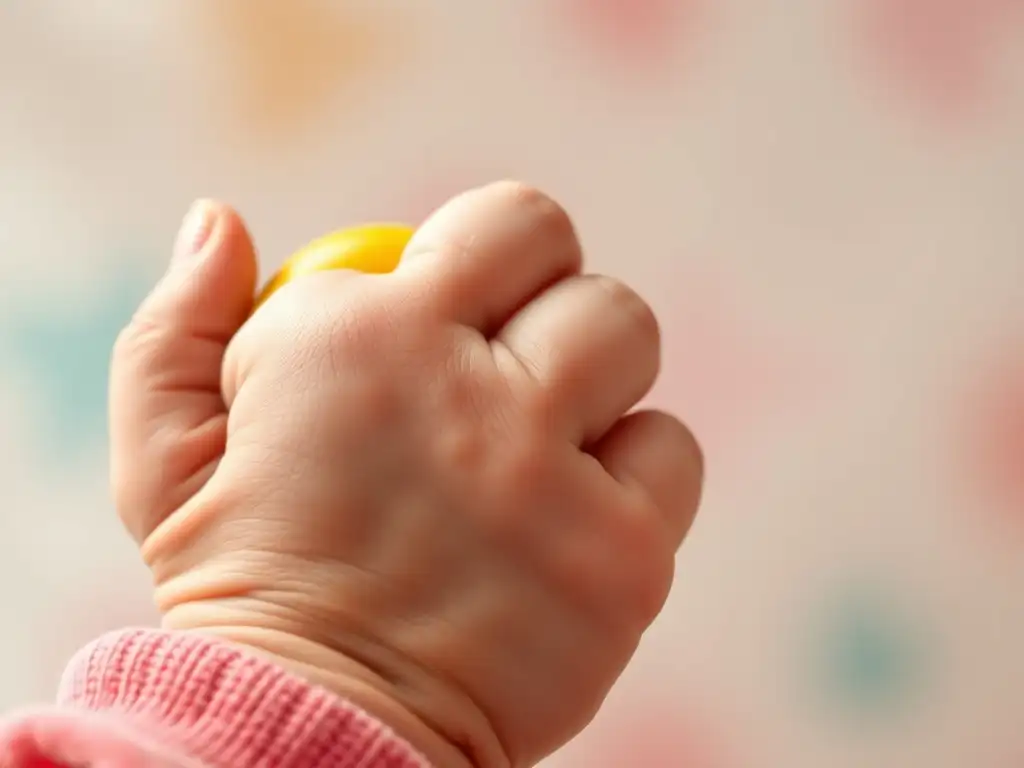
This section delves into the multifaceted influences shaping a baby's ability to grasp objects, a crucial developmental milestone in their first year. We'll explore the sensory experiences that drive this skill, the role of practice and exploration, and the significance of providing appropriate toys. Mastering the art of grasping is a journey, and understanding these factors can help parents support their baby's progress effectively.
Successful grasping is not merely a physical act; it's a complex interplay of neurological development, sensory perception, and environmental stimulation. This intricate process lays the groundwork for future fine motor skills development, impacting everything from writing to using utensils. Understanding the nuances of this development allows parents to better engage with their child and facilitate healthy growth.
The Role of Sensory Input in Object Manipulation
Sensory input plays a pivotal role in a baby's ability to grasp objects. Their developing nervous system relies heavily on tactile, visual, and proprioceptive information to understand the world around them. The feeling of a soft, textured toy in their hand, the sight of a brightly colored rattle, and the awareness of their own hand's position in space all contribute to their grasping abilities.
Consider this: a baby's initial attempts at grasping are often reflexive. However, as they gain experience, they begin to associate visual cues with tactile sensations. Seeing a rattle dangling within reach triggers a desire to touch it, leading to a refined grasping action. This integration of sensory information is crucial for developing purposeful, controlled movements.
The importance of varied sensory experiences cannot be overstated. Offering babies a diverse range of textures – smooth, rough, bumpy – helps refine their tactile discrimination. Similarly, presenting objects of different shapes, sizes, and colors enhances their visual perception and spatial awareness, crucial components of successful object manipulation. The more sensory-rich their environment, the faster their neural pathways related to grasping will develop. This sensory integration is the foundation for the development of more complex fine motor skills later on.
The Impact of Practice and Exploration
The adage "practice makes perfect" holds true for baby grasping development. Repeated attempts, even if initially clumsy, strengthen the neural pathways responsible for hand-eye coordination and motor control. Each time a baby reaches for, grasps, and manipulates an object, they are reinforcing the connections in their brain that govern these actions.
Think about it: a baby who is given ample opportunity to explore their environment through touch and manipulation will develop stronger grasping skills faster than a baby with limited exposure. This exploration isn't just about grabbing; it's about experimenting with different grips, adjusting their hand position, and learning to control the force of their grasp. This iterative process of trial and error is essential for perfecting their technique.
Furthermore, the type of exploration significantly impacts development. Babies who are encouraged to explore different objects – from soft cloths to textured balls to simple stacking toys – develop a more comprehensive understanding of object properties and manipulation techniques. This varied experience translates into improved dexterity and refined motor control. Providing a stimulating and safe environment that encourages active exploration is paramount for fostering optimal grasping development.
The Importance of Safe and Engaging Toys for Grasping
Selecting appropriate toys is crucial for supporting a baby's grasping development. Toys should be safe, appropriately sized, and engaging enough to encourage repeated attempts at grasping. Considering the baby's developmental stage is key. For newborns, simple, high-contrast objects are ideal. As they grow, more complex toys that challenge their grasping skills can be introduced.
Here's a breakdown of suitable toys:
| Age Range | Recommended Toy Types | Considerations |
|---|---|---|
| 0-3 Months | High-contrast patterns, textured fabrics, rattles | Soft, easily grasped, safe materials |
| 3-6 Months | Soft blocks, teethers, grasping toys with handles | Varied textures, easy to hold, safe for mouthing |
| 6-9 Months | Stacking cups, simple puzzles, textured balls | Encourages hand-eye coordination, problem-solving |
| 9-12 Months | Shape sorters, building blocks, crayons (large) | Develops fine motor skills, hand-eye coordination |
Remember, safety should always be the top priority. Choose toys that are free from small parts that could be choking hazards and are made of non-toxic materials. Regularly inspect toys for damage and discard any that show signs of wear and tear. The right toys can transform simple grasping into an engaging and enriching experience, laying the foundation for future cognitive and motor skill development. This careful selection of toys is an essential aspect of supporting "baby grasping object development."
Supporting Your Baby's Grasping Development
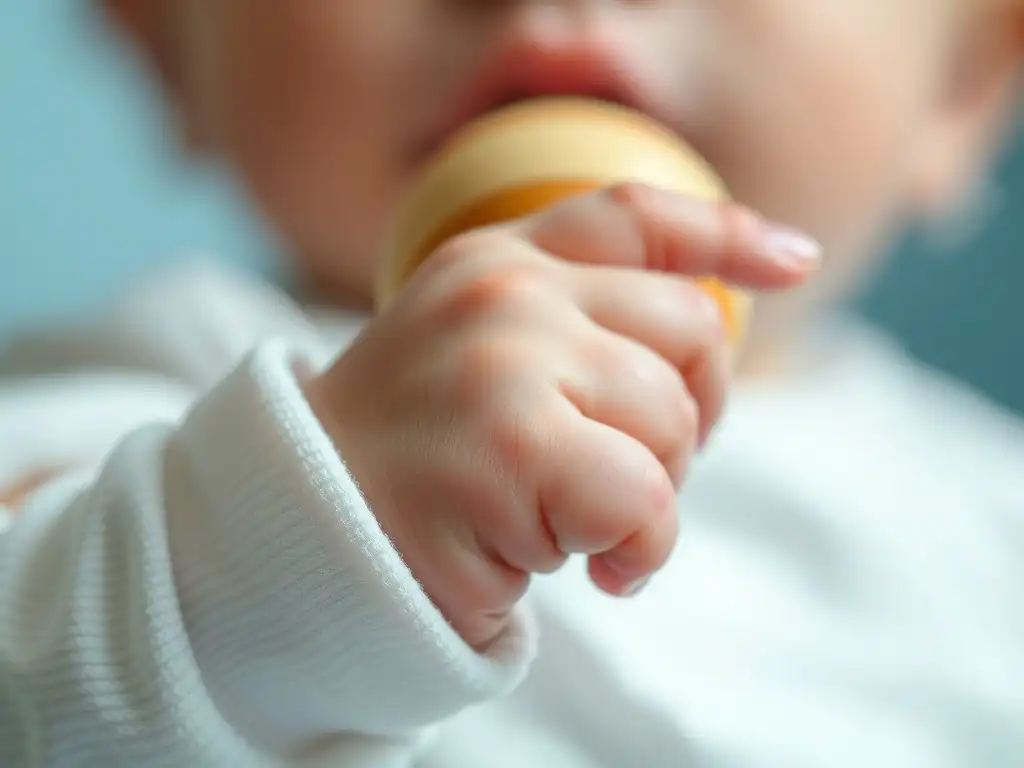
This section delves into practical strategies to nurture your baby's burgeoning grasping abilities. Remember, every baby develops at their own pace, so celebrate each milestone achieved! Consistent, loving interaction is key to fostering healthy development. We'll explore ways to create a stimulating environment, select appropriate toys, and engage in playful activities that encourage object manipulation. This will contribute significantly to your baby's "baby grasping object development".
Creating a Stimulating Environment for Grasping and Exploration
A rich and engaging environment plays a crucial role in a baby's grasping development. Think of your home as a developmental playground designed to challenge and delight your little one. Avoid clutter, ensuring a safe space for exploration. Here's how to make it happen:
- Tummy Time Triumphs: Daily tummy time, even for short periods, strengthens neck and upper body muscles, essential for reaching and grasping. Place interesting toys just out of reach to encourage stretching and reaching. Aim for 2-3 sessions of 5-10 minutes daily.
- Textured Treasures: Introduce a variety of textures – soft blankets, crinkly fabrics, smooth wooden blocks. These different textures stimulate tactile exploration and enhance grasping skills. The varied sensory input helps refine their hand-eye coordination.
- High Contrast Heroes: Babies are initially drawn to high-contrast visuals. Use black and white or brightly colored toys and mobiles to capture their attention and motivate them to reach and grasp. This is particularly important in the early stages of visual development.
- Safe Space, Secure Grasp: Ensure your baby's play area is safe and free from hazards. This allows them to explore freely without fear of injury, encouraging confident grasping and manipulation. Regularly check for potential choking hazards.
Choosing Appropriate Toys for Different Grasping Stages
Toy selection is vital in supporting different grasping stages. Babies progress from reflexive grasping to purposeful manipulation. Here's a guide to selecting age-appropriate toys that cater to this progression:
| Grasping Stage | Age Range (Months) | Recommended Toys |
|---|---|---|
| Reflexive Grasping | 0-3 | Soft, textured rattles; fabric books |
| Palmar Grasp | 3-6 | Teethers; stacking cups; large, soft blocks |
| Radial Palmar Grasp | 6-9 | Small rattles; textured balls; simple shape sorters |
| Pincer Grasp | 9-12 | Small toys with easy-to-grasp handles; finger foods |
Remember to always supervise your baby during playtime and ensure all toys are age-appropriate and safe. Prioritize toys that encourage active engagement and problem-solving, further bolstering their "baby grasping object development".
Engaging in Interactive Play to Foster Object Manipulation
Interactive play is more than just entertainment; it's a powerful tool for developmental growth. By actively participating in play, you help your baby understand cause and effect and refine their motor skills.
- Imitation Inspiration: Mimic your baby's actions, showing them how to grasp and manipulate objects. This simple act of mirroring fosters learning and engagement.
- Cause and Effect Fun: Use toys that create sound or movement when manipulated, like rattles or musical instruments. This helps babies understand the connection between their actions and the resulting outcome.
- Sensory Stimulation: Combine different sensory experiences—sight, sound, touch—to create a richer play experience. For example, use a textured ball that makes a noise when squeezed.
- Object Hiding Games: Simple hiding games, such as peek-a-boo or hiding a toy under a blanket, encourage your baby to reach, grasp, and retrieve. This enhances problem-solving skills along with fine motor skills. This playful interaction strengthens their "baby grasping object development" in a fun and engaging way. 🧸
Remember, patience and positive reinforcement are key. Celebrate every small victory, and enjoy this special time of development with your little one. Consistent engagement and a stimulating environment will significantly contribute to your baby's progress in grasping and object manipulation.
Recognizing Potential Developmental Delays in Grasping
Understanding typical grasping development is crucial for recognizing potential delays. While every baby develops at their own pace, certain milestones generally indicate healthy progress. For instance, most babies will begin to reach for objects around 3-4 months of age, exhibiting a clumsy but determined grasp. By 6 months, they usually have a more refined grasp, able to transfer objects from one hand to the other. Around 9 months, the pincer grasp (using thumb and forefinger) emerges, allowing for more precise manipulation of small objects. If your baby consistently lags behind these general guidelines, it warrants attention.
However, it's important to avoid alarmist thinking. Minor variations are normal. For example, a baby might reach later than average but then rapidly catch up, demonstrating typical development in other areas. The concern arises when several developmental milestones are significantly delayed, or when the delay is coupled with other concerning signs. These might include a lack of interest in interacting with objects, persistent difficulty bringing objects to their mouth, or an overall lack of engagement in play. Remember that each child's development is unique; a mild delay isn't automatically indicative of a problem.
What truly necessitates a professional evaluation is a pattern of delays. This is why regular well-baby checkups are crucial. Your pediatrician can assess your baby's development comprehensively, comparing their progress against established norms and considering their overall health and development. They will look at a wider range of skills, not just grasping, to determine if there are any underlying concerns. Early intervention is key, as addressing developmental delays early often leads to the best outcomes.
Don't hesitate to voice any concerns; your pediatrician is there to support you and your baby. They can offer guidance, reassurance, and, if necessary, refer you to specialists for further evaluation and intervention. Remember, seeking professional help is a sign of proactive parenting, not a cause for shame or worry. Early intervention can significantly improve a child's developmental trajectory.
When to Seek Professional Guidance for Grasping Development
Understanding typical grasping development is crucial for parents, but knowing when to seek professional help is equally important. While developmental timelines vary, significant delays or atypical patterns warrant attention. Early intervention can significantly impact a child's development. This section outlines key indicators requiring consultation with a pediatrician or developmental specialist. Remember, this information is for guidance only and does not replace professional medical advice.
Signs That May Indicate Developmental Concerns
Several signs might suggest a delay in grasping development that warrants professional evaluation. These aren't necessarily cause for immediate alarm, but they deserve attention and discussion with your child's healthcare provider. Early identification is key to providing appropriate support.
- Lack of Reaching: By 4 months, most babies demonstrate a consistent reaching behavior towards objects of interest. A persistent lack of reaching, even with enticing toys, could indicate a concern. This could be linked to various factors, including visual impairments or underlying neurological conditions. Consider documenting the frequency of reaching attempts and the success rate to share with your pediatrician.
- Asymmetrical Grasp: While early grasping might be clumsy, it should eventually become more symmetrical. A consistent preference for using only one hand, even after 6 months, could be a sign of underlying neurological issues requiring investigation. Observe your baby's play and note any consistent hand preference.
- Difficulty Transferring Objects: Around 7-8 months, babies typically start transferring objects from one hand to the other. A prolonged inability to perform this simple action could indicate a potential developmental delay. This skill is a key indicator of hand-eye coordination and brain development.
- Weak Grip: The strength of a baby's grasp improves significantly over time. While a weak grip is normal initially, persistent weakness beyond 9 months, where they struggle to hold even small objects, warrants attention. This could be related to muscle weakness or other health conditions.
- Persistent Fisted Hands: While newborns often have clenched fists, this should gradually resolve as they develop. If your baby consistently keeps their hands fisted after 3 months, without attempts to open them, it's essential to consult a specialist. This could be a sign of several underlying conditions, including cerebral palsy.
Remember, every child develops at their own pace. However, these indicators, especially if several are present, should prompt a conversation with your pediatrician or a developmental specialist. They can perform a thorough assessment and offer personalized recommendations. Early intervention often makes a significant difference.
Resources and Support for Parents
Navigating concerns about your baby's development can be stressful. Fortunately, numerous resources are available to support parents. Seeking professional guidance is crucial, but connecting with other parents and accessing relevant information can provide valuable emotional and practical support.
- Pediatrician: Your pediatrician is the first point of contact for any developmental concerns. They can assess your baby's progress, provide guidance, and refer you to specialists if needed. Regular well-baby checkups are vital for early detection of potential issues.
- Developmental Pediatrician: A specialist in child development who can provide more in-depth evaluations and interventions. They can diagnose and treat developmental delays and provide tailored therapies.
- Occupational Therapist: Occupational therapists work with children to improve their fine motor skills, including grasping and manipulation of objects. They can design specific exercises and activities to support your baby's development.
- Parent Support Groups: Connecting with other parents facing similar challenges can offer significant emotional support and practical advice. These groups often provide a safe space to share experiences and learn from one another.
- Online Resources: While online information shouldn't replace professional advice, reputable websites and organizations offer valuable information on baby development and available resources. Always verify the credibility of any online source.
Remember, seeking help is a sign of strength, not weakness. Early intervention is key to maximizing your baby's developmental potential. Don't hesitate to reach out to the professionals and support systems available to you. Your proactive approach can make a significant difference in your baby's journey towards healthy development. Early intervention programs for baby grasping object development can significantly improve outcomes.
Frequently Asked Questions
When do babies start grasping objects?
Babies typically begin showing interest in grasping objects around 2 to 3 months old. They might initially bat at things, but purposeful reaching and grasping improve significantly over the next few months.
What are the stages of grasping object development?
Grasping develops in stages, from reflexive grasping at birth, to palmar grasp (using the whole hand), then to radial palmar grasp (using thumb and fingers), and finally a pincer grasp (using thumb and index finger).
How can I encourage my baby's grasping development?
Offer your baby brightly colored, textured toys of various sizes and shapes. Provide opportunities for reaching and grasping during tummy time and playtime. Gentle interaction is key.
What if my baby isn't grasping objects as expected?
If you have concerns about your baby's development, it's crucial to consult your pediatrician. They can assess your baby's progress and offer personalized advice.
Are there any safety precautions I should take?
Always supervise your baby during playtime and ensure that any toys are age-appropriate and safe. Avoid small objects that could be choking hazards.
Final Reflection: The Enduring Wonder of a Baby's First Grasp
The seemingly simple act of a baby grasping an object is, in reality, a profound testament to the power of human development and the intricate neurological processes that shape our lives. This seemingly small milestone represents a giant leap forward in a child's journey of understanding and interacting with the world, a journey that continues to unfold with each new experience. Understanding this process allows us to appreciate the incredible complexity hidden within those tiny fingers.
The impact of a baby's first grasp extends far beyond the immediate moment. It's a foundational step in cognitive development, paving the way for future learning and exploration. The ability to manipulate objects directly influences language acquisition, problem-solving skills, and even social interaction. The hand is the cutting edge of the mind.
This quote, while not directly about infant development, perfectly captures the profound connection between our physical dexterity and our cognitive abilities. Witnessing this development firsthand, whether as a parent, caregiver, or researcher, is a deeply moving experience, a reminder of the incredible potential that resides within each new life.
Consider, for a moment, the implications of this journey. How can we, as individuals and as a society, better support the development of these crucial skills? You are now equipped with a deeper understanding of this fundamental process.
Use this knowledge to cherish those precious first moments of grasping, to nurture a child's curiosity, and to recognize the extraordinary potential that lies within each tiny hand. Let the wonder of a baby's first grasp inspire you to appreciate the beauty and complexity of human development, and to actively participate in fostering a world where every child has the opportunity to reach their full potential.
Unlock Your Baby's Grasping Potential!
Thank you for exploring the fascinating world of infant development with us! We hope you gained valuable insights into how your little one learns to grasp objects. Now it's time to put that knowledge into practice!
- Engage in purposeful playtime: Dedicate 15 minutes each day to interactive play focusing on grasping activities, using toys of varying textures and sizes. This focused playtime will yield the most significant progress!
- Share your baby's milestones: Capture those precious moments of progress and share them with other parents in our BabyCareHub community forum. Let's celebrate these developmental achievements together!
- Explore sensory play: Introduce your baby to different materials like soft fabrics, textured balls, or even a filled water bottle to stimulate their tactile senses and encourage exploration.
Ready to watch your baby's grasping skills flourish? What's your favorite activity that you and your little one enjoy together?