
The Importance of Floor Time: Encouraging Natural Movement


Welcome to BabyCareHub, your ultimate guide to navigating the incredible journey of parenthood! Are you ready to unlock the secrets to your baby's healthy development? We'll equip you with the knowledge and confidence you need, step by step. Discover the surprising benefits of baby floor time and how this simple activity can significantly impact your little one's physical and cognitive growth. Dive in and learn how to encourage natural movement and lay the foundation for a bright future!
- Understanding Baby Floor Time Benefits: A Parent's Guide
- Setting Up the Perfect Floor Time Environment for Your Baby
- Maximizing Baby Floor Time Benefits: Engaging Activities and Exercises
- Recognizing Your Baby's Developmental Milestones During Floor Time
- Integrating Floor Time into Your Daily Routine
- Floor Time and its Positive Impact on Social and Emotional Development
- Addressing Common Concerns and Misconceptions About Baby Floor Time
- Frequently Asked Questions
- Final Reflection: The Enduring Power of Floor Time
- Unleash Your Little One's Potential: Boost Their Development Today!
Understanding Baby Floor Time Benefits: A Parent's Guide
Floor time, also known as tummy time, is a crucial aspect of your baby's development often overlooked amidst the flurry of feeding schedules and diaper changes. This isn't just about placing your baby on their tummy; it's a dedicated period of supervised playtime designed to encourage natural movement, strengthen muscles, and stimulate cognitive development.
This comprehensive guide will explore the multifaceted benefits of floor time, providing you with the knowledge and confidence to integrate this vital activity into your baby's daily routine. Understanding the significant impact floor time has on your little one's physical, cognitive, and emotional growth will empower you to support their healthy development from the very beginning.
We'll delve into the specifics of what floor time entails, its crucial role in gross motor skill development, and how it significantly contributes to cognitive growth in infants. By the end of this article, you'll be equipped to maximize the developmental benefits of floor time for your baby, fostering their natural curiosity and laying a solid foundation for future milestones.
What is Floor Time and Why is it Important for Baby Development?
Floor time is simply supervised playtime on the floor where your baby has the freedom to explore their environment. It's not just about lying on their tummy; it's about providing a safe and stimulating space for them to move, reach, and interact with objects. Why is this so crucial?
Because during these moments, your baby is actively engaging their senses, strengthening muscles, and developing crucial skills. Think of it as their first gym, their first classroom, and their first playground, all rolled into one! From a very young age, even a few minutes of floor time per day can make a significant difference.
The importance of floor time cannot be overstated. It lays the groundwork for future physical achievements, like crawling and walking, and equally importantly, it stimulates cognitive development by encouraging problem-solving and exploration. The process of lifting their head, pushing up, and eventually crawling requires significant strength and coordination, all developed through consistent floor time sessions. Furthermore, the act of reaching, grasping, and manipulating toys during floor time strengthens hand-eye coordination and fine motor skills. This is a foundational aspect of development that will later support tasks like writing and drawing. 👶
The Crucial Role of Floor Time in Gross Motor Skill Development
Floor time plays a pivotal role in the development of your baby's gross motor skills – the big movements that involve their entire body. These skills are essential for their physical independence and overall development. By spending time on their tummy, babies learn to lift their heads, push themselves up, roll over, crawl, and eventually, walk. Each of these milestones is a direct result of the strength and coordination gained through consistent floor time.
Consider the progression: initially, a baby might only be able to lift their head for a few seconds. With regular floor time, this duration gradually increases, building neck and shoulder strength. This then leads to the ability to push up on their arms, strengthening their upper body. Rolling over, crawling, and eventually walking are all sequential steps built upon this foundational strength and coordination developed during floor time. Regular floor time sessions, even short ones, are vital for this natural progression. The benefits are clear: stronger muscles, improved balance, and the crucial development of key gross motor skills. 💪
How Floor Time Promotes Cognitive Development in Infants
While the physical benefits of floor time are readily apparent, the cognitive benefits are equally significant. Floor time offers a rich environment for sensory exploration and problem-solving. As babies reach for toys, explore textures, and navigate their surroundings, they are actively engaging their brains and developing crucial cognitive skills.
During floor time, babies are constantly challenged to solve little problems: How do I reach that toy? How do I roll over to get a better view? These seemingly simple actions require problem-solving skills, spatial reasoning, and critical thinking. The constant interaction with their environment stimulates their brains and helps to develop crucial cognitive functions. This active engagement fosters curiosity and a love of learning, setting the stage for future academic success. Furthermore, the interaction with caregivers during floor time strengthens the parent-child bond and provides opportunities for social and emotional development. 🧠
Setting Up the Perfect Floor Time Environment for Your Baby
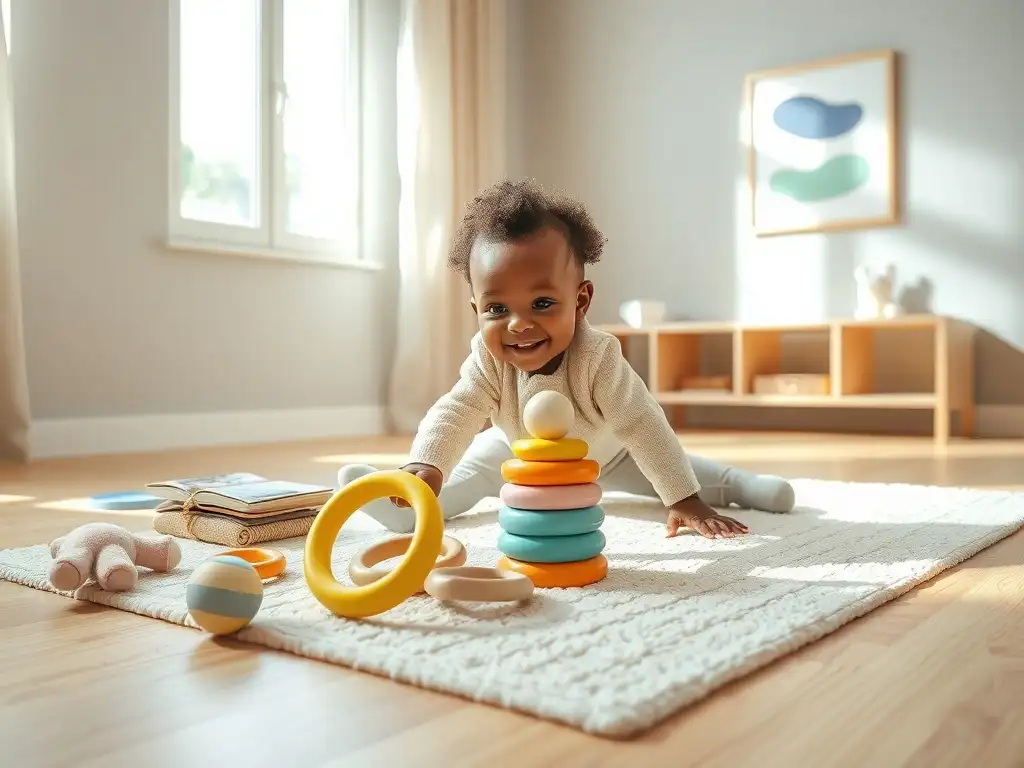
Floor time isn't just about letting your baby lie on the floor; it's about creating a dedicated space that encourages exploration, discovery, and development. The environment you create significantly impacts your baby's engagement and the benefits they reap from floor time. Optimizing this space is crucial for maximizing the Baby floor time benefits.
Creating a Safe and Stimulating Space for Exploration
A safe and stimulating environment is paramount. This means a space free from hazards, yet rich with opportunities for your little one to explore. Think about these key elements:
- Soft, padded surface: A soft playmat or rug is essential to cushion falls and provide a comfortable surface for your baby to play on. Avoid hard floors.
- Clear space: Ensure the area is free of clutter, electrical cords, small objects that could be swallowed, and anything else that could pose a choking hazard or cause injury. This is especially important during tummy time, where babies are more prone to reaching and grabbing.
- Visual stimulation: Hang colorful mobiles or wall hangings within your baby's reach to capture their attention and encourage them to track objects with their eyes. Consider using high-contrast patterns, which are particularly engaging for newborns.
- Tactile stimulation: Include a variety of textures – soft blankets, crinkly toys, and textured balls – to stimulate your baby's sense of touch. This helps with sensory development and enhances their understanding of their environment.
- Auditory stimulation: Play soft, calming music or nature sounds in the background. Avoid loud or jarring noises that might startle or distress your baby. This can create a relaxing atmosphere conducive to exploration.
- Good lighting: Ensure the area is well-lit, but avoid harsh, direct sunlight. Soft, diffused light is ideal.
Consider the layout too. You might want to divide the space into zones: a tummy time area, a sitting area, and a space for rolling. This allows for varied activities within the same space, maximizing engagement and minimizing boredom. Remember, the goal is to create a stimulating, yet safe haven for your baby to learn and grow. This approach significantly contributes to the overall Baby floor time benefits.
Choosing Age-Appropriate Toys and Activities for Floor Time
Toy selection is key to maximizing Baby floor time benefits. Toys should be age-appropriate and designed to stimulate different developmental areas.
- Newborns (0-3 months): Focus on high-contrast black and white patterns, rattles, and soft textured toys. These simple toys help stimulate visual development and hand-eye coordination.
- Infants (3-6 months): Introduce toys with different textures, sounds, and colors. Soft blocks, teethers, and brightly colored rattles are good options. At this stage, babies start to reach and grasp, so toys that encourage this are ideal.
- Babies (6-12 months): Consider toys that encourage crawling, sitting, and reaching. Stacking toys, balls, and push-and-pull toys are excellent choices. This stage is all about gross motor skill development.
- Toddlers (12+ months): Introduce more complex toys that encourage problem-solving and creativity. Building blocks, shape sorters, and simple puzzles are great options.
Remember to rotate toys regularly to keep your baby engaged and prevent boredom. A variety of toys caters to different developmental stages and keeps floor time fresh and exciting. This variety is a significant contributor to the overall Baby floor time benefits.
Adapting Floor Time for Different Developmental Stages
Floor time isn't a one-size-fits-all approach. As your baby develops, you need to adapt the activities and environment to suit their changing abilities.
- Tummy time: Essential for strengthening neck and upper body muscles, tummy time should be introduced early, but always supervised. Start with short sessions and gradually increase the duration as your baby gets stronger. Never leave your baby unattended during tummy time.
- Sitting: Once your baby can sit independently, introduce toys that encourage them to reach, grasp, and explore. Sitting provides a new perspective and opens up more opportunities for play and interaction.
- Crawling: When your baby begins to crawl, create a space that allows them to explore freely. Remove obstacles and ensure the area is safe for crawling. This stage is crucial for developing gross motor skills and spatial awareness.
- Pulling to stand: As your baby learns to pull themselves up, provide sturdy furniture or a playpen for support. This helps them build strength and confidence.
Adapting floor time to your baby's developmental stage is crucial for maximizing its benefits. Observing your baby's progress and adjusting the activities accordingly is key to ensuring they get the most out of their floor time. This tailored approach is fundamental to achieving the full Baby floor time benefits. Remember to always prioritize safety and supervision during all floor time activities.
Maximizing Baby Floor Time Benefits: Engaging Activities and Exercises
Floor time isn't just about letting your baby lie on the floor; it's a crucial period for developmental leaps. Maximizing the Baby floor time benefits requires a thoughtful approach, incorporating engaging activities tailored to your baby's age and abilities. This section explores effective strategies to transform floor time from passive playtime into a powerful engine for physical and cognitive growth. Remember, consistency is key; even short, frequent sessions throughout the day can yield significant results.
Encouraging Tummy Time: Building Strength and Coordination
Tummy time, a cornerstone of floor time, is vital for building crucial neck, shoulder, and back muscles. These muscles are foundational for rolling over, crawling, sitting, and eventually walking. However, many babies initially dislike tummy time. The key is to make it engaging and comfortable.
Start with short sessions, perhaps just a minute or two at a time, several times a day. Place your baby on their tummy on a soft, clean surface. You can use a playmat with colorful toys or textures to pique their interest. Always supervise your baby during tummy time.
Gradually increase the duration of tummy time as your baby's tolerance improves. You can make it more interactive by:
- Talking and singing: Your voice is a powerful motivator. Describe what you're doing, sing songs, and make silly noises to keep your baby engaged.
- Using toys: Place toys just out of reach to encourage reaching and stretching. Consider toys with different textures, sounds, and colors to stimulate their senses.
- Positioning yourself: Lie down next to your baby, making eye contact and interacting with them. This provides comfort and encouragement.
- Changing positions: Try different positions, such as placing your baby on your lap with their tummy down, supported by your hands.
Remember to observe your baby's cues. If they seem frustrated or distressed, shorten the session or take a break. Consistency and positive reinforcement are more effective than forcing the issue. The goal is to foster a positive association with tummy time. Think of the long-term baby floor time benefits – a stronger, more coordinated baby!
Interactive Play: Stimulating Sensory Development Through Play
Interactive play during floor time is crucial for stimulating your baby's sensory development. This doesn't require expensive toys; everyday objects can be transformed into engaging playthings. Think about the baby floor time benefits related to sensory exploration:
- Visual stimulation: Use brightly colored toys, mobiles, or even household items like colorful kitchen utensils (always ensuring safety). Move the objects slowly to track their gaze and improve eye-hand coordination.
- Auditory stimulation: Sing songs, play soft music, or use rattles to stimulate their hearing. Vary the sounds to keep them engaged.
- Tactile stimulation: Provide toys with different textures, such as soft blankets, crinkly papers, or textured balls. This helps them develop tactile awareness and hand-eye coordination.
- Taste and smell (with caution): Introduce safe, age-appropriate teethers with varying textures and scents. Always supervise your baby during these activities.
Remember to observe your baby's responses and adjust the activity accordingly. Some babies might be more responsive to visual stimuli, while others might prefer auditory or tactile experiences. The key is to offer a variety of stimuli and observe what keeps them most engaged. The baby floor time benefits are maximized through this careful observation and adaptation.
Promoting Reaching, Grasping, and Object Manipulation Skills
Reaching, grasping, and manipulating objects are fundamental milestones in a baby's development. Floor time provides the perfect opportunity to encourage these skills. Here's how you can support your baby's progress:
- Offer a variety of objects: Provide toys of different sizes, shapes, and textures. Include objects that are easy to grasp, such as soft blocks or rattles. Progress to slightly more challenging objects as their skills develop.
- Place toys within reach: Place toys just out of reach to encourage reaching and stretching. This helps strengthen their muscles and improve their coordination.
- Model the actions: Demonstrate how to grasp and manipulate objects. Your baby learns by imitation.
- Use cause-and-effect toys: Toys that make sounds or have moving parts when manipulated can be particularly engaging and help them understand cause and effect.
Remember to prioritize safety. Always supervise your baby during playtime and ensure that all toys are age-appropriate and safe for them to explore. The baby floor time benefits extend beyond just physical development; they also contribute to cognitive development by enhancing problem-solving skills and hand-eye coordination. Enjoy this enriching stage of your baby's development!
Recognizing Your Baby's Developmental Milestones During Floor Time

Floor time offers a fantastic opportunity to observe your baby's developmental progress. By providing a safe and stimulating environment, you can witness firsthand how they're mastering crucial motor skills, cognitive abilities, and social-emotional development. This section focuses on recognizing these milestones and understanding what to expect at different stages. Remember, every baby develops at their own pace, so don't compare your little one to others. Focus on celebrating their unique achievements!
Tracking Progress: What to Expect at Each Stage of Development
Tracking your baby's progress during floor time is a rewarding experience. It allows you to celebrate their achievements and identify areas where they might need extra support. Here's a general timeline, keeping in mind that each baby develops uniquely:
| Age Range | Expected Milestones | Example Activities |
|---|---|---|
| 2-4 Months | Lifting head and chest while on tummy; pushing up onto forearms; reaching for toys; | Tummy time on a playmat with colorful toys; hanging mobiles; singing songs while on their tummy. |
| 4-6 Months | Rolling over; sitting with support; bringing hands to mouth; exploring objects with hands; | Providing soft blocks; encouraging reaching and grasping; supervised playtime with safe toys. |
| 6-8 Months | Sitting independently; crawling; pulling themselves up to stand; transferring objects from hand to hand; babbling. | Offering a variety of textures and shapes to explore; encouraging crawling with obstacle courses; providing opportunities for pulling up on furniture. |
| 8-12 Months | Crawling proficiently; pulling themselves up to stand; cruising (walking while holding onto furniture); standing independently; maybe taking first steps. | Creating a safe space for independent exploration; encouraging standing and cruising; providing push-and-pull toys; clapping games. |
Remember, these are just guidelines. Some babies might reach these milestones earlier or later than others. The key is to provide a supportive and stimulating environment that encourages exploration and movement. The benefits of baby floor time are numerous and observing these developmental leaps is a significant part of that journey.
Signs Your Baby Needs More Floor Time or Different Activities
While floor time is beneficial, you might notice signs indicating your baby needs more time, different activities, or a change in approach. These signs could include:
- Lack of interest: If your baby consistently avoids tummy time or seems disinterested in floor play, it might be time to adjust the duration or activities.
- Frustration: Excessive crying or fussiness during floor time could signal that the activities are too challenging or that your baby needs a break.
- Limited progress: If you notice a significant delay in reaching expected milestones, consider seeking professional guidance.
- One-sided preference: If your baby consistently favors one side of their body, it might indicate a need for more balanced activities to encourage bilateral development.
Addressing these signs early can prevent potential issues and ensure your baby's healthy development. Try varying the environment, introducing new toys, or adjusting the duration of floor time sessions. Short, frequent sessions might be more effective than longer, less frequent ones. Remember to always supervise your baby during floor time.
When to Seek Professional Guidance for Developmental Concerns
While every baby develops at their own pace, there are instances when seeking professional guidance is crucial. If you notice any of the following, consult your pediatrician or a developmental specialist:
- Significant delays: If your baby is consistently behind in reaching major milestones (e.g., not rolling over by 6 months, not sitting by 8 months, not crawling by 12 months).
- Asymmetry: Noticeable differences in strength or movement between the left and right sides of the body.
- Persistent lack of interest: If your baby persistently avoids floor time and shows little interest in interacting with their environment.
- Muscle weakness or floppiness: If your baby seems unusually weak or floppy in their limbs.
- Excessive irritability or frustration: If your baby is consistently fussy and frustrated during floor time and other activities.
Early intervention is key to addressing any developmental concerns. A professional can assess your baby's development, provide personalized recommendations, and offer support to ensure optimal progress. Remember, your observations are invaluable in identifying potential areas of concern. Don't hesitate to seek help if you have any doubts about your baby's development. The baby floor time benefits are maximized when you address any concerns promptly.
Integrating Floor Time into Your Daily Routine
Floor time, a period dedicated to supervised, tummy time play on the floor, offers significant developmental benefits for your baby. Successfully integrating it into your daily routine requires planning and a commitment to consistency. The rewards, however, far outweigh the effort, fostering crucial physical, cognitive, and social-emotional growth. Remember, the goal isn't to rigidly adhere to a schedule, but to create opportunities for your baby to explore and learn through movement. Think of it as a cornerstone of your baby's development, akin to ensuring adequate nutrition and sleep.
Scheduling Floor Time: Finding Time in a Busy Day
Finding dedicated time for floor time amidst the whirlwind of daily responsibilities can feel challenging. However, even short, frequent sessions are beneficial. Instead of aiming for one long session, consider several shorter ones throughout the day. For example:
- Morning: A 15-minute session after your baby's first feeding and diaper change.
- Afternoon: A 10-minute session after a nap, focusing on tummy time.
- Evening: A relaxed 20-minute session before bedtime, involving gentle movements and calming play.
Remember to be flexible. If your baby is fussy or tired, adjust the schedule accordingly. The key is to make it a regular part of your routine, even if the duration varies slightly from day to day. Consider using a visual schedule or timer to help you stay on track, especially during those busy days. The benefits of consistent floor time, even in short bursts, significantly outweigh the inconvenience. Think of it as investing in your baby's future development – a small investment with substantial returns.
Making Floor Time Fun and Engaging for Both Parent and Baby
Floor time shouldn't feel like a chore; it should be an enjoyable experience for both you and your baby! To maximize engagement and ensure your little one enjoys this crucial developmental activity, consider these tips:
- Create a stimulating environment: Use colorful toys, textured blankets, and engaging objects that encourage exploration. Rotate toys regularly to keep things interesting.
- Engage actively: Talk, sing, and make silly faces to keep your baby stimulated and motivated. Respond enthusiastically to their movements and sounds.
- Follow your baby's lead: Observe your baby’s cues and adapt the activities accordingly. If they show interest in a particular toy, focus on that. If they seem tired, shorten the session. Remember that the baby floor time benefits stem from engaged participation.
- Incorporate different positions: While tummy time is crucial, also incorporate side-lying and back-lying positions to promote diverse movement patterns.
- Make it interactive: Play peek-a-boo, sing songs, or read books while your baby is on the floor. This combines sensory stimulation with language development, creating a rich learning experience. This interactive approach significantly enhances the baby floor time benefits.
The Importance of Consistency in Floor Time Activities
Consistency is key when it comes to maximizing the benefits of floor time. Just like any other habit, regular floor time helps your baby develop a sense of routine and predictability. This consistency reinforces the positive association with the activity, making it more enjoyable and effective.
A consistent approach provides several advantages:
| Benefit | Explanation |
|---|---|
| Improved Motor Skills | Regular practice strengthens muscles and enhances coordination. |
| Enhanced Cognitive Development | Repeated exposure to different stimuli promotes brain development and problem-solving skills. |
| Stronger Parent-Child Bond | Shared playtime strengthens the emotional connection between parent and child. |
| Reduced Risk of Developmental Delays | Early intervention through consistent floor time can help prevent or mitigate potential delays in motor skill development. |
Remember, even on days when you’re short on time, a brief floor time session is better than none at all. The cumulative effect of regular floor time activities contributes significantly to your baby's overall development. The consistent engagement fosters a crucial foundation for future growth, offering long-term benefits that extend beyond infancy. The commitment to consistent floor time demonstrates your dedication to your baby's well-being and helps them thrive.

Floor time, also known as tummy time, offers significant advantages beyond just physical development. It plays a crucial role in fostering healthy social and emotional growth in infants. By providing a safe space for self-directed exploration, floor time allows babies to develop crucial social and emotional skills that will serve them well throughout their lives.
The benefits extend far beyond simply strengthening muscles; it's about nurturing the whole child. Studies have shown a correlation between increased floor time and improved emotional regulation in toddlers. This is because floor time encourages self-soothing behaviors and helps babies learn to manage their frustrations independently.
The ability to self-regulate is a cornerstone of healthy emotional development, and floor time provides a structured, yet playful, environment to cultivate this crucial skill. The unstructured nature of floor time allows babies to explore their emotions without external pressure, leading to a greater sense of self-awareness and emotional intelligence.
Building Confidence and Independence Through Self-Directed Play
During floor time, babies are given the freedom to explore their environment at their own pace. This self-directed play is instrumental in building confidence and independence. Unlike structured activities, floor time allows babies to choose their toys, their activities, and the pace at which they engage. This autonomy is essential for developing a sense of self-efficacy – the belief in one's own ability to succeed.
For example, a baby might repeatedly try to reach for a toy, eventually mastering the necessary movements. This small victory, achieved through their own effort, builds a sense of accomplishment and boosts their confidence. Furthermore, the experience of overcoming challenges during self-directed play strengthens their problem-solving skills and resilience. They learn to persevere, even when faced with setbacks.
This fosters a growth mindset, encouraging them to embrace challenges rather than avoiding them. The benefits extend beyond the immediate activity; the confidence gained during floor time translates into other areas of their development, impacting their willingness to try new things and their overall approach to life's challenges. This independence fostered during floor time is a crucial building block for future success, both academically and socially.
Enhancing Communication and Interaction Skills
Floor time isn't just about solitary play; it also provides ample opportunities for social interaction and communication development. As caregivers interact with their babies during floor time, they are naturally engaging in turn-taking, vocalizations, and nonverbal communication. This back-and-forth exchange strengthens the bond between parent and child, while simultaneously stimulating language development. For instance, a caregiver might make playful sounds or gestures, prompting the baby to respond with their own vocalizations or movements.
This reciprocal interaction lays the foundation for future conversations and communication skills. Furthermore, observing a baby's reactions and responses during floor time offers valuable insights into their developmental progress. Caregivers can better understand their baby's preferences, communication styles, and emotional cues. This enhanced understanding fosters more effective communication and strengthens the parent-child relationship.
The playful, interactive nature of floor time makes learning fun and engaging, making it a highly effective tool for enhancing communication skills in infants. The positive reinforcement and encouragement provided during floor time further contribute to the development of a secure attachment and a positive self-image, both crucial for healthy social and emotional development. The benefits are multifaceted, contributing to a well-rounded and confident individual.
Addressing Common Concerns and Misconceptions About Baby Floor Time
Many parents, especially first-timers, harbor anxieties about letting their baby spend time on the floor. These concerns often stem from misconceptions about floor time and its potential risks. Let's address some of the most common worries surrounding baby floor time benefits.
Safety Precautions During Floor Time
Safety is paramount when it comes to baby floor time. Creating a safe environment minimizes risks and allows your baby to explore freely. This involves several key steps:
- Baby-proofing the area: Before placing your baby on the floor, thoroughly baby-proof the surrounding area. This includes removing any small objects that could be choking hazards, securing electrical cords, and covering sharp corners. Consider using soft floor mats or rugs to cushion any falls. Remember, even seemingly harmless items can pose a risk to a curious infant.
- Constant supervision: Never leave your baby unattended during floor time, even for a moment. A baby's movements are unpredictable, and constant vigilance is crucial to prevent accidents. Keep your baby within arm's reach at all times.
- Choosing the right surface: Opt for a clean, flat, and firm surface. Avoid carpets or rugs with loose fibers that could pose a strangulation risk. A soft playmat designed for babies is an ideal choice.
- Temperature control: Ensure the room is at a comfortable temperature. Avoid overheating or chilling your baby. Dress your baby appropriately for the environment.
- Regular checks: Regularly check your baby's position and surroundings to ensure everything remains safe and secure. Pay attention to their body language; if they seem uncomfortable or distressed, adjust their position or take a break.
Dealing with Fussy or Uncooperative Babies During Floor Time
Not all babies embrace floor time with open arms. Some may initially resist or become fussy. Understanding the reasons behind this resistance and implementing appropriate strategies can make floor time a more positive experience for both you and your baby.
Several factors can contribute to a baby's reluctance to participate in floor time:
- Tiredness or hunger: A tired or hungry baby is less likely to engage in playful activities. Ensure your baby is well-rested and fed before starting floor time.
- Over-stimulation: Too much stimulation can overwhelm a baby. Keep the environment relatively calm and quiet, avoiding excessive noise or bright lights.
- Developmental stage: Some babies may simply not be ready for extended periods of floor time at certain stages of development. Respect your baby's cues and adjust the duration of floor time accordingly. Short, frequent sessions are often more effective than longer, less frequent ones.
- Discomfort: Your baby may be uncomfortable due to a diaper rash, gas, or other physical discomfort. Address any underlying issues before attempting floor time.
If your baby is fussy during floor time, try these strategies:
- Short, frequent sessions: Instead of one long session, try several shorter sessions throughout the day.
- Interactive play: Engage your baby with toys, songs, or gentle movements.
- Skin-to-skin contact: Holding your baby close provides comfort and security.
- Change of scenery: Try a different location or surface.
- Consult your pediatrician: If your baby consistently resists floor time or exhibits other concerning behaviors, consult your pediatrician to rule out any underlying medical conditions. They can provide personalized guidance and address any specific concerns you may have. Remember, patience and understanding are key. Every baby develops at their own pace, and floor time is a journey, not a race.
Frequently Asked Questions
What is floor time?
Floor time is a period of supervised playtime where your baby explores their environment on the floor. It's a crucial opportunity for natural development and milestone achievement. It promotes physical, cognitive, and social-emotional growth.
What are the benefits of floor time for my baby?
Floor time boosts gross motor skills, encouraging crawling, rolling, and sitting. It also improves problem-solving skills and hand-eye coordination through interaction with toys. Social-emotional development is enhanced by interaction with caregivers.
How much floor time does my baby need?
The amount of floor time depends on your baby's age and energy levels. Aim for several short sessions throughout the day, starting with just a few minutes for newborns and gradually increasing. Always supervise your baby closely during floor time.
What kind of toys are best for floor time?
Choose safe, age-appropriate toys that encourage exploration and interaction. Think textured balls, soft blocks, rattles, and brightly colored toys that stimulate their senses. Avoid small toys that could pose a choking hazard.
When should I start floor time with my baby?
You can begin floor time as soon as your baby can lift their head and control their neck, typically around 2-3 months of age. Even newborns can benefit from tummy time, a precursor to floor time, which helps strengthen their neck and back muscles.
Final Reflection: The Enduring Power of Floor Time
The uninhibited exploration of a baby during floor time isn't just playtime; it's the bedrock of their physical, cognitive, and emotional development, profoundly shaping their future capabilities. This seemingly simple act of letting a baby freely move and explore on the floor has far-reaching consequences, impacting everything from their gross motor skills to their problem-solving abilities. The benefits extend far beyond the immediate, influencing their overall well-being and shaping their trajectory in life.
The impact of floor time resonates deeply with me, as I've witnessed firsthand the joy and progress it brings to young children. It's not just about reaching developmental milestones; it's about fostering a sense of agency and self-discovery. Play is the highest form of research.
- Albert Einstein. This quote perfectly encapsulates the essence of floor time – a period of intense learning and exploration disguised as fun. The freedom to move, to experiment, to fail and try again, lays the foundation for a lifelong love of learning and a resilient spirit.
Consider the power you hold in shaping a child's development. By incorporating even short periods of dedicated floor time into your daily routine, you are investing in their future. Don't underestimate the profound impact of this seemingly simple activity. Embrace the mess, the giggles, and the moments of pure wonder. Observe your child's progress, celebrate their achievements, and remember that every roll, reach, and grasp is a step towards a brighter, more capable future. Let the enduring power of floor time enrich your child's life, and yours.
Unleash Your Little One's Potential: Boost Their Development Today!
Thank you for exploring the world of floor time with us! We hope you've gained valuable insights into how this simple activity can significantly boost your baby's development. Ready to put this knowledge into practice?
- Dedicate 15 minutes to structured floor time today: Focus on engaging activities that encourage crawling, reaching, and exploring. Observe your baby's progress and adapt activities based on their responses. This is a crucial first step in nurturing their natural movement.
- Share your floor time experiences: Join our BabyCareHub community forum and share your successes, challenges, and creative ideas with other parents. Let's learn from one another!
- Try a new sensory activity: Introduce a different texture, sound, or visual element to their floor time to stimulate their senses and further enhance their exploration.
So, what exciting discovery will your little one make during their next floor time adventure?