
11MonthOld Fun: Introducing Simple Puzzles and Shape Sorters

Welcome to BabyCareHub, your ultimate guide to navigating the incredible journey of parenthood! Are you ready to unlock your 11-month-old's burgeoning potential? We delve into the fascinating world of 11monthold baby puzzles benefits, exploring how simple shape sorters and puzzles can significantly boost your little one's cognitive development. Discover the surprising ways play can foster learning and prepare your baby for future success. Dive in and uncover the secrets to playful learning!
- The Developmental Benefits of Puzzles for 11-Month-Olds
- Choosing the Right Puzzles and Shape Sorters for Your 11-Month-Old
- Introducing Puzzles to Your 11-Month-Old: A Step-by-Step Guide
- Expanding Playtime: Beyond Basic Puzzles at 11 Months
- Signs Your Baby is Ready for More Challenging Puzzles
- Troubleshooting Common Challenges with Puzzles at 11 Months
- Frequently Asked Questions
- Final Reflection: Unlocking Potential: The Power of Play in a Baby's First Year
- Unlock Your Little One's Potential: Puzzle Playtime Awaits!
The Developmental Benefits of Puzzles for 11-Month-Olds
Navigating the world of parenthood, especially for first-time parents, can feel overwhelming. Understanding your baby's developmental milestones and finding engaging activities to support their growth is crucial. This article focuses on the significant benefits of introducing simple puzzles and shape sorters to your 11-month-old. We'll explore how these seemingly simple toys contribute to crucial cognitive, fine motor, and hand-eye coordination development, ultimately enriching your baby's learning journey and laying a strong foundation for future learning.
Understanding the advantages of these activities will empower you to make informed choices about playtime and support your little one's healthy development. This guide provides a step-by-step approach to introducing these enriching activities, ensuring a fun and beneficial experience for both you and your 11-month-old. Remember, every interaction is an opportunity for bonding and learning! 🎉
Cognitive Development: Problem-Solving Skills in 11-Month-Olds
Eleven-month-olds are experiencing a rapid expansion in their cognitive abilities. They are actively exploring cause and effect, and puzzles offer an ideal platform for nurturing these burgeoning skills. Simple puzzles, such as those with large, chunky pieces and clear visual cues, present age-appropriate challenges that encourage problem-solving.
For example, a shape sorter with brightly colored shapes and corresponding holes allows your baby to experiment with fitting shapes, learning through trial and error. This process strengthens their ability to analyze shapes, understand spatial relationships, and develop strategic thinking – all crucial building blocks for future academic success. The satisfaction of successfully completing a puzzle also boosts their confidence and encourages persistence, essential qualities for tackling challenges throughout life.
Moreover, the act of matching shapes helps reinforce object permanence, the understanding that objects continue to exist even when they are out of sight – a key cognitive milestone at this age. Observe your baby's engagement; you might be surprised at their problem-solving capabilities! 🧠
Fine Motor Skills Development with Puzzles for 11 Month Olds
Puzzles are not just mentally stimulating; they are fantastic tools for developing fine motor skills in your 11-month-old. Manipulating puzzle pieces requires precise finger movements, strengthening hand muscles and improving dexterity. The act of grasping, turning, and inserting pieces enhances hand-eye coordination and improves the control and precision of their small hand muscles. This is particularly important at this age, as it lays the groundwork for future activities such as writing, drawing, and using utensils. Consider starting with simple puzzles that have large, easy-to-grasp pieces.
Gradually increase the complexity as your baby's skills improve. Remember to supervise your little one closely during playtime to ensure their safety. The improvement in fine motor skills you witness will be both impressive and rewarding. This development is a significant step towards greater independence and self-sufficiency. 🖐️
Hand-Eye Coordination Improvement Through Puzzles at 11 Months
The coordination between hand movements and visual perception is crucial for many everyday tasks. Puzzles provide a perfect environment to refine hand-eye coordination in your 11-month-old. As your baby tries to fit shapes into their corresponding holes, they are constantly adjusting their hand movements based on visual feedback. This constant feedback loop strengthens the connection between their eyes and hands, leading to improved accuracy and precision. The success they experience in completing a puzzle further reinforces this connection, encouraging them to engage in more challenging activities.
Observe how your baby's movements become more deliberate and precise over time. This improvement in hand-eye coordination will not only benefit their puzzle-solving skills but also translate to other areas of their development, such as feeding themselves and playing with toys that require more precise movements. It's a fascinating process to witness! 👀
Choosing the Right Puzzles and Shape Sorters for Your 11-Month-Old
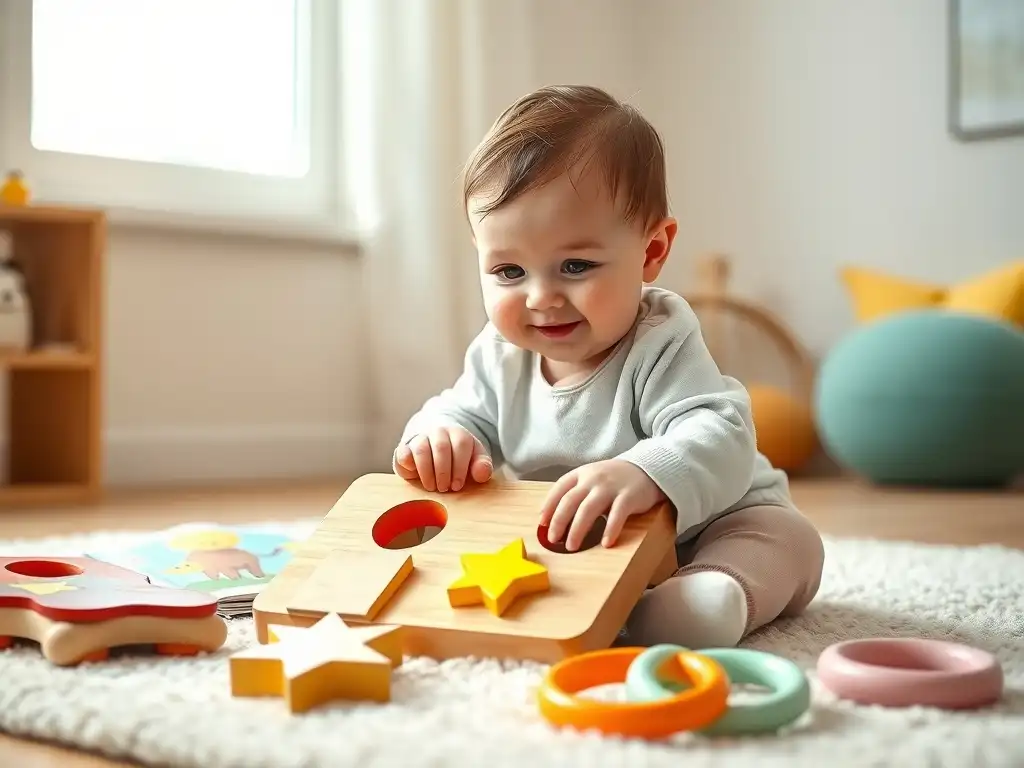
This section focuses on selecting appropriate puzzles and shape sorters for your 11-month-old, maximizing the developmental benefits while ensuring safety. At this age, puzzles become fantastic tools for enhancing fine motor skills, problem-solving abilities, and hand-eye coordination. The key is to choose puzzles that are challenging yet achievable, fostering a sense of accomplishment and encouraging continued engagement. We'll explore crucial factors to consider when making your selection.
Selecting Age-Appropriate Puzzles for 11-Month-Old Babies
Eleven-month-olds are exploring their world with gusto! Their fine motor skills are rapidly developing, allowing for more complex manipulation of objects. Puzzles at this stage should focus on:
- Large, chunky pieces: Avoid small pieces that pose a choking hazard. Pieces should be easily grasped by small hands.
- Simple designs: Start with puzzles featuring only a few large pieces, perhaps 2-4, depicting familiar objects like animals or basic shapes. Gradually increase the complexity as your child progresses.
- Bright colors and engaging textures: Stimulate visual interest and tactile exploration with vibrant colors and varied textures. Consider puzzles made from wood, soft rubber, or cloth for different sensory experiences.
- Self-correcting designs: These puzzles are designed so that only the correct piece fits in its designated space, providing immediate feedback and encouraging independent problem-solving. This positive reinforcement is crucial for building confidence and motivation.
For example, a simple wooden puzzle with four large, brightly colored animal shapes would be ideal. Another excellent option is a chunky shape sorter with a few basic shapes like a square, circle, and triangle. Remember, the goal is to make learning fun and rewarding. Avoid overly complex puzzles that might frustrate your little one.
Safety Considerations When Choosing Baby Puzzles
Safety is paramount when selecting toys for your 11-month-old. Prioritize puzzles that meet rigorous safety standards. Look for:
- Non-toxic materials: Ensure the puzzle is made from non-toxic materials, free from harmful chemicals and paints. Check for certifications like ASTM (American Society for Testing and Materials) or CPSIA (Consumer Product Safety Improvement Act) compliance.
- Durable construction: Choose well-made puzzles that can withstand enthusiastic play. Avoid flimsy or easily breakable pieces that could present a hazard.
- No small parts: Always double-check that there are no small detachable parts that could be easily swallowed or inhaled. This is especially important for 11-month-olds who are still exploring their world through their mouths.
- Smooth edges and surfaces: Sharp edges or rough surfaces can cause injuries. Opt for puzzles with smooth, rounded edges and surfaces.
Regularly inspect the puzzle for any signs of damage or wear and tear. Discard any damaged pieces immediately to prevent accidents. Remember, proactive safety measures are key to ensuring a happy and safe playtime experience for your 11-month-old.
Materials and Durability: Choosing Safe and Engaging Puzzles
The materials used in a puzzle significantly impact its safety, durability, and engagement value for your 11-month-old. Consider these factors:
| Material | Pros | Cons |
|---|---|---|
| Wood | Durable, eco-friendly, often aesthetically pleasing | Can be heavier, may splinter if damaged |
| Plastic | Lightweight, easy to clean, often inexpensive | Can be less durable, may contain BPA (check for BPA-free) |
| Soft Rubber/Silicone | Easy to grip, safe for teething babies | May not be as durable as wood or hard plastic |
| Cloth | Soft, washable, good for sensory exploration | Less durable than other materials, may not be suitable for all puzzle types |
Choosing the right materials ensures both safety and lasting enjoyment. A wooden puzzle, for instance, offers excellent durability but might be heavier for a very young child. A soft rubber puzzle is ideal for teething but might not last as long. Consider your child's developmental stage and preferences when choosing the ideal material. Remember, a safe and engaging puzzle will contribute significantly to your 11-month-old's development and enjoyment. The benefits of early puzzle play are undeniable, contributing to improved cognitive skills and fine motor development, setting a strong foundation for future learning. 👶
Introducing Puzzles to Your 11-Month-Old: A Step-by-Step Guide
This section focuses on introducing puzzles to your 11-month-old, highlighting the benefits and providing a practical, step-by-step guide. Understanding how to choose the right puzzle and engage your little one effectively is key to maximizing the developmental advantages. Remember, the goal isn't just puzzle completion, but fostering problem-solving skills and hand-eye coordination. The benefits of puzzles for an 11 month old baby are numerous, contributing to cognitive, motor, and emotional development.
Step 1: Selecting a Simple Puzzle for Your 11 Month Old
Choosing the right puzzle is crucial for success and enjoyment. At 11 months, your baby's fine motor skills are developing rapidly, but they're still quite small and lack the precision of older children. Therefore, avoid complex puzzles with many tiny pieces. Instead, focus on simple puzzles designed specifically for this age group.
Look for puzzles with:
- Large, chunky pieces that are easy to grasp.
- Bright colors and engaging designs featuring familiar objects (animals, shapes, etc. ).
- Simple mechanisms – focus on shape sorters or puzzles with only a few large pieces.
- A sturdy construction to withstand enthusiastic handling. Avoid anything that easily breaks or has small parts that could pose a choking hazard.
Consider these puzzle types:
- Shape sorters: These classic toys help develop shape recognition and hand-eye coordination. Look for ones with clearly defined shapes and appropriately sized holes.
- Simple knobbed puzzles: Puzzles with large knobs are easier for little hands to manipulate. These often feature simple designs like animals or vehicles.
- Board puzzles with 2-4 large pieces: Avoid intricate designs; opt for puzzles with large, easily identifiable images.
Remember to always supervise your child while they play with any puzzle to ensure safety. The benefits of these simple puzzles extend beyond just entertainment; they actively contribute to your 11 month old's cognitive development.
Step 2: Engaging Your Baby with the Puzzle: Interactive Play
Introducing the puzzle should be a fun and engaging experience, not a frustrating one. Start by showing your baby the puzzle and demonstrating how the pieces fit together. Use enthusiastic tones and exaggerated movements to capture their attention.
Here are some tips for interactive play:
- Make it a game: Instead of directly instructing your baby, make it a playful exploration. Let them explore the pieces freely before guiding them towards fitting them together.
- Use positive language: Praise their efforts, even if they don't immediately succeed. Phrases like "That's great! ", "You're doing so well! ", and "Almost there!" can encourage persistence.
- Offer gentle guidance: If your baby is struggling, gently guide their hand to help them fit a piece. Don't force it; let them lead the way as much as possible.
- Keep sessions short: Attention spans at this age are short. Keep playtime to 5-10 minutes to prevent boredom or frustration.
- Vary the activity: After playing with the puzzle for a few minutes, switch to a different activity to maintain your baby's interest. The benefits of puzzles are enhanced when paired with other stimulating activities.
Step 3: Providing Positive Reinforcement and Encouragement
Positive reinforcement is crucial for building your baby's confidence and encouraging them to keep trying. Celebrate their successes, no matter how small.
- Verbal praise: Use enthusiastic praise, like "You did it! ", "Wow, you're so smart! ", or "Great job!". Your positive reaction reinforces the behavior and encourages repetition.
- Non-verbal cues: Use smiles, claps, and high-fives to show your excitement and appreciation.
- Celebrate small victories: Even if your baby only manages to fit one piece, acknowledge their achievement. This builds their self-esteem and motivates them to continue.
- Avoid pressure: Never force your baby to play with the puzzle if they seem uninterested or frustrated. The benefits of puzzles are maximized through positive engagement, not coercion.
- Make it a social activity: Involve other family members in the playtime. This can make the experience more enjoyable and provide additional encouragement. Remember that the long-term benefits of puzzles stem from the positive associations your baby forms with this activity.
Remember, the key is to make puzzle time a positive and enjoyable experience. By following these steps, you can help your 11-month-old develop valuable skills while having fun! The benefits of 11 month old baby puzzles are multifaceted and contribute significantly to their overall development.
Step 4: Gradually Increasing Difficulty: Puzzle Progression
Introducing puzzles to your 11-month-old is not a one-size-fits-all endeavor. The key is gradual progression, ensuring your little one doesn't get frustrated and loses interest. Start with the simplest puzzles, those with large, chunky pieces and minimal steps. Observe your baby's engagement and adjust accordingly. If they're mastering a puzzle quickly, it's time to introduce a slightly more challenging one.
For instance, if your baby effortlessly completes a two-piece puzzle, consider moving on to a three- or four-piece puzzle. The increase in complexity should be incremental, building upon their existing skills. Don't jump from a simple two-piece puzzle to a complex 10-piece jigsaw immediately; this can be overwhelming and discouraging. Remember, the goal is to foster a positive association with puzzles, encouraging their cognitive development and problem-solving skills.
The progression should also consider the type of puzzle. After mastering simple shape sorters, you might introduce puzzles with slightly smaller pieces or those requiring more fine motor skills, like knobbed puzzles. Observe your baby's hand-eye coordination and dexterity; these are crucial indicators of their readiness for more intricate puzzles. A good indicator of readiness is when your baby shows sustained interest and attempts to manipulate the puzzle pieces independently, even if they don't always succeed.
The market offers a fantastic variety of puzzles designed for this age group. Look for puzzles with bright colors, interesting textures, and perhaps even sounds to add extra stimulation. These added elements can significantly boost your baby's engagement and enhance their learning experience. 🧸 Remember to always supervise your baby during playtime to ensure safety and prevent accidental ingestion of small puzzle pieces. This careful, gradual approach will nurture your child's love for puzzles and help them develop essential cognitive abilities.
Expanding Playtime: Beyond Basic Puzzles at 11 Months
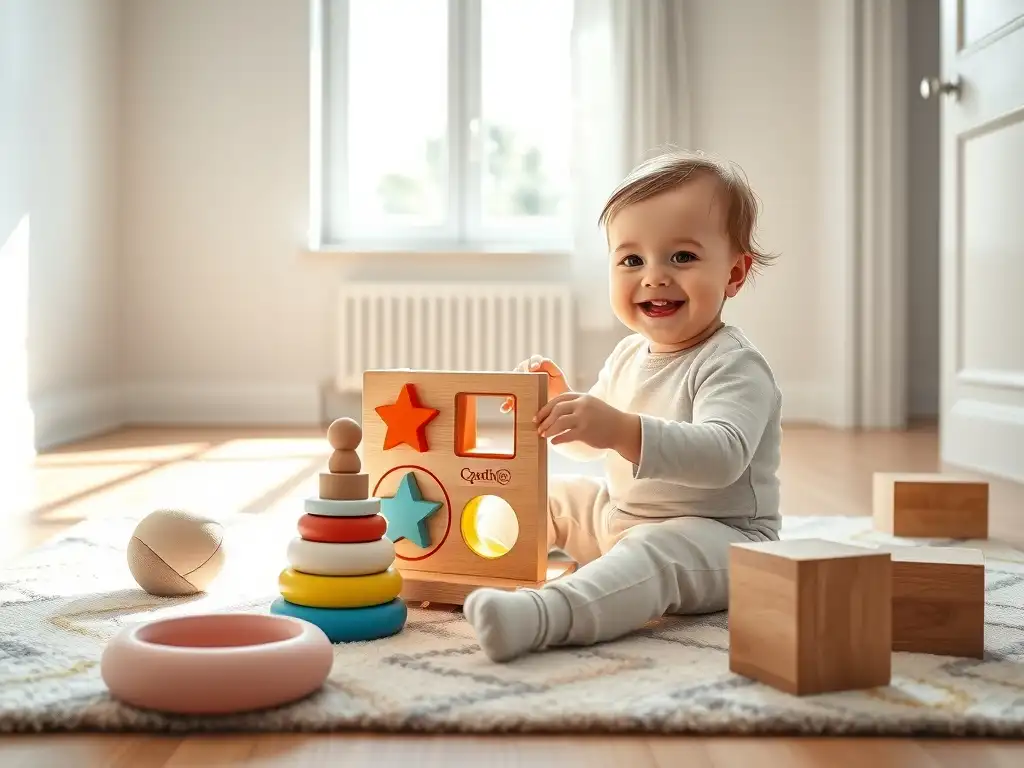
Eleven-month-olds are experiencing a surge in cognitive development, making this a perfect time to introduce more complex playthings than simple rattles or soft toys. While basic puzzles are a great starting point, expanding their playtime with activities that challenge their problem-solving skills and fine motor control offers significant benefits. The advantages of introducing age-appropriate puzzles at this stage are numerous, contributing to improved hand-eye coordination, spatial reasoning, and problem-solving abilities.
This section will delve into the nuances of selecting and using puzzles designed for 11-month-old babies, highlighting the benefits of these activities for their overall development. We'll explore how these toys can contribute to the development of crucial skills, fostering a love of learning and play in your little one.
Remember, the key is to choose puzzles that are engaging, safe, and appropriately challenging for this developmental stage. The goal is to nurture their natural curiosity and encourage their exploration of the world around them.
Shape Sorters: An Introduction for 11-Month-Olds
Shape sorters are fantastic tools for enhancing an 11-month-old's cognitive and motor skills. These toys typically involve placing different shaped blocks into corresponding holes. The act of identifying the correct shape and manipulating the block to fit requires a level of spatial reasoning and fine motor control that is developing rapidly at this age. The satisfaction of successfully completing the task boosts their confidence and encourages them to persist with more challenging activities.
For an 11-month-old, choose shape sorters with large, chunky pieces that are easy to grasp and manipulate. Avoid small pieces that pose a choking hazard. Look for sorters with bright colors and simple shapes like circles, squares, and triangles. Some sorters even incorporate sounds or textures, adding another layer of sensory stimulation. The benefits extend beyond just shape recognition; they also improve hand-eye coordination, problem-solving skills, and even hand strength. Observe your child's progress and adjust the difficulty level accordingly, always prioritizing their safety and enjoyment.
Combining Puzzles and Shape Sorters for Enhanced Learning
Combining puzzles and shape sorters can create a dynamic and enriching play experience. For example, you could use a simple wooden puzzle with large, chunky pieces and a shape sorter with matching shapes. This allows your child to practice both shape recognition and spatial reasoning in a playful way. The act of transferring a shape from the puzzle to the sorter adds an extra layer of complexity and engagement.
Consider creating a small learning center with these toys, adding other elements like soft blocks or stacking cups. This encourages exploration and helps your child develop their creativity and problem-solving abilities. Remember to supervise your child during playtime and rotate toys regularly to keep them engaged and challenged. This variety prevents boredom and helps maintain their interest in learning through play.
Other Engaging Activities for 11-Month-Olds: Complementary Play
While puzzles and shape sorters are excellent choices, remember to diversify your 11-month-old's playtime. Complementary activities can further enhance their development and provide a well-rounded learning experience. Consider these options:
- Stacking cups: These are great for developing hand-eye coordination and understanding of size and order.
- Soft blocks: These encourage building and creativity, promoting spatial reasoning skills.
- Simple board books with textures: These stimulate sensory development and enhance language acquisition.
- Ball play: Rolling, throwing, and catching a ball improves gross motor skills and hand-eye coordination.
Remember to always supervise your child during playtime and choose toys appropriate for their age and developmental stage. Observe their interactions with different toys to understand their preferences and adjust your approach accordingly. The goal is to create a fun and stimulating environment that encourages their natural curiosity and fosters a love of learning. The benefits of engaging in these varied activities contribute significantly to their overall development, promoting both physical and cognitive growth. Providing a rich and varied play experience is key to supporting your 11-month-old's progress and enjoyment.
Signs Your Baby is Ready for More Challenging Puzzles
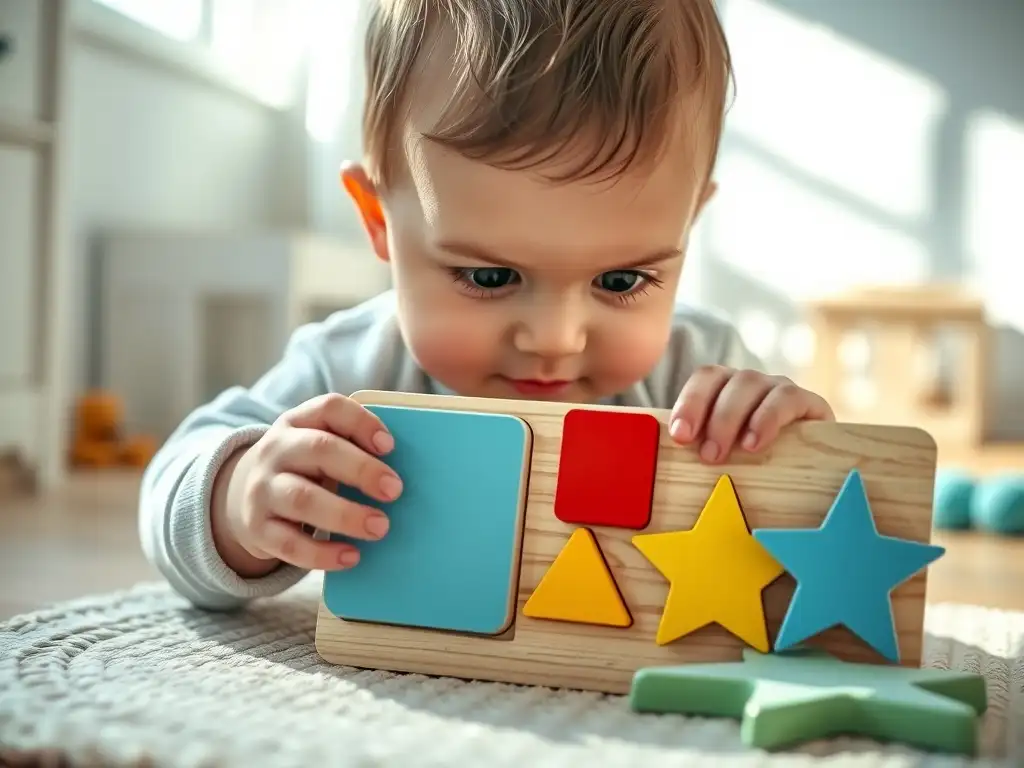
This section focuses on recognizing when your 11-month-old is developmentally ready to graduate from simpler toys to more challenging puzzles and shape sorters. This is a crucial step in their cognitive development, paving the way for improved problem-solving skills and hand-eye coordination. Remember, every baby develops at their own pace, so don't compare your little one to others. Focus on their individual cues.
Observing Your Baby's Engagement and Progress
Observing your baby's interaction with existing toys is key. Are they easily mastering their current puzzles? Do they show frustration when a puzzle is too difficult, or do they persist and try different approaches? These are crucial indicators of readiness.
For example, if your baby consistently solves simple shape sorters with large, easily grasped pieces in under a minute, they might be ready for a more complex challenge. Look for signs of increasing focus and determination during playtime. Are they spending longer periods attempting to solve puzzles, even if they don't immediately succeed? This persistence shows a growing interest and capacity for problem-solving.
Keep a developmental log; noting the date your baby masters a specific skill helps you track their progress and identify when they are ready for the next level of challenge. This allows for a smooth transition and prevents potential frustration. A simple chart tracking puzzle completion time and the type of puzzle can be incredibly insightful.
Understanding Developmental Milestones and Puzzle Progression
At 11 months, babies are typically developing fine motor skills rapidly. They're refining their pincer grasp (using thumb and forefinger), improving hand-eye coordination, and demonstrating increased problem-solving abilities. This is the perfect time to introduce puzzles with slightly smaller pieces, more complex shapes, or multiple steps involved.
Remember, the goal is not to overwhelm, but to gently challenge and expand their capabilities. The benefits of introducing age-appropriate puzzles at this stage are significant, contributing to enhanced cognitive development, improved dexterity, and boosted confidence. Choosing puzzles that are slightly more challenging than what your baby has previously mastered will foster a sense of accomplishment and encourage continued engagement.
| Puzzle Complexity Level | Description | Typical Age Range | Signs of Readiness |
|---|---|---|---|
| Simple | Large, chunky pieces; few shapes. | 6-9 months | Easily grasps and manipulates large objects; shows interest in putting things in containers |
| Intermediate | Smaller pieces; more varied shapes; maybe a simple mechanism. | 9-12 months | Masters simple puzzles quickly; shows persistence in problem-solving; improved pincer grasp |
| Advanced | Many small pieces; intricate shapes; multiple steps. | 12+ months | Consistently solves intermediate puzzles; shows increasing focus and attention span |
Transitioning to More Complex Puzzles at 11 Months
Introducing more challenging puzzles should be a gradual process. Start by introducing puzzles with slightly smaller pieces or more complex shapes than those your baby is currently mastering. Observe their reactions carefully. If they become frustrated, revert to simpler puzzles for a while before trying again later. Positive reinforcement is crucial. Praise their efforts, even if they don't immediately succeed.
Celebrate small victories to build their confidence and encourage continued engagement. Remember, the aim is to foster a love of learning and problem-solving, not to create stress. Consider puzzles with different textures or sounds to enhance sensory stimulation and maintain engagement. This multi-sensory approach can make learning more enjoyable and effective for your 11-month-old. The rewards of engaging your baby with appropriately challenging puzzles at this age are immense, contributing to their overall development and fostering a lifelong love of learning. 🎉
Troubleshooting Common Challenges with Puzzles at 11 Months
This section addresses common difficulties parents encounter when introducing puzzles and shape sorters to their 11-month-old babies. Understanding these challenges and implementing effective strategies will make playtime more enjoyable and beneficial for both parent and child, maximizing the developmental advantages of puzzle play. Remember, the goal is to foster a positive association with puzzles, encouraging exploration and problem-solving skills. The benefits of puzzle play for an 11 month old are numerous, contributing significantly to their cognitive and fine motor skill development.
Dealing with Frustration: Patience and Encouragement
Eleven-month-olds are still developing their fine motor skills and problem-solving abilities. Frustration is completely normal and even expected! It's a crucial part of the learning process. Instead of immediately stepping in to solve the puzzle, try these techniques:
- Offer gentle guidance: Instead of directly solving the puzzle, point to the correct shape and gently nudge your baby's hand in the right direction. This provides support without taking away the challenge.
- Positive reinforcement: Praise your baby's efforts, regardless of whether they successfully complete the puzzle. Phrases like "You're trying so hard!" or "Look how close you are!" can boost their confidence. A celebratory cheer or a playful clap can also work wonders! 🎉
- Take breaks: If your baby becomes overly frustrated, take a break. Return to the puzzle later, when they are in a more receptive mood. Forcing playtime can backfire and create negative associations with puzzles.
- Model the behavior: Demonstrate how to use the puzzle yourself. This can help your baby understand the task better and provide a visual guide.
- Celebrate small victories: Even if your baby only manages to fit one or two shapes correctly, make a big deal out of it! This positive reinforcement will encourage them to keep trying.
Remember, patience is key. The benefits of puzzle play for an 11-month-old extend far beyond simply completing the puzzle; it's about the process of learning and problem-solving.
Addressing Safety Concerns: Supervision and Puzzle Selection
Safety should always be the top priority when selecting and using puzzles with your 11-month-old. Here's how to ensure a safe and enjoyable playtime:
- Choose age-appropriate puzzles: Opt for puzzles specifically designed for 11-month-olds. These puzzles typically feature larger pieces that are difficult to swallow and are made from non-toxic materials. Avoid puzzles with small parts that could pose a choking hazard.
- Supervise playtime: Never leave your baby unattended while playing with puzzles. Constant supervision is crucial to prevent accidents.
- Inspect puzzles regularly: Check the puzzle for any damage, such as broken or loose pieces, before each playtime session. Discard any damaged pieces immediately.
- Soft puzzles are your friend: Consider soft, fabric puzzles for added safety. These are less likely to cause injury if dropped or thrown. These offer the added bonus of tactile exploration.
- Puzzle storage: Store puzzles in a safe place, out of your baby's reach, when not in use. This prevents accidental ingestion of small parts.
Prioritizing safety ensures a positive and worry-free playtime experience, allowing your baby to fully engage in the developmental benefits of puzzle play.
Adapting Playtime to Your Baby's Mood and Energy Levels
An 11-month-old's attention span can fluctuate throughout the day. Adapting playtime to their mood and energy levels is crucial for a successful and enjoyable experience. Consider these tips:
- Observe your baby's cues: If your baby seems tired, fussy, or disinterested, postpone playtime. Forcing them to engage when they're not ready will likely lead to frustration and negativity.
- Keep sessions short: Start with short playtime sessions (5-10 minutes) and gradually increase the duration as your baby's attention span improves. Shorter sessions are more effective than long, drawn-out ones.
- Choose the right time: Plan playtime for when your baby is alert, happy, and receptive. This could be after a nap or a feeding.
- Incorporate other activities: If your baby loses interest in the puzzle, try switching to another activity, such as singing songs or reading books. This prevents boredom and keeps them engaged.
- Make it fun! Playtime should be enjoyable for both you and your baby. Use playful sounds, silly voices, and enthusiastic encouragement to make it a positive experience. The more fun it is, the more likely they are to engage and reap the developmental benefits of puzzle play.
By understanding and addressing these common challenges, you can create a positive and enriching puzzle-playing experience for your 11-month-old, maximizing the benefits for their development. Remember, every milestone reached is a victory, and patience and encouragement are your greatest allies in this journey.
Frequently Asked Questions
What are the benefits of puzzles for an 11-month-old baby?
Puzzles at this age help develop fine motor skills, problem-solving abilities, and hand-eye coordination. They also boost cognitive development and encourage spatial reasoning.
What types of puzzles are best for an 11-month-old?
Simple shape sorters and chunky puzzles with large, easy-to-grasp pieces are ideal. Avoid small pieces that could be choking hazards. Look for puzzles with bright colors and engaging designs.
How long should my 11-month-old play with puzzles?
Keep sessions short and sweet, around 5-10 minutes at a time, to maintain their interest and prevent frustration. Several short sessions throughout the day are better than one long one.
Are there any safety concerns when giving puzzles to my 11-month-old?
Always supervise your child while they are playing with puzzles. Choose puzzles made from non-toxic materials and ensure there are no small parts that could be a choking hazard.
How can I make puzzle time more engaging for my 11-month-old?
Make it a interactive experience! Talk about the shapes and colors, offer encouragement, and celebrate their successes. You can even sing songs or make it part of a wider playtime routine.
Final Reflection: Unlocking Potential: The Power of Play in a Baby's First Year
The early months of a child's life are a period of explosive growth and development, and introducing simple puzzles and shape sorters at 11 months old isn't just about fun; it's about actively shaping their cognitive future. These seemingly simple toys offer a powerful gateway to crucial developmental milestones, laying the foundation for problem-solving skills, spatial reasoning, and fine motor dexterity that will serve them well throughout their lives.
The impact of early childhood play on a child's overall development is undeniable. It's not just about entertainment; it's about fostering a love of learning, building confidence, and nurturing a curious mind. Play is the highest form of research.
- Albert Einstein. This quote perfectly encapsulates the importance of allowing children the freedom to explore, experiment, and learn through play, especially during their crucial first year. The joy on a baby's face as they successfully place a shape into its corresponding slot is a testament to the power of this simple yet profound interaction.
Consider the lessons learned in this article. Think about how you can incorporate playful learning into your child's daily routine. Don't underestimate the power of simple toys to unlock your child's potential. Observe their interactions, adapt your approach based on their interests, and celebrate their small victories. Remember, every successful puzzle piece placed, every shape sorted correctly, is a step forward on their journey of discovery and growth. Embrace the joy of play, and watch your little one flourish.
Unlock Your Little One's Potential: Puzzle Playtime Awaits!
Thank you for exploring the world of early learning with us! We hope you've discovered fun and practical ways to introduce puzzles and shape sorters to your child. Now let's put this knowledge into action!
- Dive into playful learning: Try one of the puzzle activities we suggested, adapting it to your child's abilities. Even a few minutes of focused playtime can make a significant difference!
- Share your experience: Tell us in the comments below about your experience – which puzzle was a favorite? Did you adapt any activities? We love hearing from you!
- Explore creative variations: Get creative and adapt these activities using everyday household objects. What unique puzzles can you invent?
Ready to watch your child's mind blossom? What puzzle activity will you try today?