
Sensory Play: Common Mistakes to Avoid When Introducing Activities


Welcome to BabyCareHub, your ultimate guide to navigating the incredible journey of parenthood! Are you ready to unlock the secrets to happy, healthy baby development? We're here to support you every step of the way. But first, let's address a crucial aspect of your baby's growth: sensory play. Discover the common pitfalls to avoid when introducing sensory activities in our insightful article, "Avoid sensory play mistakes babies", and ensure your little one thrives. Dive in and learn how to make sensory play a safe and enriching experience!
- Understanding the Importance of Avoiding Sensory Play Mistakes for Babies
-
Common Mistakes to Avoid in Sensory Play for Babies: A Comprehensive Guide
- Overloading Your Baby's Senses: Less is More in Sensory Play
- Ignoring Your Baby's Cues and Signs of Sensory Overload
- Neglecting Safety Precautions During Sensory Play Activities: Choking Hazards and More
- Choosing Inappropriate Materials for Sensory Play: Age-Appropriate Materials
- Failing to Supervise Sensory Play Sessions Closely: Constant Adult Supervision is Key
- Not Cleaning Up Properly After Sensory Play: Hygiene and Safety
- Age-Appropriate Sensory Play Activities: A Developmental Approach
- Creating a Safe and Engaging Sensory Play Environment at Home
- How to Introduce Sensory Play Gradually and Safely
- Recognizing Signs of Sensory Overload in Your Baby
- Frequently Asked Questions
- Final Reflection: Nurturing Sensory Development: Beyond the Mistakes
- Unlock Your Little One's Potential: Embrace Sensory Play!
Understanding the Importance of Avoiding Sensory Play Mistakes for Babies
Sensory play is incredibly beneficial for your baby's development, offering a fantastic opportunity to stimulate their senses and foster crucial cognitive, physical, and social-emotional growth. From the gentle touch of soft fabrics to the exciting exploration of different textures and sounds, these activities lay the foundation for learning and understanding the world around them. However, the key lies in safe and appropriately designed sensory experiences.
Failing to prioritize safety and age-appropriateness can lead to unintended consequences, hindering your baby's development rather than enhancing it. This article will guide first-time parents through common mistakes to avoid when introducing sensory play activities, ensuring your baby enjoys these enriching experiences while remaining safe and secure. Learning to avoid these pitfalls will empower you to confidently create a stimulating and nurturing environment for your little one, maximizing the benefits of sensory play while minimizing potential risks.
This guide focuses on practical advice to help you navigate the world of sensory play with confidence, transforming potential hazards into enriching opportunities for your baby's growth. Remember, informed parents are best equipped to provide the safest and most effective sensory experiences for their children.
Why Safe Sensory Play is Crucial for Baby's Development
Safe and age-appropriate sensory play is not merely entertaining; it's fundamental to your baby's healthy development across multiple domains. Consider these key benefits:
- Cognitive Development: Sensory play helps babies learn to categorize, classify, and understand cause and effect. For example, dropping a toy repeatedly helps them understand gravity. The varied textures and sounds stimulate their brains, building crucial neural pathways.
- Fine Motor Skills: Manipulating objects like blocks, textured balls, or water in a contained area strengthens hand-eye coordination and dexterity, laying the groundwork for future writing and other fine motor tasks.
- Gross Motor Skills: Activities involving movement, like crawling through a tunnel made of blankets or reaching for hanging toys, improve their balance, coordination, and overall physical strength.
- Language Development: During sensory play, you can engage your baby with descriptive language, introducing new words and concepts related to colors, textures, and sounds. This supports language acquisition and vocabulary development.
- Social-Emotional Development: Sensory play provides opportunities for interaction and bonding with caregivers. The shared experience builds trust and strengthens the parent-child relationship. It can also help babies learn to self-regulate their emotions through exploring different sensory inputs.
Example Sensory Play Activities for Different Ages
0-3 Months: High-contrast black and white mobiles, soft textured blankets, gentle sounds.
3-6 Months: Soft toys with varying textures, rattles, bath time with floating toys.
6-12 Months: Stacking cups, textured balls, finger paints (non-toxic! ), simple water play.
Potential Risks of Improper Sensory Play Activities
While sensory play offers immense benefits, improper execution can pose risks. Understanding these potential hazards is crucial for ensuring your baby's safety:
- Choking Hazards: Small objects, loose parts of toys, or anything that can be easily swallowed pose a significant choking risk. Always supervise your baby closely during sensory play and choose age-appropriate toys that meet safety standards. Avoid using toys with small detachable parts for babies under 3 years old.
- Allergic Reactions: Some materials used in sensory play, such as certain paints, clays, or fabrics, can trigger allergic reactions. Opt for non-toxic, hypoallergenic materials whenever possible. Always test a small amount of any new material on a small area of your baby's skin before widespread use.
- Hygiene Concerns: Water play, particularly, can harbor bacteria if not properly sanitized. Ensure you use clean water and thoroughly clean any toys used in water play. Avoid using unclean or unsterilized materials.
- Over-stimulation: Too much sensory input can overwhelm a baby, leading to fussiness, irritability, or even meltdowns. Keep sensory play sessions short and observe your baby's cues. If they seem overwhelmed, take a break.
- Injuries: Certain activities, if not properly supervised, can lead to accidental injuries. For example, unsupervised water play could result in drowning, while leaving a baby unattended with potentially dangerous objects could lead to cuts or bruises. Always remain vigilant and attentive during sensory play sessions.
By carefully considering these potential risks and following safety guidelines, you can create a fun and enriching sensory play environment that supports your baby's development while keeping them safe and happy. Remember, prevention is key!
Common Mistakes to Avoid in Sensory Play for Babies: A Comprehensive Guide
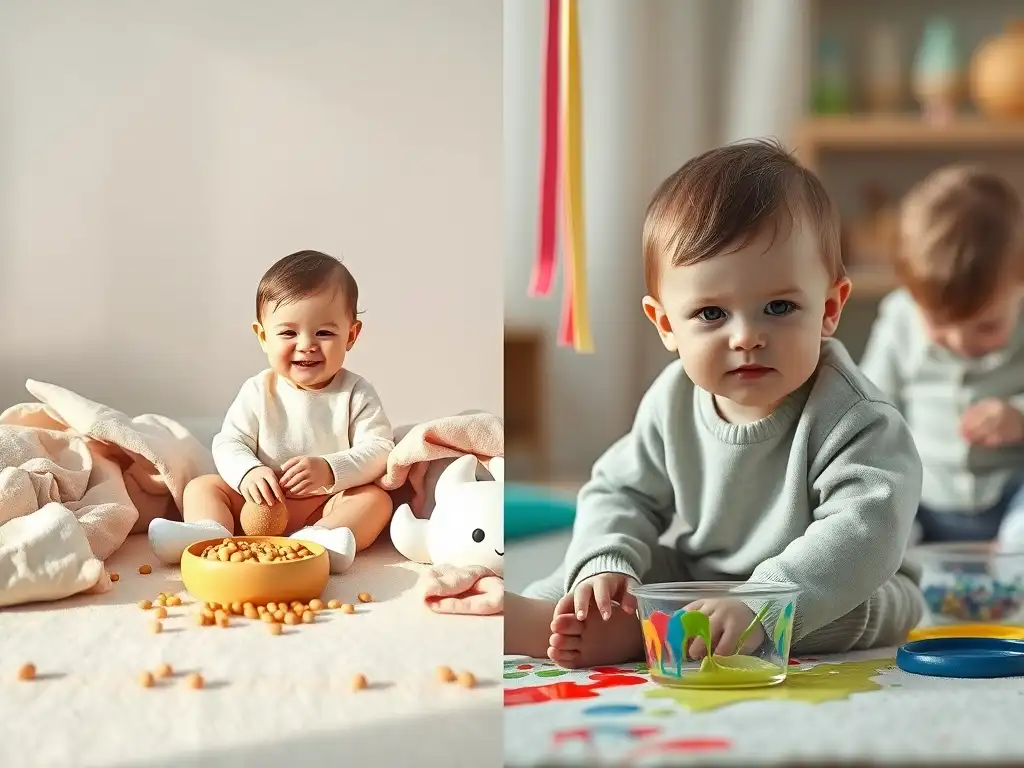
This section delves into common pitfalls parents may encounter when introducing sensory play activities to their babies. Avoiding these mistakes will ensure a positive and developmentally beneficial experience for your little one. Remember, the goal is to stimulate, not overwhelm! Understanding your baby's cues and prioritizing safety are paramount. Let's explore these crucial aspects to help you confidently navigate the world of sensory play with your baby.
Overloading Your Baby's Senses: Less is More in Sensory Play
Newborn babies and young infants have developing sensory systems. Over-stimulation can lead to fussiness, crying, and even a withdrawal from sensory experiences. The key is to start small and simple. Instead of presenting a chaotic array of textures, colors, and sounds all at once, focus on one or two elements at a time.
For example, instead of a bustling sensory bin filled with various objects, begin with a single texture, like a soft blanket or a smooth, wooden block. Observe your baby's reaction. Do they seem engaged and curious? Or are they becoming overwhelmed? If they show signs of distress – such as turning away, arching their back, or crying – immediately reduce the stimulation.
A good rule of thumb is to introduce only one new sensory experience per play session, gradually increasing the complexity as your baby gets older and more comfortable. Remember, the goal is to create positive associations with sensory exploration. Think quality over quantity.
Consider these examples:
- For newborns (0-3 months): A simple black and white mobile or a soft, textured cloth.
- For 4-6 month olds: A textured ball or a few soft blocks of different colors.
- For 7-12 month olds: A sensory bin with a few safe, age-appropriate items like wooden spoons or soft fabric scraps. Always supervise closely!
The gradual introduction of sensory stimuli helps your baby learn to process and interpret the information, fostering healthy sensory development. Remember, patience and observation are key.
Ignoring Your Baby's Cues and Signs of Sensory Overload
Even with careful planning, it's crucial to be attentive to your baby's cues. Babies communicate their comfort levels through various signals. Learning to recognize these signs is essential for avoiding sensory overload.
Signs of sensory overload can include:
- Fussiness or crying: This is a clear indication that the stimulation is too much.
- Turning away or averting gaze: Your baby might be trying to escape the overwhelming sensory input.
- Arching their back or stiffening their body: This can be a sign of discomfort or stress.
- Rubbing their eyes or ears: This could indicate that the sights or sounds are too intense.
- Increased yawning or lethargy: These can be subtle indicators of sensory fatigue.
If you notice any of these signs, immediately reduce or eliminate the sensory input. Give your baby a break in a quiet, calm environment. Allow them to rest and recover before reintroducing sensory activities. Respecting your baby's limits is crucial for creating a positive and enjoyable sensory play experience. Remember, sensory play should be fun and engaging, not stressful. Prioritizing your baby's well-being is paramount.
Neglecting Safety Precautions During Sensory Play Activities: Choking Hazards and More
Safety is paramount during sensory play. Always supervise your baby closely during these activities and choose age-appropriate materials. Infants and toddlers are naturally curious and will put things in their mouths. Therefore, it's crucial to eliminate potential choking hazards.
Some key safety precautions include:
- Avoid small objects: Anything that could fit inside a toilet paper roll presents a choking hazard.
- Choose non-toxic materials: Ensure all materials used are safe for babies and free of harmful chemicals.
- Supervise constantly: Never leave your baby unattended during sensory play.
- Check for sharp edges or points: Ensure all items are smooth and rounded.
- Be mindful of allergies: Consider any potential allergies your baby might have when selecting materials.
Creating a safe environment will allow your baby to explore and learn without the risk of injury. Remember, a little preparation goes a long way in ensuring a safe and enjoyable sensory play experience. Prioritize safety to avoid accidents and ensure your baby's well-being. This careful approach helps build trust and encourages continued exploration.
| Material | Age Appropriateness | Safety Considerations |
|---|---|---|
| Soft fabrics | 0+ months | Check for loose threads or small parts. |
| Wooden blocks | 6+ months | Ensure smooth edges and no sharp points. |
| Sensory bins | 7+ months | Supervise closely to prevent choking. |
| Water play | 6+ months | Always supervise closely near water. |
Remember, these are guidelines. Always adjust the complexity and duration of sensory play based on your baby’s individual needs and responses. Pay attention to their cues and prioritize safety above all else. Happy sensory playing!
Choosing Inappropriate Materials for Sensory Play: Age-Appropriate Materials
Selecting the right materials is crucial for safe and effective sensory play. Babies explore the world through their mouths, so choosing non-toxic and age-appropriate materials is paramount. Avoid small objects that pose a choking hazard, opting instead for larger, soft items. For example, instead of using small beads, consider larger, softer pom-poms or fabric scraps. Similarly, avoid materials that could easily break into small pieces, such as fragile ceramic items.
Always check for loose parts or sharp edges that could cause injury. Remember, the goal is to stimulate the senses safely, not to create a potential risk. Consider the baby's developmental stage. A six-month-old will interact differently with sensory materials than a twelve-month-old. Younger babies might benefit from simpler textures and materials, while older babies can handle more complex activities involving a wider range of textures and objects.
Remember to always prioritize safety and choose materials accordingly. For example, while rice is a popular sensory material, ensure it's cooked and cooled to avoid burns, and supervise closely to prevent ingestion. Always research thoroughly before introducing any new material. The potential benefits of sensory play are immense, but choosing appropriate materials ensures a safe and enriching experience.
Failing to Supervise Sensory Play Sessions Closely: Constant Adult Supervision is Key
Never leave a baby unsupervised during sensory play, even for a moment. Babies are naturally curious and might put objects in their mouths or attempt to ingest them. Constant adult supervision is essential to prevent accidents and ensure their safety. This includes actively watching the baby, not just being in the same room. Active supervision means being fully present and attentive to the baby's actions and reactions.
You should anticipate potential hazards. For instance, if your baby is playing with water, be prepared to intervene quickly if they start splashing excessively or show signs of distress. The level of supervision may vary depending on the age and developmental stage of the baby. A newborn requires more constant, hands-on supervision than a more mobile nine-month-old, but even older babies need close monitoring.
Remember, sensory play is about exploration and learning, and constant supervision ensures that this exploration happens safely and without incident. A few seconds of distraction could lead to a serious accident. Your vigilance is the best protection for your baby's well-being during sensory play. This proactive approach ensures a fun and safe sensory experience.
Not Cleaning Up Properly After Sensory Play: Hygiene and Safety
Thorough cleanup after sensory play is crucial for maintaining hygiene and preventing the spread of germs. Babies are particularly susceptible to infections, and leftover sensory materials can harbor bacteria. After each session, promptly remove all materials from the play area. This includes disposing of any items that are soiled or damaged. For example, if using water or other liquids, ensure the area is completely dried to prevent mold or mildew growth.
Clean all surfaces thoroughly with an appropriate disinfectant, paying special attention to areas where the baby might have touched or mouthed objects. Always wash your hands, and the baby's hands, after sensory play. If using reusable materials, ensure they are washed and disinfected properly before being stored away. This will prevent the build-up of bacteria and ensure the materials are ready for use in future sensory play sessions.
Using disposable materials whenever possible can simplify cleanup and reduce the risk of cross-contamination. Remember, maintaining a clean and hygienic environment is essential for the baby's health and well-being and is a key part of avoiding sensory play mistakes. Regular cleaning prevents potential health problems and ensures a safe and enjoyable sensory experience for your little one. Prioritize hygiene to minimize risks associated with sensory play.
Age-Appropriate Sensory Play Activities: A Developmental Approach
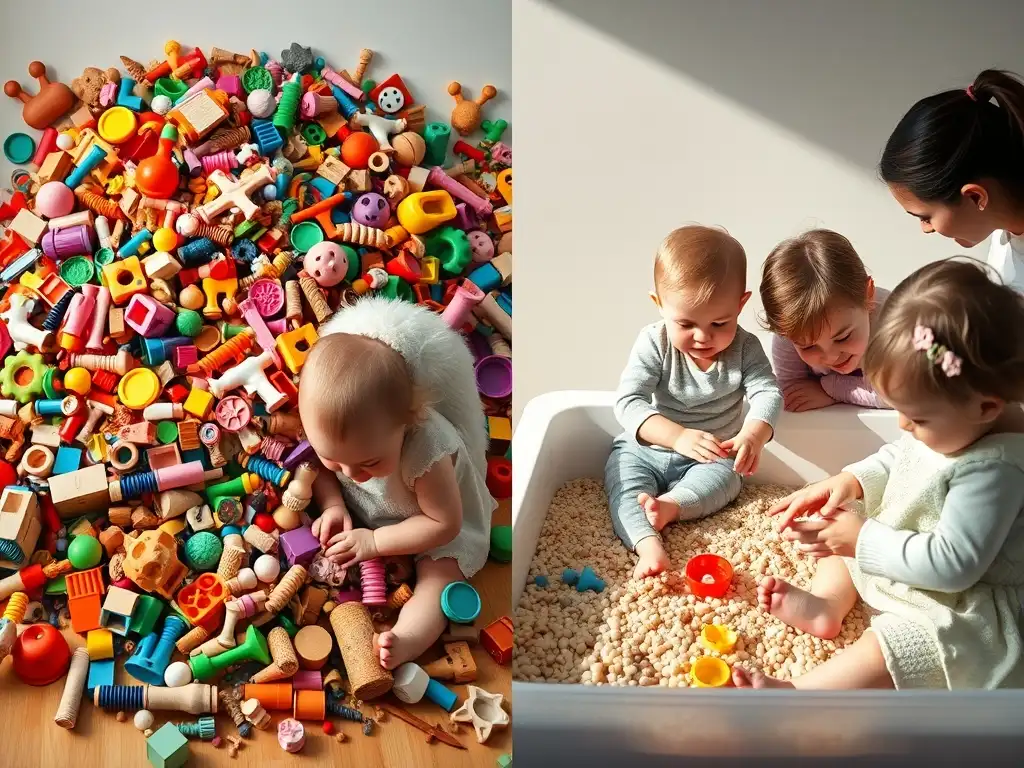
This section focuses on avoiding common mistakes when introducing sensory play activities to your baby by emphasizing age-appropriate engagement. Remember, the goal is to stimulate your baby's senses safely and effectively, fostering their development. Failing to consider developmental stages can lead to frustration for both you and your little one. Let's explore how to avoid these pitfalls.
Sensory Play for Infants (0-6 months): Simple and Safe Activities
Infants in this age group are primarily focused on exploring their immediate surroundings through their senses of touch, sight, and hearing. Over-stimulation can be detrimental at this stage. A key mistake to avoid is overwhelming your baby with too much sensory input at once. Keep activities simple, focusing on one or two senses at a time.
For example, instead of presenting a complex toy with flashing lights, sounds, and various textures, try a simple black and white mobile with contrasting patterns to stimulate their vision. Or, offer a soft, textured blanket for tactile exploration. Remember, less is more.
Another common error is neglecting safety precautions. Always supervise your infant during sensory play and ensure all materials are non-toxic and free from small parts that could pose a choking hazard. Choose soft, washable materials that are easily cleaned. Avoid anything that could easily break or present sharp edges. Soft blocks, rattles made of safe materials, and high-contrast visuals are ideal choices during this phase. Always prioritize safety above all else.
Sensory Play for Toddlers (6-12 months): Introducing More Complex Textures and Sounds
As your baby approaches their first birthday, their cognitive and motor skills develop rapidly. This is the perfect time to introduce more complex sensory play activities. However, a common mistake is to jump to advanced activities too quickly. Gradually increase the complexity of the activities to avoid overwhelming your child.
For instance, you can introduce textured balls of different sizes and weights, encouraging them to grasp and manipulate them. This helps develop their fine motor skills. You can also introduce simple cause-and-effect toys, like stacking cups or shape sorters, that engage their problem-solving skills while stimulating their senses. Introduce sounds gradually, starting with gentle chimes or soft music.
Remember to still prioritize safety. Choose toys that are sturdy and durable, avoiding any with small parts that could be a choking hazard. Supervise your toddler closely during playtime to ensure their safety and well-being. This stage is all about building confidence and exploration, so let them lead the way, while ensuring they are doing so safely.
Sensory Play for Babies (12-18 months): Exploring Cause and Effect
At this age, babies are actively exploring cause and effect relationships. A common mistake is failing to offer enough opportunities for this exploration. Sensory play should now actively engage their growing understanding of how things work.
Instead of simply presenting toys, create opportunities for active engagement. For example, filling and emptying containers with different materials (rice, beans, etc., under close supervision!) helps develop hand-eye coordination and understanding of volume. Simple puzzles that involve matching shapes or colors are also excellent choices. Introduce activities that involve pouring, stacking, and building to encourage problem-solving and fine motor skills.
Remember to continue prioritizing safety. Even though your baby is more mobile and capable, supervision remains crucial. Choose toys appropriate for their age and developmental stage, and always be vigilant to prevent accidents. Continue to select toys made from non-toxic and durable materials. This phase is about expanding their understanding of their world and their place in it, while still emphasizing safety and appropriate stimulation.
Creating a Safe and Engaging Sensory Play Environment at Home
This section focuses on establishing a secure and stimulating space for your baby's sensory play experiences. Avoiding common mistakes starts with creating the right environment. Remember, a safe and engaging space encourages exploration and minimizes risks. Let's delve into the key aspects:
Setting Up a Dedicated Sensory Play Area
Creating a dedicated sensory play area is crucial for several reasons. First, it helps contain the mess inherent in sensory activities. Second, it provides a consistent and familiar space for your baby, reducing anxiety and promoting a sense of security. Think of it as your baby's personal sensory exploration zone!
Consider these points when setting up the area:
- Location: Choose a space that's easily accessible but away from high-traffic areas. A spare room, a corner of the living room, or even a section of your playroom can work well. Avoid areas with potential hazards like stairs or electrical outlets.
- Flooring: Opt for easy-to-clean flooring like tile, linoleum, or waterproof mats. Carpeted areas can be difficult to clean after messy sensory play sessions. Consider soft mats for cushioning if your baby is still crawling or learning to walk.
- Storage: Keep all sensory play materials in easily accessible, childproof containers. This prevents accidental ingestion and keeps the play area organized. Label containers clearly to make it easier to find specific items.
- Supervision: Never leave your baby unattended during sensory play, even for a moment. Constant supervision is paramount to ensuring their safety.
Selecting Safe and Non-Toxic Materials for Sensory Play
The materials you choose for sensory play are paramount in avoiding potential hazards. Opting for non-toxic, baby-safe materials is crucial for your baby's health and well-being. Avoid anything that could be a choking hazard or cause allergic reactions.
Here's a checklist to guide your material selection:
- Check for toxicity: Always verify that materials are labeled as non-toxic and safe for babies. This includes paints, dyes, and any other additives.
- Size and shape: Choose materials that are too large to be swallowed. Avoid small objects that could pose a choking hazard.
- Texture and consistency: Offer a variety of textures and consistencies to stimulate your baby's tactile senses. Consider smooth, rough, soft, hard, wet, and dry materials.
- Avoid allergens: Be mindful of potential allergens. If your baby has known allergies, avoid materials that could trigger a reaction. Common allergens include certain types of wood, fabrics, and dyes.
Ensuring Proper Ventilation and Lighting During Sensory Play
The environment's ambiance significantly impacts your baby's sensory experience. Proper ventilation and lighting are often overlooked but crucial for a positive and safe sensory play session.
Let's examine these aspects:
- Ventilation: Good ventilation prevents the buildup of potentially harmful fumes or odors, especially if you're using scented materials. Ensure the room is well-ventilated, particularly if using paints or other materials with strong smells. Open windows or use a fan to circulate the air.
- Lighting: Natural light is ideal, but if natural light is limited, use soft, diffused artificial lighting to avoid harsh shadows or glare. Avoid overly bright lights that could be overwhelming for your baby. Soft lighting creates a calming and engaging atmosphere.
- Temperature: Maintain a comfortable room temperature. Too hot or too cold can be uncomfortable and distracting for your baby, hindering their engagement with the sensory activities. A comfortable temperature promotes relaxation and focus.
By carefully considering these environmental factors, you can create a safe and stimulating sensory play environment that fosters your baby's development while avoiding potential pitfalls. Remember, a well-prepared environment is the cornerstone of successful and safe sensory play for babies. 👶
How to Introduce Sensory Play Gradually and Safely
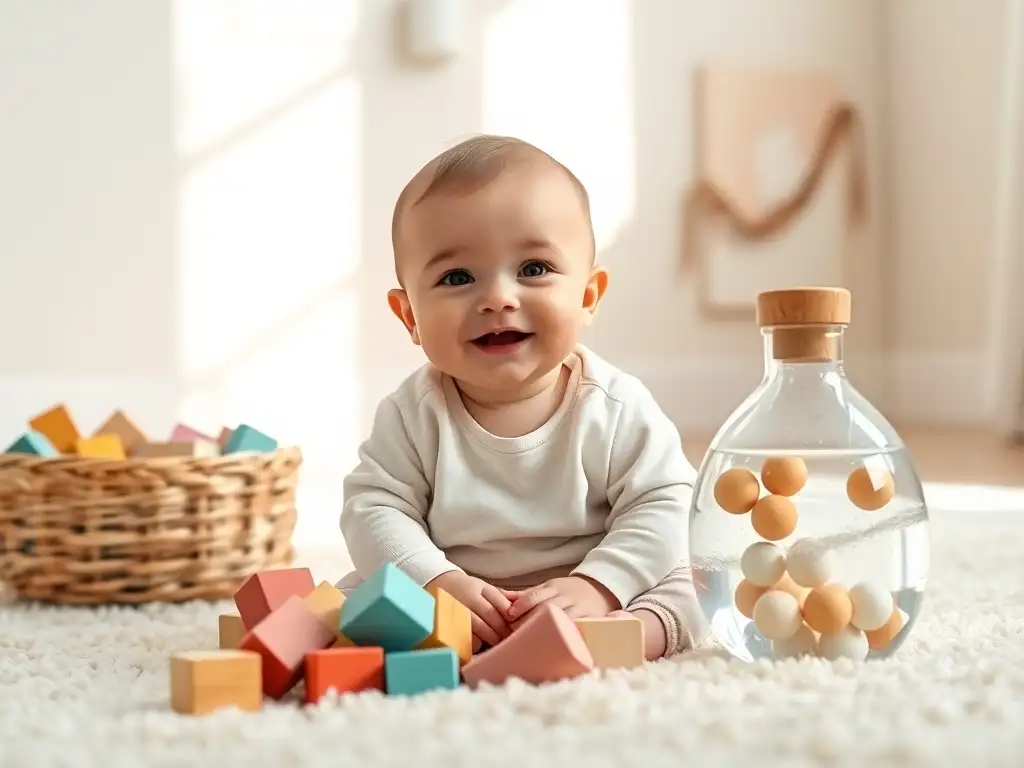
Introducing sensory play to your little one is a fantastic way to stimulate their development, but it's crucial to do it correctly to ensure a positive and safe experience. Rushing the process or overwhelming your baby with too much stimulation too soon can lead to frustration and even negative associations with playtime. Avoiding sensory play mistakes babies often encounter requires a thoughtful and gradual approach. Remember, the goal is to foster a love of exploration, not to create anxiety.
Starting with Simple Sensory Experiences
Begin with activities that focus on a single sense at a time. For instance, start with touch. Offer your baby soft, textured cloths or toys. A simple, smooth wooden block can be just as engaging as a complex, multi-textured toy initially. Observe how they interact with the object; do they grasp it?
Do they bring it to their mouth? Their reactions provide valuable insight into their preferences and comfort levels. You can also introduce simple sounds – a gentle rattle, the soft crinkling of paper, or singing a lullaby. Keep the environment calm and quiet to minimize distractions. Avoid overwhelming your baby with multiple sensory inputs simultaneously.
Remember to always supervise your baby closely during sensory play. Never leave them unattended with small objects that could pose a choking hazard. Simple, safe materials are key during this initial phase. Examples include:
- Soft blankets of varying textures
- Wooden blocks (large enough to avoid choking)
- Rattles with muted, soothing sounds
- Fabric books with different textures
This initial phase is all about building a positive association with sensory exploration. A positive initial experience will pave the way for more complex and stimulating activities later.
Gradually Introducing New Textures, Sounds, and Sights
Once your baby shows comfort and engagement with simple sensory experiences, you can gradually introduce more complex stimuli. This might involve introducing different textures—from silky smooth to rough and bumpy—or incorporating various sounds—from the gentle tinkling of bells to the rhythmic splashing of water (always under close supervision). Similarly, you can introduce a wider range of visual stimulation—colorful toys, patterned fabrics, or even a mobile hanging above their crib.
However, the key here is gradual introduction. Don't overwhelm your baby by suddenly introducing a multitude of new textures, sounds, and sights simultaneously. Introduce one new element at a time, allowing your baby ample time to process and explore it before moving on to the next. For instance, if you're introducing a new texture, keep the sound and visual stimuli consistent with what they're already familiar with. This controlled approach helps avoid sensory overload and ensures a positive experience. Consider a structured approach:
- Week 1: Focus on soft textures and gentle sounds.
- Week 2: Introduce a slightly rougher texture, keeping sounds gentle.
- Week 3: Introduce a new sound (e.g., a gentle chime) while maintaining familiar textures.
- Week 4: Introduce a new visual element (e.g., a brightly colored toy) while keeping textures and sounds consistent.
This systematic approach allows for careful monitoring and adaptation.
Observing Your Baby's Reactions and Adjusting Accordingly
Perhaps the most important aspect of successful sensory play is observation. Pay close attention to your baby's cues. Are they engaged and enjoying the activity? Or do they seem overwhelmed, fussy, or withdrawn? If you notice signs of distress—crying, turning away, or becoming overly stimulated—immediately stop the activity and offer comfort. Remember, every baby is different, and their sensory sensitivities will vary. There's no one-size-fits-all approach. What works for one baby might not work for another.
It's crucial to respect your baby's individual needs and adjust the sensory play accordingly. If an activity seems too stimulating, simplify it. Reduce the number of sensory inputs, choose quieter sounds, or use less intense colors. If they seem bored or uninterested, try introducing a new element or modifying the existing activity to make it more engaging.
Flexibility and responsiveness are key to creating a positive and enriching sensory play experience for your baby. Remember, the goal is to foster a love for exploration and learning, not to create stress or anxiety. Observe, adapt, and enjoy the journey of sensory discovery with your little one!
Recognizing Signs of Sensory Overload in Your Baby
Sensory play is fantastic for your baby's development, stimulating their senses and fostering crucial cognitive growth. However, it's crucial to understand that too much stimulation can lead to sensory overload, causing distress and potentially hindering their progress. Learning to recognize the signs of sensory overload is paramount for ensuring your baby's well-being and maximizing the benefits of sensory play.
Avoiding sensory play mistakes babies often encounter involves careful observation and a responsive approach. This section will equip you with the knowledge to identify and address these signs effectively, allowing you to tailor sensory experiences to your baby's individual needs and preferences. Remember, the goal is to create positive and enriching sensory experiences, not overwhelming ones.
Identifying Physical Signs of Sensory Overload
Babies can't verbally express when they're overwhelmed, so it's important to watch for physical cues. These can manifest in several ways. One common sign is increased fussiness or crying that's difficult to soothe.
This crying is often different from their usual cries; it might be more intense, higher-pitched, or accompanied by unusual facial expressions, such as furrowed brows or strained features. Observe their body language; they might arch their back, become stiff, or exhibit tremors. Changes in their breathing patterns, such as rapid breathing or holding their breath, can also indicate distress.
Additionally, look for changes in their sleep patterns; difficulty falling asleep or frequent waking could be a sign of sensory overload. Finally, excessive yawning, changes in appetite (either increased or decreased), or digestive upset (such as increased gas or reflux) can also be physical indicators. Remember to always consult your pediatrician if you have concerns about your baby's health.
Identifying Behavioral Signs of Sensory Overload
Beyond the physical, behavioral signs provide additional clues about your baby's sensory state. A significant shift in their typical behavior is a key indicator. For example, if your usually playful baby suddenly becomes withdrawn, clingy, or avoids eye contact, it could signal sensory overload. They may exhibit unusual irritability, reacting negatively to stimuli that they normally enjoy. A normally calm baby might become extremely agitated or easily startled.
On the other hand, an active baby might become unusually lethargic or unresponsive. Changes in their attention span are also noteworthy; they might struggle to focus on any activity or quickly become distracted. Finally, self-soothing behaviors, such as excessive sucking on their fingers or thumb, or rubbing their eyes, may increase significantly. These behavioral changes, when combined with physical signs, paint a clearer picture of sensory overload.
Responding to Sensory Overload in Babies
Once you've identified signs of sensory overload, your immediate response is crucial. The first step is to remove your baby from the overwhelming environment. This could involve moving them to a quieter, darker room, or simply reducing the number of sensory inputs. For instance, if they were engaged in a noisy activity, switch to something calmer, like quiet cuddles or gentle rocking. Providing a weighted blanket or swaddle can offer a sense of security and comfort.
Using calming techniques like soft singing or playing soothing music can also help regulate their nervous system. Remember to speak to your baby in a soft, reassuring voice, offering physical touch such as gentle stroking or massage. It's essential to allow your baby time to recover and regulate their senses. This might mean limiting sensory input for a period, or simply allowing them time to rest and recharge.
If you notice frequent or severe episodes of sensory overload, consult your pediatrician or a developmental specialist. They can provide more personalized guidance and support to help you understand and manage your baby's sensory needs. Remember, patience and understanding are key to navigating this crucial stage of your baby’s development. By learning to recognize and respond to sensory overload, you'll be better equipped to provide a safe and nurturing environment for your little one to thrive.
Frequently Asked Questions
What are the biggest mistakes parents make during sensory play?
The most common mistakes include over-stimulation, using unsafe materials, and neglecting age-appropriateness. Always prioritize your baby's comfort and safety.
How can I ensure sensory play is safe for my baby?
Supervise your baby constantly during sensory play. Choose non-toxic, unbreakable materials, and avoid anything that could be a choking hazard. Clean up thoroughly afterwards.
My baby seems overwhelmed by sensory play. What should I do?
If your baby shows signs of distress (crying, turning away), immediately stop the activity. Try shorter sessions, fewer stimuli, or a different activity altogether. Observe your baby's cues.
At what age can I start sensory play with my baby?
You can introduce simple sensory experiences from birth, focusing on textures and sounds. Gradually introduce more complex activities as your baby grows and develops. Always adapt to your baby's developmental stage.
What types of sensory activities are best for babies?
Start with simple activities like touching different textures, listening to calming music, or exploring visual stimulation with brightly colored toys. As they grow, you can introduce things like water play or finger painting (with non-toxic paints). Focus on engaging multiple senses gradually.
Final Reflection: Nurturing Sensory Development: Beyond the Mistakes
The mindful introduction of sensory play is not merely a trend; it's a foundational element in a child's cognitive, emotional, and physical development. Failing to recognize this crucial role can inadvertently limit a child's potential for learning and growth. The common mistakes highlighted in this article, from overstimulation to neglecting safety precautions, underscore the need for a more informed and sensitive approach to sensory experiences.
The impact of sensory play extends far beyond the immediate activity; it shapes a child's understanding of the world, fostering creativity, problem-solving skills, and a deep connection with their environment. Play is the highest form of research.
- Albert Einstein. This quote perfectly encapsulates the importance of allowing children the freedom to explore, experiment, and learn through sensory engagement. The lasting influence of these early experiences shapes their future interactions with the world, influencing everything from their confidence levels to their ability to adapt to new situations.
Consider the implications of these insights. You now possess the knowledge to create enriching sensory experiences for the young children in your life, avoiding the pitfalls that can hinder their development. Take the time to reflect on your own approach to sensory play. Are you providing a balanced and safe environment that encourages exploration and discovery? By consciously choosing to implement these learnings, you are not just avoiding mistakes, but actively contributing to the healthy development of a young mind, fostering a future brimming with potential.
Unlock Your Little One's Potential: Embrace Sensory Play!
Thank you for learning about the joys and benefits of sensory play! We hope you found this information valuable and are ready to create enriching experiences for your child. Now let's put that knowledge into action.
- Create a simple sensory bin today! Use everyday household items like rice, beans, or pasta, and let your child explore the textures, sounds, and smells. This is a perfect first step to fostering their creativity.
- Share your sensory play adventures! Post a photo on social media using #BabyCareHubSensoryFun and inspire other parents.
- Try a new sensory experience, such as finger painting with yogurt or building a fort with blankets and pillows.
What exciting sensory adventure will you and your little one explore next?