
Baby's First Year: How Cognitive Development Impacts SelfAwareness


Welcome to BabyCareHub, your ultimate guide to navigating the incredible journey of parenthood! Are you curious about the fascinating world of your baby's developing mind? Our in-depth article on Baby cognitive development and self-awareness unveils the secrets behind this crucial milestone, offering practical insights and expert advice to help you understand and support your little one's growth. Discover how early cognitive development shapes self-awareness and lays the foundation for a lifetime of learning—prepare to be amazed by what your baby is capable of!
- Understanding Baby Cognitive Development and Self-Awareness
- The Interplay Between Cognitive Skills and Self-Awareness
- Activities to Stimulate Cognitive Development and Self-Awareness
- Supporting Your Baby's Cognitive and Self-Awareness Journey
- Milestones and Potential Concerns Regarding Self-Awareness Development
-
Frequently Asked Questions
- What is cognitive development in babies?
- How does cognitive development relate to self-awareness?
- When do babies typically start showing signs of self-awareness?
- How can I support my baby's cognitive and self-awareness development?
- What are some signs of delayed cognitive development I should watch out for?
- Final Reflection: The Unfolding Self: A Journey of Cognitive Growth
- Unlock Your Baby's Potential: Nurture Self-Awareness
Understanding Baby Cognitive Development and Self-Awareness
Navigating the world of baby development can feel overwhelming for first-time parents. This article delves into a crucial aspect of your little one's growth: cognitive development and its profound impact on the development of self-awareness. Understanding how your baby's brain develops and how this translates into self-recognition is key to fostering a secure and thriving environment.
We'll explore the fascinating journey of cognitive development during your baby's first year, highlighting key milestones and providing practical insights to help you appreciate and support this remarkable process. This journey isn't just about hitting developmental markers; it's about understanding the "why" behind each stage, enriching your bond with your baby, and celebrating their unique path to self-discovery.
This comprehensive guide will equip you with the knowledge to recognize and nurture your baby's growing self-awareness, a cornerstone of their emotional and social development. We will focus specifically on the relationship between cognitive development and the emergence of self-awareness, using the keyword "Baby cognitive development selfawareness" to help you easily find this vital information.
The Stages of Cognitive Development in Infancy
The first year of life witnesses an explosion of cognitive growth. Piaget's stages of cognitive development provide a useful framework, although it's important to remember that every baby develops at their own pace. During the sensorimotor stage (birth to approximately 2 years), babies learn primarily through their senses and actions. This stage is broken down into sub-stages, each marked by significant cognitive leaps.
- 0-1 Month: Reflexive actions dominate. Babies primarily react instinctively to stimuli.
- 1-4 Months: Primary circular reactions emerge. Babies repeat actions that produce pleasurable sensations (e.g., sucking their thumb).
- 4-8 Months: Secondary circular reactions develop. Babies begin to interact with their environment more intentionally, repeating actions that produce interesting effects (e.g., shaking a rattle).
- 8-12 Months: Coordination of secondary schemes becomes apparent. Babies combine different actions to achieve a goal (e.g., pushing an object away to reach another). Object permanence, the understanding that objects continue to exist even when out of sight, begins to develop.
- 12-18 Months: Tertiary circular reactions appear. Babies experiment with variations of actions to explore their effects (e.g., dropping toys from different heights).
- 18-24 Months: The beginnings of symbolic thought emerge. Babies start to use mental representations to solve problems and understand the world.
This progression lays the foundation for self-awareness, as babies begin to understand that their actions have consequences and that they are separate from their environment.
Early Signs of Self-Recognition in Babies: 0-6 Months
While self-awareness as a fully formed concept takes time, the seeds are sown early. During the first six months, you might observe subtle signs that hint at developing self-perception:
- Increased interest in their own hands and feet: Babies may spend considerable time observing their limbs, exploring their textures and movements. This is a crucial step in differentiating themselves from their surroundings.
- Responding to their own name: Although not a definitive sign, noticing a reaction to their name suggests an emerging sense of self.
- Differentiation of self from others: Babies may start to distinguish between their own actions and the actions of others, showing increasing awareness of their agency.
- Mimicking facial expressions: This indicates a growing understanding of themselves as social beings capable of interaction and mirroring emotions.
These early signs, though subtle, are vital markers on the path to self-recognition. Remember that development is gradual, and each baby progresses at their own pace.
Developing Self-Awareness: 6-12 Months
Between six and twelve months, self-awareness becomes more pronounced. Several key developments contribute to this:
- The mirror test: Around 18 months, many babies pass the mirror test, recognizing their own reflection as themselves. Before this age, they may treat their reflection as another person. However, even before passing the mirror test, other behaviors indicate a growing sense of self.
- Emergence of "self-directed" behaviors: Babies start engaging in behaviors specifically directed towards themselves, such as playing with their own hair or exploring their body parts.
- Understanding of ownership: Babies may exhibit possessiveness over certain objects, indicating a growing awareness of themselves as separate individuals with their own things.
- Emotional development: The development of more complex emotions, such as embarrassment or pride, shows a growing understanding of the self within a social context. These emotions require a degree of self-consciousness.
The development of self-awareness during this period is a complex interplay of cognitive, social, and emotional factors. It's a gradual process, and celebrating each milestone, no matter how small, is vital for fostering a positive and nurturing environment for your baby. Remember, consistency and responsive caregiving play a crucial role in supporting your baby's cognitive and emotional growth.
The Interplay Between Cognitive Skills and Self-Awareness

This section delves into the fascinating relationship between a baby's burgeoning cognitive abilities and the development of self-awareness. We'll explore how key cognitive milestones, such as object permanence, memory development, and understanding cause and effect, directly influence a baby's growing sense of self. Understanding this interplay is crucial for parents seeking to nurture their child's cognitive development and emotional well-being.
The development of self-awareness is a gradual process, intricately linked to the baby's cognitive progress. This understanding helps parents better support their baby's journey towards self-discovery. The timing of these milestones can vary, but recognizing the typical progression provides valuable insights into a child's development.
Object Permanence and its Role in Self-Concept
Object permanence – the understanding that objects continue to exist even when out of sight – is a foundational cognitive skill that significantly impacts a baby's self-concept. Before developing object permanence (typically around 8-12 months), a baby might believe that an object ceases to exist once it's hidden. However, as they grasp object permanence, they begin to understand that they are separate and distinct from the objects around them.
This separation is a crucial step in developing self-awareness. The realization that "I" am a separate entity from the toy I'm playing with contributes to the formation of a distinct self-identity. For example, a baby who previously showed no reaction to a hidden toy might now actively search for it, demonstrating not only object permanence but also an emerging understanding of their own agency in the world.
This increased agency is a key component of early self-awareness. The development of object permanence lays the groundwork for a more complex understanding of the self, leading to a more robust sense of self-identity.
Memory Development and its Impact on Self-Recognition
The development of memory is another crucial cognitive skill intertwined with self-recognition. As babies develop their memory abilities, they begin to retain and recall experiences, including those involving themselves. This ability contributes significantly to their developing sense of self.
Initially, babies may only recognize themselves in a mirror through fleeting physical recognition. However, as their memory improves, they can start to associate the image in the mirror with their own experiences and feelings. The "rouge test," where a red mark is placed on a baby's nose and their reaction in the mirror is observed, is a common method used to assess self-recognition.
A baby who touches their nose indicates a higher level of self-awareness and memory recall. Studies show that self-recognition typically emerges around 18-24 months, highlighting the close link between memory development and the establishment of a self-concept. The ability to remember past experiences allows the baby to build a narrative of "self," further strengthening their sense of identity.
Cause and Effect Understanding and its Connection to Self-Agency
Understanding cause and effect is a key cognitive milestone that significantly contributes to the development of self-agency – the understanding that one's actions can influence the world. This understanding of causality is fundamental to self-awareness because it allows babies to recognize themselves as agents of change. For instance, a baby who learns that shaking a rattle produces a sound understands that their action (shaking) causes a specific effect (sound).
This realization empowers them, fostering a sense of control and influence over their environment. This sense of control is a crucial element in developing self-efficacy, a strong belief in one's ability to succeed, which is tightly linked to self-esteem and self-awareness. Repeated experiences of cause and effect – such as successfully grabbing a toy or making a sound – reinforce the baby's understanding of their own agency and contribute to a growing sense of self as an active participant in the world.
This understanding of self-agency is a cornerstone of healthy self-development and contributes significantly to the baby's overall cognitive and emotional growth. The development of cause and effect understanding is thus a critical step in fostering a positive and secure sense of self.
Activities to Stimulate Cognitive Development and Self-Awareness
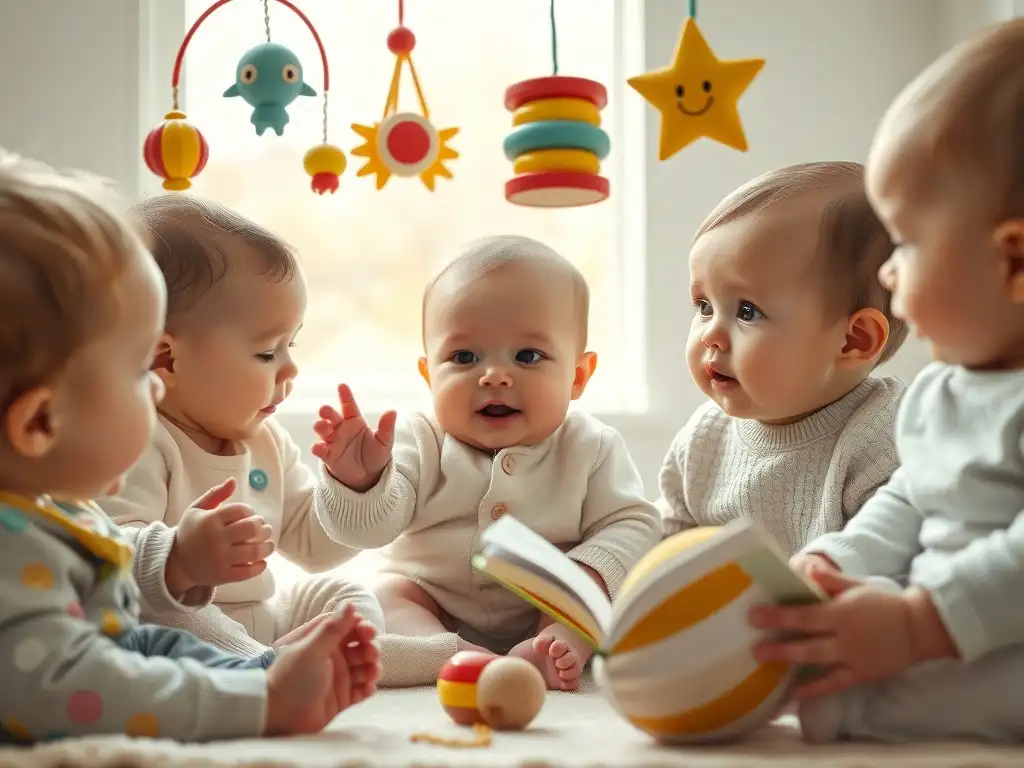
This section focuses on practical activities to boost your baby's cognitive development and burgeoning self-awareness during their first year. Remember, every baby develops at their own pace, so celebrate each milestone and adjust activities to suit your little one's individual needs and preferences. The key is consistent, engaging interaction. Focusing on activities that promote baby cognitive development selfawareness will lay a strong foundation for future learning and emotional growth.
Interactive Play for Enhanced Self-Recognition
Interactive play is crucial for fostering self-recognition in babies. Between 6 and 12 months, many babies begin to recognize themselves in mirrors. You can significantly enhance this process through playful interactions.
Several techniques can be employed:
- Mirror Play: Place your baby in front of a mirror and make silly faces. Point to their reflection and say their name, emphasizing the connection between the image and the real person. This helps them associate the reflection with themselves. You can also try blowing raspberries at the mirror – babies love this! 😄
- "Peek-a-Boo": This classic game isn't just fun; it's a powerful tool for self-awareness. The element of surprise and reappearance helps babies understand object permanence and, by extension, their own continued existence.
- Simple Games with Body Parts: Sing songs that point out body parts ("Head, shoulders, knees, and toes"). Touch each part as you sing, reinforcing the connection between the name and the physical location. This helps them understand their own body as a separate entity.
Remember to keep the interaction positive and encouraging. Your baby's response will vary depending on their temperament and developmental stage. Some babies might be fascinated by their reflections immediately, while others might take longer to grasp the concept. Patience and consistency are key.
Sensory Experiences to Foster Self-Awareness
Sensory experiences are fundamental to cognitive development and self-awareness. By engaging multiple senses, babies learn about their bodies and their environment, building a stronger sense of self.
Here's how you can incorporate various sensory experiences:
- Touch: Offer a variety of textures for your baby to explore – soft blankets, rough textured toys, smooth stones (under supervision). This helps them differentiate between sensations and understand their physical interaction with the world.
- Sound: Play different types of music, sing songs, and talk to your baby frequently. Vary the pitch and volume to stimulate auditory processing. Introduce various sounds from nature or musical instruments.
- Sight: Use brightly colored toys and books with contrasting patterns. Hang mobiles above their crib to track visually. Show them pictures and videos of people and objects.
- Taste and Smell: Offer a variety of safe and age-appropriate foods (always under supervision and following recommended guidelines). Introduce different scents subtly, like lavender or chamomile. These experiences help them build connections between their senses and their environment.
A well-rounded approach using all these senses will help improve your baby's understanding of their surroundings and themselves within those surroundings. It's about creating a rich sensory landscape for exploration.
Encouraging Exploration and Independent Play
Providing opportunities for independent play is crucial for fostering self-reliance and cognitive development. While supervised, allowing your baby to explore their environment safely encourages problem-solving and self-discovery.
Here are some tips for encouraging independent play:
- Safe Play Space: Create a baby-safe space with age-appropriate toys and obstacles. This allows them to move freely and explore at their own pace.
- Variety of Toys: Offer a diverse range of toys to stimulate different senses and skills. This might include stacking blocks, soft toys, rattles, or simple puzzles.
- Observe and Support: Watch your baby's play and intervene only when necessary. Don't over-stimulate or direct their play excessively. Allow them to discover things on their own.
- Gradual Increase in Independence: Start with short periods of independent play and gradually increase the duration as your baby gets older and more comfortable.
Remember to always prioritize safety. Regularly check the play area to remove any potential hazards. The goal is to strike a balance between providing a stimulating environment and ensuring your baby's safety and well-being. This approach to baby cognitive development selfawareness will help them grow confident and curious.
Supporting Your Baby's Cognitive and Self-Awareness Journey
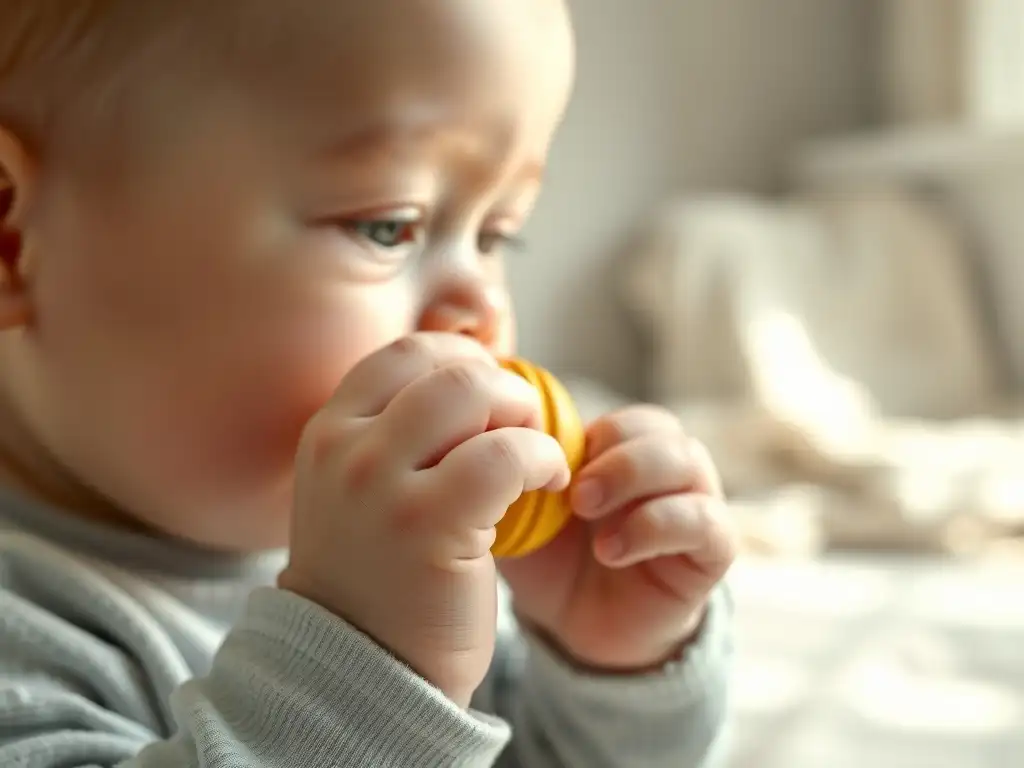
This section delves into practical strategies to nurture your baby's cognitive development and burgeoning self-awareness. Remember, every baby develops at their own pace, and celebrating their unique milestones is key. The focus here is on providing a supportive environment and understanding the crucial role of responsive caregiving. We'll explore how to create a stimulating environment and how to recognize individual developmental differences to best support your little one's unique journey. This understanding is paramount in fostering healthy baby cognitive development selfawareness.
Creating a Stimulating and Safe Environment
A rich and engaging environment is crucial for stimulating your baby's cognitive development and fostering self-awareness. This doesn't require expensive toys or elaborate setups; rather, it's about creating a space that encourages exploration and interaction. Think about providing a variety of textures, sounds, and sights.
Consider these elements:
- Safe exploration spaces: Baby-proof your home thoroughly, but allow for areas where your baby can safely explore and move around. A playmat with different textures, a soft, safe area rug, or a securely enclosed playpen can provide such spaces. Remember to always supervise your baby closely during playtime!
- Sensory stimulation: Offer a range of sensory experiences, such as soft blankets, crinkly toys, rattles with different sounds, and brightly colored mobiles (ensure they are safely hung and out of reach). Engage their senses through gentle touch, soft music, and singing.
- Interactive play: Engage your baby in simple games like peek-a-boo, which helps them understand object permanence (that things still exist even when they can't be seen). Reading books with colorful pictures and varied textures also stimulates their visual and tactile senses, supporting their cognitive growth and self-discovery.
- Opportunities for movement: Tummy time is vital for strengthening muscles and promoting development. As your baby grows, provide opportunities for crawling, sitting, and standing (with support) to encourage their exploration and understanding of their own bodies and the world around them. This directly contributes to their growing self-awareness and cognitive development.
Remember, safety is paramount. Always supervise your baby during playtime and ensure all toys and play areas are safe and age-appropriate. Consistent, predictable routines also contribute to a sense of security and stability, which is crucial for cognitive development and a positive sense of self.
The Importance of Responsive Caregiving
Responsive caregiving is fundamental to a baby's cognitive and emotional development, directly impacting their self-awareness. This means being attuned to your baby's cues – their cries, facial expressions, and body language – and responding promptly and appropriately.
Here's why responsive caregiving matters:
- Building trust and attachment: When a baby's needs are consistently met, they develop a strong sense of trust and secure attachment with their caregivers. This secure base is essential for exploration and learning, fostering their confidence and self-esteem.
- Enhancing communication skills: Responding to your baby's cues teaches them that their communication is effective and valued. This strengthens their ability to express their needs and desires, improving their overall communication skills. This is a core aspect of developing self-awareness; knowing they can communicate effectively helps them understand their own feelings and needs.
- Promoting emotional regulation: Responsive caregiving helps babies learn to regulate their emotions. When they know their caregivers are there to comfort and soothe them, they are less likely to become overwhelmed by negative emotions. This emotional stability is crucial for cognitive development and for developing a healthy sense of self.
- Boosting cognitive development: Studies have shown a strong correlation between responsive caregiving and cognitive development. Babies who receive consistent and sensitive care tend to perform better on cognitive tests and achieve developmental milestones earlier. This is because responsive care creates a secure environment where the baby can focus on learning and exploring.
Responsive caregiving isn't about constantly entertaining your baby; rather, it's about being present, attentive, and meeting their needs in a timely and loving manner. This attentive approach is crucial for healthy baby cognitive development selfawareness.
Recognizing Individual Developmental Differences
Every baby develops at their own pace. While there are general milestones, it's crucial to recognize and celebrate your baby's unique developmental journey. Comparing your baby to others can lead to unnecessary stress and anxiety.
Consider these points:
- Developmental variations are normal: Some babies may reach milestones earlier than others, while some may take a little longer. This is perfectly normal. Focus on your baby's progress and celebrate each achievement, no matter how small.
- Observe and document your baby's progress: Keep track of your baby's milestones, noting their individual strengths and areas where they might need a little extra support. This can be as simple as a notebook or a digital document. Documenting this information can be invaluable when discussing your baby's development with your pediatrician.
- Seek professional guidance when needed: If you have any concerns about your baby's development, don't hesitate to seek professional guidance from your pediatrician or a child development specialist. Early intervention can make a significant difference.
- Trust your instincts: You know your baby best. If something feels off, don't dismiss it. Trust your instincts and seek help if you're worried. Your intuition is a valuable tool in understanding your baby's needs and ensuring they receive the support they require.
Remember, fostering a loving and supportive environment, providing responsive care, and recognizing individual differences are key elements in supporting your baby's cognitive development and self-awareness. This holistic approach is crucial for their overall well-being and future success. Celebrate every milestone and enjoy this incredible journey of watching your baby grow and discover themselves! 👶
Milestones and Potential Concerns Regarding Self-Awareness Development
This section focuses on the key developmental milestones related to self-awareness in babies during their first year, alongside potential concerns that may warrant professional attention. Understanding these milestones can help parents track their baby's progress and identify any areas needing further observation or intervention. Remember, every baby develops at their own pace, but recognizing typical patterns is crucial for early detection of potential developmental delays. The information provided here is for educational purposes and should not be considered a substitute for professional medical advice.
When to Seek Professional Guidance Regarding Baby's Cognitive Development
Early identification of potential delays in cognitive development, including self-awareness, is crucial for timely intervention and optimal outcomes. While variations in developmental timelines are normal, certain signs may indicate a need for professional evaluation. These include:
- Lack of response to own name: By 6 months, most babies will turn their heads or show some reaction when their name is called. A consistent lack of response could be a concern.
- Absent or delayed social smiling: A genuine smile in response to social interaction usually emerges around 2-3 months. A significant delay in this milestone might warrant investigation.
- Limited engagement with objects and people: Babies typically show increasing interest in exploring their surroundings and interacting with others. Persistent disinterest or lack of engagement may indicate a problem.
- Failure to show object permanence: This refers to the understanding that objects continue to exist even when out of sight. Typically develops around 8-12 months. A lack of this understanding could be a warning sign.
- Significant delays in reaching other developmental milestones: Delays in areas like motor skills (crawling, walking), language development (babbling, first words), or social-emotional development (showing affection, sharing) often accompany cognitive delays.
It's important to remember that these are just potential indicators. A single missed milestone doesn't necessarily signify a problem. However, a combination of these signs or a persistent lack of progress in several areas warrants a consultation with a pediatrician or child development specialist. Early intervention services can provide valuable support and guidance to help your baby reach their full potential. Early intervention is key for optimal outcomes in addressing developmental delays.
Addressing Developmental Delays in Self-Awareness
If a developmental delay in self-awareness is identified, a multidisciplinary approach is often recommended. This may involve collaboration between pediatricians, developmental specialists, therapists (occupational, physical, speech), and other professionals. The specific interventions will depend on the nature and severity of the delay, as well as the individual needs of the child.
Some common strategies used to address delays in self-awareness include:
- Sensory stimulation: Engaging activities that stimulate various senses (sight, sound, touch, taste, smell) can help enhance cognitive development and awareness. Think tummy time, interactive toys, singing, and exploring different textures.
- Play-based therapy: Therapists utilize play to engage the child and promote development. This might involve games that focus on cause and effect, imitation, and object manipulation.
- Parent training and education: Parents play a vital role in their child's development. Training and education empower parents to provide appropriate stimulation and support at home. This can include specific strategies tailored to their child's needs and developmental level.
- Early intervention programs: These programs offer comprehensive services designed to address developmental delays. They often involve a combination of therapy, education, and support for the family.
Remember, early intervention is crucial for maximizing positive outcomes. Consistent and dedicated support from parents and professionals can significantly improve a child's development and overall well-being. The journey may require patience and persistence, but the rewards of supporting your child's growth are immeasurable. Positive reinforcement and a nurturing environment are essential components of successful intervention strategies. 👶
Frequently Asked Questions
What is cognitive development in babies?
Cognitive development refers to the growth of a baby's mental processes, including thinking, learning, problem-solving, and memory. It's a continuous process throughout the first year and beyond, laying the foundation for future learning and understanding. This impacts their self-awareness significantly.
How does cognitive development relate to self-awareness?
As a baby's cognitive abilities develop, so does their understanding of themselves as separate individuals. Recognizing their own reflection, understanding cause and effect, and developing object permanence all contribute to building self-awareness. Early interactions play a crucial role.
When do babies typically start showing signs of self-awareness?
Signs of self-awareness usually emerge between 4 and 12 months of age, although the timeline varies. This can manifest as recognizing themselves in a mirror, showing a sense of agency in their actions, or exhibiting self-conscious emotions like embarrassment or pride. Individual variations are normal.
How can I support my baby's cognitive and self-awareness development?
Providing a stimulating and interactive environment is key. This includes engaging in playful activities, reading books, singing songs, and talking to your baby frequently. Responding to their cues and ensuring a safe and loving environment are also crucial.
What are some signs of delayed cognitive development I should watch out for?
While development varies, significant delays may include a lack of response to sounds or names, failure to meet developmental milestones, or limited engagement with their surroundings. If you have any concerns, consult your pediatrician for an assessment.
Final Reflection: The Unfolding Self: A Journey of Cognitive Growth
The first year of life is not merely a period of physical growth; it's a breathtaking odyssey of cognitive development that lays the foundation for self-awareness, shaping the very essence of who we become. Understanding this crucial period is not just academically interesting; it's vital for nurturing healthy emotional and intellectual development in our children, impacting their future relationships and overall well-being.
Witnessing the rapid cognitive leaps a baby makes in their first year is truly awe-inspiring. The transition from reflexive actions to intentional behaviors, from simple sounds to complex communication, is a testament to the incredible plasticity of the human brain. The greatest discovery of all time is that a person can change his future by merely changing his attitude.
– Oprah Winfrey. This quote resonates deeply, as the nurturing environment we provide during this formative period directly influences a child's ability to adapt, learn, and ultimately shape their own future. The impact of early cognitive development extends far beyond the first year, influencing personality, social skills, and emotional intelligence throughout life.
Consider the profound implications of this journey. How can you, as a parent, caregiver, or educator, actively foster this crucial development? By providing a stimulating and nurturing environment rich in sensory experiences, responsive interaction, and unconditional love, you are not just contributing to a child's cognitive growth, but actively shaping their self-perception and their future capacity for empathy, resilience, and self-actualization. Embrace this incredible opportunity to witness and nurture the unfolding self, one precious moment at a time.
Unlock Your Baby's Potential: Nurture Self-Awareness
Thank you for exploring the fascinating world of your baby's cognitive development! We hope this article provided valuable insights into how self-awareness develops during those precious first twelve months. Now, let's put that knowledge into practice!
- Create a personalized developmental journal: Record your baby's milestones, reactions, and unique expressions. This will become a cherished keepsake, a wonderful record of their cognitive journey.
- Share this article with other parents! Let's build a supportive community where we can learn and grow together in understanding our children.
- Incorporate playful activities that stimulate self-discovery—try mirror play, sensory exploration, and plenty of loving interactions.
Ready to embark on this exciting journey of self-awareness with your little one? What activity will you try first to foster your baby's self-discovery?