
Early Intervention: Addressing Potential Hearing Issues in Babies


Welcome to BabyCareHub, your ultimate guide to navigating the incredible journey of parenthood. Are you prepared for every challenge? We're here to support you every step of the way. This comprehensive resource offers invaluable insights into all aspects of newborn and baby care, from feeding schedules to developmental milestones. But did you know early intervention is crucial? Discover the importance of baby hearing loss intervention and how early detection can make a world of difference in your little one's development. Let's delve into the crucial details – read on to learn more!
- Understanding Newborn Hearing Development and Early Detection of Hearing Loss
- Baby Hearing Loss Intervention: Screening and Diagnosis
- Early Intervention Strategies for Infants with Hearing Loss
- Supporting Your Baby's Hearing Development at Home
- Long-Term Outlook and Continued Support for Babies with Hearing Loss
-
Frequently Asked Questions
- What is the significance of early intervention for hearing loss in babies?
- How can I tell if my baby might have hearing loss?
- What types of hearing tests are available for babies?
- What interventions are available if my baby is diagnosed with hearing loss?
- Where can I find resources and support for babies with hearing loss?
- Final Reflection: The Silent Struggle and the Power of Early Action
- Unlock Your Baby's World of Sound
Understanding Newborn Hearing Development and Early Detection of Hearing Loss
Early intervention is crucial for addressing potential hearing issues in babies. A baby's ability to hear profoundly impacts their language development, social-emotional growth, and overall cognitive development. This article serves as a comprehensive guide for first-time parents, providing essential information on understanding newborn hearing development, identifying potential hearing loss, and navigating the early intervention process. We will explore the importance of early detection, common causes of hearing loss in infants, and the subtle yet crucial signs and symptoms parents should be aware of.
Early identification and intervention can significantly improve a baby's long-term outcomes, ensuring they reach their full developmental potential. Understanding the nuances of baby hearing loss intervention is paramount for every parent, and this guide aims to empower you with the knowledge to advocate for your child's well-being. The earlier you address potential issues, the better the chances of mitigating any negative impacts on your baby's development.
The Importance of Early Hearing Detection in Infants
The first few years of a child's life are a critical period for language acquisition and brain development. Hearing plays a pivotal role in this process. Early detection of hearing loss is vital because the brain develops most rapidly during infancy. If a hearing loss goes undetected, a child's brain may not develop the necessary neural pathways for processing sound effectively, potentially leading to significant delays in speech and language development. Early intervention programs, including hearing aids or cochlear implants coupled with speech therapy, can significantly improve a child's ability to learn and communicate. The sooner intervention begins, the greater the likelihood of successful outcomes. Think of it like this: the brain is a muscle that needs consistent stimulation to grow strong. Without the stimulation provided by sound, this "muscle" can weaken. This emphasizes the urgency of early hearing detection in ensuring optimal brain development. Studies consistently show that children identified with hearing loss and receiving intervention before six months of age have significantly better language and cognitive outcomes compared to those diagnosed later. 1
Common Causes of Hearing Loss in Babies
Hearing loss in babies can stem from various factors, both genetic and environmental. Some common causes include:
- Genetic factors: Certain genes can predispose a baby to hearing loss. Family history of hearing impairment is a significant risk factor.
- Infections during pregnancy: Exposure to infections like rubella, cytomegalovirus (CMV), or toxoplasmosis during pregnancy can damage the developing inner ear.
- Premature birth: Premature babies are at a higher risk of hearing loss due to underdeveloped inner ear structures or exposure to medical interventions.
- Birth complications: Low birth weight, prolonged oxygen deprivation during birth, or jaundice can also contribute to hearing loss.
- Exposure to loud noises: While less common, prolonged exposure to extremely loud noises can damage a baby's hearing.
- Ototoxic medications: Some medications can damage the inner ear, especially if given in high doses or for prolonged periods during pregnancy or infancy.
Understanding these common causes can help parents and healthcare professionals identify those at higher risk and implement appropriate preventative measures or early screening. It's crucial to remember that many cases of hearing loss have no identifiable cause.
Signs and Symptoms of Hearing Impairment in Newborns and Infants
Recognizing the signs of hearing impairment in young infants can be challenging, as they cannot verbally express their difficulties. However, several subtle cues can indicate a potential hearing problem:
- Lack of response to loud noises: A baby who doesn't startle or react to loud sounds, such as a clap or a sudden noise, might have a hearing problem.
- Absence of babbling or vocalizations by 7-8 months: Most babies begin to babble around this age. A lack of babbling could indicate a hearing issue.
- Delayed language development: If a baby is significantly behind in their language milestones compared to their peers, it warrants investigation.
- Turning their head only inconsistently towards sounds: While babies might not always turn towards sounds, consistently failing to do so can be a warning sign.
- Facial expressions and body language: Babies might exhibit frustration or confusion when attempting to communicate.
It is important to note that these signs are not always indicative of hearing loss, but they should prompt a consultation with a healthcare professional. Early intervention is key, and a thorough hearing evaluation will provide a definitive diagnosis and guide appropriate management strategies. Remember, seeking help early is crucial for the best possible outcome. 2
1 [Specific information pending: Cite a relevant study on early intervention and hearing loss]
2 [Specific information pending: Cite a relevant resource on early intervention and hearing loss]
When to Seek Professional Help for Baby Hearing Concerns
Identifying potential hearing problems in your baby early on is crucial for their development. While many newborns may initially exhibit some temporary hearing difficulties due to fluid in the ears from birth, persistent issues warrant immediate attention. Delayed or absent responses to sounds beyond the typical adjustment period are significant red flags.
For example, if your baby doesn't startle at loud noises, doesn't turn their head towards sounds by four months of age, or doesn't babble or respond to their name by six months, it's imperative to seek professional medical advice. These milestones are crucial indicators of healthy auditory development. Failure to meet these benchmarks could signal underlying hearing problems requiring intervention.
Beyond the established developmental milestones, there are other subtle signs parents should be aware of. For instance, if your baby seems to consistently ignore you when you speak, or if they struggle to follow simple instructions involving sound cues, these could also be indicators of a potential hearing impairment. Remember, every baby develops at their own pace, but significant deviations from typical auditory responses should never be ignored.
Don't hesitate to consult your pediatrician or a qualified audiologist if you have any concerns, no matter how minor they may seem. Early intervention is key to mitigating the potential long-term effects of hearing loss. It's always better to err on the side of caution and seek professional assessment than to delay intervention and potentially compromise your baby's development.
A thorough hearing evaluation can provide a definitive diagnosis and allow for the implementation of appropriate support strategies. Early detection significantly improves the chances of successful intervention and optimal language development. 👶
Baby Hearing Loss Intervention: Screening and Diagnosis

Early identification of hearing loss in babies is crucial for optimal development. Effective baby hearing loss intervention relies heavily on prompt screening and accurate diagnosis. The sooner a hearing impairment is detected, the sooner appropriate interventions can begin, maximizing a child's potential for language acquisition and overall development. This section details the processes involved in identifying hearing loss in infants.
Newborn Hearing Screenings: What to Expect
Newborn hearing screenings are a standard part of well-baby care in many countries. These screenings, typically conducted before the baby leaves the hospital, utilize automated auditory brainstem response (AABR) tests or otoacoustic emissions (OAE) tests. These non-invasive tests assess the baby's response to sounds.
- AABR (Automated Auditory Brainstem Response): This test measures the brain's electrical response to sounds. Small electrodes are placed on the baby's head, and sounds are presented through earphones. The test evaluates the pathway from the ear to the brain. The baby usually sleeps during this test.
- OAE (Otoacoustic Emissions): This test measures the tiny sounds produced by the inner ear in response to sound stimulation. A small probe is placed in the ear canal. A positive result indicates the inner ear is functioning correctly. This test is also usually performed while the baby is sleeping.
It's important to note that a failed screening does not automatically mean your baby has hearing loss. It simply indicates a need for further evaluation. Many factors, such as excessive fluid in the middle ear, can temporarily affect the results. A failed screening triggers more comprehensive testing.
Diagnostic Tests for Infants with Suspected Hearing Loss
If a newborn hearing screening reveals a potential problem, your pediatrician will recommend further diagnostic tests. These tests provide a more detailed assessment of your baby's hearing ability. These may include:
- Auditory Brainstem Response (ABR): A more comprehensive version of the AABR test used in newborn screenings, providing more detailed information about the auditory pathway.
- Auditory Steady-State Response (ASSR): This test measures the brain's response to a continuous sound stimulus, helpful in diagnosing hearing loss in awake infants.
- Behavioral Observation Audiometry (BOA): This test observes a baby's reactions to sounds of varying intensities and frequencies. It's typically used for older infants who are able to respond to sounds behaviorally.
- Visual Reinforcement Audiometry (VRA): This test uses toys or lights to reward a baby for responding to sounds. It's used for older infants who can sit up and follow visual cues.
The choice of diagnostic test depends on the baby's age and developmental stage. These tests are usually performed by an audiologist, a healthcare professional specializing in hearing.
Interpreting Your Baby's Hearing Test Results
Receiving the results of your baby's hearing tests can be an emotional experience. It’s crucial to understand that the audiologist will explain the results clearly and answer any questions you may have. The results will indicate the presence or absence of hearing loss, its severity (mild, moderate, severe, profound), and the type of hearing loss (conductive, sensorineural, or mixed).
| Type of Hearing Loss | Description | Impact |
|---|---|---|
| Conductive | Problem with the outer or middle ear preventing sound from reaching the inner ear. | Often treatable with medication or surgery. |
| Sensorineural | Damage to the inner ear or auditory nerve. | Can range from mild to profound; often requires hearing aids or implants. |
| Mixed | Combination of conductive and sensorineural hearing loss. | Requires a combination of treatments. |
Early diagnosis is paramount for effective baby hearing loss intervention. A comprehensive understanding of the test results is the first step in developing an individualized plan to support your baby's hearing and communication development. Don't hesitate to ask your audiologist or pediatrician to clarify anything you don't understand. Remember, you are your baby's best advocate.
Early Intervention Strategies for Infants with Hearing Loss
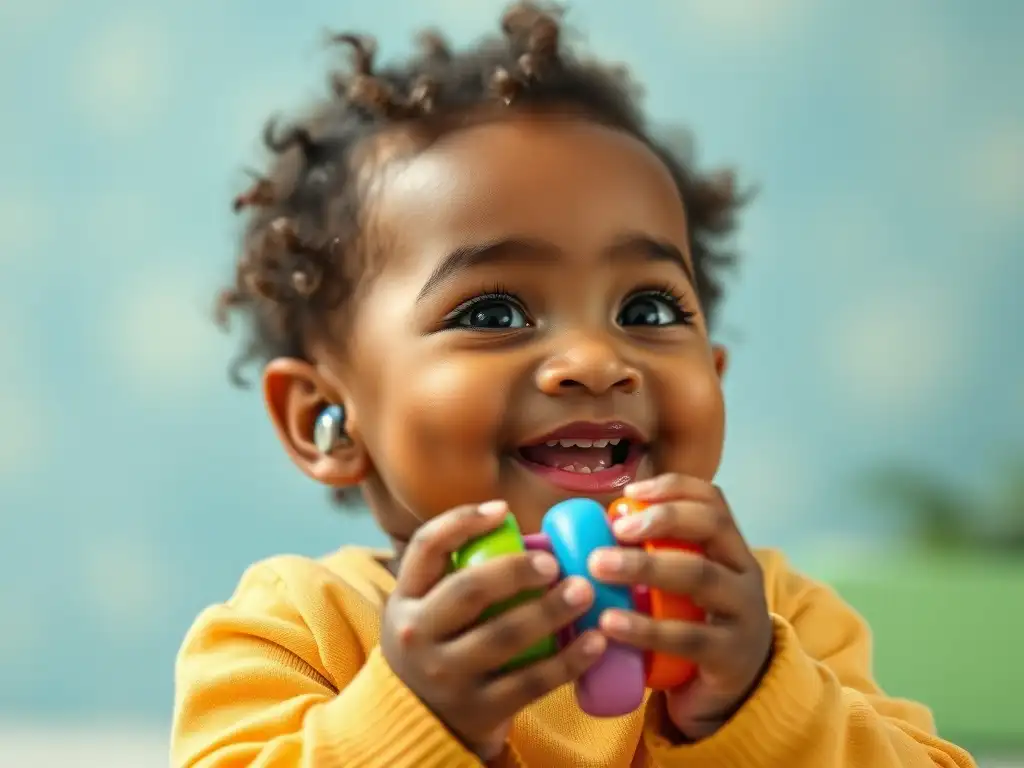
Early detection and intervention are crucial for optimizing the development of babies with hearing loss. The earlier a hearing impairment is identified and addressed, the better the chances of the child achieving normal speech and language development. This section details key strategies employed in early intervention for infants diagnosed with hearing loss, focusing on the benefits and considerations for each approach.
Effective "baby hearing loss intervention" relies heavily on a multidisciplinary approach, involving audiologists, speech-language pathologists, and other specialists working collaboratively to support the child and their family. The goal is to maximize the child's potential for communication and social-emotional development. Delaying intervention can significantly impact a child's ability to acquire language skills, potentially leading to long-term challenges in communication and education.
Hearing Aids for Babies: Types and Benefits
Hearing aids amplify sounds, making them audible to the baby. Several types are available, each tailored to a child's specific hearing loss and developmental stage. Behind-the-ear (BTE) hearing aids are commonly used for infants due to their durability and ease of adjustment. In-the-ear (ITE) aids are another option, though they may be less suitable for very young children who might remove them easily. The selection process considers factors such as the degree and type of hearing loss, the child's age and comfort, and the parents' ability to manage the device.
The benefits of early hearing aid fitting are substantial. Amplified sound stimulates the auditory nerve, promoting brain development and language acquisition. Early exposure to amplified sounds helps the baby learn to associate sounds with their meanings, fostering language comprehension and speech development. Furthermore, hearing aids facilitate social interaction, allowing the baby to participate more fully in family and social activities.
Regular monitoring and adjustments by an audiologist are essential to ensure the hearing aids remain effective and comfortable for the child. Parents are usually provided with thorough training on how to care for, clean, and troubleshoot the devices. This proactive approach to "baby hearing loss intervention" is key to fostering healthy auditory development.
Cochlear Implants: An Overview for Parents
A cochlear implant is a surgically implanted electronic device that bypasses damaged parts of the inner ear to directly stimulate the auditory nerve. It's a more invasive option than hearing aids and is generally considered for children with severe to profound hearing loss who don't benefit sufficiently from hearing aids. The implant consists of an external speech processor that captures sounds, a receiver surgically implanted under the skin behind the ear, and electrodes that stimulate the auditory nerve.
The decision to pursue a cochlear implant is a significant one, requiring careful consideration of the potential benefits and risks. While cochlear implants can dramatically improve hearing and speech development, surgery carries inherent risks, and the device requires ongoing maintenance and adjustments. A comprehensive evaluation by an audiologist and a team of medical professionals is necessary to determine the suitability of a cochlear implant for a particular child.
Early implantation, ideally before the age of two, is often recommended to maximize the benefits of auditory stimulation and language development. Post-operative rehabilitation includes extensive speech and language therapy to help the child learn to interpret the sounds received through the implant. This comprehensive approach to "baby hearing loss intervention" can lead to remarkable improvements in communication and overall development.
Speech and Language Therapy for Hearing-Impaired Babies
Speech and language therapy plays a vital role in early intervention for babies with hearing loss. These therapies aim to develop speech production, language comprehension, and communication skills. The therapist works with the baby and their parents to create a stimulating auditory environment and to teach the child to understand and use spoken language. Therapy may involve activities such as listening games, speech exercises, and sign language instruction.
The frequency and intensity of therapy depend on the severity of the hearing loss and the child's progress. Early intervention is critical because it helps prevent delays in language development, which can have long-term consequences. The therapy sessions are tailored to the individual needs of the child and often involve parent participation to ensure consistency and generalization of skills learned in therapy to the home environment. The role of parents in implementing strategies learned during therapy at home is crucial for the success of the intervention.
This collaboration between therapists and parents is essential for optimal "baby hearing loss intervention" and the child's overall development. Regular assessments help track progress and adjust the therapy plan as needed. The goal is to empower the child to communicate effectively and participate fully in all aspects of life.
Auditory-Verbal Therapy: Fostering Listening and Spoken Language Development
Auditory-Verbal (AV) therapy is a highly structured approach that emphasizes the use of residual hearing to develop listening and spoken language skills in children with hearing loss. Unlike other methods that might prioritize sign language or lip-reading, AV therapy focuses intensely on maximizing a child's ability to hear and understand speech through amplification, such as hearing aids or cochlear implants. The therapist works closely with the child and their family, providing individualized instruction and strategies to encourage listening and spoken language development in everyday situations.
A key element of AV therapy is the consistent use of amplification. This ensures that the child receives consistent auditory input, which is crucial for brain development and language acquisition. Therapists often work with audiologists to ensure the child's hearing aids or cochlear implants are properly fitted and functioning optimally. The therapy itself involves a variety of techniques, including speech-sound discrimination training, auditory training exercises, and activities that promote communication in natural settings. For example, a therapist might use games and play-based activities to help a child identify different sounds, understand spoken words, and engage in conversations.
The role of the parent is paramount in AV therapy. Parents are actively involved in the therapy process, learning techniques to support their child's listening and language development at home. This includes strategies for interacting with their child, such as using clear and consistent speech, facing the child when speaking, and creating a supportive listening environment.
Regular communication and collaboration between the therapist and parents are essential for the success of AV therapy. The therapy is typically ongoing, adapting to the child's progress and needs as they grow and develop. Early intervention is vital, as the earlier a child begins AV therapy, the greater the potential for improved language outcomes.
Family Support and Resources for Parents of Hearing-Impaired Children
The diagnosis of hearing loss in a child can be emotionally challenging for parents. Navigating the complexities of early intervention, selecting appropriate therapies, and understanding the long-term implications can feel overwhelming. Fortunately, numerous support systems and resources are available to help families cope with the challenges and provide the best possible care for their child. These resources often offer crucial emotional support, practical guidance, and connections to a network of families facing similar circumstances.
Support groups offer a safe and understanding environment where parents can share their experiences, exchange advice, and learn from others who have navigated similar journeys. These groups provide a sense of community and can help alleviate feelings of isolation and overwhelm. Many organizations dedicated to hearing loss offer online forums and in-person meetings, connecting parents with professionals and other families.
Beyond support groups, families can access a wealth of information and resources from various organizations. These organizations often provide educational materials on hearing loss, different intervention strategies, and assistive technology. They may also offer workshops, seminars, and conferences to help parents learn more about supporting their child's development.
Furthermore, many organizations offer financial assistance programs to help families cover the costs of therapies, assistive devices, and other related expenses. Early access to these resources is essential, as it enables parents to make informed decisions about their child's care and advocate effectively for their needs. The emotional and practical support provided by these resources is instrumental in ensuring that children with hearing loss receive the best possible care and reach their full potential.
Supporting Your Baby's Hearing Development at Home

Early intervention for baby hearing loss is crucial, but ongoing support at home is equally vital for your baby's auditory development. A nurturing and stimulating environment significantly impacts a child's ability to process and understand sounds, regardless of any pre-existing conditions. This section focuses on practical strategies to foster healthy hearing development in your little one. Remember, consistency and patience are key.
Creating a Stimulating Auditory Environment for Your Baby
Creating a rich auditory environment for your baby is more than just playing music. It's about exposing them to a variety of sounds in a safe and engaging way. Think about incorporating these elements into your daily routine:
- Diverse Soundscapes: Don't just rely on baby music. Introduce your baby to the sounds of nature (rain, birdsong), household noises (the ticking of a clock, the whir of a fan – at a safe distance, of course! ), and even snippets of conversation. This helps them differentiate between various sounds and build auditory discrimination skills. Variety is the spice of auditory development!
- Singing and Talking: Sing lullabies, nursery rhymes, and even just talk to your baby frequently. Describe what you're doing, name objects, and engage in simple conversations. Your voice is comforting and helps them associate sounds with meaning. Consider using different tones and pitches to keep it interesting.
- Sound Toys: Introduce age-appropriate sound toys. These can be rattles, musical toys, or toys that make animal sounds. Supervise playtime closely and ensure the toys are safe and durable. Remember to vary the types of toys to prevent boredom and encourage exploration.
- Quiet Time: While stimulation is vital, remember the importance of quiet time. Babies also need periods of rest and calm to process the sounds they've experienced. Over-stimulation can be counterproductive.
Engaging in Interactive Play to Promote Hearing Development
Interactive play is a fantastic way to encourage your baby's auditory development. It combines sound with physical activity and social interaction, creating a holistic learning experience.
- Sound-Based Games: Play simple games that involve sounds. For example, hide a rattle and have your baby find it by following the sound. This enhances their sound localization skills. You can also use different musical instruments to introduce varying sounds and rhythms.
- Responding to Sounds: Pay close attention to your baby's reactions to sounds. If they turn their head towards a sound, acknowledge their response with praise and encouragement. This positive reinforcement helps them understand the connection between sound and action.
- Reading Aloud: Reading aloud is not just about literacy; it's also about auditory stimulation. The rhythm and intonation of your voice create a captivating auditory experience, improving language comprehension and vocabulary development. Choose books with vibrant illustrations and engaging stories.
- Music and Movement: Combine music with movement. Dance with your baby, clap along to songs, or use musical instruments to encourage physical interaction. This multi-sensory approach enhances learning and engagement. Remember to adjust the volume to avoid damaging your baby's hearing.
Tips for Communicating with Your Hearing-Impaired Baby
For parents of babies with diagnosed hearing loss, communication strategies are paramount. Early intervention programs will provide tailored advice, but here are some general tips:
- Clear and Consistent Communication: Use clear and consistent communication, focusing on facial expressions and gestures alongside verbal communication. Maintain eye contact, speak clearly, and use simple language.
- Visual Aids: Utilize visual aids like picture cards, sign language, and written words to support verbal communication. This multi-modal approach enhances understanding and comprehension.
- Patience and Repetition: Be patient and repeat words and phrases as needed. Understanding takes time, and repetition is key to reinforcing learning.
- Amplified Sound: If your child uses hearing aids or cochlear implants, ensure they are properly fitted and maintained. Regular check-ups with audiologists are crucial.
Remember, consistent effort and a supportive environment are crucial for your baby's auditory development, regardless of any challenges. Early intervention and ongoing support at home are key to fostering healthy hearing and language skills. 🎉
The Role of Early Intervention in Long-Term Outcomes
Early intervention for hearing loss in babies is absolutely crucial for their long-term development and overall well-being. The earlier a hearing loss is detected and addressed, the better the chances of a child achieving their full potential. Delaying intervention can have significant and lasting negative impacts on language acquisition, social-emotional development, and academic achievement. Studies consistently demonstrate that children who receive early intervention services, including hearing aids or cochlear implants and speech therapy, show markedly improved language skills and cognitive development compared to those who don't. 1 This improved development translates into better educational outcomes, increased independence, and improved quality of life throughout their lives.
The benefits extend beyond just language development. Early intervention also helps children develop crucial social skills. Being able to hear and understand others fosters healthy interactions and relationships. Without early intervention, children with hearing loss may struggle to integrate socially, potentially leading to feelings of isolation and frustration. The positive social-emotional development fostered by early intervention significantly contributes to their overall mental health and well-being. Moreover, early intervention facilitates a smoother transition into mainstream education, allowing children to participate fully in classroom activities and learn alongside their hearing peers. 2 This integration is essential for their self-esteem and future success. In essence, early intervention acts as a foundation for a brighter future, maximizing a child's potential in all aspects of their life.
1 [Specific study referencing the positive impact of early intervention on language development pending]
2 [Specific study referencing the positive impact of early intervention on social integration and educational outcomes pending]
Long-Term Outlook and Continued Support for Babies with Hearing Loss
Early intervention for baby hearing loss is crucial, but it's just the beginning of a journey. The long-term outlook for a child diagnosed with hearing loss is significantly improved with early and consistent intervention. However, ongoing support and monitoring are vital for their continued development and success. This involves a multi-faceted approach encompassing medical, educational, and social aspects. The earlier the intervention begins, the better the chances of achieving optimal language and communication skills. This section will explore the ongoing support systems available to families and children navigating this path.
The Importance of Ongoing Monitoring and Intervention
Regular audiological evaluations are paramount throughout a child's development. These assessments help track the effectiveness of hearing aids or cochlear implants, identify any changes in hearing sensitivity, and adjust intervention strategies as needed. Many children with hearing loss require adjustments to their amplification devices as they grow. Furthermore, periodic screenings for other potential health issues are important, as some conditions can impact hearing or interact with hearing loss interventions. For instance, recurring ear infections can significantly affect hearing acuity, requiring prompt medical attention.
Consistent monitoring ensures that any emerging challenges are addressed promptly, maximizing the child's potential. The frequency of these checkups may vary depending on the severity of the hearing loss and the individual child's needs. Some children may need evaluations every few months, while others may require less frequent monitoring. Open communication between the audiologist, parents, and other healthcare professionals is essential for effective management.
Educational Support and Resources for Children with Hearing Loss
Access to appropriate educational support is critical for children with hearing loss. This often involves early intervention programs specifically designed to meet the unique needs of these children. These programs typically incorporate a combination of therapies, including speech therapy, auditory-verbal therapy, and sign language instruction, depending on the child's communication approach.
The focus is on developing language skills, literacy, and overall academic success. In addition to specialized programs, parents can supplement their child's learning with a variety of resources, including educational apps, books, and online materials. Early childhood education settings should be equipped to support children with hearing loss, offering inclusive environments and trained professionals to assist in their learning journey.
This might involve utilizing assistive listening devices in classrooms and providing individualized learning plans. Advocating for your child's educational rights and ensuring access to appropriate resources is a key component of long-term support. Remember, early intervention for baby hearing loss extends beyond infancy and continues throughout their schooling years.
Connecting with Other Families Facing Similar Challenges
The emotional and social aspects of raising a child with hearing loss should not be underestimated. Connecting with other families who are navigating similar challenges can provide invaluable support, understanding, and practical advice. Support groups, online forums, and parent organizations offer a safe space for parents to share experiences, exchange information, and build a sense of community. These connections can reduce feelings of isolation and provide a sense of hope and empowerment.
Sharing practical tips, coping strategies, and resources with other parents can make a significant difference in the journey. Learning from other parents' experiences can help families anticipate challenges and develop effective solutions. Moreover, these connections can foster a sense of shared understanding and empathy, reducing the feelings of stress and burden often associated with raising a child with special needs.
Remember, you are not alone. Seeking out and engaging with other families is an essential part of the long-term support network for your child and your family. The emotional resilience gained from these connections is an invaluable asset in fostering your child's overall well-being.
Frequently Asked Questions
What is the significance of early intervention for hearing loss in babies?
Early intervention is crucial for a baby's development. Identifying and addressing hearing loss early allows for timely access to therapies and support, maximizing the child's potential for language acquisition and overall development. This can significantly improve their quality of life.
How can I tell if my baby might have hearing loss?
There are several signs, including a lack of response to loud noises, failure to turn towards sounds, or delayed speech development. Consult your pediatrician if you have any concerns. They can perform screenings or recommend further testing.
What types of hearing tests are available for babies?
Babies can undergo various tests, including Automated Auditory Brainstem Response (ABR) and Otoacoustic Emissions (OAE) tests. These are non-invasive and help determine the presence and severity of hearing loss.
What interventions are available if my baby is diagnosed with hearing loss?
Interventions can range from hearing aids and cochlear implants to speech therapy and auditory-verbal therapy. Early intervention programs and support groups also play a vital role. The best approach will be determined based on your child's specific needs.
Where can I find resources and support for babies with hearing loss?
BabyCareHub offers comprehensive guides on baby hearing loss intervention. You can also contact your pediatrician, audiologist, or local early intervention programs for information and support networks. Many online communities offer valuable support and shared experiences.
Final Reflection: The Silent Struggle and the Power of Early Action
Early detection of hearing loss in infants is not merely a medical procedure; it's a lifeline to a child's future. The implications of missed opportunities for auditory development are profound and far-reaching, impacting language acquisition, social-emotional growth, and overall well-being. Ignoring this critical window of opportunity robs children of the chance to fully participate in the world around them.
The pervasive impact of early intervention on a child's life is undeniable. It's about more than just hearing; it's about fostering a sense of belonging, enabling communication, and empowering children to reach their full potential. The most important thing a parent can do for a child is to love them unconditionally.
While this quote speaks to broader parenting, it perfectly encapsulates the profound impact of early intervention – providing a foundation of love and support that allows a child to thrive, regardless of challenges. The societal shift towards recognizing the importance of early intervention is a testament to our growing understanding of the crucial role of early support in shaping a child's trajectory.
Now, consider your own role in this critical process. Are you equipped to recognize the subtle signs of potential hearing loss in infants? Do you know where to turn for support and guidance? Take the time to learn more about early intervention programs in your community. Empower yourself with knowledge, and become a champion for early detection and intervention. Your awareness could make all the difference in a child's life, ensuring they have the chance to hear the world, and all its wonders, clearly.
Unlock Your Baby's World of Sound
Thank you for learning about early intervention for potential hearing problems in your baby. We hope this article has provided valuable information to support your child's development. Let's now explore the next steps to ensure healthy hearing.
- Schedule a hearing screening with your pediatrician or audiologist. This crucial step confirms any concerns and provides necessary support.
- Share this article with other expectant parents or new parents. Spreading awareness is vital.
- Consider joining a local support group for parents of children with hearing challenges. Connecting with other families and accessing valuable resources can be incredibly beneficial.
Ready to take the first step towards ensuring your baby hears the world clearly? Do you have any questions about early hearing detection and intervention?