
Playtime Power: Using Play to Enhance Your Baby's Gross Motor Development

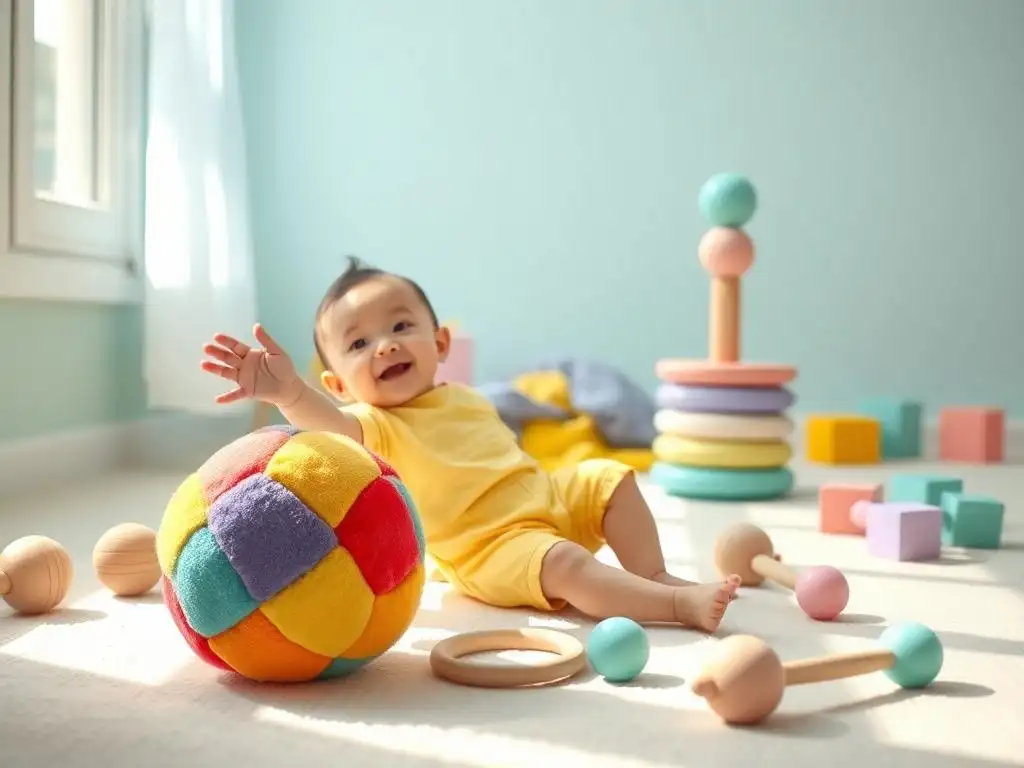
Welcome to BabyCareHub, your ultimate guide to navigating the incredible journey of parenthood! Are you ready to unlock your baby's full potential? We're diving deep into the world of baby play and gross motor skills, exploring how playtime can significantly boost your little one's physical development. Discover practical tips and engaging activities to foster healthy growth and watch your baby thrive. Let's embark on this exciting adventure together – learn how to maximize playtime for optimal development!
- Understanding Gross Motor Skills in Babies (0-12 Months)
- Baby Play for Gross Motor Skill Development: Activities by Age
- Choosing the Right Toys for Baby's Gross Motor Development
- Creating a Playful Environment to Support Gross Motor Skills
- The Importance of Parent-Child Interaction in Gross Motor Skill Development
- Monitoring Your Baby's Progress and Seeking Support
- Frequently Asked Questions
- Final Reflection: The Enduring Power of Play in Shaping Little Ones
- Unlock Your Baby's Potential: Start Playing Today!
Understanding Gross Motor Skills in Babies (0-12 Months)
The first year of your baby's life is a whirlwind of incredible growth and development, and a significant part of that journey involves the mastery of gross motor skills. This crucial developmental area encompasses the large muscle movements that allow your little one to navigate their world – from lifting their head to crawling, pulling themselves up, and eventually taking those first wobbly steps. Understanding these milestones and how play can actively support their achievement is key to fostering your baby's healthy development.
This article will explore the importance of gross motor skills in babies aged 0-12 months, outlining key developmental stages and offering practical playtime strategies to enhance your baby's progress. We'll delve into what constitutes typical development, highlight crucial milestones, and explain when to seek professional guidance if you notice any delays.
Remember, every baby develops at their own pace, but active engagement in playful activities can significantly contribute to healthy motor skill acquisition, boosting their confidence and overall well-being. Let's embark on this exciting journey of playful learning together!
Defining Gross Motor Skills: What They Are and Why They Matter
Gross motor skills refer to the larger movements your baby makes using their arms, legs, and torso. These skills are fundamental for mobility and independence. They are not just about physical movement; they contribute significantly to cognitive, social, and emotional development. Think about it: the simple act of reaching for a toy strengthens hand-eye coordination and problem-solving skills. Successfully rolling over boosts confidence and encourages exploration. Each milestone achieved builds upon the previous one, creating a positive feedback loop that fosters a sense of accomplishment and encourages further exploration.
Here's a breakdown of why mastering gross motor skills is so vital during the first year:
- Physical Development: Gross motor skills are the foundation for future physical activities like running, jumping, and climbing.
- Cognitive Development: The process of learning to control large muscle groups strengthens brain connections and improves problem-solving abilities.
- Social-Emotional Development: Achieving milestones builds confidence and encourages interaction with caregivers and the environment. The joy of successfully rolling over or crawling is a huge boost to a baby's self-esteem!
- Independence: As babies gain more control over their bodies, they become more independent, exploring their surroundings and engaging with their environment more actively.
Milestones in Gross Motor Development: Month-by-Month Guide
Tracking your baby's progress is a rewarding experience. While every child is unique, here's a general guideline of expected gross motor skill development during the first year. Remember, these are averages; some babies may achieve these milestones earlier or later.
| Month | Expected Gross Motor Skill Development |
|---|---|
| 1-3 Months | Lifting head while lying on tummy; kicking legs; reaching for objects. |
| 4-6 Months | Rolling over; sitting with support; pushing up on hands and knees. |
| 7-9 Months | Crawling; pulling themselves up to stand; cruising along furniture. |
| 10-12 Months | Standing independently; taking first steps; possibly walking. |
This table provides a general overview. Many babies will demonstrate variations in their developmental timeline, and that's perfectly normal! Focus on celebrating your baby's individual achievements and providing a supportive environment for their growth. Remember to consult with your pediatrician if you have any concerns.
Recognizing Delays: When to Seek Professional Help
While every baby develops at their own pace, it's important to be aware of potential delays. If your baby is consistently lagging behind the expected milestones outlined above, or if you notice any significant asymmetry in their movements (e.g., favoring one side of their body), it's crucial to seek professional help. Early intervention is key to addressing any underlying issues and maximizing your baby's developmental potential.
Some signs that warrant a consultation with your pediatrician or a developmental specialist include:
- Significant delays in achieving major milestones (e.g., not rolling over by 6 months, not crawling by 9 months).
- Muscle weakness or floppiness.
- Lack of head control at 4 months or older.
- Consistent asymmetry in movement (using one side of the body more than the other).
- Difficulty with weight-bearing on their legs.
Early intervention can often make a significant difference. Don't hesitate to reach out to your healthcare provider if you have any concerns about your baby's gross motor development. They can provide guidance, assessments, and if necessary, refer you to specialists for further evaluation and support. 👶
Baby Play for Gross Motor Skill Development: Activities by Age
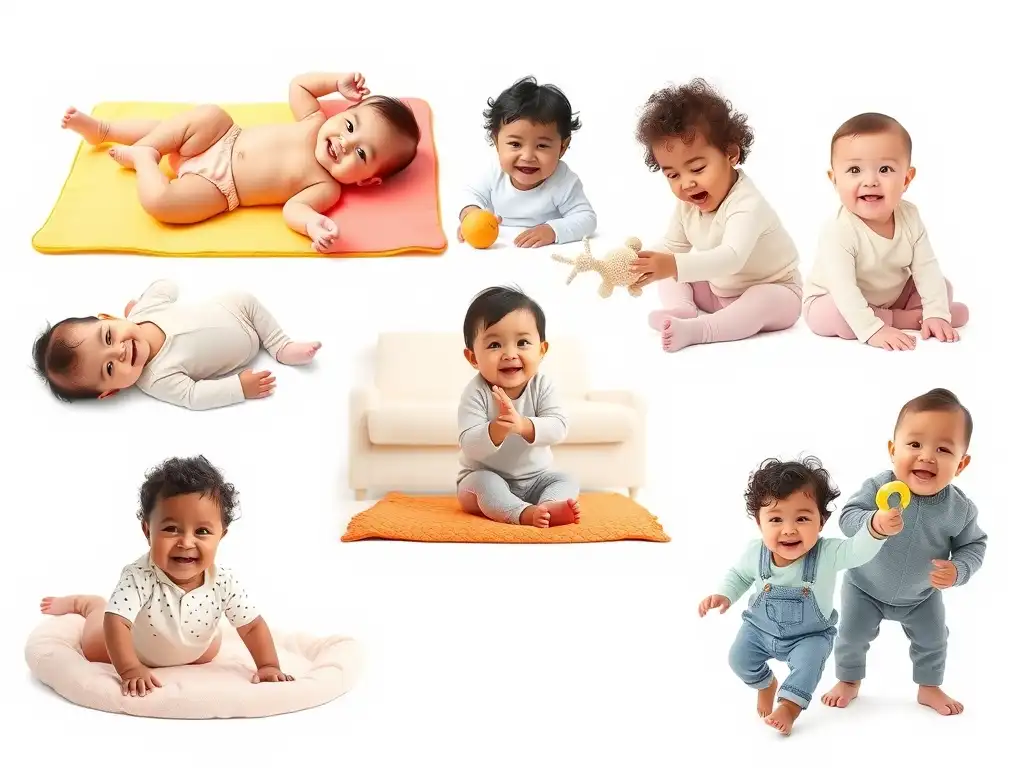
This section details age-appropriate playtime activities to boost your baby's gross motor skills, focusing on the crucial 0-6 month period. Remember, always supervise your baby during playtime and adjust activities based on their individual development and preferences. Consistent engagement with these types of baby play gross motor skills activities will significantly contribute to their overall physical development.
0-3 Months: Encouraging Early Movement and Sensory Exploration
Newborns may seem limited in their movement, but even at this young age, playtime is crucial for laying the foundation for future gross motor skill development. Focusing on tummy time and sensory stimulation is key during these early weeks.
Tummy Time Techniques for Strengthening Neck and Shoulder Muscles
Tummy time is not just about playtime; it's essential for strengthening neck and shoulder muscles, crucial for later rolling, crawling, and sitting. Start with short sessions (a few minutes at a time) several times a day. To make it more engaging:
- Place interesting toys within reach: Brightly colored rattles or mobiles can encourage your baby to lift their head and reach.
- Use a mirror: Babies are fascinated by their reflections! Placing a mirror in front of them during tummy time can provide visual stimulation and encourage head lifting.
- Change positions: Vary the surface; sometimes a soft blanket, other times a firm surface like a playmat.
- Talk and sing: Engage your baby with your voice to make tummy time a positive and interactive experience. This also encourages head turning to locate the sound source.
Remember, consistency is key. Even short, frequent tummy time sessions are more effective than infrequent, longer ones. Observe your baby's cues; if they seem frustrated or tired, take a break.
Sensory Play: Engaging Your Baby's Senses Through Touch and Sound
Sensory play at this age focuses on stimulating your baby's senses to promote awareness and encourage movement.
- Different textures: Offer a variety of textured toys or cloths – soft fleece, crinkly paper, smooth silk. This helps them develop tactile awareness.
- Sound exploration: Use rattles, musical toys, or even your own voice to engage their hearing. Vary the sounds and observe their reactions.
- Visual stimulation: Hang mobiles above their crib or playmat with contrasting colors and patterns to capture their attention. This encourages head turning and eye tracking.
These activities, while seemingly simple, are fundamental in stimulating brain development and preparing your baby for more complex motor skills. The key is to provide a variety of stimulating experiences, always keeping safety as the top priority.
3-6 Months: Building Strength and Coordination
As your baby grows stronger, playtime activities should focus on building strength, coordination, and spatial awareness. They'll be starting to explore more complex movements, such as reaching, grasping, and rolling over.
Reaching and Grasping Activities: Toys and Games to Promote Dexterity
This stage is all about refining hand-eye coordination. Provide toys that encourage reaching and grasping:
- Large, soft blocks: These are easy for little hands to grasp and manipulate.
- Textured balls: Different textures provide additional sensory input and encourage grasping.
- Rattles with different sounds: This encourages reaching and shaking, building hand strength.
- Teethers: Satisfy teething needs while promoting hand-to-mouth coordination.
Remember to offer a variety of toys to maintain interest and challenge their developing skills. Observe how they interact with each toy; this will help you understand their preferences and adjust accordingly.
Rolling Over Games: Encouraging Movement and Spatial Awareness
Rolling over is a significant milestone. Encourage this by:
- Positioning toys just out of reach: This motivates them to roll to access the toy.
- Gentle encouragement: Gently guide their limbs to help them roll over, but always respect their own pace.
- Play on different surfaces: A firm surface encourages rolling, while a softer surface provides cushioning.
- Singing songs and making sounds: This keeps them engaged and motivates them to move.
By providing a stimulating and safe play environment, you'll be supporting your baby's development of crucial baby play gross motor skills and setting them up for success in their future motor milestones. Remember to celebrate every small achievement!
6-9 Months: Sitting, Crawling, and Pulling Up
This period marks a significant leap in gross motor development. Babies are transitioning from primarily lying down to exploring the world in a more upright and mobile manner. This involves strengthening core muscles, improving balance, and coordinating limbs for sitting, crawling, and eventually pulling themselves up. Parents can play a crucial role in supporting this development through carefully chosen activities and a safe environment.
Supporting Your Baby's Sitting Skills: Safe and Engaging Activities
Helping your baby develop strong sitting skills is key to their later mobility. Start by providing ample supervised tummy time, which strengthens neck and back muscles. Once your baby can sit with some support, use pillows strategically to provide a secure, comfortable environment. Engage them with interactive toys placed just out of reach, encouraging them to reach and maintain their sitting position.
Simple games like peek-a-boo, while they are sitting, add an element of fun and encourage sustained sitting. Remember to always supervise your baby closely during these activities to prevent falls. Consider using a baby seat that offers good support and allows for some movement, but never leave your baby unattended in any type of baby seat. Remember that every baby develops at their own pace; don't compare your baby's progress to others.
Crawling Encouragement: Creating a Stimulating Environment
Crawling is a crucial stepping stone to walking. To encourage crawling, create a stimulating environment with interesting objects placed just beyond your baby's reach. A brightly colored playmat with different textures can be highly engaging. Consider placing toys on a slightly elevated surface to encourage reaching and pulling themselves forward.
You can also use music or songs to motivate your baby and encourage them to move towards the sound. Remember to clear the area of any hazards, such as electrical cords or small objects that could be choking hazards. Providing a safe, soft space is essential for exploration and prevents injuries. Some babies may skip crawling altogether and move directly to walking; this is perfectly normal.
Pulling Up and Cruising: Building Leg Strength and Balance
Around 8-9 months, many babies begin pulling themselves up to a standing position using furniture for support. This is a significant milestone requiring considerable leg strength and balance. To support this, provide sturdy furniture with rounded edges and avoid anything that could easily tip over. Encourage this behavior by placing interesting toys on low surfaces, tempting your baby to pull themselves up to reach them.
Remember to always supervise your baby during this stage. Cruising—walking while holding onto furniture—is the next step, further developing leg strength and coordination. A safe, spacious environment allows your baby to practice this new skill confidently. Remember, patience and encouragement are key; some babies may take longer than others to master these skills.
9-12 Months: Walking and Exploring
This age range is characterized by increasing mobility and independence. Babies are mastering walking, exploring their environment with newfound freedom, and refining their gross motor skills. Providing a safe and stimulating environment is paramount at this stage.
First Steps: Encouraging Independent Movement
The first steps are a momentous occasion for both baby and parents! Encourage independent movement by creating a safe space with soft flooring and removing any obstacles. Holding your baby's hands and gently guiding them as they take their first steps can provide support and confidence. However, avoid over-assisting, allowing them to find their own balance and rhythm. Remember to celebrate every little achievement and offer lots of encouragement. It is crucial to be patient and avoid pressure; every child develops at their own pace.
Walking Toys and Activities: Promoting Balance and Coordination
Walking toys, such as push-and-pull toys, can help improve balance and coordination. These toys encourage your baby to walk while maintaining their balance. Simple activities like playing ball (soft, large balls) can also enhance their motor skills. Remember to supervise your baby during these activities. Choose toys that are age-appropriate and safe. Avoid toys with small parts that could pose a choking hazard.
Safe Play Environments for Mobile Babies
As your baby becomes more mobile, ensuring a safe environment is crucial. Baby-proof your home thoroughly, securing any potential hazards such as electrical outlets, sharp corners, and toxic substances. Install safety gates at the top and bottom of stairs. Opt for soft flooring to cushion any falls. Regularly inspect your home for any potential dangers. A safe play environment allows your baby to explore and develop their gross motor skills without the risk of injury. Regularly review and update your baby-proofing measures as your child's mobility and curiosity increase.
Choosing the Right Toys for Baby's Gross Motor Development
Selecting the appropriate toys is crucial for fostering your baby's gross motor skill development. It's not just about buying the most colorful or expensive toys; it's about choosing items that challenge and encourage movement in a safe and engaging way. Remember, the goal is to stimulate your baby's natural inclination to explore and develop their physical abilities. This section focuses on practical advice for selecting toys that effectively contribute to your baby's progress in achieving key developmental milestones related to "baby play gross motor skills".
Safe Toy Selection: Considering Age and Safety Standards
Safety should always be the top priority when choosing toys for your baby. Always check for age appropriateness, indicated by labels and warnings on the packaging. Look for toys that meet or exceed safety standards established by relevant organizations. Avoid small parts that could pose a choking hazard, especially during the crucial first year when babies are exploring their world through their mouths.
Here's a checklist to ensure safe toy selection:
- Age Appropriateness: Always verify the age range recommended on the packaging.
- Material Safety: Opt for non-toxic, durable materials that can withstand your baby's enthusiastic play. Avoid brittle or easily breakable toys.
- Small Parts: Ensure that there are no detachable small parts that could be swallowed.
- Sharp Edges or Points: Check for any sharp edges or points that might cause injury.
- Proper Labeling: Make sure the toy has clear and legible labels indicating the manufacturer and safety information.
Consider the following examples: A rattle designed for a 3-month-old will likely be too simple for a 9-month-old, who needs more challenging toys to stimulate further development of their "baby play gross motor skills". Similarly, a toy with small, detachable pieces is unsafe for a baby who is still putting everything in their mouth.
Types of Toys that Promote Gross Motor Skills: A Buyer's Guide
The market offers a wide array of toys designed to encourage gross motor skill development. However, understanding the different types and their benefits is essential for making informed choices. The right toy can significantly impact your baby's progress in mastering crucial skills like crawling, sitting, standing, and walking.
Here's a categorized guide to help you navigate your options:
| Toy Category | Description | Benefits for Gross Motor Skills | Age Range (Approximate) |
|---|---|---|---|
| Activity Gyms/Playmats | Overhead mobiles and playmats with various textures and hanging toys. | Encourages reaching, grasping, kicking, and strengthens neck and shoulder muscles. | 0-6 months |
| Stacking Toys | Rings, cups, or blocks of varying sizes to be stacked. | Develops hand-eye coordination, problem-solving, and improves fine motor skills, indirectly supporting gross motor development. | 6-12 months |
| Push and Pull Toys | Toys that encourage your baby to push or pull themselves along. | Strengthens leg muscles, improves balance, and promotes walking. | 9-12 months |
| Balls | Soft balls of different sizes and textures. | Encourages crawling, rolling, throwing, and catching. | 6-12 months |
| Ride-on Toys | Simple ride-on toys with handles or supports. | Improves balance, coordination, and strengthens leg muscles. | 12+ months |
Remember to choose toys that are age-appropriate and cater to your baby's current developmental stage.
Adapting Toys for Different Developmental Stages
The toys that engage your baby at 3 months will likely be less stimulating at 9 months. Adapting the play environment and the toys themselves is crucial for continued progress in "baby play gross motor skills". This means adjusting the challenge level to maintain your baby's interest and encourage further development.
Here are some strategies for adapting toys:
- Modifying Play Surfaces: A soft playmat might be suitable for a younger baby, while a larger, more open space is better for a more mobile baby.
- Adjusting Toy Placement: Place toys slightly out of reach to encourage your baby to reach, crawl, or pull themselves closer.
- Introducing New Challenges: Once your baby masters a skill, introduce slightly more challenging toys to keep them engaged and learning.
- Interactive Play: Engage in interactive play with your baby, demonstrating how to use the toys and encouraging them to explore different movements.
For example, a simple rattle might be sufficient for a newborn, but as your baby grows and develops, you might introduce more complex toys like stacking cups or a push-and-pull toy to enhance their "baby play gross motor skills" and challenge their developing abilities. Remember that consistent engagement and adaptation are key to maximizing the benefits of playtime for your baby's development.
Creating a Playful Environment to Support Gross Motor Skills
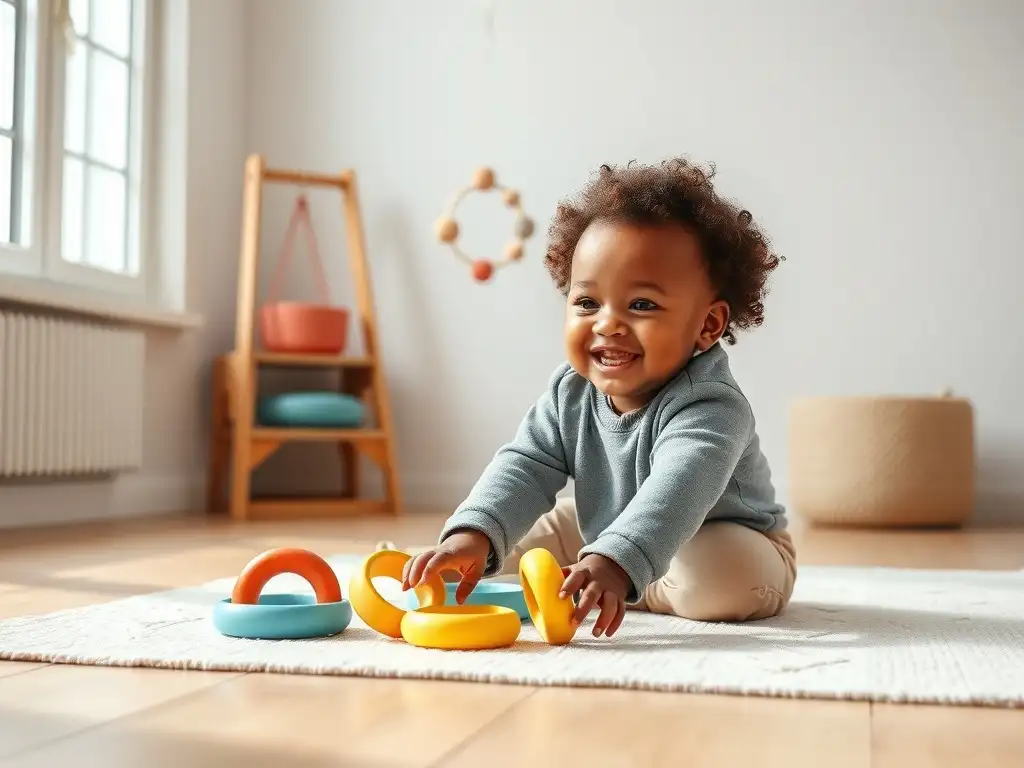
This section focuses on how to create a stimulating and safe environment to encourage your baby's gross motor skill development. Remember, safety is paramount, so every element should be carefully considered with your little one's well-being in mind. We'll explore baby-proofing, dedicated play areas, and incorporating play into everyday activities.
This holistic approach ensures consistent opportunities for your baby to practice and refine their burgeoning motor skills. The goal is to foster a playful atmosphere that promotes natural movement and exploration, contributing significantly to their development journey. Early interventions in creating a supportive environment for "baby play gross motor skills" are key to building a strong foundation for future physical abilities.
Baby-Proofing Your Home for Safe Exploration
Before diving into stimulating play activities, ensuring your home is safe for your crawling, rolling, and soon-to-be-walking baby is crucial. This isn't just about preventing injuries; it's about creating a space where your baby feels confident to explore freely, a prerequisite for developing gross motor skills. Think of it as creating a "baby gym" encompassing your entire home.
Consider these essential baby-proofing steps:
- Cover electrical outlets: Use safety covers to prevent shocks.
- Secure furniture: Anchor tall furniture to the walls to prevent tipping.
- Remove small objects: Anything that could be a choking hazard should be out of reach.
- Pad sharp corners: Corner guards can significantly reduce the risk of bumps and bruises.
- Install safety gates: Block off stairs and other hazardous areas.
- Secure cords and wires: Keep electrical cords and other potentially dangerous cords out of reach.
- Lock up cleaning supplies: Store all cleaning products and medications in securely locked cabinets.
Regularly check for potential hazards as your baby grows and develops new mobility skills. Remember, a safe environment isn't just about preventing accidents; it's about fostering confidence and encouraging independent exploration, which are vital components of healthy gross motor development. This proactive approach to "baby play gross motor skills" safety ensures a positive and productive playtime experience.
Setting Up a Dedicated Play Area
While baby-proofing the entire home is essential, creating a dedicated play area provides a focused space for your baby to practice their gross motor skills. This area should be spacious, safe, and filled with age-appropriate toys and activities. The goal is to create a stimulating environment that encourages movement and exploration.
Here are some ideas for setting up your baby's dedicated play area:
- Soft flooring: Use rugs or mats to cushion falls and provide a comfortable surface for playing.
- Open space: Ensure there is ample space for your baby to crawl, roll, and eventually walk.
- Age-appropriate toys: Include toys that encourage movement, such as balls, rattles, and soft blocks.
- Variety of textures: Introduce different textures through blankets, pillows, and toys to stimulate sensory development alongside motor skill development.
- Visual stimulation: Hang mobiles or colorful decorations to capture your baby's attention and encourage reaching and stretching.
The design should evolve as your baby grows. What works for a 3-month-old won't necessarily work for a 9-month-old. Regularly assess and adjust the play area to accommodate your baby's developmental progress and changing needs. This dedicated space directly supports the development of "baby play gross motor skills" in a structured, yet fun, way.
Incorporating Play into Daily Routines
Don't limit playtime to a designated area or time slot. Integrating play into your daily routines provides consistent opportunities for your baby to practice their gross motor skills. This can be as simple as tummy time during diaper changes or incorporating movement into bath time.
Here are some examples of how to incorporate play into daily routines:
| Routine | Activity | Gross Motor Skill Development |
|---|---|---|
| Diaper Changes | Tummy time with colorful toys | Strengthens neck and back muscles, improves head control |
| Bath Time | Floating toys, splashing, reaching for toys | Encourages reaching, grasping, and improves coordination |
| Feeding Time | Sitting upright in a high chair, reaching for food | Improves posture, strengthens core muscles, and hand-eye coordination |
| Floor Playtime | Crawling, rolling, pushing toys | Improves mobility, strengthens limbs, and develops balance |
| Dress Up/Undress | Kicking legs, waving arms during clothing changes | Improves leg and arm strength, coordination, and body awareness |
By creatively integrating play into everyday activities, you create a rich and stimulating environment that promotes your baby's gross motor skill development naturally and effectively. This unobtrusive approach to "baby play gross motor skills" training ensures consistent progress without feeling like structured lessons. The key is to make it fun and engaging for both you and your baby!
The Importance of Parent-Child Interaction in Gross Motor Skill Development
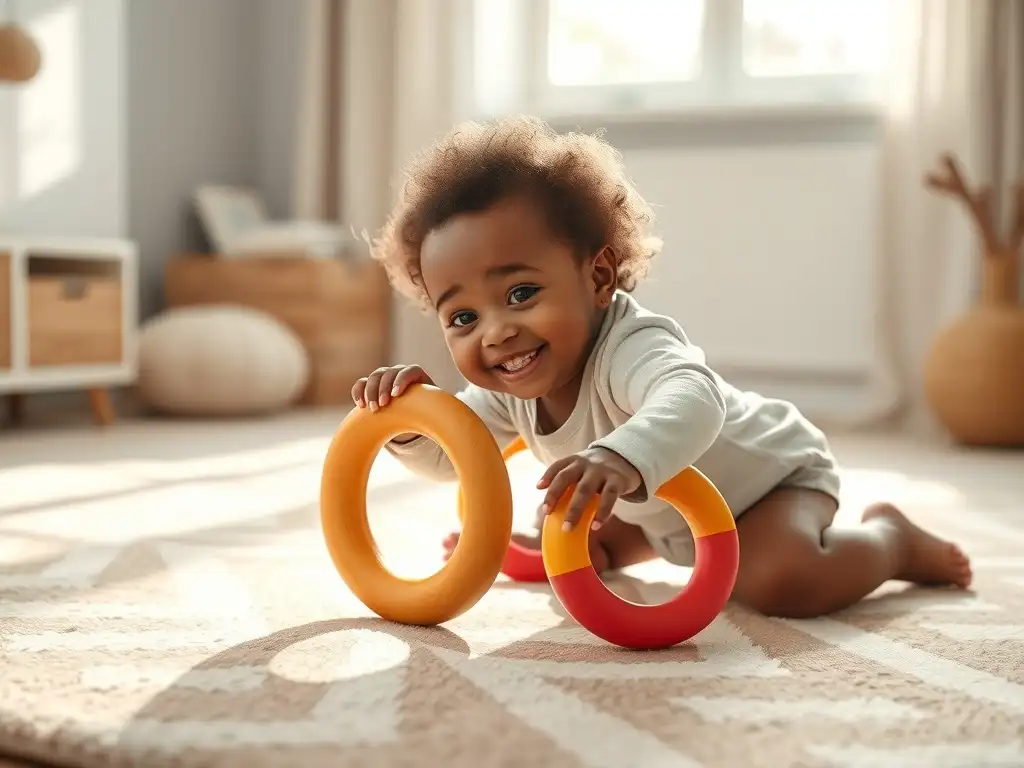
Parent-child interaction is paramount in fostering a baby's gross motor skill development. It's not just about providing toys; it's about actively engaging with your baby during playtime. This active participation creates a nurturing environment where your baby feels safe to explore and develop their physical abilities. Research consistently shows that babies who receive consistent, responsive interaction from caregivers demonstrate faster and more significant progress in achieving developmental milestones, including those related to gross motor skills. This responsive interaction creates a positive feedback loop, encouraging further exploration and strengthening the neural pathways associated with movement and coordination. The simple act of playing with your baby isn't just enjoyable; it's a crucial investment in their future physical development. Think of it as laying the foundation for a lifetime of physical activity and coordination. The more engaged you are, the more your baby will be stimulated to move, reach, and explore their world.
Responding to Your Baby's Cues: Encouraging Engagement
Observing and responding to your baby's cues is key to successful playtime focused on gross motor skill development. A baby's body language often speaks volumes. For example, a baby who is reaching for a toy is indicating a desire to engage in movement. Responding promptly by placing the toy within their reach encourages them to stretch, reach, and potentially roll or crawl to get it.
Similarly, if your baby is showing signs of fatigue or frustration, it's essential to recognize these cues and adjust the playtime accordingly. Forcing interaction when a baby is tired or overwhelmed can have the opposite effect, potentially hindering their development. Remember that playtime should be a positive experience, not a stressful one.
Consider these examples:
- Reaching: If your baby reaches for a toy, place it slightly out of reach to encourage them to stretch and strengthen their arm muscles.
- Kicking: Hang a brightly colored toy above your baby's crib to encourage them to kick and strengthen their leg muscles.
- Rolling: Gently roll your baby from back to side, offering support and encouragement. This helps them to understand the movement and build strength.
- Crying: If your baby cries during playtime, it might be a signal of discomfort or overstimulation. Take a break and try again later.
Responding appropriately to your baby's cues builds trust and fosters a secure attachment, which positively impacts their overall development, including gross motor skills. It's a delicate balance between encouraging effort and respecting their limitations.
Positive Reinforcement and Encouragement
Positive reinforcement is crucial in encouraging your baby to develop their gross motor skills. Verbal praise, smiles, and enthusiastic encouragement can significantly boost your baby's confidence and motivation. Even a simple "Good job!" or a cheerful "You did it!" can make a big difference. Remember, babies are learning, and even small successes should be celebrated. This positive feedback loop strengthens their desire to repeat the action and further develop their abilities. Avoid harsh criticism or negative reactions, as these can be discouraging and may hinder their progress.
Think about how you would react if someone criticized your efforts to learn a new skill. The same principle applies to your baby. Your encouragement and positive feedback are essential building blocks in their development journey. Celebrate every milestone, no matter how small, and focus on the effort rather than solely on the outcome. This approach fosters a positive learning environment and encourages your baby to keep trying, even when faced with challenges.
Making Playtime Fun and Engaging
Making playtime fun and engaging is key to maximizing its effectiveness in developing gross motor skills. Remember that babies learn best through play. Incorporate a variety of activities that stimulate different muscle groups and encourage various movements. Use brightly colored toys, music, and interactive games to keep your baby's attention and motivation high. Variety is key! Avoid sticking to the same activities repeatedly, as this can lead to boredom and decreased engagement.
Here are some ideas for fun and engaging activities:
- Tummy time: Place your baby on their tummy for short periods throughout the day. This helps strengthen their neck, shoulder, and back muscles.
- Interactive games: Play peek-a-boo, sing songs with actions, and use toys that encourage reaching, grasping, and rolling.
- Baby massage: Gentle massage can help relax your baby's muscles and improve their range of motion.
- Floor time: Create a safe and stimulating environment on the floor with soft toys, blankets, and pillows. This allows your baby to explore their environment freely.
Remember that consistency and patience are essential. Even short, regular playtime sessions can significantly contribute to your baby's gross motor skill development. The key is to create a fun and positive experience that encourages your baby to explore, move, and grow. By actively engaging with your baby and providing a supportive environment, you can help them reach their full developmental potential.
Monitoring Your Baby's Progress and Seeking Support
Developing strong gross motor skills is a crucial part of your baby's overall development. While every baby progresses at their own pace, consistent monitoring allows you to celebrate achievements and identify potential areas needing attention. This section focuses on practical strategies for tracking your baby's milestones and understanding when professional guidance might be beneficial. Remember, early intervention can make a significant difference in a child's development. This is especially important when considering "baby play gross motor skills".
Tracking Milestones: Using Developmental Charts
Developmental charts provide a general guideline for typical gross motor skill progression. They shouldn't be used as a strict measure of your baby's capabilities, but rather as a tool to understand the expected range of development. Many free and readily available charts categorize milestones by age, detailing expected abilities like head control, rolling over, sitting, crawling, and standing.
For example, a typical 6-month-old might be able to sit unsupported for a short period, roll from tummy to back, and perhaps even begin to show signs of crawling. By 9 months, many babies can crawl confidently, pull themselves up to stand, and even take a few steps while holding onto furniture. These are just averages; your baby might reach these milestones earlier or later.
It’s important to note the nuances within developmental charts. Some focus on specific age ranges (e.g., 0-3 months, 4-6 months) while others span the entire first year. Choose a chart that aligns with your baby's age and offers detailed descriptions of the milestones. Remember to observe your baby's progress holistically, not just focusing on a single point in time. The consistent practice of "baby play gross motor skills" activities will help track progress.
When to Consult a Pediatrician or Specialist
While developmental charts are helpful, they are not diagnostic tools. If you have concerns about your baby's gross motor development, don't hesitate to consult your pediatrician or a developmental specialist. Several red flags might indicate a need for professional evaluation:
- Significant delays: If your baby is consistently lagging behind the expected milestones by a considerable margin, professional assessment is warranted.
- Asymmetry: Noticeable differences in strength or movement between the left and right sides of the body.
- Lack of progress: A plateau in development, where your baby isn't showing any new skills over an extended period.
- Unusual movements: Jerky movements, tremors, or unusual postures.
- Low muscle tone (hypotonia): Your baby appears floppy or unusually limp.
Early intervention is key. A pediatrician or specialist can conduct a thorough assessment, identify potential underlying issues (if any), and recommend appropriate interventions such as physical therapy or other specialized care. Addressing any concerns promptly can significantly impact your baby's long-term development.
Resources for Parents: Support Groups and Online Communities
Parenting can be challenging, and connecting with other parents facing similar experiences can provide invaluable support and reassurance. Numerous resources exist to help you navigate your baby's development, including:
- Online forums and communities: Many online platforms offer spaces for parents to share experiences, ask questions, and exchange advice on child development. These communities can provide a sense of belonging and offer a wealth of information from other parents.
- Support groups: Local support groups often meet regularly, providing opportunities for in-person interaction and shared experiences. These groups can offer practical tips, emotional support, and a sense of community.
- Parenting books and educational resources: Numerous books and websites offer detailed information on child development, providing evidence-based guidance on fostering your baby's growth. These resources can supplement the information you receive from your pediatrician and other professionals.
Remember, you are not alone in this journey. Utilizing these resources can help you gain confidence in supporting your baby's development and celebrating their milestones as they reach each new stage of "baby play gross motor skills" development. The journey of raising a child is a rewarding one, and having access to support and knowledge can make it even more fulfilling.
Frequently Asked Questions
What are gross motor skills?
Gross motor skills are large muscle movements, such as crawling, walking, jumping, and throwing. These skills are crucial for a baby's overall development and independence. Developing these skills is a key part of a baby's growth.
How can playtime help my baby develop gross motor skills?
Playtime provides opportunities for practice. Activities like tummy time, rolling, and reaching for toys encourage the development of strength and coordination needed for gross motor skills. Make playtime fun and interactive!
What are some age-appropriate gross motor activities for my baby?
For newborns, tummy time is key. As they grow, introduce activities like rolling, sitting, crawling, and pulling themselves up. Always supervise your baby during playtime.
When should I be concerned about my baby's gross motor development?
If your baby is significantly behind developmental milestones, such as not rolling over by 6 months or crawling by 12 months, consult your pediatrician. Early intervention is crucial for addressing any potential delays.
Where can I find more information about baby gross motor skill development?
BabyCareHub offers a comprehensive guide on baby development, including detailed information on gross motor skills and age-appropriate activities. Check out our other resources for more tips and advice!
Final Reflection: The Enduring Power of Play in Shaping Little Ones
The simple act of play is not merely entertainment; it's the foundational building block of a child's physical and cognitive development. Understanding this crucial link between playtime and gross motor skill acquisition is more vital than ever in our increasingly screen-dominated world. We need to actively champion play as a fundamental right for every child, ensuring they have the opportunities to thrive physically and mentally.
The impact of play extends far beyond the immediate benefits of improved motor skills. It shapes a child's confidence, fosters creativity, and builds crucial social-emotional intelligence. Play is the highest form of research.
- Albert Einstein. This quote perfectly encapsulates the inherent value of unstructured playtime, allowing children to explore their world, experiment with movement, and learn through trial and error. Observing my own children's development has profoundly reinforced this truth; their joyous exploration during playtime has been nothing short of inspiring.
Now, consider your own role in fostering this crucial development. What kind of play environments are you creating for the little ones in your life? Are you providing ample opportunities for exploration, movement, and joyful discovery? Take a moment to reflect on this, and actively seek ways to integrate more playful, movement-based activities into their daily routines. Let's together champion the power of play and help nurture a generation of confident, physically capable, and joyful children.
Unlock Your Baby's Potential: Start Playing Today!
Thank you for learning how playtime significantly contributes to your baby's development! We hope you found the information on the importance of play in enhancing gross motor skills valuable. Now let's put that knowledge into practice.
- Create a stimulating play environment: Consider tummy time on a textured blanket, a soft play mat, or a safe area where your baby can roll and explore freely. Focus on creating a space that encourages movement and exploration.
- Share your baby's playtime achievements: Capture your little one's joyful discoveries with a photo or video and share it with other parents on our BabyCareHub community forum! Let's inspire and support each other.
- Introduce a new activity: Try one new activity from the article—something you haven't done before. Even a small change can make a big difference in your baby's development.
Ready to witness your baby's amazing progress? What new activity are you most excited to try today?