
ProblemSolving Prowess: How Babies Learn to Overcome Challenges in the First Year

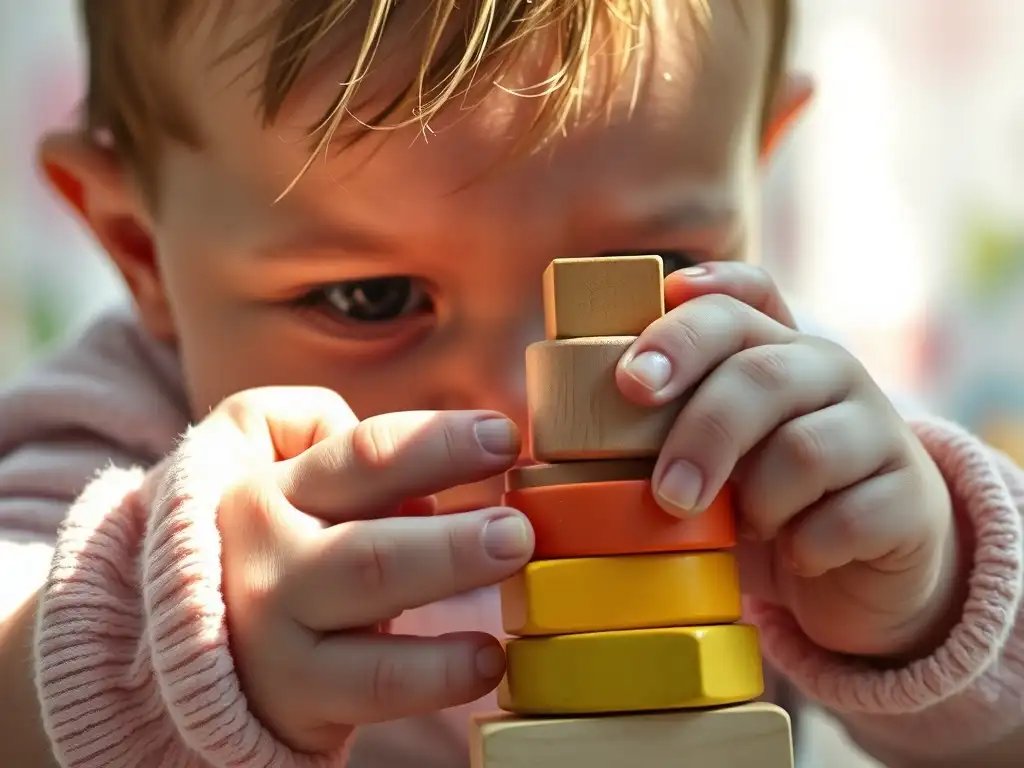
Welcome to BabyCareHub, your ultimate guide to navigating the incredible journey of parenthood! Are you ready to unlock the secrets behind your little one's amazing development? We delve into the fascinating world of baby problem solving skills, exploring how those tiny humans learn to conquer challenges from day one.
Discover the surprising ways your baby learns to overcome obstacles and gain invaluable insights into their cognitive growth in our in-depth article, "ProblemSolving Prowess: How Babies Learn to Overcome Challenges in the First Year," found within our Developmental Milestones section. Prepare to be amazed by your baby's capabilities – and learn how to support their incredible journey!
- Understanding Baby Problem-Solving Skills Development
- The Role of Play in Baby's Problem-Solving Development
- Supporting Your Baby's Problem-Solving Journey
- Common Challenges and How to Help Your Baby Overcome Them
- Milestones in Baby Problem Solving Skills: A Month-by-Month Guide
-
Frequently Asked Questions
- How do babies develop problem-solving skills in their first year?
- What are some signs that my baby is developing good problem-solving skills?
- At what age do babies typically start showing problem-solving abilities?
- How can I encourage my baby's problem-solving skills?
- What should I do if my baby seems to struggle with problem-solving tasks?
- Final Reflection: The Unsung Genius of Baby Problem-Solving
- Unlock Your Baby's Problem-Solving Potential!
Understanding Baby Problem-Solving Skills Development
From the moment they're born, babies are actively learning and adapting to the world around them. This isn't just about physical growth; it's a complex process of cognitive development, and a crucial aspect of this is the development of problem-solving skills. This article will explore how babies learn to overcome challenges in their first year, highlighting key developmental milestones and offering insights into the fascinating journey of a baby's growing intellect.
Understanding these developmental stages can help parents appreciate their baby's progress and support their cognitive growth. We'll examine the early signs of problem-solving, the progression of abilities during different stages of infancy, and the impressive problem-solving capabilities babies develop by nine months of age. This exploration of "baby problem solving skills" will equip parents with valuable knowledge to nurture their child's burgeoning cognitive abilities.
Early Signs of Problem-Solving in Infants: 0-3 Months
Even in their first three months, babies demonstrate nascent problem-solving skills. While not overtly complex, these early signs lay the foundation for future cognitive development. These abilities are often subtle and may not resemble the problem-solving we associate with older children. Instead, look for these indicators:
- Responding to Stimuli: Newborns instinctively turn their heads towards sounds, demonstrating a rudimentary form of problem-solving—locating the source of a stimulus.
- Sucking Reflex Adaptation: Babies quickly adapt their sucking technique to different nipples or pacifiers, showcasing their ability to adjust their behavior to achieve a goal (feeding).
- Visual Tracking: Following moving objects with their eyes shows developing cognitive skills and the ability to process visual information to solve the "problem" of tracking movement.
- Grasping Reflex: Although initially a reflex, the gradual refinement of the grasping reflex, and the increasing precision in reaching for objects, reflects a growing ability to solve the "problem" of object acquisition.
These seemingly simple actions represent the initial steps in a baby's problem-solving journey. They demonstrate the infant's capacity to process sensory information and adapt their behavior to achieve basic goals. The consistent interaction with caregivers during this period plays a crucial role in stimulating this early problem-solving development.
Developing Problem-Solving Abilities: 3-6 Months
Between three and six months, babies' problem-solving skills significantly advance. They become more adept at understanding cause and effect and exhibit more purposeful actions. Observe these key developments:
- Reaching and Grasping: Babies become more proficient at reaching for and grasping objects, demonstrating improved hand-eye coordination and a more sophisticated understanding of object manipulation. They might even attempt to reach for objects out of sight, suggesting an emerging understanding of object permanence.
- Exploring Objects: Babies actively explore objects using their mouths, hands, and eyes, learning about their properties (texture, shape, sound). This exploration is a crucial problem-solving process, allowing them to build a mental model of the world around them.
- Anticipating Actions: They begin to anticipate actions, for instance, reaching out to grab a toy they see someone holding, showcasing their growing understanding of the relationship between actions and outcomes.
- Simple Problem Solving: They might attempt to solve simple problems, like shaking a rattle to make a noise or pushing a button to activate a toy. These actions indicate a developing ability to understand cause and effect and use their actions to achieve desired results.
This period is characterized by a significant leap in their ability to interact with their environment and solve simple problems. Providing a stimulating and safe environment with a variety of age-appropriate toys and activities is essential to support this rapid development.
Advanced Problem-Solving Skills: 6-9 Months
By six to nine months, babies display remarkable problem-solving abilities. Their actions become more intentional and demonstrate a growing understanding of object permanence, cause and effect, and the means to achieve goals. Here's what you might see:
- Object Permanence: Babies actively search for hidden objects, showing a clear understanding that objects continue to exist even when out of sight. This is a major cognitive milestone.
- Goal-Directed Behavior: Their actions become increasingly goal-directed. They might use tools to achieve a goal, like using a stick to reach a toy that's out of reach.
- Trial and Error: Babies experiment with different approaches to solve problems, using trial and error to learn what works and what doesn't. This is a crucial learning process.
- Problem Solving with Multiple Steps: They might begin to solve problems that require multiple steps, for example, removing a blanket to reach a toy underneath. This demonstrates a growing ability to plan and sequence actions.
This period highlights the rapid cognitive development of babies. Their problem-solving skills become increasingly sophisticated, reflecting their growing understanding of the world and their ability to interact with it effectively. Continued interaction, exploration, and opportunities for problem-solving are crucial for supporting their development. The emergence of these advanced problem-solving skills marks a significant leap in their cognitive journey.
Mastering Challenges: 9-12 Months
Between nine and twelve months, your baby's problem-solving skills truly blossom. They're no longer just reacting to stimuli; they're actively seeking solutions. This period marks a significant leap in their cognitive development, showcasing their growing understanding of cause and effect. You'll witness a remarkable increase in their ability to plan simple actions to achieve a desired outcome. This is a fascinating stage to observe, filled with delightful "aha!" moments.
One key development is the mastery of object permanence. While this understanding begins earlier, it solidifies around this age. Your baby now understands that objects continue to exist even when they can't see them.
This dramatically impacts their problem-solving abilities. For example, if a toy is hidden under a blanket, they will actively search for it, demonstrating their understanding of the toy's continued existence and their ability to plan the action of lifting the blanket. This isn't just about finding the toy; it's about understanding the relationship between their action (lifting the blanket) and the desired outcome (finding the toy).
Another significant milestone is the development of more complex motor skills. Babies at this age become adept at manipulating objects, using tools, and coordinating movements. They might pull a string to retrieve a toy, stack blocks, or even use a spoon to feed themselves, all demonstrating sophisticated problem-solving skills. These actions require planning, coordination, and an understanding of how different actions lead to different results.
The seemingly simple act of stacking blocks, for instance, requires understanding spatial relationships, planning the placement of each block, and correcting errors if the tower falls. This is a testament to their rapidly developing cognitive abilities. They are not just playing; they are actively learning and refining their problem-solving strategies.
Furthermore, you'll notice a significant increase in their experimentation. They'll try different approaches to solve a problem, learning from their successes and failures. If one method doesn't work, they'll often try another, showcasing their burgeoning resilience and adaptability. This trial-and-error approach is crucial for their cognitive development and lays the foundation for future problem-solving skills.
Observing this process is a rewarding experience for parents, as it highlights their baby's growing intelligence and determination. It's a clear indication that they are actively engaging with their environment and learning how to navigate it effectively. This active engagement and persistent exploration are key indicators of healthy cognitive development and strong problem-solving abilities. 🎉
This period also sees the emergence of more complex symbolic thinking. They may begin to understand that a picture represents a real object, or that a gesture signifies a particular action. This development allows them to use symbolic representation to solve problems, a significant step towards more abstract thinking. For example, they may point to a picture of a dog and then look for the actual dog, showing an understanding of the connection between the image and the object it represents.
This enhanced symbolic thinking further enhances their problem-solving capabilities, enabling them to tackle more complex challenges. The development of these skills at this age is a crucial stepping stone for future academic and life success. It's a time of remarkable growth and learning, offering parents a window into their baby's rapidly developing mind.
The Role of Play in Baby's Problem-Solving Development
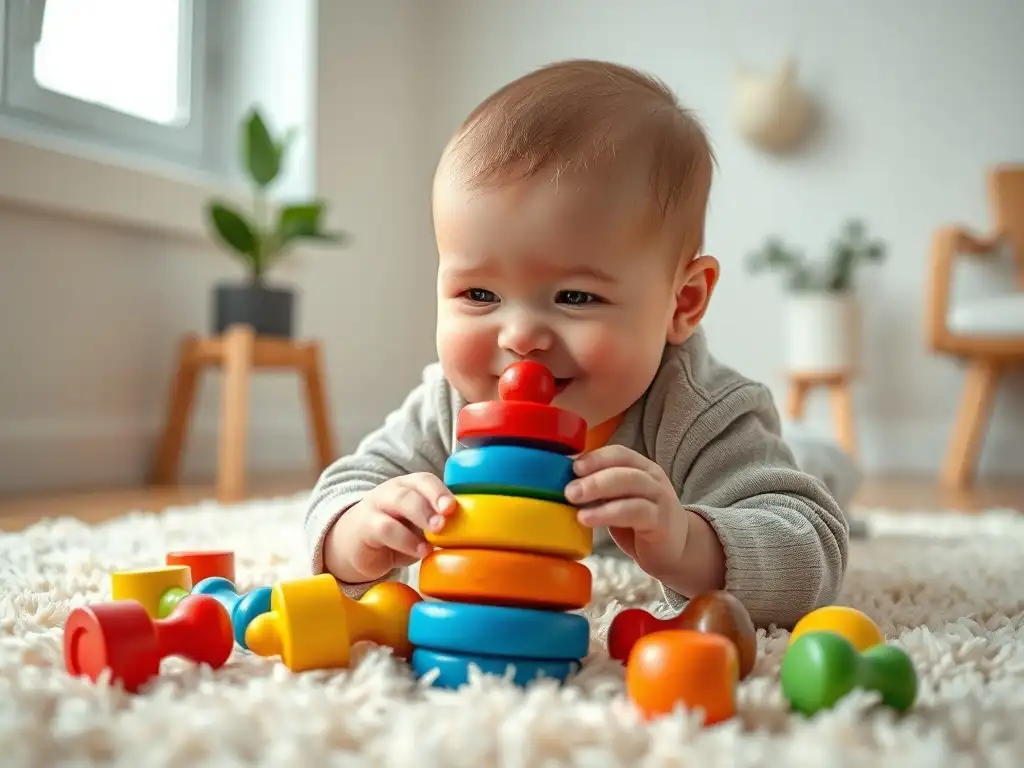
Play isn't just fun; it's a cornerstone of a baby's cognitive development, significantly impacting their problem-solving skills. From the earliest months, babies begin to learn cause and effect – shaking a rattle to hear the sound, dropping a toy to see it fall. These seemingly simple actions are crucial steps in developing their ability to understand the world and strategize solutions to challenges.
As they grow, play evolves, becoming increasingly complex and demanding more sophisticated problem-solving abilities. The challenges presented through play help babies develop crucial skills like planning, persistence, and critical thinking—all essential components of effective problem-solving. This section will delve into the specific ways play fosters these skills, examining how different types of play contribute to a baby's growing problem-solving prowess.
Interactive Play and Cognitive Growth
Interactive play, where caregivers actively engage with the baby, significantly boosts cognitive development and problem-solving skills. This isn't simply about passively watching a baby play; it involves actively participating, responding to their actions, and introducing new challenges. For example, playing peek-a-boo helps babies understand object permanence – the concept that things continue to exist even when they can't be seen.
This understanding is fundamental to problem-solving, as it requires the ability to mentally represent objects and situations. Similarly, simple games involving building blocks or stacking cups teach babies about spatial relationships and problem-solving strategies. The act of trying to stack blocks successfully requires planning, trial-and-error, and the ability to adapt their approach based on the outcome.
The parent's role is crucial here; providing encouragement, offering gentle guidance, and celebrating successes reinforces the baby's motivation to persevere and tackle future challenges. Research consistently shows that babies who engage in more interactive play demonstrate improved cognitive abilities and stronger problem-solving skills later in life. The more opportunities for interaction and challenge, the more robust their problem-solving capabilities become.
Choosing Age-Appropriate Toys for Problem Solving
Selecting the right toys is essential for nurturing a baby's problem-solving skills. Toys should be age-appropriate, stimulating, and challenging without being frustrating. For example, newborns might benefit from high-contrast toys that stimulate visual development and encourage focus. As they grow, toys that encourage manipulation, like soft blocks or nesting cups, become increasingly important.
Around six months, babies begin to grasp objects more effectively and may enjoy toys that involve cause and effect, such as toys that make sounds when pressed or shaken. By nine months, babies are often exploring more complex actions, such as fitting shapes into holes or stacking blocks. Choosing toys that present increasingly intricate challenges will help them hone their problem-solving skills.
It's important to avoid toys that are overly complicated or frustrating for their developmental stage, as this can lead to discouragement. A well-chosen toy should provide a sweet spot of challenge, encouraging perseverance and a sense of accomplishment when the baby successfully masters the task. Remember, the goal isn't just about the toy itself, but the learning process it facilitates.
The Importance of Sensory Exploration in Problem-Solving
Sensory exploration plays a vital role in a baby's problem-solving development. Babies learn about the world through their senses – sight, sound, touch, taste, and smell. Exposure to a variety of sensory experiences helps them develop a deeper understanding of their environment and the objects within it.
This understanding is crucial for problem-solving, as it allows them to anticipate outcomes and develop strategies based on their sensory input. For instance, a baby who has explored different textures through touch will be better equipped to solve a problem that involves manipulating objects with varying surfaces. Similarly, a baby who has listened to a variety of sounds will be better able to distinguish between different cues and react accordingly.
Providing opportunities for sensory exploration, such as playing with textured fabrics, listening to music, or engaging in messy play with finger paints, can significantly enhance a baby's problem-solving abilities. These experiences help them build a rich sensory map of the world, providing a strong foundation for future cognitive development and problem-solving success. Remember to always prioritize safety and supervision during sensory play, ensuring that the environment is safe and age-appropriate for your baby.
Supporting Your Baby's Problem-Solving Journey
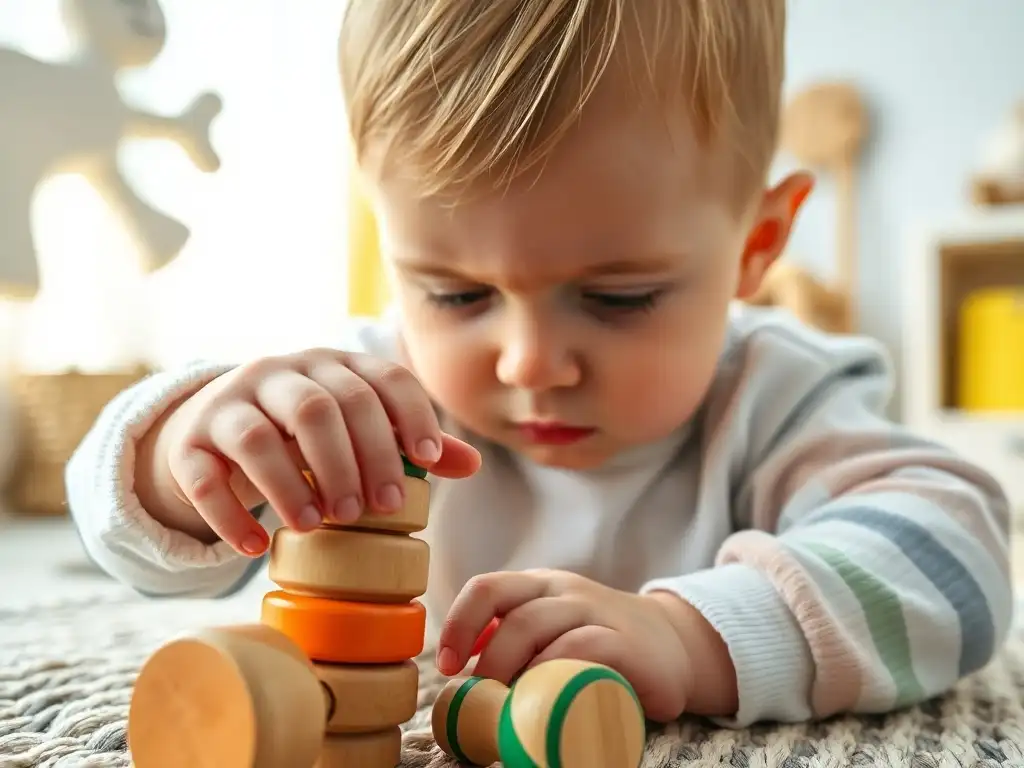
Developing strong baby problem-solving skills is a cornerstone of healthy cognitive development. From the earliest days, infants are actively learning to navigate their world, and even seemingly simple actions are exercises in problem-solving. Understanding this process and providing the right support can significantly impact your baby's cognitive growth. This section delves into practical strategies to nurture this crucial skill, focusing on creating a stimulating environment, responding appropriately to your baby's attempts, and encouraging exploration. Remember, every interaction is an opportunity to foster your baby's problem-solving abilities.
Creating a Stimulating Environment for Cognitive Development
A rich and varied environment is crucial for stimulating your baby's developing brain and fostering problem-solving skills. This doesn't require elaborate toys or expensive equipment; rather, it's about providing opportunities for exploration and discovery. Think about creating spaces that encourage your baby to actively engage with their surroundings.
Consider these practical steps:
- Sensory Exploration: Offer a variety of textures (soft blankets, crinkly toys, smooth surfaces), sounds (singing, musical toys, nature sounds), and sights (brightly colored mobiles, contrasting patterns). This sensory input stimulates the brain and encourages your baby to make connections. For example, a soft toy might encourage grasping and exploring tactile sensations, while a colorful mobile promotes visual tracking and spatial awareness.
- Object Manipulation: Provide age-appropriate toys that encourage exploration. Think rattles, stacking cups, soft blocks, and teethers. These objects allow your baby to experiment with grasping, manipulating, and understanding cause and effect – key elements in problem-solving. Observe how they interact with these objects; they're actively learning about weight, shape, and texture.
- Safe Space for Exploration: Designate a safe area where your baby can explore freely without the constant worry of danger. Baby-proofing is essential here, removing any hazards that could cause injury or frustration. A safe space allows your baby to confidently test their limits and develop problem-solving skills without fear of negative consequences.
- Social Interaction: Engage your baby in interactive play. Talk to them, sing to them, and respond to their cues. This interaction fosters language development and cognitive growth, both of which are essential for effective problem-solving. For example, imitating your baby's sounds or responding to their gestures reinforces their communication skills and their understanding of cause and effect.
Responding to Your Baby's Attempts at Problem-Solving
Observing your baby's attempts at solving problems is as important as providing a stimulating environment. Even seemingly simple actions, like reaching for a toy or trying to turn over, are complex problem-solving exercises. Your response shapes their understanding and encourages further exploration.
Here's how to effectively respond:
- Patience and Observation: Resist the urge to immediately intervene. Allow your baby time to grapple with the challenge. Observe their strategies and reactions. This patience helps them develop persistence and self-reliance. For instance, if your baby is trying to reach a toy, don't immediately hand it to them. Instead, watch their attempts and offer support only if they seem genuinely frustrated.
- Encouragement and Guidance: Once your baby shows signs of frustration, offer gentle guidance rather than direct solutions. For example, if they are struggling to grasp a toy, you might subtly reposition their hand or demonstrate the action. This subtle guidance teaches them problem-solving strategies without taking away the challenge.
- Positive Reinforcement: Celebrate their successes, no matter how small. Positive reinforcement encourages them to persist and try again. A simple smile, a word of encouragement, or a clap can go a long way in boosting their confidence and motivation.
- Avoid Frustration: If your baby becomes overly frustrated, gently redirect their attention to a different activity. Recognize that problem-solving involves setbacks, and it's important not to push them beyond their capabilities.
Encouraging Exploration and Experimentation
A crucial element in developing baby problem-solving skills is encouraging exploration and experimentation. This means creating a safe space where your baby feels empowered to try new things, make mistakes, and learn from their experiences.
Here are some methods to encourage this crucial aspect of cognitive development:
- Open-Ended Play: Provide toys and activities that don't have a single "right" way to play with them. This encourages creativity and problem-solving. For example, blocks can be stacked, knocked down, or used to build structures; this open-ended approach allows your baby to explore different solutions and develop their own strategies.
- Cause and Effect: Introduce toys that demonstrate cause and effect. For example, a toy that makes a sound when pressed or a rattle that shakes when moved helps your baby understand how their actions influence their environment. This understanding is fundamental to problem-solving.
- Problem-Solving Scenarios: Create simple problem-solving scenarios for your baby. For example, hide a toy under a blanket and let them find it. This simple game encourages them to use their problem-solving skills to achieve a desired outcome. Gradually increase the complexity of these scenarios as your baby's skills develop.
- Variety is Key: Keep things interesting! Rotate toys and activities regularly to prevent boredom and encourage continued exploration. A constantly changing environment keeps your baby engaged and challenges them to find new solutions. This constant engagement is crucial for stimulating their cognitive development and building their problem-solving capabilities. 🧸
The Significance of Parent-Child Interaction in Problem Solving
Parent-child interaction plays a pivotal role in a baby's developing problem-solving skills. From the very first days of life, babies are learning through their interactions with caregivers. The way parents respond to their baby's attempts to solve problems, even simple ones like reaching for a toy, significantly shapes their cognitive development.
A positive and responsive environment fosters a sense of security and encourages exploration, which are both crucial for tackling challenges. For example, if a baby is struggling to grasp a rattle, a parent's gentle guidance, rather than simply handing it over, allows the baby to experience the process of trial and error, learning from their mistakes and developing persistence. This active participation in problem-solving strengthens their neural pathways associated with cognitive function.
Furthermore, the language parents use during these interactions significantly impacts a child's ability to develop problem-solving strategies. Narrating the baby's actions ("You're trying so hard to reach that toy! Let's see, can you try turning your hand this way?") helps the baby understand the steps involved in problem-solving and internalize the process.
This verbal scaffolding provides a framework for future problem-solving attempts. Parents can also model problem-solving techniques by openly discussing their own approaches to challenges in a way that is age-appropriate for the baby. Seeing their parents navigate difficulties and find solutions teaches babies valuable lessons about resilience and perseverance. The consistent, nurturing interaction provides the foundation for a child to build confidence in their abilities and embrace challenges as opportunities for growth.
Remember, even seemingly small interactions contribute significantly to a baby's overall cognitive development and problem-solving capabilities. The focus should be on creating an environment where exploration and learning are encouraged, and the baby feels safe to take risks and learn from their successes and failures. This creates a positive feedback loop that strengthens their problem-solving skills as they grow.
Common Challenges and How to Help Your Baby Overcome Them

This section explores common developmental hurdles babies face in their first year and offers practical strategies to support their problem-solving skills. Mastering these challenges is crucial for building a strong foundation for future cognitive development. Remember, each baby develops at their own pace, and some may encounter these obstacles more intensely than others. Patience and understanding are key. Focusing on your baby's individual needs is more important than comparing them to others. The development of baby problem solving skills is a gradual process.
Dealing with Frustration and Tantrums
Frustration is a natural emotion, even for tiny humans! Babies, lacking the verbal skills to express their needs, often resort to crying and tantrums when faced with challenges. These outbursts are not necessarily signs of defiance but rather indicators of unmet needs or overwhelming emotions. Understanding the root cause is paramount.
A common trigger for frustration is the inability to perform a desired action. For example, a six-month-old might become frustrated when trying to grasp a toy that's just out of reach. In such cases, offering gentle assistance—moving the toy closer or helping them grasp it—can be incredibly effective. It's about demonstrating the solution without taking away the opportunity to learn.
Another frequent cause is unmet physical needs. Hunger, tiredness, or discomfort can amplify frustration, leading to intense tantrums. Addressing these fundamental needs first—feeding, changing diapers, providing a quiet, dark space for rest—is often the most effective approach. This teaches your baby that their needs will be met and builds trust.
Consider keeping a "frustration diary" to track triggers and responses. Note the time of day, the situation, and your baby's reaction. This simple act helps you identify patterns and develop more proactive strategies. For instance, you might discover that tantrums are more frequent in the late afternoon, suggesting a need for an earlier bedtime. This type of data-driven approach significantly enhances your ability to support your baby’s emotional regulation, a crucial component of developing strong baby problem solving skills.
Supporting Your Baby Through Difficult Tasks
As babies grow, they encounter increasingly complex tasks. Learning to roll over, crawl, sit up, and eventually walk are all significant milestones that require problem-solving abilities. These activities involve trial and error, persistence, and the ability to adapt to setbacks. Your role is to provide a supportive and stimulating environment.
Providing a safe space for exploration is crucial. Baby-proofing your home eliminates potential hazards and allows your little one to explore their world without fear of injury. This freedom to experiment is vital for developing problem-solving abilities. Think of it as a natural baby problem solving skills playground.
Offer age-appropriate challenges. For example, providing toys with different textures and shapes encourages tactile exploration and problem-solving related to grasping and manipulating objects. As your baby progresses, introduce more complex toys that require more intricate actions, such as stacking blocks or fitting shapes into holes.
Celebrate small victories! Each successful attempt, no matter how small, should be met with positive reinforcement. Praise, encouragement, and gentle physical affection help build confidence and motivate your baby to continue trying. Positive feedback is essential in nurturing baby problem solving skills.
Remember that setbacks are a normal part of the learning process. Don't get discouraged if your baby doesn't immediately master a new skill. Patience, encouragement, and a supportive environment are key to helping them overcome challenges and build resilience.
Building Resilience and Adaptability in Your Baby
Resilience, the ability to bounce back from setbacks, is a crucial life skill. Helping your baby develop this trait early on equips them to handle future challenges with greater ease. It's a significant aspect of developing robust baby problem solving skills.
One effective strategy is to introduce your baby to a variety of experiences. This could involve exposing them to different environments, sounds, and people. This helps them adapt to new situations and reduces the likelihood of feeling overwhelmed. This is a crucial step in the development of adaptability.
Another important aspect is providing consistent routines. Predictable routines create a sense of security and stability, which can help your baby cope with unexpected changes. However, remember that flexibility within the routine is also important. Occasional deviations can help your baby develop adaptability.
Finally, modeling resilience is incredibly important. When faced with challenges yourself, demonstrate a positive and proactive approach to problem-solving. This shows your baby that setbacks are temporary and that solutions are always possible. This approach subtly teaches your baby valuable coping mechanisms. This is not just about teaching baby problem solving skills, but also about instilling a healthy approach to life's challenges.
Remember that fostering resilience isn't about shielding your baby from difficulties but rather about equipping them with the tools to navigate those difficulties successfully. This proactive approach contributes significantly to their overall development and well-being.
Milestones in Baby Problem Solving Skills: A Month-by-Month Guide
This section details the fascinating evolution of problem-solving skills in babies during their first year. We'll explore how these crucial cognitive abilities develop, offering a month-by-month guide to help you understand your baby's progress in tackling everyday challenges. Understanding your baby's developing problem-solving capabilities empowers you to support their cognitive growth and fosters a positive learning environment. Remember, every baby develops at their own pace, so these milestones serve as a general guideline, not a rigid benchmark.
Problem-Solving Milestones: Month 1-3
During the first three months, a baby's problem-solving abilities are primarily reflexive. They haven't yet developed the capacity for deliberate, conscious problem-solving, but the foundations are being laid. Their primary focus is on basic needs: feeding, sleeping, and feeling secure. Even within these seemingly simple actions, however, early problem-solving skills are emerging.
For instance, a baby learning to self-soothe demonstrates a rudimentary form of problem-solving. They might initially cry when uncomfortable, but gradually learn to suck on their fingers or hands to alleviate distress. This self-soothing behavior represents an early attempt to resolve a problem (discomfort) independently. Similarly, a baby who instinctively turns their head towards a source of sound is demonstrating a basic problem-solving skill: locating the source of stimulation.
This period is characterized by:
- Reflexive actions: Babies primarily rely on reflexes to interact with their environment.
- Sensory exploration: They learn about the world through their senses – touch, sight, hearing, smell, and taste.
- Early self-soothing: Babies begin to develop strategies for calming themselves.
- Responding to stimuli: They react to sounds, sights, and touches.
The development of these early skills lays the groundwork for more complex problem-solving abilities later on. Observing these early signs of baby problem solving skills is a rewarding experience for parents.
Problem-Solving Milestones: Month 4-6
Months 4-6 mark a significant leap in a baby's cognitive development, and their problem-solving skills become noticeably more advanced. They transition from reflexive actions to more intentional behaviors. This period is characterized by increased curiosity and a desire to explore their surroundings.
During this phase, babies begin to understand cause and effect. For example, they might shake a rattle to hear the sound, demonstrating a basic understanding that their action produces a desired outcome. They also start to anticipate events. Seeing a parent reach for a bottle might trigger an anticipatory response, indicating an understanding of routines and predictions.
Furthermore, babies begin to exhibit object permanence – the understanding that objects continue to exist even when out of sight. This is a crucial milestone in cognitive development and is directly linked to problem-solving abilities. This is a crucial step in their development of baby problem solving skills.
Here's a summary of key developments during this stage:
- Cause and effect: Babies begin to understand that their actions have consequences.
- Object permanence: They understand that objects continue to exist even when hidden.
- Anticipation: They begin to anticipate events based on past experiences.
- Increased exploration: They actively explore their environment through reaching, grasping, and manipulating objects.
This period is crucial for fostering their problem-solving abilities. Providing a stimulating environment with a variety of toys and opportunities for exploration can significantly enhance their cognitive development.
Problem-Solving Milestones: Month 7-9
By months 7-9, babies demonstrate increasingly sophisticated problem-solving skills. They become more adept at using tools, showing improved hand-eye coordination and dexterity. For example, they might use a toy to reach another object that is out of reach, demonstrating a capacity for planning and executing a multi-step solution to a problem. They also improve their understanding of cause and effect, becoming more strategic in their actions. The development of symbolic thought – the ability to represent objects or events mentally – begins to emerge, paving the way for even more complex problem-solving in the following months.
This stage also sees a marked improvement in their ability to solve simple puzzles. For example, a baby might be able to fit simple shapes into corresponding holes, demonstrating their growing spatial reasoning abilities. This stage is a crucial time in the development of baby problem solving skills.
Consider these key developments:
| Milestone | Description | Example |
|---|---|---|
| Tool use | Using one object to obtain another. | Using a stick to reach a toy that is out of reach. |
| Improved hand-eye coordination | More precise movements and better control over hand and eye coordination. | Successfully stacking blocks. |
| Spatial reasoning | Understanding the relationships between objects in space. | Fitting shapes into corresponding holes in a shape sorter. |
| Problem-solving strategies | Employing different strategies to overcome obstacles. | Trying different approaches to open a container. |
| Symbolic thought (early stages) | Beginning to represent objects or events mentally. | Pretending to drink from an empty cup. |
The development of problem-solving skills during this period is remarkable, and offering age-appropriate challenges and opportunities for exploration can greatly benefit their cognitive development. Remember to celebrate their successes and provide encouragement during challenges. This positive reinforcement is crucial in fostering their confidence and encouraging further exploration.
Problem-Solving Milestones: Month 10-12
By ten to twelve months, your baby's problem-solving skills have blossomed significantly. They're no longer just reacting to their environment; they're actively engaging with it and figuring out how to manipulate objects to achieve their goals. This is a period of remarkable cognitive growth, marked by increasingly sophisticated strategies for overcoming challenges. You'll witness a clear progression from simple cause-and-effect understanding to more complex planning and execution.
One key development is the ability to solve more complex problems involving multiple steps. For example, instead of just reaching for a toy, your baby might now pull a blanket aside to retrieve a hidden object, demonstrating an understanding of object permanence and the ability to plan a sequence of actions. This showcases a developing understanding of spatial reasoning and problem-solving strategy. This newfound ability is not just about grasping objects; it's about understanding the relationship between actions and outcomes.
Another significant milestone is the increased use of tools. You might observe your baby using a spoon to scoop up food, or a block to reach a toy that's just out of reach. This demonstrates a growing understanding of how objects can be used to solve problems and achieve desired results. This is a fantastic example of how babies are beginning to understand the functional properties of objects and creatively applying this knowledge. This tool use isn't random; it's intentional and purposeful, showcasing a remarkable leap in their cognitive abilities.
Furthermore, babies at this age are often more persistent in their problem-solving attempts. If they fail at first, they're more likely to try a different approach rather than giving up, indicating a developing understanding of trial and error. This persistence is crucial for future learning and problem-solving success. This perseverance, coupled with their growing dexterity, allows them to tackle progressively more complex challenges. This persistence is not simply stubbornness; it's a sign of their developing determination and problem-solving strategies.
Finally, you'll likely see improved problem-solving skills in social contexts. Your baby might point to something they want, or use gestures to communicate their needs more effectively. This demonstrates a growing ability to understand and navigate social situations, using communication as a tool to solve problems.
This social problem-solving is a crucial aspect of their development, laying the foundation for future social interactions and collaborative problem-solving. This sophisticated communication, combined with their burgeoning problem-solving skills, sets the stage for a future of learning and growth. The progress in this area is often subtle but significant, reflecting their growing understanding of the social world around them.
Frequently Asked Questions
How do babies develop problem-solving skills in their first year?
Babies develop problem-solving skills through exploration and interaction with their environment. They learn by trial and error, experimenting with different actions to achieve goals, like grasping toys or solving puzzles. This process strengthens their cognitive abilities.
What are some signs that my baby is developing good problem-solving skills?
Signs include persistence in trying to reach a goal, showing curiosity and exploring their surroundings, and adapting their approach if one method doesn't work. They might also demonstrate improved hand-eye coordination and object manipulation.
At what age do babies typically start showing problem-solving abilities?
While it varies, babies begin demonstrating basic problem-solving skills from around 4-6 months old. This is when they start to understand cause and effect and intentionally reach for objects. These skills become more refined throughout the first year.
How can I encourage my baby's problem-solving skills?
Provide a stimulating and safe environment with age-appropriate toys that encourage exploration. Offer opportunities for them to solve simple problems, like finding hidden toys or stacking blocks. Respond positively to their attempts, even if unsuccessful.
What should I do if my baby seems to struggle with problem-solving tasks?
If you have concerns about your baby's development, consult your pediatrician. They can assess your baby's progress and offer guidance or refer you to specialists if needed. Early intervention is key.
Final Reflection: The Unsung Genius of Baby Problem-Solving
The ability of infants to overcome challenges in their first year is not merely adorable; it's a profound testament to the incredible power of human adaptation and learning. This seemingly simple act of a baby grasping a rattle, rolling over, or finally mastering crawling represents a complex cognitive leap, a testament to their innate problem-solving skills and their remarkable capacity for growth. Understanding this process offers invaluable insights into the development of the human brain and the foundations of lifelong learning.
Witnessing a baby's persistent attempts to reach a desired toy, their furrowed brow in concentration, their eventual triumphant grasp—these moments are deeply moving. They underscore the inherent drive within each human being to learn and conquer obstacles. This innate problem-solving ability, honed from the earliest days of life, shapes our future approaches to challenges, both big and small. Give me a child until he is seven, and I will show you the man.
– This quote, though debated in its specifics, highlights the formative power of early experiences and the lasting impact of early learning on shaping an individual's character and capabilities.
Consider the implications of this understanding for your own life. How can you foster this innate problem-solving spirit in the young children around you? How can you cultivate your own capacity for creative problem-solving, drawing inspiration from the unwavering determination of a baby reaching for a toy? Embrace the challenges life presents, approach them with the same persistent curiosity and joyful determination that characterizes a baby's first year, and you will unlock a world of possibilities. The journey of problem-solving is a lifelong adventure, and it all begins with those first, tentative, yet powerful steps.
Unlock Your Baby's Problem-Solving Potential!
Thank you for exploring the fascinating world of infant problem-solving! You've learned how your baby tackles challenges and learns from them. Now, let's put this knowledge into practice.
- Create a Stimulating Play Area: Designate a safe space with age-appropriate toys and puzzles to encourage your baby's natural curiosity and problem-solving skills. This is key to fostering their development.
- Share Your Experiences: Connect with other parents on our BabyCareHub forums and share your successes and challenges in creating enriching environments for your baby. Let's learn from one another!
- Celebrate Your Baby's Progress: Keep a journal or photo album documenting your baby's problem-solving achievements—from mastering stacking blocks to figuring out how that noisy rattle works. It's a wonderful way to celebrate their development!
What challenges is your baby currently overcoming, and how are you helping them along the way?