
The Power of Rhyme: Why Rhyming Books Are Great for Babies


Welcome to BabyCareHub, your ultimate guide to navigating the incredible journey of parenthood! Are you ready to unlock the secrets to your little one's development? We delve into the fascinating world of baby rhymes and cognitive development, exploring how the simple joy of rhymes can significantly impact your baby's learning and growth. Discover how incorporating rhyming books into your daily routine can nurture a love of language and boost crucial cognitive skills. Dive in and uncover the power of rhyme!
- Baby Rhymes Cognitive Development: Early Language Acquisition
- Beyond Language: The Benefits of Rhyming Books for Babies
- Choosing the Right Rhyming Books for Your Baby
- Creating a Rhyme-Rich Environment for Your Baby
- Baby Rhymes Cognitive Development: Long-Term Benefits
- Frequently Asked Questions
- Final Reflection: The Enduring Power of Rhyme in a Child's World
- Unlock Your Baby's Language Potential: Rhyme On!
Baby Rhymes Cognitive Development: Early Language Acquisition
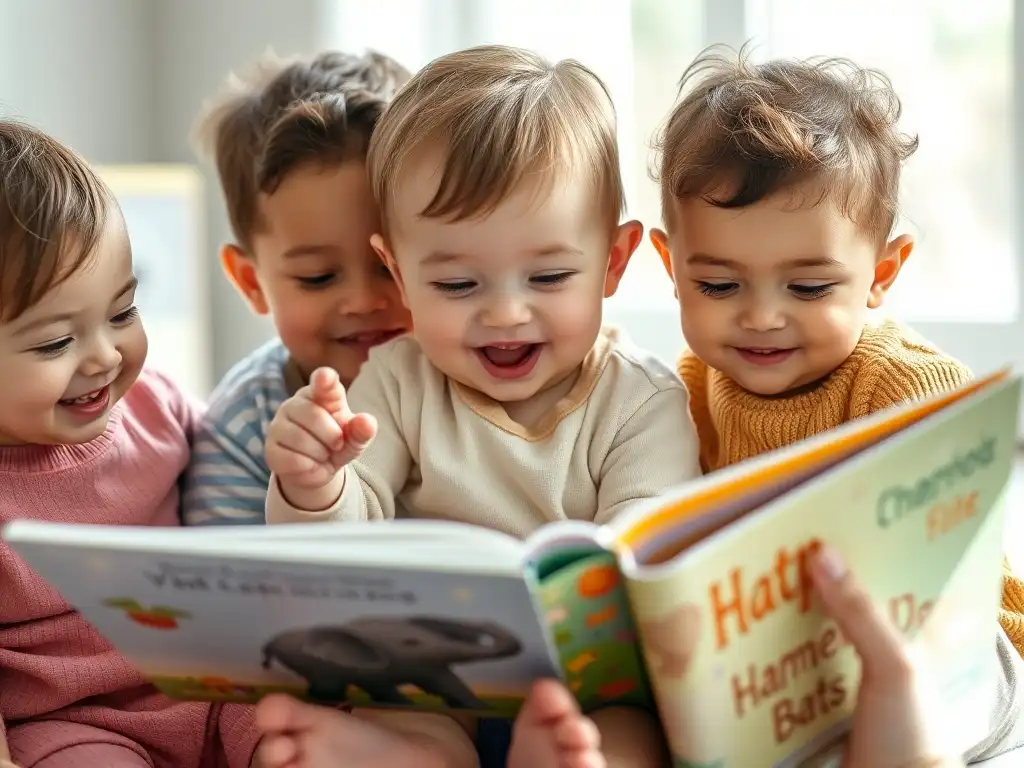
Reading to your baby is a cornerstone of their development, laying the foundation for future academic success and fostering a lifelong love of learning. But did you know that incorporating rhyming books into your little one's daily routine can provide even more significant benefits? This article delves into the powerful impact of rhyme on a baby's cognitive development, exploring how nursery rhymes contribute to early language acquisition and overall brain development.
We'll examine the specific ways rhyming books enhance language skills and foster phonological awareness, crucial elements for future literacy. Understanding the power of rhyme will empower you to choose the right books and maximize your baby's learning potential, ensuring a strong start on their language journey. This is especially important for the development of crucial skills related to the keyword "baby rhymes cognitive development".
The Importance of Rhyme in Early Brain Development
The rhythmic and repetitive nature of rhymes stimulates a baby's brain in several key ways. The predictable patterns create a sense of security and comfort, encouraging engagement and attention. This consistent structure helps babies anticipate what comes next, strengthening their memory and cognitive skills. Furthermore, the melodic quality of rhymes activates specific areas of the brain associated with language processing and emotional responses.
Studies have shown that exposure to rhyme from an early age can improve a baby's ability to process sounds, distinguish between different phonemes (the smallest units of sound in a language), and ultimately, develop stronger language skills. This early stimulation helps build neural pathways vital for future language comprehension and production. The benefits extend beyond language; rhythmic patterns also enhance motor skills as babies may begin to move to the rhythm, improving coordination and gross motor development.
How Rhyming Books Enhance Language Skills in Infants
Rhyming books are not just entertaining; they are powerful tools for language development. The repetitive sounds and predictable structures help babies learn new words and phrases more easily. For example, the repeated use of rhyming words like "cat" and "hat" helps babies recognize patterns and understand the relationship between sounds and meanings. This process of pattern recognition is crucial for vocabulary acquisition and overall language comprehension.
Furthermore, the engaging illustrations in rhyming books help connect words with visual representations, making the learning experience more interactive and memorable. Reading aloud with expressive intonation and engaging facial expressions further enhances the learning process, making it a fun and stimulating activity for both parent and child. The interactive nature of reading also helps babies develop social skills and strengthens the parent-child bond. This early interaction is crucial for developing social-emotional skills, which are closely intertwined with cognitive development.
Developing Phonological Awareness Through Nursery Rhymes
Phonological awareness, the ability to recognize and manipulate the sounds of language, is a crucial predictor of reading success. Nursery rhymes play a significant role in developing this skill. The rhythmic patterns and rhyming words in these rhymes help babies become more attuned to the sounds of language.
For instance, the rhyme in "Hickory Dickory Dock" helps babies hear the similarities and differences between sounds like "dock" and "clock." This awareness of sounds lays the foundation for later reading skills, such as rhyming, segmentation (breaking words into syllables), and blending (combining sounds to form words). The playful and engaging nature of nursery rhymes makes learning these skills enjoyable and effortless, setting a positive stage for future literacy development.
By engaging with these rhymes, babies develop a strong foundation for successful reading and writing in the years to come. The early development of these skills is directly linked to later success in reading comprehension and overall academic achievement, making nursery rhymes an invaluable tool in a baby's development.
Beyond Language: The Benefits of Rhyming Books for Babies
Rhyming books offer a wealth of benefits for babies that extend far beyond simply learning language. The rhythmic patterns and predictable structures inherent in rhymes stimulate brain development in several key areas crucial for cognitive development. This isn't just about memorization; it's about building foundational skills that pave the way for future learning.
Studies show that exposure to rhyme during infancy correlates with enhanced vocabulary acquisition and improved phonological awareness later in childhood. This means babies exposed to rhymes are better equipped to understand the sounds and structures of language, a critical step towards reading and writing proficiency. The repetitive nature of rhymes helps solidify neural pathways associated with language processing, essentially "wiring" the brain for linguistic success.
Furthermore, the playful nature of rhymes makes learning fun and engaging, fostering a positive association with books and reading from a very young age. This early positive association with literacy is a key predictor of later reading success. This early engagement with rhyme significantly contributes to baby rhymes cognitive development.
Rhymes and Emotional Development in Young Children
The impact of rhyming books on a baby's emotional development is often underestimated. The predictable nature of rhymes creates a sense of security and comfort, particularly during bedtime routines. The soothing rhythm and familiar words can calm a fussy baby and promote relaxation. Moreover, the shared experience of reading rhymes fosters a sense of connection and closeness between parent and child.
This bonding experience is crucial for a baby's emotional well-being, contributing to feelings of security and attachment. The expressive tones and varied intonations used when reading rhymes also introduce babies to a wide range of emotions, helping them develop emotional literacy. For instance, a joyful tone during a playful rhyme can help a baby recognize and understand happiness, while a softer, gentler tone during a calming rhyme can help them understand and process feelings of comfort and security.
The emotional nuances conveyed through rhyme contribute significantly to the holistic development of the young child. Consider the emotional resonance of classic rhymes like "Twinkle Twinkle Little Star"—the gentle melody and repetitive phrases create a soothing and comforting atmosphere, ideal for bedtime. This emotional connection is a vital component of baby rhymes cognitive development.
Shared reading experiences with rhyming books provide a unique opportunity for social and emotional learning. The interactive nature of many rhymes, such as those involving actions or sounds, encourages participation and engagement. For example, rhymes like "Pat-a-Cake" or "Itsy Bitsy Spider" involve physical actions that babies can mimic, promoting motor skill development while also fostering social interaction. This shared activity strengthens the parent-child bond and helps babies develop social skills, such as turn-taking and imitation.
Furthermore, the act of sharing a book and engaging in conversation about its content helps babies develop their communication skills and learn to express their thoughts and feelings. The emotional connection established through shared reading experiences creates a safe and supportive environment for emotional expression and exploration. This enriched social interaction is a crucial element of baby rhymes cognitive development.
Building a Bond Through Interactive Rhyme Time
Interactive rhyme time isn't just about reading; it's about creating a shared experience that strengthens the parent-child bond. Engaging your baby actively during rhyme time – making silly faces, using different voices, encouraging participation through actions – transforms the experience from passive listening to active interaction. This shared engagement reinforces the emotional connection between parent and child, fostering feelings of security, love, and trust.
The playful nature of interactive rhyme time creates positive associations with reading and learning, setting the stage for a lifelong love of books. The use of props, like puppets or finger puppets, can further enhance the experience, adding another layer of engagement and stimulating imagination. For example, using a finger puppet during "The Itsy Bitsy Spider" can add a visual element and make the rhyme even more captivating for the baby.
The focus here is not just on the words themselves, but on the quality time spent together, strengthening the bond and nurturing the child's cognitive and emotional development. This interactive approach significantly enhances the overall impact of baby rhymes cognitive development.
Choosing the Right Rhyming Books for Your Baby
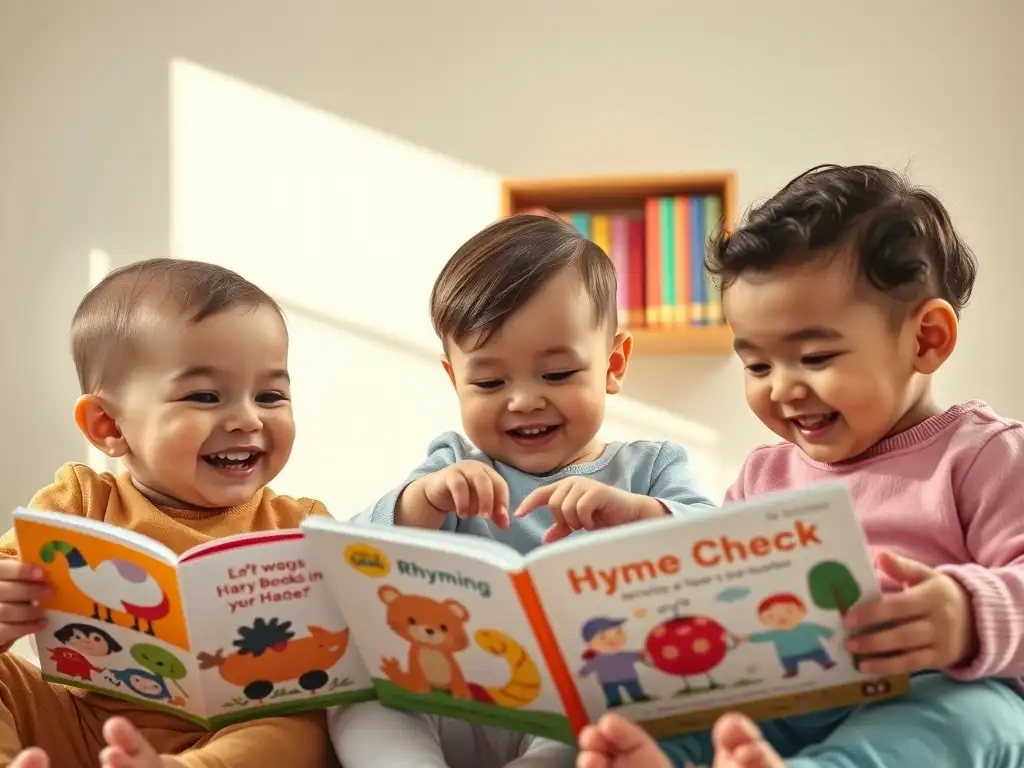
Selecting the perfect rhyming book for your little one can significantly impact their engagement and learning experience. It's not just about the rhymes; it's about finding books that cater to their developmental stage and preferences. This section focuses on how to make informed choices to maximize the benefits of rhyming books for your baby's cognitive development.
Selecting Age-Appropriate Rhyming Books for Optimal Engagement
The key to successful rhyming book selection lies in choosing books appropriate for your baby's age. Newborns respond well to simple, repetitive rhymes with high-contrast illustrations. As they grow, their attention spans increase, and they start to appreciate more complex rhymes, storylines, and vibrant colors.
Consider these age-related guidelines:
- 0-3 Months: Focus on books with bold, black-and-white, or high-contrast images. Simple rhymes with repetitive sounds are ideal. Think short sentences and minimal text. Examples include books featuring basic shapes or contrasting patterns. These early experiences help stimulate visual development, laying the foundation for later cognitive development.
- 3-6 Months: Introduce books with brighter colors and slightly more complex rhymes. Simple storylines are helpful, even if they're just about animals making sounds. The focus remains on repetition and sensory stimulation. The aim is to build familiarity and encourage early language acquisition.
- 6-12 Months: Your baby's understanding of language will be developing rapidly. You can now incorporate books with more intricate rhymes, longer sentences, and interactive elements like textures or flaps. The variety in sensory experiences further enhances their cognitive development.
- 12-18 Months: At this stage, your baby may start to understand simple narratives. Choose books with more engaging storylines and interactive elements that encourage participation. This fosters their understanding of sequencing and narrative structure, crucial for future language comprehension.
Remember, the goal is to make reading a fun and engaging experience. Avoid overwhelming your baby with too much information or complex concepts. Short, repetitive reading sessions are more effective than long, drawn-out ones.
Identifying Engaging Illustrations and Rhythmic Text in Baby Books
Beyond age appropriateness, the quality of illustrations and text significantly influences a baby's engagement with a rhyming book. Look for books that boast:
- Vibrant and Appealing Illustrations: High-quality illustrations capture your baby's attention and aid in comprehension. Simple, clear images are better than cluttered ones, especially for younger babies. The use of color and texture also plays a significant role in visual stimulation.
- Clear and Concise Text: Avoid books with overly complex sentences or vocabulary. Simple, repetitive phrases are easier for babies to process and remember. The rhythm and flow of the language are crucial for cognitive development.
- Predictable Patterns: Books with repetitive phrases and predictable patterns provide a sense of comfort and security while enhancing their ability to anticipate and participate in the reading experience. This strengthens their memory and cognitive skills.
- Rhythmic and Musical Quality: The rhythm of the rhymes themselves is vital. Books with a strong, clear rhythm are more engaging and help babies develop a sense of rhythm and musicality, which are important aspects of language development. Pay attention to the cadence and flow – a well-written rhyming book should almost sing.
Choosing books with these qualities helps create a positive association with reading, fostering a lifelong love of books and contributing significantly to your baby's cognitive development.
Best Practices for Reading Rhyming Books to Infants
Reading to your baby isn't just about reciting words; it's about creating a shared experience. Here are some best practices to maximize the impact of your rhyming book sessions:
- Make it Interactive: Use different tones of voice, vary your pace, and point to the illustrations. Encourage your baby to participate by making sounds or pointing to objects in the book. This interactive approach strengthens their engagement and cognitive processing.
- Use Expressive Body Language: Your facial expressions and body language significantly impact your baby's enjoyment. Use exaggerated expressions to add emphasis and make the reading more engaging.
- Create a Comfortable and Calm Environment: Choose a quiet, comfortable space with minimal distractions. A cozy setting promotes relaxation and enhances your baby's focus.
- Regularity is Key: Reading should be a regular part of your daily routine. Even short, frequent sessions are more beneficial than infrequent, longer ones. Consistency helps build a strong foundation for language development.
- Observe Your Baby's Cues: Pay attention to your baby's reactions. If they seem tired or disinterested, take a break. Respect their cues and make it a positive experience.
By following these practices and selecting age-appropriate rhyming books, you can harness the power of rhyme to foster your baby's cognitive development and create a lasting love of reading. The benefits extend far beyond simple enjoyment, contributing significantly to their language acquisition, memory development, and overall cognitive growth. Remember, the joy of sharing books is a precious gift you can give your child, shaping their future in many positive ways.
Creating a Rhyme-Rich Environment for Your Baby
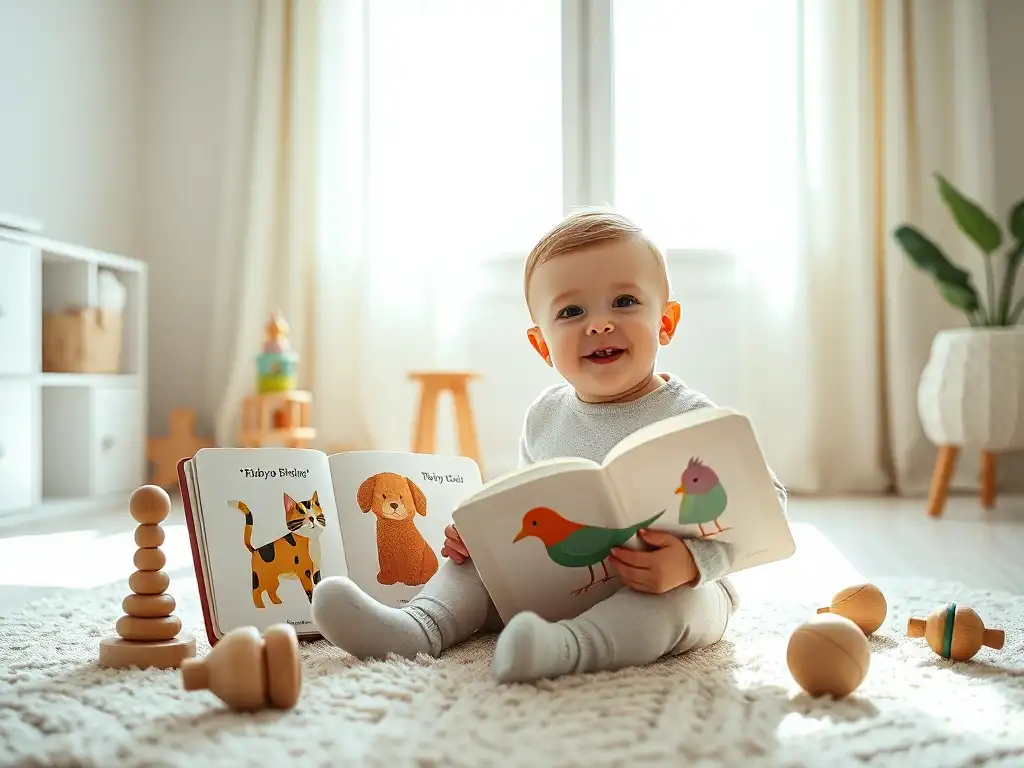
Creating a stimulating environment rich in rhymes significantly boosts a baby's cognitive development. This isn't just about reading rhyming books; it's about weaving rhymes into the fabric of your baby's daily life. Think of it as creating an auditory landscape where language acquisition thrives. The more exposure your baby has to rhythmic language, the better they'll grasp phonological awareness – the ability to hear and manipulate the sounds of language – a crucial building block for later reading skills. This early exposure to baby rhymes cognitive development is invaluable.
Incorporating Nursery Rhymes into Daily Routines
Incorporating nursery rhymes into your daily routines is surprisingly easy and incredibly effective. Consider these simple yet powerful strategies:
- Bath time: Sing "Itsy Bitsy Spider" or "Rain, Rain, Go Away" while splashing. The rhythmic repetition helps solidify word recognition.
- Diaper changes: Recite short rhymes like "Pat-a-Cake" or "Twinkle, Twinkle Little Star." These brief moments become opportunities for focused interaction and language exposure.
- Feeding time: Hum simple tunes or sing lullabies. The gentle rhythm soothes your baby and enhances their auditory processing.
- Playtime: Use rhymes during playtime to narrate actions. For example, while playing peek-a-boo, say "Peek-a-boo, I see you!" The predictability of the rhyme combined with the engaging activity strengthens memory and language comprehension.
Remember, consistency is key. Even short, frequent rhyme sessions are more beneficial than infrequent, longer ones. The goal is to make rhymes a natural part of your baby's world, fostering a positive association with language and learning.
Interactive Rhyme Time Activities for Babies
Beyond incorporating rhymes into routines, actively engaging your baby in interactive rhyme-time activities strengthens their cognitive development. These activities are not just about passively listening; they promote active participation and enhance learning.
- Action rhymes: Rhymes like "The Wheels on the Bus" or "Head, Shoulders, Knees, and Toes" encourage physical movement, connecting language with physical actions. This multi-sensory approach enhances memory and understanding.
- Finger plays: Finger plays, like "This Little Piggy," use hand gestures to illustrate the rhyme, making the experience more engaging and memorable for your little one. This tactile element adds another layer of sensory input, improving comprehension.
- Sound games: Focus on specific sounds within rhymes. For example, emphasize the "sh" sound in "Hush Little Baby." This helps your baby discriminate between different sounds, a critical skill for language development. This targeted approach to baby rhymes cognitive development is particularly effective.
- Singing and dancing: Combine singing and dancing with your favorite rhymes. The combination of music, movement, and language creates a stimulating and enjoyable learning experience.
Remember to adapt activities to your baby's developmental stage. Start with simple rhymes and gradually increase complexity as your baby grows.
Making Rhyme Time Fun and Engaging for Your Little One
The key to successful rhyme time is making it fun and engaging for your baby. Remember, this is about fostering a love of language and learning, not forcing memorization.
- Use expressive voices: Vary your tone, pitch, and volume to keep your baby interested. Use silly voices, whispers, and dramatic pauses to add excitement.
- Use props and visuals: Use puppets, toys, or picture books to illustrate the rhymes. Visual aids enhance comprehension and make the experience more stimulating.
- Make it interactive: Encourage your baby to participate by making sounds, pointing at pictures, or clapping along. This active participation boosts engagement and strengthens learning.
- Follow your baby's lead: If your baby loses interest, switch activities or take a break. Respect their cues and make rhyme time a positive experience. Don't force it; make it joyful!
Remember, the benefits of rhyming books extend far beyond simple entertainment. They are powerful tools for nurturing your baby's cognitive development, laying a strong foundation for future language skills and overall learning success. The positive impact of early exposure to baby rhymes cognitive development is undeniable.
Baby Rhymes Cognitive Development: Long-Term Benefits
Rhyming books aren't just a fun way to engage your baby; they're a powerful tool for fostering cognitive development with long-lasting effects. Early exposure to rhyme lays a crucial foundation for future academic success, impacting literacy skills, language acquisition, and overall cognitive abilities. The benefits extend far beyond simply enjoying a cute story; they actively shape your child's brain architecture and prepare them for a lifelong journey of learning. This section will explore the lasting impact of early rhyme exposure, focusing specifically on how it contributes to literacy skills and overall cognitive development.
The Lasting Impact of Early Rhyme Exposure on Literacy Skills
Research consistently demonstrates a strong correlation between early exposure to rhyme and improved literacy skills. The rhythmic patterns and predictable sounds in rhyming books help babies develop phonemic awareness – the ability to hear and manipulate the individual sounds in words. This is a fundamental building block for reading and spelling. For example, a baby listening to "Hickory Dickory Dock" learns to distinguish the sounds of "Hickory," "Dickory," and "Dock," subconsciously developing crucial phonetic skills.
Furthermore, rhyming books enhance vocabulary acquisition. Babies encounter new words within a context that makes them easier to remember and understand. The repetitive nature of rhymes reinforces word learning, making it more efficient and effective. Studies have shown that children exposed to rich language environments, including rhyming books, have larger vocabularies and better reading comprehension abilities later in life. The cumulative effect of regular rhyme exposure is a significant boost in reading readiness and overall literacy proficiency. Think of it as a playful, engaging way to build the neural pathways necessary for successful reading.
How Rhyming Books Contribute to Overall Cognitive Development
Beyond literacy, rhyming books contribute significantly to overall cognitive development in babies. The predictable structure of rhymes helps babies develop memory and prediction skills. As they anticipate the next rhyming word, they're actively engaging in cognitive processing, strengthening their memory capabilities. This cognitive engagement extends to other areas of development, such as attention span and problem-solving. The engaging nature of rhymes keeps babies focused, improving their attention span and ability to concentrate – skills crucial for learning throughout life.
Moreover, the interactive nature of many rhyming books fosters language development. The back-and-forth exchange between parent and child during story time encourages language production and comprehension. Babies learn to associate words with meaning, improving their communication skills and building a strong foundation for future language acquisition. Consider the simple act of pointing to pictures and naming objects while reading a rhyming book; this seemingly small action greatly contributes to a baby's language development and cognitive growth. The rhythmic patterns and engaging sounds also stimulate the brain, enhancing overall cognitive function.
Preparing Your Baby for Future Learning Through Rhyme
Introducing rhyming books early in a baby's life sets the stage for future academic success. The benefits are multifaceted, encompassing improved literacy skills, enhanced cognitive abilities, and stronger language development. By regularly engaging your baby with rhyming books, you are actively investing in their future learning journey. This isn't merely about entertainment; it's about building a strong cognitive foundation that will support their academic progress and overall intellectual growth for years to come.
The playful engagement with rhyme translates into significant advantages in school readiness and beyond. It’s a simple yet powerful tool for nurturing your baby's cognitive development and setting them on a path toward lifelong learning. Remember, the earlier you start, the greater the impact. The joy of sharing rhymes with your baby is an investment in their future, helping them develop the cognitive skills necessary to thrive academically and socially.
Frequently Asked Questions
How do baby rhymes help with cognitive development?
Rhymes enhance cognitive skills in babies. The patterns and predictability of rhymes improve memory and language development, laying a strong foundation for future learning. Repetitive sounds and rhythms also stimulate brain activity.
What age are baby rhymes best for?
Baby rhymes are beneficial from birth onwards. Even newborns respond to the rhythm and intonation of rhymes. As they grow, they begin to understand the meaning and participate more actively.
Are all rhymes created equal in terms of cognitive benefits?
No, rhymes with strong rhythmic patterns, simple vocabulary, and engaging actions are more effective. Look for rhymes with clear pronunciation and repetition for optimal learning. Interactive rhymes where the baby participates are also beneficial.
How often should I read rhyming books to my baby?
Reading rhyming books daily is ideal, even multiple times a day. Short, frequent sessions are more effective than long, infrequent ones. Make it a fun and engaging experience for both you and your baby.
Can baby rhymes help with other developmental areas besides cognitive skills?
Yes! Rhymes also support language development, social-emotional growth (through interaction), and motor skills (if rhymes involve actions). They create a positive bonding experience between parent and child.
Final Reflection: The Enduring Power of Rhyme in a Child's World
The rhythmic cadence of rhyme isn't just a charming literary device; it's a foundational building block for a child's cognitive development. From the earliest babbles to the first attempts at constructing sentences, the power of rhyme provides a crucial scaffolding for language acquisition and brain development, a fact that remains profoundly relevant in our increasingly digital world.
The impact of rhyming books extends far beyond simple memorization; they foster a love of language, cultivate crucial listening skills, and stimulate the imagination in ways that few other mediums can match. The rhythm and rhyme of poetry are like a bridge between the conscious and unconscious mind, allowing access to deeper levels of understanding and creativity.
This quote, while not specifically about children's literature, perfectly encapsulates the profound impact of rhythmic language on cognitive development, shaping not only linguistic abilities but also emotional intelligence and creative potential.
Consider the lasting impact of the rhymes you learned as a child. They likely still resonate within you, a testament to the power of early linguistic experiences. Now, consider the children in your life, and the gift you can give them by introducing them to the magic of rhyme. Embrace the power of these simple, yet profound tools, and nurture the cognitive development of the next generation through the joy of rhyming books. Read aloud, sing along, and watch as the seeds of language, creativity, and a lifelong love of learning blossom.
Unlock Your Baby's Language Potential: Rhyme On!
Thanks for exploring the wonderful world of rhyming books with us! We hope you've discovered how these playful reads can boost your baby's language development and strengthen your bond. Ready to take the next step?
- Establish a daily rhyming routine: Choose a few favorite rhymes and incorporate them into your baby's daily schedule. You'll notice their engagement increase with each reading!
- Share your favorite rhyming books with other parents: Spread the joy of rhyming and connect with other parents who appreciate the power of these engaging stories. A simple conversation might even lead to exciting new discoveries!
- Try creating your own simple rhymes: It's easier than you think, and the unique connection you'll build with your child through this creative activity is invaluable.
What rhymes are already favorites with your little one, and which ones are you looking forward to trying next?