
The SixMonth Milestone: Key Fine Motor Achievements

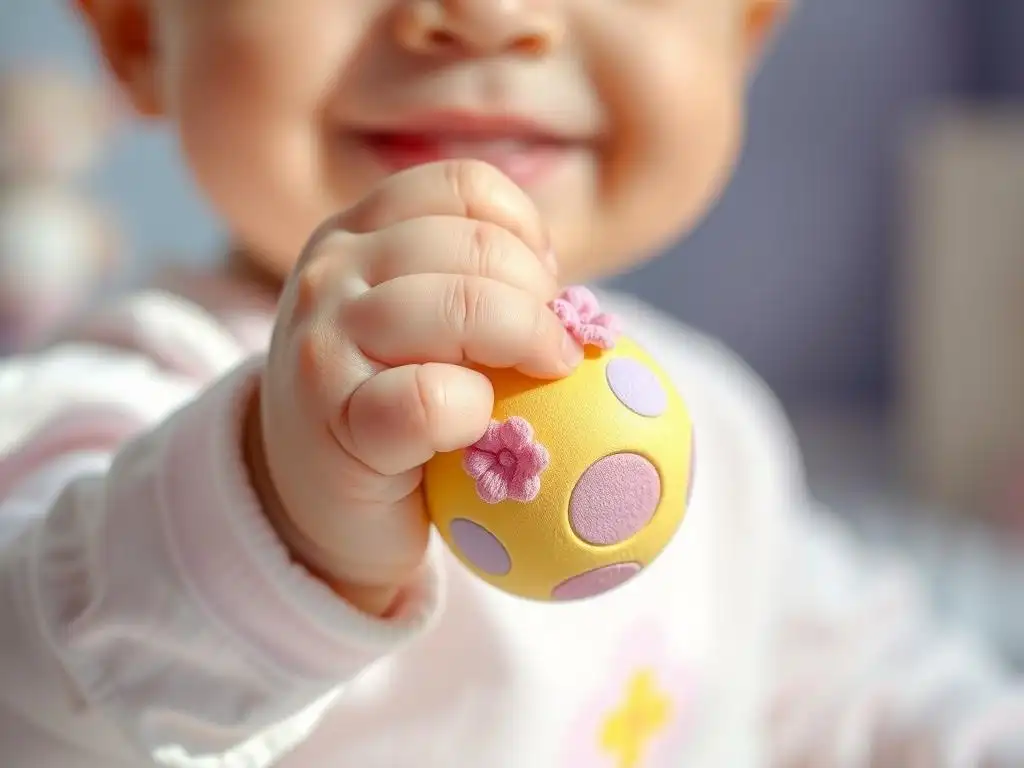
Welcome to BabyCareHub, your ultimate guide to navigating the incredible journey of parenthood! Are you curious about your little one's progress? We understand the excitement (and sometimes anxieties!) that come with watching your baby grow. This month marks a significant leap in development, and our in-depth article on 6-month-old fine motor skills will equip you with the knowledge to support your baby's amazing achievements. Discover what to expect, exciting activities to try, and expert tips to nurture your baby’s blossoming abilities. Let's explore this exciting milestone together!
- 6-Month-Old Fine Motor Skills: What to Expect
- Fine Motor Skill Development at 6 Months: Activities to Encourage Growth
- Signs of Developmental Delays in 6-Month-Olds: When to Seek Professional Advice
- Supporting Your Baby's Fine Motor Skills Development Beyond 6 Months
- Understanding the Importance of Early Intervention in Fine Motor Skill Development
-
Frequently Asked Questions
- What are some typical fine motor skills for a six-month-old?
- My baby isn't showing these skills yet. Should I be worried?
- How can I encourage my six-month-old's fine motor skills?
- What are some signs of potential developmental delays related to fine motor skills at six months?
- Are there any safety considerations when encouraging fine motor skill development?
- Final Reflection: Mastering the Milestones: A Journey of Tiny Hands
- Unlock Your Baby's Potential: Nurture Fine Motor Skills Now!
6-Month-Old Fine Motor Skills: What to Expect
Navigating the world of baby development can feel overwhelming, especially for first-time parents. Understanding your baby's milestones is crucial for providing appropriate stimulation and ensuring healthy growth. This article focuses on a key developmental area: fine motor skills at six months old.
We'll explore the typical fine motor achievements of a 6-month-old, providing insights into what you can expect and how you can support your little one's progress. This guide will help you understand the exciting advancements in hand-eye coordination, object manipulation, and sensory exploration that characterize this developmental stage. Mastering these skills lays a crucial foundation for future cognitive and physical development, setting the stage for everything from writing and drawing to playing instruments and more.
By the end, you'll be equipped to recognize and encourage your baby's fine motor skill development, celebrating each small victory along the way. Remember, every baby develops at their own pace, so don't compare your little one to others; focus on their individual progress and enjoy this special time. 🎉
Reaching and Grasping: Developing Hand-Eye Coordination at 6 Months
At six months, your baby's hand-eye coordination is rapidly improving. They're no longer just batting at objects; they're actively reaching for and grasping them with increasing precision. This development is a significant leap forward, showing improved control over their arm and hand movements. You'll likely observe your baby reaching for toys, your face, or anything within their reach. Their grasp might still be a bit clumsy, often involving a whole-hand grasp (palmar grasp), but you'll start to see them transitioning to a more refined pincer grasp (using thumb and forefinger) as they get closer to seven months.
This improved reaching and grasping isn't just about grabbing; it's about exploring. Your baby is learning about the properties of different objects – their textures, shapes, and weights. They're actively engaging their senses and building crucial connections between what they see and what they can manipulate. Encourage this development by providing a variety of safe and age-appropriate toys with different textures and shapes. Think rattles, soft blocks, teethers, and textured balls. Remember to always supervise your baby during playtime.
Transferring Objects: From One Hand to the Other
Another exciting milestone at six months is the ability to transfer objects from one hand to the other. This seemingly simple action demonstrates significant progress in hand-eye coordination and brain development. It shows improved coordination between the two sides of the brain and enhanced dexterity. While some babies might master this skill earlier, many achieve it around six months. You might see your baby pick up a toy with one hand and then deliberately move it to the other. This is a fantastic sign of developing motor control and spatial awareness.
This skill is not only impressive in terms of motor development but also significantly contributes to their cognitive development. By transferring objects, your baby is learning about cause and effect, practicing problem-solving, and understanding object permanence. This is a foundational skill that will continue to develop and refine throughout their childhood, impacting their abilities in many areas. Continue to provide opportunities for your baby to practice this skill by offering them various toys and objects.
Bringing Objects to Mouth: Exploring Sensory Experiences
Bringing objects to the mouth is a completely normal and important part of a 6-month-old's development. While it might seem messy, it's a crucial sensory exploration technique. Your baby is learning about the world through touch, taste, and texture. They’re exploring the properties of different objects by putting them in their mouths. This is a way for them to learn about size, shape, and texture. Always ensure that any objects your baby explores orally are safe, clean, and age-appropriate. Avoid small objects that could pose a choking hazard.
This oral exploration also contributes to their cognitive and motor development. The act of bringing an object to their mouth requires coordination between their eyes, hands, and mouth. It helps refine their hand-eye coordination and strengthens their oral muscles. It’s important to remember that this is a natural part of development and to not discourage it (within reason and with safety precautions, of course!). Providing a variety of safe, textured toys can help support this exploratory behavior. Remember to always supervise your baby during playtime to ensure their safety.
Fine Motor Skill Development at 6 Months: Activities to Encourage Growth
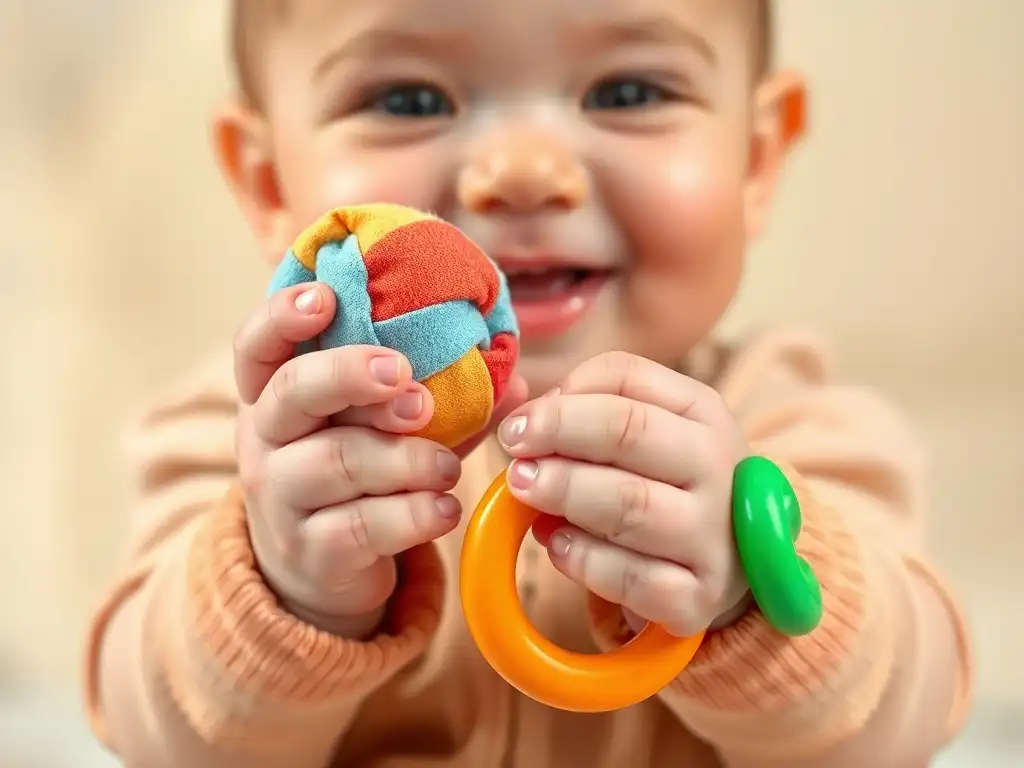
Six-month-olds are experiencing a burst of development in their fine motor skills. This is a crucial period where they're refining hand-eye coordination, strengthening their grip, and beginning to explore their world through touch. Understanding the typical developmental milestones for 6-month-old fine motor skills is key for parents to support their little one's progress and provide enriching experiences.
Many parents search for information on "6 month old fine motor skills" and this section will offer practical guidance. We'll explore activities that encourage growth in this exciting phase. Remember, every baby develops at their own pace; these are guidelines, not strict rules.
Interactive Play: Engaging Your 6-Month-Old
Interactive play is paramount for fostering fine motor skill development in 6-month-olds. At this age, babies are highly motivated to reach, grasp, and manipulate objects. Simple yet engaging activities can significantly contribute to their progress.
Here are some ideas:
- Reaching and grasping: Hang brightly colored toys just out of reach, encouraging your baby to stretch and grab. Vary the textures and sizes of the toys to provide diverse sensory experiences. Consider using toys with different weights to help refine their grip strength.
- Object manipulation: Offer your baby soft, textured toys that they can bat, shake, and explore. Rattles, teethers, and fabric books are excellent choices. Observe how they manipulate these objects – do they grasp with their whole hand (palmar grasp), or are they beginning to use their fingers more precisely (radial digital grasp)? This observation can provide valuable insights into their development.
- Cause and effect: Introduce toys with simple cause-and-effect mechanisms. For example, a toy that makes a sound when squeezed or a rattle that moves when shaken helps them understand the connection between their actions and the resulting effect. This strengthens their understanding of their own abilities and encourages repetition.
- Playing with different textures: Offer a variety of textured toys, such as soft plush toys, crinkly paper balls, and hard plastic blocks. This will help them develop their sense of touch and learn how to manipulate objects with varying textures.
Remember to supervise your child closely during playtime and ensure that all toys are age-appropriate and safe.
Sensory Toys: Stimulating Development Through Touch and Sight
Sensory toys play a vital role in stimulating fine motor skills. The combination of visual and tactile stimulation enhances their engagement and facilitates learning.
Here's a breakdown of effective sensory toy choices:
- Textured balls: Balls with different textures (fuzzy, bumpy, smooth) encourage exploration through touch and develop hand-eye coordination as they try to grasp and bat the balls.
- Stacking cups: Simple stacking cups are great for developing hand-eye coordination and problem-solving skills. As they learn to stack and unstack, they are improving their finger dexterity and spatial awareness.
- Soft blocks: Soft blocks are safe for babies to explore and manipulate. They can be stacked, thrown, and squeezed, which helps strengthen their grip and coordination. The soft material also provides a safe and comforting sensory experience.
- Finger puppets: These help develop fine motor skills by encouraging the baby to grasp and manipulate small objects. The added visual and interactive element of the puppet itself makes this activity even more engaging.
Tummy Time: Strengthening Muscles and Coordination
Tummy time is not just about strengthening neck and back muscles; it's crucial for developing fine motor skills as well. While seemingly unrelated, it’s foundational. During tummy time, babies use their arms and hands to support their weight and propel themselves forward. This strengthens the muscles in their arms, hands, and fingers, which are essential for grasping and manipulating objects.
Here's how tummy time contributes to fine motor skill development:
- Improved hand strength: The effort required to lift their head and chest during tummy time strengthens the muscles in their arms and hands, making it easier for them to grasp and hold objects.
- Enhanced coordination: Tummy time improves hand-eye coordination as babies learn to reach for and grasp toys while lying on their stomachs. They must coordinate their visual and motor skills to successfully interact with the objects.
- Development of reaching and grasping: As they strengthen their muscles, they will be able to reach for and grasp toys with more precision and control.
- Spatial awareness: Tummy time helps babies develop spatial awareness by allowing them to explore their environment from a different perspective. This enhances their understanding of object placement and distance.
Remember to make tummy time enjoyable by placing engaging toys within reach and providing a comfortable, safe surface for your baby. Short, frequent sessions are more effective than long, infrequent ones. Keep an eye on your baby and stop if they seem frustrated or tired. Always supervise your baby during tummy time.
Signs of Developmental Delays in 6-Month-Olds: When to Seek Professional Advice

Reaching the six-month milestone is a joyous occasion for parents, filled with the excitement of witnessing their baby's rapid development. While most babies achieve similar developmental leaps around this age, it's crucial to understand that development unfolds at its own pace. This section focuses on identifying potential delays in fine motor skills specifically for 6-month-olds, helping parents discern when professional guidance might be beneficial.
Early intervention is key to supporting a child's development and maximizing their potential. Remember, this information is for educational purposes and should not replace professional medical advice. Always consult your pediatrician with any concerns about your child's development.
Limited Reaching or Grasping Abilities
By six months, most babies demonstrate a significant improvement in their reaching and grasping abilities. They can reach for and grasp objects with intention, often bringing them to their mouths for exploration. A delay might manifest as a noticeable lack of purposeful reaching, or difficulty grasping even readily available objects. For example, a 6-month-old might struggle to pick up a rattle placed directly in front of them, or they might only make clumsy, unsuccessful attempts to grasp objects. This could indicate a potential delay needing further assessment.
The severity of the delay can vary. Some babies might show slight difficulty, while others exhibit almost no reaching or grasping behavior. Consider these key indicators:
- Minimal reaching attempts: The baby rarely attempts to reach for objects, even when highly motivated (e.g., a favorite toy).
- Weak grasp: The baby can grasp an object but immediately drops it due to a weak grip.
- Asymmetrical reaching: The baby consistently favors one hand over the other, demonstrating a significant difference in reaching ability between the two sides.
- Delayed raking: The baby doesn't use a "raking" motion (scooping objects with their fingers) to bring an object closer.
It's vital to note that even within the range of "normal" development, variations exist. However, consistent difficulties in reaching and grasping, especially when combined with other developmental concerns, warrants a consultation with a pediatrician or developmental specialist.
Difficulty Transferring Objects
Another significant milestone around six months is the ability to transfer objects from one hand to the other. This seemingly simple action reflects complex coordination and brain development. A delay in this skill can manifest as an inability to move a toy from one hand to the other, even after successfully grasping it. The baby might hold the object firmly in one hand but struggle to release it or transfer it to the other.
Consider these aspects:
- Persistent one-handed play: The baby consistently uses only one hand for all activities, showing no attempt to switch hands.
- Frustration during transfer attempts: The baby shows signs of frustration or agitation when trying to transfer an object, indicating a lack of coordination.
- Lack of hand-eye coordination: The baby struggles to bring objects to their mouth or visually track moving objects simultaneously.
This difficulty might be isolated, but if coupled with other delays, it requires professional evaluation. Early intervention can help address underlying issues and foster improved hand-eye coordination and dexterity.
Lack of Interest in Exploring Objects
A healthy six-month-old typically shows a keen interest in exploring the world through their senses, particularly touch. They actively investigate different textures, shapes, and sizes of objects. A lack of interest in exploring objects could signal a potential developmental delay, though it’s important to rule out other factors like illness or fatigue.
Consider these scenarios:
- Passive observation: The baby passively observes objects without attempting to touch or manipulate them.
- Limited sensory exploration: The baby shows little interest in exploring different textures or shapes.
- Apparent disinterest in toys: The baby shows little to no reaction or engagement with toys designed to stimulate fine motor skills.
Remember, every child is unique. However, a persistent lack of interest in exploring objects, combined with other developmental delays, necessitates a consultation with a healthcare professional. Early intervention programs can provide valuable support and guidance to address developmental concerns and promote optimal growth. Don't hesitate to reach out if you have any concerns. Early identification is crucial for successful intervention. 👶
Supporting Your Baby's Fine Motor Skills Development Beyond 6 Months

This section focuses on how to nurture your 6-month-old's burgeoning fine motor skills and build upon the impressive progress they've already made. Remember, every baby develops at their own pace, so celebrate each milestone reached and don't compare your little one to others. The key is consistent engagement and a stimulating environment. By understanding the typical development at this age and providing the right kind of support, you can help your baby reach their full potential.
This section will help you understand how to continue fostering these crucial skills beyond the 6-month mark, focusing on activities and environmental enhancements. We'll explore age-appropriate toys and activities that encourage further development and how to create a stimulating home environment that promotes fine motor skill growth. This is a critical period in your baby's development, so let's dive in!
Age-Appropriate Toys and Activities for Continued Growth
At six months, your baby is likely showing impressive fine motor skills, such as reaching for objects, grasping rattles, and bringing toys to their mouth. To build on this, introduce toys and activities that challenge their abilities and encourage further development. Think about offering a variety of textures and sizes to stimulate their senses and enhance their dexterity.
Here are some examples:
- Soft textured books: These engage their sense of touch and encourage them to explore different materials. Look for books with crinkly pages, soft fabrics, and different textures.
- Stacking cups or rings: These classic toys help develop hand-eye coordination, problem-solving skills, and the ability to manipulate objects. Start with larger, easier-to-handle cups and gradually introduce smaller ones as their skills improve.
- Simple shape sorters: These help your baby understand shapes and sizes while improving their hand-eye coordination and problem-solving abilities.
- Rattles with different textures and weights: These provide sensory stimulation and encourage grasping and shaking. Varying the weight and texture will challenge their grip strength and coordination.
- Teethers: These are not just for soothing sore gums; they also help develop fine motor skills as your baby explores different shapes, textures, and ways to manipulate them.
Remember to supervise your baby at all times while they play with toys, especially those with small parts that could pose a choking hazard. Always choose toys appropriate for their age and developmental stage. Rotate toys regularly to keep things interesting and prevent boredom. Your baby's engagement and enjoyment are key indicators of success!
Creating a Stimulating Environment for Your Baby
Beyond specific toys, the overall environment plays a significant role in fostering your baby's fine motor skills. A stimulating environment provides opportunities for exploration, discovery, and active learning. Here's how to create a space that encourages your little one to develop their dexterity:
- Tummy time: Continue with tummy time, even as your baby gets more mobile. This strengthens their neck, back, and shoulder muscles, all crucial for fine motor development. Place interesting toys just out of reach to encourage them to reach and stretch.
- Highchair activities: Use your highchair as an opportunity for fine motor skill practice. Provide spoons, soft food, and other utensils to encourage self-feeding. This is a great way to develop hand-eye coordination and dexterity.
- Interactive play mats: These provide a safe and stimulating space for exploration. Look for mats with different textures, colors, and sounds to engage your baby's senses. Consider mats with detachable toys that can be manipulated and explored.
- Safe exploration: Create a baby-proofed space where your little one can safely explore their surroundings. This allows them to freely reach, grasp, and manipulate objects without the risk of injury. Remember to remove anything that could pose a choking hazard.
- Sensory experiences: Engage your baby's senses through different textures, sounds, and smells. Offer them a variety of objects to touch, such as soft blankets, crinkly paper, and wooden blocks. This helps develop their sensory perception and fine motor skills.
By following these suggestions and creating a stimulating environment, you'll be well on your way to supporting your 6-month-old's continued development of crucial fine motor skills. Remember to be patient, encouraging, and celebrate each small victory along the way! Your active participation is essential in this journey of growth. Enjoy watching your little one blossom and achieve these amazing milestones!
Understanding the Importance of Early Intervention in Fine Motor Skill Development
Early intervention in fine motor skill development for 6-month-olds is crucial for laying a strong foundation for future cognitive and physical abilities. While every baby develops at their own pace, recognizing potential delays or providing extra stimulation for typical development can significantly impact a child's overall progress. Fine motor skills, encompassing the coordination of small muscles in the hands and fingers, are essential for countless everyday tasks, from writing and drawing to buttoning shirts and using cutlery.
Delaying intervention can lead to challenges later in life, making early detection and support paramount. This section will explore the long-term benefits of early stimulation and available resources for parents.
Long-Term Benefits of Early Stimulation
Stimulating fine motor skills in a 6-month-old can yield impressive long-term benefits. Studies have shown a strong correlation between early fine motor development and later academic success. Children who demonstrate strong fine motor skills at a young age often excel in tasks requiring dexterity and precision, such as writing, drawing, and manipulating objects. This translates into better performance in school, particularly in subjects like math and science, which rely heavily on spatial reasoning and problem-solving abilities.
Furthermore, enhanced fine motor skills contribute to improved self-sufficiency and independence. A child with well-developed fine motor skills will be better equipped to perform everyday tasks such as dressing themselves, eating independently, and engaging in various play activities. This fosters a sense of accomplishment and confidence, contributing to positive self-esteem. The benefits extend beyond academics and daily living; improved fine motor skills can also positively influence social-emotional development, as children are better able to participate in activities and interact with their peers.
Consider this example: A 6-month-old consistently encouraged to grasp and manipulate toys, such as rattles and textured balls, will likely develop stronger hand-eye coordination and finger dexterity compared to a child with limited opportunities for such activities. This early advantage could translate into superior handwriting skills, improved artistic abilities, and greater ease in performing complex tasks requiring fine motor control later in life. The difference isn't merely about speed; it's about the overall quality and precision of movement. Early intervention offers a significant advantage in building this neural pathway for refined motor control.
Resources and Support for Parents
Parents seeking support in fostering their 6-month-old's fine motor skills have numerous resources available. Many online platforms offer age-appropriate activities and exercises tailored to fine motor development. These platforms often feature videos and detailed instructions guiding parents through engaging play sessions designed to stimulate hand-eye coordination, grasping skills, and finger dexterity.
Additionally, local community centers and early childhood education programs frequently offer developmental screenings and workshops focused on fine motor skills. These programs provide valuable opportunities for parents to learn from experts and receive personalized guidance based on their child's unique needs and abilities. Furthermore, consulting with a pediatrician or developmental specialist can provide reassurance and address any concerns regarding a child's progress. Early intervention programs are also available for children who may be experiencing delays in their fine motor skill development.
These programs offer specialized therapies and support to help children catch up and reach their full potential. Remember, early detection and intervention are key for optimal outcomes. Don't hesitate to seek professional help if you have any concerns about your child's development. Early intervention can make a significant difference.
| Resource Type | Description | Benefits |
|---|---|---|
| Online Platforms | Websites and apps offering age-appropriate activities for fine motor skills. | Convenient, accessible, and often free. |
| Community Programs | Local centers and programs offering developmental screenings and workshops. | Personalized guidance, interaction with other parents, and expert advice. |
| Pediatrician/Specialist | Medical professionals who can assess development and recommend interventions. | Early detection of potential delays and tailored support. |
| Early Intervention Programs | Specialized programs for children with developmental delays. | Intensive therapy and support to help children catch up. |
Remember, nurturing your 6-month-old's fine motor skills is an investment in their future. By providing stimulating activities and seeking support when needed, you can help your child develop the crucial skills necessary for success in all areas of life. 👶
Frequently Asked Questions
What are some typical fine motor skills for a six-month-old?
Six-month-olds are developing dexterity rapidly! Expect to see them reaching and grasping objects, bringing toys to their mouths, and showing increased hand-eye coordination. They may even begin to transfer objects between hands.
My baby isn't showing these skills yet. Should I be worried?
Every baby develops at their own pace. While these are common milestones, some variation is normal. If you have concerns, consult your pediatrician. They can assess your baby's development and offer personalized advice.
How can I encourage my six-month-old's fine motor skills?
Provide plenty of age-appropriate toys, like rattles, soft blocks, and textured balls. Tummy time is also crucial for strengthening muscles needed for fine motor development. Engage in interactive play, such as showing them how to grasp objects.
While variations are normal, a lack of reaching, grasping, or bringing objects to the mouth, coupled with other developmental delays, could warrant further investigation. Consult your pediatrician if you have any concerns about your baby's progress.
Are there any safety considerations when encouraging fine motor skill development?
Always supervise your baby closely during playtime. Ensure toys are age-appropriate and free from small parts that could pose a choking hazard. Choose soft and safe materials to prevent injuries.
Final Reflection: Mastering the Milestones: A Journey of Tiny Hands
The development of fine motor skills in six-month-olds is not merely a developmental marker; it's a window into the breathtaking complexity of human growth. These seemingly small movements—reaching, grasping, bringing objects to the mouth—represent a monumental leap forward in a baby's ability to interact with and understand their world. This understanding is crucial for parents, caregivers, and professionals alike, shaping how we support and nurture the incredible potential within each child.
Witnessing the progression of fine motor skills in my own children, and countless others through my work, has profoundly impacted my understanding of early childhood development. It's a constant reminder of the power of small moments and the importance of providing a stimulating and supportive environment. The hands are the instruments of our intellect.
- Immanuel Kant. This quote resonates deeply, as the dexterity and precision developing in these tiny hands pave the way for future learning and expression. The seemingly simple act of grasping a rattle is, in reality, a complex neurological achievement, laying the foundation for future complex tasks.
Now, consider your own experiences. Have you observed a child's fascination with their own hands? Remember the joy of their first successful grasp? Take a moment to reflect on the significance of these early milestones and how they contribute to a child's overall development. By understanding the typical progression of fine motor skills at six months, and beyond, we can better appreciate the unique journey of each child and provide the nurturing support they need to thrive. Let's celebrate these small victories, for they are the building blocks of a lifetime of achievement.
Unlock Your Baby's Potential: Nurture Fine Motor Skills Now!
Supporting your six-month-old's development is an exciting journey, and you've already learned so much! Now let's put that knowledge into practice.
- Prioritize playtime that encourages grasping, reaching, and transferring objects. Offer a variety of textured toys, stacking cups, or even different-sized spoons for your baby to explore. This is crucial for building fine motor strength.
- Share your baby's milestones with other parents! Connecting with others on BabyCareHub and sharing your experiences is a wonderful way to celebrate your baby's progress and learn from others.
- Create a special keepsake to document your baby's development. A photo album or journal showcasing their achievements is a fun project and a touching memento that allows you to track their progress over time.
What small step will you take today to foster your baby's fine motor skills?