
Playtime and Art: Introducing Early Artistic Activities

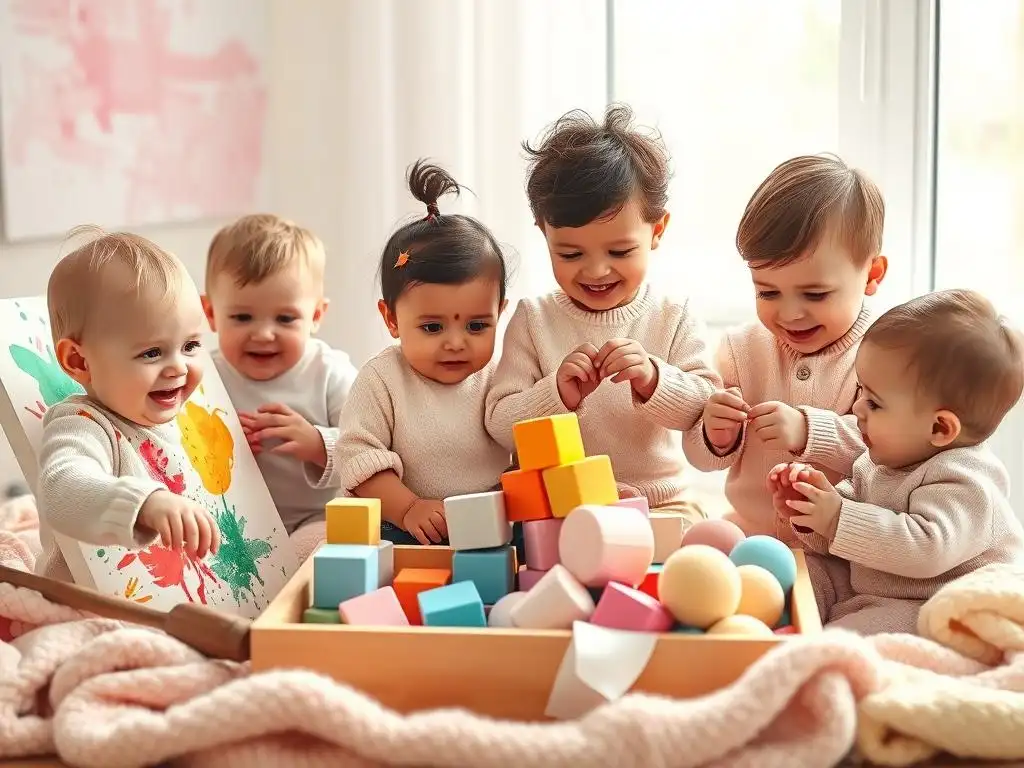
Welcome to BabyCareHub, your ultimate guide to navigating the incredible journey of parenthood! Are you ready to unlock your little one's creative potential? We've curated a treasure trove of expert advice and practical tips to help you raise a happy, healthy baby. Dive into our Developmental Milestones section and discover exciting baby art activities ideas that will stimulate your child's growth and development. Prepare to be amazed by the artistic wonders your baby can create – let the playtime adventures begin!
- The Importance of Early Artistic Exploration for Babies
- Simple Baby Art Activities Ideas: 0-6 Months
- Baby Art Activities Ideas: 6-12 Months
- Baby Art Activities Ideas: 12-18 Months
- Setting Up a Safe and Engaging Art Space for Your Baby
- Cleaning Up After Art Time: Easy Tips and Tricks
- Encouraging Artistic Expression: Tips for Parents
- Beyond the Mess: The Long-Term Benefits of Early Art Exposure
- Frequently Asked Questions
- Final Reflection: The Enduring Power of Playful Creation
- Unleash Your Little Picasso: Spark Creativity Today!
The Importance of Early Artistic Exploration for Babies
Introducing your little one to the world of art and creativity isn't just about making pretty pictures; it's a crucial step in their overall development. Early artistic exploration, even from infancy, lays the foundation for cognitive, emotional, and physical growth. This article will delve into the fascinating world of baby art activities, providing practical ideas and guidance for first-time parents eager to nurture their child's creative potential.
We'll explore the numerous benefits of sensory art activities, discuss how to foster creativity and imagination, and guide you in selecting safe and age-appropriate art supplies. Understanding the importance of these early experiences will empower you to create enriching playtime experiences that contribute significantly to your baby's holistic development, helping them reach developmental milestones in a fun and engaging way. This guide is specifically designed to provide you with actionable "baby art activities ideas" to support your child's journey.
Benefits of Sensory Art Activities for Baby Development
Sensory art activities offer a multitude of benefits for your baby's development. These activities aren't just about the final product; the process itself is incredibly enriching. For example, finger painting allows babies to explore different textures, strengthening their fine motor skills and hand-eye coordination.
The vibrant colors stimulate their visual senses, while the varied consistencies – from smooth paints to chunky finger paints – engage their tactile senses. The act of creating, even if it's just messy exploration, helps develop problem-solving skills and encourages self-expression. Studies have shown that early exposure to art can also enhance language development, as babies begin to associate colors, textures, and actions with words.
Furthermore, the shared experience of creating art strengthens the parent-child bond, fostering a secure and loving environment crucial for healthy development. The positive emotional response evoked by these activities contributes to a sense of accomplishment and self-esteem, building confidence in your little one. Think about the joy on their face as they discover the sensation of cool finger paint on their skin!
Fostering Creativity and Imagination Through Art
Beyond the sensory benefits, art activities are powerful tools for nurturing creativity and imagination. Providing a variety of materials – from washable crayons to textured playdough – allows babies to explore different ways of expressing themselves. Don't focus on creating a masterpiece; instead, embrace the process of exploration. Let your baby lead the way, experimenting with colors, shapes, and textures without judgment.
You can encourage their creativity by offering open-ended prompts, such as "Let's see what happens when we mix these two colors!" or "What kind of animal can we make with this playdough?". Remember, the goal is not to produce perfect art, but to foster a love of the creative process.
Observe your baby's interactions with the materials; their choices and actions offer valuable insights into their developing personality and preferences. This playful engagement with art will lay the foundation for future creative endeavors and problem-solving abilities. For instance, the simple act of tearing paper develops hand strength and introduces the concept of cause and effect.
Choosing Safe and Age-Appropriate Art Supplies for Babies
Safety is paramount when selecting art supplies for babies. Opt for non-toxic, washable paints and crayons specifically designed for infants and toddlers. Avoid small parts that could pose a choking hazard. Always supervise your baby during playtime, ensuring they don't ingest any materials.
Consider using natural, homemade options like finger paints made from yogurt and food coloring (though always test for allergies first!). Remember to create a safe and comfortable environment for your baby to explore their artistic side. A dedicated play area with a protective covering on the floor can minimize the mess and ensure a stress-free experience for both you and your little artist. Choosing age-appropriate materials is crucial.
For example, while older babies might enjoy finger painting, newborns might benefit more from exploring different textures through sensory bags or textured books. Prioritize safety and adjust the activities to suit your baby's developmental stage. Remember, the focus should always be on the fun and exploration, not the perfection of the artwork.
Simple Baby Art Activities Ideas: 0-6 Months
This section provides a curated selection of simple and safe art activities perfect for babies aged 0-6 months. These activities focus on sensory exploration and introducing your little one to the joy of creative expression, laying the groundwork for future artistic development. Remember, safety is paramount; always supervise your baby closely during these activities. The key is to focus on the sensory experience rather than creating a masterpiece! These baby art activities ideas are designed to be engaging and developmentally appropriate for this age group.
Sensory Exploration: Touch and Feel Art
For newborns and very young infants (0-3 months), the focus should be on sensory exploration. This means letting them experience different textures, temperatures, and even smells associated with art materials. Avoid messy paints at this stage. Instead, consider these options:
- Fabric Scrap Books: Create a simple book using various fabrics like soft fleece, smooth silk, textured corduroy, and rough burlap. Let your baby touch and feel the different textures. This stimulates tactile development and encourages exploration.
- Temperature Play: Offer your baby safe, age-appropriate objects with varying temperatures. A cool, smooth metal spoon (always supervised! ), a warm, soft flannel, and a room-temperature wooden block can all provide fascinating sensory input. Observe their reactions to the different temperatures.
- Sensory Bags: Fill clear, zip-top bags with different materials like rice, beans, or water beads. Secure the bags tightly to prevent leakage and let your baby explore the various textures and visual stimuli. This is a fantastic way to develop hand-eye coordination.
Remember to always supervise your baby during these activities. Observe their reactions and adjust the activity based on their level of engagement. This stage is all about introducing the concept of sensory exploration through textures and materials.
Taste-Safe Finger Painting for Babies
Once your baby shows increased interest in grabbing and mouthing objects (around 4-6 months), you can introduce taste-safe finger paints. However, crucially, these paints must be specifically designed for babies and clearly labeled as non-toxic and edible. Never use regular paints.
Here's what to consider:
- Ingredients: Look for paints made from simple, natural ingredients like yogurt, pureed fruits, or vegetable purees. Avoid anything with artificial colors or preservatives.
- Consistency: The paint should be thick enough to stay on the baby's fingers but thin enough to spread easily.
- Surface: Use a large, washable surface like a highchair tray or a large piece of butcher paper taped to the floor.
- Supervision: Constant, close supervision is absolutely essential at all times. Even taste-safe paints should not be ingested in large quantities.
This stage focuses on the process, not the product. The primary goal is to allow your baby to explore color, texture, and the sensation of making marks. Don't worry about creating a perfect picture; instead, focus on the joyful sensory experience for your baby. Document this milestone with pictures! 👶🎨
Exploring Textures with Homemade Playdough
Homemade playdough provides a safe and engaging way for your baby to explore textures and develop fine motor skills. It's also a great opportunity to introduce different colors and scents using natural ingredients.
Here's a simple recipe:
| Ingredient | Quantity | Notes |
|---|---|---|
| Flour | 2 cups | All-purpose flour works best. |
| Salt | ½ cup | Enhances the playdough's longevity. |
| Water | 1 cup | Adjust as needed for desired consistency. |
| Vegetable Oil | 2 tablespoons | Makes the dough smoother and easier to work with. |
| Food Coloring (optional) | A few drops | Use natural food coloring for safety. |
| Essential Oil (optional) | A few drops | Use baby-safe essential oils sparingly. |
Remember to always supervise your baby while they play with the playdough. Avoid using any ingredients that could be a choking hazard or cause an allergic reaction. The focus here is on the sensory exploration of a malleable substance, encouraging hand-eye coordination and tactile development. This is another fantastic baby art activities idea for building early skills.
Baby Art Activities Ideas: 6-12 Months
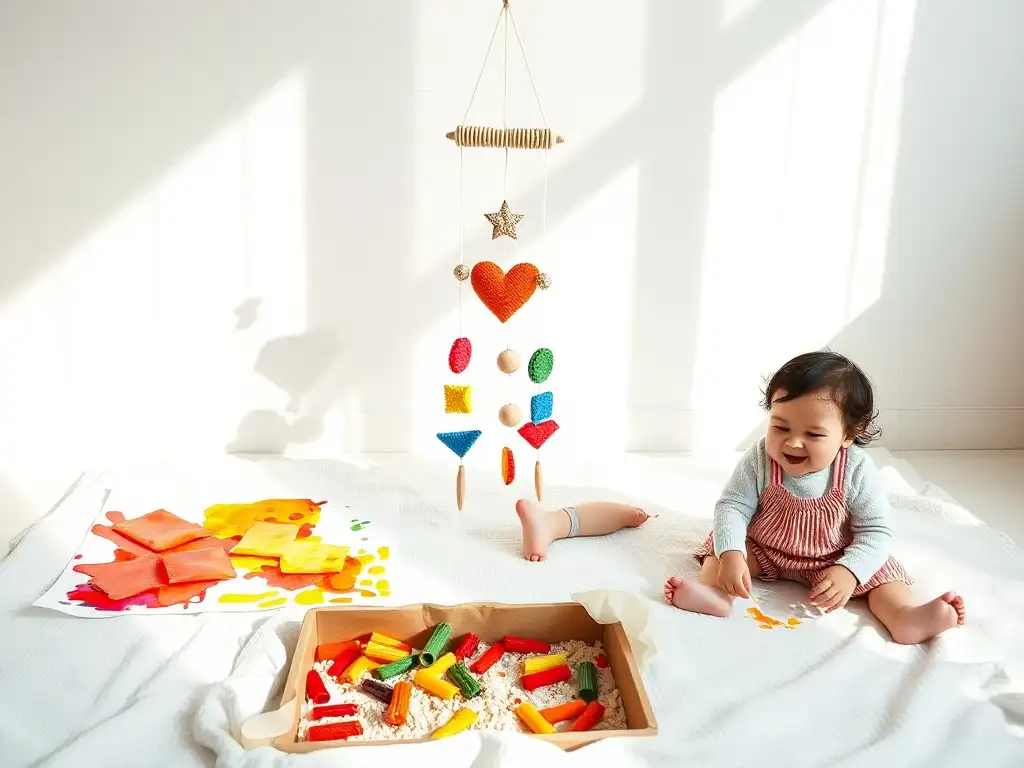
This section explores engaging and developmentally appropriate art activities for babies aged 6 to 12 months. These activities focus on sensory exploration and encouraging early mark-making skills, laying the foundation for future artistic expression. Remember to always supervise your baby closely during these activities and choose non-toxic materials. The goal is fun, messy exploration, not perfection! We'll delve into specific activities that cater to this age group, offering a variety of sensory experiences to stimulate your little one's creativity. These baby art activities ideas are designed to be simple, safe, and enriching.
First Attempts at Mark-Making: Crayon Exploration
Introducing crayons to your 6-12 month old is a fantastic way to begin their artistic journey. At this age, the focus is less on creating a masterpiece and more on the sensory experience of exploring different textures and colors. Instead of handing them a standard crayon, opt for larger, chunky crayons that are easier for little hands to grasp.
Consider crayons specifically designed for babies, which are often larger, softer, and made from non-toxic materials. These are less likely to break and are safer for mouthing (though constant supervision is still crucial! ).
You can start by simply letting your baby explore the crayons. Observe how they hold them, how they manipulate them, and what kind of marks they make. Some babies might immediately grasp the concept of drawing, while others might be more interested in chewing or banging the crayons. That's perfectly fine! The main goal is to encourage sensory exploration and hand-eye coordination. Don't expect perfect lines or recognizable shapes; the process itself is the reward. Remember to provide a large, protected surface, perhaps a large piece of paper taped to the floor, to minimize mess and encourage free movement.
Finger Painting with Edible Paints
Finger painting is a delightful sensory experience for babies in this age group. However, given their tendency to mouth everything, it's essential to use edible paints. These paints are made from safe, non-toxic ingredients, eliminating the worry of ingestion.
You can easily make your own edible finger paints using simple ingredients like yogurt, pureed fruits and vegetables, or even flour and water. Numerous recipes are available online, offering a variety of colors and textures. Remember to always supervise your baby to prevent them from consuming excessive amounts of paint.
The activity itself is straightforward. Spread a thin layer of paint on a large surface (again, a large piece of paper taped to the floor works well). Let your baby explore the different colors and textures with their fingers and toes. Observe their reactions – do they prefer certain colors? Do they enjoy the feeling of the paint on their skin? The interaction is just as important as the final result. You can even try different consistencies of paint to see how your baby responds to various textures. This sensory experience is invaluable for their development.
Watercolor Painting with Large Brushes
Watercolor painting offers a different sensory experience compared to finger painting or crayon exploration. The fluidity of the watercolors and the large brushes allow for broader strokes and a more dynamic interaction.
Opt for large, soft-bristled brushes designed for babies. Avoid fine-tipped brushes, as these are difficult for little hands to manage. Use non-toxic watercolors, preferably those specifically designed for children. Choose a large sheet of paper and let your baby explore the colors by dipping the brush into the paint and making marks on the paper.
You may need to guide their hand initially, showing them how to dip the brush and apply the paint. However, the goal is to let them take the lead as much as possible. The experience of seeing the colors blend and spread across the paper is a visually stimulating and engaging activity. Again, don't focus on the outcome; the process of exploration and sensory interaction is key. Clean up is simple with water, making this a relatively easy activity for both you and your baby.
Baby Art Activities Ideas: 12-18 Months
This section focuses on enriching your 12-18 month old's development through engaging art activities. At this age, babies are exploring their senses and developing fine motor skills at a rapid pace. Art provides a fantastic avenue for this exploration, fostering creativity and cognitive growth. Remember to always supervise your little one closely during these activities and ensure the materials used are safe and non-toxic. These activities are designed to be messy and fun – embrace the experience!
Introducing Simple Collage Techniques
Collage is a wonderful way to introduce your baby to the world of art. At this age, the focus isn't on creating a masterpiece, but on the process of exploration and sensory stimulation. Start with simple, safe materials.
- Materials: Soft, textured fabrics (felt scraps, old clothes), construction paper (choose large, brightly colored sheets), non-toxic glue stick (or washable glue), a large piece of sturdy paper or cardboard as a base.
- Process: Show your baby the different textures and colors. Let them explore the materials freely. Apply a small amount of glue to the back of a fabric or paper scrap and help them gently place it on the base. Don't worry about neatness; the goal is for them to experience the tactile sensation of sticking things together. You can even narrate the process, describing the colors and textures ("Look, this is soft blue felt! Let's stick it on the paper!"). This activity enhances hand-eye coordination and strengthens their grip.
- Variations: You can use pre-cut shapes (circles, squares, triangles) made from colorful cardstock for easier handling. Consider using different adhesive materials such as double-sided tape for varied tactile experiences. Introduce different textures like bubble wrap, cotton balls, or even dried pasta shapes (always supervise closely with small items).
Creating Art with Natural Materials
Nature provides an abundance of materials perfect for baby art. This approach adds an element of discovery and connects your child with the natural world.
- Materials: Leaves (collected on a nature walk), flowers (petals, not whole flowers), twigs, smooth stones, mud (if appropriate and safe), non-toxic paint (optional).
- Process: Begin by exploring the materials together. Describe their shapes, colors, and textures. You can simply arrange the natural items on a piece of paper, letting your baby explore their placement and arrangement. For older babies within this age range, you can introduce finger painting with natural pigments (e.g., mud, berry juice). This activity encourages creativity and sensory exploration, fostering a connection with nature. Always ensure the materials are clean and safe for your baby to handle.
- Safety Note: Thoroughly inspect all natural materials for any insects or harmful substances before introducing them to your baby. Avoid using materials that could be poisonous or cause allergic reactions.
Developing Fine Motor Skills Through Art
Art activities provide a fun and engaging way to improve fine motor skills, which are crucial for future writing and manipulation tasks.
- Activities: Finger painting (using non-toxic paints), scribbling with crayons or chunky markers (large, easy-to-grip ones are ideal), tearing and crumpling paper, playing with playdough (ensure it's non-toxic and age-appropriate).
- Benefits: These activities help develop hand-eye coordination, strengthen finger muscles, and improve dexterity. The act of gripping, squeezing, and manipulating materials strengthens small muscles in the hands and fingers, laying a solid foundation for future writing and other fine motor skills. Observe your baby's grip and encourage them to use a pincer grasp (using thumb and forefinger) when possible.
- Tips: Offer a variety of art tools and materials to keep your baby engaged and challenged. Don't worry about the final product; the focus should be on the process and the sensory experience. Remember to praise your baby's efforts and celebrate their creativity! 🎉 This positive reinforcement helps build self-esteem and encourages further exploration.
Setting Up a Safe and Engaging Art Space for Your Baby
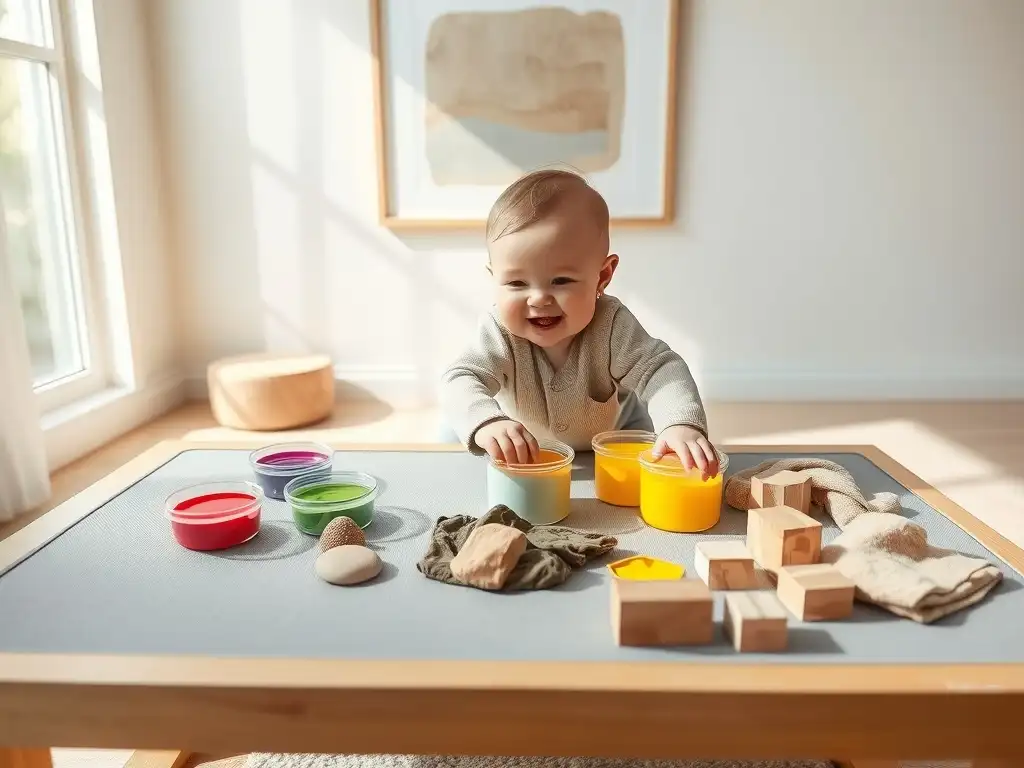
Creating a dedicated space for your baby's artistic explorations is crucial for both safety and enjoyment. This isn't just about preventing accidents; it's about fostering a positive and encouraging environment where your little one can freely express their creativity. Remember, the goal is to make art time a fun and enriching experience, not a stressful one for either you or your baby. This section will guide you through creating the perfect baby art haven.
Baby-Proofing Your Art Area
Before you even think about paints and crayons, baby-proofing is paramount. This isn't just about preventing a mess; it's about ensuring your baby's safety. Consider these essential steps:
- Floor covering: Opt for a waterproof, easily cleanable surface like a large plastic sheet or a washable rug. Spills are inevitable, so preparedness is key! Think about non-slip options to prevent falls.
- Furniture selection: Choose low, sturdy furniture to prevent tipping hazards. Avoid anything with sharp edges or small, detachable parts that could be choking hazards. A low table or even a large, thick blanket on the floor can work wonders.
- Secure storage: Keep all art supplies out of reach when not in use. Consider using childproof cabinets or high shelves to store potentially hazardous materials, like paints and markers. Remember, curious little hands are incredibly adept at finding things!
- Electrical outlets: Cover all exposed electrical outlets with safety covers. This is a non-negotiable safety precaution for any area where your baby will be spending time.
- Supervision: Never leave your baby unattended during art activities, even for a moment. Constant supervision is the best way to prevent accidents and ensure a safe environment. This is crucial for all baby art activities ideas.
Remember, a safe space isn't just about preventing accidents; it's about creating a sense of security and trust that allows your baby to explore their creativity without fear. A well-prepared area will make the whole experience more enjoyable for both of you.
Choosing the Right Surface for Art Activities
The surface you choose for your baby's art activities significantly impacts both the experience and the cleanup. Different activities call for different surfaces. Here's a breakdown to help you choose the best option for your baby's artistic endeavors:
- Highchair tray: For very young babies, a highchair tray provides a contained and convenient space for finger painting or simple sensory activities. The contained nature prevents a large mess from spreading.
- Large sheet of paper: A large roll of butcher paper or a large sheet of inexpensive paper taped to a wall or the floor provides a great canvas for larger-scale projects. This is perfect for finger painting or crayon scribbling.
- Smooth, washable surfaces: A smooth, washable surface like a plastic tablecloth or a melamine tray allows for easy cleanup and is ideal for messy projects. Remember to consider the non-toxic nature of the materials.
- Easel: As your baby gets older, an easel can provide a more structured and upright painting experience, encouraging better posture and hand-eye coordination.
The key is to choose a surface that is both safe and suitable for the specific art activity. Consider the age and developmental stage of your baby when making your decision.
Organizing Art Supplies for Easy Access
Organizing your art supplies is essential for smooth and efficient playtime. A well-organized space reduces frustration and allows for easy access to materials, promoting independent play and creativity. Here are some ideas for organizing your baby's art supplies:
| Supply Type | Storage Solution | Considerations |
|---|---|---|
| Crayons/Markers | Container with individual slots | Easy to grab, prevents breakage and mixing |
| Finger Paints | Small, squeezable bottles | Easy to handle for little hands, prevents spills |
| Paper | Drawer or storage bin | Organize by size or type |
| Sensory Materials | Clear containers | Easy to see contents, prevents mixing |
| Cleaning Supplies | Separate container | Keep away from art supplies, easy access |
Consider using clear containers to allow your baby to see the contents and choose their own materials. Labeling containers can also help with organization and independence. Remember, the goal is to make it easy for both you and your baby to access and use the art supplies. A well-organized space encourages independent play and fosters a love for art. This is a key aspect of many baby art activities ideas.
Cleaning Up After Art Time: Easy Tips and Tricks
Creating art with your baby can be a messy but rewarding experience. However, the cleanup process doesn't have to be daunting. With a few simple strategies, you can manage the inevitable spills and splatters with ease, ensuring a smooth transition from creative playtime to a clean and organized environment.
This section offers practical advice and techniques to streamline the post-art cleanup, focusing on efficient methods and readily available materials. We'll delve into removing paint from skin and clothing, cleaning art supplies and surfaces, and maintaining a consistently clean and organized art space. Remember, a well-planned cleanup routine will save you time and stress in the long run, allowing you to focus on more playtime with your little one!
Removing Paint from Skin and Clothing
Dealing with paint on delicate baby skin and clothing requires a gentle yet effective approach. Avoid harsh chemicals and opt for baby-friendly solutions. For washable paints, warm soapy water is usually sufficient. Gently wash the affected area with a soft cloth or sponge, rinsing thoroughly.
Stubborn stains might require a little more patience; try a mild baby detergent or a paste of baking soda and water, gently rubbing the area before rinsing. For non-washable paints or particularly stubborn stains, consult the paint's instructions for specific cleaning advice. Remember to always test any cleaning solution on a small, inconspicuous area first to ensure it doesn't irritate your baby's skin.
For clothing, pre-treating the stained area before washing is highly recommended. Apply a stain remover specifically designed for baby clothes, or use the baking soda paste mentioned above. Let it sit for a few minutes before washing the garment as usual. Always check the care label on the clothing item before washing to ensure you are using the appropriate method.
Air drying stained items is often preferable to using a dryer, as the heat can set the stain. Persistent stains might require repeated treatments or even professional cleaning. Remember, prevention is key! Consider using a paint smock or old clothes during art sessions to minimize the risk of staining.
Cleaning Up Art Supplies and Surfaces
Cleaning up art supplies and surfaces after a creative session is crucial for maintaining hygiene and preventing cross-contamination. Start by gathering all the art supplies. Dispose of any non-reusable materials responsibly. For reusable supplies like brushes, sponges, and containers, wash them thoroughly with warm soapy water. Rinse well and allow them to air dry completely before storing them away. If you used non-toxic, water-based paints, a simple wipe-down of the surfaces with a damp cloth should suffice. For more stubborn stains, use a mild cleaner suitable for the surface material. Avoid abrasive cleaners that could damage delicate surfaces.
Organize your art supplies in easily accessible containers or trays to make both the art session and cleanup much simpler. Consider using a designated caddy or storage box for easy transport and cleanup. This will minimize the mess and ensure that all materials are accounted for after each play session. Regularly inspect and clean your art supplies to prevent the build-up of dried paint or other materials that could harbor bacteria. This preventative maintenance will keep your art supplies in optimal condition for longer and ensure a hygienic art environment for your little one.
Maintaining a Clean and Organized Art Space
A dedicated and organized art space is essential for minimizing cleanup time and maximizing playtime. Designate a specific area for art activities, ideally one that is easily cleaned and well-ventilated. Cover the work surface with a drop cloth, newspaper, or a reusable silicone mat to protect the surface and simplify cleanup. Store art supplies in clearly labeled containers or drawers to keep everything organized and easily accessible. This will not only make cleanup easier but also promote independent play and creative exploration for your child.
Consider using washable or easily cleaned materials whenever possible. This will reduce the time and effort required for cleanup. Establish a consistent cleanup routine after each art session. Involving your child in the process, age-appropriately, can teach them about responsibility and tidiness.
Regularly declutter and organize your art supplies, discarding any broken or unusable items. A clean and organized art space creates a more enjoyable and productive environment for both you and your baby, encouraging creativity and fostering a love for art from an early age. Remember, a well-organized space reduces stress and makes the whole artistic experience more enjoyable!
Encouraging Artistic Expression: Tips for Parents
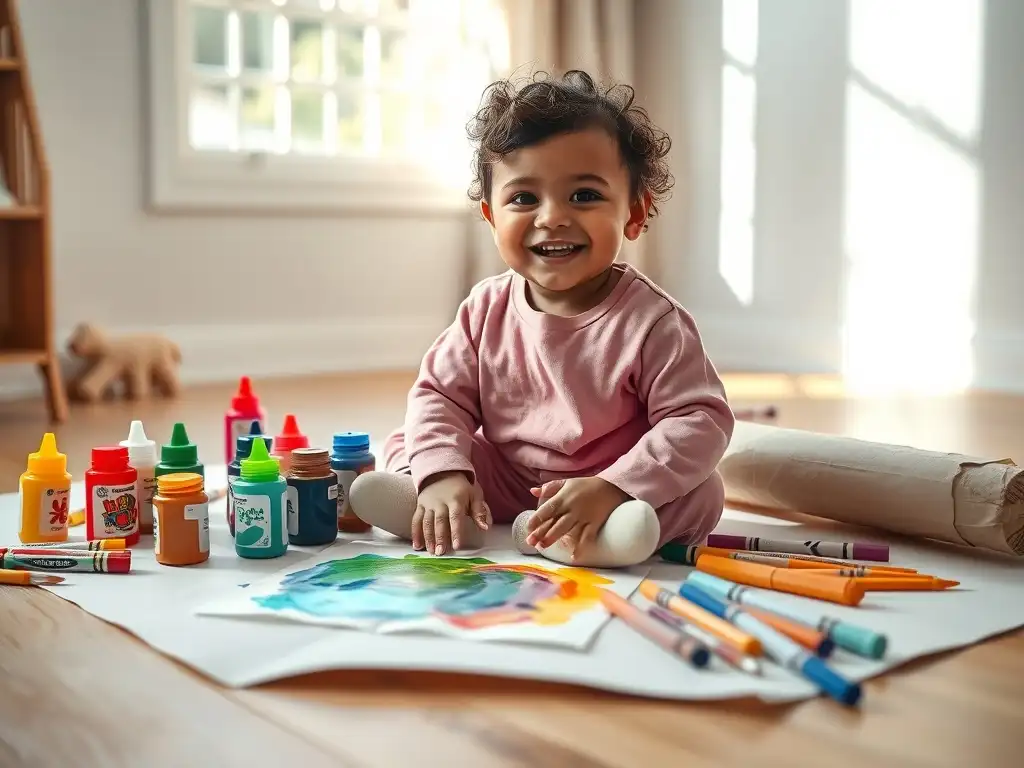
This section explores practical strategies for nurturing your baby's artistic inclinations, providing a supportive environment for creative exploration. Remember, the goal isn't to create masterpieces, but to foster a love of process and self-expression. Early exposure to art activities lays a crucial foundation for cognitive, emotional, and physical development. Think of it as planting seeds for future creativity. We'll discuss specific techniques to make art time a positive and enriching experience for both you and your little one. The key is to keep it simple, safe, and engaging.
Positive Reinforcement and Encouragement
Positive reinforcement is paramount when introducing your baby to art. Avoid criticism or judgment; instead, focus on praising their efforts and celebrating the process. A simple "That's wonderful!" or "You're doing great!" can go a long way in building confidence and encouraging continued participation. Even if the result isn't a recognizable image, the act of creating is what matters most.
Consider these practical strategies for positive reinforcement:
- Verbal praise: Use enthusiastic and specific praise, like "I love the bright colors you chose!" or "Look at how you're using your fingers to make marks!"
- Non-verbal cues: Smile, nod, and make eye contact to show your appreciation. A gentle touch on their hand as they create can also be reassuring.
- Display their artwork: Create a dedicated space to display your baby's creations. This shows that you value their work and encourages them to continue exploring their artistic abilities. A small gallery wall or even a refrigerator door can work perfectly. This simple act can boost their self-esteem and make them feel proud of their achievements.
Following Your Baby's Lead and Interests
Remember, this is their artistic journey. Observe your baby’s preferences and adapt activities accordingly. Does your baby gravitate towards bright colors or specific textures? Do they prefer finger painting or exploring with crayons? Following their lead ensures engagement and enjoyment. Don't force them into activities they don't seem interested in. Instead, offer a variety of options and let them choose what appeals to them. This approach builds autonomy and fosters a sense of ownership over their creative process.
For example:
- If your baby shows a preference for tactile exploration, offer a variety of textured materials like playdough, finger paints with different consistencies, or even various fabrics to explore.
- If your baby is fascinated by colors, provide a wide range of crayons, paints, or colored construction paper. Observe which colors they gravitate towards and provide more of those.
- If your baby seems more interested in the process than the product, emphasize the sensory experience. Focus on the feel of the paint on their fingers, the sounds of the crayons on paper, or the textures of various art supplies.
Observing your baby's reactions and adapting your approach will make the experience much more enjoyable and successful.
Making Art a Fun and Enjoyable Experience
Turning art time into a playful and positive experience is vital. Think about incorporating games and songs to make the activity more engaging. You could even create a simple song about colors or shapes to sing along while painting or drawing. The key is to keep the atmosphere relaxed and free of pressure. Remember that the goal is to foster a love for creative exploration, not to produce perfect artworks.
Consider these tips to enhance the fun:
- Keep it short and sweet: Start with short sessions, perhaps 10-15 minutes, to avoid overwhelming your baby. You can always extend the time as they become more engaged.
- Use age-appropriate materials: Ensure all materials are non-toxic and safe for babies to handle.
- Embrace the mess: Art can be messy! Prepare for spills and splatters by covering your work surface and having cleaning supplies readily available. Remember, a little mess is part of the fun! 👶🎨
- Make it a social activity: Involve other family members to create a shared experience. This can enhance the social and emotional benefits of art activities.
Remember, the most important thing is to create a positive and supportive environment where your baby feels free to explore their creativity. This will lay the groundwork for a lifelong appreciation of art and self-expression. By focusing on the joy of the process, you're helping your baby develop essential skills and build confidence in their abilities. This fosters a love for "baby art activities ideas" that will last a lifetime.
Beyond the Mess: The Long-Term Benefits of Early Art Exposure
Engaging in baby art activities ideas offers far more than just a colorful canvas; it lays a crucial foundation for your child's future development. While the mess might seem daunting, the long-term cognitive, social, and emotional benefits significantly outweigh the cleanup effort. Early artistic exploration fosters creativity, problem-solving skills, and fine motor development, influencing various aspects of a child's life. Think of it as an investment in your child's future success, not just a fleeting playtime activity. The positive impacts are multifaceted and far-reaching, shaping their personality and abilities in profound ways.
Developing Cognitive Skills Through Art
Art activities stimulate cognitive development from a very young age. The process of choosing colors, mixing paints, and creating shapes strengthens problem-solving skills. For example, a toddler might initially struggle to stay within the lines of a coloring page, but with practice and encouragement, they learn to refine their motor control and focus. This translates to improved concentration and attention span, crucial for academic success later on.
Furthermore, experimenting with different textures and mediums, like finger paints or playdough, enhances their sensory perception and understanding of cause and effect. These seemingly simple actions are building blocks for complex cognitive processes. Studies have shown a correlation between early exposure to art and improved performance in math and science, highlighting the surprising cognitive benefits of these creative endeavors. Providing a variety of materials and encouraging experimentation is key to unlocking these cognitive advantages.
Boosting Language Development Through Art
Art provides a unique platform for language development. As you engage with your baby during art activities, you naturally introduce new vocabulary. Describing colors ("Look at that bright blue! "), shapes ("This circle is so big! "), and textures ("The paint feels smooth and cool!") expands their vocabulary and comprehension.
Furthermore, the act of creating art becomes a shared experience, fostering communication and interaction between parent and child. Narrating the process, asking questions, and encouraging verbal expression during playtime strengthens their communication skills. For example, asking "What color do you want to use next?" not only encourages language but also helps them develop decision-making abilities. Remember, the conversation surrounding the activity is as important as the activity itself in boosting language development.
Building Confidence and Self-Expression Through Art
Early art experiences are invaluable for building self-esteem and fostering self-expression. Creating art allows children to express themselves without the pressure of words. It's a nonverbal way to communicate emotions and ideas, especially important for children who may not yet have the language skills to articulate their feelings. The pride a child feels when they complete a painting or sculpture, no matter how simple, is a powerful boost to their self-confidence. Every artwork, even a messy one, is a testament to their creativity and individual expression.
By celebrating their creations and avoiding judgment, parents help children develop a positive self-image and a belief in their abilities. This confidence extends beyond art, positively influencing their interactions and performance in other areas of their lives. Providing a supportive and encouraging environment is paramount to nurturing this crucial aspect of their development. Remember to focus on the process, not the product! 🎉
Frequently Asked Questions
What are the benefits of early art activities for babies?
Early art activities stimulate sensory development, fine motor skills, and cognitive growth. They also foster creativity and self-expression, laying a strong foundation for future learning. They are also a great way to bond with your baby.
What kind of art supplies are safe for babies?
Non-toxic and washable paints, crayons, and soft, safe materials like playdough are ideal. Always supervise your baby closely during playtime and choose age-appropriate supplies to avoid choking hazards.
At what age can I start introducing art activities to my baby?
You can begin introducing simple sensory art experiences as early as 6 months old, focusing on exploration and sensory play. Always adapt the activity to your baby's developmental stage and interests.
What are some simple art activities I can do with my baby?
Finger painting with non-toxic paints, playing with textured materials like rice or beans, or creating sensory bottles are great starting points. Keep it simple, fun, and messy!
How do I ensure my baby's safety during art activities?
Always supervise your baby closely, use non-toxic and baby-safe materials, and choose a safe, clean space for playtime. Clean up thoroughly afterwards to prevent any accidents.
Final Reflection: The Enduring Power of Playful Creation
The vibrant world of early childhood art is not merely about creating pretty pictures; it's about fostering crucial cognitive, emotional, and social development. This exploration of baby art activities reveals the profound impact of playful creativity on a child's burgeoning mind, a truth increasingly relevant in our screen-saturated world. We need to prioritize these foundational experiences to nurture well-rounded, imaginative individuals.
The influence of early artistic engagement extends far beyond the immediate act of creation. It shapes a child's self-perception, their problem-solving skills, and their ability to express themselves in myriad ways. Art washes away from the soul the dust of everyday life.
– Pablo Picasso. This quote beautifully encapsulates the transformative power of art, not just for adults, but especially for young children navigating the complexities of their world. The messy, joyful process of making art becomes a powerful tool for self-discovery and emotional regulation, leaving a lasting imprint on their developing personalities.
Consider the potential within your own hands. You hold the power to unlock a world of wonder and creativity for the young children in your life. Don't underestimate the simple act of providing paint, crayons, or even just some safe household items for exploration. Embrace the mess, celebrate the process, and watch as a child's imagination blossoms into a vibrant tapestry of self-expression. The legacy of playful creation is not just about the artwork itself, but the lasting impact it has on a child's journey of self-discovery and lifelong learning.
Unleash Your Little Picasso: Spark Creativity Today!
Thank you for joining us on this journey into the wonderful world of early childhood art! We hope you've gained valuable insights into nurturing your child's creative spirit. Now it's time to put those ideas into practice!
- Embrace the Mess: Dedicate some playtime this week to a dedicated art session. Even simple activities like finger painting or creating collages can unlock amazing creativity. Remember, the process is more important than the final result!
- Share Your Child's Artwork: Take a picture of your child's creation and share it on social media using #BabyCareHubArt – let's inspire each other!
- Explore Diverse Textures and Materials: Gather natural items like leaves, sticks, or stones and see what wonderful art your child can create with them!
What unique artistic adventures will you and your little one embark on next?