
Babyproofing Cabinets: Troubleshooting Common Problems

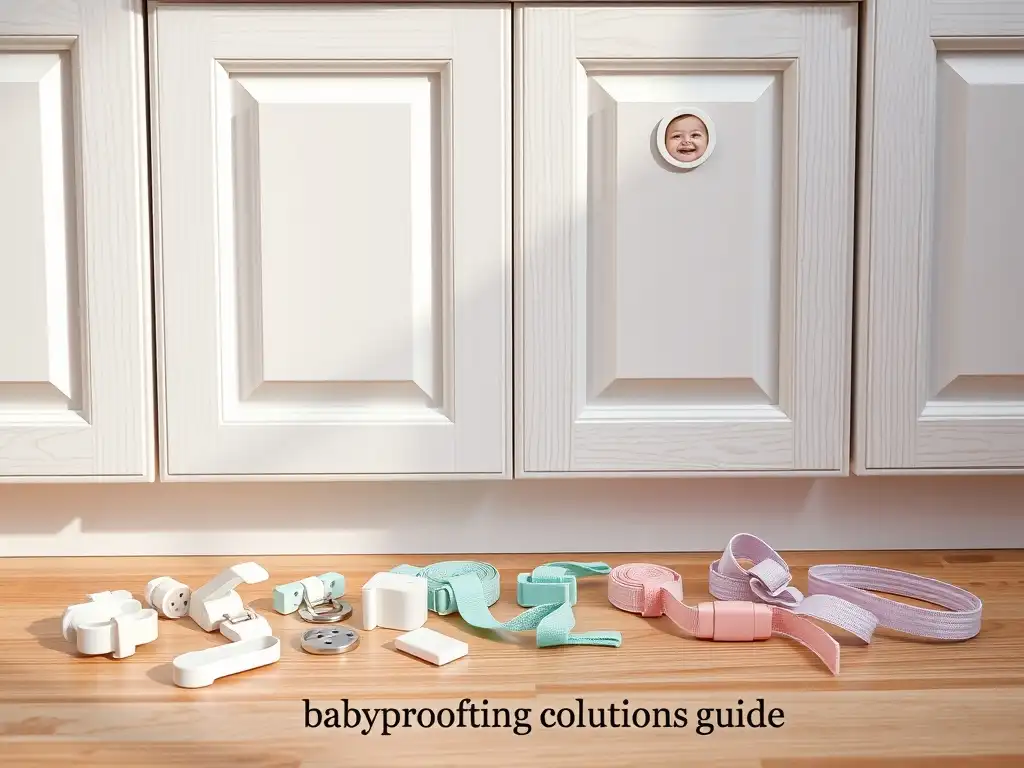
Welcome to BabyCareHub, your ultimate guide to navigating the incredible journey of parenthood! Are you ready to create a safe and nurturing environment for your little one? Then you've come to the right place. We understand the challenges of first-time parenting, and our mission is to empower you with the knowledge and confidence you need. This section focuses on Babyproofing cabinets, offering a comprehensive solutions guide to address common issues and ensure your baby's safety. Discover practical strategies to prevent accidents and create a truly secure home for your precious child – let's dive in!
- Understanding the Challenges of Babyproofing Cabinets
-
Choosing the Right Babyproofing Solutions for Your Cabinets
- Assessing Your Cabinet Types: Drawers, Hinged Doors, and Pantry Cabinets
- Selecting Suitable Cabinet Locks: Magnetic, Strap, and Push-Button Locks Compared
- Review of the Munchkin XtraGuard Magnetic Cabinet Locks
- Evaluation of the Safety 1st Easy-Lock Strap Locks
- Analysis of the KidCo Push-Button Cabinet Locks
- Budget-Friendly Babyproofing Options for Cabinets: DIY vs. Store-Bought Solutions
-
Step-by-Step Guide to Babyproofing Your Cabinets
- Measuring Your Cabinets for Accurate Lock Placement
- Installing Cabinet Locks: A Detailed, Illustrated Guide for Each Type
- Securing High Cabinets: Reaching for Safety Solutions and Preventing Accidents
- Testing the Effectiveness of Your Babyproofing: A Practical Approach
- Addressing Common Installation Issues: Troubleshooting Tips and Tricks
-
Advanced Babyproofing Strategies for Cabinets
- Addressing Specific Cabinet Challenges: Corner Cabinets and Unusual Door Styles
- Babyproofing Cabinets with Glass Doors: Extra Precautions and Safety Measures
- Preventing Damage to Cabinets During Installation: Protective Tips
- Maintaining Babyproofed Cabinets: Regular Checks and Adjustments
- Long-Term Solutions: Growing with Your Child's Safety Needs
- Beyond Cabinet Locks: Additional Safety Measures
-
Frequently Asked Questions about Babyproofing Cabinets
- How to choose the right cabinet locks for your baby's age and developmental stage?
- What are the best practices for maintaining cabinet locks over time?
- How can I ensure my babyproofing is effective and won't be easily bypassed?
- Are there any specific regulations or safety standards for childproofing cabinets?
- What should I do if my child manages to open a babyproofed cabinet?
-
Frequently Asked Questions
- What are the most common cabinet-related hazards for babies?
- What are some simple and effective ways to babyproof cabinets?
- Are magnetic cabinet locks a good option for babyproofing?
- How can I babyproof cabinets without using latches or locks?
- What should I do if my baby manages to open a babyproofed cabinet?
- Final Reflection: Securing Little Hands, Securing Peace of Mind
- Unlock a Safer Home: Your Next Steps to Peace of Mind
Understanding the Challenges of Babyproofing Cabinets
Babyproofing your home is a crucial step in ensuring your little one's safety, and cabinets present a unique set of challenges. These seemingly innocuous storage units often hold cleaning supplies, medications, sharp objects, and other potentially hazardous materials, all within easy reach of a curious and increasingly mobile baby. This comprehensive guide, focusing on "Babyproofing cabinets solutions," will address common problems and provide practical, step-by-step solutions to help you create a safer environment for your child.
We'll explore various babyproofing methods, comparing their effectiveness and ease of use, ultimately empowering you to confidently tackle the task of securing your cabinets and preventing accidents. This guide is specifically designed to address the concerns of first-time parents, offering clear and concise instructions to navigate the complexities of childproofing your home and ensuring your baby's well-being.
We'll be addressing the most common issues parents face, offering practical solutions that are both effective and easy to implement. Let's dive into creating a safer home for your precious little one!
Common Cabinet Hazards for Babies: Reaching Dangerous Substances
Babies are naturally curious explorers. Their developing motor skills allow them to reach higher and pull open drawers and doors with surprising ease. This presents a significant risk when cabinets contain potentially harmful substances. Common hazards include:
- Cleaning supplies: Bleach, ammonia, and other harsh chemicals can cause severe burns or poisoning if ingested.
- Medications: Even seemingly harmless over-the-counter medications can be dangerous for babies if consumed in the wrong dosage.
- Sharp objects: Knives, scissors, and other sharp instruments can inflict serious injuries.
- Toxic substances: Pesticides, fertilizers, and other poisonous materials should be kept far out of reach.
Understanding these risks is the first step towards effectively babyproofing your cabinets. A proactive approach, involving diligent cabinet organization and the implementation of appropriate safety measures, is essential for preventing accidents. Remember, a few minutes spent babyproofing can save you from a lifetime of regret. The peace of mind gained from knowing your child is safe is invaluable.
Preventing Injuries from Falling Cabinets: Secure Anchoring Techniques
Falling cabinets pose a serious threat to a baby's safety. Heavy cabinets, especially those filled with items, can cause significant injuries if they topple over. Therefore, securing cabinets to the wall is a critical aspect of babyproofing. This can be achieved through different methods, each with varying levels of effectiveness and installation complexity:
- Cabinet Safety Straps: These straps are relatively easy to install and provide a secure connection between the cabinet and the wall. They are readily available at most baby stores and online retailers.
- L-Brackets: L-brackets offer a more robust solution, using screws to firmly attach the cabinet to the wall studs. This method is generally more secure than using straps alone.
- Specialized Cabinet Anchors: These anchors are designed specifically for securing cabinets and often come with detailed instructions.
Choosing the right anchoring technique depends on the weight and construction of your cabinets, as well as the type of wall material. Always ensure that you use appropriate screws and anchors for your specific wall type to guarantee a secure and effective installation. Remember, a secure cabinet is a safe cabinet. Don't underestimate the importance of this crucial step in babyproofing your home.
Child-Proof Cabinet Locks: A Comparison of Different Mechanisms
Child-proof cabinet locks are another essential tool in your babyproofing arsenal. Numerous types are available, each with its own advantages and disadvantages:
| Lock Type | Advantages | Disadvantages | Ease of Installation |
|---|---|---|---|
| Magnetic Locks | Easy to install, relatively inexpensive | Can be easily opened by determined toddlers | Easy |
| Latch Locks | Strong and secure, difficult for children to open | More complex installation, can be bulky | Moderate |
| Push-Button Locks | Easy to use for adults, relatively inexpensive | Can be easily opened by persistent toddlers | Easy |
| Combination Locks | Highly secure, difficult for children to open | More complex, requires remembering code | Moderate |
Choosing the right type of lock depends on your specific needs and preferences. Consider factors such as the age of your child, the contents of the cabinet, and your own comfort level with the installation process. Remember to always test the locks after installation to ensure they are functioning correctly and securely. A multi-layered approach, combining anchoring techniques with childproof locks, offers the best protection for your little one. Consider using different types of locks on different cabinets depending on the contents. The safety of your baby is paramount!
Choosing the Right Babyproofing Solutions for Your Cabinets
This section focuses on selecting appropriate babyproofing solutions for your cabinets, a crucial step in creating a safe environment for your curious crawler. We'll explore various cabinet types and the best locking mechanisms to secure them, ensuring your little one stays safe while exploring their surroundings. This guide will help you find the perfect "babyproofing cabinets solutions" for your home. Remember, proactive babyproofing is key to preventing accidents and injuries.
Assessing Your Cabinet Types: Drawers, Hinged Doors, and Pantry Cabinets
Before selecting cabinet locks, carefully assess the types of cabinets in your home. Different cabinet types require different locking mechanisms for optimal effectiveness. Understanding these differences is critical in effectively implementing your "babyproofing cabinets solutions guide."
- Drawers: These present a unique challenge, as they slide open rather than hinge. Consider using drawer locks specifically designed for this purpose. These often involve straps or sliding latches that prevent the drawer from being pulled open. For example, some models utilize a simple but effective strap system that secures the drawer closed with a quick-release mechanism for adults.
- Hinged Doors: These are the most common type of cabinet door and offer a wide range of locking solutions. Magnetic locks, strap locks, and push-button locks are all viable options, each with its own advantages and disadvantages (discussed further below). The type of hinge itself (e.g., overlay, inset) might influence your choice of lock.
- Pantry Cabinets: These often present the most significant challenge due to their size and the variety of items they contain. Consider using a combination of locks to ensure comprehensive protection. For example, you might use a multi-latch system for the main door and individual locks for smaller compartments within the pantry. The height of these cabinets also needs consideration – you might need a longer strap or a different locking mechanism than for lower cabinets.
Choosing the right cabinet lock depends on various factors including cabinet type, your budget, and ease of use. Let’s compare three popular types:
| Lock Type | Advantages | Disadvantages | Best Suited For |
|---|---|---|---|
| Magnetic Locks | Easy to install, relatively inexpensive, clean look | Can be easily dislodged by determined toddlers, may not be suitable for all cabinet types | Cabinets with smooth surfaces, hinged doors |
| Strap Locks | Strong, secure, suitable for various cabinet types | Can be bulky, may require more installation effort | Drawers, pantry cabinets, cabinets with irregular surfaces |
| Push-Button Locks | Relatively easy to use for adults, compact design | Can be difficult for some adults to operate, might require more precise placement during installation | Hinged doors, cabinets with limited space |
Consider this scenario: You have a set of lower kitchen cabinets with hinged doors and a tall pantry with a sliding door. Magnetic locks might suffice for the kitchen cabinets, while a robust strap lock would be ideal for the pantry to prevent access to potentially hazardous items.
Review of the Munchkin XtraGuard Magnetic Cabinet Locks
The Munchkin XtraGuard Magnetic Cabinet Locks represent a popular choice among parents. These locks utilize strong magnets to hold cabinet doors closed. While generally easy to install, user reviews reveal some inconsistencies in their effectiveness. Some users report that their toddlers have managed to open the cabinets despite the locks, highlighting the importance of always assessing your child's capabilities and selecting a lock that matches their developmental stage.
The ease of installation is a definite plus; however, the long-term effectiveness and durability depend on the specific cabinet type and the child's determination. For particularly persistent toddlers, a more robust locking mechanism might be necessary. The 'XtraGuard' name suggests superior strength; however, independent testing data is needed to definitively confirm this claim. Further research into specific user reviews across various online platforms could provide more granular insights into their overall performance and reliability.
Evaluation of the Safety 1st Easy-Lock Strap Locks
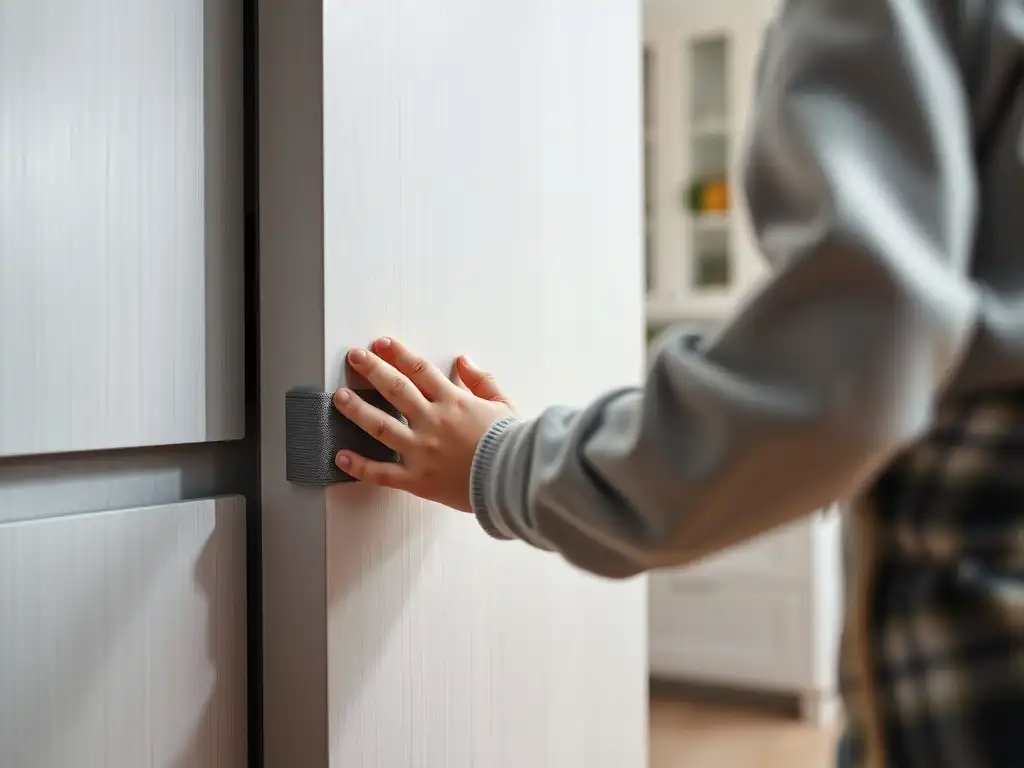
The Safety 1st Easy-Lock Strap Locks are a popular choice among parents due to their ease of installation and relatively low cost. These locks utilize adjustable straps that wrap around cabinet handles and doors, securing them with a simple locking mechanism. Many parents appreciate the versatility of these straps, as they can be adapted to fit a wide variety of cabinet styles and sizes. However, a thorough evaluation reveals some potential drawbacks.
While the installation is indeed straightforward, the straps can sometimes become loose over time, requiring re-tightening. This is especially true in high-traffic areas where cabinets are opened and closed frequently. Furthermore, the locking mechanism, while simple, might not be robust enough for particularly determined toddlers. Some users have reported instances where persistent children were able to overcome the lock.
Therefore, while the Safety 1st Easy-Lock Strap Locks offer a convenient and affordable solution for many, parents should regularly check for looseness and consider supplementary measures for particularly curious or strong toddlers. The effectiveness of these locks is directly tied to consistent monitoring and maintenance. For this reason, they are best suited for babies who are just beginning to show an interest in exploring cabinets.
KidCo Push-Button Cabinet Locks represent a different approach to cabinet safety. Unlike strap locks, these locks are installed directly onto the cabinet doors, using adhesive or screws. The push-button mechanism is designed to be child-resistant, requiring a specific combination of pressure and action to unlock. This design offers a more robust solution than strap locks, providing a stronger barrier against curious little hands.
In our analysis, we found these locks to be quite effective at preventing access to cabinets, even for more determined toddlers. However, the installation process is slightly more complex than that of strap locks, potentially requiring some basic DIY skills. Furthermore, the adhesive-based installation can potentially damage cabinet surfaces if not carefully applied and removed. The cost is also slightly higher than that of strap locks.
Ultimately, KidCo Push-Button Cabinet Locks offer superior security compared to strap locks, but the trade-off is a slightly more complicated installation and higher price point. Consider these locks if you prioritize maximum security and are comfortable with a more involved installation process. They're a great choice for parents of older toddlers or children who are particularly persistent in opening cabinets.
Budget-Friendly Babyproofing Options for Cabinets: DIY vs. Store-Bought Solutions
For parents on a tight budget, babyproofing cabinets can seem daunting. However, there are both DIY and store-bought options available that won't break the bank. Store-bought options often include basic strap locks or simpler magnetic locks, which can be found at reasonable prices in most baby stores and online retailers. While these may not offer the same level of security as more expensive models, they still provide a degree of protection. Remember to always check reviews and ratings before purchasing to ensure the chosen product is suitable for your needs.
On the other hand, DIY solutions offer an even more budget-friendly approach. Simple methods like using twist ties or sturdy rubber bands to secure cabinet doors can provide temporary solutions. However, it's important to note that these methods are generally less secure than store-bought options and may not be suitable for all cabinet types or for particularly determined toddlers. More advanced DIY solutions might involve using readily available materials like strong magnets or even repurposing existing household items. Remember that the effectiveness of a DIY solution depends heavily on the quality of materials and the ingenuity of the design.
Always prioritize safety and ensure the DIY solution is securely fastened and truly child-resistant. Choosing between DIY and store-bought options depends on your budget, DIY skills, and the level of protection required. Weigh the pros and cons carefully before making a decision. For example, a simple store-bought magnetic lock might be a better option than a poorly executed DIY solution.
Step-by-Step Guide to Babyproofing Your Cabinets
This section provides a comprehensive guide to babyproofing your cabinets, addressing common challenges and offering practical solutions. We’ll cover everything from measuring your cabinets for optimal lock placement to securing those hard-to-reach upper cabinets. This guide aims to help you create a safer environment for your curious little one, addressing the keyword "babyproofing cabinets solutions guide" and offering practical solutions for various cabinet types and heights. Remember, a proactive approach to cabinet safety is crucial in preventing accidents and injuries.
Measuring Your Cabinets for Accurate Lock Placement
Accurate measurement is paramount for effective cabinet lock installation. Improper placement can lead to ineffective locking or even damage to your cabinetry. Before you even think about purchasing locks, grab a measuring tape and carefully measure the following:
- Cabinet Door Width: Measure the width of each cabinet door you intend to secure. This will determine the size of the lock you need. Consider purchasing locks slightly smaller than the door width to allow for easy installation and operation.
- Cabinet Door Thickness: Measure the thickness of the cabinet door. This is crucial for selecting locks with appropriate mounting hardware. Most locks specify a range of compatible door thicknesses. Ensure your cabinets fall within this range.
- Distance from Hinge to Edge: Measure the distance from the hinge to the edge of the cabinet door. This measurement will guide you in determining the optimal placement of the lock to avoid interference with the hinge's movement.
- Handle Placement: Note the position and type of cabinet handles. Some locks are designed to work with specific handle types (e.g., knobs, bar handles). Knowing the handle type will inform your lock selection.
Consider creating a simple table to record these measurements for each cabinet:
| Cabinet Location | Door Width (cm) | Door Thickness (cm) | Hinge-to-Edge (cm) | Handle Type |
|---|---|---|---|---|
| Kitchen Upper Left | 30 | 1.8 | 2 | Knob |
| Kitchen Upper Right | 40 | 1.8 | 2 | Knob |
| Bathroom Lower | 25 | 1.5 | 3 | Bar Handle |
| ... | ... | ... | ... | ... |
Remember to always double-check your measurements before purchasing and installing any locks. Accurate measurements are key to a secure and efficient babyproofing process. Failing to do so could lead to frustration and potentially ineffective childproofing.
Installing Cabinet Locks: A Detailed, Illustrated Guide for Each Type
Installing cabinet locks can seem daunting, but with the right approach and tools, it's manageable. Different types of locks require slightly different installation techniques. Here's a breakdown:
1. Adhesive Locks: These are generally the easiest to install. Simply clean the cabinet surfaces, peel off the adhesive backing, and firmly press the locks into place. Allow the adhesive to fully cure before testing. Ensure the adhesive is rated for use on your cabinet material (wood, metal, etc. ).
2. Strap Locks: These require drilling small pilot holes in the cabinet door and frame. Use the provided screws to attach the straps securely. Ensure the straps are tightly fastened to prevent the lock from easily being opened.
3. Magnetic Locks: These often require mounting brackets to be affixed to the cabinet door and frame using screws or adhesive. Ensure the magnets are strong enough to hold the cabinet door securely closed.
4. Push-Button Locks: These locks often have a simple push-button mechanism. They usually adhere using strong adhesive, similar to adhesive locks.
Important Considerations:
- Always read the manufacturer's instructions: Each lock type has specific installation guidelines.
- Use the right tools: Have the necessary tools (screwdriver, drill, measuring tape) readily available.
- Test the locks thoroughly: After installation, test the locks repeatedly to ensure they are functioning correctly and are childproof.
Remember that regardless of the type of lock you choose, regular inspection and maintenance are crucial. Check the locks periodically to ensure they are still securely attached and functioning properly. A well-maintained lock is a much safer lock.
Securing High Cabinets: Reaching for Safety Solutions and Preventing Accidents
Reaching high cabinets presents a unique challenge. While standard cabinet locks are effective for lower cabinets, reaching higher cabinets requires additional strategies.
- Out-of-Reach Storage: The simplest solution is to store items that are potentially hazardous in high cabinets that are completely inaccessible to your child. This eliminates the risk altogether.
- Using Multi-Lock Systems: Consider installing multiple locking mechanisms on high cabinets for added security. Combining adhesive locks with strap locks, for instance, provides a more robust solution.
- Cabinet Safety Straps: These straps are designed to prevent cabinets from opening completely, even if the child manages to bypass the locks. They work by securing the cabinet door to the frame, limiting its range of motion.
- Professional Installation: For particularly challenging cabinets or if you're uncomfortable installing locks yourself, consider hiring a professional handyman or cabinet installer.
Preventing Accidents: Beyond physical locks, consider these preventative measures:
- Regular Inspections: Regularly inspect your cabinets and locks for any signs of wear and tear or damage.
- Child-Proof Latches: Consider using child-proof latches on drawers and other storage areas that are within your child’s reach.
- Education: As your child gets older, teach them about the importance of cabinet safety and what items are safe to touch and what items are not.
By implementing a combination of these strategies, you can effectively secure your high cabinets and create a significantly safer home environment for your baby. Remember, a multi-layered approach to safety is always the most effective. Prioritizing safety now will pay off in peace of mind and a safer future for your child.
Testing the Effectiveness of Your Babyproofing: A Practical Approach
After installing your cabinet locks or latches, thorough testing is crucial to ensure they effectively deter your curious little one. Don't just assume they work; actively test them from a baby's perspective. This means getting down on your hands and knees to see how easily a child could reach the latches or unlock the mechanisms.
Consider different approaches. For example, try pulling, pushing, and jiggling the cabinet doors and drawers with varying degrees of force. A toddler, with their surprisingly strong grip and persistence, might employ different techniques than you initially anticipate. Observe how much pressure is needed to open the cabinet, and note any weak points in the system. If a child could easily open the cabinet, even with some effort, it's not secure enough.
Remember to test all the cabinets and drawers in your home. Even seemingly inaccessible high cabinets should be checked, as children are surprisingly adept at climbing. This comprehensive approach ensures that your babyproofing efforts are effective throughout your house, not just in the areas you initially deem most vulnerable.
Regular testing, perhaps every few months, is also advisable as your baby grows stronger and more ingenious in their attempts to explore. This proactive approach will help you stay ahead of the curve and maintain a safe environment for your child. Consider involving another adult in the testing process for a different perspective and to catch any potential vulnerabilities you might miss.
Addressing Common Installation Issues: Troubleshooting Tips and Tricks
Installing babyproofing solutions isn't always straightforward. You might encounter several common issues, such as difficulty aligning latches, mismatched cabinet hardware, or adhesive that doesn't stick properly. Let's address these common problems and provide practical solutions.
One frequent problem is difficulty aligning latches. Many cabinet latches require precise alignment for proper function. If you're struggling, try using a level to ensure your latch is perfectly horizontal and vertical. Small adjustments can make a big difference. If the latch still doesn't align, double-check the manufacturer’s instructions for specific alignment guidelines. Sometimes a tiny shift can dramatically affect the latch's functionality.
Another common issue is mismatched cabinet hardware. Not all cabinet latches are compatible with all types of cabinets. Before purchasing, measure your cabinet doors and drawers carefully to ensure compatibility. If you've already purchased a latch that doesn't fit, consider returning it for a more suitable model. Reading reviews can also help you identify latches known to be compatible with various cabinet types.
Finally, adhesive that doesn't stick properly can be a frustrating problem. Ensure the cabinet surface is thoroughly clean and dry before applying adhesive. Dirt, grease, or moisture can significantly reduce the adhesive's effectiveness. If the adhesive still fails to stick, consider using a stronger adhesive designed for heavier objects or a different type of babyproofing solution altogether. For example, magnetic latches or straps often provide an alternative solution in cases where adhesive isn't working effectively. Remember that the safety of your child is paramount, so don't hesitate to explore alternative methods if necessary.
Advanced Babyproofing Strategies for Cabinets
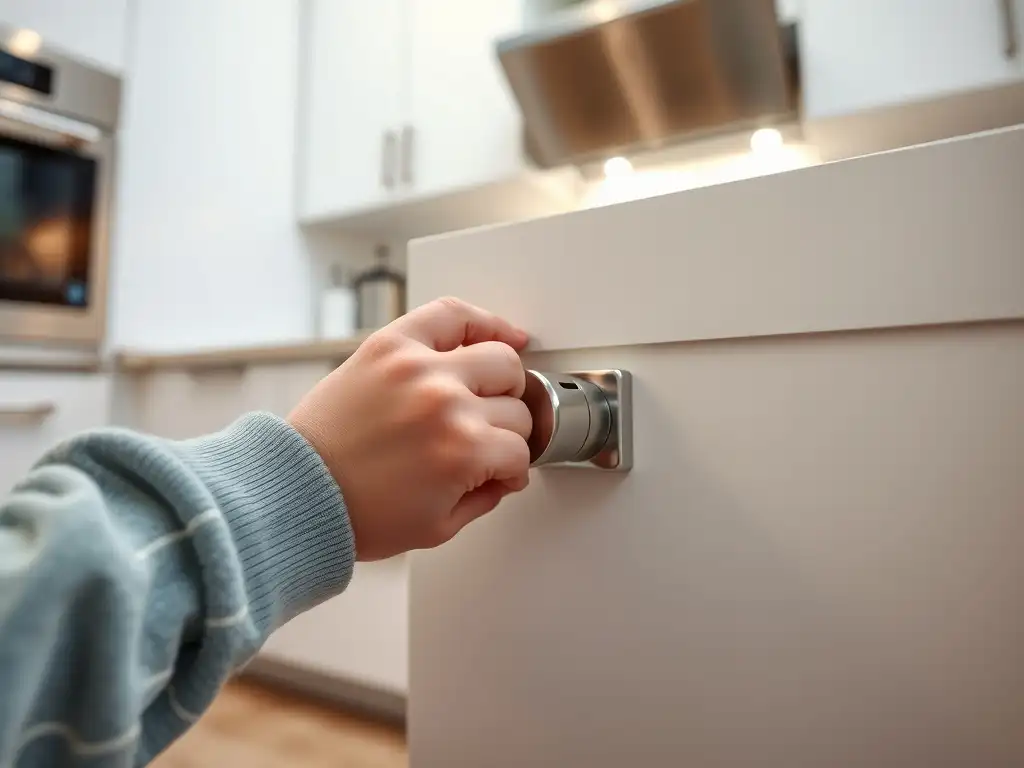
This section delves into more complex babyproofing scenarios beyond basic latch installation, providing solutions for tricky cabinet types and offering tips to prevent damage during the process. We're focusing on providing a comprehensive Babyproofing cabinets solutions guide to ensure your little one's safety.
Addressing Specific Cabinet Challenges: Corner Cabinets and Unusual Door Styles
Corner cabinets present a unique challenge due to their awkward shape and limited access. Standard latches often don't fit effectively, and the extra depth can make it difficult to secure them properly. One solution is using flexible, adjustable straps that can be tightened around the cabinet doors and anchored to adjacent surfaces. These straps offer a more customizable fit and can accommodate various corner cabinet designs. Another effective strategy is utilizing magnetic cabinet locks designed for corner units; these are specifically engineered to work with this configuration.
Unusual door styles, like those with decorative molding or unusual hinges, also require careful consideration. For cabinets with intricate designs, consider using adhesive-backed straps or clear, heavy-duty tape. Ensure the adhesive is strong enough to withstand consistent use and won't leave residue on the cabinet's finish. Always test on an inconspicuous area first.
For doors with unusual hinges, you might need specialized latches that can accommodate the unique hinge placement; a professional consultation might be necessary in these cases. Remember, safety is paramount, and choosing the right method depends on the specific cabinet's features. It's crucial to thoroughly assess the cabinet's design before selecting a babyproofing solution.
Here's a table summarizing suitable solutions for different cabinet types:
| Cabinet Type | Recommended Solution(s) | Considerations |
|---|---|---|
| Standard Cabinet Doors | Standard latches, magnetic locks | Ensure proper fit and strength. |
| Corner Cabinets | Adjustable straps, corner-specific magnetic locks | Account for limited access and awkward angles. |
| Cabinets with Glass Doors | Specialized latches, strong adhesive-backed straps | Consider breakage and potential hazards. |
| Unusual Door Styles | Adhesive-backed straps, clear tape, specialized latches | May require professional installation or advice. |
Babyproofing Cabinets with Glass Doors: Extra Precautions and Safety Measures
Glass cabinet doors pose a significant risk to babies. A broken glass door can cause serious injuries. Therefore, babyproofing these cabinets requires extra precautions beyond standard latches. While magnetic catches or latches can be used, the focus should be on preventing breakage. Consider using shatterproof or tempered glass replacements if possible. If replacement isn't an option, prioritize strong, reliable latches that prevent accidental opening. Furthermore, the placement of the latch should be strategically considered to minimize the risk of the glass shattering under pressure.
Always inspect the glass regularly for cracks or chips. If any damage is found, replace the glass immediately. Avoid using adhesive-backed solutions on glass doors, as these may not be strong enough to prevent the door from opening, and might leave unsightly residue.
Preventing Damage to Cabinets During Installation: Protective Tips
Installing babyproofing devices can sometimes lead to scratches or damage to your cabinets. To mitigate this risk, take the following protective measures:
- Use soft cloths or felt pads: Place these between the latch and the cabinet surface to prevent scratches.
- Test adhesive on an inconspicuous area: Before applying any adhesive-backed product, test it on a hidden area of the cabinet to ensure it won't damage the finish.
- Use painter's tape: This can help protect surfaces during installation of some types of latches.
- Be gentle: Avoid applying excessive force when installing the latches or straps.
- Choose appropriate materials: Opt for latches and straps made from materials that won't scratch or damage your cabinets. Rubber or silicone are good options.
By following these tips, you can effectively babyproof your cabinets while minimizing the risk of damage to your furniture. Remember, a proactive approach to cabinet safety is crucial for creating a safe and secure environment for your baby. This babyproofing cabinets solutions guide aims to equip you with the knowledge and strategies necessary for success.
Maintaining Babyproofed Cabinets: Regular Checks and Adjustments
Regular maintenance is crucial to ensure the continued effectiveness of your babyproofing efforts. Think of it like a car—regular check-ups prevent major problems down the road. Cabinets, especially those frequently accessed, require periodic inspections. This isn't just about the locks themselves; it's about the entire system. Are the straps still taut? Are there any signs of wear and tear on the latches or adhesives? Have the cabinet doors become loose, potentially allowing a determined toddler to manipulate them?
Consider establishing a monthly inspection routine. This involves a thorough examination of each babyproofed cabinet. Pay close attention to areas prone to damage, such as hinges and mounting points. Small children are surprisingly strong and persistent, and they can find surprisingly innovative ways to bypass even the most robust safety measures. A child's weight and the force they apply to cabinets can loosen the locks or even damage the cabinet itself over time.
Addressing these issues promptly prevents accidents and ensures that your safety measures remain effective. A simple tightening of screws or replacing worn-out adhesive strips can make a significant difference in maintaining the efficacy of your babyproofing solutions. Remember, proactive maintenance is far less stressful than dealing with a potential accident. Regular checks and adjustments are a small price to pay for your child's safety.
Long-Term Solutions: Growing with Your Child's Safety Needs
Babyproofing isn't a one-time fix; it's an evolving process that adapts to your child's developmental stages. As your little one grows, their curiosity and abilities increase. What worked flawlessly at six months might prove insufficient at 18 months. Therefore, a long-term strategy is essential. This involves anticipating your child's changing capabilities and adjusting your safety measures accordingly. For example, simple magnetic locks might suffice initially, but as your child masters opening simple latches, you might need to upgrade to more robust solutions like multi-point locking systems.
Consider these long-term strategies:
- Phased Approach: Implement babyproofing in stages. Start with the most hazardous cabinets containing cleaning supplies or medications, then gradually add protection to other areas as your child's mobility increases. This prevents overwhelming yourself and allows for a more manageable approach to cabinet safety.
- Age-Appropriate Locks: Recognize that different lock types cater to different developmental stages. Magnetic catches are ideal for younger babies, while more complex locks are needed for older toddlers who are more adept at problem-solving.
- Childproofing Beyond Locks: Consider additional safety measures beyond just locks, such as using childproof latches on drawers and using cabinet safety straps to secure cabinets to the wall.
- Education and Supervision: While locks are essential, they should not replace constant supervision, particularly during the initial stages of babyproofing. Teaching your child about cabinet safety as they grow older is also a crucial aspect of long-term safety.
Remember, the goal is not to create a fortress, but to create a safe and stimulating environment where your child can explore and learn while minimizing risks. By adopting a long-term approach and regularly reassessing your child's capabilities and your safety measures, you can ensure that your babyproofing efforts remain effective throughout your child's early years. This proactive approach will provide peace of mind and contribute to a safer home environment for your growing child.
Beyond Cabinet Locks: Additional Safety Measures
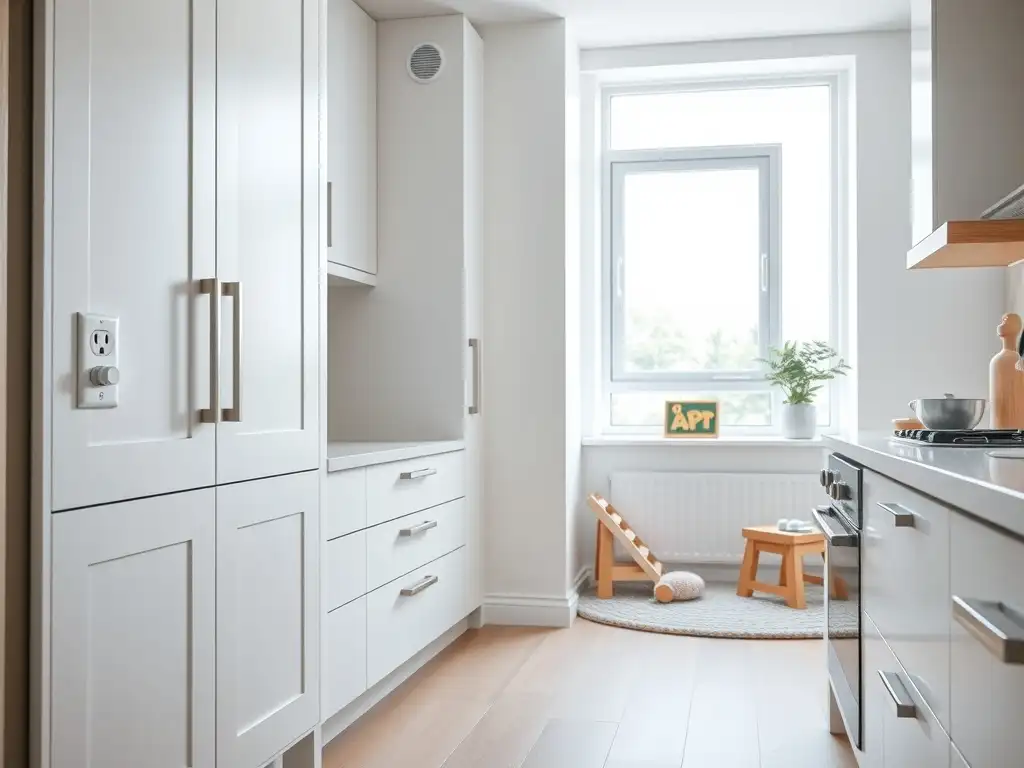
Even with the most robust cabinet locks in place, a proactive approach to babyproofing goes beyond simply restricting access. Several complementary strategies significantly enhance your child's safety and reduce the likelihood of accidents. This section explores these crucial additions to your babyproofing arsenal, transforming your home into a safer haven.
Creating a Safe Environment: Storage Solutions for Cleaning Supplies and Medications
Storing hazardous materials out of reach is paramount. While cabinet locks deter access, strategically relocating these items minimizes the risk altogether. Consider these options:
- High Shelving: Move cleaning supplies, medications, and other potentially harmful substances to high shelves inaccessible to your baby. This is especially crucial for items with strong chemical odors or those that could cause severe harm if ingested.
- Locked Cabinets in Separate Rooms: Designate a specific, locked cabinet in a room your baby doesn't have access to (like a laundry room or pantry) for storing all hazardous materials.
- Child-Resistant Packaging: Always opt for child-resistant packaging for medications and cleaning products. Even with cabinets locked, a determined toddler might find a way to open a regular container. This extra layer of protection is invaluable.
- Visual Cues: While not a replacement for secure storage, visual cues can help remind caregivers to keep hazardous items safely out of reach. Stick bright, noticeable labels on cabinets containing dangerous items as a reminder. Consider using a simple color-coding system. For example, red for hazardous materials, yellow for cleaning supplies, and green for safe items.
Remember, consistency is key! Always return items to their designated secure storage locations after use.
Childproofing Your Entire Home: A Holistic Approach to Baby Safety
Babyproofing cabinets is just one piece of the puzzle. A truly safe home environment considers all potential hazards. Think beyond cabinets and address other areas that might pose risks, such as:
- Electrical Outlets: Use safety plugs to cover unused electrical outlets, preventing curious fingers from exploring.
- Sharp Corners and Edges: Consider using corner guards to cushion sharp edges on furniture.
- Toxic Plants: Remove or relocate any toxic plants from areas accessible to your baby.
- Stairways: Install baby gates to prevent falls.
- Windows: Use window guards or locks to prevent falls from open windows.
- Heavy Objects: Secure any heavy objects that could potentially fall and injure your baby, such as bookshelves or tall furniture.
A comprehensive babyproofing plan involves a thorough assessment of your entire home, identifying and addressing potential hazards systematically. This holistic approach ensures your baby's safety in all areas of your home. It's about creating a safe space where your little one can explore and learn without facing unnecessary risks. Remember, safety is an ongoing process, not a one-time task. Regularly review and adjust your safety measures as your baby grows and develops new skills. 👶
Resources for Further Information: Organizations and Websites Dedicated to Child Safety
Several reputable organizations provide invaluable information and resources on child safety. These resources offer comprehensive guidance, practical tips, and support for parents navigating the challenges of creating a safe home environment. Utilizing these resources can supplement your efforts and provide additional insights into the complexities of childproofing. Consider exploring these avenues for further information and support, enhancing your understanding of babyproofing strategies and ensuring a secure home for your child.
This ensures you have access to the most up-to-date and evidence-based information available. The information provided here should be viewed as a starting point in your journey to creating a safe and nurturing environment for your baby. Remember to consult with your pediatrician for personalized recommendations.
Frequently Asked Questions about Babyproofing Cabinets
This section addresses common concerns and provides solutions for effectively babyproofing your cabinets, ensuring your little one's safety. We'll explore choosing the right locks, maintaining them, and ensuring their effectiveness against even the most determined toddlers. This guide will help you achieve peace of mind knowing your cabinets are securely childproofed.
How to choose the right cabinet locks for your baby's age and developmental stage?
Choosing the right cabinet locks is crucial for effective babyproofing. The ideal lock depends heavily on your baby's age and developmental stage. For example, a simple adhesive latch might suffice for a six-month-old who is only just starting to pull themselves up. However, a more robust, multi-latch system is necessary for a determined one-year-old who's mastered the art of opening simple latches.
Consider these factors:
- Age: Newborns and infants under six months require minimal protection as they lack the mobility to access cabinets. However, as they approach crawling and pulling themselves up (around six months), simple adhesive latches become necessary. By twelve months, most babies are mobile and actively exploring, requiring stronger, more complex locks. By 18 months, many babies can even solve simple puzzles, necessitating even more advanced solutions.
- Developmental Stage: Observe your baby's skills. Can they already grasp objects firmly? Can they pull themselves up? Can they manipulate simple mechanisms? A baby who can easily open a simple latch will quickly bypass it. Assess their skills to determine the necessary level of security.
- Lock Type: Several types of locks exist:
- Adhesive Latches: Easy to install, suitable for early stages. However, they are easily bypassed by older, more resourceful children.
- Magnetic Latches: Offer more security than adhesive latches and are relatively easy to install.
- Strap Locks: These wrap around the cabinet door and are generally very secure.
- Multi-Latch Systems: These provide the highest level of security, especially for cabinets containing hazardous materials. They often require a key or a specific sequence of actions to open.
| Age Range | Developmental Stage | Recommended Lock Type(s) | Notes |
|---|---|---|---|
| 0-6 Months | Limited mobility | Minimal to no locks needed | Monitor closely, keep hazardous items out of reach |
| 6-12 Months | Crawling, pulling up | Adhesive latches, magnetic latches | Consider upgrading as baby's skills develop |
| 12-18 Months | Walking, exploring, simple problem-solving | Strap locks, magnetic latches, multi-latch systems | Prioritize robust solutions |
| 18 Months and Older | Advanced problem-solving abilities | Multi-latch systems, keyed locks | Regularly assess and upgrade as needed |
Remember, it's always better to err on the side of caution. Investing in high-quality, age-appropriate locks will provide greater peace of mind.
What are the best practices for maintaining cabinet locks over time?
Maintaining your cabinet locks is essential to ensure their continued effectiveness. Regular checks and timely repairs prevent accidents. Neglect can lead to compromised security, putting your baby at risk.
- Regular Inspections: Inspect locks weekly for any signs of wear and tear. Check for loose screws, damaged latches, or any signs that your baby is attempting to bypass them. Pay close attention to adhesive latches, as these can become loose over time.
- Cleaning: Clean your locks periodically to remove dust and grime. A damp cloth is usually sufficient. Avoid harsh chemicals that could damage the lock mechanism.
- Tightening: Tighten any loose screws regularly. Loose screws can compromise the effectiveness of the lock.
- Replacement: Replace worn-out or damaged locks immediately. Don't wait until they completely fail. A broken lock is a safety hazard.
- Rotation: Consider rotating your locks periodically to prevent your child from becoming familiar with the mechanics of a particular lock and figuring out how to bypass it.
Proper maintenance of your cabinet locks is a proactive step in ensuring your baby's safety and preventing accidents. Regular inspections and timely repairs are vital.
How can I ensure my babyproofing is effective and won't be easily bypassed?
Even the most robust locks can be bypassed by a determined toddler. To enhance the effectiveness of your babyproofing, consider these strategies:
- Layered Protection: Use a combination of locks. For instance, combine an adhesive latch with a strap lock for added security.
- Strategic Placement: Place hazardous items in high, inaccessible cabinets that are more difficult to reach.
- Regularly Assess: Regularly assess your babyproofing strategy. Observe your baby's behavior and adjust your approach as needed. If you notice your baby trying to open a cabinet, consider upgrading to a more secure lock.
- Out-of-Sight, Out-of-Mind: Store hazardous items in locked containers or out of reach entirely. This minimizes the temptation for your child to access them.
- Child-Resistant Packaging: Take advantage of child-resistant packaging. This is a fundamental layer of protection, not a replacement for appropriate locks.
- Distraction Techniques: While not a substitute for proper babyproofing, consider using distraction techniques to redirect your baby's attention away from cabinets containing hazardous items. This is more effective for younger babies.
Remember, babyproofing is an ongoing process, not a one-time fix. Regularly review and update your strategies to keep pace with your baby's growing abilities and ensure their safety. A multi-pronged approach, combining various lock types, strategic placement, and regular assessment, is the most effective way to keep your curious little one safe.
Are there any specific regulations or safety standards for childproofing cabinets?
Several organizations and governments offer guidelines and standards for childproofing products, including cabinet locks. These aren't always legally binding regulations in the sense that manufacturers must meet them, but they represent best practices and often influence consumer purchasing decisions. For example, the Juvenile Products Manufacturers Association (JPMA) in the United States has certification programs and testing standards that many reputable manufacturers adhere to.
These standards often involve rigorous testing to ensure the locks can withstand attempts to open them by young children. Additionally, some countries have specific safety standards related to child-resistant packaging, which may indirectly influence the design and testing of cabinet locks. It's crucial to look for products that meet or exceed these recommended safety standards, providing an additional layer of assurance for parents.
Always check the packaging for any certifications or markings indicating adherence to relevant safety standards. Remember that even the best locks can be bypassed with enough determination, so layered safety measures are always recommended.
What should I do if my child manages to open a babyproofed cabinet?
If your child manages to open a babyproofed cabinet, don't panic! This is a learning opportunity, and it doesn't necessarily mean the locks are faulty. Children are incredibly resourceful and persistent. First, assess the situation. Were there any dangerous items within the cabinet? If so, immediately remove them and reposition them in a location inaccessible to your child. Then, carefully examine the cabinet lock.
Is it damaged? Is it installed correctly? Sometimes, a seemingly minor adjustment can make a significant difference. If the lock appears to be malfunctioning, consider replacing it with a more robust model. Secondly, consider why your child was able to open the cabinet. Perhaps the lock wasn't fully engaged, or your child found a way to manipulate the mechanism.
Re-evaluate your babyproofing strategy. Adding additional layers of protection, such as using both a latch and a strap, might offer greater security. Finally, use this as a teaching moment. While you shouldn't punish your child, you can start gently introducing the concept of cabinet safety. For instance, you can say "These cabinets are for grown-ups," or show them the process of opening and closing the cabinet carefully. Remember, consistent reinforcement and layered safety measures are key to keeping your little one safe.
Frequently Asked Questions
Babies can access dangerous cleaning supplies, sharp objects, and medications stored in unlocked cabinets. Suffocation from getting trapped inside is also a risk. Preventing access is key.
What are some simple and effective ways to babyproof cabinets?
Use childproof latches or locks, which are readily available at most baby stores. Consider installing safety straps to secure cabinets to the walls. Keep dangerous items out of reach entirely.
Are magnetic cabinet locks a good option for babyproofing?
Magnetic locks are a convenient and relatively easy-to-install option. However, stronger magnets might be needed for heavier cabinets. Ensure they are child-resistant.
How can I babyproof cabinets without using latches or locks?
While not ideal, you can try to place heavier items in front of cabinets to block access. Keep dangerous items on higher shelves or in drawers completely out of reach. This is not a long-term solution.
What should I do if my baby manages to open a babyproofed cabinet?
Regularly inspect your babyproofing to ensure it's still effective. Reinforce any weak points. Never leave your baby unattended near cabinets containing hazardous materials.
Final Reflection: Securing Little Hands, Securing Peace of Mind
The relentless energy of a curious toddler meets the sharp edges of everyday life – a recipe for potential disaster if not properly addressed. Babyproofing, particularly securing cabinets, isn't just about preventing minor spills; it's about creating a safe and nurturing environment where little ones can explore and grow without constant fear of injury. This seemingly simple act of securing cabinets is a powerful testament to the proactive love and care we provide our children.
The impact of effective babyproofing extends far beyond the immediate prevention of accidents. It fosters a sense of security and trust, not only for the child but also for the parents. The constant worry of potential harm is a significant burden, and knowing your home is a safe haven allows parents to relax and truly enjoy the precious moments of parenthood. The most important thing a father can do for his children is to love their mother.
While not directly about babyproofing, this quote highlights the interconnectedness of creating a safe and loving environment, a foundation built on proactive measures like securing cabinets.
So, as you reflect on the solutions and strategies discussed in this guide, consider how you can apply these principles to other areas of your home and life. Think beyond the latches and straps; think about creating a space where your child feels safe, loved, and empowered to explore their world. Embrace the challenge of babyproofing not as a chore, but as an act of love, a testament to your commitment to nurturing your child's growth and well-being. The peace of mind it brings is invaluable.
Unlock a Safer Home: Your Next Steps to Peace of Mind
Thanks for learning about childproofing your kitchen cabinets! We hope you feel more confident in creating a safer home for your child. Ready to continue?
- Tackle the most important cabinets first: Begin with areas posing the greatest risk. Focus on these for immediate improvements.
- Experiment with different safety latches: Every cabinet is different, so try several latch types to find the best fit for your cabinets and your child's abilities.
- Share your successes (and challenges!) with other parents: Join our online community and share your experiences – we'd love to hear what worked for you!
What's the one cabinet you're most eager to secure? Let us know in the comments below!