
Is Your Baby on Track? Red Flags in Fine Motor Development


Welcome to BabyCareHub, your ultimate guide to navigating the incredible journey of parenthood! Are you concerned about your little one's development? We understand the anxieties that come with raising a newborn, and we're here to support you every step of the way. This comprehensive resource is designed to empower you with the knowledge and confidence you need. Discover crucial information about baby fine motor skill delays and learn how to identify potential red flags in your baby's development. Let's embark on this journey together – explore our insightful articles and resources to ensure your baby thrives!
- Understanding Baby Fine Motor Skill Development (0-12 Months)
- Recognizing Potential Delays in Baby Fine Motor Skills
- Common Causes of Fine Motor Skill Delays in Babies
- When to Seek Professional Help for Baby Fine Motor Skill Delays
-
Supporting Your Baby's Fine Motor Skill Development at Home
- Age-Appropriate Activities to Promote Fine Motor Skills: 0-3 Months
- Age-Appropriate Activities to Promote Fine Motor Skills: 4-6 Months
- Age-Appropriate Activities to Promote Fine Motor Skills: 7-9 Months
- Age-Appropriate Activities to Promote Fine Motor Skills: 10-12 Months
- Creating a Stimulating Environment for Fine Motor Development
- Frequently Asked Questions
- Final Reflection: Nurturing Tiny Hands, Shaping Big Futures
- Unveil Your Baby's Potential: Boosting Fine Motor Skills
Understanding Baby Fine Motor Skill Development (0-12 Months)
Navigating the world of newborn and baby development can feel overwhelming for first-time parents. This article focuses on a crucial aspect of your little one's growth: fine motor skills. Understanding typical development is key to identifying potential delays early, allowing for timely intervention and support. We'll explore key milestones in fine motor skill development from birth to twelve months, highlighting potential red flags associated with baby fine motor skill delays.
This guide will empower you to confidently monitor your baby's progress and seek professional advice when necessary, ensuring your baby thrives and reaches their full potential. Early detection is crucial in addressing any concerns related to "baby fine motor skill delays," allowing for early intervention strategies that can significantly improve outcomes. Let's delve into the fascinating journey of your baby's fine motor skill development.
Key Milestones in Early Fine Motor Skills: 0-3 Months
During the first three months, your baby's fine motor skills are primarily reflexive. While they may not be consciously grasping objects yet, there are still important developmental markers to observe. Look for these signs:
- Reflexive grasping: Your baby might instinctively grasp your finger when you touch their palm (palmar grasp reflex). This reflex is a natural part of development and fades as voluntary control emerges.
- Hand-to-mouth movements: Although often clumsy and uncoordinated, you should start to see your baby bringing their hands to their mouth. This indicates a growing awareness of their body and surroundings.
- Following moving objects with their eyes: While not strictly a fine motor skill, this visual tracking is foundational for later hand-eye coordination. Observe how your baby follows your face or a brightly colored toy.
- Fisted hands: It's completely normal for your baby's hands to remain mostly clenched during this period. However, you should occasionally see periods of unclenching.
Red Flags (0-3 Months): If your baby shows no reflexive grasping, consistently fails to bring their hands to their mouth, or displays difficulty following moving objects, it's crucial to consult your pediatrician. These could be early indicators of potential developmental concerns related to "baby fine motor skill delays."
Key Milestones in Early Fine Motor Skills: 4-6 Months
Between 4 and 6 months, your baby's fine motor skills begin to develop significantly. Expect to see:
- Reaching and grasping: Your baby will start to reach for and grasp objects intentionally, although their grasp may still be quite clumsy.
- Banging objects: Expect lots of banging and shaking of toys, which helps them explore texture and sound. This is a crucial stage in sensory development.
- Transferring objects: By 6 months, some babies can start transferring objects from one hand to another.
- Raking objects: They may use their entire hand to “rake” objects towards them.
Red Flags (4-6 Months): A lack of purposeful reaching or grasping, failure to bring objects to their mouth, an inability to transfer objects between hands, and a persistent absence of object banging could indicate a potential delay and warrant a discussion with your doctor. Remember, every baby develops at their own pace, but significant deviations from typical milestones should be addressed.
Key Milestones in Early Fine Motor Skills: 7-9 Months
From 7 to 9 months, fine motor skills become increasingly refined:
- Pincer grasp: This is a significant milestone! Your baby will start using their thumb and forefinger to pick up small objects, like Cheerios.
- Improved hand-eye coordination: Reaching and grasping become much more accurate and controlled.
- Self-feeding (with assistance): Your baby might attempt to feed themselves, albeit messily!
- Exploring objects with different actions: They will begin to manipulate objects in various ways – shaking, banging, rolling, and even attempting to stack.
Red Flags (7-9 Months): The absence of a pincer grasp, persistent difficulty picking up small objects, significantly poor hand-eye coordination, and a lack of interest in manipulating objects are potential signs of a delay that require professional assessment. Early intervention at this stage can make a significant difference. Remember to document your observations and discuss any concerns with your pediatrician promptly. Addressing "baby fine motor skill delays" early can lead to better outcomes.
Key Milestones in Early Fine Motor Skills: 10-12 Months
By 10-12 months, your little one's fine motor skills are blossoming! They're transitioning from simple grasps to more refined movements, showing remarkable dexterity. This is a crucial period for observing their progress and identifying any potential areas needing attention. Keep in mind that every baby develops at their own pace, but significant deviations from the typical milestones warrant consultation with a pediatrician.
One major achievement is the pincer grasp. Instead of using their whole hand to pick things up, they now utilize their thumb and index finger, demonstrating improved hand-eye coordination. This allows them to pick up tiny objects like cheerios or small blocks with precision. Observe your baby carefully; do they successfully transfer objects from one hand to the other? This is another important indicator of developing fine motor skills. This skillful transfer demonstrates not only dexterity but also growing brain-hand coordination.
Furthermore, at this age, many babies begin to use tools intentionally. This might involve using a spoon to feed themselves (although it's likely messier than perfect! ), banging blocks together purposefully, or turning pages in a board book. These actions showcase their understanding of cause and effect and their growing ability to manipulate objects for specific purposes. The purposeful use of tools signifies a significant leap in cognitive and motor development. Don't be discouraged by the mess; celebrate their efforts and their growing independence.
Another notable milestone is the ability to stack two or three blocks. This requires not only a refined grasp but also the development of spatial reasoning and planning. Watch your baby attempt this; their focus and determination are equally impressive. It's not just about stacking; it's about the process of planning, executing, and the sheer joy of accomplishment. This skill highlights their growing understanding of object manipulation and building skills.
Finally, many babies at this age start showing an interest in scribbling. While it might not look like recognizable art, the act of holding a crayon or marker and making marks on paper is a significant developmental step. This activity strengthens their grip, improves hand-eye coordination, and encourages self-expression.
Provide your baby with crayons, large markers, and paper, allowing them to explore their creativity without limitations. This is a key indicator of their developing writing skills, though the focus should be on the process, not the product, at this age. Remember, the scribbles are a celebration of their fine motor progress!
Recognizing Potential Delays in Baby Fine Motor Skills
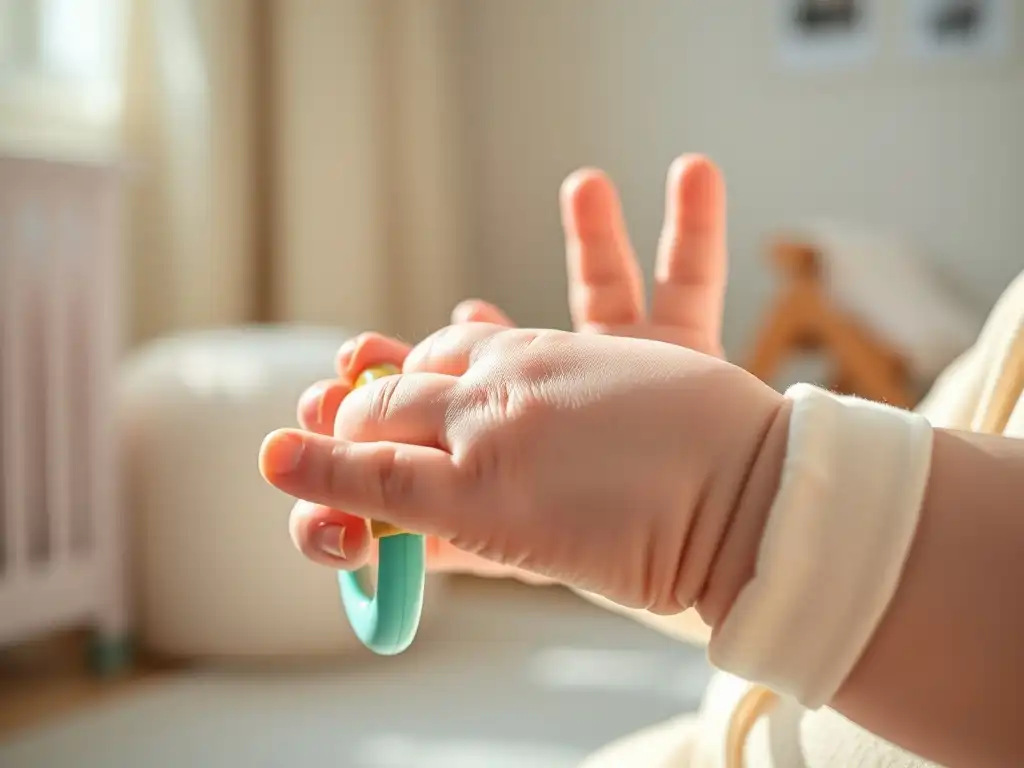
This section focuses on identifying potential delays in your baby's fine motor skill development. Early detection is crucial for timely intervention, maximizing your baby's developmental potential. Remember, every baby develops at their own pace, but understanding typical milestones helps parents recognize when professional guidance might be beneficial. This information is for educational purposes and should not replace professional medical advice. Always consult your pediatrician with any concerns about your baby's development. We'll explore red flags across different age ranges, focusing on the key developmental indicators for baby fine motor skill delays.
Identifying Fine Motor Skill Delays in Infants: 0-3 Months
During the first three months, a baby's fine motor skills are primarily reflexive. While they may not exhibit purposeful movements, observing certain behaviors can highlight potential concerns. A key aspect to monitor is the baby's ability to bring their hands to their mouth.
- Typical Development: Newborns often exhibit a grasping reflex. By around 2 months, they might start making clumsy swiping motions towards objects. By 3 months, some babies might begin to bat at hanging toys or reach for objects within their line of sight.
- Potential Red Flags: If your baby shows little interest in their hands or consistently fails to bring their hands to their mouth, even with prompting, this could be a potential indicator of a delay. A lack of response to visual stimuli, such as brightly colored toys, could also be a concern. Absence of a grasp reflex is another significant red flag that warrants immediate professional attention. This should be discussed with your pediatrician.
- Example: A baby at 3 months old who doesn't attempt to reach for a rattle or show any interest in their own hands might warrant further observation and discussion with their healthcare provider. This is not necessarily indicative of a problem, but it’s important to monitor closely.
Identifying Fine Motor Skill Delays in Infants: 4-6 Months
This period marks a significant leap in fine motor development. Babies begin to have more control over their hand movements and start exploring their surroundings more actively.
- Typical Development: Babies in this age range typically start reaching for and grasping objects with more precision. They might begin to transfer objects from one hand to another, and show interest in exploring textures. Raking objects towards themselves with their hands also becomes more common.
- Potential Red Flags: If your baby consistently struggles to grasp objects, shows a persistent preference for one hand, or displays an inability to transfer objects between hands, it could signify a potential delay. A lack of interest in exploring objects with their hands, or difficulties bringing objects to their mouth, are also potential concerns. Limited hand-eye coordination, noticeable even with simple tasks, should be noted.
- Example: A 6-month-old who cannot successfully grasp a small toy, even after multiple attempts, and displays no interest in reaching for hanging mobiles or toys presents a cause for concern. Remember, some babies will develop at a slower pace than others. However, consistent difficulties in performing age-appropriate tasks should be flagged to your pediatrician.
Identifying Fine Motor Skill Delays in Infants: 7-9 Months
By 7-9 months, babies are developing more refined hand movements and improved coordination.
- Typical Development: Babies at this stage typically begin to use a pincer grasp (using thumb and forefinger), enabling them to pick up smaller objects like Cheerios. They might start banging objects together, showing an increasing understanding of cause and effect. Many babies also begin to self-feed with finger foods during this time.
- Potential Red Flags: The inability to use a pincer grasp by 9 months, consistent difficulty in picking up small objects, or a lack of interest in exploring objects using their hands are potential red flags. If your baby shows no interest in self-feeding or consistently drops food, it could indicate a fine motor skill delay. Persistent fisted hands, even while awake and alert, might also be a sign.
- Example: A 9-month-old who cannot pick up small pieces of food using their thumb and forefinger, and consistently struggles to bring objects to their mouth, may exhibit a fine motor skill delay. Early intervention is key to supporting their development. Remember to consult your pediatrician for a professional assessment. They can provide guidance and recommend appropriate interventions if needed. Early identification of baby fine motor skill delays is crucial for positive outcomes.
Identifying Fine Motor Skill Delays in Infants: 10-12 Months
By 10-12 months, babies are usually little bundles of activity, exploring their world with gusto. Their fine motor skills are rapidly developing, allowing for increasingly complex interactions with their environment. However, some babies may show delays, and recognizing these early is crucial for timely intervention. This stage is marked by significant advancements in dexterity and coordination. Let's explore some key indicators to watch for in this age group.
One major milestone is the ability to use a pincer grasp proficiently. This means using the thumb and forefinger to pick up small objects like tiny pieces of cereal or small toys. If your baby struggles to grasp small items, consistently using a raking motion instead of a pincer grasp, it could signal a potential delay. This isn't necessarily cause for immediate alarm, but it warrants observation and perhaps a discussion with your pediatrician. Remember, every baby develops at their own pace, but significant deviations from the typical developmental trajectory should be addressed.
Another crucial indicator is the ability to feed themselves with finger foods. While messy is expected, a baby at this age should be able to bring food to their mouth with some degree of control. If your baby consistently struggles to self-feed, showing little interest or exhibiting significant difficulty, it's worth noting. This could suggest a delay in hand-eye coordination and fine motor control. Consider offering a variety of textures and sizes of food to see if this improves their self-feeding attempts. If the difficulties persist, consult your pediatrician.
Beyond self-feeding, look at their ability to manipulate toys. Ten to twelve-month-olds typically enjoy playing with toys that require more precise movements, such as stacking blocks, turning pages in a book (even if they just bat at them), or using rattles and shakers effectively. A lack of interest or difficulty with these activities could indicate a potential delay. It's important to distinguish between a lack of interest and an inability to perform the actions. Observe your baby carefully to determine whether their struggles are due to disinterest or a developmental delay.
Finally, observe your baby's hand preference. While some babies show a clear preference for one hand earlier than others, a lack of any hand preference by this age could be a subtle indicator. However, it’s important to note that hand preference typically develops gradually and isn't a definitive marker of a fine motor skill delay on its own. Consider this in conjunction with other signs.
If you have concerns about your baby’s hand preference or any other aspect of their fine motor skills development, consulting a pediatrician or developmental specialist is always recommended. Early intervention is key to addressing any potential delays and helping your baby reach their full potential. Remember, seeking professional guidance is not a sign of failure but a proactive step towards ensuring your child's healthy development.
Common Causes of Fine Motor Skill Delays in Babies
Understanding why a baby might experience delays in fine motor skill development is crucial for early intervention and support. Several factors can contribute to these delays, ranging from neurological conditions to prematurity. Recognizing these potential causes empowers parents and caregivers to advocate for their child's needs and access appropriate resources. This section will explore some of the most common underlying reasons for baby fine motor skill delays.
Neurological Conditions and Fine Motor Development
Neurological conditions significantly impact a baby's ability to develop fine motor skills. These conditions affect the brain and nervous system, which are essential for coordinating muscle movements. For instance, cerebral palsy, a group of disorders affecting muscle tone, movement, and posture, can lead to varying degrees of fine motor skill impairment.
Babies with cerebral palsy may struggle with tasks like grasping objects, bringing hands to their mouth, or controlling hand movements for precise actions. Similarly, other neurological conditions like hypotonia (low muscle tone) can hinder the development of fine motor skills, making it difficult for infants to maintain a stable grip or perform coordinated movements.
The severity of fine motor skill delays varies widely depending on the specific neurological condition and its impact on the brain and nervous system. Early diagnosis and intervention, including physical therapy and occupational therapy, are crucial for maximizing a child's developmental potential. These therapies aim to improve muscle strength, coordination, and fine motor control through targeted exercises and activities. Remember, early intervention is key, so if you suspect a neurological condition might be affecting your baby's development, consult a pediatrician or specialist immediately.
Genetic Factors Affecting Fine Motor Skill Development
Genetic factors also play a role in fine motor skill development. Certain genetic syndromes are associated with delays or difficulties in developing fine motor skills. These syndromes often involve multiple systems within the body, impacting various aspects of development. For example, Down syndrome, a genetic condition affecting chromosome 21, is frequently associated with hypotonia and delays in fine motor skill acquisition. Babies with Down syndrome may exhibit weaker muscle tone, impacting their ability to grasp objects, manipulate toys, or perform precise hand movements. Other genetic conditions can also contribute to varying degrees of fine motor skill delays.
It's important to note that the manifestation of these delays can vary significantly even within the same genetic condition. Some babies might show only mild delays, while others may experience more significant challenges. Genetic testing and comprehensive developmental assessments can help identify specific genetic factors contributing to fine motor skill delays and guide personalized intervention strategies. Early intervention, tailored to the specific genetic condition and the child's individual needs, is crucial for optimizing development. Regular monitoring by healthcare professionals is essential to track progress and adjust interventions as needed.
Premature Birth and Fine Motor Skill Development
Premature birth is another significant factor associated with fine motor skill delays. Babies born prematurely often have underdeveloped nervous systems and muscles, which can affect their ability to develop fine motor skills at the same rate as full-term babies. Premature infants may have weaker muscle tone, less coordinated movements, and difficulties with hand-eye coordination. Their immature nervous systems may also struggle to process and coordinate the complex motor commands needed for precise hand movements.
The degree of fine motor skill delay often correlates with the degree of prematurity. Babies born significantly earlier than their due date may experience more pronounced delays. However, even moderately premature infants can experience some challenges. Early intervention programs, including physical therapy, occupational therapy, and developmental stimulation, are beneficial for premature infants to help them catch up to their peers.
These interventions focus on strengthening muscles, improving coordination, and stimulating the development of fine motor skills. Regular check-ups with pediatricians and specialists are also crucial to monitor progress and address any emerging concerns. The good news is that with appropriate support, many premature babies can overcome these initial delays and achieve age-appropriate fine motor skills.
Environmental Factors and Fine Motor Skill Delays
Environmental factors play a significant role in a baby's fine motor skill development. A stimulating and enriching environment is crucial for fostering the skills needed to reach developmental milestones. Lack of such stimulation can contribute to delays. For instance, a baby consistently confined to a crib or car seat with limited opportunities for exploration and manipulation of objects may experience delays in reaching, grasping, and manipulating objects. This restricted movement limits the opportunities for practicing essential fine motor actions.
Furthermore, the presence or absence of age-appropriate toys and opportunities for play significantly impacts development. Babies need access to a variety of textured objects, stacking toys, and other items that encourage exploration and manipulation. A lack of such enriching play materials can hinder the development of crucial hand-eye coordination and dexterity. Consider a baby raised in an environment devoid of toys designed to stimulate fine motor skills; this child may struggle with tasks such as picking up small objects or using utensils later in life.
The level of parental interaction also plays a crucial role. Responsive and engaged parents who actively interact with their babies, providing opportunities for play and exploration, significantly contribute to healthy fine motor development. Conversely, neglect or a lack of parental engagement can lead to delays. For example, a baby who receives minimal interaction or stimulation may exhibit delayed grasping reflexes or demonstrate difficulty with object manipulation.
This highlights the importance of parental involvement in creating a nurturing and developmentally supportive environment. Early intervention programs can help bridge this gap by providing targeted activities and support to parents. These programs often incorporate strategies to enhance parent-child interaction and provide access to enriching play materials.
Finally, exposure to toxins or other environmental hazards can also impact fine motor development. While less common, exposure to certain toxins can affect neurological development, potentially leading to fine motor skill delays. The exact mechanisms and extent of such effects are still being researched, but it's crucial to maintain a safe and healthy environment for the baby to minimize potential risks.
This includes ensuring safe and appropriate materials are used in the baby's surroundings, avoiding exposure to lead paint or other hazardous substances, and following guidelines for safe toy selection. Regular check-ups with a pediatrician are key to early detection of any potential issues.
When to Seek Professional Help for Baby Fine Motor Skill Delays

Concerns about a baby's development are common among new parents. While every child develops at their own pace, understanding when to seek professional help for potential baby fine motor skill delays is crucial. Delay doesn't automatically mean a serious problem, but early intervention can significantly improve outcomes. This section will help you identify situations warranting a consultation with a developmental specialist. Remember, seeking help isn't a sign of failure; it's a proactive step toward ensuring your child's optimal development.
Signs Your Baby Needs a Developmental Pediatrician
Several red flags might indicate a need for evaluation by a developmental pediatrician specializing in baby fine motor skill delays. These aren't exhaustive, and the absence of one doesn't rule out a concern. A comprehensive assessment considers the overall developmental picture. However, the following warrant closer scrutiny:
- Significant lags in reaching milestones: While developmental timelines provide general guidelines, significant delays compared to age-appropriate expectations should be addressed. For instance, a 9-month-old consistently failing to reach for objects, transfer toys between hands, or show any interest in pincer grasp (using thumb and forefinger) may require professional assessment.
- Asymmetry in movement: Noticeable differences in strength or movement between the baby's left and right sides (e.g., consistently favoring one hand, weaker grasp on one side) could indicate underlying neurological issues. This asymmetry needs careful evaluation by a specialist.
- Persistent lack of progress: If your baby shows minimal improvement in fine motor skills over several weeks despite engaging in age-appropriate activities and stimulation, professional guidance is advisable. This lack of progress, even if not drastically behind milestones, warrants attention.
- Other developmental concerns: Fine motor skill delays often coexist with delays in other areas, such as gross motor skills (crawling, walking), speech, or social interaction. The presence of multiple developmental concerns strongly suggests the need for a comprehensive evaluation.
- Parental intuition: Trust your instincts. If you have persistent concerns about your baby's development, regardless of whether they meet specific milestones, don't hesitate to seek professional advice. Your observations are invaluable.
The Importance of Early Intervention for Fine Motor Skill Issues
Early intervention is paramount when addressing baby fine motor skill delays. The brain's plasticity is highest during the early years, making this period ideal for therapeutic interventions. Early identification and intervention can:
- Maximize developmental potential: Early intervention provides the best opportunity to improve motor skills and minimize long-term challenges. The earlier the intervention, the greater the impact.
- Prevent secondary difficulties: Untreated fine motor skill delays can lead to difficulties in areas like writing, self-care, and academic performance later in life. Early intervention helps prevent these cascading effects.
- Improve overall development: Fine motor skills are interconnected with other developmental areas. Addressing fine motor delays can positively influence gross motor skills, cognitive development, and even social-emotional development.
- Reduce parental anxiety: Early intervention provides parents with support, guidance, and a clearer understanding of their child's development, reducing anxiety and uncertainty. A proactive approach offers peace of mind.
A table summarizing the benefits of early intervention:
| Benefit | Description |
|---|---|
| Maximize Developmental Potential | Early intervention maximizes the brain's ability to adapt and learn, leading to improved motor skills. |
| Prevent Secondary Difficulties | Prevents difficulties in writing, self-care, and academics later in life. |
| Improve Overall Development | Positively impacts gross motor skills, cognitive development, and social-emotional development. |
| Reduce Parental Anxiety | Provides parents with support, guidance, and a clearer understanding of their child's development. |
Types of Professionals Who Can Help with Fine Motor Skill Delays
Several professionals can assist with baby fine motor skill delays:
- Developmental Pediatrician: A specialist in child development who can conduct comprehensive assessments and develop individualized intervention plans.
- Occupational Therapist: Focuses on improving fine motor skills, hand-eye coordination, and daily living skills through targeted activities and exercises.
- Physical Therapist: While primarily focused on gross motor skills, a physical therapist can also contribute to improving overall motor control and coordination, indirectly benefiting fine motor skills.
- Speech-Language Pathologist: Sometimes, fine motor skill delays are linked to oral-motor challenges. A speech-language pathologist can address these issues.
Choosing the right professional depends on your baby's specific needs and the recommendations of your pediatrician. A collaborative approach involving multiple specialists may be beneficial in some cases. Remember, seeking help is a sign of responsible parenting, and early intervention offers the best chance for your baby to reach their full potential.
Supporting Your Baby's Fine Motor Skill Development at Home
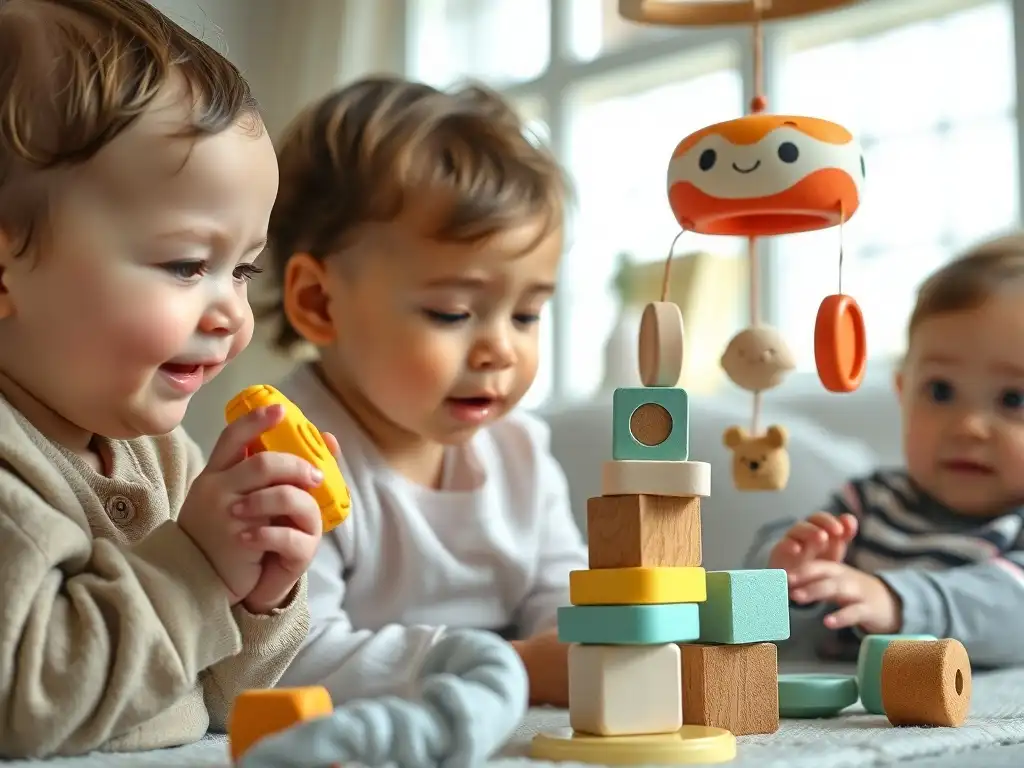
This section focuses on practical strategies parents can implement at home to nurture their baby's fine motor skills. Early intervention and consistent engagement are crucial for addressing potential baby fine motor skill delays. We'll explore age-appropriate activities categorized by developmental stages. Remember, every baby develops at their own pace, but consistent engagement with these activities can significantly contribute to healthy development. Consult your pediatrician if you have any concerns about your baby's progress.
Age-Appropriate Activities to Promote Fine Motor Skills: 0-3 Months
During the first three months, your baby's fine motor skills are primarily reflexive. However, you can begin stimulating their development through gentle interaction. Focus on activities that encourage hand-eye coordination and sensory exploration.
- Tummy Time: Short sessions of supervised tummy time (several times a day, for a few minutes at a time) are crucial. This strengthens neck and shoulder muscles, preparing the foundation for reaching and grasping. Observe your baby's reaction; if they seem distressed, shorten the session. 👶
- High-Contrast Visual Stimulation: Babies at this age are drawn to high-contrast patterns. Hang black and white mobiles or use patterned blankets. This helps develop visual tracking, a precursor to hand-eye coordination.
- Gentle Touch and Massage: Massaging your baby's hands and fingers stimulates nerve endings and promotes sensory awareness. This can help them become more comfortable with tactile experiences.
- Rattles and Soft Toys: Placing a soft, textured toy or a lightweight rattle near your baby's hands allows them to explore different textures and potentially bat at the objects. This introduces the concept of reaching and grasping.
Age-Appropriate Activities to Promote Fine Motor Skills: 4-6 Months
By 4-6 months, babies begin to demonstrate more purposeful movements. They'll start reaching for objects, grasping them, and bringing them to their mouths. This is a critical period for building fine motor skills.
- Reaching and Grasping Games: Offer your baby various toys with different textures and shapes. Encourage them to reach and grasp these objects. Start with larger, easily-grasped items and gradually introduce smaller ones as their skills improve.
- Object Manipulation: Provide toys that encourage manipulation, such as teethers with different textures or stacking rings. This helps develop hand-eye coordination and dexterity.
- Supported Sitting: Ensure your baby has plenty of supported sitting time. This frees their hands to explore and play with toys.
- Cause and Effect Toys: Introduce toys that produce sounds or movements when manipulated, such as rattles or toys that make music. This encourages exploration and helps them understand the relationship between their actions and the resulting effects. This is a significant step in developing their understanding of the world and their ability to influence it.
Age-Appropriate Activities to Promote Fine Motor Skills: 7-9 Months
Between 7 and 9 months, babies' fine motor skills advance significantly. They are becoming more adept at grasping, transferring objects between hands, and even starting to use a pincer grasp (using thumb and forefinger). This is an exciting phase where their ability to interact with their environment dramatically increases.
- Pincer Grasp Activities: Provide small, safe objects for your baby to pick up using their pincer grasp, such as small blocks, cheerios (supervised! ), or textured balls.
- Stacking and Nesting Toys: Stacking cups or nesting toys are excellent for developing hand-eye coordination and problem-solving skills.
- Finger Painting (with edible paints): Introduce non-toxic, edible finger paints to explore textures and colors. This is a messy but rewarding experience!
- Interactive Books: Use books with textures, flaps, and different materials to stimulate their senses and encourage exploration. Reading to your baby also boosts their overall development.
Remember, consistency is key. Regular engagement with these age-appropriate activities will significantly contribute to your baby's fine motor skill development. Early identification of potential baby fine motor skill delays is crucial for timely intervention, so don't hesitate to seek professional advice if you have any concerns. 🎉
Age-Appropriate Activities to Promote Fine Motor Skills: 10-12 Months
At 10-12 months, your baby's fine motor skills are blossoming! They're likely starting to show more refined hand movements, demonstrating improved dexterity and coordination. This is a crucial period for encouraging further development. Here are some age-appropriate activities to help your little one reach their full potential:
- Stacking and nesting toys: These are fantastic for developing hand-eye coordination and problem-solving skills. Look for toys with varying sizes and shapes to add an extra layer of challenge. Success in stacking blocks, even if it's just two at a time, boosts their confidence and encourages repetition. The act of carefully placing and removing blocks also strengthens their grip.
- Finger painting: Non-toxic finger paints provide a sensory experience that stimulates creativity and strengthens finger muscles. The messy nature of this activity is part of the fun! Ensure the paint is easily washable and supervise your little one closely. Don't be surprised if they initially explore the paint more with their whole hand before mastering fingertip control.
- Simple puzzles: Introduce puzzles with large, chunky pieces. Start with simple designs, gradually increasing the complexity as your baby progresses. Puzzles help improve spatial reasoning and problem-solving abilities, alongside hand-eye coordination. The satisfaction of completing a puzzle is a powerful motivator for continued engagement.
- Playing with textured objects: Provide your baby with a variety of textured objects, such as soft fabrics, rough wooden blocks, and smooth plastic toys. This tactile exploration helps them develop sensory awareness and refine their grasping skills. The difference in textures helps them learn to differentiate and control their grip strength.
- Interactive books with flaps and textures: These books are engaging and educational. Lifting flaps and exploring different textures encourages hand-eye coordination and develops their understanding of cause and effect. The colorful illustrations also stimulate visual development. Choose board books for durability.
Remember to always supervise your baby during playtime and ensure all toys are age-appropriate and safe. Celebrating their small victories, like successfully placing a block or turning a page, reinforces positive learning and builds their confidence. Remember, every baby develops at their own pace, so focus on celebrating progress rather than comparing them to others. 🎉
Creating a Stimulating Environment for Fine Motor Development
A stimulating environment is crucial for supporting your baby's fine motor skill development. Think about how you can create a space that encourages exploration, play, and learning. Here are some key elements to consider:
- Safe and accessible play areas: Designate a safe area specifically for your baby's playtime. This area should be free from hazards and have easy access to age-appropriate toys and activities. A playmat on the floor is a great option, providing a soft and comfortable space for exploration.
- Variety of textures and materials: Include a wide range of textured materials in your baby's environment. This could include soft blankets, wooden toys, plastic containers, and fabric books. The variety of textures stimulates sensory development and encourages exploration.
- Open-ended toys: Choose toys that offer multiple possibilities for play. Building blocks, stacking cups, and shape sorters are excellent examples. These toys allow your baby to explore different ways of using them, fostering creativity and problem-solving skills.
- Opportunities for grasping and manipulating objects: Provide your baby with plenty of opportunities to grasp and manipulate different objects. This could include toys with handles, textured balls, and rattles. The act of grasping and manipulating strengthens their finger muscles and improves hand-eye coordination.
- Regular playtime sessions: Make sure to schedule regular playtime sessions throughout the day. Even short bursts of play can significantly contribute to your baby's development. These sessions don't have to be structured; free play is equally valuable. Remember to follow your baby's lead and adjust the activities based on their interests and abilities.
By creating a stimulating and enriching environment, you can significantly support your baby's fine motor skill development. Remember to observe your baby carefully and adapt the environment to their needs and interests. A playful and engaging atmosphere is key to fostering their growth and development. 👶
Frequently Asked Questions
What are fine motor skills in babies?
Fine motor skills involve the small muscles of the hands and fingers. These skills develop gradually, allowing babies to perform tasks like grasping, reaching, and eventually writing. Early detection of delays is crucial for intervention.
What are some red flags for fine motor skill delays in babies?
Red flags include a significant delay in reaching milestones like grasping objects by 4-6 months, poor hand-eye coordination, or difficulty with self-feeding at appropriate ages. Consult your pediatrician if concerned.
How can I stimulate my baby's fine motor skill development?
Provide opportunities for play-based activities, such as offering textured toys, encouraging reaching and grasping, and engaging in activities like stacking blocks or playing with finger paints as they get older. Supervised tummy time is also important.
When should I be worried about my baby's fine motor skills?
If your baby is consistently behind on expected milestones, or shows noticeable difficulties compared to peers, it's important to consult your pediatrician. They can assess the situation and recommend appropriate interventions if needed.
What kind of interventions are available for fine motor skill delays?
Interventions may include physical or occupational therapy, tailored to address specific needs. Early intervention is key to maximizing development. Your pediatrician can refer you to specialists if necessary.
Final Reflection: Nurturing Tiny Hands, Shaping Big Futures
The early detection of fine motor skill delays in babies is not merely a matter of developmental milestones; it's a crucial step in ensuring a child's overall well-being and future potential. Failing to recognize these delays can have significant long-term consequences, impacting everything from academic success to social interaction and self-sufficiency. Early intervention is key, and understanding the red flags is the first step towards providing the support a child needs to thrive.
The journey of a child's fine motor development is a deeply personal and profoundly impactful one. Witnessing a child's progress, from grasping their first toy to mastering the intricate movements of writing, is a privilege. The hands are the instruments of our intellect.
– Immanuel Kant. This quote highlights the crucial link between fine motor skills and cognitive development, underscoring the importance of early intervention and support for children facing challenges in this area. The subtle nuances of hand-eye coordination, dexterity, and manipulation are not just about holding a crayon; they are fundamental building blocks for a lifetime of learning and self-expression.
Now, consider your own child, or a child you know. Are there any subtle signs you've noticed? Take a moment to reflect on the information presented in this article. Don't hesitate to seek professional guidance if you have any concerns. Early intervention can make a world of difference, empowering children to reach their full potential and navigate the world with confidence. Remember, every small step forward in a child's fine motor development is a giant leap towards a brighter future.
Unveil Your Baby's Potential: Boosting Fine Motor Skills
Thank you for learning about key milestones in your baby's fine motor development! Understanding these developmental indicators empowers you to support your child's growth. Now let's put that knowledge into action:
- Schedule playful activities: Dedicate 15 minutes each day to a simple activity like stacking blocks, finger painting, or playing with textured toys. Focus on engaging your baby and observing their responses.
- Share your observations with your pediatrician: Discuss your baby's progress and any concerns during their next checkup. This ensures your child receives personalized support and guidance.
- Explore new sensory experiences: Introduce your baby to a variety of textures—smooth, rough, soft, hard—through toys or even different foods. This helps stimulate their development.
What enriching activity will you share with your baby today to nurture their fine motor skills?