
The Secrets Behind Baby's Babbling: What It Means for Development


Welcome to BabyCareHub, your ultimate guide to navigating the incredible journey of parenthood! Are you curious about the fascinating world of baby development? We're diving deep into the meaning behind those adorable baby babbles – uncovering the secrets of baby babbling development and what it reveals about your little one's progress. Prepare to be amazed by the insights awaiting you, as we explore this crucial developmental milestone step-by-step. Let's unlock the language of your baby together!
- Understanding Baby Babbling: A Key Developmental Milestone
- Decoding Your Baby's Babble: Types and Meanings
- Supporting Your Baby's Babbling Development: Practical Tips for Parents
- When to Seek Professional Help: Identifying Potential Concerns
- Baby Babbling Development Meaning: Connecting Sounds to Meaning
- Frequently Asked Questions about Baby Babbling
- Frequently Asked Questions
- Final Reflection: Unlocking the Language of Babbling
- Unlock Your Baby's Communication Code!
Understanding Baby Babbling: A Key Developmental Milestone
Navigating the world of parenthood is a thrilling yet often daunting journey, especially for first-time parents. One of the many joys – and sometimes mysteries – you'll encounter is your baby's babbling. This seemingly random collection of sounds is, in fact, a crucial milestone in your little one's language development, a fascinating window into their burgeoning communication skills and cognitive growth.
This article delves into the secrets behind baby babbling, exploring its various stages, typical timelines, and the profound significance it holds for your baby's future speech abilities. We'll unpack the meaning behind those adorable gurgles, coos, and eventually, more complex sounds, providing you with a clearer understanding of this exciting developmental leap and what to expect as your baby progresses.
Understanding baby babbling is key to appreciating this important step on the path to language acquisition, and we'll arm you with the knowledge to support your child's linguistic journey. By the end, you'll be better equipped to interpret your baby's babbling and recognize the early signs of healthy language development.
The Stages of Babbling: From Cooing to Complex Sounds
Baby babbling isn't a singular event; it's a dynamic process unfolding in stages. The journey typically begins with the sweet sounds of cooing, around 2-3 months of age. These are vowel-like sounds, often accompanied by happy expressions. 👶 As your baby grows, these sounds become more complex. Around 4-6 months, you might hear consonant-vowel combinations, like "ba," "ma," and "da," often repeated in patterns. This is the onset of canonical babbling – the building blocks of speech! 🎉
Between 6-12 months, babbling becomes even more sophisticated. You'll notice longer strings of sounds, varied intonation, and even attempts to mimic the rhythm and cadence of adult speech. Some babies might even start to incorporate gestures, pointing, or using eye contact to enhance their communication. This stage is characterized by reduplicated babbling (repeating the same syllable, like "bababa") and variegated babbling (using different syllables in a sequence, like "badagoo"). The diversity and complexity of your baby's babbling during this period are strong indicators of their developing language skills. Think of it as a fascinating linguistic orchestra tuning up! 🎶
When Does Babbling Typically Begin? Variations and What to Expect
While there's a general developmental timeline, remember that every baby develops at their own pace. While many babies begin cooing around 2 months and canonical babbling around 6 months, some might start earlier or later. Factors like individual temperament, hearing acuity, and the amount of linguistic stimulation they receive can influence the timing and progression of babbling.
Don't be alarmed if your baby's babbling doesn't perfectly align with the average timeline. What's crucial is the progression of sounds and the overall engagement in vocalizations. If you notice a significant delay or lack of vocalization, it's always best to consult your pediatrician. Early intervention is key, and your doctor can assess your baby's development and offer guidance if needed.
Remember, consistent monitoring and a supportive environment are vital for fostering healthy language development. Encourage your baby's babbling through interactive play and responsive communication. Talk to your baby frequently, read to them, and sing songs – these actions significantly contribute to their linguistic growth.
The Importance of Babbling in Language Development: Early Indicators of Speech
Babbling isn't just cute; it's a critical precursor to speech. It's during this period that babies practice the motor skills needed for speech production, experimenting with different sounds and refining their control over their vocal muscles. The more they babble, the better they become at producing a wider range of sounds and mastering the intricacies of speech. Babbling also helps babies develop phonological awareness – the ability to recognize and manipulate the sounds of language. This is a fundamental skill for later reading and writing development.
Furthermore, babbling lays the foundation for understanding language. By listening to themselves and others, babies begin to internalize the patterns and structures of their native language. Their babbling becomes increasingly influenced by the language they hear, reflecting their growing comprehension of linguistic rules and conventions. Therefore, observing your baby's babbling provides valuable insights into their language acquisition and overall cognitive development. It's a powerful indicator of their readiness for more complex communication and future language proficiency. Enjoy this phase – it's a magical journey of linguistic discovery! ✨
Decoding Your Baby's Babble: Types and Meanings
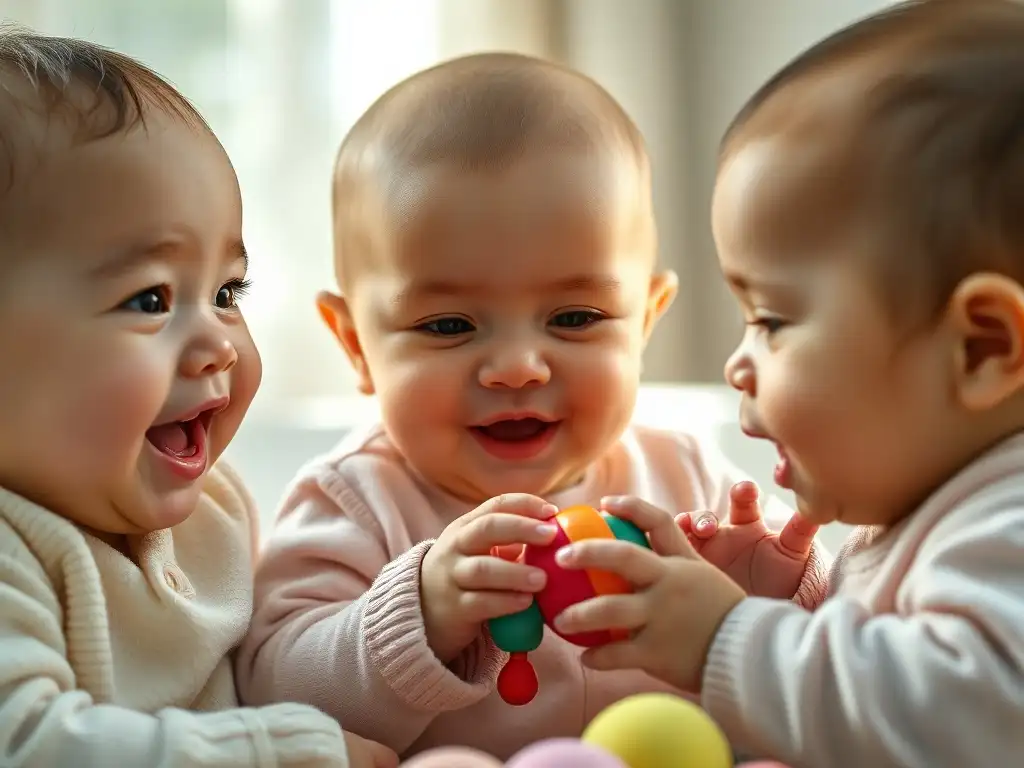
Understanding your baby's babbling is a fascinating journey into their developing communication skills. It's more than just adorable sounds; it's a crucial step in their language acquisition. This section delves into the nuances of baby babble, helping you decipher the meaning behind those sweet sounds. Mastering this skill empowers you to better engage with your little one and fosters their linguistic growth. This is key to understanding baby babbling development meaning.
Recognizing Different Types of Babbling: Consonants, Vowels, and Combinations
Baby babbling evolves significantly during the first year. Initially, it might consist of simple vowel sounds like "ooh," "aah," and "ee." As they progress, consonants are incorporated, leading to combinations like "ba," "da," and "ma." Around 6-8 months, you'll likely notice more complex babbling sequences, sometimes referred to as "canonical babbling." This stage involves repetitive consonant-vowel combinations, such as "bababa" or "dadada." These aren't real words, yet they represent a significant leap in their ability to produce and manipulate sounds.
By 9-12 months, your baby might start experimenting with variegated babbling. This involves more varied combinations of sounds, including different consonants and vowels in a single sequence, like "badagoo." This increased complexity reflects their growing understanding of sound patterns and the building blocks of language. Observe the frequency and types of sounds your baby uses. Keep a small notebook to note down these sounds and their frequency, this will be valuable information for your pediatrician. This detailed record contributes significantly to understanding your baby's baby babbling development meaning.
| Age Range (Months) | Babbling Type | Example Sounds | Description |
|---|---|---|---|
| 2-4 | Vowel-like sounds | "ooh," "aah," "ee" | Primarily vowel sounds, exploring vocal range. |
| 4-6 | Early consonant babbling | "ba," "da," "ma" | Introduction of consonants, simple combinations. |
| 6-8 | Canonical babbling | "bababa," "dadada" | Repetitive consonant-vowel combinations. |
| 9-12 | Variegated babbling | "badagoo," "mubagaba" | More varied consonant-vowel combinations, increased complexity. |
What Your Baby's Babbling Might Be Telling You: Emotional Expression and Communication
While not yet forming words, babbling serves as a crucial precursor to language. It's not just random noise; your baby uses babbling to express emotions and engage with you. A happy baby might babble excitedly with bright, high-pitched sounds, while a frustrated baby might use lower-pitched, less varied babbling. Pay attention to the context of the babbling. Is your baby babbling while looking at you, expecting a response? This could be a sign of early communicative intent. The intonation and rhythm of the babbling also provide valuable clues.
Think of babbling as your baby's way of practicing the sounds and rhythms of language. They're experimenting with different vocalizations, learning how to control their breath and mouth muscles, and developing the coordination needed for speech. Responding to their babbling with enthusiasm and engaging in turn-taking conversations, even if they aren't using real words, strengthens their communication skills and encourages further vocal exploration. This interactive approach significantly impacts their baby babbling development meaning. Remember, positive reinforcement is key! 🎉
Interpreting Vocalizations Beyond Babbling: Cries, Gurgles, and Other Sounds
Beyond babbling, your baby uses a wide range of vocalizations to communicate their needs and emotions. Different cries signal different things – hunger, discomfort, tiredness. Gurgles and coos express contentment and pleasure. These sounds, while not technically "babbling," are equally important steps in their language development journey. Learning to distinguish between these sounds helps you better understand and respond to your baby's needs. This contributes to a stronger parent-child bond and facilitates healthy emotional development.
Understanding the nuances of your baby's various vocalizations requires observation and patience. There's no magic formula, but consistent attention to your baby's cues will help you decipher their messages. Keep in mind that each baby is unique; their developmental timeline might vary slightly. However, the overall progression from simple vowel sounds to complex babbling sequences is a consistent marker of healthy language development. Tracking this progression helps you monitor your baby's linguistic development and address any potential concerns promptly. This holistic approach to understanding all your baby's vocalizations is crucial for comprehending the full baby babbling development meaning.
Supporting Your Baby's Babbling Development: Practical Tips for Parents
This section focuses on actionable strategies parents can use to nurture their baby's burgeoning language skills. Remember, babbling is a crucial stepping stone towards spoken language, and even small efforts can make a significant difference. Consistent interaction and a stimulating environment are key to fostering healthy baby babbling development meaning.
Creating a Stimulating Language Environment: Talking, Singing, and Reading
From the moment your baby is born, you are building the foundation for their language development. A rich linguistic environment is paramount. This doesn't require elaborate activities; simple, consistent interactions are incredibly effective.
Think of yourself as a constant source of language input. Talk to your baby throughout the day, narrating your actions: "Now I'm changing your diaper," or "We're going to have a yummy bottle of milk." Sing nursery rhymes and lullabies – the rhythm and repetition are excellent for language acquisition. Reading aloud, even to a very young baby, exposes them to the sounds and patterns of language. Choose brightly colored board books with simple pictures and repetitive phrases. The tactile experience of holding the book also adds to the engagement.
Data shows that babies exposed to frequent reading sessions demonstrate significantly advanced vocabulary and language comprehension skills later in life. Studies have shown a direct correlation between the amount of language exposure in the first year and a child's later linguistic abilities. Even short, frequent interactions are more effective than infrequent, lengthy ones. Aim for several short interactions throughout the day.
Engaging in Interactive Play: Responding to Your Baby's Vocalizations
Your baby's babbling is not just random noise; it's their way of communicating and practicing language. Responding enthusiastically to their vocalizations is crucial. When your baby makes a sound – even a gurgle or a coo – respond with a smile, eye contact, and a verbal acknowledgement. You can repeat the sound they made, or expand on it. For example, if they make a "ba" sound, you can respond with "Ba-ba! That's a great sound!" This interactive exchange reinforces the connection between sounds and meaning, laying the groundwork for more complex communication.
This responsive interaction teaches your baby that their vocalizations are meaningful and elicit a reaction from you, encouraging them to continue babbling and experimenting with sounds. Think of it as a reciprocal conversation, even if one side is primarily non-verbal. The more engaged you are, the more your baby will be motivated to participate. This positive reinforcement is a powerful tool in baby babbling development meaning.
Encouraging Babbling Through Games and Activities: Simple and Effective Techniques
There are many fun and simple games you can play to stimulate your baby's babbling. One effective technique is to use exaggerated facial expressions and vocalizations while playing peek-a-boo. The element of surprise and repetition strengthens their understanding of turn-taking and communication.
Another engaging activity is to use different textures and sounds. Crinkle paper, rattle toys, and soft stuffed animals all provide sensory stimulation that can encourage vocalizations. Describing the textures and sounds ("This is a crinkly paper! Listen to the sound!") helps to build vocabulary and connect words with experiences. Remember to always supervise your baby during playtime to ensure their safety.
Consider incorporating simple songs with actions, like "Itsy Bitsy Spider" or "Pat-a-Cake." The combination of singing, movement, and repetition creates a stimulating environment that encourages babbling and language development. These activities are not only fun but also actively contribute to the baby babbling development meaning and their overall language acquisition process. Remember consistency is key! Even short, regular interactions can significantly impact your baby's language development.
When to Seek Professional Help: Identifying Potential Concerns
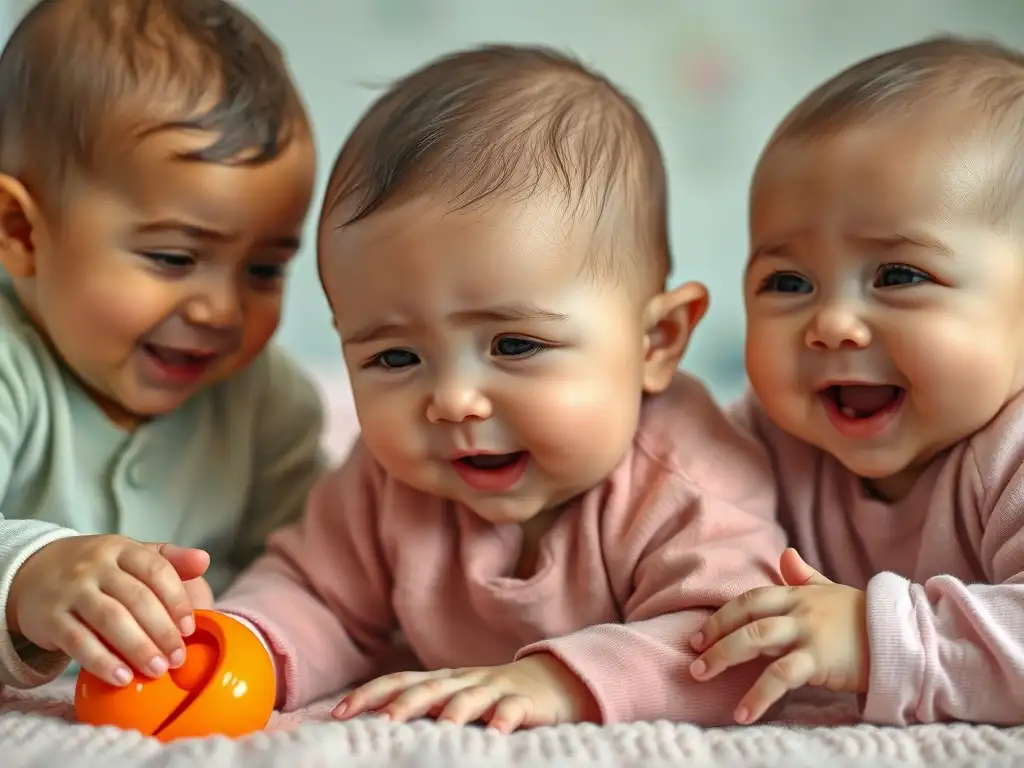
Understanding baby babbling development meaning is crucial for parents. While babbling is a normal part of language acquisition, certain signs might indicate a need for professional intervention. Early identification is key to maximizing your baby's developmental potential. This section will outline when to seek help from a pediatrician, speech-language pathologist, or other relevant healthcare professional. Remember, early intervention often leads to the best outcomes.
Signs That Your Baby's Babbling May Be Delayed: Red Flags to Watch For
Several red flags can suggest potential delays in your baby's babbling development. These aren't necessarily cause for immediate alarm, but warrant a discussion with your pediatrician. These signs should be considered in the context of your baby's overall development, as some babies simply develop at a slower pace than others. However, persistent absence of these milestones should be investigated.
Here's a breakdown of potential red flags:
- Lack of babbling by 7-8 months: Most babies begin to babble around 6 months, experimenting with sounds and vocalizations. A significant delay beyond 8 months may warrant evaluation.
- Absence of varied sounds: Babbling should involve a range of sounds, not just repetitive single sounds. A limited repertoire of sounds could signal a potential issue.
- No response to sounds or speech: If your baby doesn't seem to react to your voice or other sounds, it's important to consult a professional. This lack of responsiveness could indicate a hearing impairment or other underlying conditions affecting language development.
- Limited attempts at imitation: Babies typically start imitating sounds they hear around 9-12 months. If your baby shows little interest in imitating your speech, it might be a cause for concern.
- Lack of reciprocal interaction: Even before babbling, babies should show some engagement during interactions. If your baby doesn't seem to engage with you during playtime or seems unresponsive to your attempts at communication, this requires professional assessment.
The table below summarizes these key indicators:
| Age Range (Months) | Potential Red Flag | Description |
|---|---|---|
| 7-8 | Lack of babbling | No babbling sounds or vocalizations |
| 8-12 | Absence of varied sounds | Repetitive single sounds only, limited sound repertoire |
| 9-12 | No response to sounds or speech | No reaction to voice, sounds, or other auditory stimuli |
| 9-12 | Limited attempts at imitation | Doesn't attempt to copy sounds or words |
| 0-12 | Lack of reciprocal interaction during playtime or communication | Doesn't engage or respond during interactions. Limited eye contact and turn-taking. |
It's crucial to remember that every child develops at their own pace. However, consistent observation and early intervention are vital for ensuring optimal language development. If you have any concerns, don't hesitate to reach out to your healthcare provider. Early intervention can significantly improve outcomes.
Resources and Support for Parents: Finding Help for Language Development Challenges
If you've identified potential delays in your baby's babbling development or have concerns about their language progress, several resources can provide support and guidance. Early intervention is key, so don't hesitate to seek professional help. The following outlines potential avenues for support:
- Pediatrician: Your pediatrician is the first point of contact for any developmental concerns. They can conduct a preliminary assessment and refer you to specialists if needed.
- Speech-Language Pathologist (SLP): SLPs are experts in communication disorders and can provide comprehensive evaluations and therapy to address language delays.
- Early Intervention Programs: Many communities offer early intervention programs specifically designed for infants and toddlers with developmental delays. These programs provide therapy and support services.
- Online Resources and Support Groups: While not a replacement for professional help, online resources and support groups can offer valuable information and connect you with other parents facing similar challenges. This can provide emotional support and practical tips.
Remember, seeking help isn't a sign of failure; it's a proactive step toward ensuring your baby's healthy development. Early intervention often leads to significant improvements and a brighter future for your child. Don't hesitate to reach out for support; you are not alone. Early identification and intervention are key to maximizing your child's potential for healthy language development.
Baby Babbling Development Meaning: Connecting Sounds to Meaning
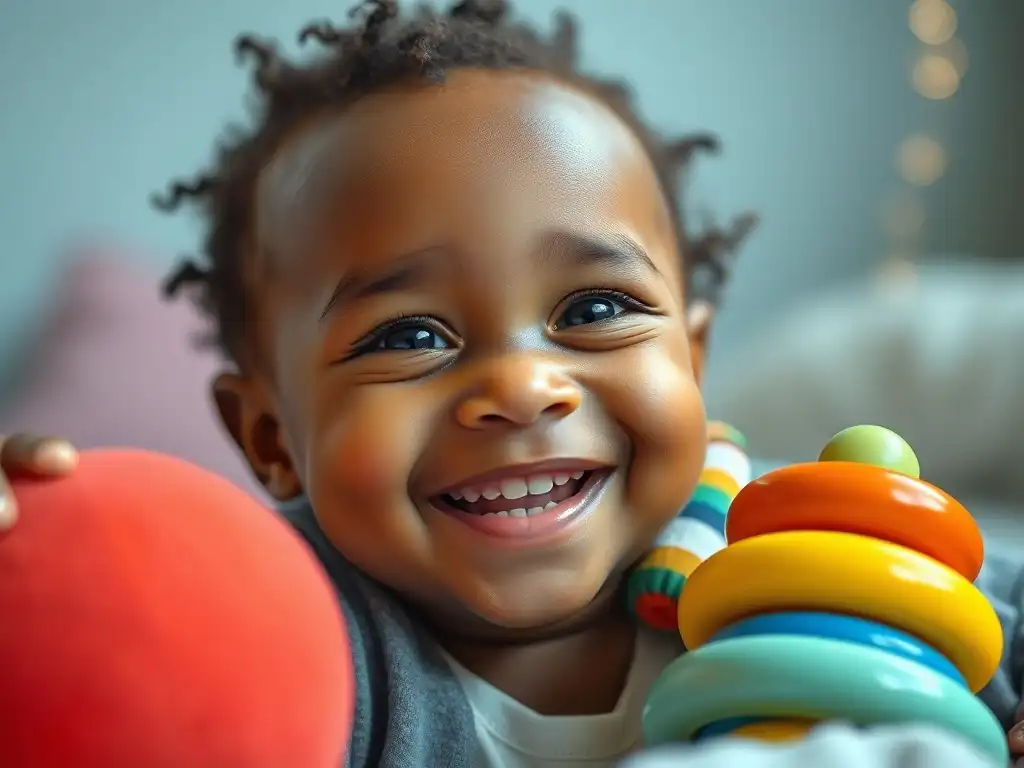
Understanding your baby's babbling is a fascinating journey into their developing language skills. It's more than just cute noises; it's a crucial step in their communication development, laying the groundwork for future speech and language comprehension. This section delves into the meaning behind those adorable sounds, exploring how babbling contributes to your baby's overall cognitive growth and prepares them for the world of words. The key phrase "baby babbling development meaning" highlights the importance of recognizing this stage as a significant milestone.
The Transition from Babbling to Words: Understanding the Process
The transition from babbling to actual words isn't a sudden switch but a gradual progression. Babies typically start babbling around 6 months old, producing a variety of consonant-vowel combinations like "ba," "ma," and "da." This is often referred to as reduplicated babbling, as they repeat the same syllable multiple times (e.g., "bababa," "mamama"). As they grow, their babbling becomes more complex, incorporating different sounds and intonations. This stage, known as variegated babbling, demonstrates increasing control over their vocal muscles and a growing understanding of sound patterns.
Around 9-12 months, babies often begin to combine babbling with gestures, pointing to objects while making sounds. This demonstrates a growing understanding of the connection between sounds and objects. They might point to a ball and say "ba," associating the sound with the object. This intentional communication is a pivotal moment in their language development journey. This stage is crucial for the development of symbolic thought, a fundamental aspect of language acquisition.
Building a Strong Foundation for Language Skills: Long-Term Implications of Early Babbling
The amount and quality of babbling a baby engages in can be a predictor of their later language abilities. Studies have shown a positive correlation between early babbling and vocabulary size in later years. Children who babble more extensively and with greater variety of sounds tend to develop larger vocabularies and better language skills overall. This isn't to say that a baby who babbles less will inevitably have language difficulties, but early babbling does provide a strong foundation.
Encouraging your baby's babbling is simple and rewarding. Engage in playful vocal interactions, repeating the sounds your baby makes and adding new ones. Reading aloud, singing songs, and having conversations (even if they’re one-sided!) stimulate language development.
This interactive approach helps your baby associate sounds with meaning and strengthens their communication skills. Remember that every baby develops at their own pace, but consistent engagement and positive reinforcement significantly impact their linguistic journey. Regular interaction helps build a strong foundation for future communication, impacting their social and emotional development as well. The rich tapestry of sounds your baby creates is a testament to their growing brainpower and a promise of the rich verbal world to come.
Frequently Asked Questions about Baby Babbling
This section addresses common queries regarding baby babbling and its significance in early language development. Understanding your baby's babbling patterns is crucial for tracking their progress and addressing any potential concerns promptly. Remember, every baby develops at their own pace, but recognizing typical milestones can help you gauge your little one's journey. This information helps you understand the meaning behind baby babbling development.
Is my baby babbling enough? Assessing Normal Development
Many parents wonder if their baby's babbling is "sufficient." There's no magic number of babbles or specific timeframe that defines "enough." However, observing certain patterns can offer reassurance. Between 4 and 6 months, babies typically begin experimenting with sounds, producing consonant-vowel combinations like "ba," "da," and "ma." By 7-12 months, these sounds become more varied and frequent, often incorporating strings of syllables ("bababa," "dadada"). They may also start to imitate sounds they hear from caregivers.
Think of it like this: babbling isn't just about the quantity of sounds but also the quality and variety. Is your baby experimenting with different sounds? Do they seem engaged and responsive when you talk to them? Do they imitate your sounds or facial expressions? These are key indicators of healthy language development. If you notice a significant lack of vocalization or a limited range of sounds, consulting a pediatrician or speech-language pathologist is always a good idea. Early intervention can make a significant difference.
Here's a helpful table summarizing expected babbling milestones:
| Age Range | Expected Babbling | Additional Observations |
|---|---|---|
| 4-6 Months | Consonant-vowel combinations (ba, da, ma) | Experimentation with sounds, vocal play |
| 7-12 Months | More varied and frequent babbling, syllable strings | Imitation of sounds, responsive to vocal interaction |
| 12-18 Months | First words emerge, babbling continues | Combining sounds and gestures, understanding simple words |
Remember, this is a general guideline. Some babies may babble earlier or later than others, and that's perfectly normal. The key is to observe your baby's progress and seek professional advice if you have any concerns. Early intervention is key to supporting a child's language development journey.
My baby is not babbling yet – should I be concerned? Addressing Parental Concerns
It's natural to feel concerned if your baby isn't babbling as much as you expect or by a certain age. While most babies begin babbling around 6 months, some may start later. Several factors can influence the timing and intensity of babbling. Premature birth, hearing impairments, or underlying developmental delays can all affect speech development.
However, before panicking, consider these points:
- Individual Variations: Babies develop at different rates. Some are naturally quieter or more reserved than others. A quiet baby doesn't necessarily mean a problem.
- Environmental Factors: A stimulating environment rich in language and interaction is vital. Regularly talking, singing, and reading to your baby helps foster language skills.
- Medical Conditions: While rare, underlying medical conditions can impact speech development. If you have any concerns about your baby's hearing or overall development, consult a pediatrician.
If your baby shows limited vocalization beyond 7-8 months, or exhibits other developmental delays (such as lack of eye contact, limited responsiveness to sounds, or difficulty with motor skills), seeking professional assessment is recommended. A pediatrician or speech-language pathologist can evaluate your baby's development and provide tailored guidance. Early intervention is crucial for optimal outcomes. Don't hesitate to reach out for support; it's a sign of proactive parenting.
Remember, your concerns are valid, and seeking help is a positive step in ensuring your baby's healthy development. Early identification of potential challenges can pave the way for successful interventions and support your baby's journey towards effective communication. Early intervention programs offer valuable resources and support for parents navigating these developmental stages.
Frequently Asked Questions
What is babbling, and why is it important for my baby's development?
Babbling is your baby's way of experimenting with sounds and language development. It's a crucial step towards speaking, helping them understand speech patterns and phonemes (basic sound units). Early babbling indicates healthy language acquisition.
When should I expect my baby to start babbling?
Most babies begin babbling around 4-6 months old, although some may start earlier or later. Don't worry if your baby is slightly outside this range; development varies. Consistent vocalization is key.
What does it mean if my baby isn't babbling yet?
If your baby isn't babbling by around 8 months, it's worth mentioning to your pediatrician. However, many factors influence development, and some babies are simply later bloomers. Early intervention is always beneficial if concerns arise.
How can I encourage my baby's babbling?
Engage in interactive play, talking, singing, and reading to your baby. Respond to their sounds and facial expressions. Use simple words and exaggerated tones to capture their attention and stimulate their language development.
My baby babbles but doesn't seem to understand words. Is this normal?
Yes, this is perfectly normal. Babbling precedes understanding. While your baby is experimenting with sounds, their receptive language (understanding) will develop alongside their expressive language (speaking). Continue interacting and engaging with your child.
Final Reflection: Unlocking the Language of Babbling
The seemingly simple sounds of a baby's babble are, in reality, a profound window into their developing minds and a critical step towards future linguistic fluency. Understanding this process isn't just academically interesting; it's crucial for parents, caregivers, and educators to foster healthy language development in young children. Early intervention based on this understanding can significantly impact a child's future communication skills and overall cognitive development.
The journey from babbling to articulate speech is a testament to the incredible plasticity of the human brain and the power of early interaction. It's a deeply personal journey for every parent, filled with wonder and a sense of awe at witnessing this developmental miracle unfold. Children begin to learn language long before they can speak.
This simple statement underscores the importance of nurturing this early communication, even before the first recognizable words emerge. The subtle nuances of babbling, the patterns of sounds, and the responsive interactions between caregiver and child all contribute to building a strong foundation for language acquisition.
Consider the babbling of your own child, or a child you know. What unique sounds did they make? How did their babbling evolve over time? Take a moment to reflect on the profound significance of these seemingly insignificant sounds. By understanding the developmental milestones associated with babbling, you can actively participate in your child's linguistic journey, fostering a rich and stimulating environment that nurtures their communication skills and sets them on a path towards confident and fluent speech. Embrace the magic of babbling – it's the key that unlocks a world of language and learning.
Unlock Your Baby's Communication Code!
Thank you for learning more about the fascinating world of infant vocalizations! You've gained valuable insights into how these early sounds shape your child's development. Ready to put this knowledge into practice?
- Start a Communication Journal: Record your baby's vocalizations, noting the sounds, tones, and situations in which they occur. This will become a cherished keepsake and a wonderful resource for understanding your baby's unique communication style.
- Share your observations with other parents! Join our BabyCareHub community forum to connect with other parents, exchange experiences, and share tips on supporting your baby's communication development.
- Engage your baby in interactive play: Use playful sounds and gestures to encourage further vocalizations and interaction.
What interesting sounds or patterns has your baby begun using that you'd like to share?