
Baby's Movement and Play: Fun Activities to Boost Gross Motor Skills

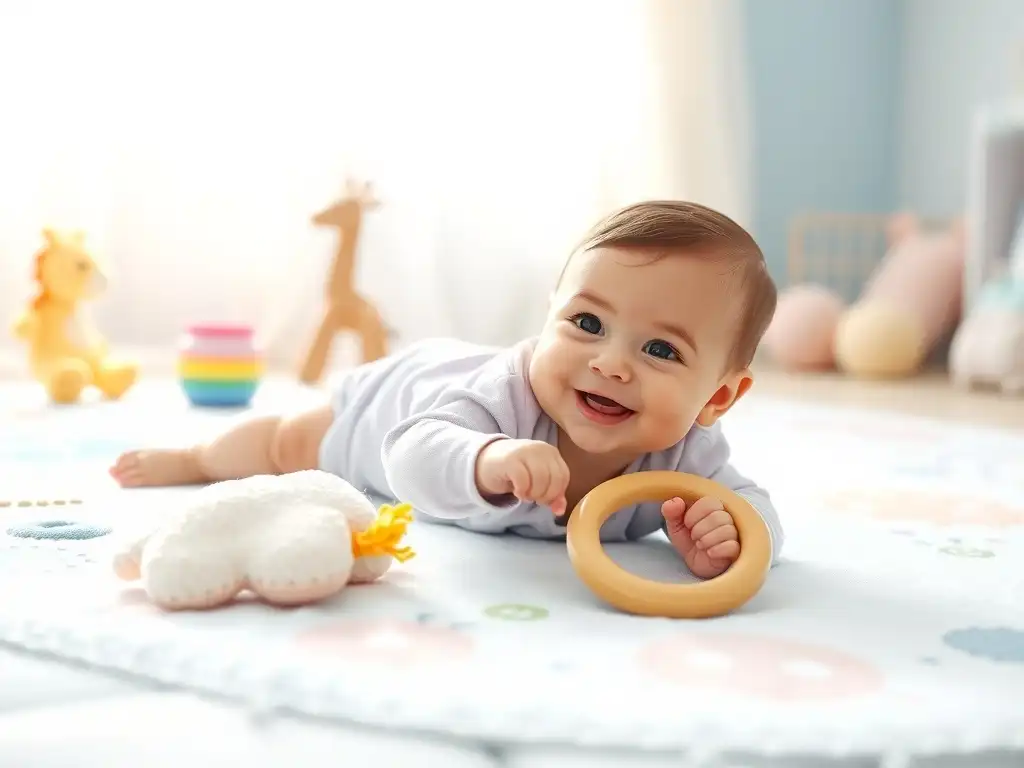
Welcome to BabyCareHub, your ultimate guide to navigating the incredible journey of parenthood! Are you ready to unlock your baby's potential? We're here to support you every step of the way, offering expert advice and practical tips on all things baby. Discover engaging baby gross motor skill activities in our latest article, and learn how playful interactions can significantly impact your little one's development. Dive in and explore the world of nurturing and growth – your adventure begins now!
- Understanding Baby Gross Motor Skill Development (0-12 Months)
- Baby Gross Motor Skill Activities: 0-3 Months
- Baby Gross Motor Skill Activities: 4-6 Months
- Baby Gross Motor Skill Activities: 7-9 Months
- Baby Gross Motor Skill Activities: 10-12 Months
- Creating a Safe and Stimulating Environment for Baby Gross Motor Skill Development
- Signs Your Baby Needs Extra Support with Gross Motor Skill Development
-
Frequently Asked Questions
- What are gross motor skills?
- When should my baby start showing signs of gross motor skills development?
- What are some fun activities to encourage gross motor skill development?
- How can I tell if my baby's gross motor skill development is delayed?
- Are there any safety precautions I should take when engaging my baby in gross motor skill activities?
- Final Reflection: Unlocking a World of Movement: The Power of Play
- Unlock Your Baby's Potential: Fun Movement Adventures Await!
Understanding Baby Gross Motor Skill Development (0-12 Months)
The first year of your baby's life is a whirlwind of incredible growth and development, and a significant part of this journey involves the development of gross motor skills. These are the large movements your baby makes using their arms, legs, and torso – skills crucial for their overall physical development and future independence. This article will serve as your guide to understanding and encouraging your baby's gross motor skill development from birth to twelve months, providing you with fun and engaging activities to support their progress.
We'll explore key milestones, offer tips for tracking your little one's development, and suggest age-appropriate activities to help your baby reach their full potential. Remember, every baby develops at their own pace, so celebrate each milestone and enjoy the journey! 🎉
Key Milestones in Early Gross Motor Development: Rolling, Crawling, and Sitting
The early months of your baby's life are marked by significant advancements in their gross motor skills. These milestones build upon each other, creating a foundation for future physical abilities. Let's explore some key developments:
- Rolling Over (2-5 months): Many babies start by rolling from their tummy to their back before mastering the reverse. This milestone demonstrates increasing strength and coordination. Encourage this by placing engaging toys slightly out of reach to motivate them to roll. Remember tummy time is crucial for building the neck and back muscles needed for rolling!
- Sitting Up (4-8 months): Sitting independently signifies significant progress in core strength and balance. You can support your baby's progress by providing a safe and supportive environment, using pillows for support initially. Always supervise your baby during tummy time and when they are learning to sit.
- Crawling (6-10 months): Crawling is a fantastic way for babies to explore their world and develop upper body strength. Not all babies crawl in the traditional way; some might scoot or army crawl. The important thing is the movement and exploration! Create a safe and stimulating environment with plenty of space for your baby to move around.
- Pulling to Stand (8-12 months): Around this age, many babies start pulling themselves up to stand, using furniture or other stable objects for support. This milestone shows incredible strength development and prepares them for walking. Ensure your home is baby-proofed to prevent falls.
Tracking Your Baby's Progress: What to Expect at Each Stage
Tracking your baby's development is important, but remember to avoid comparisons with other babies. Every child develops at their own pace. However, monitoring their progress can help identify any potential delays and allow for early intervention if needed. Here's a simplified guide to what you might expect at each stage:
| Age Range (Months) | Gross Motor Skill Milestones | Tips & Activities |
|---|---|---|
| 0-3 | Head control, lifting head during tummy time | Tummy time, gentle head support during playtime |
| 3-6 | Rolling over, pushing up on arms during tummy time | Tummy time with toys, encouraging rolling with playful interactions |
| 6-9 | Sitting unsupported, crawling, pulling to stand | Creating a safe space for crawling, providing objects to pull themselves up on |
| 9-12 | Pulling to stand, cruising (walking while holding onto furniture), possibly taking first steps | Encouraging standing, providing support while walking, baby walkers (use with caution) |
Remember to consult your pediatrician if you have any concerns about your baby's development. They can provide personalized guidance and address any potential issues promptly. Enjoy this exciting phase of your baby's life, filled with adorable milestones and endless cuddles! ❤️
Baby Gross Motor Skill Activities: 0-3 Months

This section focuses on stimulating gross motor skill development in babies aged 0-3 months. We'll explore simple yet effective activities that can be incorporated into your daily routine to help your little one build strength and coordination. Remember, consistency is key! Even short bursts of activity throughout the day can make a significant difference. Always supervise your baby closely during these activities.
Tummy Time for Strengthening Neck and Back Muscles
Tummy time is crucial for developing neck and back muscles, essential for rolling over, crawling, and eventually walking. Newborns may only tolerate short periods, but gradually increase the duration as your baby gets stronger. Start with just a few minutes at a time, several times a day.
Here are some tips to make tummy time more enjoyable:
- Positioning: Place your baby on their tummy on a soft, flat surface like a playmat. Make sure their head is slightly elevated and they can easily breathe.
- Engagement: Use brightly colored toys or mobiles to encourage them to lift their head and chest. Talk to them, sing songs, or make funny faces to keep them engaged.
- Variety: Change up the location and surface. A soft blanket on the floor, a changing mat, or even your lap can provide variety and keep things interesting. Consider placing them on your chest while you lie down, allowing for skin-to-skin contact and a sense of security.
- Supervision: Never leave your baby unattended during tummy time.
Remember to observe your baby's cues. If they seem tired or frustrated, stop the activity and try again later. The goal is to make it a positive experience. A crying baby during tummy time doesn't mean they dislike it; it might mean they need a break or a change of scenery.
Consistent tummy time sessions, even as short as 2-3 minutes at a time, can lead to noticeable improvements in your baby's head and neck control within a few weeks. You'll see them lifting their heads higher and holding their bodies more steadily.
Interactive Playmats: Engaging Sensory Experiences
Interactive playmats are designed to stimulate your baby's senses and encourage movement. They often feature bright colors, textures, sounds, and dangling toys that grab your baby's attention and motivate them to reach, kick, and roll.
Choosing the right playmat is important. Look for one that:
- Offers a variety of textures: Different textures stimulate tactile development and encourage exploration.
- Features engaging visuals: Bright colors and interesting patterns capture your baby's attention and promote visual tracking.
- Includes a variety of toys: Different types of toys (crinkle toys, rattles, soft toys) cater to different developmental needs.
- Provides sufficient space: Ensure the mat is large enough to allow your baby to move freely.
Remember that the playmat should be a safe and stimulating environment. Regularly check for any loose parts or potential hazards. The aim is to provide an engaging environment that encourages your baby to explore and develop their motor skills.
Reaching and Grasping Toys: Developing Fine and Gross Motor Skills Simultaneously
Reaching and grasping toys are excellent for simultaneously developing both fine and gross motor skills. As your baby reaches for a toy, they are strengthening their arm and shoulder muscles (gross motor skills), while the act of grasping the toy refines their hand-eye coordination and finger dexterity (fine motor skills).
Consider using toys that:
- Are easily grasped: Choose toys that are appropriately sized for your baby's hands. Larger, softer toys are ideal for newborns.
- Have different textures: Toys with varied textures provide sensory stimulation and encourage exploration.
- Make sounds or have interesting features: This will keep your baby engaged and motivated to reach.
- Are safe and durable: Always choose toys that are non-toxic and free from small parts that could pose a choking hazard.
By offering a variety of engaging toys, you can encourage your baby to reach, grasp, and manipulate objects, thus building the foundation for more complex motor skills in the months to come. This simple activity can significantly contribute to your baby's overall development. Remember to introduce new toys regularly to maintain their interest and provide varied sensory experiences.
Baby Gross Motor Skill Activities: 4-6 Months
This section focuses on baby gross motor skill activities specifically designed for the 4-6 month age range. We'll explore practical exercises and playtime ideas to help your little one develop crucial movement skills, fostering their physical development and overall well-being. Remember, every baby develops at their own pace, so celebrate each milestone achieved! This guide offers suggestions; always prioritize your baby's safety and comfort. We'll examine activities that promote rolling, sitting, and reaching – key components of early gross motor development.
Rolling Over: Encouraging Movement and Exploration
Rolling over is a significant milestone in a baby's gross motor development journey. It signifies increased strength and coordination. Between 4 and 6 months, many babies begin to roll from their back to their tummy, and then eventually, from tummy to back. This isn't just about physical ability; it also marks a huge leap in their cognitive development, as they gain a new perspective on the world.
To encourage rolling, try these activities:
- Tummy Time Variations: Instead of just placing your baby on their tummy for short periods, try incorporating toys or interesting objects just out of reach to motivate them to roll towards them. A brightly colored rattle or a soft, textured toy can be very effective. Remember to always supervise your baby during tummy time.
- Gentle Assistance: If your baby is struggling to roll, you can gently assist them by supporting their hips and legs and helping them rotate. Do this slowly and carefully, always being mindful of their comfort. Don’t force the movement.
- Playful Interactions: Talk to your baby, sing songs, and make funny faces while they are on their tummy. This interactive play makes tummy time more engaging and encourages them to lift their head and move.
- Creating a Safe Space: Ensure the surface where your baby is playing is soft and padded. Remove any potentially hazardous objects from their reach.
The development of rolling over is crucial for several reasons. It strengthens neck and shoulder muscles, improves body awareness, and lays the foundation for future movements like crawling and walking. Regular tummy time and playful encouragement can significantly accelerate this process. Remember to be patient and celebrate every little achievement!
Sitting Up: Supporting Your Baby's Independence
Sitting up independently is another major milestone in gross motor skill development. Around 4-6 months, babies start to show signs of wanting to sit, often with support. This stage requires significant strength in their core muscles and improved balance. Helping your baby achieve this milestone safely and effectively is crucial.
Here's how you can support your baby's journey to sitting:
- Supported Sitting: Use pillows or rolled-up blankets to provide support around your baby while they are sitting. This allows them to practice their balance without the fear of falling.
- Interactive Play: Place toys slightly out of reach to encourage your baby to reach and maintain their sitting position. This strengthens their core muscles and improves their hand-eye coordination.
- Short Sitting Sessions: Start with short sitting sessions to avoid fatigue. As your baby's strength improves, gradually increase the duration.
- Avoid Forceful Sitting: Never force your baby to sit before they are ready. This can lead to frustration and potentially injure their spine.
Remember to always supervise your baby while they are sitting. A supportive and encouraging environment is essential to build their confidence and promote their motor skills. The ability to sit independently opens up a whole new world of exploration and play for your baby. They can now engage with their surroundings from a different perspective, stimulating their cognitive development alongside their physical development.
Reaching for Toys: Enhancing Hand-Eye Coordination and Gross Motor Skills
Reaching for toys is a fundamental skill that combines gross motor skills (arm and shoulder movements) with fine motor skills (hand and finger dexterity). This seemingly simple action is crucial for development, laying the groundwork for more complex movements and actions later on. Between 4 and 6 months, babies become increasingly adept at reaching, grasping, and manipulating objects.
Here are some strategies to enhance your baby's reaching skills:
- Colorful and Engaging Toys: Use brightly colored toys with different textures and sounds to capture your baby's attention and motivate them to reach. Consider rattles, soft toys, or teethers.
- Varying Toy Placement: Place toys at different distances and angles to challenge your baby and encourage them to reach in different ways.
- Interactive Games: Play games that involve reaching and grasping, such as passing toys back and forth. This makes the activity fun and engaging.
- Monitoring Progress: Observe your baby's progress and adjust the challenge level accordingly. As they become more skilled, you can introduce more complex toys or increase the distance.
Reaching is a vital skill that contributes to several areas of your baby's development. It strengthens their muscles, improves hand-eye coordination, and stimulates their cognitive development by allowing them to explore their environment and interact with objects. The ability to reach and grasp is a fundamental building block for future motor skills, paving the way for more advanced actions like crawling and eventually, walking. 🎉
Baby Gross Motor Skill Activities: 7-9 Months
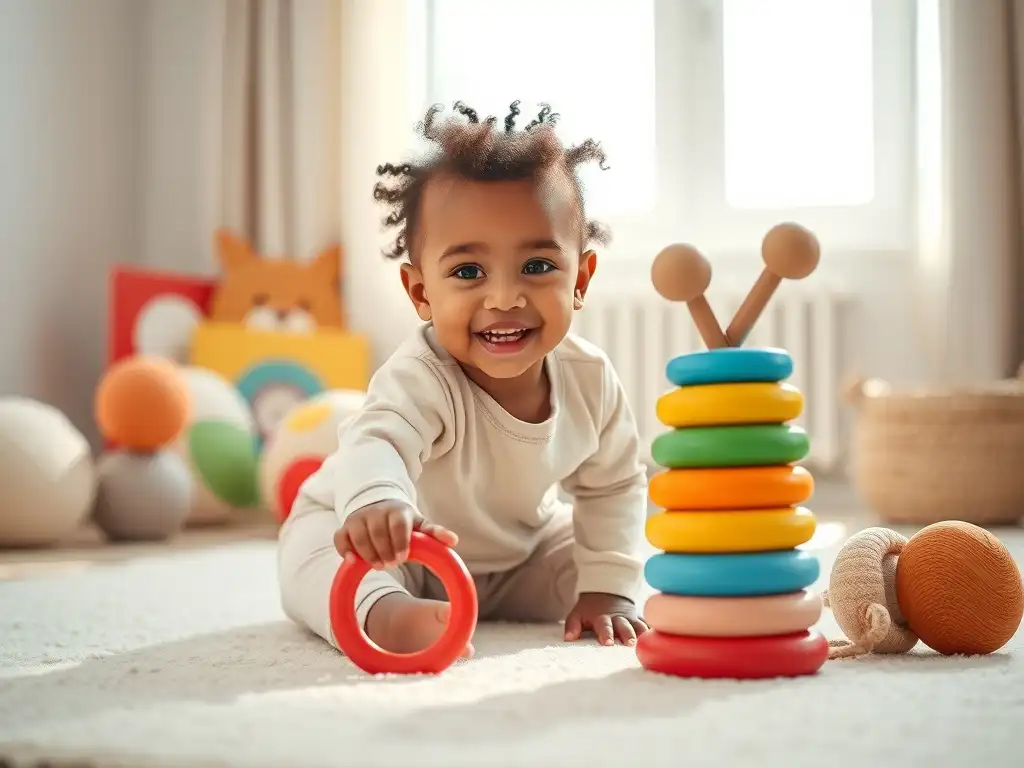
This section focuses on enriching your 7-9 month old's life with engaging activities that promote crucial gross motor skill development. Remember, every baby develops at their own pace, so celebrate each milestone reached! These activities are designed to encourage, not force, progress. Always supervise your baby closely during playtime.
Crawling and Cruising: Building Strength and Coordination
Between 7 and 9 months, many babies begin crawling, a significant leap in mobility. This stage strengthens core muscles, improves coordination, and builds confidence. To encourage crawling, try these techniques:
- Create an enticing pathway: Place favorite toys just out of reach, creating a motivating "crawl path". Vary the surface – a soft rug, a smooth floor, or even a slightly bumpy blanket – to introduce varied sensory experiences and build muscle strength in different ways. This helps your baby develop adaptable crawling skills.
- Tummy time variations: While tummy time is crucial from birth, at this age, you can make it more interactive. Place toys on their sides, encouraging them to reach and turn. You can also gently support their arms and legs, helping them practice the crawling motion.
- Obstacle courses (baby-safe version): Use pillows, blankets, and large, soft toys to create a miniature obstacle course. This helps your baby navigate different terrains and strengthens their problem-solving skills alongside their motor skills. Remember to keep it simple and safe, avoiding anything that could topple over or present a choking hazard.
- Follow the leader: Get down on the floor and crawl alongside your baby. This provides a fun, interactive model for them to imitate. Making silly noises and engaging in playful interactions will further encourage their participation.
Cruising, or pulling themselves up to stand using furniture, is another important milestone. It builds leg strength and improves balance. To encourage cruising:
- Provide sturdy support: Ensure furniture is stable and low enough for your baby to safely grab onto. Consider using a low, sturdy coffee table or a stable sofa.
- Offer enticing objects: Place interesting toys on a low shelf or table to encourage your baby to pull themselves up to reach them.
- Supervision is key: Always supervise your baby while they are cruising to prevent falls. Consider using soft mats or cushions nearby as a safety precaution.
Pulling to Stand: Developing Leg Muscles and Balance
Pulling to stand is a significant developmental leap, requiring considerable strength and balance. This stage strengthens leg muscles, improves core stability, and lays the foundation for walking. Here's how to support this crucial phase:
- Supported standing: Hold your baby under their arms and gently help them stand. Support their weight, allowing them to feel the sensation of standing. Gradually reduce your support as their strength and balance improve.
- Utilize furniture: Encourage your baby to pull themselves up to stand using stable furniture, always within your sight and reach. This helps them practice self-support and build confidence.
- Safe spaces: Ensure the area where your baby practices pulling to stand is safe and free from hazards. Padded flooring can help minimize the impact of any potential falls.
- Practice makes perfect: Regular practice strengthens muscles and improves coordination. Short, frequent sessions are more effective than lengthy ones.
Interactive Games to Encourage Movement and Play
Interactive play is crucial for gross motor skill development. It makes learning fun and engaging, boosting motivation and coordination. Here are some engaging game ideas:
- Rolling balls: Roll a large, soft ball back and forth to your baby. This encourages them to reach, track the ball's movement, and develop hand-eye coordination, all while promoting gross motor development.
- Musical playtime: Play some music and encourage your baby to move their body to the rhythm. This can be as simple as gentle swaying or kicking their legs.
- Tunnel play: Create a simple tunnel using blankets or pillows. This encourages crawling and helps your baby to overcome obstacles.
- Hide-and-seek: Hide a toy under a blanket and encourage your baby to find it. This encourages crawling and develops problem-solving skills.
Remember to always prioritize safety and adjust activities to your baby's individual capabilities and preferences. Celebrate their progress and make playtime a joyful experience! Consistent engagement with these baby gross motor skill activities will significantly contribute to your little one's healthy development. 👶
Baby Gross Motor Skill Activities: 10-12 Months
This section focuses on enriching your baby's gross motor skill development between 10 and 12 months of age. We'll explore activities that encourage crucial milestones like walking, enhance balance and coordination, and provide fun challenges to further stimulate their physical abilities. Remember, always supervise your baby during these activities and adjust them based on their individual capabilities and preferences. These baby gross motor skill activities are designed to be engaging and beneficial for your little one's development.
First Steps: Supporting Your Baby's Walking Journey
Around 10-12 months, many babies begin their exciting journey towards walking. While some may take their first steps earlier, others may need more encouragement and support. Here are some ways to facilitate this crucial developmental milestone:
- Create a safe and supportive environment: Clear the floor of obstacles, ensuring a clutter-free space for your baby to explore. Consider using soft mats or rugs to cushion potential falls. A safe space is crucial for building confidence.
- Encourage cruising: Provide sturdy furniture for your baby to hold onto while pulling themselves up and cruising around. This strengthens leg muscles and builds balance. You can even slightly lower the height of furniture to make this process easier.
- Use a push-and-pull toy: Toys like walkers (with appropriate safety precautions!) or push-along toys can be excellent motivators for your baby to move forward. The act of pushing or pulling strengthens their core and leg muscles.
- Play "Follow the Leader": Get down on your hands and knees and crawl or walk around, encouraging your baby to follow you. This makes learning to walk more engaging and fun.
- Practice standing and walking: Gently hold your baby's hands and help them stand, encouraging them to take small steps. Gradually reduce your support as their confidence grows. Celebrate each small achievement! 🎉
Playing with Balls: Improving Balance and Coordination
Playing with balls is a fantastic way to improve your baby's balance, coordination, and hand-eye coordination. Here's how you can incorporate ball play into your baby's routine:
- Soft balls are key: Start with soft, lightweight balls that are easy for your baby to grasp and manipulate. Avoid balls that are too hard or small, as these could be a choking hazard.
- Rolling and reaching: Roll the ball back and forth to your baby, encouraging them to reach for it and roll it back. This simple activity strengthens their arms, legs, and core muscles.
- Throwing and catching (modified): At this age, "catching" might involve your baby simply batting at the ball. Focus on the throwing motion, gently tossing the ball to them and encouraging them to make contact.
- Sitting and playing: Have your baby sit and roll a ball to them, encouraging them to reach, grab and roll it back. This helps develop their upper body strength and hand-eye coordination.
- Ball pit (if space allows): If you have the space, a ball pit can provide endless fun and opportunities for your baby to practice their gross motor skills. Remember to supervise closely.
Obstacle Courses: Fun Challenges to Enhance Gross Motor Skills
Creating a simple obstacle course at home is a fun and effective way to challenge your baby's gross motor skills. Remember to keep it safe and adjust the difficulty based on your baby's abilities.
- Simple setup: Use pillows, blankets, cushions, and other soft items to create low obstacles for your baby to crawl over or around.
- Tunnels: Use a blanket draped over chairs or a cardboard box to create a simple tunnel for your baby to crawl through. This encourages crawling and strengthens their core muscles.
- Climbing (with supervision): A low, sturdy step stool or a stack of soft cushions can provide a safe opportunity for your baby to practice climbing. Always supervise closely.
- Vary the challenges: Introduce new obstacles regularly to keep your baby engaged and challenged. This prevents boredom and keeps their motor skills developing.
- Celebrate success! Positive reinforcement and encouragement are key to fostering a love of physical activity in your baby. Cheer them on as they navigate the course! 🏆
Remember that every baby develops at their own pace. These activities are suggestions, and you should adjust them to suit your baby's individual needs and abilities. Prioritize safety and have fun!
Creating a Safe and Stimulating Environment for Baby Gross Motor Skill Development
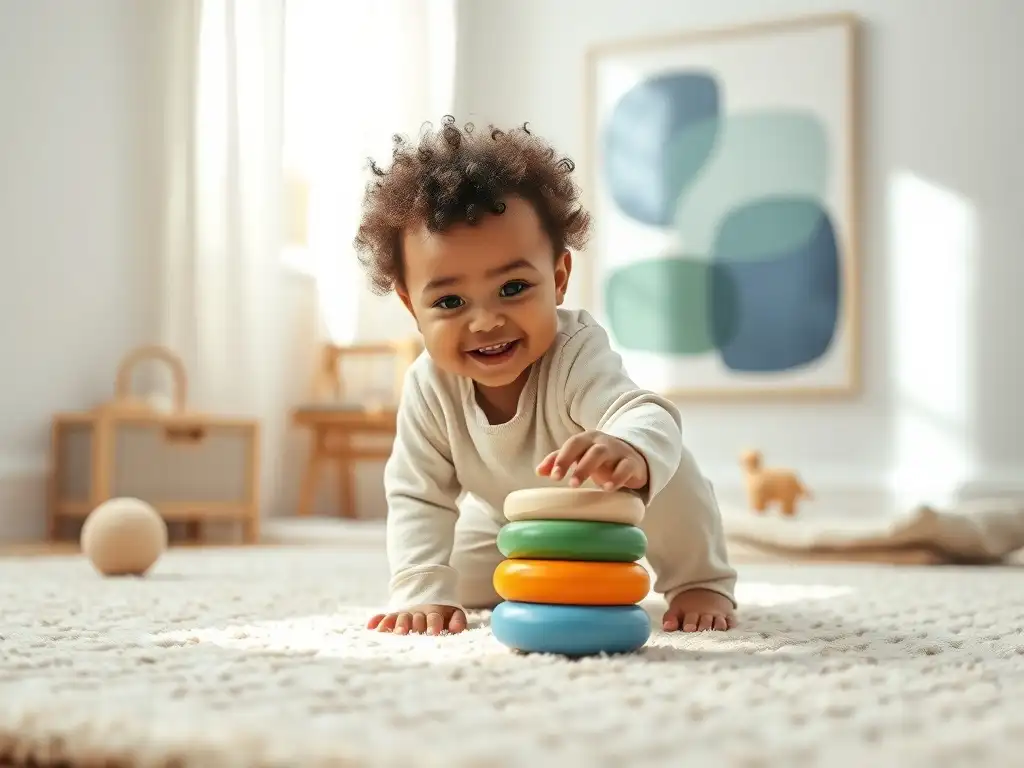
Developing your baby's gross motor skills requires a safe and engaging environment. This means proactively baby-proofing your home and selecting age-appropriate toys that encourage movement and exploration. Remember, safety is paramount, as a secure space allows your little one to confidently develop their physical abilities. The focus should be on creating opportunities for successful movement experiences, building confidence and a love for physical activity. This section will provide detailed guidance on achieving this.
Baby-Proofing Your Home: Ensuring a Safe Play Area
Before introducing any activities, ensure your home is a safe haven for your baby's explorations. This involves more than just locking cabinets; it's about creating a dedicated play area where your baby can move freely without encountering hazards. Consider these essential steps:
- Secure all potential hazards: This includes covering electrical outlets, securing loose cords and wires, and anchoring furniture that could tip over. Remember to check for small objects that could be choking hazards—anything smaller than a ping pong ball poses a significant risk.
- Create a cushioned play area: Use soft mats or rugs to protect your baby from bumps and falls. Carpeted floors are ideal, but additional padding provides extra protection during tumbles and rolls. Consider the impact-absorbing properties of the flooring; hard surfaces can be particularly dangerous.
- Clear the space: Remove any clutter or obstacles that could impede your baby's movement. This includes low-lying furniture, sharp objects, and anything that could be easily pulled down. A clear, open space allows for unhindered exploration and movement.
- Regular safety checks: Regularly inspect your baby's play area for any new hazards that may have appeared. A proactive approach to safety is crucial for preventing accidents. Consider using child safety gates to restrict access to certain areas of your home. Remember, a safe environment is a crucial component of fostering healthy gross motor skill development.
Choosing Age-Appropriate Toys: Promoting Development and Engagement
Selecting the right toys is crucial for stimulating your baby's gross motor skills. Toys should be engaging, safe, and appropriate for your baby's developmental stage. Consider the following guidelines:
- 0-3 Months: Focus on toys that encourage head lifting and reaching. High-contrast mobiles, textured rattles, and soft play mats are ideal choices during this stage. These items will help build neck strength and develop hand-eye coordination, which are foundational to gross motor skill development.
- 3-6 Months: As your baby gains more control over their movements, introduce toys that encourage rolling, sitting, and reaching. Large, soft blocks, stacking cups, and brightly colored balls are excellent options. Remember, the size and texture of toys are crucial factors to consider at this stage.
- 6-9 Months: Now is the time to introduce toys that encourage crawling and pulling to stand. Tunnels, push-and-pull toys, and sturdy walkers (with appropriate safety features) can help your baby develop these essential skills. This stage marks a significant leap in gross motor development, so careful selection of toys is key.
- 9-12 Months: As your baby becomes more mobile, choose toys that encourage walking, climbing, and exploring. Ride-on toys, balls, and soft blocks are excellent choices. Remember to supervise your baby closely during play to ensure their safety. At this stage, you might also introduce simple puzzles and shape sorters, which help develop fine motor skills alongside gross motor skills.
Remember to rotate toys regularly to maintain your baby's interest and prevent boredom. A diverse range of toys will encourage exploration and further develop their gross motor skills. The key is to provide opportunities for your baby to engage with their environment actively and safely. This playful approach will build their confidence and enthusiasm for movement, setting a strong foundation for physical development.
Signs Your Baby Needs Extra Support with Gross Motor Skill Development
Developing gross motor skills is a crucial part of a baby's first year, marking significant progress in their physical abilities. While every baby develops at their own pace, certain signs might indicate a need for extra support or a professional evaluation. Recognizing these early warning signs is key to ensuring your little one receives the necessary help to thrive.
This section focuses on identifying potential delays in gross motor skill development in infants, providing parents with information to assess their baby's progress and when to seek professional guidance. We'll explore common indicators and offer insights into interpreting your baby's development within the context of typical milestones. Remember, early intervention can make a significant difference.
When to Consult a Pediatrician: Recognizing Potential Delays
Observing your baby's progress in gross motor skills is important. While developmental milestones provide a general guideline, individual variations are normal. However, significant delays or deviations from expected progress warrant a consultation with your pediatrician. This is especially important because early intervention can significantly impact a child's development.
Here's a breakdown of when to seek professional advice:
- Significant Delays: If your baby consistently lags behind the average milestones for their age group – for example, not rolling over by 6 months, not crawling by 10 months, or not walking by 15 months – it's crucial to discuss this with your pediatrician. These are broad averages, and some babies may reach milestones earlier or later, but a significant and consistent delay requires attention.
- Asymmetry: Noticeable differences in strength or movement between the left and right sides of the body (e.g., consistently favoring one side while crawling or reaching) should be brought to your pediatrician's attention. This asymmetry could indicate an underlying issue requiring further investigation.
- Lack of Progress: Even if your baby is achieving some milestones, a prolonged period without noticeable progress in gross motor skills should prompt a check-up. For instance, if your baby has been rolling over for several weeks but shows no signs of attempting to sit up or crawl, it's worth mentioning to your healthcare provider.
- Muscle Tone Issues: Observe your baby's muscle tone. Excessive floppiness (hypotonia) or excessive stiffness (hypertonia) could indicate neurological concerns requiring assessment.
- Persistent Difficulty: If your baby consistently struggles with activities like lifting their head, rolling over, sitting, or crawling, even with encouragement and support, it's important to seek professional advice. This persistent difficulty might signify underlying challenges.
- Other Developmental Concerns: Delays or concerns in other developmental areas (fine motor skills, speech, social-emotional development) coupled with gross motor skill delays warrant a comprehensive evaluation by your pediatrician. These areas are often interconnected.
Example Table: Gross Motor Skill Milestones (Approximate)
| Age Range | Milestone | Notes |
|---|---|---|
| 2-4 Months | Lifts head and chest while lying on stomach | Some babies may achieve this earlier or later; consistency is key. |
| 4-6 Months | Rolls over from stomach to back | May also roll from back to stomach, but often later. |
| 6-8 Months | Sits unsupported | Some babies may need brief support initially; consistency is key. |
| 8-10 Months | Crawls | Some babies may skip crawling and go straight to pulling themselves to stand. |
| 10-12 Months | Pulls to stand, cruises along furniture | May stand briefly without support. |
| 12-15 Months | Walks independently | May walk with some assistance initially. |
Remember, this table provides approximate milestones. Individual variations are expected. The key is to observe your baby's progress and seek professional guidance when concerns arise. Early intervention is key for optimal development. 👶
Frequently Asked Questions
What are gross motor skills?
Gross motor skills are large muscle movements that your baby uses to control their body. These include actions like rolling over, crawling, sitting, and walking. Developing these skills is crucial for your baby's overall development.
When should my baby start showing signs of gross motor skills development?
Most babies begin showing signs of gross motor skill development around 3 to 6 months old, although the timeline varies. You'll notice things like head lifting, reaching, and eventually rolling over. Every baby develops at their own pace.
What are some fun activities to encourage gross motor skill development?
Plenty of activities can help! Tummy time is excellent for strengthening neck and back muscles. Providing a safe space for your baby to explore, with soft toys and blankets, is also beneficial. Singing songs that encourage movement is another great option.
How can I tell if my baby's gross motor skill development is delayed?
If your baby isn't meeting typical milestones, consult your pediatrician. They can assess your baby's development and provide guidance. Early intervention is key if there are any concerns.
Are there any safety precautions I should take when engaging my baby in gross motor skill activities?
Always supervise your baby closely during any activity. Ensure the play area is safe and free of hazards. Use age-appropriate toys and avoid anything that could be a choking hazard. Prioritize your baby's safety above all else.
Final Reflection: Unlocking a World of Movement: The Power of Play
The early development of gross motor skills is not merely about crawling and walking; it's the foundation upon which a child builds their confidence, independence, and lifelong physical well-being. These foundational movements are crucial for future athleticism, cognitive development, and overall health, impacting every aspect of a child's life.
Witnessing my own child's progression through these milestones has been profoundly moving. Each new achievement, from rolling over to pulling themselves up, has been a testament to their innate drive and the power of playful exploration. Play is the highest form of research.
- Albert Einstein. This quote perfectly encapsulates the importance of allowing children the freedom to discover their bodies and the world around them through active play. The joy and wonder in their eyes as they master a new skill is a constant reminder of the profound impact we have on their development through the activities we provide.
Now, consider the activities we've explored – tummy time, reaching games, and obstacle courses. These aren't just fleeting moments of fun; they are investments in your child's future. Take a moment to reflect on how you can incorporate more movement and play into your child's daily routine. Even small changes, like creating a safe space for exploration or engaging in simple interactive games, can make a significant difference. Embrace the mess, celebrate the small victories, and watch your child blossom into a confident, capable individual. The journey of movement is a journey of discovery, and you are the guide.
Unlock Your Baby's Potential: Fun Movement Adventures Await!
Thank you for joining us on this journey to explore the exciting world of baby movement and play! We hope you've discovered fun and effective ways to nurture your little one's development. Now it's time to put that knowledge into practice!
- Dive into playtime! Try one of the activities we discussed – your baby will love the engaging sensory experience, and you'll cherish these precious moments together. Consider taking a short video to capture their progress!
- Share your favorite activity! Let other parents in our BabyCareHub community know which activity worked best for you. We'd love to hear about your successes and challenges.
- Create a personalized movement plan. Based on what you've learned, develop a simple weekly schedule incorporating various activities to keep your baby stimulated and engaged.
Ready to watch your baby thrive? What exciting developmental milestones will you be working towards this week?