
Understanding Your Baby's Distractibility: A Temperament Trait

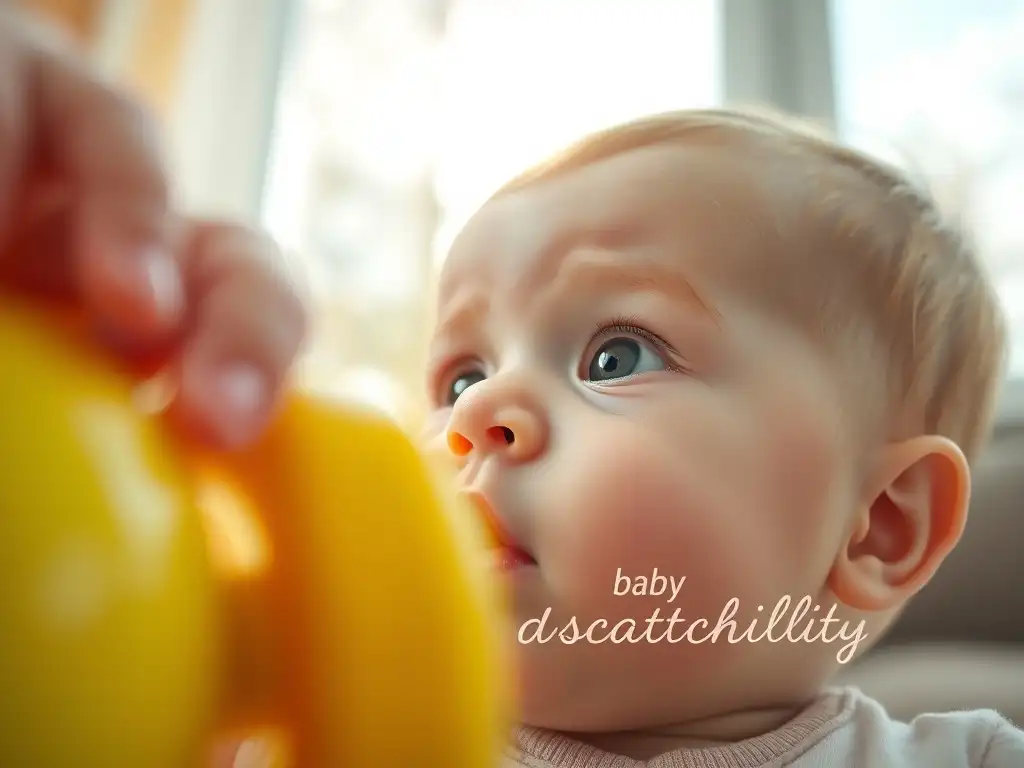
Welcome to BabyCareHub, your ultimate guide to navigating the incredible journey of parenthood! Are you curious about your little one's seemingly endless energy and short attention span? Understanding your baby's distractibility is key to fostering healthy development, and our Baby distractibility temperament guide provides the insights you need. Discover how this fascinating temperament trait shapes your baby's behavior and learn practical strategies to nurture their growth. Let's unlock the secrets to thriving together!
- What is Baby Distractibility? Defining the Trait
- Baby Distractibility: A Normal Temperament Variation
- Impact of Distractibility on Baby's Development
- Strategies for Managing Baby Distractibility
- When to Seek Professional Help for Baby Distractibility
- Baby Distractibility: A Long-Term Perspective
- Conclusion: Embracing Your Baby's Unique Temperament
-
Frequently Asked Questions
- What is baby distractibility and why is it important to understand?
- How does temperament affect my baby's distractibility?
- Are there ways to manage a highly distractible baby during feeding or playtime?
- Is my baby's distractibility a sign of a problem?
- How can I use this understanding of my baby's distractibility to improve our interactions?
- Final Reflection: Nurturing Your Child's Unique Attention Span
- Unlock Your Baby's Potential: Nurture Their Focus
What is Baby Distractibility? Defining the Trait
Understanding your baby's temperament is crucial for navigating the rollercoaster of early parenthood. One key aspect of a baby's temperament is their level of distractibility. This article serves as your comprehensive guide to understanding baby distractibility, helping you recognize its signs, differentiate it from other behaviors, and ultimately, adapt your parenting strategies to best support your little one's unique needs.
We'll explore the nuances of distractibility, contrasting it with attention span, and providing practical insights to help you nurture your child's development. This guide is designed to help you confidently address the challenges and joys associated with raising a baby with a potentially high level of distractibility, offering a holistic perspective on this common temperament trait. This information is vital for parents seeking a "Baby distractibility temperament guide" and looking to understand the complexities of their baby's individual personality.
Recognizing Signs of High Distractibility in Infants
Infants display distractibility in various ways. Some common signs include: easily losing focus during feeding, frequently shifting attention during playtime, reacting strongly to sudden noises or movements, and struggling to settle down for naps or bedtime. For example, a highly distractible baby might be happily playing with a rattle, only to become instantly engrossed in a passing butterfly, abandoning the rattle entirely. This isn't necessarily a cause for concern; many babies are naturally more easily distracted than others. However, understanding the manifestation of this trait is key. Consider these additional indicators:
- Difficulty following instructions: Even simple instructions can be challenging for a highly distractible baby.
- Short attention spans during activities: They might engage with a toy for only a few seconds before moving on to something else.
- Frequent startle responses: Sudden sounds or movements can easily disrupt their focus.
- Inconsistent engagement in activities: Their interest level fluctuates rapidly.
Recognizing these signs allows for a proactive approach to parenting, focusing on creating a calmer, more predictable environment. Remember, every baby is unique, and some level of distractibility is normal.
Differentiating Distractibility from Other Behaviors (e.g., ADHD symptoms in toddlers - this is only for context and should not be expanded)
It's important to note that while distractibility is a common temperament trait in babies, it's distinct from conditions like ADHD. ADHD is a neurodevelopmental disorder typically diagnosed in older children, characterized by persistent inattention, hyperactivity, and impulsivity. In infants, distractibility is often a temporary phase or simply a personality characteristic.
This section is for contextual understanding only and does not delve into the complexities of ADHD diagnosis. If you have concerns about your child's development, consult a pediatrician or child development specialist for professional evaluation. Early intervention is key, but this guide focuses solely on understanding normal baby distractibility as a temperament trait.
Distractibility vs. Attention Span: Key Differences
While often used interchangeably, distractibility and attention span are distinct concepts. Attention span refers to the length of time a baby can focus on a single activity or stimulus. Distractibility, on the other hand, refers to how easily a baby's attention is shifted away from that activity or stimulus by external factors. A baby can have a short attention span and be easily distractible, or they might have a relatively long attention span but still be easily diverted by a new and interesting stimulus.
For example, a baby might have a 5-minute attention span for building blocks but be easily distracted by a passing car, even if they were previously focused on the blocks. Understanding this difference is crucial for creating a supportive and stimulating environment that caters to your baby's unique attentional needs. This nuanced understanding avoids misinterpretations and allows for a more tailored approach to parenting.
Baby Distractibility: A Normal Temperament Variation

Understanding your baby's unique personality is a cornerstone of effective parenting. One common characteristic that often puzzles new parents is distractibility. While some babies seem laser-focused on a single task, others are easily diverted by even the slightest stimulation. This isn't necessarily a cause for concern; rather, it's often a reflection of their inherent temperament.
This section delves into the nuances of baby distractibility, exploring its roots and offering strategies for navigating this aspect of your little one's personality. Remember, understanding your baby's temperament is key to adapting your parenting style and creating a harmonious home environment. This guide will help you understand your baby's distractibility better, making you a more confident and equipped parent. This is particularly helpful when navigating the challenges presented by a highly distractible baby.
The Role of Genetics in Infant Distractibility
A baby's predisposition towards distractibility is, in part, determined by genetics. Just as adults exhibit varying levels of attention spans and focus, babies inherit a genetic blueprint that influences their attention regulation abilities. Studies suggest that specific genes might influence neurotransmitter systems involved in attention and arousal, leading to individual differences in how easily a baby is distracted. 👶 For example, some babies might inherit a tendency towards higher reactivity to stimuli, making them more easily diverted from a task.
This isn't about a "good" or "bad" gene; it simply means that some babies are naturally more sensitive and responsive to their environment. Further research is needed to pinpoint the precise genetic mechanisms involved; however, the influence of heredity on temperament traits, including distractibility, is widely acknowledged within the scientific community. Understanding this genetic component helps parents approach their child's temperament with empathy and acceptance.
Environmental Factors Influencing Baby's Focus
While genetics play a significant role, environmental factors also heavily influence a baby's ability to focus. The womb itself provides a constant, relatively low-stimulation environment. The transition to the outside world, with its constant influx of sights, sounds, smells, and tactile sensations, can be overwhelming for some babies. This sensory overload can contribute to increased distractibility.
Furthermore, inconsistent routines, a highly stimulating home environment, or even nutritional factors can impact a baby's attention span. For instance, a baby who consistently experiences chaotic environments might struggle to develop sustained attention. Conversely, a calm and predictable routine can positively influence a baby's ability to focus. Similarly, certain dietary deficiencies could potentially affect neurotransmitter function, indirectly impacting attention regulation. More research is needed to fully understand the complex interplay between nutrition and infant attention.
Consider these examples:
| Factor | Impact on Distractibility | Example |
|---|---|---|
| Sensory Overload | Increased distractibility due to overwhelming stimulation. | A noisy household with bright lights and constant movement. |
| Inconsistent Routine | Difficulty regulating attention due to lack of predictability. | Irregular feeding and sleeping schedules. |
| Nutritional Deficiencies | Potential impact on neurotransmitter function, affecting focus. | [Specific nutritional deficiencies impacting attention pending research] |
Understanding Your Baby's Unique Temperament Profile
Recognizing that your baby's distractibility is part of their unique temperament profile is crucial. Some babies are naturally more easily distracted, while others are more focused. This is not a reflection of their intelligence or potential; it simply represents a difference in their inherent personality.
Understanding your baby's temperament allows you to adapt your parenting strategies. For a highly distractible baby, creating structured routines, minimizing sensory overload, and offering focused playtime in quieter environments can be extremely beneficial. Remember, patience and consistency are key. Instead of fighting your baby's natural temperament, learn to work with it.
Celebrate their strengths and gently guide them towards developing their attention skills. This approach fosters a positive parent-child relationship and helps your baby thrive within their individual temperament profile. By understanding and accepting your baby's unique traits, you can create a nurturing and supportive environment that fosters healthy development.
Impact of Distractibility on Baby's Development
Distractibility in babies, while often a source of parental frustration, is a significant aspect of their temperament and can have a profound impact on various developmental milestones. Understanding the nuances of your baby's distractibility is crucial for adapting your parenting style and fostering healthy development. This section delves into the specific ways distractibility influences your baby's progress across key areas, providing practical insights and strategies for navigating these challenges.
Remember, every baby is unique, and what might be considered "highly distractible" in one infant may be perfectly normal for another. The key is recognizing your individual baby's needs and adjusting accordingly. This guide offers a framework to help you understand and manage your baby's distractibility, contributing to a more positive and harmonious parent-child relationship.
Distractibility and Feeding Challenges
A highly distractible baby can face significant hurdles during feeding times. Imagine this scenario: you’ve carefully prepared a bottle or settled in for breastfeeding, only to have your baby’s attention snatched away by a passing bird, a sunbeam dancing on the wall, or even a slight shift in the room's ambiance. This can lead to interrupted feeding sessions, making it difficult to ensure adequate nutrient intake. Data from studies on infant feeding patterns show that distractible babies tend to consume less milk per feeding, potentially leading to slower weight gain. 1 Furthermore, the constant interruptions can create stress for both the baby and the parent, impacting the overall bonding experience.
To mitigate these challenges, creating a calm and consistent feeding environment is paramount. Minimize distractions by dimming lights, turning off the television, and choosing a quiet location. Using a feeding chair or sling can provide a sense of security and reduce external stimuli. Consider using a white noise machine to mask sudden sounds, and maintain a predictable routine for mealtimes. Remember, patience and consistency are key. If your baby becomes overly distracted, try gently redirecting their attention back to the feeding, using soothing words and touch.
Strategies for Managing Distractibility During Feeding
- Minimize visual and auditory stimulation.
- Maintain a consistent feeding schedule.
- Use a feeding chair or sling for added security.
- Employ calming techniques such as gentle rocking or singing.
- Consult a pediatrician or lactation consultant if concerns persist.
Impact on Sleep Patterns and Routines
Sleep is crucial for a baby's growth and development, and distractibility can significantly disrupt sleep patterns and routines. A baby easily startled by noises, light changes, or even slight movements may struggle to fall asleep and stay asleep. This can result in frequent awakenings, shorter sleep cycles, and overall sleep deprivation for both the baby and the parents. The lack of sufficient, consolidated sleep can negatively impact the baby's mood, appetite, and overall development. Studies show a correlation between sleep disturbances and impaired cognitive development in infants. 2
Establishing a consistent bedtime routine is essential for mitigating these challenges. This routine should include calming activities such as a warm bath, a gentle massage, or reading a bedtime story. Creating a dark, quiet, and temperature-controlled sleep environment can also help minimize distractions. Using a swaddle or sleep sack can provide a sense of security and reduce startling movements. If your baby wakes frequently, try responding calmly and consistently, avoiding overly stimulating interactions. Remember that a predictable and soothing bedtime routine can help signal to your baby that it's time to sleep.
Distractibility and Learning: Early Development Stages
A baby's distractibility can also impact their early learning and development. While a certain level of attention span is expected at different developmental stages, excessive distractibility can hinder their ability to focus on learning new skills, such as reaching, grasping, and interacting with toys. This can affect their cognitive development and motor skill acquisition. For instance, a highly distractible baby might struggle to maintain attention during playtime, hindering their ability to develop fine motor skills or problem-solving abilities.
To support your baby's learning, create engaging and stimulating environments with age-appropriate toys and activities. Keep play sessions short and focused, providing opportunities for interaction and exploration. Use positive reinforcement and praise to encourage focused attention. Avoid overwhelming your baby with too many stimuli.
Introduce new toys and activities gradually, allowing your baby time to process and engage with each one. Remember that consistency and patience are key elements in fostering a positive learning environment. Observe your baby's cues and adjust your approach accordingly. If you have concerns about your baby's development, consult your pediatrician or a child development specialist.
1 [Specific information pending: Source for study on infant feeding patterns and distractibility] 2 [Specific information pending: Source for study on sleep disturbances and cognitive development in infants]
Strategies for Managing Baby Distractibility

This section offers practical strategies for parents navigating the challenges of a distractible baby. Remember, a baby's level of distractibility is a facet of their temperament, a naturally occurring personality trait. Understanding this can significantly reduce parental stress and lead to more effective management techniques. This isn't about "fixing" your baby; it's about adapting to their unique needs and fostering a positive parent-child relationship. This Baby distractibility temperament guide will help you do just that.
Creating a Calming and Focused Environment for Your Baby
A stimulating environment, while enriching, can be overwhelming for a distractible baby. Creating a calm and predictable space can significantly improve their ability to focus. This involves minimizing visual and auditory clutter. Think of it as creating a "sensory haven."
Consider these practical steps:
- Minimize Noise: Reduce background noise from televisions, radios, or even overly active household members. Soft, calming music can be beneficial for some babies, but avoid anything jarring or overly loud.
- Reduce Visual Clutter: Keep the baby's play area organized and uncluttered. Too many toys or bright colors can be overwhelming. Rotate toys to maintain novelty and prevent sensory overload.
- Establish a Routine: Predictable routines help babies feel secure and know what to expect. Consistent feeding, sleeping, and playtime schedules can improve focus and reduce anxiety, which often exacerbates distractibility.
- Optimal Lighting: Avoid harsh, fluorescent lighting. Soft, natural light is often preferable. Dim lighting can be soothing during calmer activities, such as feeding or bedtime.
- Temperature Regulation: Ensure the room is at a comfortable temperature, neither too hot nor too cold. Discomfort can easily distract a baby.
Adapting Routines to Suit Your Baby's Temperament
Adapting your routines to your baby's temperament is crucial for managing distractibility. This isn't about forcing your baby to conform to a rigid schedule; it's about understanding their cues and adjusting accordingly.
For example:
- Shorter Play Sessions: If your baby gets easily overwhelmed during playtime, opt for shorter, more focused sessions. Five to ten minutes of concentrated play, followed by a break, might be more effective than a longer, chaotic session.
- Structured Activities: Introduce structured activities that require a degree of focus, such as stacking blocks or simple puzzles, gradually increasing the complexity as their attention span improves.
- Quiet Time: Incorporate quiet time into the daily routine. This could involve cuddling, reading a book, or simply lying quietly together. This helps regulate their nervous system and improve their ability to self-soothe.
- Observe and Respond: Pay close attention to your baby's cues. If they seem overwhelmed or frustrated, take a break. Don't push them beyond their limits. This is a key aspect of a successful Baby distractibility temperament guide.
- Flexibility is Key: Remember, babies are not robots. There will be days when their attention span is shorter than others. Be flexible and adjust your plans as needed.
Engaging Activities to Improve Focus and Attention Span
While some distractibility is inherent to temperament, you can help your baby develop better focus and attention through engaging activities. The key is to choose activities that are appropriately challenging and stimulating, avoiding sensory overload.
Here are some ideas:
- Interactive Books: Board books with bright colors and simple pictures can be captivating for babies. Reading aloud helps develop language skills and attention span simultaneously.
- Simple Sensory Toys: Toys that stimulate one sense at a time, such as rattles, teethers, or soft textured balls, can be more effective than toys with multiple stimuli.
- Music and Movement: Music and movement activities, such as singing songs or dancing, can be engaging and help improve focus. Choose music that is calming and repetitive.
- Object Permanence Games: Games that involve hiding and finding objects help develop object permanence and improve attention span. Start with simple games and gradually increase the complexity.
- Face-to-Face Interaction: Nothing is more engaging for a baby than face-to-face interaction with a loving caregiver. Make eye contact, smile, and talk to your baby during playtime. This fosters connection and improves focus. This is a crucial element of any effective Baby distractibility temperament guide.
Remember, patience and understanding are vital. Every baby develops at their own pace. By adapting your approach and providing a supportive environment, you can help your distractible baby thrive. 👶
Positive Reinforcement Techniques for Desired Behaviors
Positive reinforcement is a cornerstone of managing a baby's distractibility, focusing on rewarding desired behaviors rather than punishing unwanted ones. This approach is particularly effective because it builds a positive association between focusing and receiving a positive outcome. For instance, if your baby is easily distracted during feeding time, try offering a small, quiet toy or a soft, textured blanket that they can manipulate with one hand while feeding. This provides a gentle focus point without overwhelming them. The reward is the continued feeding, a positive reinforcement for staying engaged in the task.
Another effective strategy involves using short, focused playtime sessions. Instead of trying to engage your baby in extended play, opt for shorter, more intense periods of interaction. This minimizes the chance of losing their attention. After each successful period of focused play, regardless of the duration, offer praise and a small, age-appropriate reward. This could be a simple smile, a loving cuddle, or a favorite rattle. The key is consistency. Repeating this pattern reinforces the behavior you want to encourage: sustained attention.
Remember, the rewards don't have to be grand gestures. A simple, enthusiastic "Good job, sweetie!" accompanied by eye contact can be incredibly effective. The positive feedback, paired with the activity, reinforces the desired behavior. For example, if your baby is consistently distracted during diaper changes, try singing a short, repetitive song during the process.
The predictable rhythm and melody can help maintain their focus. Upon completion, offer a celebratory cuddle and praise. This creates a positive association with the diaper change, making the process less disruptive. The consistent positive reinforcement helps the baby associate the task with positive feelings rather than frustration. This approach is particularly helpful in gradually improving a baby's attention span over time.
Furthermore, understanding your baby's individual cues and preferences is essential to tailoring the rewards effectively. What works for one baby might not work for another. Experiment and observe to find the most effective approach for your little one. The goal is to build a positive and encouraging environment, making the desired behavior more appealing than the distraction.
When to Seek Professional Help for Baby Distractibility
Distractibility in babies is a common occurrence, often a simple facet of their developing attention spans. However, excessive or persistent distractibility can sometimes signal underlying developmental concerns. This section helps parents discern when a casual observation warrants a professional evaluation. Understanding the nuances of your baby's temperament is crucial, but knowing when to seek expert guidance is equally important. This is especially relevant when considering the keyword "baby distractibility temperament guide", as this guide aims to empower parents with knowledge to make informed decisions.
Identifying Warning Signs Requiring Expert Intervention
Several warning signs may indicate that your baby's distractibility requires professional attention. These signs often go beyond typical developmental fluctuations. It's important to remember that every baby develops at their own pace, but persistent difficulties in the following areas could merit a consultation with a pediatrician or developmental specialist:
- Extreme Difficulty Focusing: If your baby consistently struggles to engage in even simple activities for short periods, even with engaging stimuli, this could be a cause for concern. For instance, if your baby is unable to maintain eye contact for more than a few seconds, or loses interest in a toy immediately after it's presented, further investigation might be warranted. This is different from a baby who is simply exploring their environment—this is about a consistent inability to focus.
- Significant Delays in Developmental Milestones: Persistent distractibility can sometimes be a symptom of underlying developmental delays. If your baby is significantly behind in reaching milestones like sitting up, crawling, or babbling, compared to age-appropriate norms, it's essential to consult a professional. These delays, coupled with extreme distractibility, may require early intervention services.
- Behavioral Issues Linked to Distractibility: Is your baby's distractibility accompanied by other behavioral challenges, such as extreme irritability, difficulty self-soothing, or unusual sensory sensitivities? These additional factors can complicate the picture and necessitate a comprehensive assessment by a specialist.
- Impact on Daily Routines: Does your baby's distractibility significantly disrupt daily routines, such as feeding, sleeping, or diaper changes? If the distractibility is interfering with fundamental aspects of care, it's crucial to seek professional help to ensure your baby's needs are being met. This can lead to significant stress for parents, further highlighting the need for support.
The presence of one or more of these warning signs doesn't automatically indicate a serious problem. However, it signals the need for professional evaluation to rule out any underlying issues and implement appropriate strategies. Remember, early intervention is key to maximizing your baby's developmental potential.
Finding Resources and Support for Parents
Navigating the challenges of raising a baby, especially one with significant distractibility, can be emotionally and physically taxing. Fortunately, numerous resources and support systems exist to assist parents. Remember, you are not alone.
- Pediatrician: Your pediatrician is the first point of contact for any concerns about your baby's development. They can conduct a thorough assessment, offer guidance, and refer you to specialists if needed.
- Developmental Pediatrician: A developmental pediatrician specializes in diagnosing and treating developmental delays and disorders. They can provide comprehensive evaluations and create individualized intervention plans.
- Early Intervention Programs: Many communities offer early intervention programs designed to support infants and toddlers with developmental delays. These programs provide therapies and support services to help babies reach their full potential.
- Therapists (Occupational, Physical, Speech): Depending on your baby's specific needs, various therapies might be recommended. Occupational therapy can address sensory processing issues, physical therapy can help with motor skill development, and speech therapy can support communication skills.
- Support Groups: Connecting with other parents facing similar challenges can provide invaluable emotional support and practical advice. Online forums and local support groups offer a safe space to share experiences and learn from others.
Remember, seeking professional help is a sign of strength, not weakness. By proactively addressing concerns about your baby's distractibility, you are empowering them to thrive and fostering a positive and supportive environment for your family. Utilizing the resources available can significantly improve your child’s development and enhance your parenting journey. A proactive approach, informed by this "baby distractibility temperament guide," can make a real difference.
Baby Distractibility: A Long-Term Perspective

Understanding your baby's distractibility is crucial, not just for managing daily routines, but also for appreciating their unique temperament and fostering healthy development. While a highly distractible baby might seem challenging in the moment, it's important to remember that this trait is often part of a larger personality profile, and it can manifest differently as your child grows. This isn't necessarily a negative trait; it simply means your little one processes information and responds to stimuli in a specific way. Recognizing this helps you adapt your parenting strategies for optimal success.
Think of it as a puzzle piece in understanding your child's overall development. Some babies are highly focused, while others are easily drawn to new sights, sounds, and sensations. Both are perfectly normal variations within the spectrum of typical development.
Distractibility in Toddlers and Older Children
Distractibility in infancy doesn't always predict the same level of distractibility later in childhood. While some children maintain a similar level of focus throughout their development, others may experience changes. For instance, a highly distractible infant might become more focused as they mature and develop stronger self-regulation skills. Conversely, a child who was initially quite focused might find themselves more easily distracted during periods of stress or developmental leaps.
Consider this example: A toddler, previously able to sit through a 15-minute story time, might suddenly become easily distracted during a period of significant growth or change, such as potty training or the arrival of a sibling. Their attention span might temporarily decrease, not because of a deficit, but because their brain is prioritizing other essential developmental tasks.
Understanding this fluctuation is key. Instead of labeling a child as "distracted," it's more helpful to consider the context and developmental stage. Parenting strategies should adapt accordingly. For older children, techniques like creating a structured environment, breaking down tasks into smaller, manageable chunks, and incorporating movement breaks can significantly improve focus and attention.
Supporting Your Child's Development Through Different Stages
Supporting a child's development, irrespective of their level of distractibility, requires a nuanced approach. It's not about "fixing" distractibility, but rather about providing the right environment and support to help them thrive. This involves:
- Creating a structured routine: Predictability reduces anxiety and improves focus. Consistent mealtimes, nap schedules, and bedtime routines can significantly benefit a distractible child.
- Minimizing environmental distractions: A quiet, clutter-free space can make a world of difference. Turn off the TV, minimize background noise, and create a dedicated play area.
- Breaking down tasks: Overwhelming tasks can lead to frustration and decreased attention. Break down larger activities into smaller, more manageable steps.
- Positive reinforcement: Reward focused behavior with praise and encouragement, rather than focusing solely on correcting distractions.
- Engaging activities: Choose age-appropriate activities that genuinely interest your child. Engagement naturally improves focus.
- Seeking professional guidance: If you have significant concerns about your child's attention span or focus, consulting a pediatrician or developmental specialist is always advisable. They can assess your child's development and offer personalized recommendations.
Remember, every child develops at their own pace. Embrace your child's unique temperament, adapt your parenting style accordingly, and celebrate their individual strengths. A little patience and understanding can go a long way in supporting your child's healthy development, regardless of their level of distractibility. This personalized approach is crucial for nurturing a positive and supportive environment. The key is to observe, adapt, and celebrate your child's unique journey.
Conclusion: Embracing Your Baby's Unique Temperament
Understanding your baby's distractibility as a facet of their temperament is crucial for establishing a positive and supportive parenting approach. Remember, every baby is unique, and what might be considered "distractible" in one infant could simply reflect a naturally curious and explorative nature. Labeling a baby as "distractible" shouldn't lead to judgment or frustration, but rather to a deeper understanding of their individual needs and preferences.
This understanding allows for more effective communication and interaction, fostering a stronger parent-child bond. By adapting your parenting style to accommodate your baby's temperament, you'll be better equipped to navigate challenges and celebrate successes. This proactive approach to understanding your baby's unique personality contributes significantly to their overall well-being and development.
The Importance of Patience and Understanding
Patience is paramount when dealing with a distractible baby. Expecting unwavering focus from an infant is unrealistic. Their brains are still developing, and their attention spans naturally fluctuate. Instead of viewing distractibility as a negative trait, embrace it as a sign of their developing cognitive abilities. A calm and patient approach minimizes stress for both you and your baby.
For example, instead of forcing your baby to complete a task when they are clearly distracted, try to redirect their attention gently. Offering a new toy, singing a song, or changing the environment can often be more effective than pushing them to focus. Remember, consistent, loving care is far more impactful than demanding immediate obedience from a young child. This patience will pay dividends in the long run, fostering a secure and trusting relationship. A consistent, loving approach builds a secure attachment, which is fundamental to healthy development.
Celebrating Your Baby's Strengths and Addressing Challenges
While understanding your baby's distractibility is crucial, it's equally important to focus on their strengths. Does your baby easily adapt to new environments? Are they exceptionally social and engaging with others? Do they show remarkable curiosity about the world around them? These positive traits often coexist with distractibility. Celebrating these strengths helps you maintain a balanced perspective and prevents you from focusing solely on the challenges.
To address challenges related to distractibility, consider creating structured routines and predictable environments. This predictability provides a sense of security and can minimize distractions. For instance, establishing a consistent bedtime routine can help your baby wind down and focus on sleep. Break down tasks into smaller, manageable steps to prevent overwhelming your baby. These are all part of tailoring your approach to your individual child's needs.
Your Baby Distractibility Temperament Guide: Key Takeaways
This guide emphasizes understanding your baby's distractibility as a key component of their individual temperament. It's not a flaw to be fixed, but a characteristic to be understood and accommodated. Remember these key takeaways:
- Embrace individuality: Each baby is unique; compare your baby only to themselves.
- Practice patience: Infants have short attention spans; respond with understanding, not frustration.
- Create structure: Routines and predictable environments provide security and reduce distractions.
- Celebrate strengths: Focus on positive traits alongside challenges.
- Seek support: Don't hesitate to reach out to your pediatrician or other resources if you have concerns.
By applying these principles, you can effectively navigate the challenges of raising a distractible baby and foster a strong, loving relationship built on mutual understanding and respect. This personalized approach will contribute to your baby's healthy development and build a strong parent-child bond. Your patience and understanding are invaluable tools in this journey. Remember, you are your baby's most important guide. 👶
Frequently Asked Questions
What is baby distractibility and why is it important to understand?
Baby distractibility refers to a baby's tendency to shift attention easily. Understanding it helps parents better manage their baby's needs and expectations, fostering a more positive and responsive environment. It's a key aspect of temperament.
How does temperament affect my baby's distractibility?
A baby's inborn temperament significantly influences their distractibility. Some babies are naturally more easily distracted than others. Recognizing this inherent trait allows for tailored parenting strategies.
Are there ways to manage a highly distractible baby during feeding or playtime?
Yes! Strategies include creating a calm and quiet environment, minimizing distractions, and using engaging, age-appropriate toys. Consistency and patience are key to success.
Is my baby's distractibility a sign of a problem?
Not necessarily. High distractibility is a common temperament trait. However, if you have concerns about your baby's development or attention span, consult your pediatrician. They can assess your baby's overall well-being.
How can I use this understanding of my baby's distractibility to improve our interactions?
By understanding your baby's temperament and distractibility, you can adapt your interactions to better meet their needs. This could mean shorter, more focused playtime sessions or creating a more predictable routine. Patience and understanding are crucial.
Final Reflection: Nurturing Your Child's Unique Attention Span
Understanding your baby's distractibility is not just about managing challenging moments; it's about recognizing and celebrating their unique temperament. This understanding forms the bedrock of a nurturing and supportive parenting journey, allowing you to adapt your strategies and build a stronger bond with your little one. The implications of this knowledge extend far beyond the toddler years, shaping their future learning and social interactions.
The journey of understanding my own child's attention span has been a profound one. It's taught me patience, flexibility, and the importance of observing rather than judging. Children are not things to be molded, but are people to be unfolded.
This quote perfectly encapsulates the shift in perspective that embracing a child's temperament requires. It's about recognizing their inherent strengths and gently guiding them, rather than trying to force them into a pre-defined mold of what a "well-behaved" child should be. This understanding fosters a more harmonious and loving relationship, built on mutual respect and acceptance.
Now, consider your own child. Reflect on their unique attention patterns. Are they easily distracted, or do they possess laser-like focus? Regardless, remember that their temperament is a gift, not a deficit. Use the insights gained from this article to tailor your interactions, creating an environment that supports their individual needs and fosters their growth. Embrace the journey, celebrate their uniqueness, and watch them blossom into confident, capable individuals.
Unlock Your Baby's Potential: Nurture Their Focus
Thank you for exploring the fascinating world of infant attention with us! You've gained valuable insights into understanding your little one's unique personality. Now, let's put that knowledge into practice.
- Prioritize a calming activity: Identify your baby's most effective soothing method—such as singing, gentle rocking, or a favorite toy—and dedicate focused time to it daily. This will help build a stronger sense of calm and improved concentration.
- Create a calming space: Designate a quiet area with minimal distractions for play or focused interactions. Reducing overwhelming sensory input will encourage better attention.
- Share your experiences: What strategies have worked best for you in helping your baby focus? Share your tips in the comments below—let's build a supportive community!
Ready to create a nurturing environment where your baby can thrive and develop their attention skills? We'd love to hear your experiences!