
A Symphony of Sounds: Stimulating Your Baby's Hearing


Welcome to BabyCareHub, your ultimate guide to navigating the incredible journey of parenthood. Are you ready to unlock the secrets to your little one's development? We delve into the fascinating world of baby hearing development stimulation, exploring how early auditory experiences shape your child's future. Discover practical tips and expert advice in our comprehensive article, "A Symphony of Sounds: Stimulating Your Baby's Hearing," and embark on this enriching adventure with confidence. Let's nurture your baby's potential together!
- Understanding Your Baby's Auditory Development
- Stimulating Your Baby's Hearing: A Step-by-Step Guide
- Choosing Age-Appropriate Auditory Stimulation Activities
- Baby Hearing Development Stimulation: Addressing Potential Concerns
- Maintaining a Safe Sound Environment for Your Baby
- Long-Term Benefits of Early Auditory Stimulation
- Frequently Asked Questions
- Final Reflection: A Legacy of Listening: Shaping Your Child's Auditory World
- Unleash Your Baby's Musical Potential!
Understanding Your Baby's Auditory Development
The journey of parenthood is filled with wonder, and one of the most captivating aspects is witnessing your baby's development. From their first smile to their first steps, each milestone is a testament to their incredible growth. A crucial, yet often overlooked, aspect of this development is their auditory journey – the symphony of sounds that shapes their understanding of the world.
This article delves into the fascinating world of baby hearing development stimulation, providing parents with valuable insights into the milestones of early hearing, recognizing potential problems, and the critical importance of early intervention. We'll explore how to nurture your baby's auditory senses and create a stimulating environment that fosters healthy hearing development, ultimately contributing to their overall cognitive and linguistic growth.
Understanding your baby's hearing development is key to ensuring they reach their full potential, and this guide provides a comprehensive roadmap for this crucial developmental stage. Remember, early intervention is key when it comes to addressing any potential hearing challenges.
Milestones in Early Hearing Development: From Birth to 6 Months
The first six months of your baby's life are a period of rapid auditory development. During this time, their brains are actively processing and interpreting the sounds around them, laying the foundation for language acquisition and communication. Let's explore some key milestones:
- Birth to 3 Months: Your newborn responds to loud sounds with a startle reflex (Moro reflex). They begin to turn their heads towards familiar voices and sounds. They show preference for human speech over other sounds. You'll notice them becoming increasingly attentive to the rhythm and melody of your voice. 👶
- 3 to 6 Months: Babies at this age are much more responsive to sounds. They can distinguish between different tones and pitches. They may start babbling, experimenting with sounds and vocalizations. They enjoy listening to music and respond to variations in rhythm and tempo. They are also beginning to associate sounds with objects and people. 🎶
Recognizing Early Signs of Hearing Problems in Infants
While most babies develop normal hearing, it's crucial to be aware of potential warning signs that may indicate a hearing impairment. Early detection is critical for timely intervention. These signs may include:
- Lack of response to loud noises: If your baby doesn't react to sudden or loud sounds, it could be a cause for concern.
- Absence of babbling: Most babies start babbling around 6 months. The absence of babbling could indicate a hearing problem.
- Lack of response to their name: If your baby doesn't turn towards you when you call their name, it's important to consult with a healthcare professional.
- Difficulty following simple instructions: This can be a sign of difficulty processing auditory information.
- Turning the head inconsistently when a sound is made: While babies might not always turn towards a sound, inconsistent responses could be a red flag.
It’s important to note that the absence of one of these signs doesn’t necessarily mean your baby has a hearing problem. However, if you observe multiple signs, a comprehensive hearing evaluation is recommended. Early detection is key to maximizing your baby's developmental potential.
The Importance of Early Intervention for Hearing Difficulties
Early intervention is absolutely crucial for babies diagnosed with hearing loss. The earlier a hearing loss is identified and addressed, the better the outcome for the child's language development and overall communication skills. Intervention may involve hearing aids, cochlear implants, or other therapies designed to stimulate auditory development and support language acquisition. Remember, early intervention is not just about fixing a problem; it’s about providing your child with the best possible start in life, allowing them to thrive and reach their full potential.
The impact of early intervention on a child's development is profound, significantly improving their chances of successful communication and social integration. Don't hesitate to seek professional help if you have any concerns about your baby's hearing. Your proactive approach can make a world of difference.
Stimulating Your Baby's Hearing: A Step-by-Step Guide
This section delves into practical strategies for enriching your baby's auditory experiences, fostering healthy hearing development and creating a strong foundation for language acquisition. Remember, consistent stimulation is key to maximizing your baby's hearing potential. Early intervention is crucial for identifying any potential hearing issues and addressing them promptly. This guide focuses on safe and effective methods to nurture your baby's auditory world.
Creating a Sound-Rich Environment for Your Baby
Creating a stimulating auditory environment for your newborn doesn't require expensive toys or gadgets. It's about thoughtfully incorporating everyday sounds into your baby's world. Think of it as a carefully curated soundscape designed to enhance their auditory development.
Consider these practical tips:
- Nature's Orchestra: Take your baby for walks in nature. The rustling of leaves, the chirping of birds, and the gentle breeze create a calming and stimulating soundscape. This exposure to natural sounds is a great way to introduce a variety of auditory experiences.
- Household Harmonies: While avoiding excessively loud or jarring noises, don't shy away from the normal sounds of your home. The gentle hum of the refrigerator, the ticking of a clock (not too loud! ), and the clinking of dishes can all contribute to a richer auditory experience. Just ensure you maintain a safe sound level to protect your baby's delicate hearing.
- Toy Sounds: Age-appropriate toys that make sounds can be beneficial, but always supervise your baby during playtime and ensure the toys are safe and meet safety standards. Choose toys with a variety of sounds, avoiding those with overly loud or harsh noises.
- Varying the Soundscape: Avoid monotony. Introduce different sounds throughout the day. This could include the gentle sounds of a rain stick, the rhythmic ticking of a wooden toy, or even the quiet sounds of a musical mobile. The key is variety and gentle stimulation.
Engaging with Your Baby Through Sounds and Music
Active engagement with your baby through sounds and music is crucial for their auditory development. This isn't just about passive listening; it's about interactive experiences that foster a connection between sound and meaning.
Here are some effective strategies:
- Musical Playtime: Play soft, calming music for your baby. Classical music, lullabies, and children's songs are all excellent choices. Observe your baby's reactions to different types of music; you might discover a preference! This provides a foundation for musical appreciation and understanding of rhythm and melody.
- Sound Games: Introduce simple sound games, such as making different animal sounds ("moo," "baa," "meow") and encouraging your baby to respond. This helps associate sounds with objects and concepts, laying the groundwork for language development.
- Rattles and Shakers: Rattles and shakers provide opportunities for tactile and auditory exploration. The different sounds they make, depending on how they are shaken, stimulate your baby's sense of cause and effect. Remember to choose rattles with appropriately sized components to prevent choking hazards.
- Singing and Humming: Singing and humming to your baby is a wonderful way to bond and stimulate their hearing. Your voice is a familiar and comforting sound, and the rhythm and melody of songs provide soothing auditory stimulation.
Talking, Singing, and Reading to Your Baby: The Power of Vocal Interaction
Vocal interaction is arguably the most significant aspect of baby hearing development stimulation. The human voice, rich in intonation, rhythm, and emotion, is a powerful tool for shaping your baby's auditory world.
Consider these points:
- Frequent Communication: Talk to your baby frequently, even if they don't understand your words. Describe what you're doing, name objects, and narrate your day. This constant verbal stimulation helps them learn the sounds and rhythms of language.
- Exaggerated Intonation: Use exaggerated intonation and facial expressions when talking to your baby. This helps them differentiate between different sounds and tones, which is crucial for language comprehension.
- Reading Aloud: Reading aloud to your baby, even from a very young age, exposes them to a wide range of sounds, rhythms, and vocabulary. Choose books with colorful illustrations and engaging stories. The rhythmic nature of reading is soothing and engaging for babies.
- Singing Nursery Rhymes: Nursery rhymes are a fantastic way to introduce your baby to rhythm, rhyme, and language patterns. The repetitive nature of many rhymes helps them learn and remember words and sounds more easily. Singing nursery rhymes is also a fun and engaging activity for both parent and child. This consistent exposure significantly enhances "baby hearing development stimulation."
Remember, patience and consistency are key. Every interaction, every sound, every song contributes to your baby's auditory development journey. Enjoy this special time of connection and growth!
Using Baby Toys to Encourage Auditory Exploration
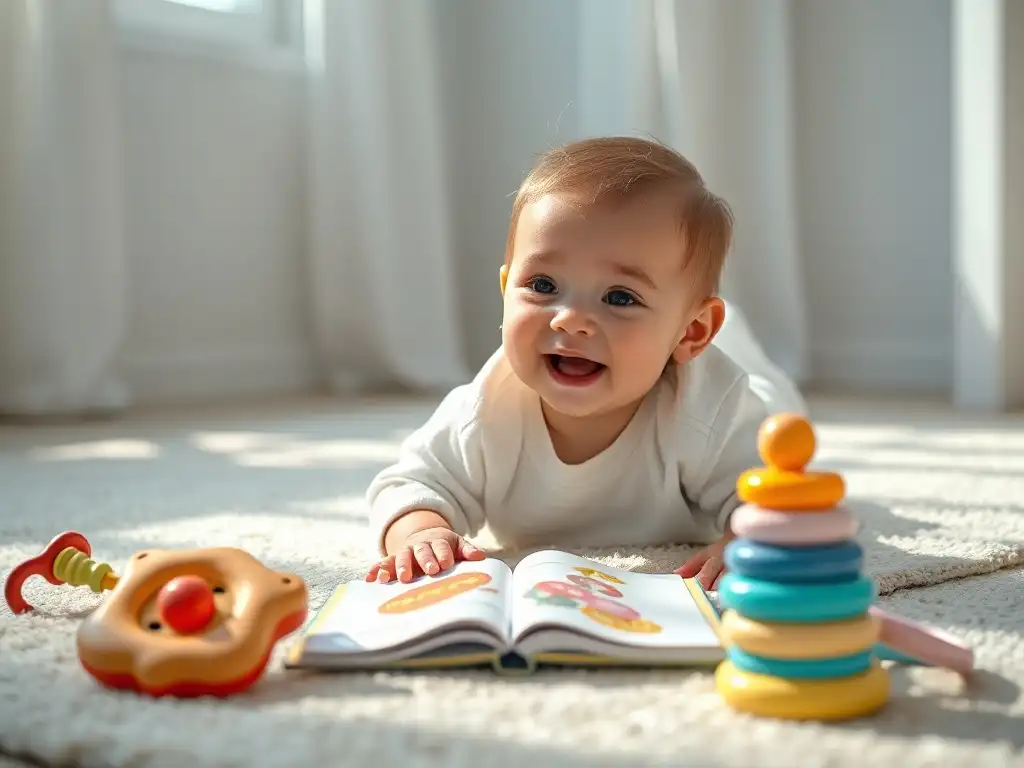
Baby toys aren't just for visual stimulation; many offer fantastic opportunities for auditory development. Choosing toys that make different sounds – rattles, crinkling toys, musical mobiles – is crucial for stimulating your baby's hearing. The variety of sounds helps them differentiate between high and low pitches, loud and soft volumes, and various sound textures.
For example, a toy that makes a soft, gentle chime encourages calm listening, while a rattle with a more pronounced shaking sound can spark excitement and engagement. Remember to always supervise your baby while they play with toys, ensuring they don't put small parts in their mouths.
Beyond the inherent sounds of the toys themselves, interactive play can further enhance auditory stimulation. As you shake a rattle, describe the sound ("Listen to that lovely shaking sound! "), helping your baby connect the action with the auditory experience.
This creates a crucial link between cause and effect, strengthening their understanding of the world around them. Consider toys with different textures as well; the sound of crinkling fabric or the soft thud of a plush toy adds another layer to their auditory exploration. This multi-sensory approach to play significantly enhances the learning experience and promotes holistic development.
Furthermore, rotating toys regularly prevents boredom and introduces new auditory stimuli, keeping your baby engaged and learning. This prevents sensory overload and ensures continuous stimulation. Remember to observe your baby's reactions to different sounds, noticing which ones capture their attention the most – this provides valuable insight into their preferences and can guide your toy selection.
Incorporating Nature Sounds and Music into Your Baby's Routine
Introducing nature sounds and music into your baby's daily routine is a wonderfully effective way to stimulate their hearing and provide calming sensory experiences. Nature sounds, such as gentle rain, birdsong, or the rustling of leaves, offer soothing and predictable auditory patterns. These sounds can be played softly during naptime or playtime, creating a tranquil and relaxing atmosphere. The consistent exposure to these calming sounds can also help regulate your baby's heartbeat and breathing, promoting better sleep and reducing stress. Remember to keep the volume low to avoid overwhelming your baby's sensitive hearing.
Music, especially classical music, is often cited for its positive effects on brain development. Studies suggest that exposure to diverse musical genres can enhance cognitive functions, including memory and language skills. However, the type of music is important; opt for calming melodies and avoid overly stimulating or jarring sounds. Lullabies, for instance, are perfect for bedtime routines, soothing your baby and promoting peaceful sleep.
Singing to your baby is also an excellent way to bond and stimulate their hearing. The rhythm and melody of your voice are inherently comforting and create a strong emotional connection. Varying your vocal tone and pitch helps to widen your baby’s auditory range.
Introducing different musical instruments, like a soft xylophone or a gentle chime, can further enrich their auditory experiences, exposing them to a wider variety of sounds and textures. Remember to observe your baby's reactions to different sounds to gauge their preferences and adjust your approach accordingly. This holistic approach to auditory stimulation using nature sounds and music contributes significantly to your baby's overall development, promoting calmness and cognitive growth.
Choosing Age-Appropriate Auditory Stimulation Activities
Choosing the right auditory stimulation activities for your baby is crucial for their hearing development. Remember, the goal is to expose your little one to a rich variety of sounds in a safe and enjoyable way, fostering their auditory processing skills and language development. This isn't about overwhelming your baby with noise; it's about providing a carefully curated soundscape that supports their natural growth. The key is to tailor the activities to your baby's developmental stage. Their ability to process and respond to sounds changes significantly in the first year of life.
0-3 Months: Soft Sounds and Gentle Melodies
During the first three months, your baby's hearing is still developing, and their ability to focus on sounds is limited. Therefore, it's best to introduce soft, calming sounds. Think gentle classical music, lullabies, or nature sounds like rain or ocean waves. Avoid loud or jarring noises that could be overwhelming or even harmful.
- Soft Classical Music: Studies suggest that exposure to classical music can have a positive impact on brain development, even at this early stage. Choose pieces with slow tempos and simple melodies. Mozart is a popular choice, but any calming classical music will work.
- Lullabies: Singing lullabies to your baby is a wonderful way to bond and stimulate their hearing. The rhythmic nature of lullabies is soothing and helps regulate their sleep-wake cycles.
- Nature Sounds: The gentle sounds of rain, ocean waves, or birdsong can be very calming and create a peaceful environment for your baby. Many apps and online resources offer curated nature soundtracks specifically designed for babies.
- Parent's Voice: Perhaps the most important sound of all! Talking, singing, and reading to your baby, even if they don't understand the words, helps stimulate their auditory processing and language development. The human voice is incredibly stimulating for newborns.
3-6 Months: Interactive Sounds and Musical Toys
As your baby grows, their ability to focus and respond to sounds increases. Between three and six months, you can introduce more interactive auditory stimulation activities. This is a great time to start exploring musical toys and engaging in sound-based games.
- Musical Toys: Rattles, teethers with built-in sounds, and soft musical toys are excellent choices. Look for toys with a variety of sounds and textures to keep your baby engaged. Avoid toys with excessively loud or jarring sounds.
- Sound-Based Games: Simple games like making different sounds with your voice ("moo," "baa," "meow") and having your baby try to locate the source of the sound are fun and engaging. This helps develop their auditory localization skills.
- Singing and Rhyming: Singing songs and reciting rhymes is a great way to stimulate your baby's language development and auditory processing. Nursery rhymes are particularly effective because of their repetitive nature and simple melodies.
- Varying Pitch and Tone: Experiment with different pitches and tones in your voice while talking and singing to your baby. This helps them learn to discriminate between different sounds.
6-12 Months: Varied Soundscapes and Simple Songs
By six months, your baby's auditory system is more developed, and they can appreciate a wider range of sounds. Now is the time to introduce more varied soundscapes and simple songs.
- Varied Soundscapes: Expose your baby to a variety of sounds from your everyday life, such as household noises (within safe limits! ), animal sounds, and environmental sounds. This helps them understand the world around them and improves their sound discrimination.
- Simple Songs with Actions: Songs with actions, like "Itsy Bitsy Spider" or "Pat-a-Cake," are engaging and help your baby connect sounds with movements. This strengthens their auditory-motor coordination.
- Storytelling with Sound Effects: Start introducing simple stories with sound effects. You can use your voice to create the sounds or use simple sound-making toys. This is a fun and engaging way to stimulate their imagination and listening skills.
- Musical Instruments: Introduce simple musical instruments, such as shakers or drums, that your baby can explore safely. This provides a hands-on auditory experience and encourages their musical development. Supervision is crucial at this stage.
Remember to always monitor your baby's reactions to sounds. If they seem distressed or overwhelmed, reduce the volume or change the activity. The goal is to create a positive and enjoyable auditory experience that supports their healthy development. 👶🎶 Enjoy this exciting phase of your baby's journey!
Baby Hearing Development Stimulation: Addressing Potential Concerns
Understanding your baby's hearing development is crucial for their overall well-being. Early intervention is key when it comes to addressing any potential hearing issues. This section will delve into identifying potential problems and when professional help is necessary. Remember, proactive monitoring and early intervention are vital for optimal baby hearing development stimulation.
Identifying and Addressing Potential Hearing Issues
Many parents worry about their baby's hearing. While most babies are born with healthy hearing, some may experience difficulties. Early identification is paramount. Here are some signs that might indicate a potential hearing problem:
- Lack of response to sounds: Does your baby startle to loud noises? Do they turn their head towards sounds? A lack of response, especially to familiar voices, could be a warning sign.
- Delayed speech development: While development varies, significant delays in babbling or vocalizing can be linked to hearing impairment.
- Frequent ear infections: Recurrent ear infections can affect hearing, potentially leading to temporary or permanent hearing loss.
- Difficulty following instructions: If your baby struggles to understand simple commands, despite seemingly normal cognitive development, a hearing test could be beneficial.
It's important to remember that these are just potential indicators. Many factors influence a baby's development. However, if you have any concerns, it's always best to seek professional advice. Early detection and intervention significantly improve outcomes. Regular checkups with your pediatrician are essential for monitoring your baby's overall health, including their hearing.
When to Consult a Pediatrician or Audiologist
Consulting a pediatrician or audiologist is crucial if you notice any of the signs mentioned above. Don't hesitate to seek professional help; early intervention is key for optimal baby hearing development stimulation. Here's a breakdown of when professional consultation is recommended:
- Within the first few months of life: If you have any concerns about your baby's hearing response during these crucial developmental months, schedule an appointment immediately.
- Following a high-risk pregnancy or birth: Certain factors during pregnancy or delivery can increase the risk of hearing problems. Consult a specialist for a comprehensive evaluation if applicable.
- After a severe ear infection: If your baby experiences a severe or persistent ear infection, a follow-up hearing assessment is necessary to rule out any potential hearing loss.
- If family history indicates hearing problems: Genetic factors can influence hearing development. If there's a history of hearing loss in your family, proactive screening is advisable.
A pediatrician can perform basic hearing screenings. However, for a more in-depth evaluation, they may refer you to an audiologist, a specialist in hearing and balance disorders. Audiologists utilize specialized equipment to conduct comprehensive hearing tests and provide appropriate recommendations.
Supporting Your Baby's Hearing Development Through Play
Stimulating your baby's hearing development through play is fun and beneficial. Engage in activities that encourage auditory exploration and development. Here are some ideas for baby hearing development stimulation:
- Singing and talking: Sing lullabies, nursery rhymes, and talk to your baby frequently. Use varied tones and inflections to capture their attention.
- Sound toys: Introduce age-appropriate sound toys, such as rattles, musical instruments, and textured toys that make different sounds. Vary the sounds to stimulate auditory processing.
- Reading aloud: Read books with engaging stories and varied sounds. Point to pictures and describe them, linking words to visual cues.
- Environmental sounds: Expose your baby to a variety of everyday sounds, such as running water, birds chirping, and household noises (always ensuring safety). This helps them differentiate various sounds and enhances their auditory awareness.
- Interactive games: Play simple games involving sounds. For example, make animal sounds and encourage your baby to imitate them. This promotes auditory discrimination and language development.
Remember, consistency is key. Regular interaction and engaging activities will help your baby's hearing develop optimally. Enjoy this special time of connection and learning, while nurturing your baby's auditory world! 🎉
Maintaining a Safe Sound Environment for Your Baby
Creating a nurturing auditory environment for your baby is crucial for their healthy hearing development and overall well-being. This isn't just about avoiding loud noises; it's about crafting a soundscape that stimulates and supports their growing auditory system. Think of it as providing the right "nutrients" for their ears, just as you carefully choose nutritious foods for their bodies. This section focuses on practical strategies to ensure your baby's auditory environment fosters optimal development. Remember, consistent exposure to appropriate sounds is key to maximizing your baby's auditory potential.
Protecting Your Baby's Hearing from Loud Noises
Loud noises pose a significant threat to a baby's delicate hearing. Infants' ears are particularly vulnerable because their auditory systems are still developing. Prolonged exposure to sounds above 85 decibels (dB) – roughly the volume of a busy street – can cause irreversible hearing damage. Consider these common sources of excessive noise and how to mitigate their impact:
- Household Appliances: Vacuum cleaners, blenders, and even hair dryers can produce surprisingly loud noises. Always keep your baby at a safe distance when using these appliances, or better yet, use them when your baby is asleep or in another room.
- Loud Music or Television: While background music can be soothing, avoid playing music or television at high volumes. Keep the sound at a comfortable level for you – if you find it too loud, it's likely too loud for your baby.
- Fireworks and Concerts: These events generate extremely loud noises that can severely damage your baby's hearing. It's best to avoid taking your baby to such events until they are much older.
- Toys: Some toys, particularly electronic ones, can produce loud sounds. Check the volume levels of your baby's toys and avoid those that are excessively loud.
Remember, prevention is key. By proactively identifying and reducing loud noise sources, you're actively contributing to your baby's long-term auditory health. A quiet and peaceful environment promotes better sleep and reduces stress, further supporting your baby's development. Early intervention is crucial; protecting their hearing now safeguards their future auditory capabilities.
The Dangers of Excessive Noise Exposure for Infants
Excessive noise exposure in infants can lead to various detrimental effects, ranging from temporary hearing loss to permanent damage. The consequences can be far-reaching, impacting speech development, language acquisition, and overall cognitive function. Let's explore the specific dangers:
- Noise-Induced Hearing Loss (NIHL): This is the most direct consequence of excessive noise exposure. NIHL can range from temporary threshold shifts (where hearing temporarily diminishes) to permanent damage, affecting the ability to hear certain frequencies. The younger the child, the greater the risk of permanent damage.
- Auditory Processing Disorders: Exposure to loud noises can disrupt the brain's ability to process auditory information effectively. This can manifest as difficulties with sound localization, understanding speech in noisy environments, and distinguishing between different sounds.
- Delayed Speech and Language Development: Difficulties processing auditory information can directly impact a child's ability to acquire language. Delayed speech and language development can have cascading effects on social-emotional development and academic performance.
- Stress and Sleep Disturbances: Loud noises can be highly stressful for infants, leading to disrupted sleep patterns, irritability, and other behavioral problems. A consistent lack of quality sleep can negatively impact their overall development.
The following table summarizes the potential consequences of noise exposure:
| Level of Noise Exposure | Potential Consequences |
|---|---|
| Low levels, short duration | Minimal impact |
| Moderate levels, prolonged | Temporary hearing loss, irritability, sleep disturbances |
| High levels, prolonged | Permanent hearing loss, auditory processing disorders, speech delays |
Protecting your baby's hearing is a critical aspect of their overall development. By maintaining a safe sound environment and minimizing exposure to loud noises, you're investing in their future auditory health and well-being. Early intervention and a proactive approach are paramount in ensuring optimal auditory development for your little one. 👶
Long-Term Benefits of Early Auditory Stimulation
Early auditory stimulation, focusing on "baby hearing development stimulation," offers a wealth of long-term advantages for your child's overall development. It's not just about ensuring they can hear; it's about nurturing their auditory processing and its profound impact on various cognitive and social skills. Think of it as laying a strong foundation for their future learning and communication abilities. The benefits extend far beyond simply hearing sounds; they impact crucial aspects of your child's life. Let's explore some key advantages in detail.
Enhanced Language Development and Communication Skills
Exposure to a rich auditory environment from infancy significantly boosts language acquisition. Babies learn language by listening, processing sounds, and associating them with meaning. Early stimulation helps them discriminate between different phonemes (speech sounds), a crucial skill for understanding and producing words.
Studies show that babies exposed to diverse sounds and speech patterns develop larger vocabularies and more advanced grammatical skills earlier than their peers with limited auditory stimulation. This translates into improved communication abilities, stronger social interactions, and enhanced academic success later in life. The earlier you start, the more pronounced these benefits become.
Consider this: a baby who consistently hears diverse sounds and speech will likely develop better speech articulation and comprehension compared to a baby in a quieter environment. This isn't just about talking to your baby; it's about creating an environment saturated with sound – singing, reading aloud, narrating daily activities – all contributing to robust language development. The richness of auditory input directly correlates with the speed and efficiency of language acquisition.
Improved Cognitive Development and Problem-Solving Abilities
The benefits of auditory stimulation extend far beyond language. Research suggests a strong link between early auditory experiences and overall cognitive development. Processing sounds requires the brain to work efficiently, strengthening neural connections and improving cognitive functions like memory, attention, and executive functioning.
Think of it as a form of brain training: the more your baby's brain is challenged by different sounds and auditory patterns, the more efficient and adaptable it becomes. This enhanced cognitive flexibility translates into improved problem-solving skills, better adaptability to new situations, and a greater capacity for learning throughout life. For example, a baby regularly exposed to music might demonstrate better pattern recognition and sequencing abilities compared to a baby with minimal auditory stimulation.
This improved cognitive function isn't limited to academic settings; it impacts their ability to navigate social situations, manage emotions, and make informed decisions. The positive impact on their cognitive development, therefore, is far-reaching and long-lasting.
Fostering a Love for Music and Sound Appreciation
Introducing your baby to a variety of sounds, including music, lays the foundation for a lifelong appreciation of the arts. Music, in particular, offers a rich auditory experience stimulating multiple brain regions simultaneously. Exposure to different musical genres, rhythms, and instruments enhances auditory discrimination, memory, and emotional regulation.
Early musical experiences can cultivate a deep-seated love for music, potentially leading to participation in musical activities later in life. This isn't simply about passive listening; active engagement, such as singing, playing musical instruments (even simple rattles), or attending musical events, strengthens the bond between parent and child while providing crucial auditory stimulation. Remember, the goal is not to create a child prodigy, but to nurture a lifelong appreciation for sound and the diverse ways it enhances our lives.
The positive emotional associations built during these early experiences can foster a lasting connection to music and the arts, enriching their overall quality of life. Think of it as planting a seed that will blossom into a lifelong appreciation of sound and music.
Frequently Asked Questions
How important is hearing development in babies?
Hearing is crucial for language acquisition, cognitive development, and overall well-being. Early detection of hearing problems is vital for intervention. Stimulating your baby's hearing from birth promotes healthy development.
When should I start stimulating my baby's hearing?
You can start immediately after birth. Even newborns respond to sounds. Consistent stimulation throughout infancy is key to optimal hearing development.
What are some ways to stimulate my baby's hearing?
Talk, sing, and read to your baby frequently. Play music, use toys that make sounds, and engage in interactive vocal play. Exposure to a variety of sounds is beneficial.
How do I know if my baby has a hearing problem?
If your baby doesn't respond to sounds, has delayed language development, or seems to have difficulty hearing, consult a pediatrician immediately. Early intervention is essential for addressing any hearing issues.
Are there any toys specifically designed for hearing stimulation?
Yes, many toys are designed to stimulate hearing development. Look for toys with different sounds and textures, musical elements, and interactive features. Check with your pediatrician or BabyCareHub for recommendations.
Final Reflection: A Legacy of Listening: Shaping Your Child's Auditory World
The soundscape of a child's early years profoundly shapes their cognitive and emotional development, impacting their future learning and social interactions. Understanding this crucial period and actively engaging with your baby through sound stimulation isn't just beneficial; it's essential for fostering a rich and responsive auditory landscape.
The impact of early auditory experiences resonates far beyond infancy. It lays the foundation for language acquisition, social bonding, and even emotional regulation. The human brain is a symphony of neural activity, and the sounds of our early environment are the conductor's baton, shaping the melody of our lives.
This quote, while not directly from a scientific study, encapsulates the profound influence of early sounds on a child's development, highlighting the importance of creating a nurturing auditory environment. We, as parents and caregivers, have a unique opportunity to orchestrate this symphony, ensuring a harmonious and enriching experience for our little ones.
Consider the sounds you introduce to your baby today – the gentle lullabies, the playful babble, the sounds of nature. These aren't just fleeting moments; they are building blocks of your child's future. Take a moment to reflect on the auditory world you are creating for your child. Are you actively engaging them with diverse sounds?
Are you providing opportunities for them to explore and interact with their environment through sound? Embrace this opportunity to nurture your child's auditory development, shaping a future filled with rich listening experiences and the joy of communication. The symphony of sounds you create today will resonate throughout their lives.
Unleash Your Baby's Musical Potential!
Thank you for learning about nurturing your baby's hearing development. We hope this article provided valuable insights into this crucial stage of their growth. Now, let's put this knowledge into practice!
- Create a personalized soundscape: Design a playlist of calming and stimulating sounds tailored to your baby's preferences. Nature sounds, lullabies, or even the rhythmic ticking of a clock can all contribute to a rich auditory environment. This is a crucial first step in enriching their world of sound.
- Share your sound discoveries: Tell us about the sounds your baby responds to best! Share your playlist ideas and experiences in the comments below – let's build a supportive community of parents.
- Explore interactive musical toys: Introduce age-appropriate musical toys that encourage active listening and playful interaction. This will add another dimension to your baby's musical development.
What unique sounds have you discovered that captivate your little one? Let's share our tips and experiences!