
Backyard Bliss: Simple Outdoor Games to Spark Baby's Curiosity

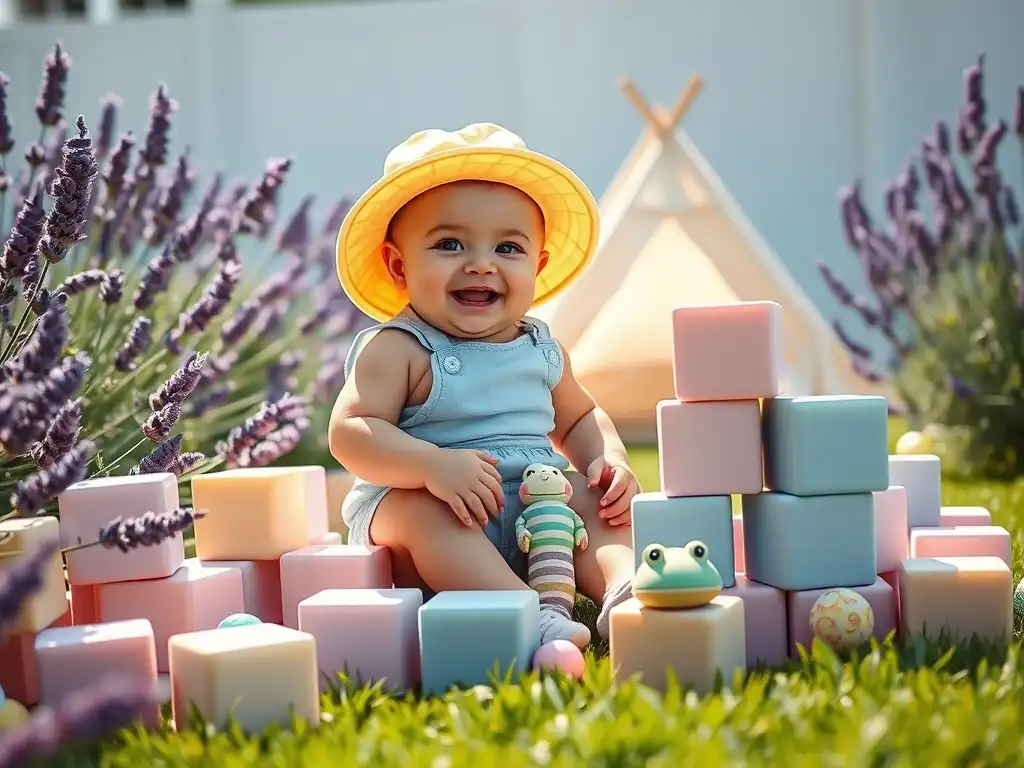
Welcome to BabyCareHub, your ultimate guide to navigating the incredible journey of parenthood! Are you ready to unlock a world of fun and learning for your little one? We've got you covered. Discover amazing baby outdoor games ideas that will not only entertain but also stimulate your baby's development, fostering crucial skills and creating lasting memories. Dive into our "Developmental Milestones" section and begin exploring the joys of playtime – your backyard adventure awaits!
- Safe and Engaging Baby Outdoor Games Ideas for Development
- Creating a Stimulating Outdoor Environment for Your Baby
- Fun Baby Outdoor Games Ideas: Step-by-Step Guide
- Maximizing Learning Through Outdoor Play: Benefits for Baby's Development
- Tips for Safe and Enjoyable Outdoor Play with Your Baby
- Frequently Asked Questions
- Final Reflection: Cultivating Wonder in the Great Outdoors
- Ignite Your Little One's Imagination: Playtime Awaits!
Safe and Engaging Baby Outdoor Games Ideas for Development
First-time parents often search for ways to stimulate their baby's development while enjoying the fresh air and sunshine. This article provides a curated list of safe and engaging outdoor games perfect for sparking your baby's curiosity and fostering their physical, cognitive, and sensory growth. We'll explore age-appropriate activities, focusing on safety precautions and ensuring a fun and enriching experience for both you and your little one.
From sensory exploration for newborns to simple motor skill games for older infants, "Backyard Bliss" offers a wealth of "baby outdoor games ideas" to help your child thrive in their earliest months. Remember, always prioritize safety and supervise your baby closely during all outdoor playtime. This guide will equip you with the knowledge to create joyful and developmentally beneficial outdoor experiences for your baby.
Age-Appropriate Outdoor Activities for Babies: 0-6 Months
Sensory Stimulation Games for Young Infants: Exploring Textures and Sounds
Newborns and infants under six months benefit immensely from sensory stimulation. Outdoor activities at this stage should focus on gentle exploration of textures and sounds.
- Tummy Time on a Soft Blanket: Place your baby on a soft blanket on the grass (ensure it's free of debris and insects!). The varied textures of the grass can be fascinating. Use toys with different textures – soft fabric, crinkly paper, smooth wood – to encourage exploration. 👶
- Nature Sounds Exploration: Take your baby outside on a quiet day and let them listen to the sounds of nature. The rustling of leaves, the chirping of birds, and the gentle breeze can be incredibly stimulating for their auditory senses. 🐦🍃
- Visual Stimulation with Mobile Toys: Hang a brightly colored mobile from a tree branch (securely!) or use a stroller-mounted mobile during outdoor walks. This helps develop their visual tracking skills. 👀
Remember to keep sessions short, depending on your baby's cues. Always supervise your baby closely during tummy time to ensure their safety and comfort.
Safe Sun Exposure and Protective Measures for Babies
Protecting your baby's delicate skin from the sun is crucial. Even on cloudy days, UV rays can penetrate and damage their skin.
| Time of Day | Sun Protection Recommendations |
|---|---|
| Morning (before 10 am) | Limited sun exposure; light clothing, shade preferred. |
| Midday (10 am - 4 pm) | Avoid direct sunlight; seek shade; use a wide-brimmed hat and UPF clothing. |
| Afternoon (after 4 pm) | Limited sun exposure; light clothing, shade preferred. |
Always use a high SPF (30 or higher) sunscreen specifically designed for babies, applying it liberally 15-30 minutes before sun exposure. Reapply every two hours, or more frequently if they're swimming or sweating. Remember, shade is your best friend!
Age-Appropriate Outdoor Activities for Babies: 6-12 Months
Simple Motor Skill Games: Reaching, Grasping, and Crawling
As your baby approaches six months, they'll begin developing more advanced motor skills. Outdoor games can further encourage these milestones.
- Crawling Obstacle Course: Create a simple crawling course using pillows, blankets, and soft toys. This encourages crawling and problem-solving skills. Observe your baby's progress and adjust the course's difficulty accordingly. 🤸♀️
- Ball Play: Roll a soft ball back and forth with your baby. This helps develop hand-eye coordination and strengthens their muscles. Choose a large, soft ball to avoid any choking hazards. ⚽
- Outdoor Toy Exploration: Place a variety of age-appropriate toys outdoors, encouraging your baby to reach, grasp, and manipulate them. Include toys with different textures and sounds.
Remember to always supervise your baby during these activities. Ensure the area is safe and free of hazards.
Introducing Sounds and Music Outdoors: Engaging Baby's Auditory Senses
The outdoor environment offers a wealth of auditory stimulation. Use this to your advantage!
- Nature Sounds Scavenger Hunt: Point out different sounds in nature, like birds singing, leaves rustling, or water trickling. This helps expand your baby's auditory vocabulary and understanding of their environment. 🦜
- Singing and Music: Sing songs and play music outdoors. The change of scenery can make playtime even more engaging. Use instruments like rattles or shakers for added sensory stimulation. 🎶
- Interactive Music Play: Use simple musical instruments that your baby can safely explore. This encourages cause-and-effect learning and develops fine motor skills.
Always ensure the volume of any music or sounds is appropriate for your baby's hearing. Prioritize safe and age-appropriate musical instruments.
Creating a Stimulating Outdoor Environment for Your Baby
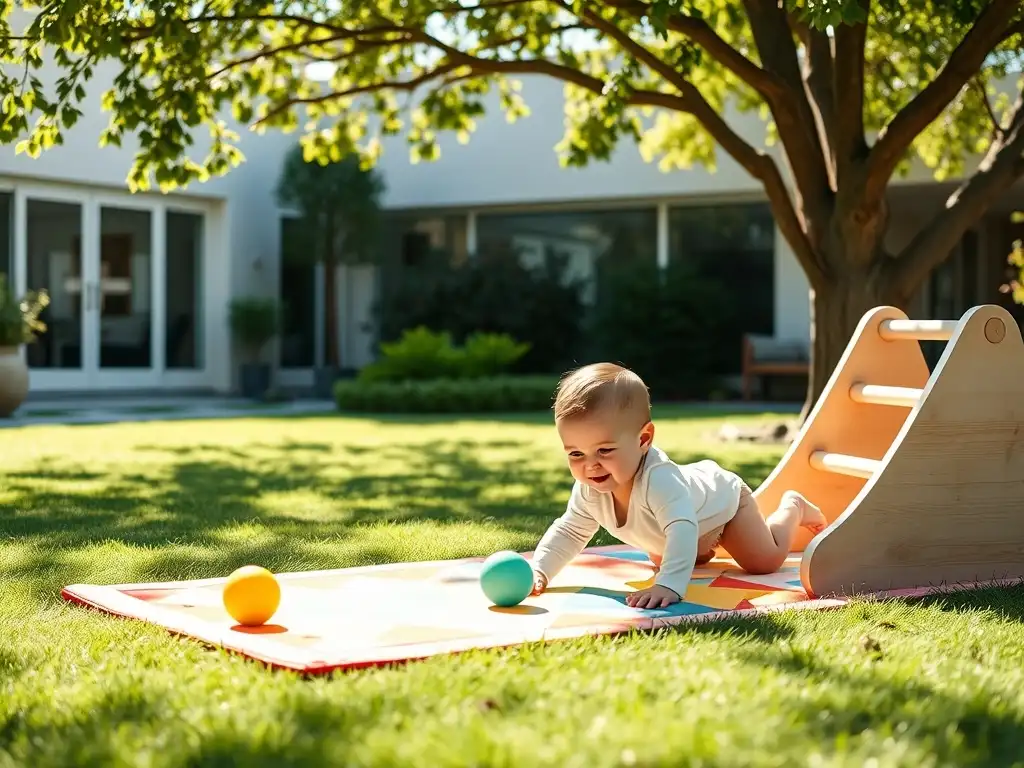
This section focuses on transforming your backyard into a safe and engaging play space specifically designed for your baby's developmental needs. We'll explore practical steps to create a stimulating environment that fosters curiosity and encourages exploration. Remember, safety is paramount; every element should be carefully considered to minimize risks. Prioritizing a safe and enriching outdoor experience will contribute significantly to your baby's physical and cognitive development. Let's delve into the crucial aspects of creating this ideal outdoor haven.
Setting Up a Safe Play Area: Baby-Proofing Your Backyard
Before introducing any toys or activities, ensuring your backyard is baby-proofed is crucial. This involves a systematic approach to eliminating potential hazards. Think of it as a checklist for a safe outdoor nursery.
First, inspect your fence for gaps or weak points. A secure fence is essential to prevent escapes and accidental falls. Ensure the fence is tall enough to prevent climbing, especially as your baby gets more mobile. Next, meticulously remove any potential choking hazards such as small stones, broken pieces of glass, or sharp objects. Regularly check the lawn for any debris that could pose a risk.
Consider the ground cover. A soft, grassy area is ideal, but if your yard has hard surfaces, consider placing soft mats or play rugs in designated play areas. These will provide cushioning in case of falls. Furthermore, keep an eye out for potential tripping hazards, such as uneven paving stones or tree roots.
Removing these or clearly marking them can significantly reduce the risk of accidents. Finally, ensure that any water sources, such as pools or ponds, are securely fenced or covered. Drowning is a significant danger, and preventative measures are absolutely essential. Regularly review your safety measures as your baby grows and their abilities change.
Choosing the Right Toys for Outdoor Play: Durability and Safety
Selecting appropriate outdoor toys is key to maximizing the fun and educational value of your baby's playtime. Prioritize toys that are durable, safe, and age-appropriate. Durability is crucial; toys should withstand the elements and rough handling. Look for toys made from robust materials such as high-quality plastics or natural wood. Avoid toys with small parts that could pose a choking hazard. Opt for larger, chunky toys that are easy for little hands to grasp.
Safety is non-negotiable. Check for sharp edges or points, and ensure that the toys are free from toxic chemicals. Look for toys that meet relevant safety standards. Consider toys that stimulate different senses. For example, textured balls can enhance tactile exploration, while brightly colored toys can stimulate visual development.
Soft, squeezable toys can be comforting and engaging. Remember, the best outdoor toys for babies are often simple and encourage imaginative play. This approach fosters creativity and problem-solving skills. Examples include soft blocks, brightly colored balls, and simple rattles that can safely be used outdoors. Always supervise your baby during playtime, even with seemingly safe toys.
Weather Considerations for Outdoor Play with Babies
The weather significantly impacts the suitability and safety of outdoor play for babies. Always check the forecast before heading outside. Extreme heat, cold, or strong winds can be dangerous for young children. On hot days, limit exposure to direct sunlight and ensure adequate hydration. Consider using a sunshade or umbrella to provide protection from harmful UV rays. Dress your baby in lightweight, breathable clothing and regularly check their temperature. Overheating is a serious risk, so be vigilant.
On cold days, dress your baby in layers of warm clothing, including a hat, gloves, and socks. Ensure that their extremities remain warm and dry. Limit the duration of outdoor play in cold or windy conditions to prevent hypothermia. Always monitor your baby's body temperature and look for signs of discomfort.
In rainy weather, postpone outdoor play or use a waterproof cover to shield your baby from the elements. Remember, even a short exposure to extreme weather can have serious consequences, so prioritizing your baby's safety is crucial. Never leave your baby unsupervised during outdoor play, regardless of the weather conditions. This constant supervision is paramount to their safety and well-being.
Fun Baby Outdoor Games Ideas: Step-by-Step Guide
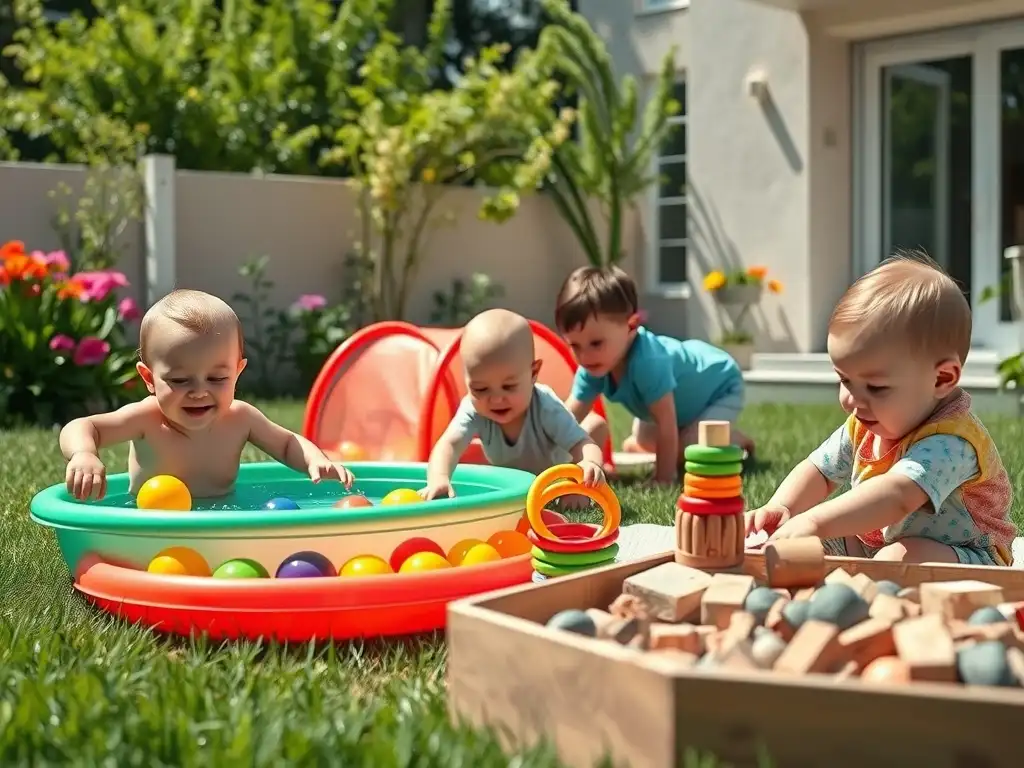
This section provides detailed, step-by-step instructions for engaging baby outdoor games, perfect for sparking curiosity and fostering development. We'll explore activities focused on sensory exploration and musical engagement, offering practical tips and observations to maximize your baby's enjoyment and learning. These baby outdoor games ideas are designed for various developmental stages, ensuring a fun and stimulating experience. Remember to always supervise your baby closely during outdoor play.
The Sensory Garden Exploration: Touch, Smell, and Sight
This game focuses on enriching your baby's sensory experiences through exploration of natural elements. It’s a fantastic way to introduce your little one to the wonders of the natural world and stimulate their developing senses. The key is to provide a safe and controlled environment with a variety of textures and scents.
Step 1: Preparing the Sensory Garden
Before you begin, create a safe and designated “sensory garden” area in your backyard. This could be a small patch of grass, a section of your patio, or even a large container. Ensure the area is free of hazards like sharp objects, pesticides, or poisonous plants. Consider using a soft blanket or mat to cushion your baby's falls. You'll want to gather a variety of natural items with different textures and scents:
- Soft grass
- Smooth river stones (ensure they're clean and appropriately sized)
- Rough tree bark (small, manageable pieces)
- Soft leaves (avoid poisonous varieties)
- Flower petals (non-toxic)
- Scented herbs (like lavender or rosemary – always check for allergies)
Step 2: Engaging Baby with Different Textures
Once the sensory garden is prepared, gently guide your baby's hands and feet through the different textures. Let them explore the soft grass, the smooth stones, and the rough bark. Observe their reactions—do they seem curious, surprised, or even a little apprehensive? This is a valuable opportunity to understand their sensory preferences and sensitivities. You can narrate the experience, saying things like, "Feel the soft grass! It tickles!" or "These stones are so smooth!" This verbal interaction helps with language development.
Step 3: Introducing Nature Sounds
Enhance the sensory experience by introducing natural sounds. The gentle rustling of leaves, the chirping of birds, or the buzzing of bees can all add to the overall stimulation. Narrate these sounds as well, explaining what your baby is hearing. This helps them associate sounds with objects and expands their auditory understanding. Remember to maintain a safe distance from any insects or animals. This activity provides a rich sensory experience, promoting cognitive development and a love for nature. 👶🌼
The Outdoor Musical Journey: Sounds and Movement
Music is a powerful tool for stimulating a baby's development. This activity combines music with movement, creating an engaging and enjoyable experience that fosters both physical and cognitive growth. The key is to choose age-appropriate instruments and create a fun, rhythmic experience.
Step 1: Selecting Age-Appropriate Musical Instruments
For babies, simple, safe instruments are ideal. Consider the following:
- Shakers: Filled with rice or beans, these provide a satisfying sound.
- Rattles: Classic baby toys that are easy to grasp and shake.
- Soft bells: Gentle sounds that won't be overwhelming.
- Drums: Choose a soft-surfaced drum to avoid injury.
Avoid instruments with small parts that could be a choking hazard.
Step 2: Creating a Rhythmic Outdoor Experience
Choose a comfortable outdoor space and start playing simple rhythms on your chosen instruments. Incorporate movement. You can gently sway your baby to the music, clap along, or even dance! This combines auditory and kinesthetic stimulation. Try varying the tempo and rhythm to keep your baby engaged. The goal is to create a fun and interactive experience.
Step 3: Observing Baby's Response to Music
Pay close attention to your baby's reaction. Do they seem to enjoy the music? Do they move their bodies in response? Do they focus intently on the instruments? Their responses will provide valuable insight into their musical preferences and their overall development. This activity fosters a love for music, enhances motor skills, and promotes emotional development. 🎶👶
Maximizing Learning Through Outdoor Play: Benefits for Baby's Development
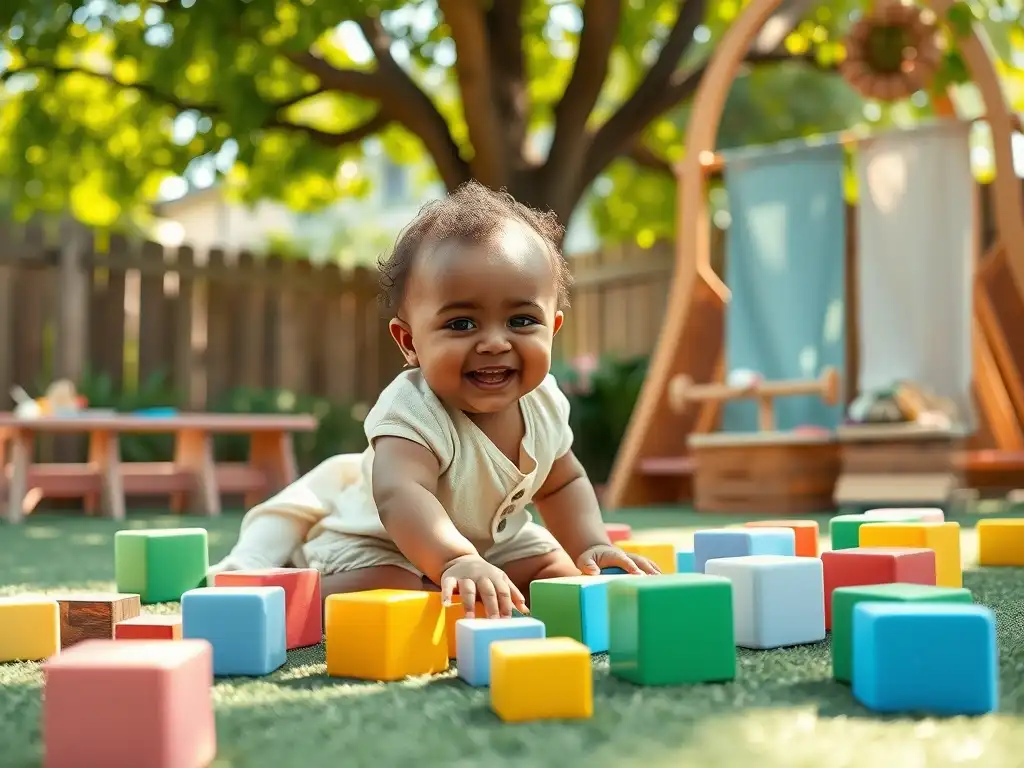
Outdoor play offers a wealth of opportunities for babies to learn and grow. It's not just about fun; it's a crucial element in their holistic development, impacting physical, cognitive, and social-emotional skills. Engaging in age-appropriate activities in a stimulating outdoor environment provides a unique learning experience unavailable indoors. The fresh air, natural light, and diverse textures contribute to a richer sensory experience, fueling baby's development in countless ways. This section will delve into the specific developmental benefits of outdoor play, showcasing how simple games can significantly impact your baby's progress.
Enhancing Gross Motor Skills: Movement and Coordination
Outdoor spaces provide the perfect environment for babies to hone their gross motor skills. Think about the simple act of crawling across a grassy patch – it strengthens leg muscles, improves balance, and coordinates hand-eye movements. The uneven terrain encourages them to adapt their movements, improving their body awareness and spatial reasoning. Consider these examples:
- Tummy Time on a Soft Blanket: Placing your baby on a soft blanket outdoors allows for tummy time with a change of scenery. The varied textures of grass or sand can stimulate their senses while they work on lifting their head and strengthening their neck and back muscles.
- Rolling Games: A large, open space allows for unrestricted rolling, a crucial milestone in gross motor development. Encourage rolling by gently guiding your baby and offering toys as incentives. Observe their progress; you'll notice significant improvement in their strength and coordination over time.
- Supported Sitting and Reaching: Provide a stable, comfortable surface for your baby to sit and reach for toys placed at varying distances. This helps develop postural control and strengthens their core muscles.
The development of gross motor skills is a gradual process, with each milestone building upon the previous one. Regular outdoor play significantly accelerates this development, providing opportunities for continuous practice and refinement. Remember to always supervise your baby closely during outdoor activities to ensure their safety.
Boosting Cognitive Development: Sensory Exploration and Problem Solving
Beyond physical development, outdoor play significantly boosts cognitive development. The novel sights, sounds, smells, and textures found outdoors provide a rich sensory experience that stimulates brain development. Simple games can be designed to challenge their problem-solving abilities and encourage exploration. For instance:
- Sensory Bins: Create a sensory bin using natural materials like leaves, twigs, and soft stones. This allows your baby to explore different textures, sounds, and shapes, enhancing their tactile and auditory perception. Observe how they engage with the materials; their focus and exploration demonstrate their cognitive engagement.
- Hiding Games: Hide a familiar toy under a blanket or behind a tree, encouraging your baby to find it. This simple game introduces the concept of object permanence, a key milestone in cognitive development. The excitement and joy they express upon finding the toy reinforces their learning process.
- Exploring Different Surfaces: Allow your baby to explore different surfaces like grass, sand, and smooth pavement. This teaches them about diverse textures and how their movements need to adapt to different terrains. This experience enhances their understanding of cause and effect.
The diverse sensory input from outdoor play helps build neural connections in the brain, fostering cognitive growth and improving problem-solving skills. These seemingly simple activities lay a strong foundation for future learning.
Outdoor play also plays a vital role in fostering social-emotional development. Interacting with caregivers and other children in a natural setting helps babies develop crucial social skills and emotional regulation. Here are some ways to encourage social-emotional growth through outdoor play:
- Interactive Games: Simple games like peek-a-boo or singing songs together while outdoors create a bond between you and your baby, strengthening your relationship and fostering emotional security. The positive interaction promotes their emotional well-being.
- Shared Experiences: Exploring nature together, pointing out different plants and animals, creates shared experiences that bond you and your baby. This builds a secure attachment and fosters a sense of wonder and curiosity about the world.
- Observation and Imitation: Babies learn by observing and imitating others. Allowing them to watch other children (of appropriate age) play outdoors provides opportunities for social learning and developing social skills.
Outdoor play creates positive emotional associations, promoting feelings of joy, contentment, and security. The shared experiences and positive interactions nurture healthy emotional development and build strong social bonds. Remember to tailor the activities to your baby’s developmental stage and always prioritize safety.
Tips for Safe and Enjoyable Outdoor Play with Your Baby
This section focuses on maximizing the fun and safety of your baby's outdoor playtime. Remember, the goal is to stimulate your baby's senses and development in a secure environment. Always prioritize your little one's well-being above all else. We'll explore practical strategies to ensure a positive experience for both you and your baby.
Choosing the right time of day is crucial; avoid the hottest parts of the day, opting for morning or late afternoon when the sun is less intense. This helps mitigate the risk of overheating and sunburn. Always supervise your baby directly, never leaving them unattended, even for a moment. This constant vigilance is paramount for preventing accidents and ensuring their safety.
Monitoring Baby's Reactions and Signs of Tiredness
Observing your baby's cues is paramount for a successful outdoor play session. Babies communicate their needs through subtle signals. Learn to recognize signs of tiredness, such as rubbing their eyes, yawning excessively, becoming fussy or irritable, or losing interest in the activities. These are clear indicators that it's time to wind down the playtime and head indoors. Don't push your baby beyond their limits; respect their need for rest.
Overtired babies can become cranky and difficult to manage, potentially impacting their overall enjoyment of outdoor time. A happy, rested baby is a happy, engaged baby. Keeping a close eye on their expressions and body language will help you gauge their enjoyment and ensure a positive experience. For example, if your baby consistently turns away from a toy or activity, it might be a sign they're ready for a change or a break.
Hydration and Sun Protection: Essential Precautions
Protecting your baby from the elements is critical during outdoor play, especially during warmer months. Dehydration is a significant risk, particularly for infants. Always have a bottle of water readily available and offer it frequently, even if your baby doesn't seem thirsty. Remember that babies can dehydrate quickly, especially in warm weather.
For sun protection, use a broad-spectrum sunscreen with an SPF of 30 or higher, specifically designed for babies' sensitive skin. Apply it liberally to all exposed skin, reapplying every two hours, or more frequently if your baby is swimming or sweating. A wide-brimmed hat provides additional shade for their face and neck. Lightweight, breathable clothing offers further protection from the sun's harmful rays.
Consider seeking shade periodically throughout the playtime, particularly during peak sun hours. Remember that even on cloudy days, the sun's UV rays can still penetrate and cause damage. Prioritizing hydration and sun protection ensures your baby's comfort and safety while enjoying the outdoors.
Cleaning and Hygiene After Outdoor Play
After a fun-filled outdoor play session, it's essential to maintain good hygiene practices. Babies are particularly susceptible to germs and bacteria, so thorough cleaning is crucial. Start by washing your baby's hands thoroughly with soap and water. This simple step removes dirt, grime, and potential pathogens accumulated during playtime.
If your baby has been crawling or playing on the ground, consider giving them a quick sponge bath to remove any residual dirt or grass. Pay close attention to their hands, feet, and any areas that came into direct contact with the ground. Change their clothes to ensure they're wearing fresh, clean garments. This routine helps prevent skin irritation and the spread of germs.
Remember, consistent hygiene practices are vital in maintaining your baby's overall health and well-being, especially after playing outdoors. A clean and refreshed baby is ready for a peaceful nap after a day of exploring the wonders of the backyard! 👶
Frequently Asked Questions
What age is appropriate for these outdoor games?
The games suggested are best suited for babies aged 6 months to 18 months, depending on their individual developmental milestones. Always supervise your baby closely and adjust activities based on their abilities.
Are these games safe for my baby?
Yes, the games focus on simple, safe activities. Always ensure a soft, safe play area free of hazards like sharp objects or deep water. Constant supervision is crucial.
What kind of equipment do I need for these games?
Most games require minimal equipment. You might need a soft blanket, some brightly colored toys, and perhaps a small ball or soft blocks. Many activities use things already found in your backyard!
How long should we play these games?
Keep play sessions short and sweet, starting with 10-15 minutes and gradually increasing as your baby's attention span grows. Observe your baby's cues; if they seem tired or fussy, stop the game.
What if my baby doesn't seem interested in the games?
Don't worry! Every baby is different. Try a variety of activities and different times of day. If your baby is consistently uninterested, consult your pediatrician to rule out any underlying issues.
Final Reflection: Cultivating Wonder in the Great Outdoors
The simple act of playing outdoors with your baby is not just about fun; it's about fostering a lifelong love of nature and learning. These seemingly small interactions—a chase after bubbles, the thrill of a gentle swing, the wonder of discovering a ladybug—lay the foundation for a rich and inquisitive mind. The impact of these early experiences extends far beyond the backyard, shaping their future relationship with the world.
The joy of watching a baby's eyes light up as they grasp a new concept or experience the sheer delight of movement is truly unparalleled. It's a reminder of the power of simple pleasures and the importance of connecting with nature from the earliest stages of life. Nature is not a place to visit. It is home.
This quote resonates deeply, emphasizing the inherent connection between humans and the natural world, a bond we should nurture from infancy. The games and activities discussed in this article are not just fleeting moments of fun; they are building blocks in creating a generation that appreciates and protects our planet.
Now, consider your own backyard, or even a nearby park. What simple games can you create to spark your baby's curiosity? What wonders await discovery? Take a moment to reflect on the power of play and the profound impact it has on a child's development. Embrace the opportunity to create lasting memories and foster a deep appreciation for the natural world, one playful moment at a time. Let the backyard become a vibrant classroom, a playground of learning, and a testament to the boundless potential of your little one.
Ignite Your Little One's Imagination: Playtime Awaits!
Thank you for joining us on this journey to discover the joy of outdoor play with your baby! We hope you've found some inspiring ideas to foster their curiosity and development. Now, let's turn those ideas into amazing memories:
- Start with a simple game today: Dedicate 15 minutes to playing with your baby, observing their reactions and adapting the game to their engagement. For example, if they seem particularly interested in balls, focus on rolling and chasing activities. If they are more drawn to nature, explore a nearby park together.
- Create a weekly outdoor play schedule: Plan dedicated playtime for at least three days a week, ensuring variety in the activities. This could include a nature walk one day, a ball game another, and perhaps building a sandcastle on the third.
- Share your favorite outdoor playtime moments with other parents on our BabyCareHub community forum! Let's build a supportive network of play-loving parents.
Ready to transform your backyard into a wonderland of discovery? What simple game will you introduce to your little one today?